Artwork
A Military Encampment
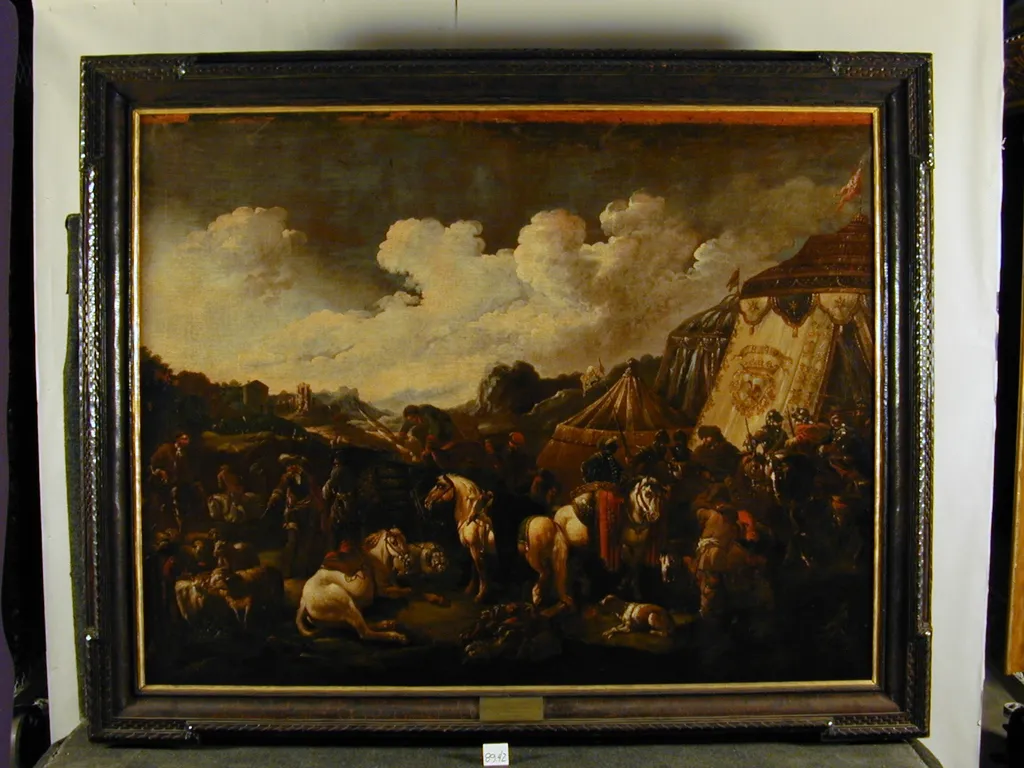
A Military Encampment is an oil painting by the Flemish Baroque painting artist Philipp Peter Roos. It dates from 1655 and is held in the collection of the Detroit Institute of Arts.
About this work
Overview
Painted in 1655 by Philipp Peter Roos, this oil on canvas depicts a military encampment. Though Roos spent most of his career in Italy after 1677 and became known as Rosa di Tivoli, this early work predates his Italian period. It reflects his formative years, when he engaged with diverse subjects beyond the pastoral scenes for which he later became recognized.
Subject & Meaning
The scene portrays soldiers and horses gathered in a loose encampment, likely during a campaign. No specific battle or historical event is identified; instead, the focus lies in the quiet rhythm of military life—tent setups, animal care, and idle moments between duties. The composition suggests observation over drama, emphasizing the mundane reality of wartime existence.
Technique & Style
Roos employs a naturalistic approach with careful attention to light and texture. The brushwork is precise in rendering fabric, leather, and animal forms, while the landscape recedes with soft atmospheric perspective. Though rooted in Flemish Baroque traditions, the painting shows an emerging sensitivity to environmental detail that would later define his Italian work.
History & Provenance
The painting entered the collection of the Detroit Institute of Arts at an unknown date, following a lineage typical of 19th-century European acquisitions. Its early date and subject matter distinguish it from Roos’s more common pastoral outputs, making it a rare example of his military-themed work. No documented ownership prior to its museum acquisition is publicly recorded.
Context
In mid-17th-century Europe, military encampments were frequent subjects among artists in regions affected by the Thirty Years’ War. Roos, trained in Germany and working in the Netherlands before moving to Italy, would have encountered such scenes through travel or commissions. This painting aligns with broader Northern European interests in documenting everyday military life.
Legacy
While Roos is chiefly remembered for his animal and landscape paintings in Italy, this early work reveals his versatility and observational range. It stands as a testament to his artistic development before he fully adopted the Italianate style. The painting contributes to understanding the breadth of his output and the cross-cultural influences shaping his career.
Artist & collection
Artist
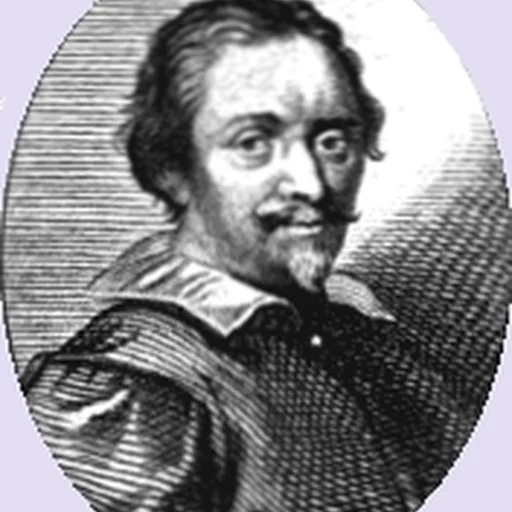
Philipp Peter Roos (later surnamed Rosa di Tivoli; 1655–1706) was a German Baroque painter, active in and near Rome from 1677 onward.

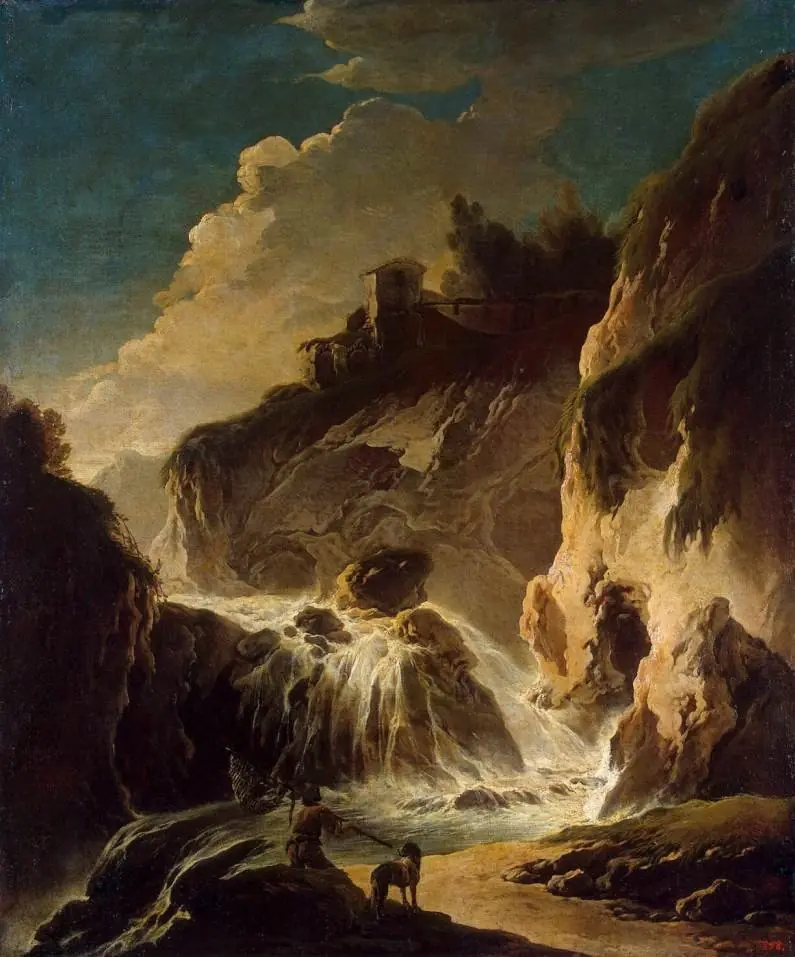
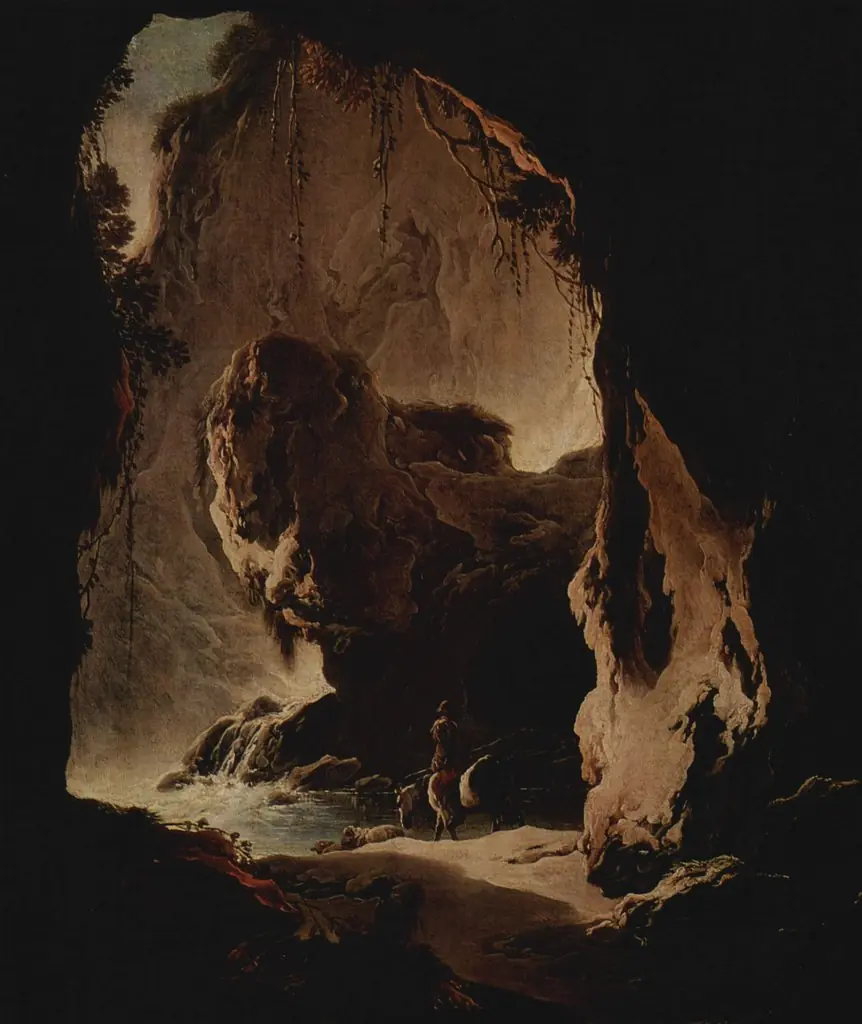
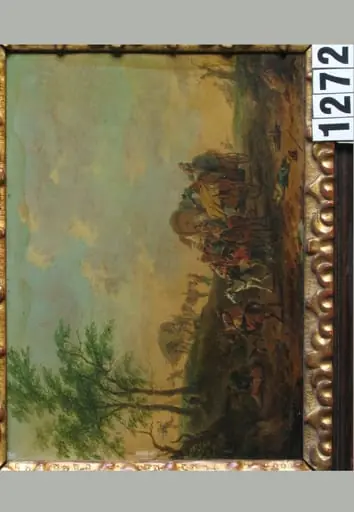 Atacul hoților (în registrul inventar: Hoți atacând pe neașteptate)
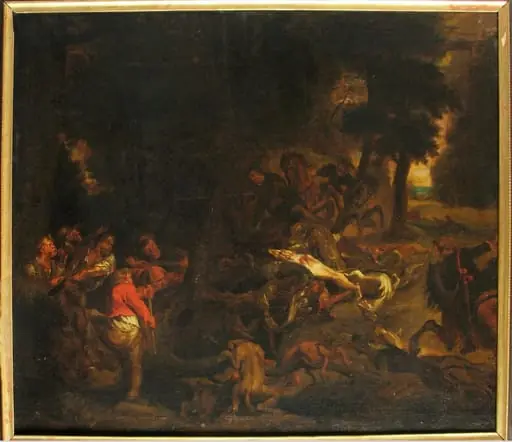 Vânătoare de mistreț
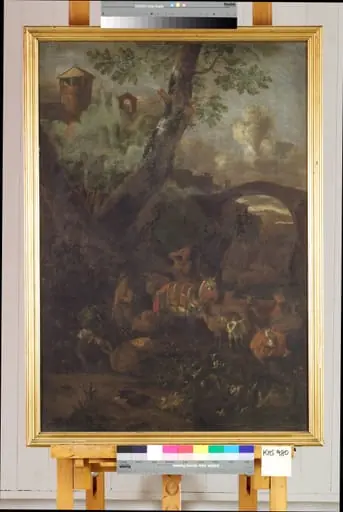 Landscape with Mules and Goats
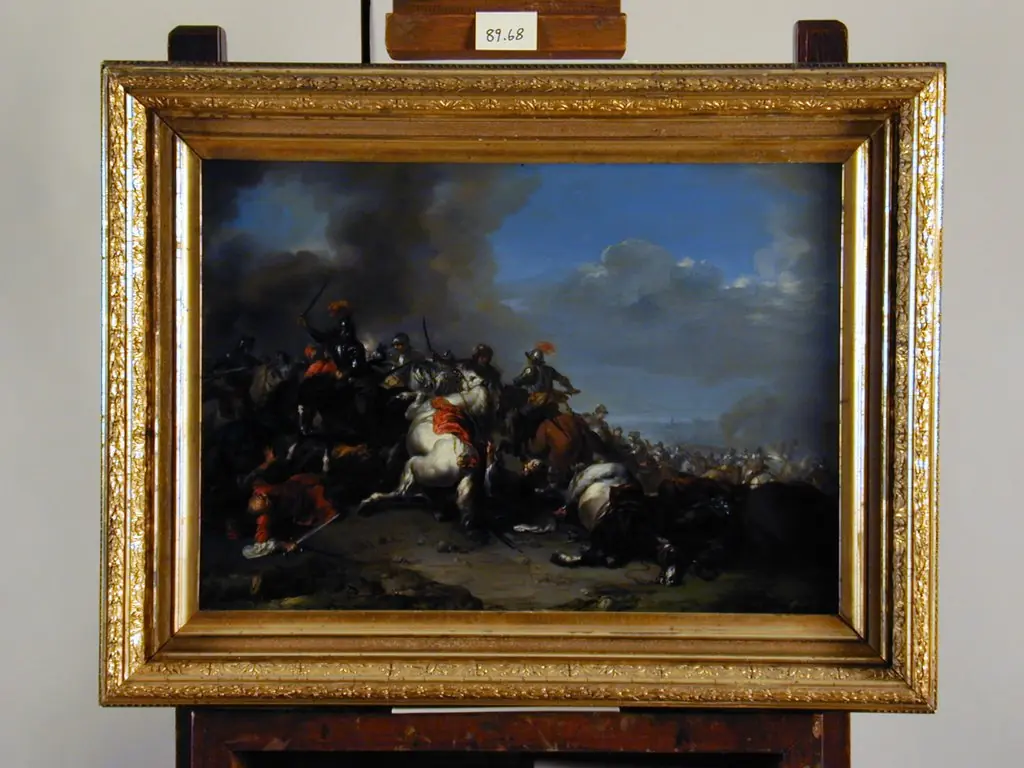 Cavalry
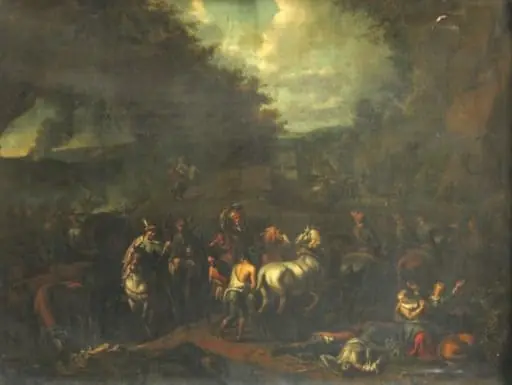 Pustiirile războiului
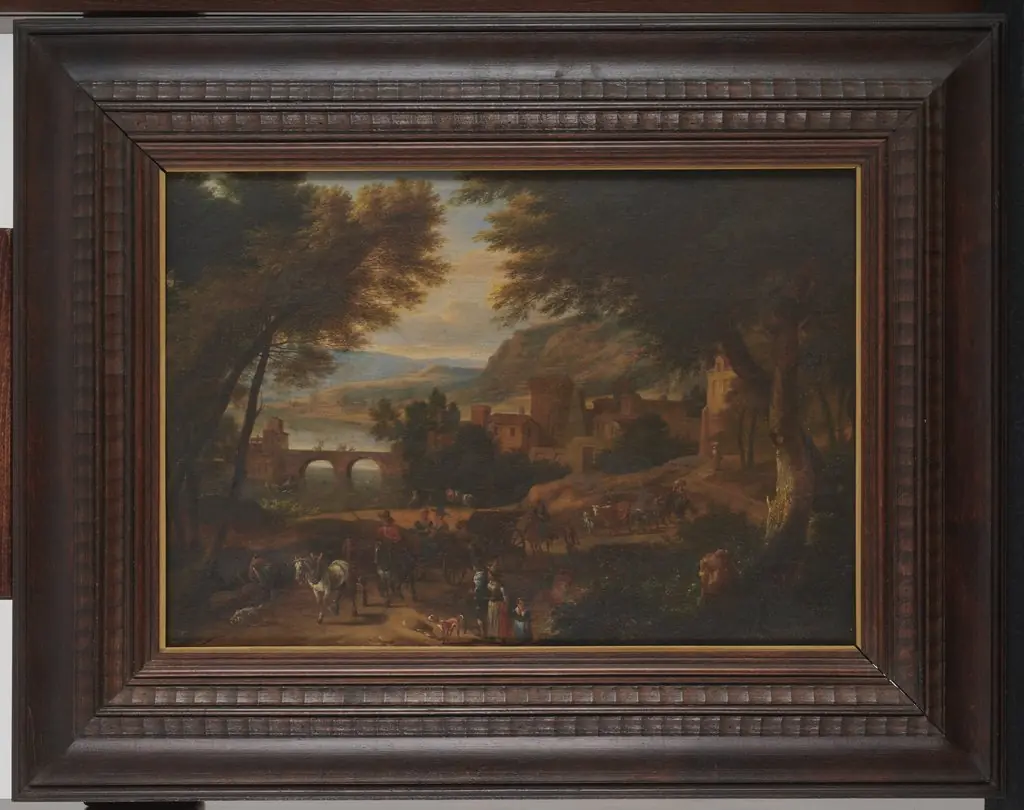 Landscape
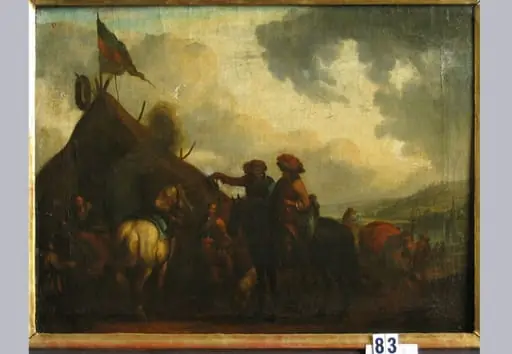 Cort de vivandieră cu cunună de frunze (în Reg. Inv.: Cort de cantinier cu cunună de frunze). Pandant: Cort de vivandieră cu drapel (în Reg. Inv.: Cort de cantinieri cu drapel).
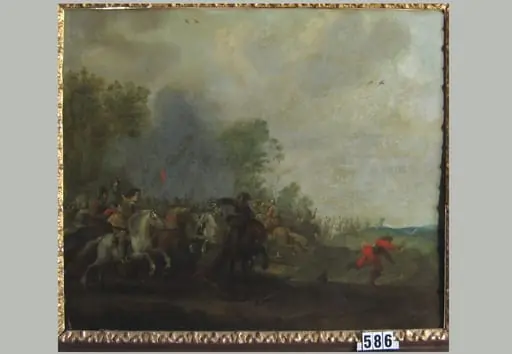 Luptă de cavalerie la marginea codrului
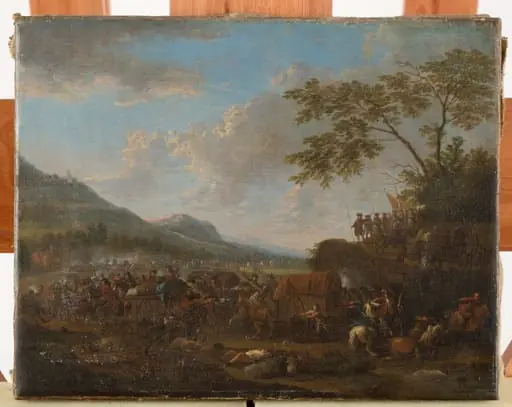 Überfall auf einen Wagenzug
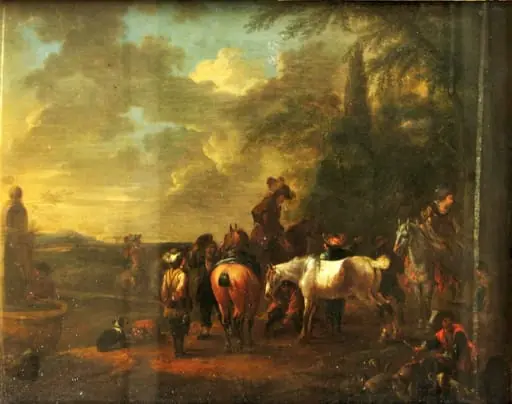 Întoarcerea de la vânătoare; pandant: Plecarea la vânătoare
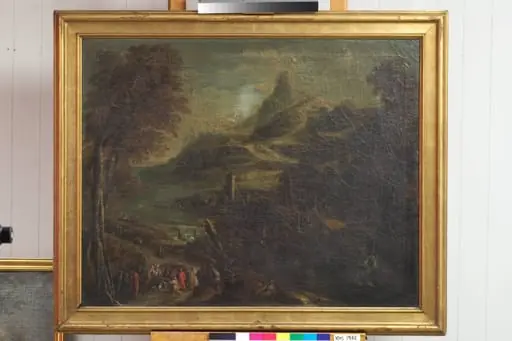 Landskab med bibelsk staffage
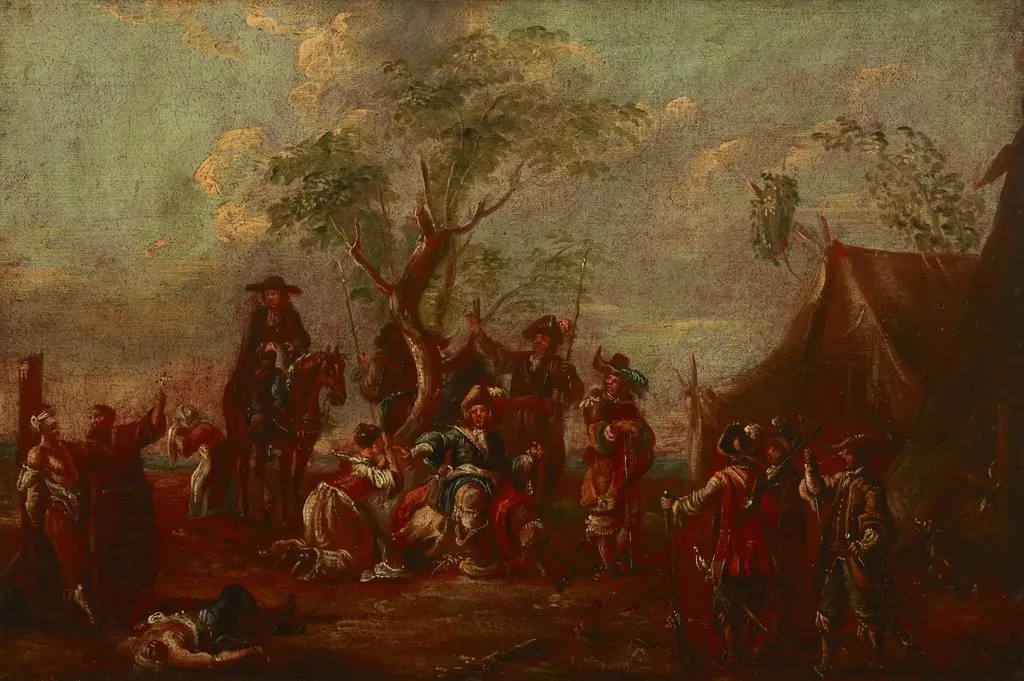 Battle Scene – In the Military Camp