Artwork
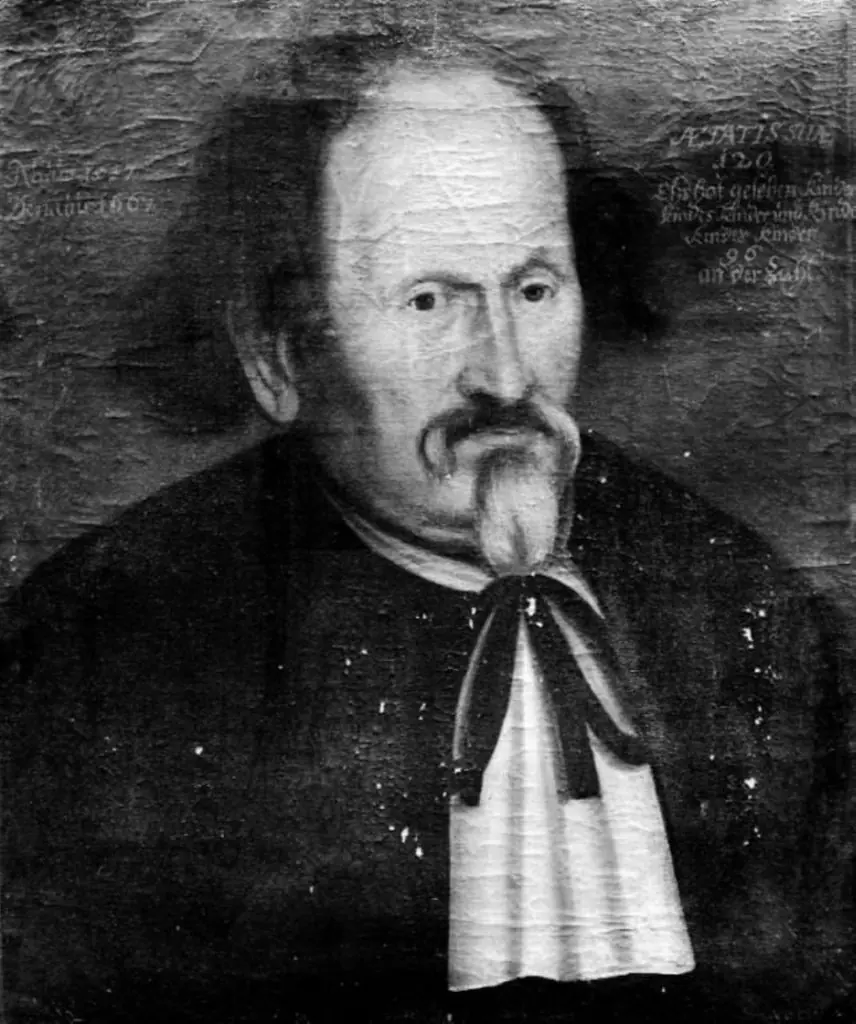
En holstensk fisker, der blev 120 år gammel
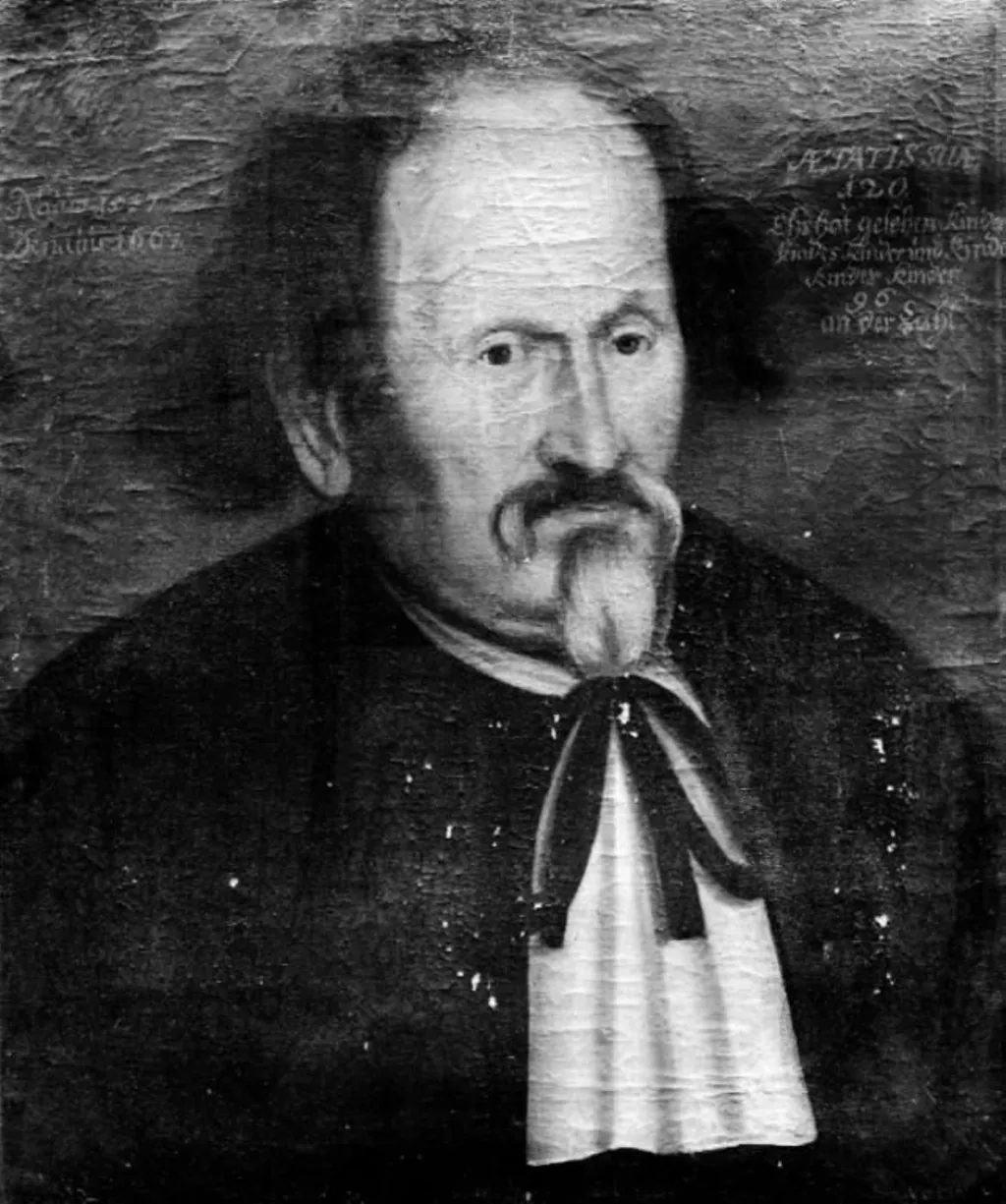
En holstensk fisker, der blev 120 år gammel is a photography by Unknown. It dates from 1750 and is held in the collection of the Statens Museum for Kunst.
About this work
Overview
This black-and-white photograph, dated around 1750, depicts an elderly man from Holstein, identified in the title as having lived to the age of 120.
This black-and-white photograph, dated around 1750, depicts an elderly man from Holstein, identified in the title as having lived to the age of 120. The image is held in the collection of the Museum of Ethnography. Its composition is stark and direct, with the subject centered against a dark background, his expression calm and unadorned. The photograph’s age is evident in its faded tonality and faint inscription in the upper right corner.
Subject & Meaning
The man portrayed is presented as a figure of exceptional longevity, a rarity in the 18th century. His thick beard and mustache, along with the crisp white collar, suggest a deliberate effort to convey dignity and resilience. The title frames him not merely as an individual but as an emblem of endurance, reflecting contemporary fascination with extreme age and the human lifespan in pre-modern societies.
Technique & Style
The image employs a simple, frontal pose typical of early photographic portraiture, likely produced using a daguerreotype or ambrotype process. The high contrast between the man’s light collar and dark attire enhances his presence, while the soft focus and graininess reflect the technical limitations of the era. The writing in the corner may be a label or inscription added by the photographer or collector.
History & Provenance
The photograph entered the Museum of Ethnography’s collection as part of a broader effort to document regional populations and unusual life stories. Its origins are unclear, but it likely circulated among scientific or curiosity-driven audiences in the 19th century. The attribution to a specific creator remains unverified, and the image may have been reproduced from an earlier source.
Context
In the 18th and early 19th centuries, claims of extreme longevity were often recorded and displayed as curiosities, especially in ethnographic and medical collections. This image aligns with a broader trend of documenting rural laborers and elderly individuals as subjects of anthropological interest, blending folklore with emerging scientific observation.
Legacy
Though the man’s claimed age cannot be verified by modern standards, the photograph endures as a record of how societies once perceived and represented longevity. It reflects the intersection of visual culture, popular belief, and early ethnography, offering insight into the values and assumptions of its time rather than a confirmed biographical account.
Artist & collection

 Domestic Scene
 Giacomo and Cardinal Marco, investing Andrea, Abbot of San Zeno, with his Benefice
 The Nymph of Fontainebleau
 Portrait of a Woman
 Madonna and Child with Saints in the Enclosed Garden
 Venus and Minerva
 Family Group of Four on Sofa
 Wall painting from Room H of the Villa of P. Fannius Synistor at Boscoreale
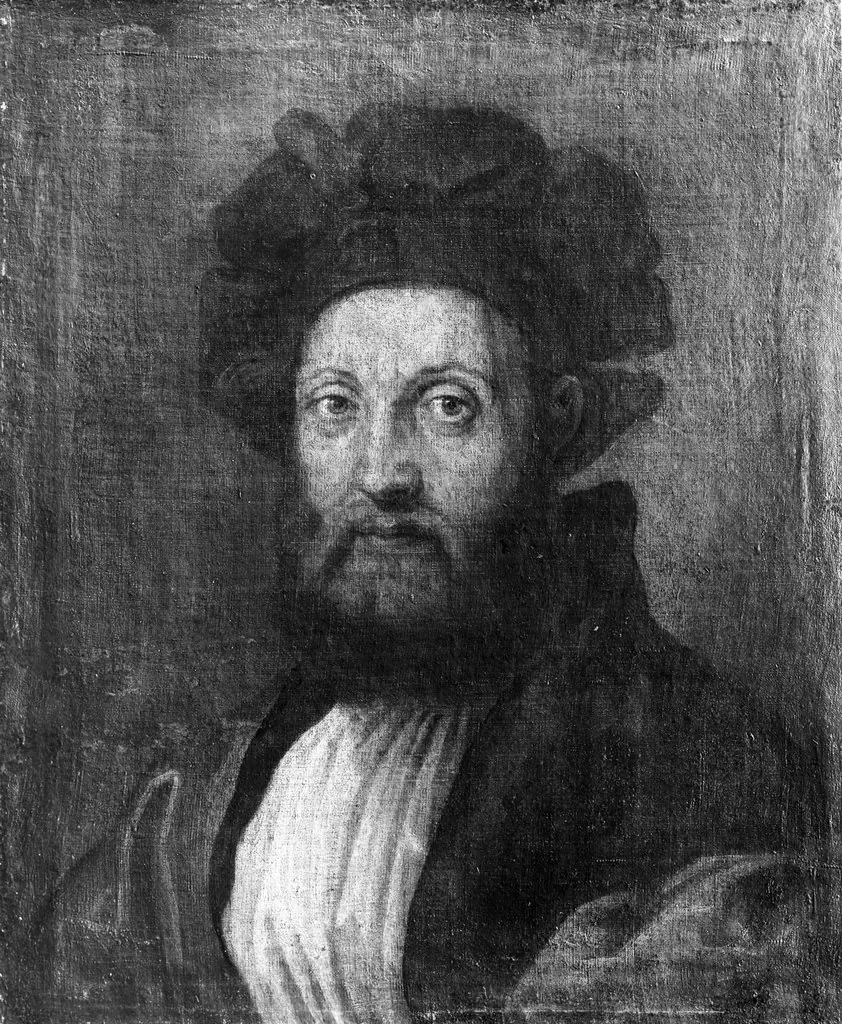 Portrait of Count Baldassare Castiglione
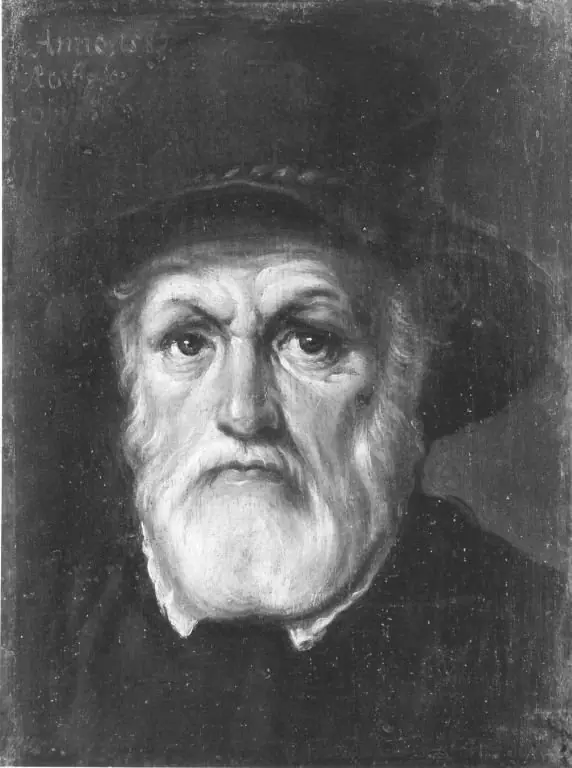 Portrait of Dirck Volckertsz. Coornhert (1522-1590)
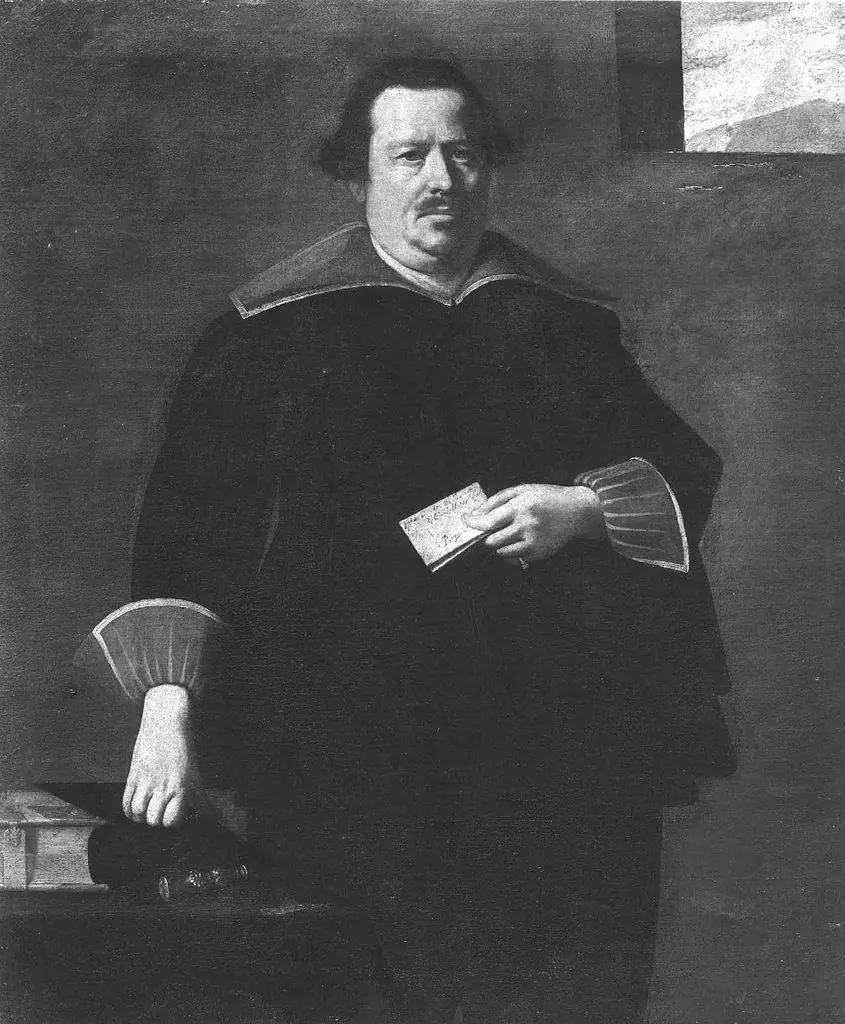 Lorenzo Ghirardello
 Portrait of the Count-Duke of Olivares
 Anastasie Dedulescu vel paharnic
 Portrait of Peter Canisius
 Bildnis eines Mannes
 Portrait of Jacques Specx, Governor-General of the Dutch East Indies
 Bildnis eines Mannes
 Miniature of King Ladislaus IV Vasa
 Portrait of a Man of the Moncheaux Family
 En holstensk fisker, der blev 120 år gammel