Artwork
Bajazet I (1347-1403), tyrkisk sultan
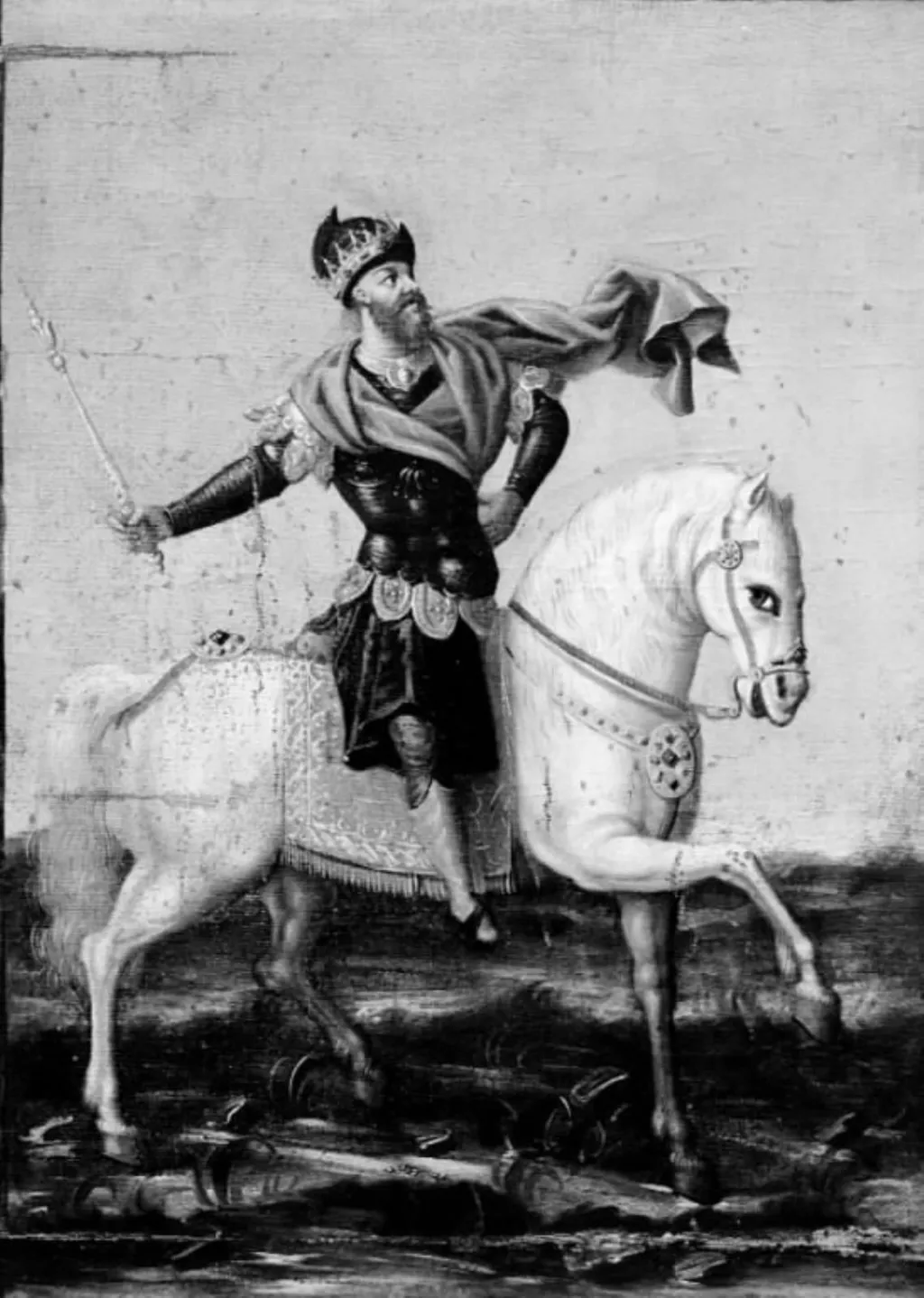
Bajazet I (1347-1403), tyrkisk sultan is a photography by Unknown. It dates from 1650 and is held in the collection of the Statens Museum for Kunst. This image depicts Bayezid I, the Ottoman sultan who ruled from 1389 to 1402, portrayed on horseback in a stylized, monochrome composition.
About this work
Overview
It resides in the collection of the Museum of Ethnography, where it functions as a historical representation rather than a contemporary likeness.
This image depicts Bayezid I, the Ottoman sultan who ruled from 1389 to 1402, portrayed on horseback in a stylized, monochrome composition. Created around 1650, the work is not a painted portrait but a printed or photographic-style image, likely derived from an earlier source. It resides in the collection of the Museum of Ethnography, where it functions as a historical representation rather than a contemporary likeness.
Subject & Meaning
Bayezid I is shown in martial attire, holding a spear and a standard, symbols of authority and military command. His crown-like headdress and pendant necklace suggest imperial status, though the rendering is more symbolic than anatomically accurate. The image conveys power and dignity through posture and regalia, reflecting how Ottoman rulers were visually idealized in later periods, even if not based on direct observation.
Technique & Style
The image employs a high-contrast, grayscale aesthetic resembling early photography, with sharp outlines and minimal tonal variation. This gives the scene a stark, almost documentary quality, despite its artificial composition. The lack of color and textured brushwork distinguishes it from traditional painting traditions, indicating it may be a print, engraving, or early photographic reproduction adapted for institutional display.
History & Provenance
Created circa 1650, the image postdates Bayezid’s death by over two centuries, suggesting it was produced as part of a broader effort to visually document or mythologize Ottoman rulers. Its presence in the Museum of Ethnography implies it was collected as an ethnographic artifact, possibly to illustrate historical leadership in the Islamic world rather than as fine art.
Context
In the 17th century, European collectors and institutions increasingly sought images of non-European rulers as part of global curiosity. This depiction aligns with a trend of using standardized, symbolic portraiture to represent foreign sovereigns, often blending fact with convention. The image reflects how Ottoman identity was interpreted through a lens shaped by distant observation and cultural translation.
Legacy
As a non-painted, monochrome representation, the image stands apart from traditional Islamic or European portraiture. Its preservation in an ethnographic museum underscores its role as a cultural document rather than an artistic achievement. It continues to serve as a visual reference for how historical figures were reconstructed in later centuries, often prioritizing symbolism over accuracy.
Artist & collection

 Domestic Scene
 Giacomo and Cardinal Marco, investing Andrea, Abbot of San Zeno, with his Benefice
 The Nymph of Fontainebleau
 Portrait of a Woman
 Madonna and Child with Saints in the Enclosed Garden
 Venus and Minerva
 Family Group of Four on Sofa
 Wall painting from Room H of the Villa of P. Fannius Synistor at Boscoreale
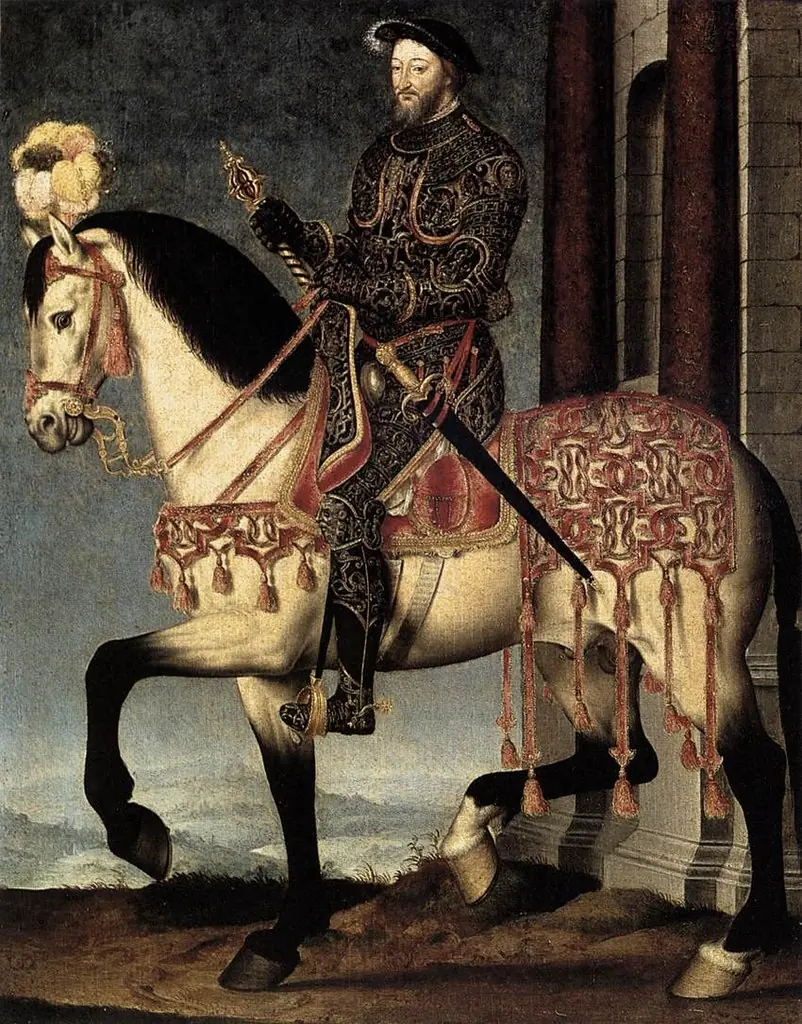 Portrait équestre de François Ier
 Aleksej Mikhajlovitj (1645-76), russisk zar
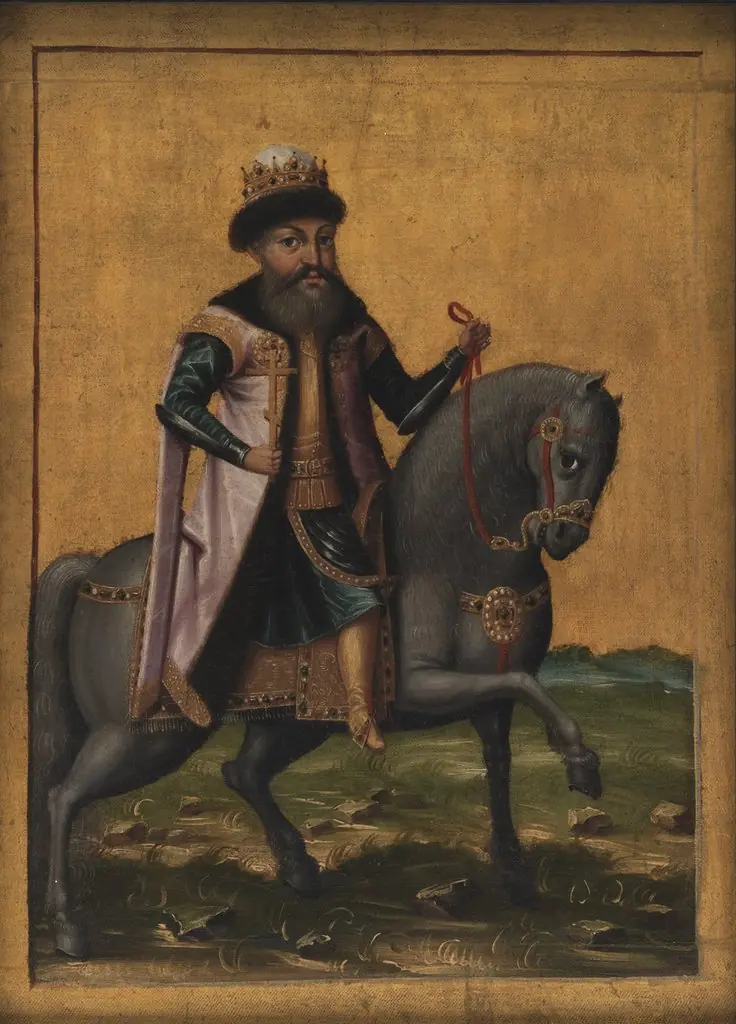 Aleksej Mikhajlovitj (1645-76), russisk zar
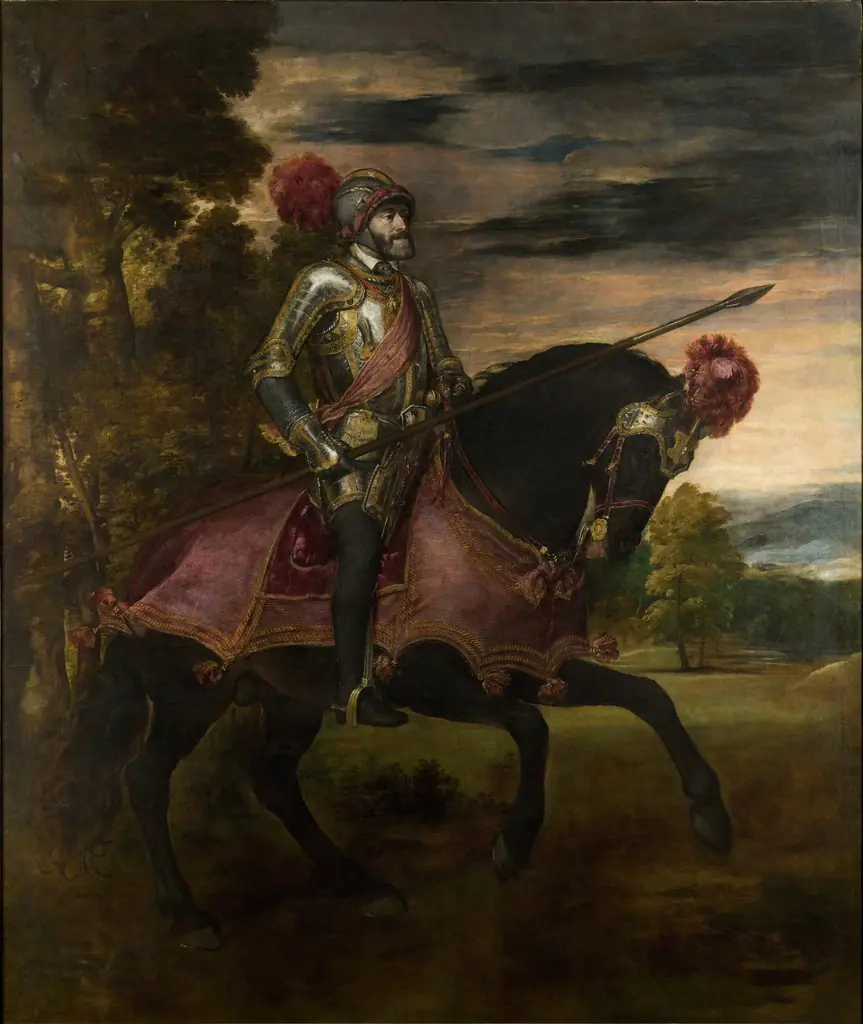 Equestrian Portrait of Charles V
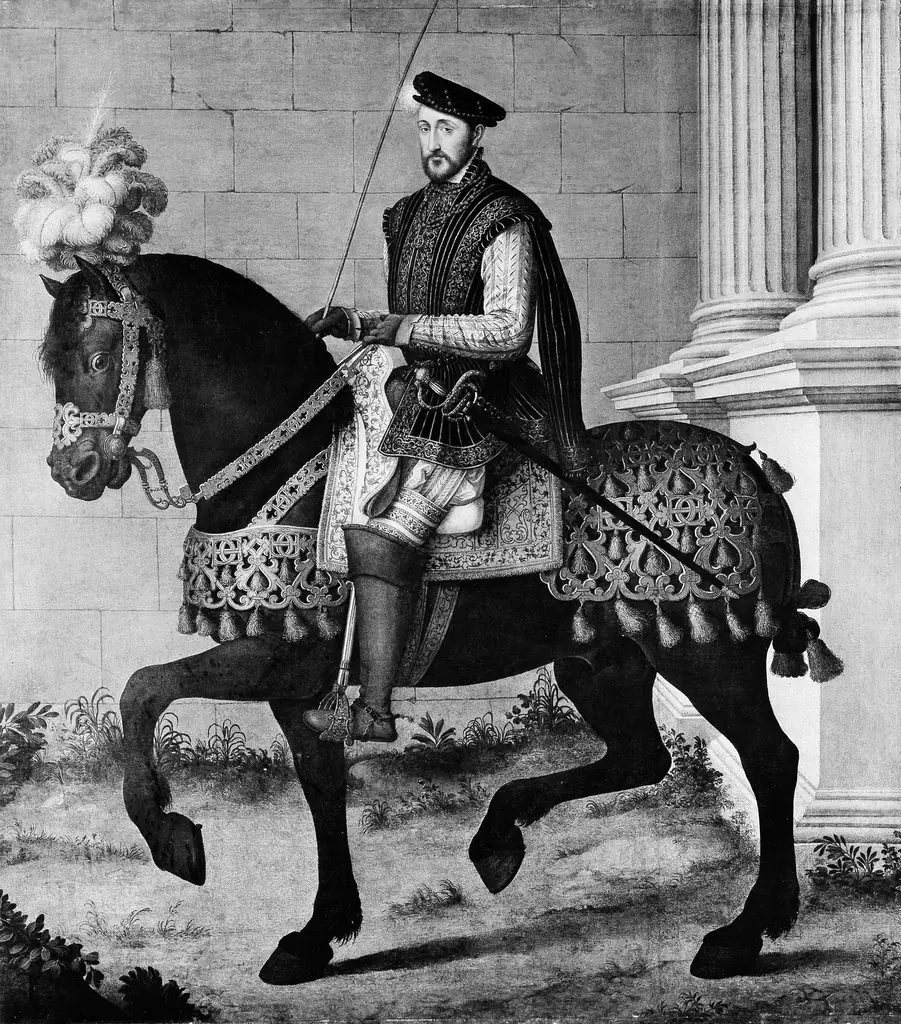 Henry II (1519–1559), King of France
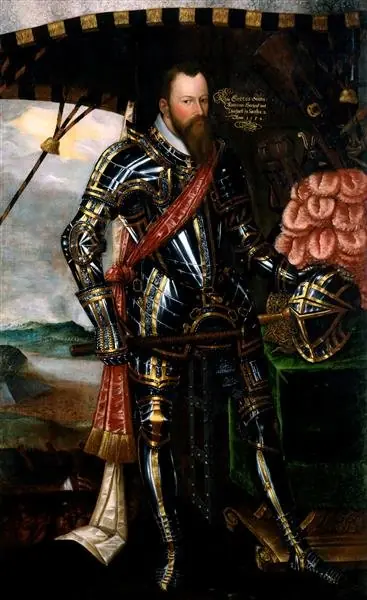 Kurfürst Moritz von Sachsen (1521-1553)
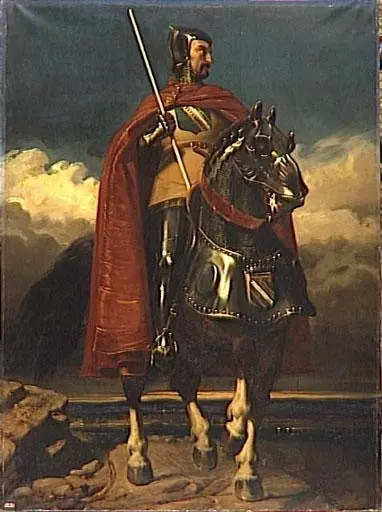 Louis de Champagne, comte de Sancerre, connétable de France en 1397
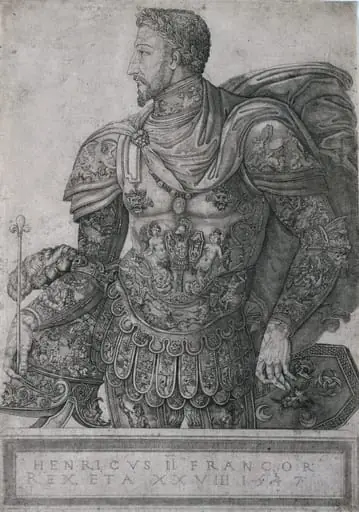 Henri II, King of France, at the age of 28
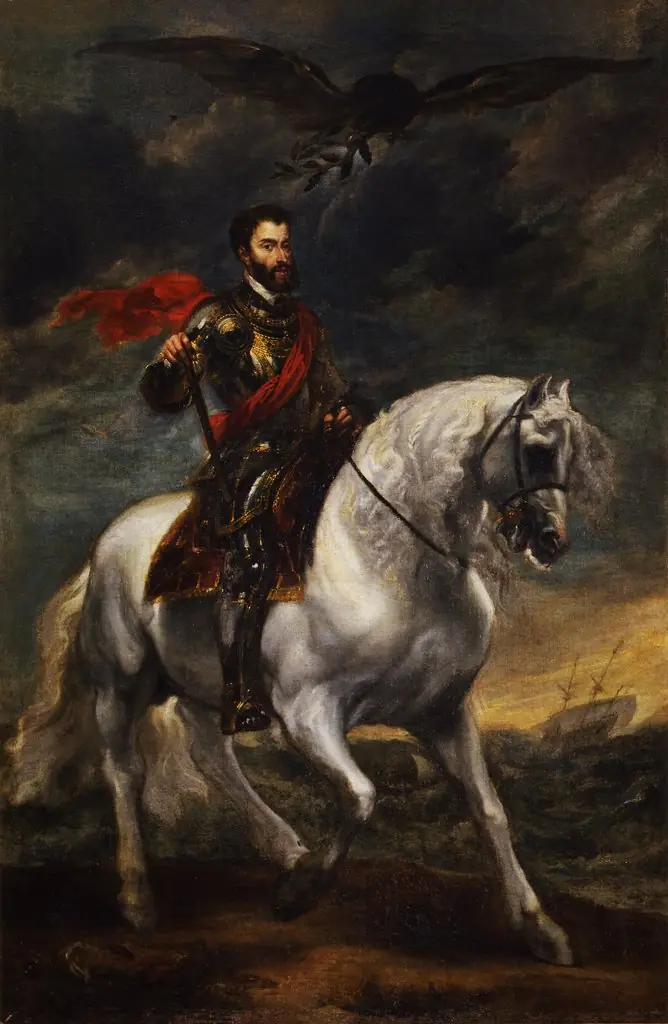 Equestrian portrait of the Emperor Charles V