Artwork
De tre gratier
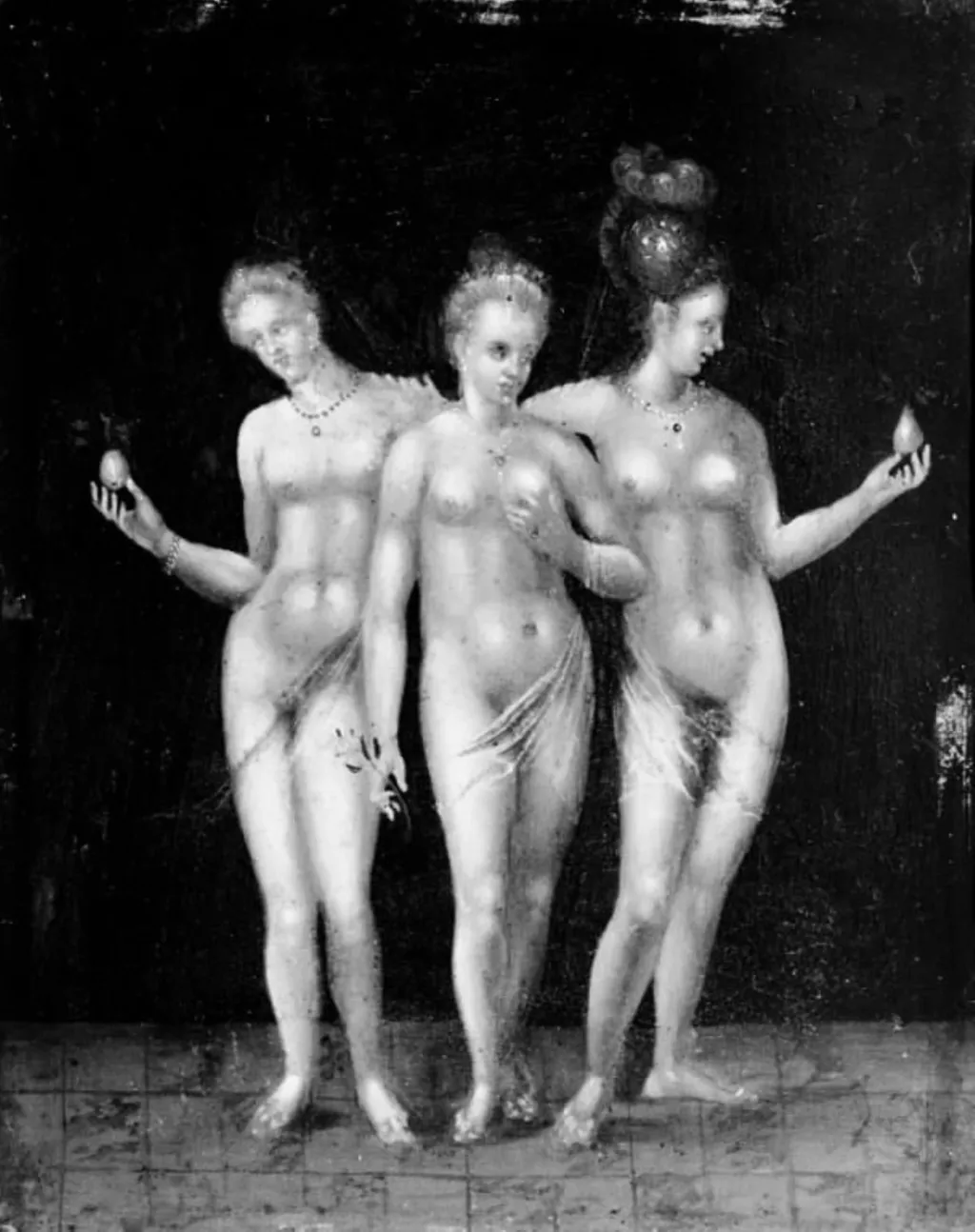
De tre gratier is a photography by Unknown. It dates from 1750 and is held in the collection of the Statens Museum for Kunst.
About this work
Overview
Its formal composition and lighting suggest engagement with classical ideals, though its cultural origins remain distinct from European traditions.
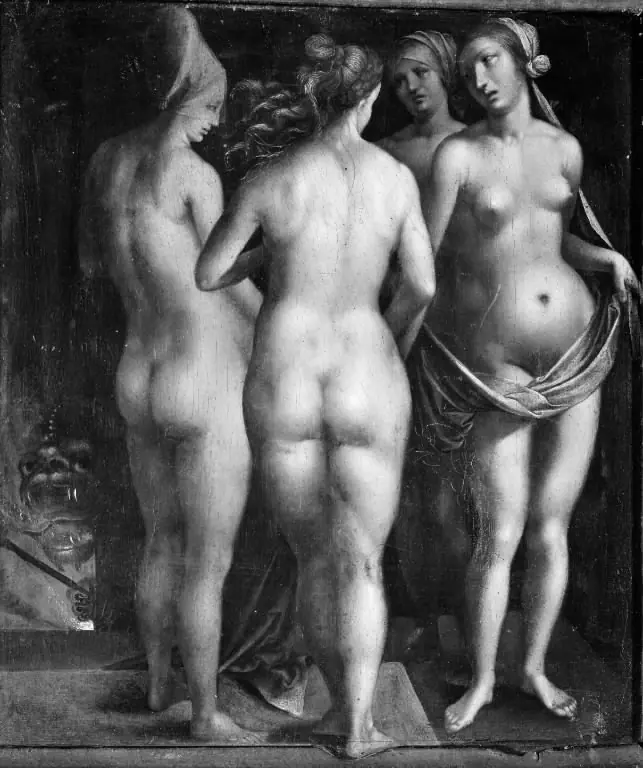
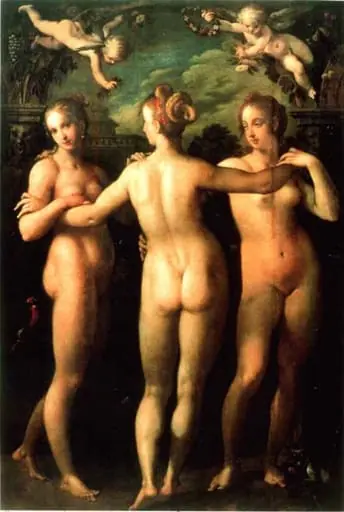
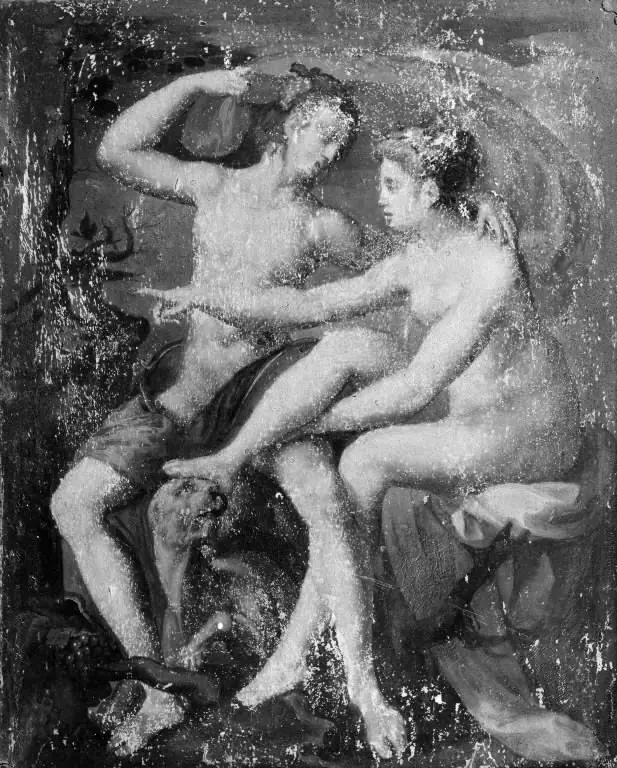
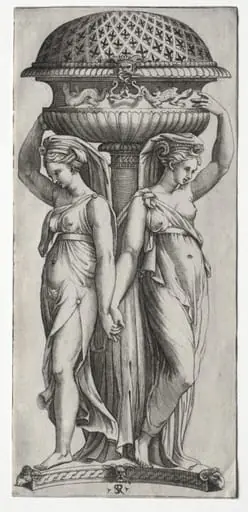
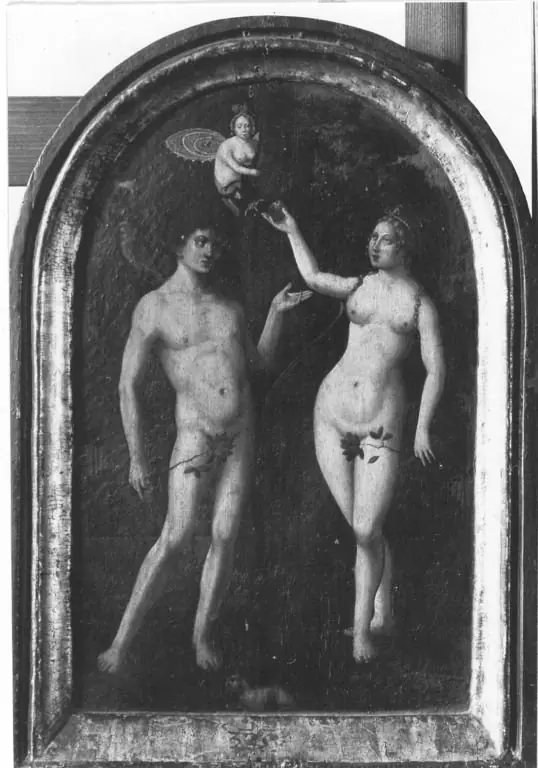
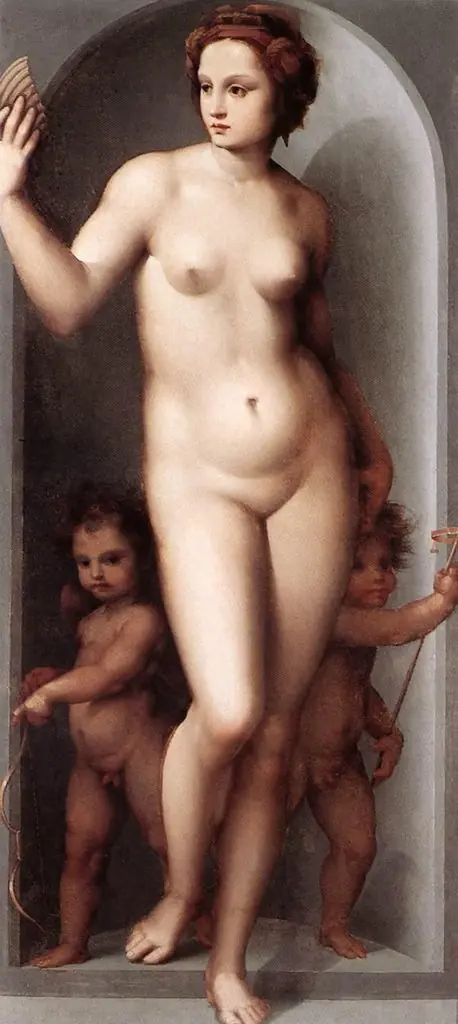
Created around 1750, De tre gratier is a painted composition featuring three nude female figures arranged in a horizontal line. The work resides in the Museum of Ethnography and is attributed to an artist identified as 37270_person. Its formal composition and lighting suggest engagement with classical ideals, though its cultural origins remain distinct from European traditions. The dark background isolates the figures, emphasizing their physical presence and adornments.
Subject & Meaning
The three figures, each with outstretched arms and subtle variations in posture, may reference a symbolic or ritualistic grouping, though no definitive narrative is recorded. Their neutral expressions and relaxed stances suggest contemplation rather than action. The presence of jewelry implies status or ceremonial significance, possibly reflecting a non-European cultural context. The work avoids overt eroticism, instead presenting the human form with restrained dignity.
Technique & Style
The painting employs chiaroscuro to model the figures with soft gradations of light and shadow, enhancing their three-dimensionality. Skin tones are rendered with naturalistic precision, contrasting against the deep, unmodulated background. Details in jewelry and bodily contours are carefully observed, aligning with a realist approach. The composition’s symmetry and balanced poses echo classical aesthetics, yet the overall execution retains a distinct, possibly regional, hand.
History & Provenance
The painting entered the collection of the Museum of Ethnography at an unknown date, likely during the 19th century as part of broader colonial-era acquisitions. Its creator, identified only by a numerical designation, remains otherwise undocumented. No records of its original commission, location, or cultural context have been preserved, leaving its origins partially obscured despite its physical presence in a European institution.
Context
While the style borrows from European classical traditions, the subject matter and adornments suggest a possible connection to non-Western visual cultures, perhaps from regions encountered through trade or colonial expansion. The work does not clearly align with any known religious or mythological canon, indicating it may represent a localized or hybridized artistic expression. Its inclusion in an ethnographic museum reflects historical practices of categorizing non-European imagery as anthropological rather than artistic.
Legacy
De tre gratier continues to be studied for its ambiguous cultural positioning and formal qualities. It serves as an example of how 18th-century artists engaged with global visual motifs, often detached from their original contexts. The painting’s preservation in an ethnographic setting underscores historical tensions between art and anthropology, prompting ongoing reconsideration of how such works are interpreted and displayed today.
Artist & collection

 Domestic Scene
 Giacomo and Cardinal Marco, investing Andrea, Abbot of San Zeno, with his Benefice
 The Nymph of Fontainebleau
 Portrait of a Woman
 Madonna and Child with Saints in the Enclosed Garden
 Venus and Minerva
 Family Group of Four on Sofa
 Wall painting from Room H of the Villa of P. Fannius Synistor at Boscoreale