Artwork
Prins Carl af Hessen Homburgh
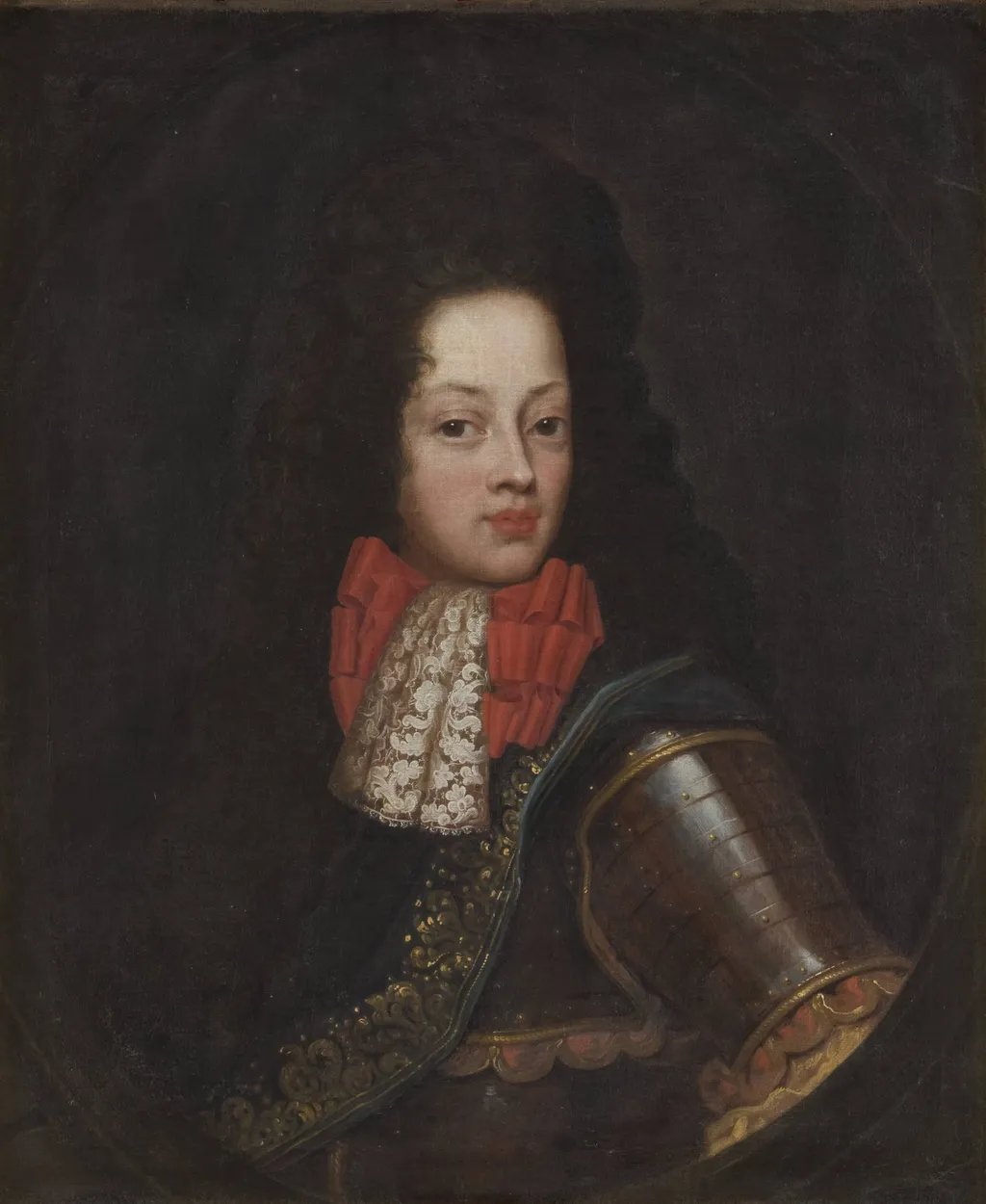
Prins Carl af Hessen Homburgh is a photography by Unknown. It dates from 1750 and is held in the collection of the Statens Museum for Kunst. This portrait depicts Carl of Hesse-Homburg, a German nobleman, painted around 1750.
About this work
Overview
Rendered in a formal style typical of mid-18th-century European portraiture, it emphasizes status through attire and composition rather than narrative context.
This portrait depicts Carl of Hesse-Homburg, a German nobleman, painted around 1750. The image is part of the collection at the Museum of Ethnography. Rendered in a formal style typical of mid-18th-century European portraiture, it emphasizes status through attire and composition rather than narrative context. The subject’s pose and accessories suggest military or aristocratic identity, though no specific event or role is indicated.
Subject & Meaning
Carl is portrayed as a young man of high rank, dressed in ornate clothing that signals his noble standing. The red ruffled collar and gold-embroidered jacket reflect contemporary fashion among European elites, while the dark leather helmet, though outdated in design, implies a connection to martial tradition. His calm, pale expression conveys composure, aligning with ideals of noble restraint rather than action or emotion.
Technique & Style
The artist employs chiaroscuro to isolate the figure against a dark, undefined background, drawing focus to the subject’s face and attire. Fine brushwork captures the texture of lace, embroidery, and leather, while the short, powdered wig and precise facial rendering reflect academic conventions of the period. Lighting is directional and controlled, enhancing three-dimensionality without dramatic contrast.
History & Provenance
The portrait entered the Museum of Ethnography’s collection in the 19th century, likely as part of a broader acquisition of European aristocratic imagery. Its origin before that is undocumented, though its style and materials suggest it was commissioned in Germany or a neighboring region. No records confirm the artist’s identity, though the work aligns with regional portrait practices of the mid-1700s.
Context
In mid-18th-century Germany, noble families commissioned portraits to assert lineage and social position. Military accessories like the helmet, though archaic, were often included to evoke ancestral valor. The painting reflects a transitional phase where courtly fashion coexisted with emerging Enlightenment ideals of dignity and restraint, favoring quiet authority over overt display.
Legacy
The portrait remains a modest example of regional aristocratic portraiture, valued for its preservation of dress and demeanor rather than artistic innovation. It contributes to scholarly understanding of how German nobility visually constructed identity during a period of political fragmentation. Its presence in an ethnographic museum underscores its role as a cultural artifact beyond aesthetic merit.
Artist & collection

 Domestic Scene
 Giacomo and Cardinal Marco, investing Andrea, Abbot of San Zeno, with his Benefice
 The Nymph of Fontainebleau
 Portrait of a Woman
 Madonna and Child with Saints in the Enclosed Garden
 Venus and Minerva
 Family Group of Four on Sofa
 Wall painting from Room H of the Villa of P. Fannius Synistor at Boscoreale
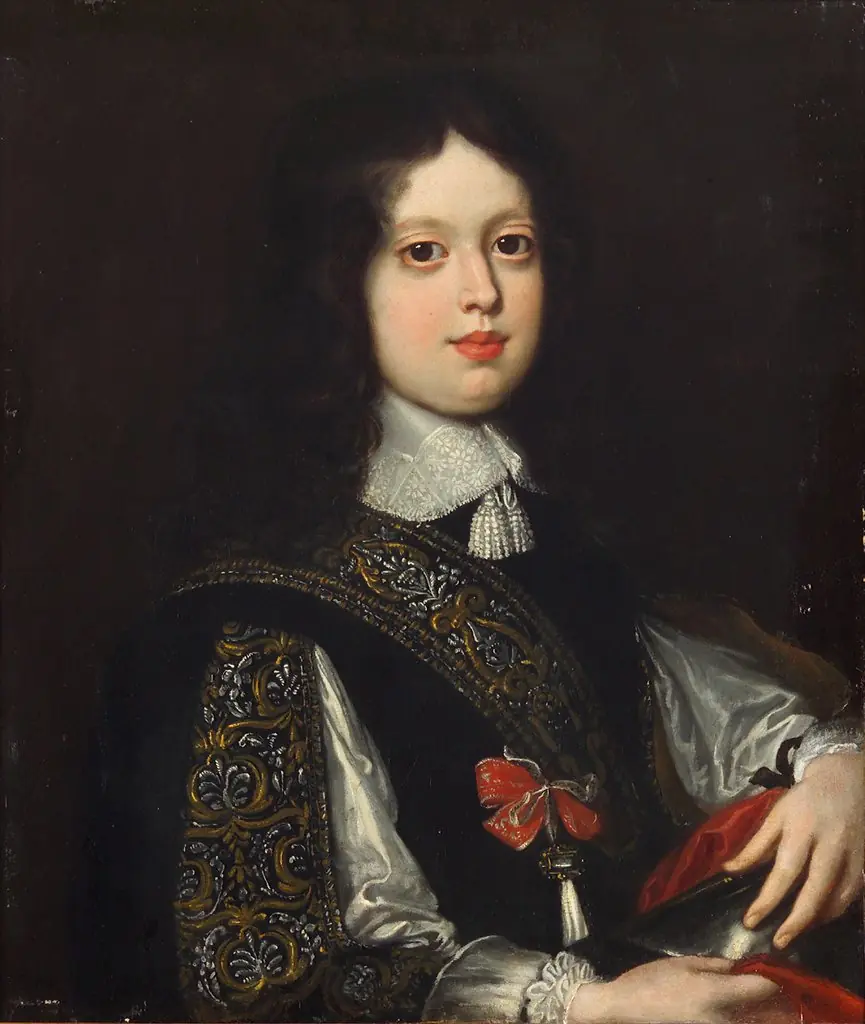 Großherzog Cosimo III. (1642-1723) von Toskana im Alter von etwa acht Jahren, Brustbild
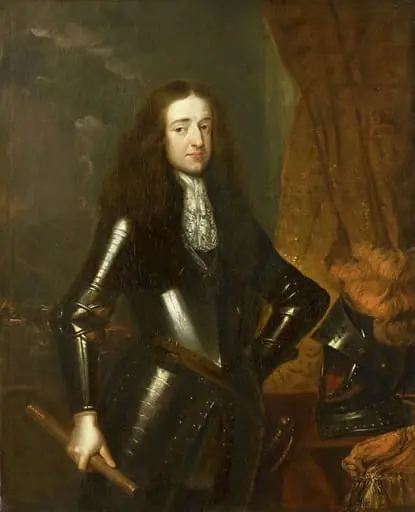 Portrait of Willem III (1650-1702), Prince of Orange and since 1689, King of England
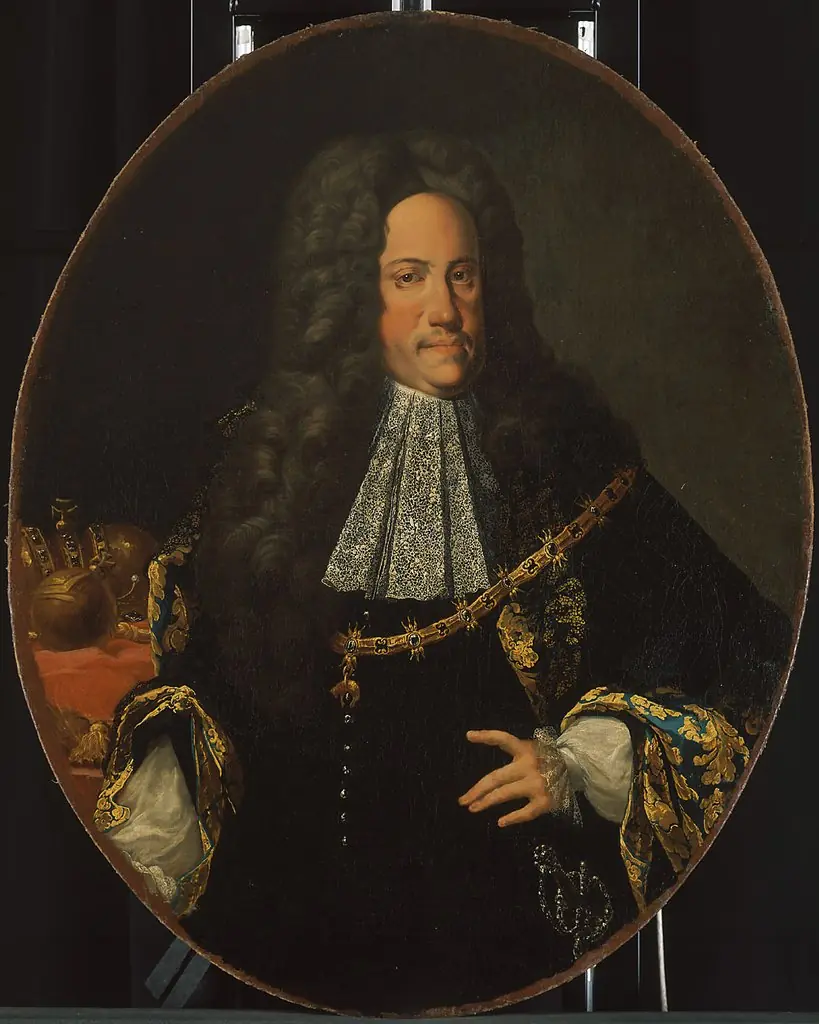 Portrait of Charles VI, Holy Roman Emperor
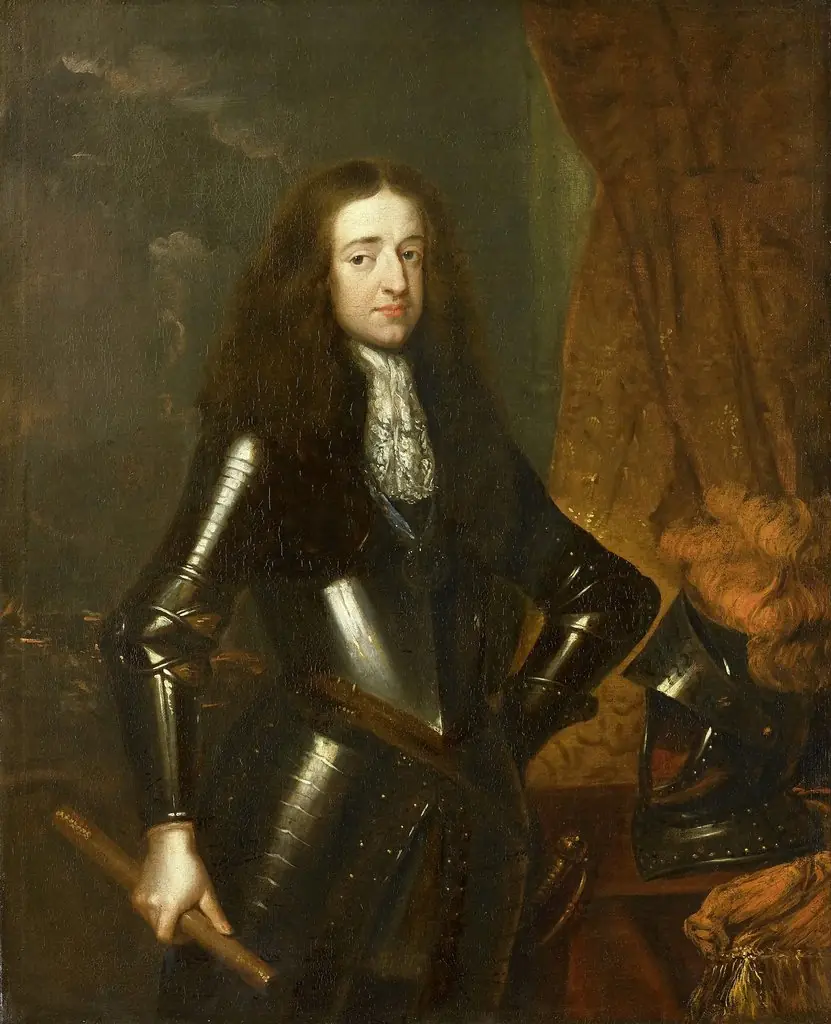 Portrait of Willem III (1650-1702), Prince of Orange and since 1689, King of England
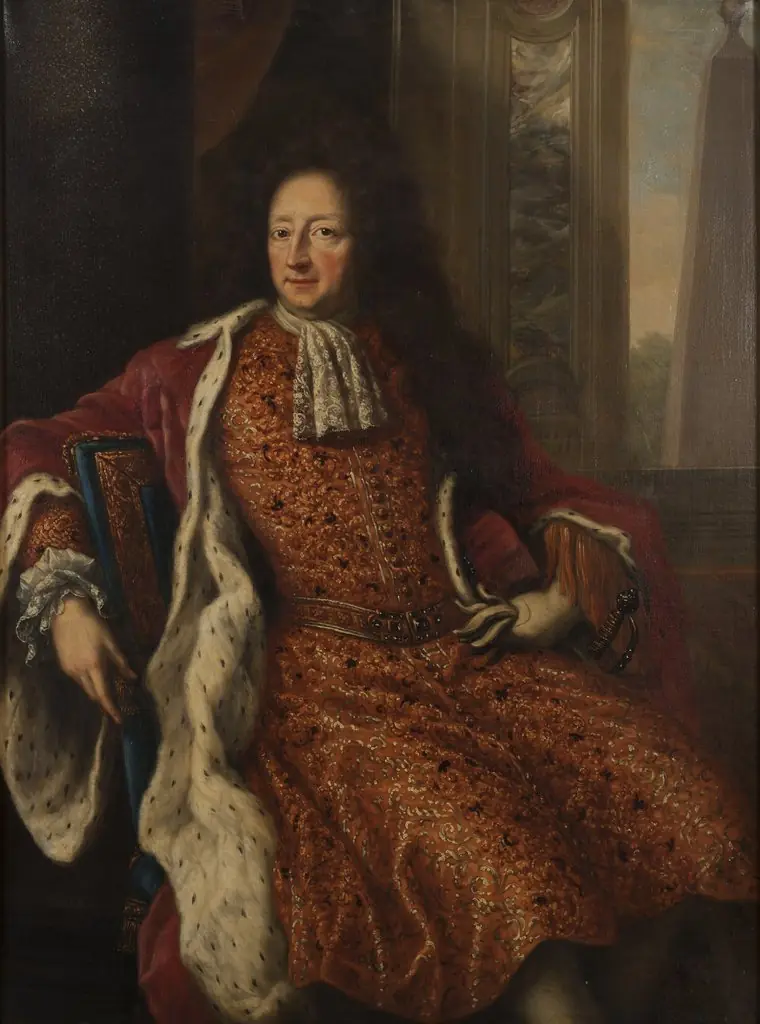 Hans Wachtmeister af Johannishus, 1641-1714
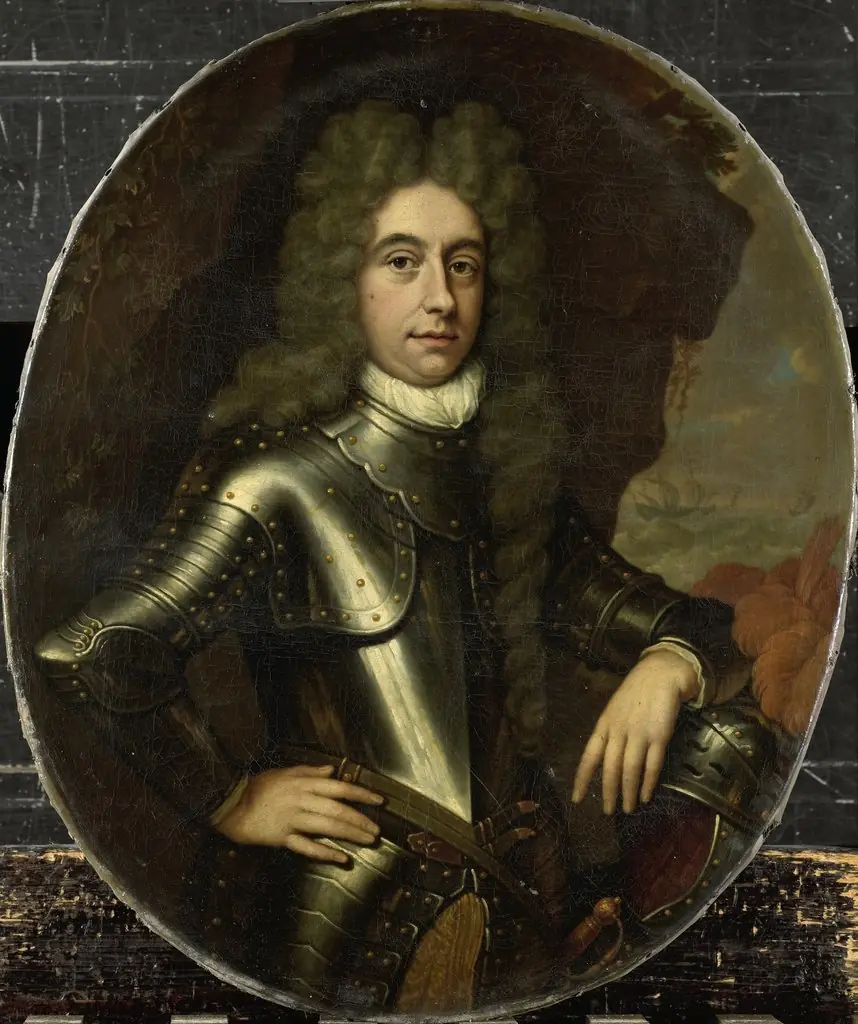 Portrait of Harmen Lijnslager, Secretary of the Admiralty of Amsterdam
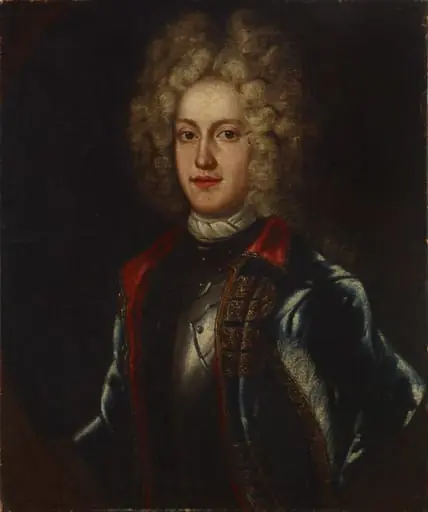 Nuori soturi
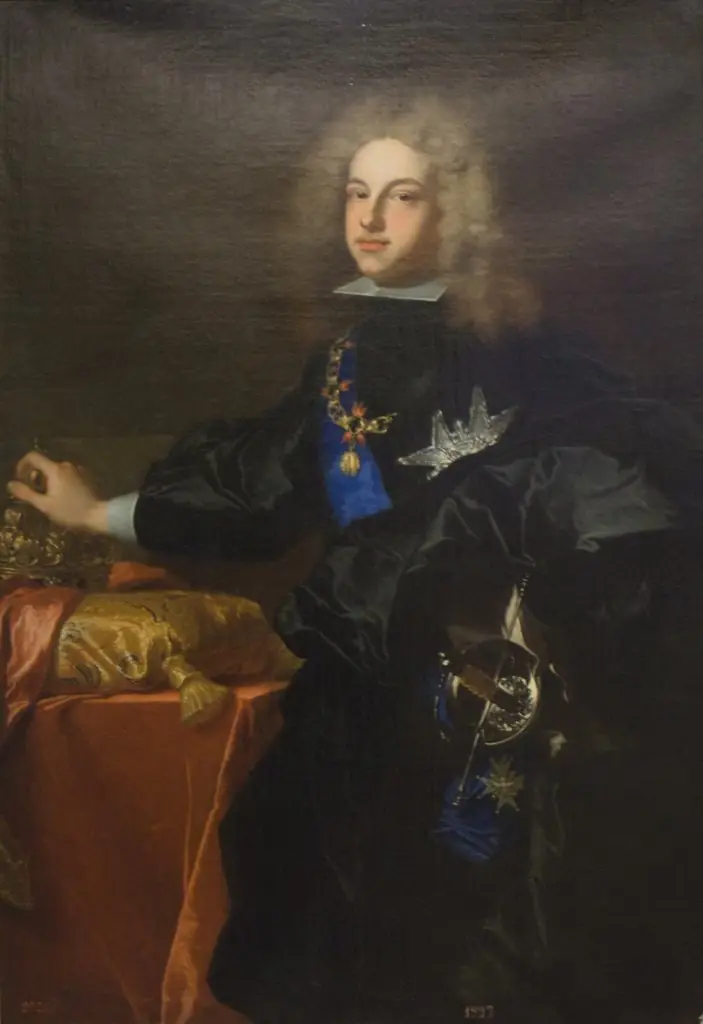 Philip V, King of Spain
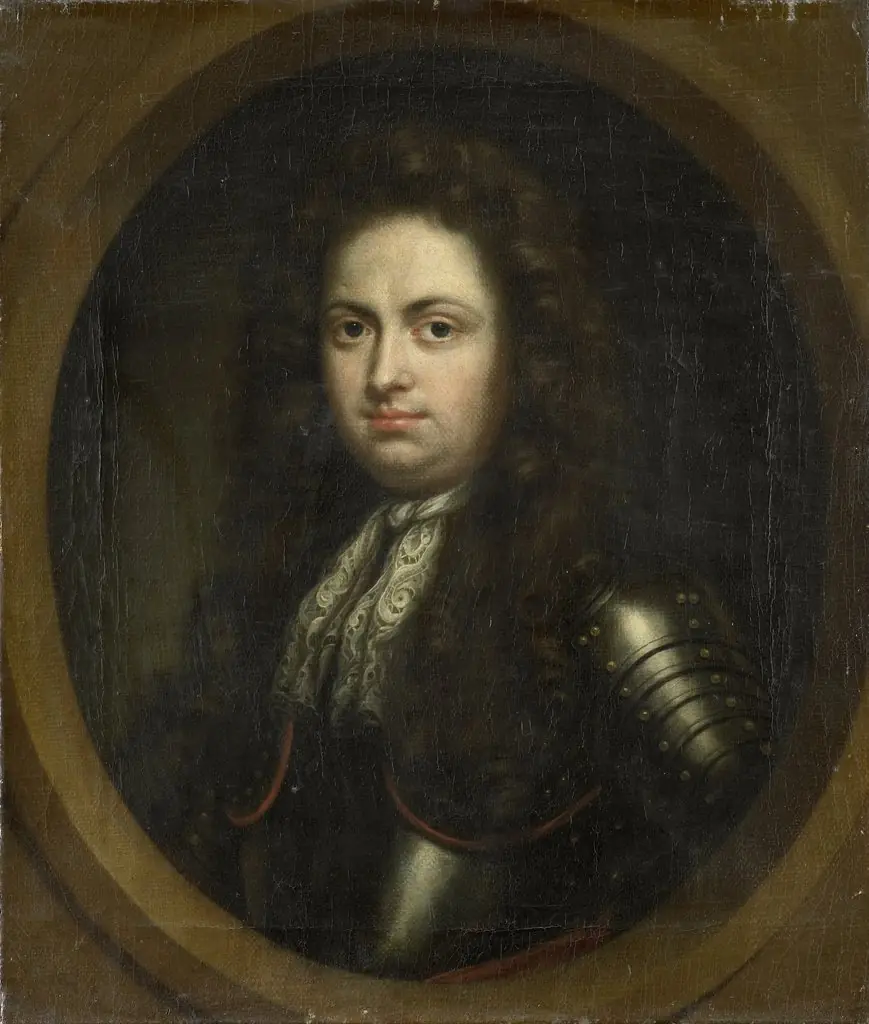 Portrait of Aernout van Citters (1661-1718), son of Aernout van Citters and Christina de Brauw
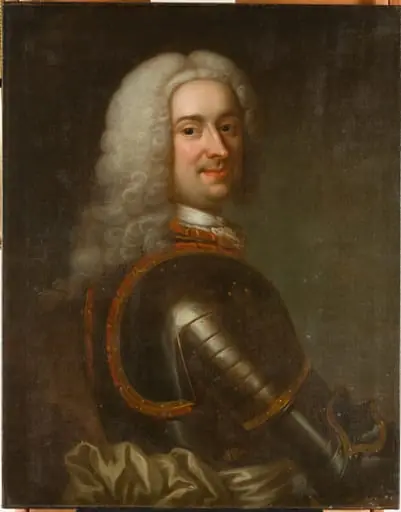 Portrait Münchhausen Kopie