Artwork
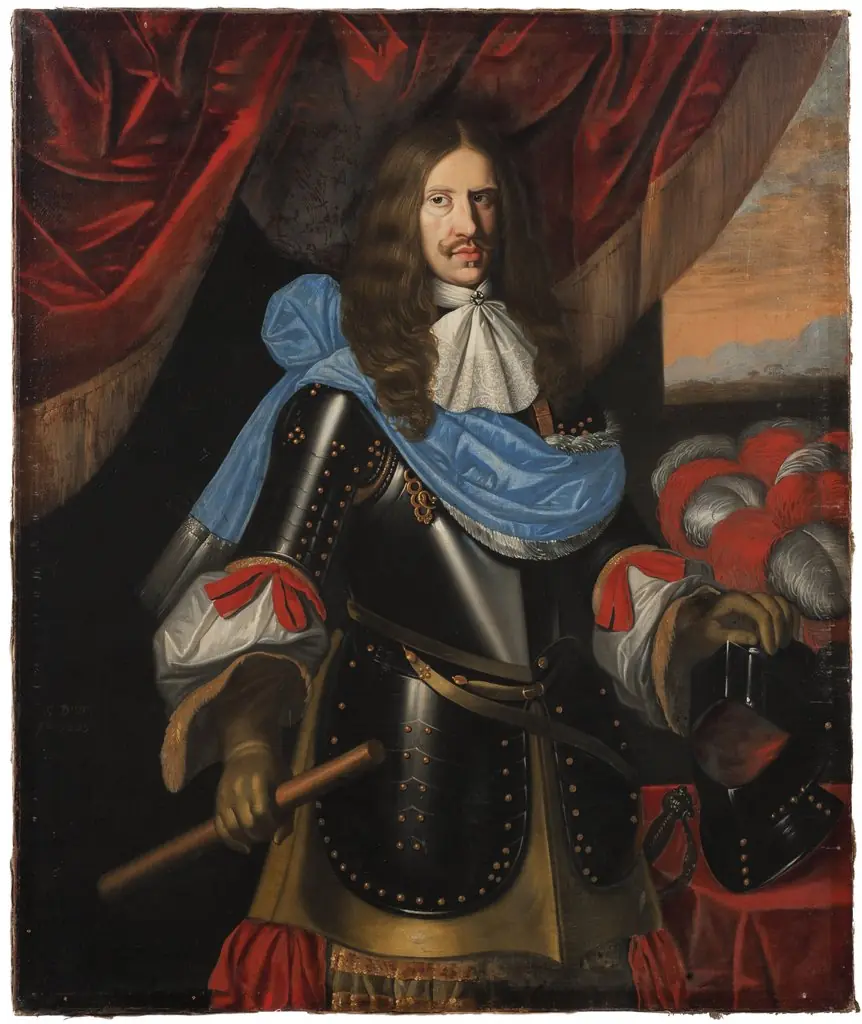
Großherzog Cosimo III. (1642-1723) von Toskana im Alter von etwa acht Jahren, Brustbild
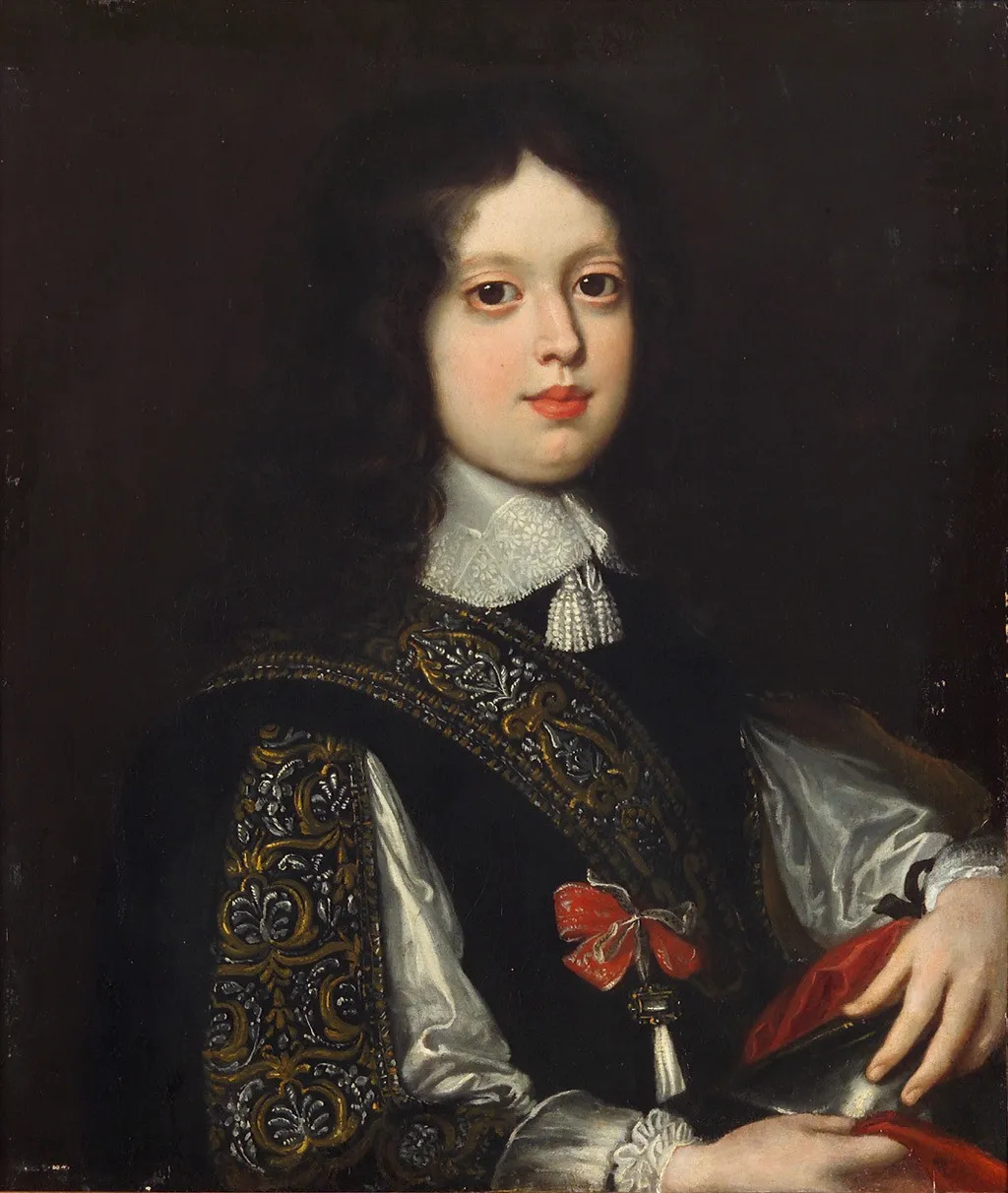
Großherzog Cosimo III. (1642-1723) von Toskana im Alter von etwa acht Jahren, Brustbild is an oil painting by the Flemish Baroque painting artist Unknown. It dates from 1650 and is held in the collection of the Kunsthistorisches Museum. This oil painting portrays Cosimo III de' Medici, Grand Duke of Tuscany, as a boy around eight years old.
About this work
Overview
This oil painting portrays Cosimo III de' Medici, Grand Duke of Tuscany, as a boy around eight years old. Rendered in a half-length portrait, the subject is shown against a deep, neutral background that isolates his figure and draws attention to his elaborate clothing and poised demeanor. The work exemplifies the formal portraiture customary for European nobility in the late 17th century.
Subject & Meaning
The young Cosimo, dressed in richly embroidered black and gold attire, is depicted with the solemnity befitting a future ruler. The red cloth in his left hand and the silver object beneath his right arm may symbolize authority or ceremonial duty, though their exact significance remains unconfirmed. His direct gaze and composed posture convey an early assertion of dynastic presence.
Technique & Style
The artist employs oil paint with careful attention to texture, particularly in the lace cuffs, metallic surfaces, and fabric folds. The dark background enhances the luminosity of the subject’s garments and skin, a hallmark of Baroque portraiture. Brushwork is precise yet restrained, emphasizing realism over ornamentation, reflecting the disciplined aesthetic of Medici court art.
History & Provenance
Commissioned during Cosimo III’s childhood, the portrait likely originated in Florence, where the Medici court maintained a stable of painters. It remained within the family’s collection for generations before entering a public or institutional holding. Documentation from the late 1600s links it to court artists active under Cosimo’s father, Ferdinando II.
Context
In the 1650s, the Medici dynasty sought to reinforce its legitimacy through visual culture. Portraits of young heirs were common tools of political messaging, signaling continuity and stability. This image aligns with broader European trends where noble children were depicted with adult-like gravity, preparing them for future roles in statecraft and diplomacy.
Legacy
The portrait serves as a rare visual record of Cosimo III’s early life, offering insight into Medici self-representation before his ascension to power. While not widely exhibited, it remains a valuable artifact for understanding how childhood was framed within dynastic ideology. Its preservation underscores the Medici commitment to archiving their lineage through art.
Artist & collection

 Domestic Scene
 Giacomo and Cardinal Marco, investing Andrea, Abbot of San Zeno, with his Benefice
 The Nymph of Fontainebleau
 Portrait of a Woman
 Madonna and Child with Saints in the Enclosed Garden
 Venus and Minerva
 Family Group of Four on Sofa
 Wall painting from Room H of the Villa of P. Fannius Synistor at Boscoreale
 Prins Carl af Hessen Homburgh
 Kinderbildnis des Erbprinzen Viktor Amadeus II. von Savoyen
 Portrait of a Boy
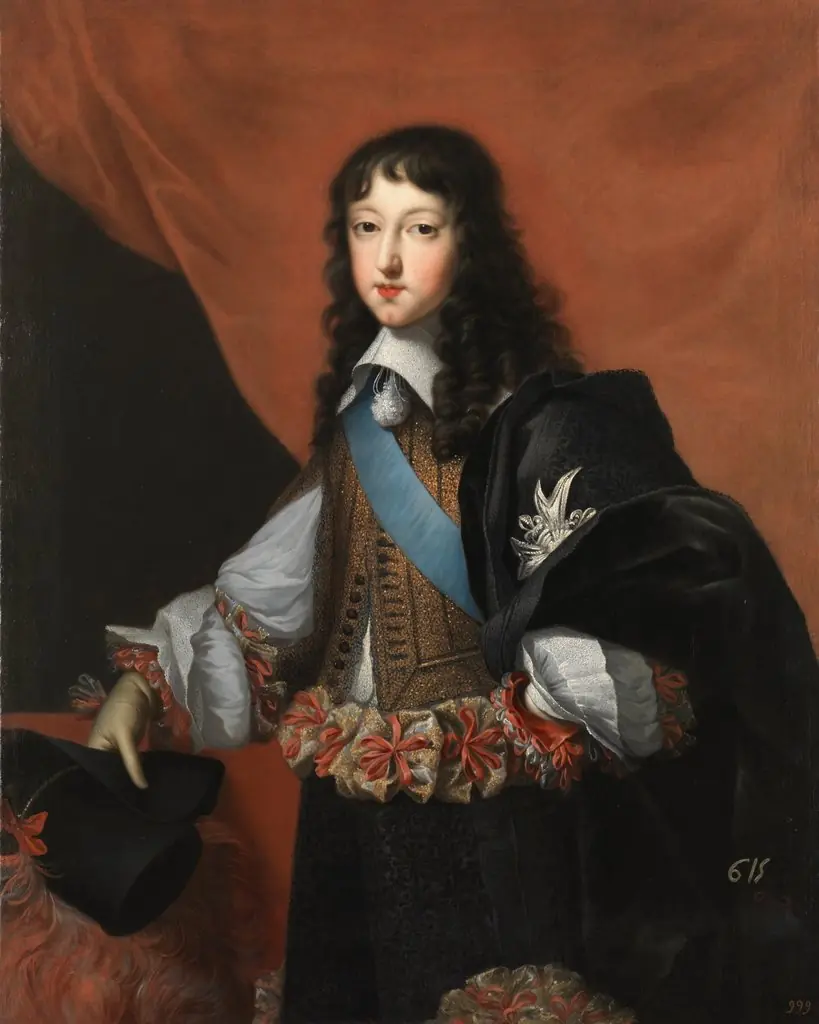 Phillip of France I Duke of Orléans
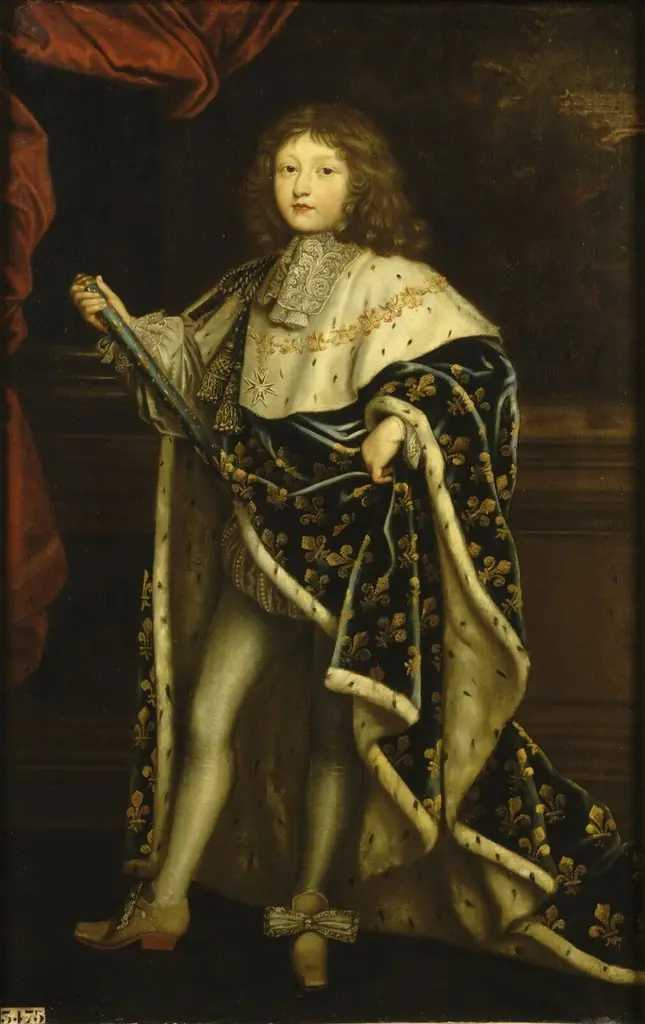 Louis XIV child in Coronation Robes
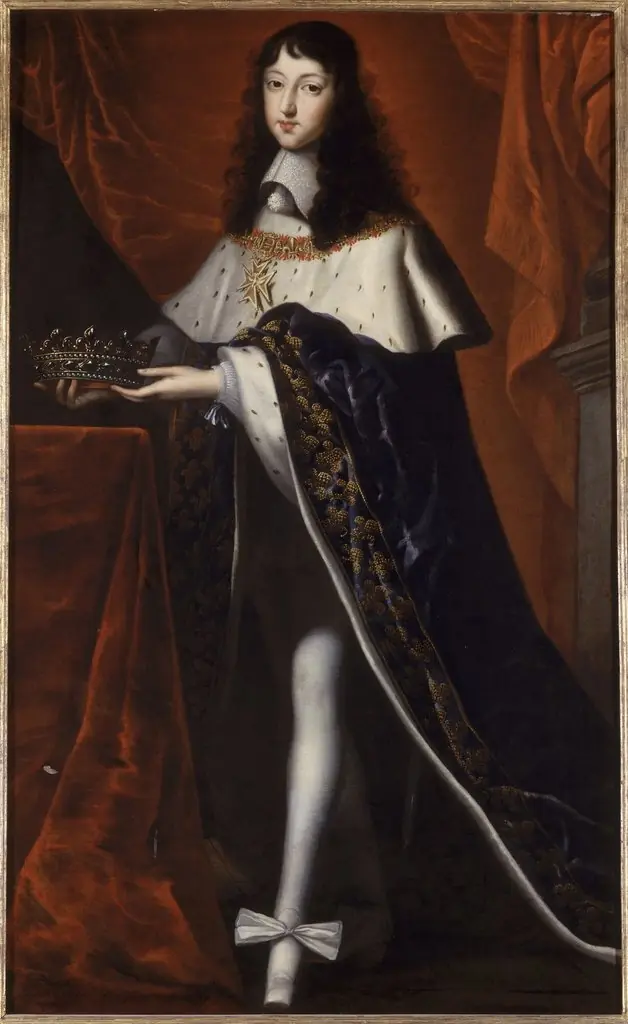 Philippe of France, Duke of Orleans
 Portret de tânăr (Ducele de Berry)
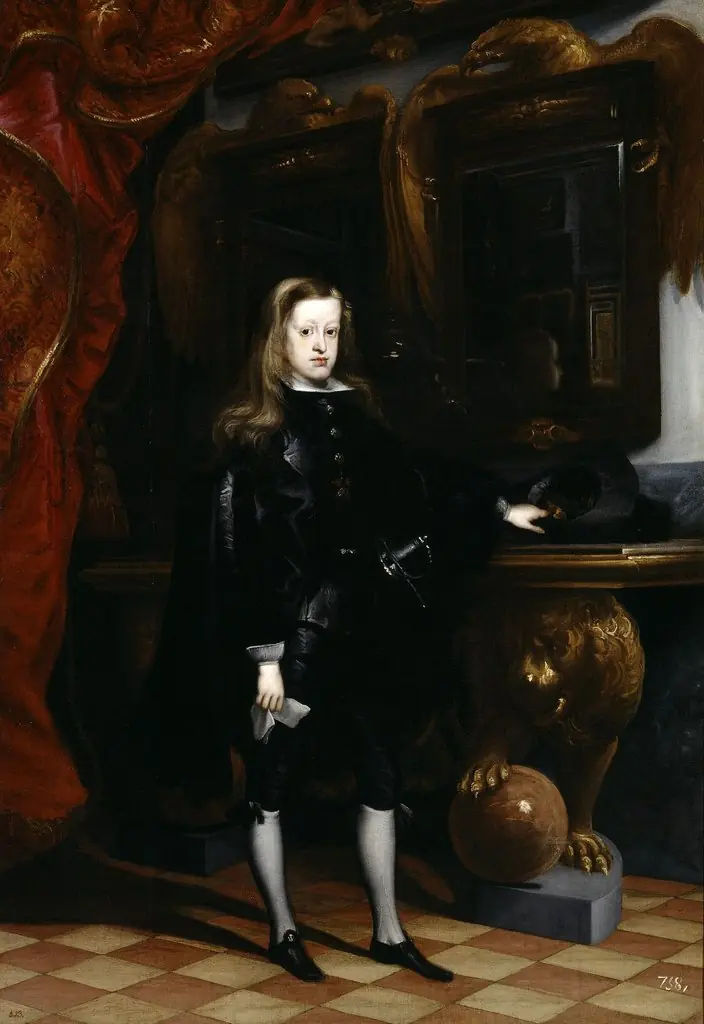 Charles II as a child
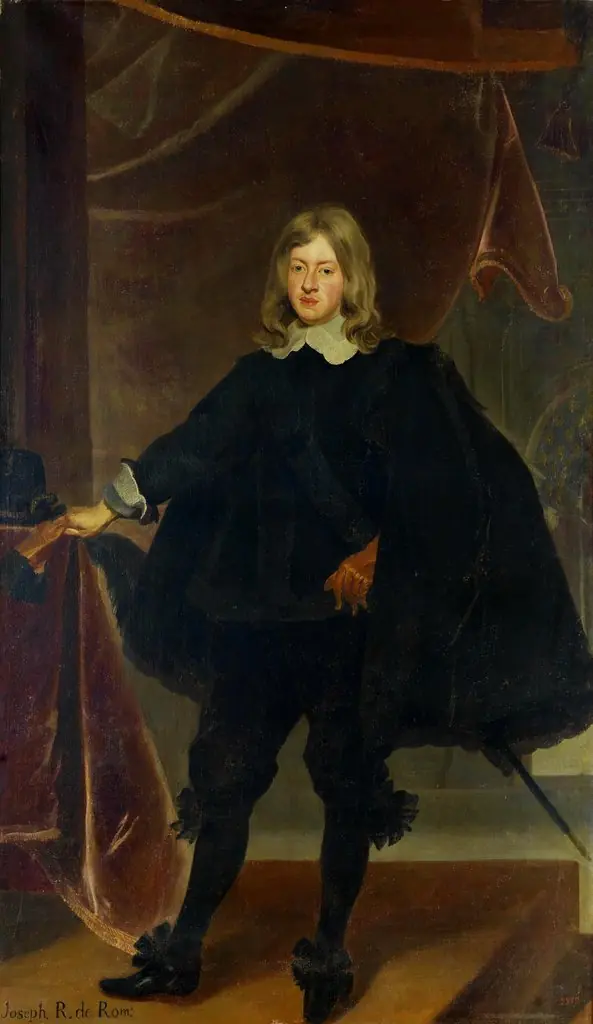 Ferdinand IV, King of the Romans
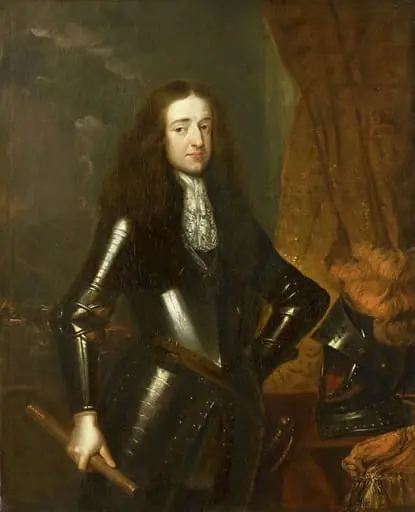 Portrait of Willem III (1650-1702), Prince of Orange and since 1689, King of England
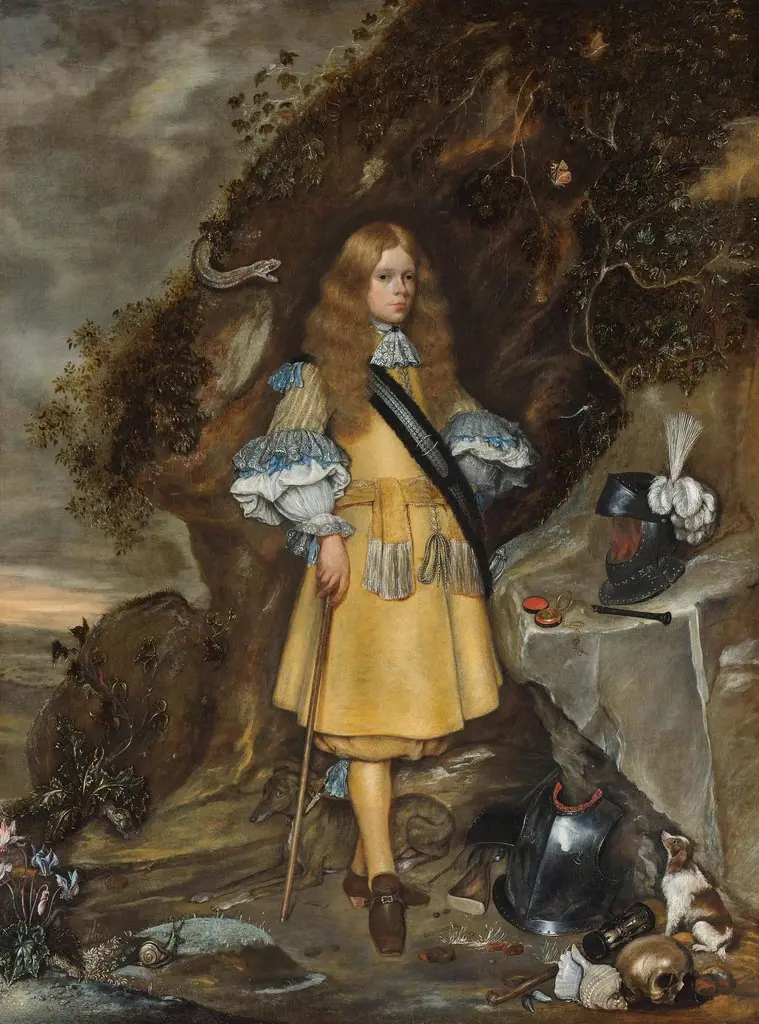 Memorial Portrait of Moses ter Borch
 Ludvig VI, 1630-78, lantgreve av Hessen-Darmstadt