Artwork
Philip V, King of Spain
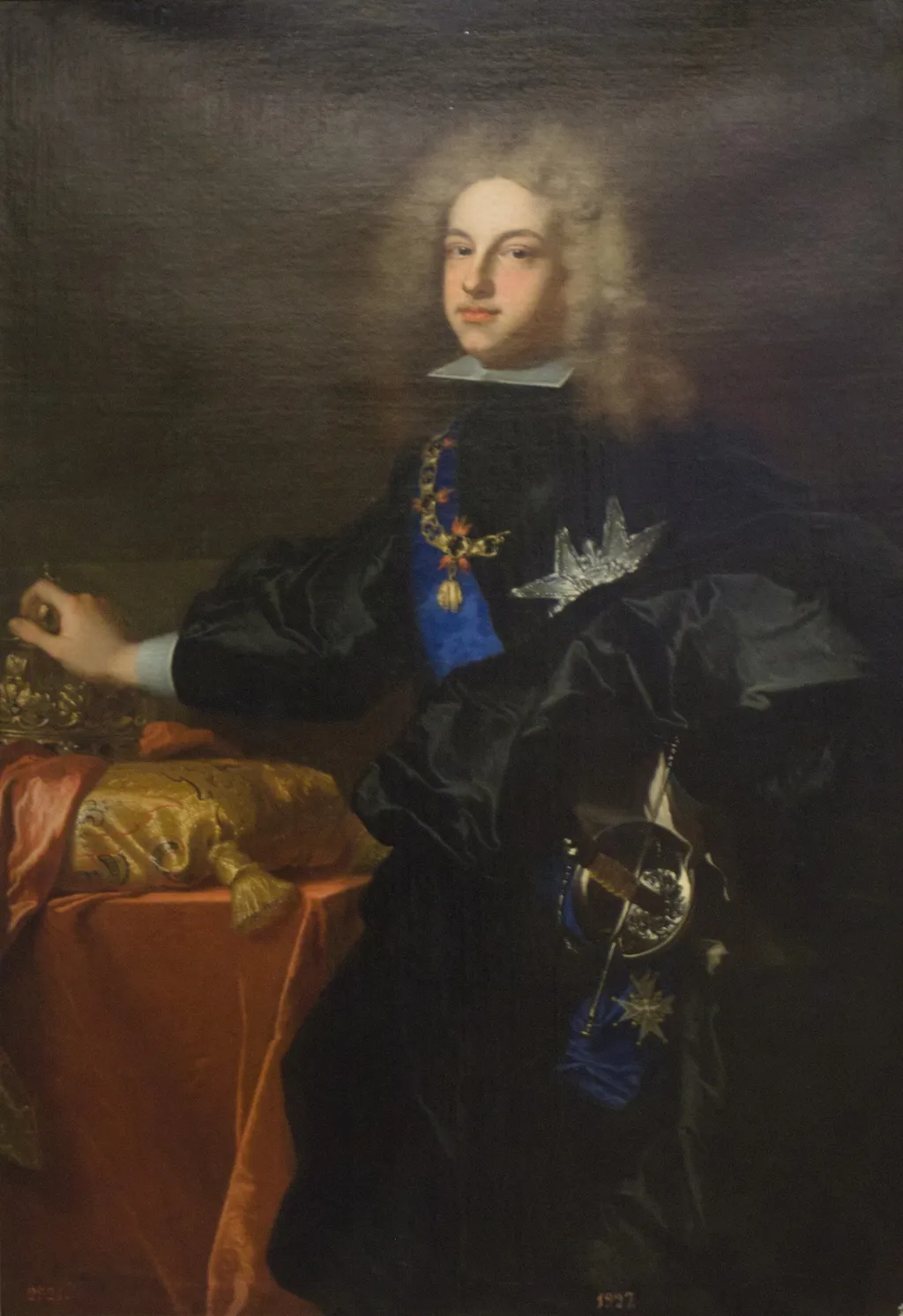
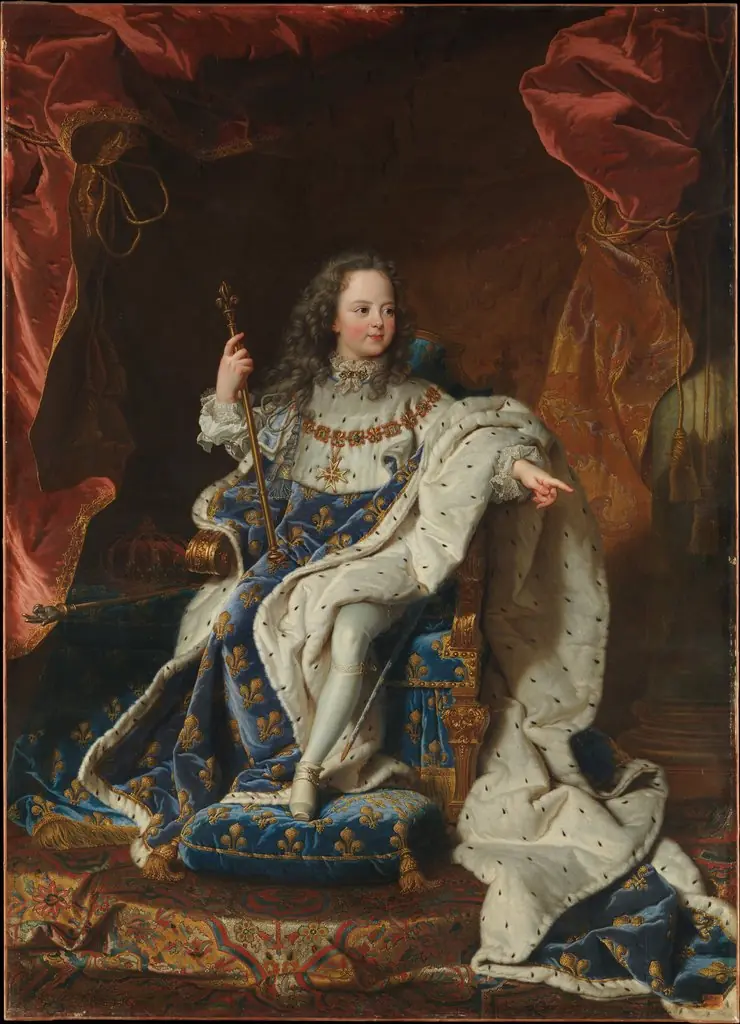
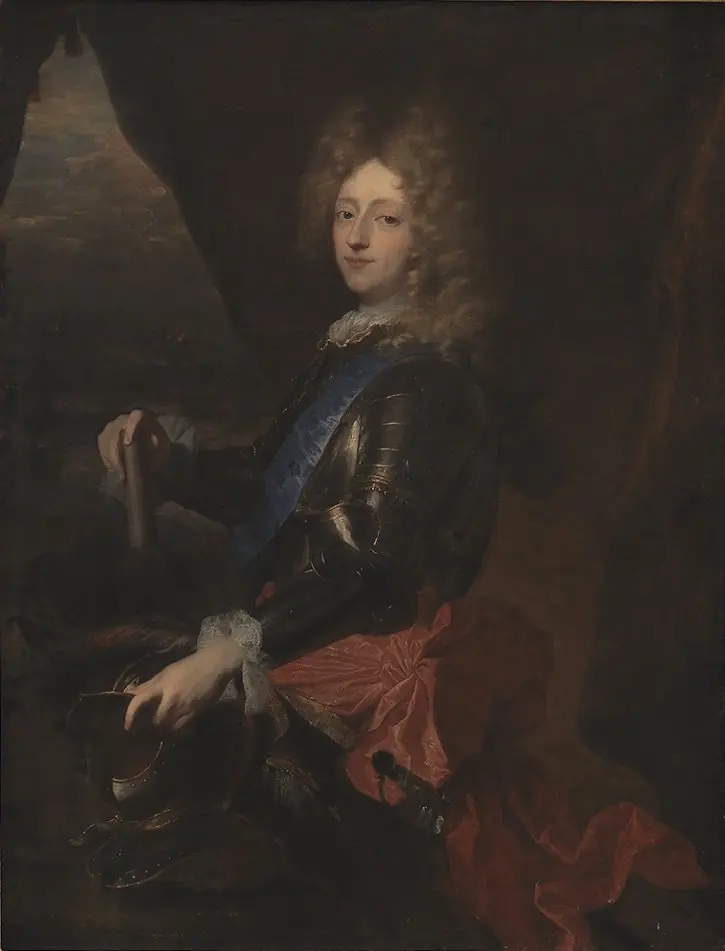
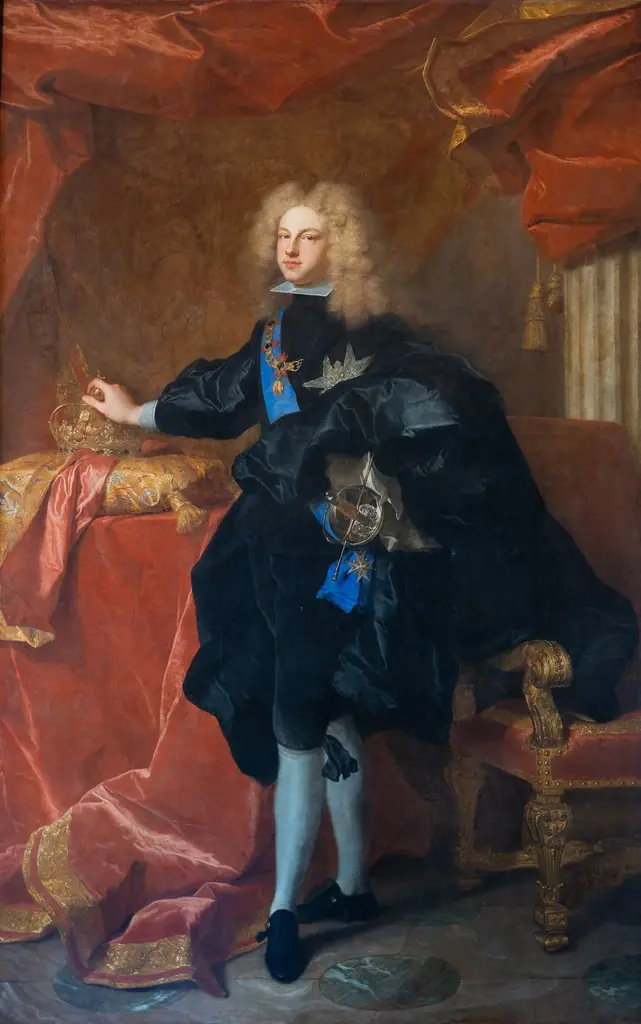
Philip V, King of Spain is an oil painting by the Rococo painting artist Rigaud Hyacinthe. It dates from 1701 and is held in the collection of the Museo del Prado. Hyacinthe Rigaud’s oil canvas from 1701 presents Philip V, the inaugural Bourbon sovereign of Spain.
About this work
Overview
Hyacinthe Rigaud’s oil canvas from 1701 presents Philip V, the inaugural Bourbon sovereign of Spain. Executed in the early Rococo period, the portrait now resides in Madrid’s Museo del Prado, offering a formal yet intimate view of the monarch within a restrained compositional space.
Subject & Meaning
The sitter is shown seated, his posture dignified, one hand resting on a crimson upholstered chair. He wears a black coat trimmed with a vivid blue sash and embroidered gold stars, complemented by an elaborate medal on his chest. The calm, serious expression underscores his royal authority while the attire signals his status and the new Bourbon lineage.
Technique & Style
Rigaud employs a subtle chiaroscuro, using soft, directional light to model the king’s facial features and the reflective surfaces of his medals and fabrics. The dark, muted background isolates the figure, allowing the rich textures of silk, velvet, and gilt to emerge with clarity characteristic of Rococo portraiture.
History & Provenance
Commissioned shortly after Philip V’s accession, the work reflects the French court’s influence on Spanish royal imagery. After remaining in the royal collection for centuries, the painting entered the public domain when it was transferred to the Prado Museum, where it has been displayed as part of the institution’s holdings of European court portraiture.
Artist & collection
Artist
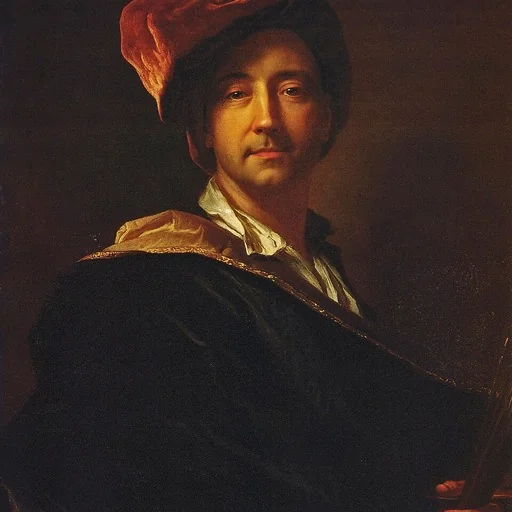
Jacint Rigau-Ros i Serra (Catalan pronunciation: ; 18 July 1659 – 29 December 1743), known in French as Hyacinthe Rigaud (pronounced ), was a Catalan-French baroque painter most famous for his portraits of Louis XIV and other members of…