Artwork
Portrait of a man
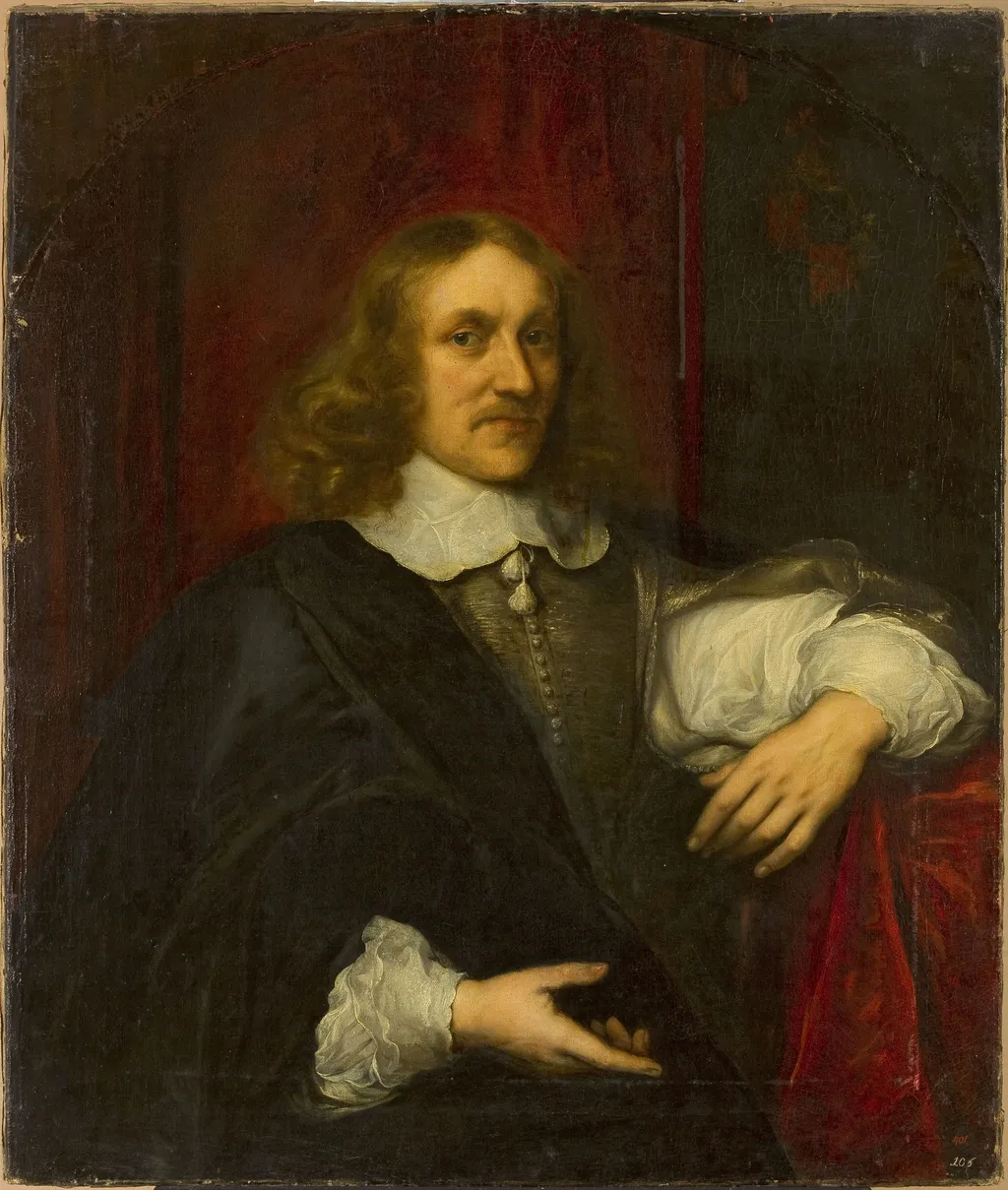
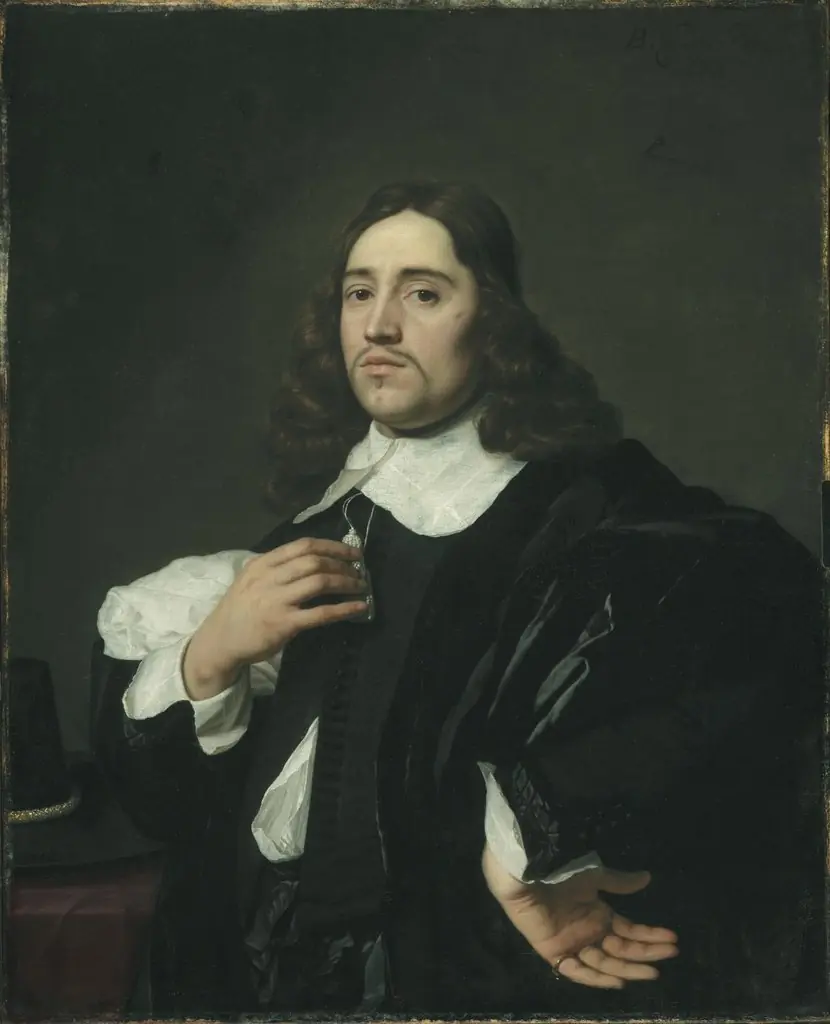
Portrait of a man is an oil painting by the Flemish Baroque painting artist Unknown. It dates from 1640 and is held in the collection of the National Museum in Warsaw.
About this work
The use of chiaroscuro, a technique that uses strong contrasts of light and dark, adds depth to the image.
This painting depicts a man with long, wavy hair, dressed in a dark robe over a white shirt and vest. He is seated, with his right arm resting on a red cloth draped over his lap.
The man's attire and the style of the painting suggest a formal portrait from the 17th century. The use of chiaroscuro, a technique that uses strong contrasts of light and dark, adds depth to the image.
The artist's use of chiaroscuro creates a sense of drama and highlights the subject's features. To learn more about this technique, explore the world of chiaroscuro.
Overview
This oil painting presents a formal 17th-century portrait of a man, rendered with careful attention to texture and lighting. The subject is seated, dressed in a dark robe over a white shirt and vest, with his right arm resting on a red cloth. The composition emphasizes stillness and dignity, typical of portraiture from the period. The use of chiaroscuro enhances the three-dimensionality of the figure, drawing focus to the face and hands.
Subject & Meaning
The identity of the sitter is not recorded, but his attire and composed posture suggest a person of social standing. The dark robe and minimal ornamentation imply restraint and seriousness, possibly reflecting professional or civic roles common among urban elites. The direct gaze and calm expression convey quiet authority rather than flamboyance, aligning with ideals of introspective dignity in early modern portraiture.
Technique & Style
The artist employs chiaroscuro to model the figure with strong contrasts between light and shadow, giving volume to the face, hands, and fabric folds. The brushwork is precise yet unobtrusive, allowing the play of light to define form rather than overt detail. The red cloth adds a subtle chromatic counterpoint, grounding the composition while directing attention to the subject’s lap and posture.
History & Provenance
The painting’s early ownership and exhibition history are undocumented. It likely originated in a European urban center where portraiture flourished in the 1600s, possibly the Netherlands or Northern Italy. No known records link it to a specific artist or collection prior to its modern acquisition, leaving its origins partially obscured despite its stylistic clarity.
Context
In the 17th century, portraiture served both personal and social functions, often commissioned to affirm status or commemorate lineage. The restrained palette and emphasis on light reflect broader trends in Northern European painting, where psychological presence outweighed ornamental display. Chiaroscuro, borrowed from Italian models, was increasingly adopted to convey gravitas and individuality.
Legacy
Though unsigned and unattributed, the painting exemplifies the quiet sophistication of non-royal portraiture from the early modern era. Its preservation underscores the enduring value placed on individual representation in Western art. It contributes to the broader understanding of how light, dress, and posture were used to communicate character beyond mere likeness.
Artist & collection

 Domestic Scene
 Giacomo and Cardinal Marco, investing Andrea, Abbot of San Zeno, with his Benefice
 The Nymph of Fontainebleau
 Portrait of a Woman
 Madonna and Child with Saints in the Enclosed Garden
 Venus and Minerva
 Family Group of Four on Sofa
 Wall painting from Room H of the Villa of P. Fannius Synistor at Boscoreale
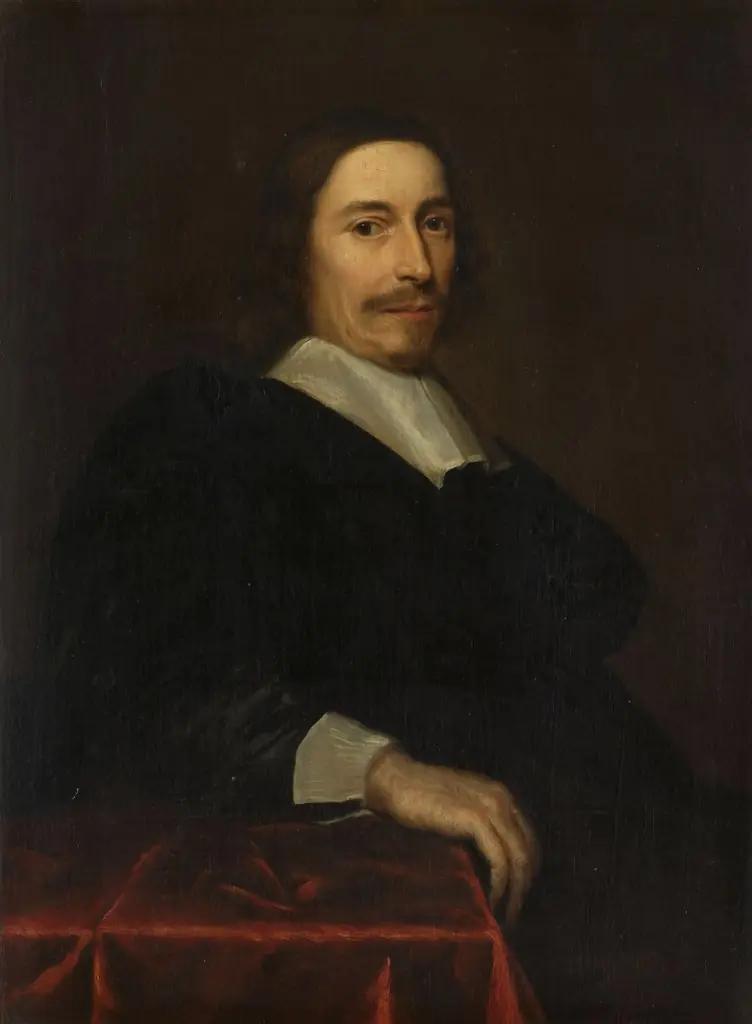 Jacob de Witt (1589-1674)
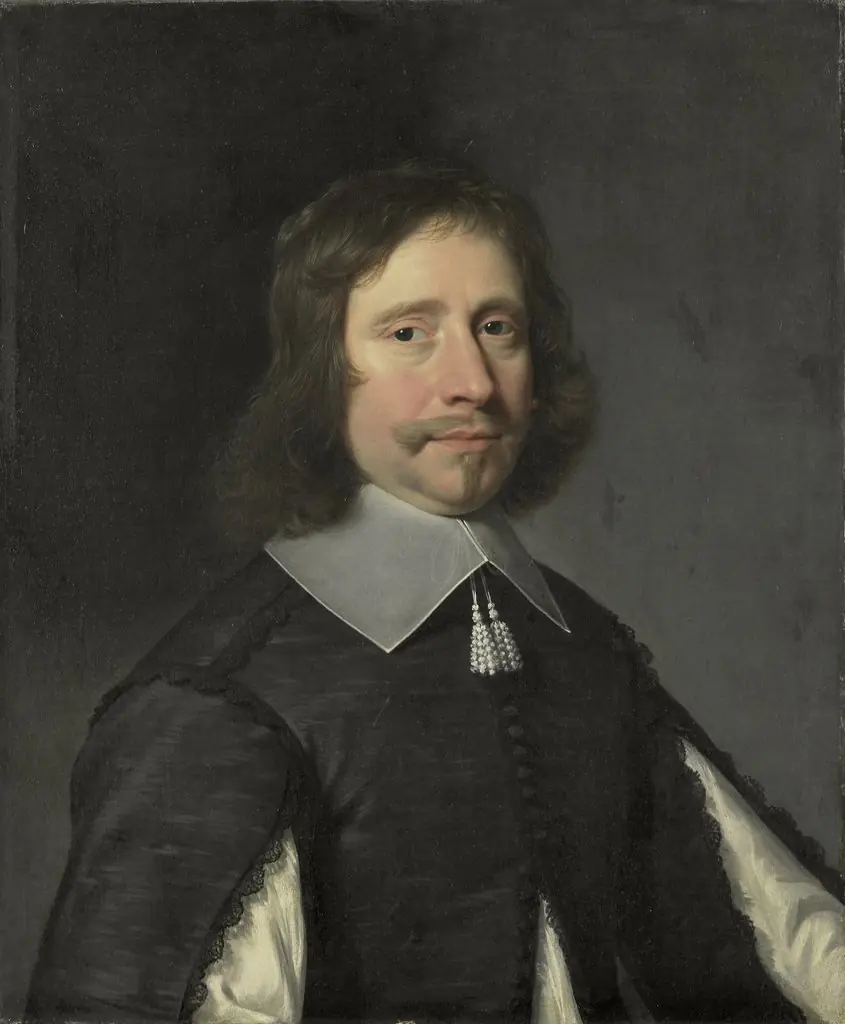 Portrait of a man, perhaps Philippe de la Trémoïlle (1596-?), count of Olonne
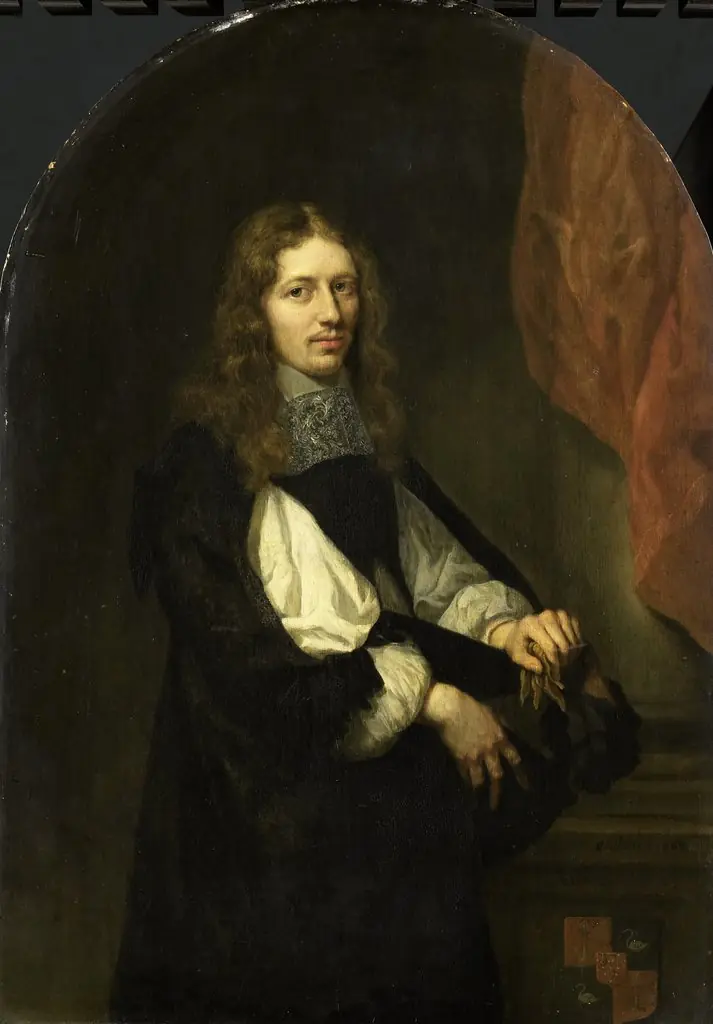 Portrait of Pieter de Graeff (1638-1707), lord of Zuid-Polsbroek, Purmerland, and Ilpendam. Alderman of Amsterdam
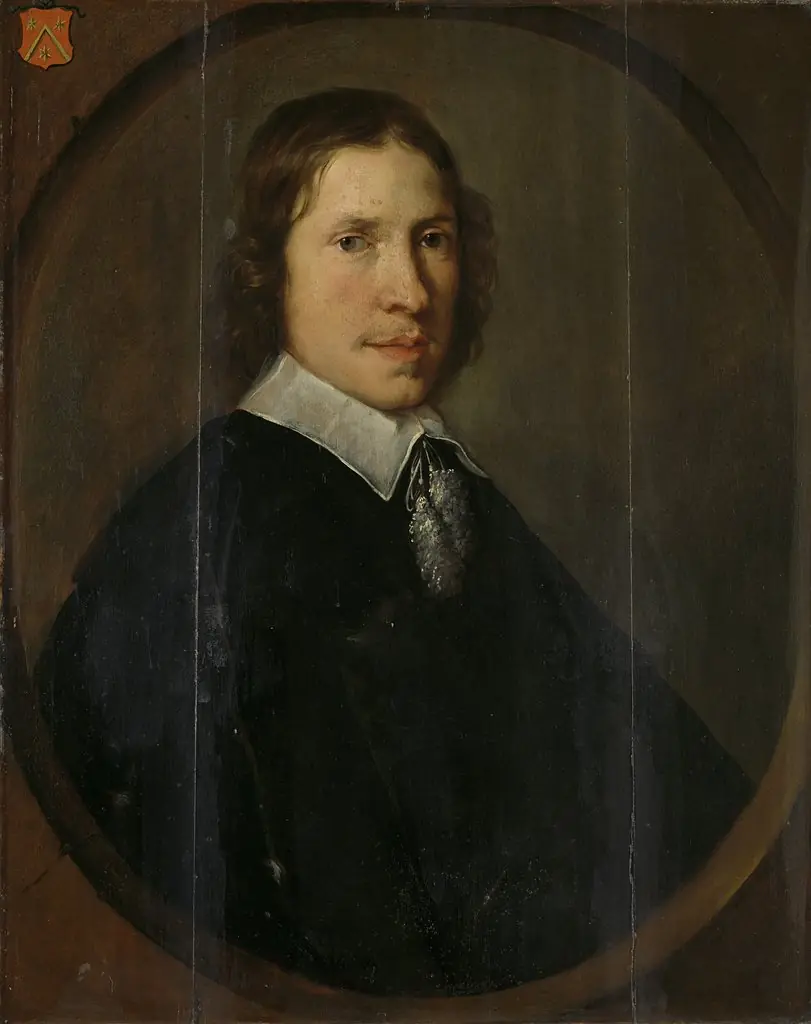 François Leydecker (1626-88). Burgomaster of Tholen
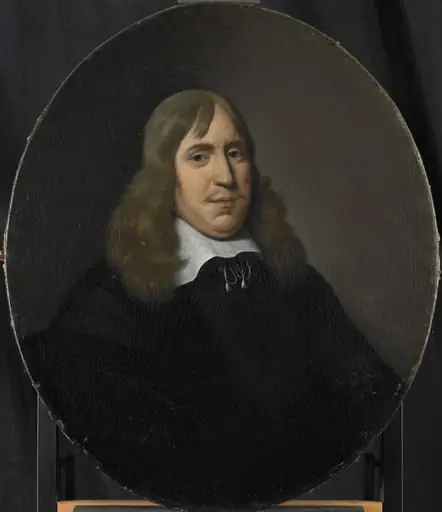 Portrait of Willem Hartigsvelt, Director of the Rotterdam Chamber of the Dutch East India Company, elected 1657
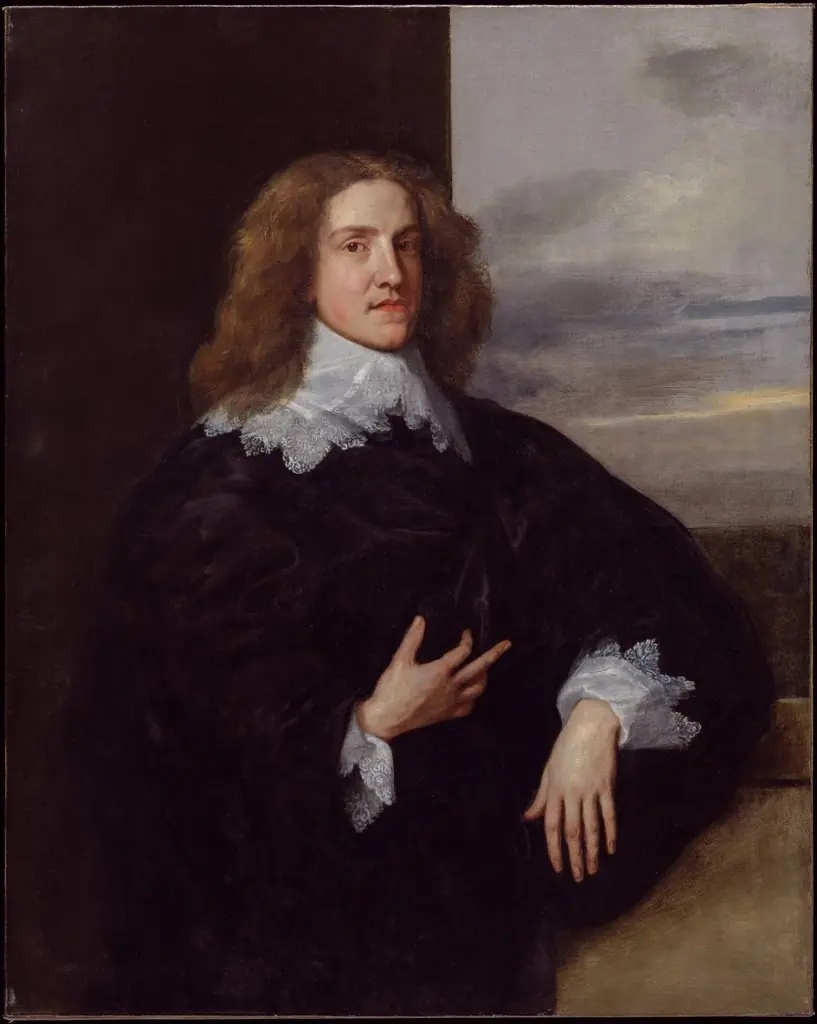 Young Gentleman (Earl of Downe?)
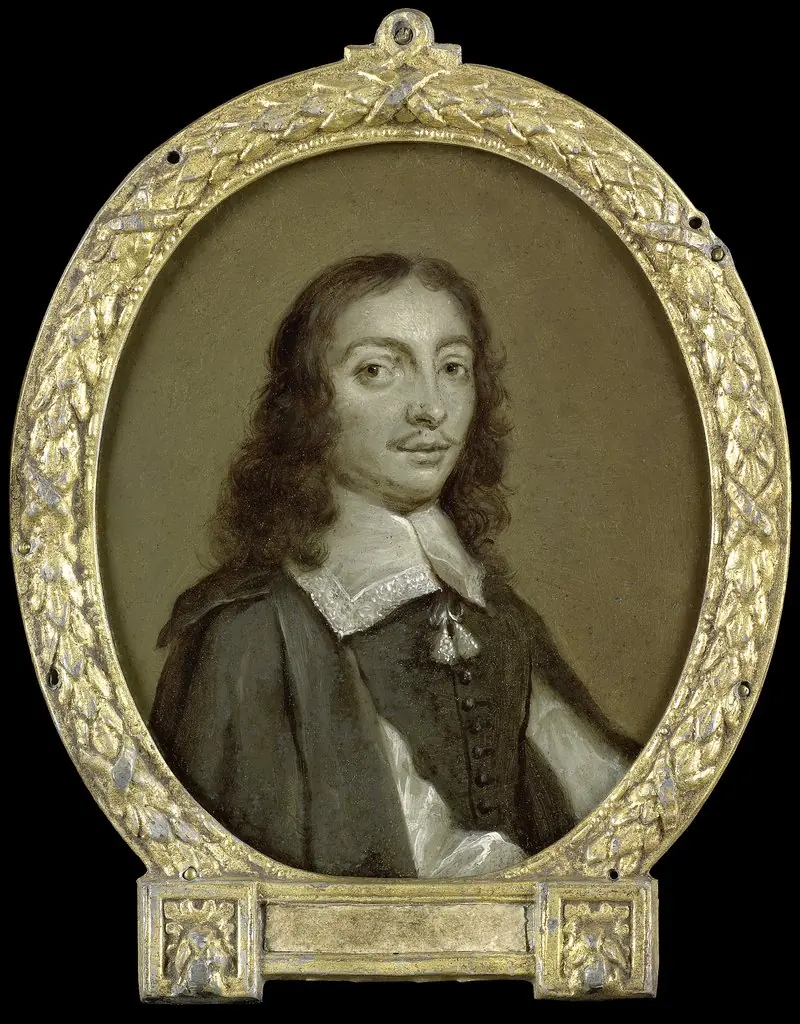 Portrait of Frans Godin, Poet in Brussels
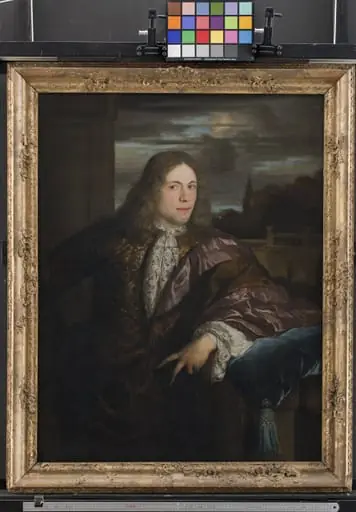 Portrait of a Young Gentleman
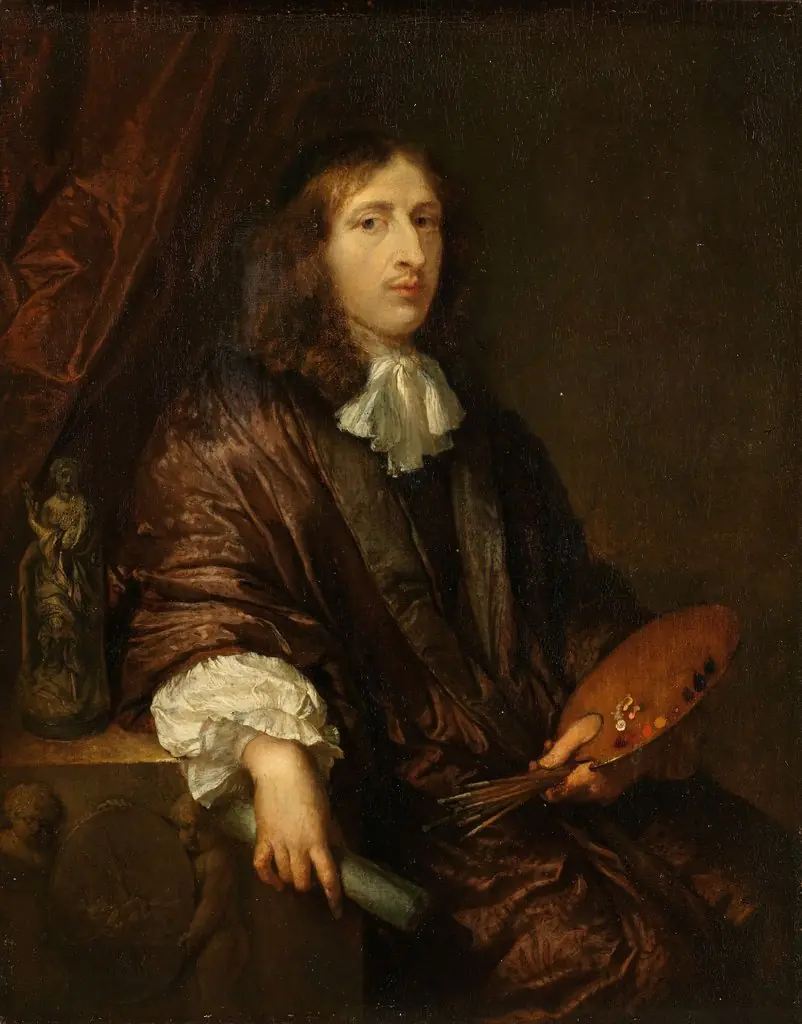 Self portrait
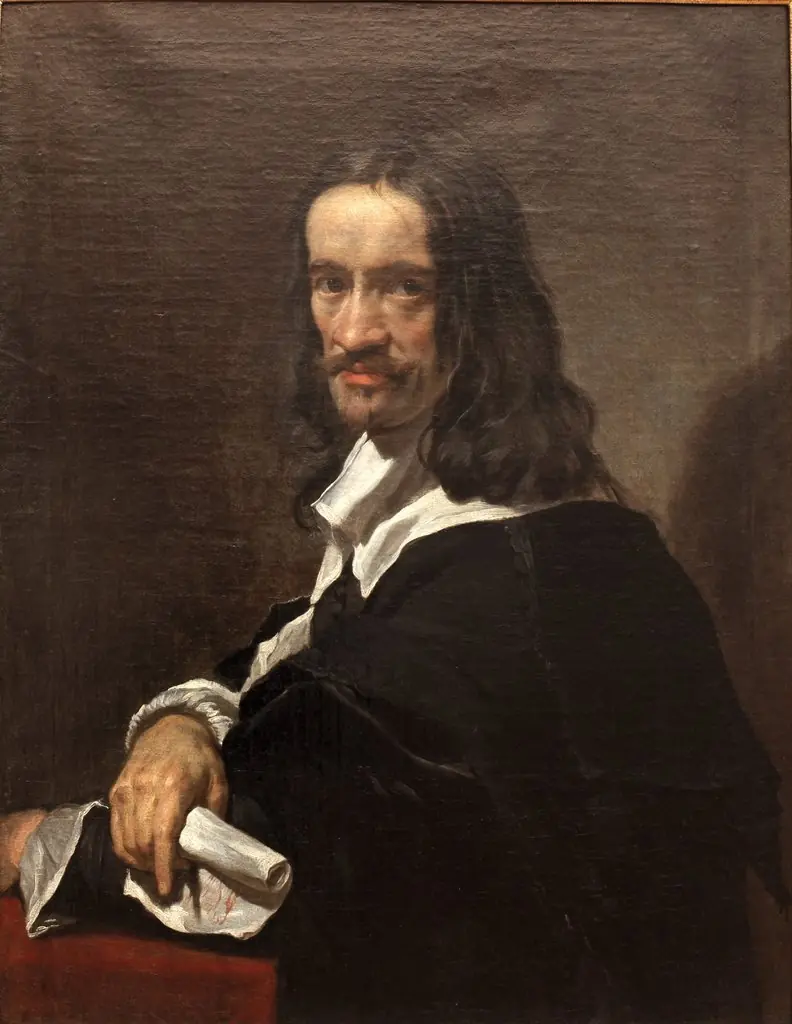 Self-portrait
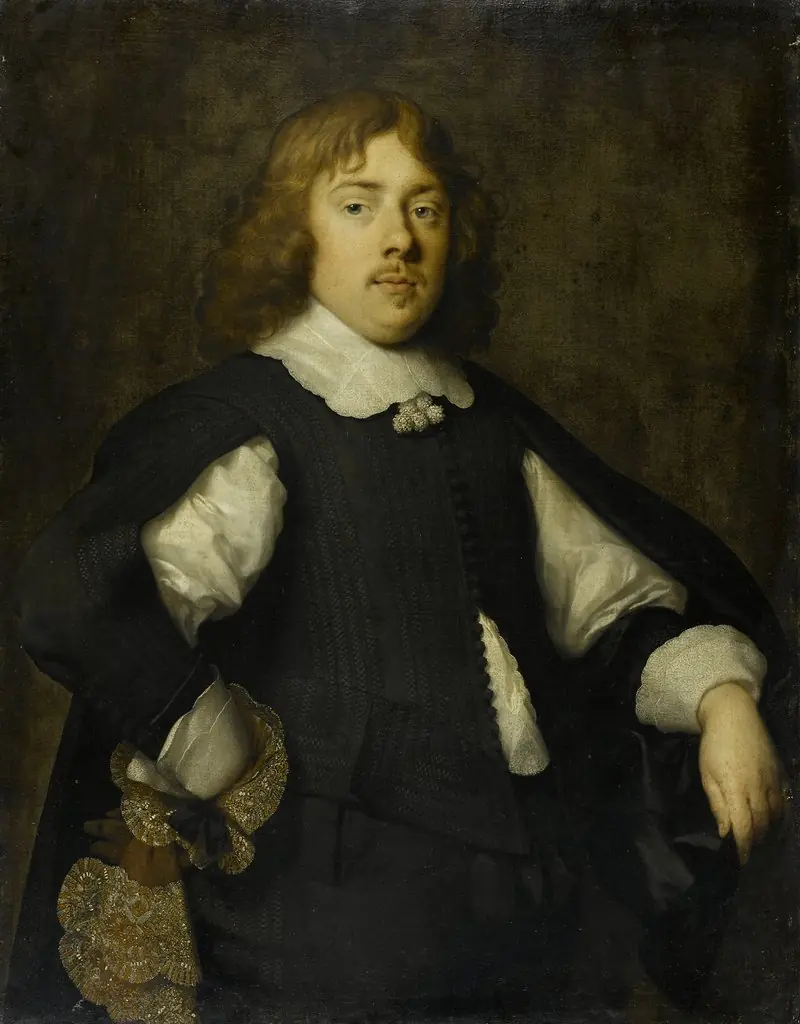 Portrait of Joan Pietersz Reael (1625-59)
 Portrait of a Gentleman (hand on hip)