Artwork
Portrait of Frans Godin, Poet in Brussels
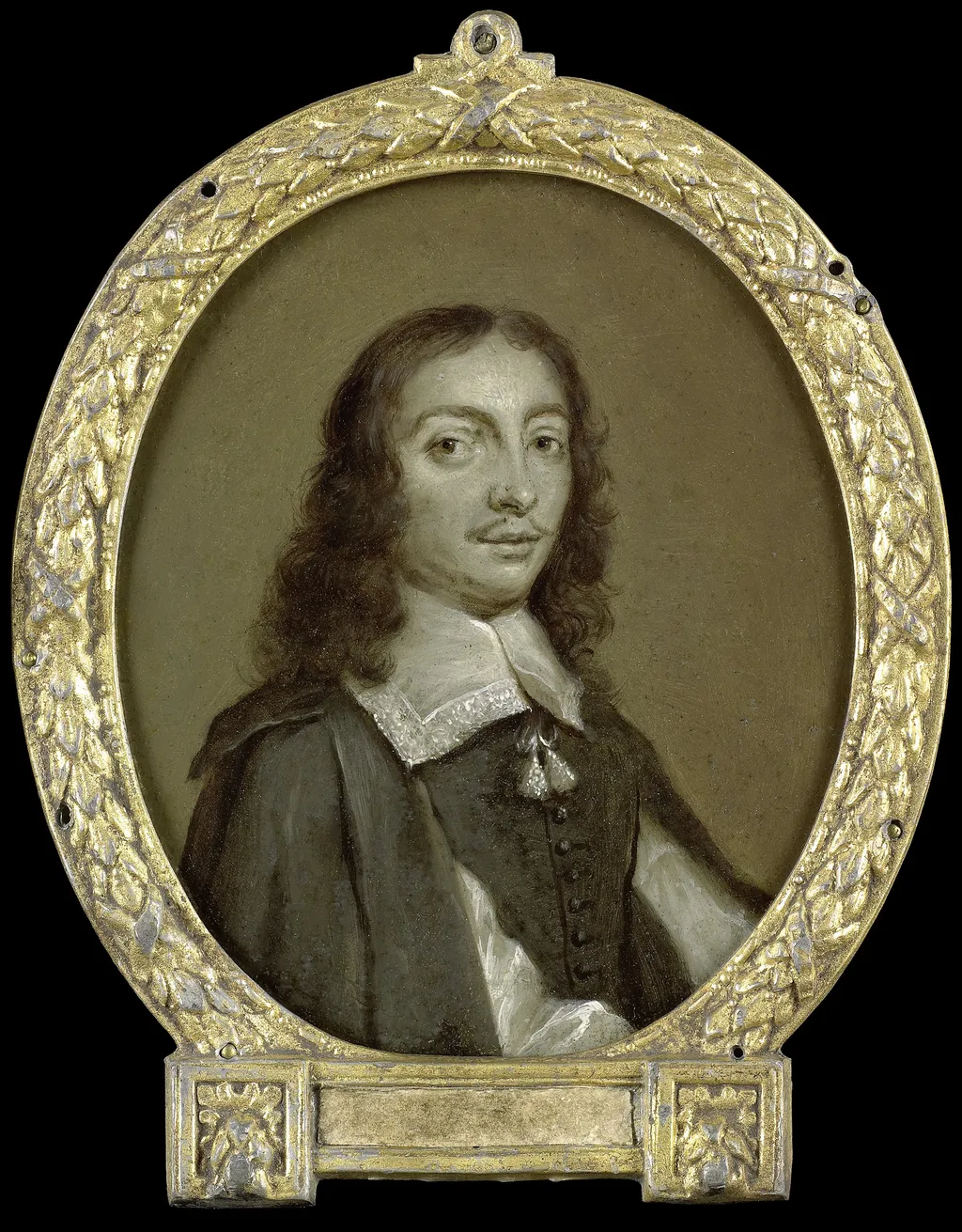
Portrait of Frans Godin, Poet in Brussels is an oil painting by the Rococo painting artist Jan Maurits Quinkhard. It dates from 1750 and is held in the collection of the Rijksmuseum.
About this work
Overview
Created circa 1750 by Dutch artist Jan Maurits Quinkhard, this portrait is executed on a copper support. It presents Frans Godin, a poet active in Brussels, seated in a composed pose. The work is part of the Rijksmuseum’s collection and exemplifies the refined intimacy characteristic of mid‑eighteenth‑century portraiture.
Subject & Meaning
The sitter, identified as the poet Frans Godin, is shown with long, wavy hair and a moustache, dressed in a dark jacket trimmed with white lace over a crisp white shirt. The subdued brown background focuses attention on his dignified appearance, suggesting the cultural status and cultivated elegance associated with literary figures of the period.
Technique & Style
Quinkhard employed the smooth, luminous surface of copper to achieve delicate modeling and subtle tonal transitions. The painting’s handling reflects Rococo sensibilities, with a light touch, graceful lines, and a restrained palette that enhances the portrait’s intimate atmosphere.
History & Provenance
After its creation in the 1750s, the portrait entered the collection of the Rijksmuseum, where it remains on view. Its provenance traces back to the artist’s Dutch workshop, though earlier ownership details are not recorded in surviving documentation.
Artist & collection
Artist
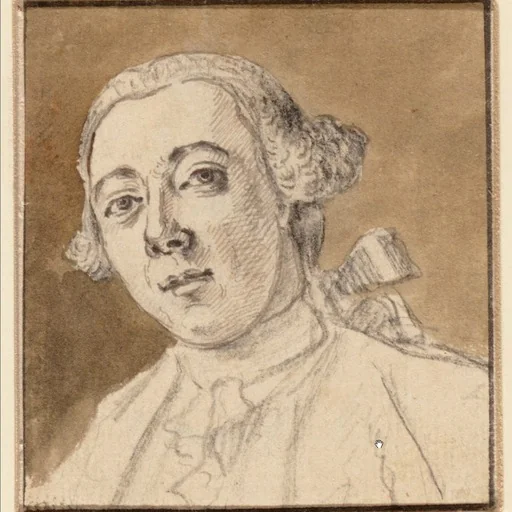
Jan Maurits Quinkhard (28 January 1688 – 11 November 1772) was an 18th-century painter and print designer from the Dutch Republic.

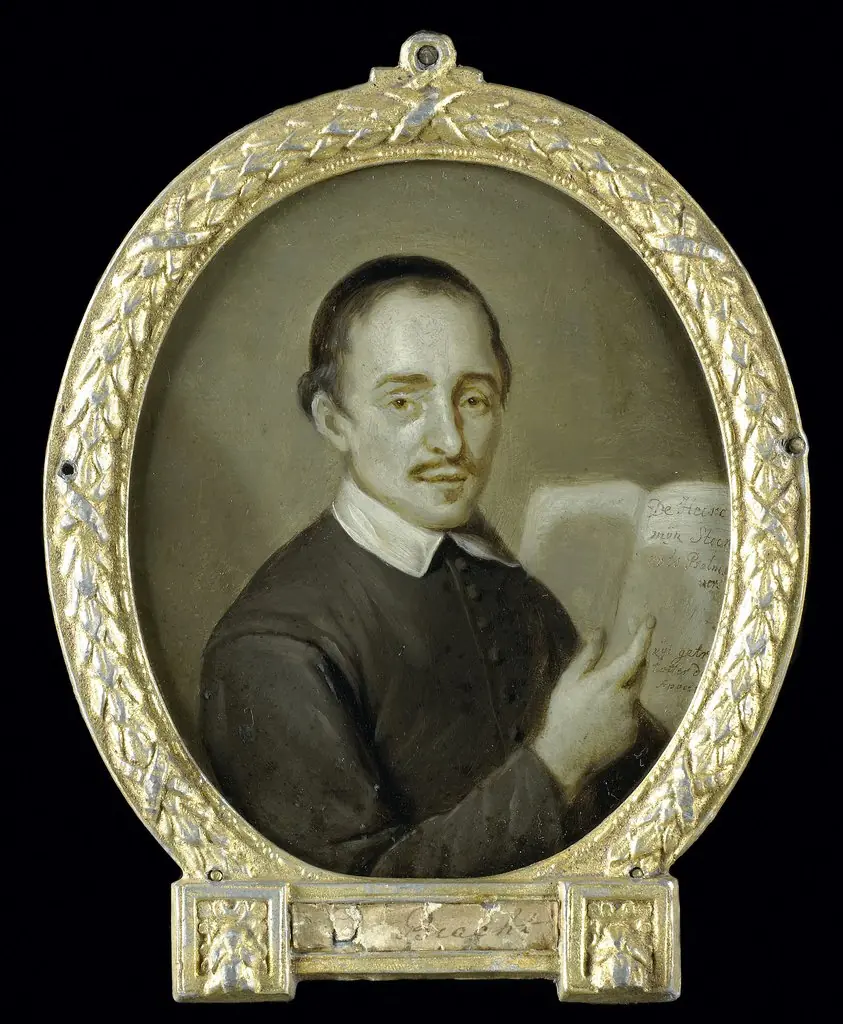 Portrait of Tieleman Jansz van Bracht, Clergyman and Poet in Dordrecht
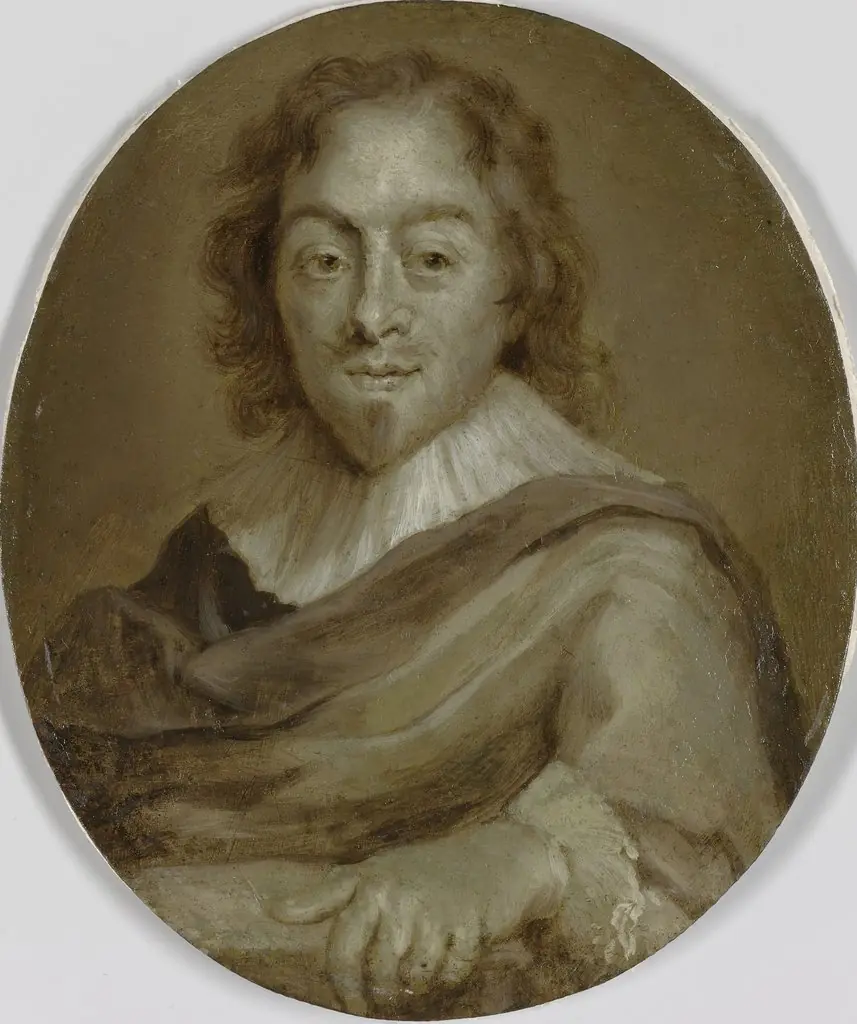 Portrait of Constantijn Huygens, Poet, Secretary to Prince Frederick Henry and Prince William II and First Councilor and Exchequer to William III
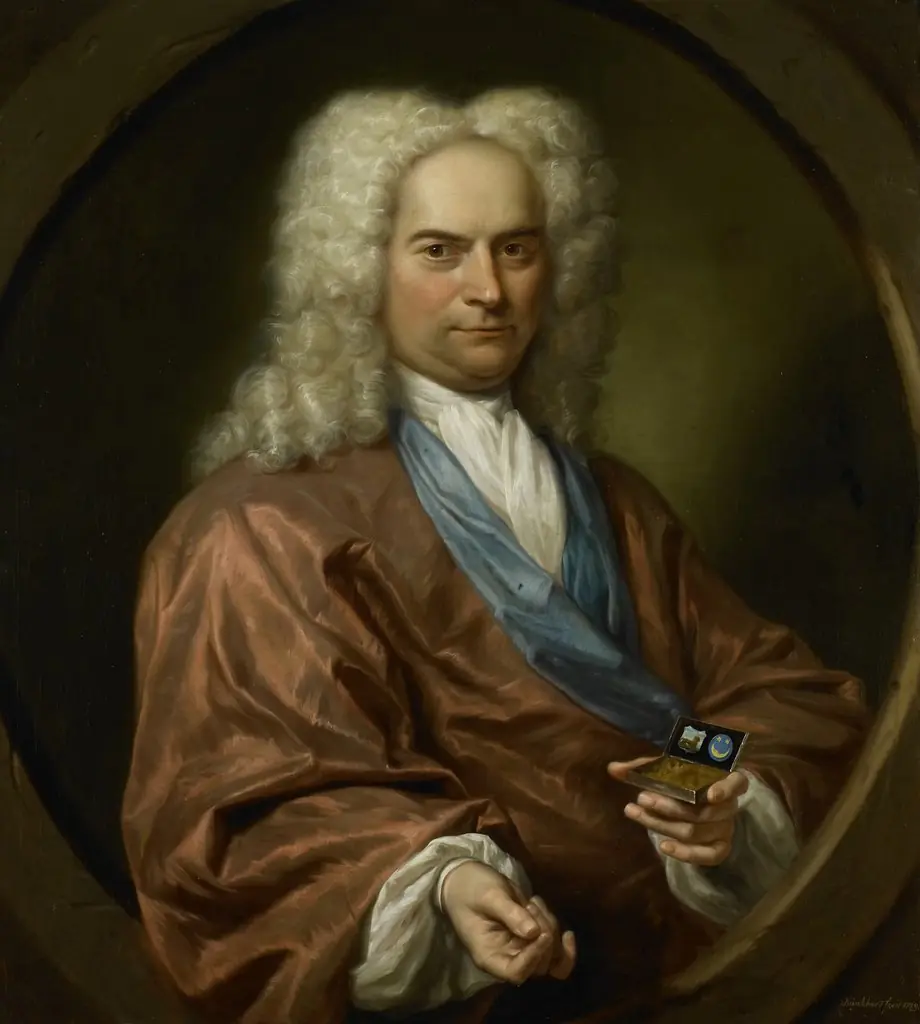 Portrait of David Leeuw, Mennonite Cloth and Dry Goods Merchant
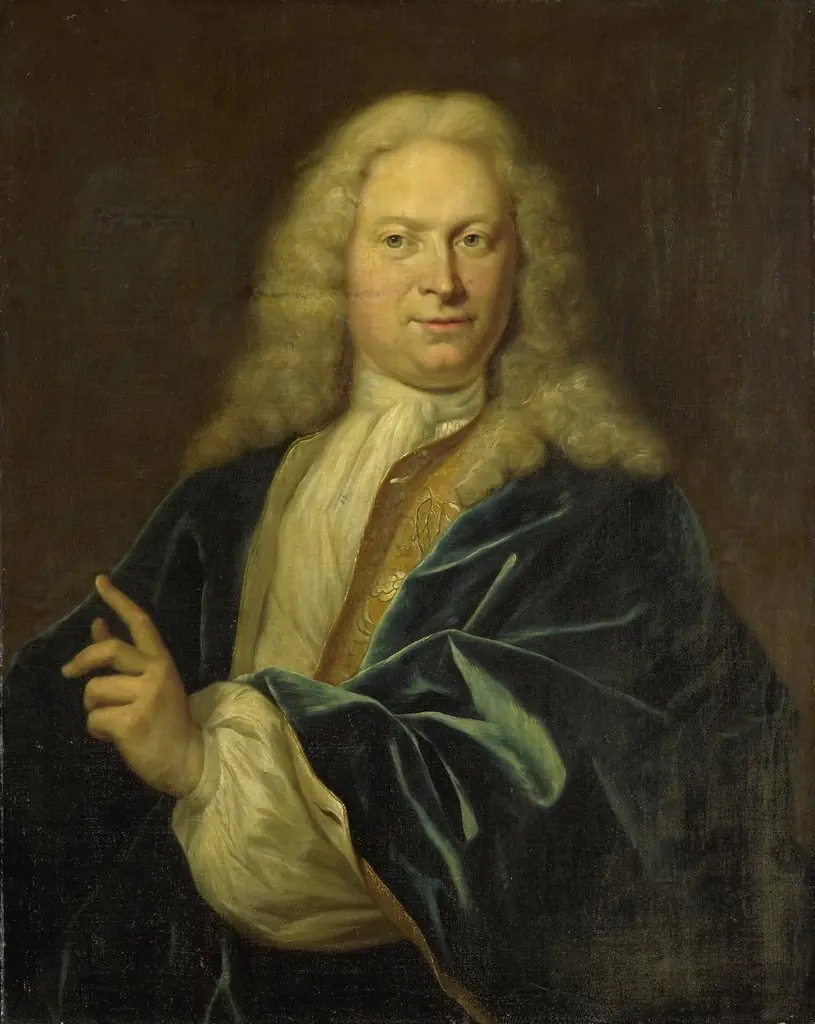 Portrait of Jan Hendrik van Heemskerck, Count of the Holy Roman Empire, Lord of Achttienhoven, Den Bosch and Eyndschoten, Captain of the Citizenry of Amsterdam (Johan Hendrik Graaf Van Heemskerk)
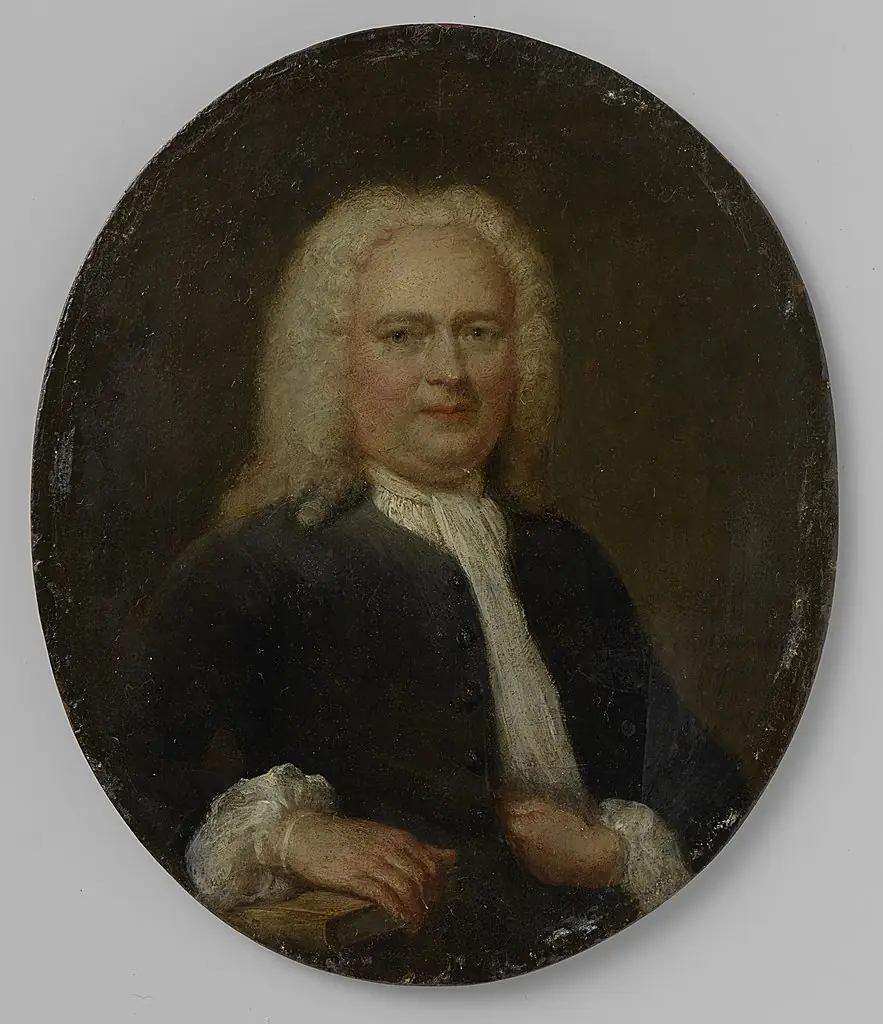 Portrait of a Man, perhaps a Member of the Klinkhamer Family
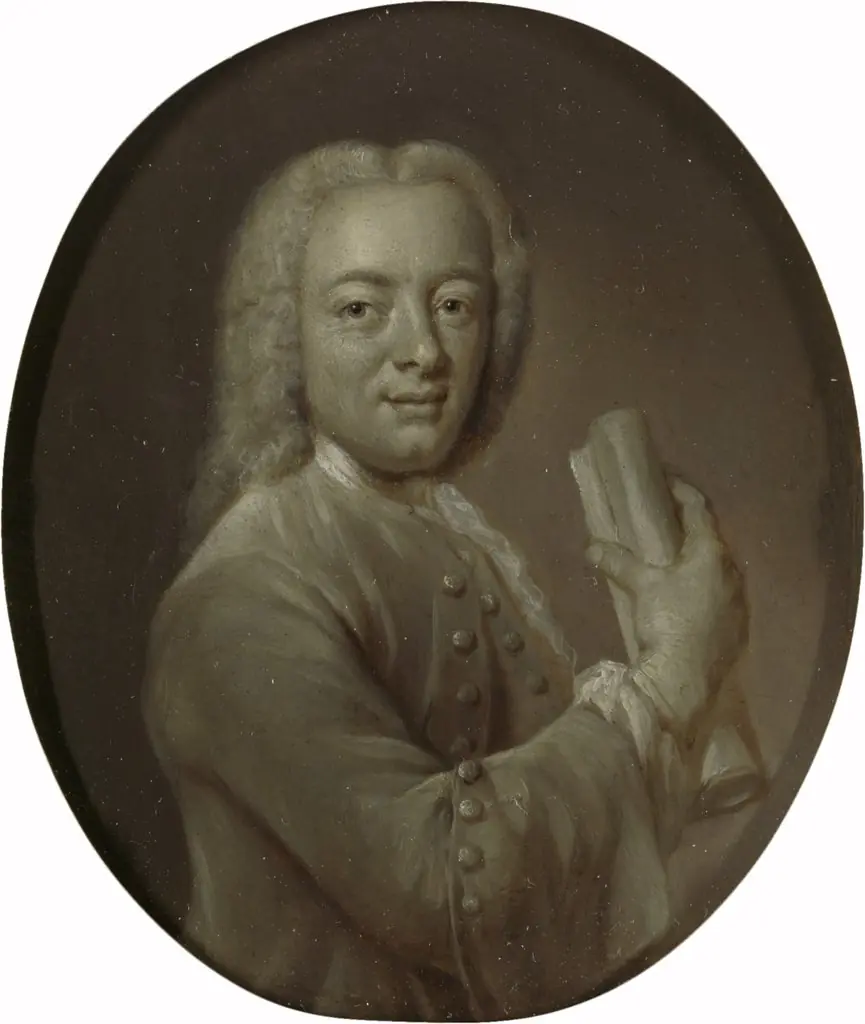 Portrait of Bernardus de Bosch I, Poet in Panpoeticon Batavum
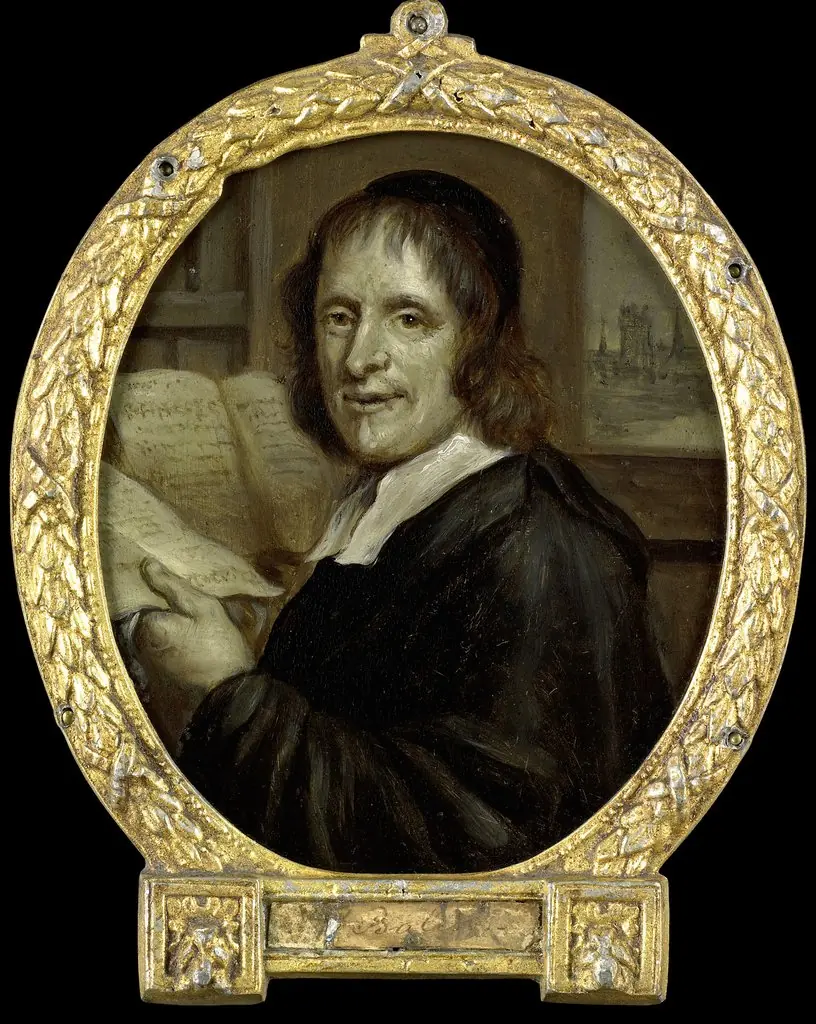 Matthijs Balen Jansz (1611-91), poet and chronicler of Dordrecht
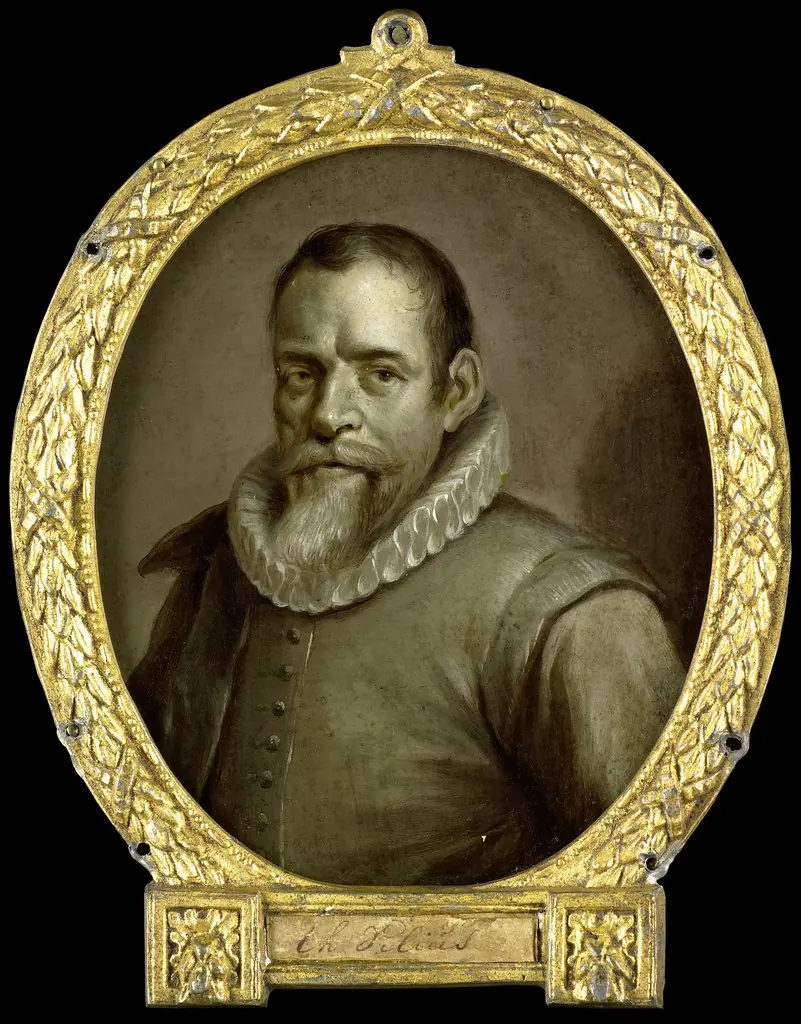 Portrait of Theodorus Velius, Writer of the Chronicle of Horn
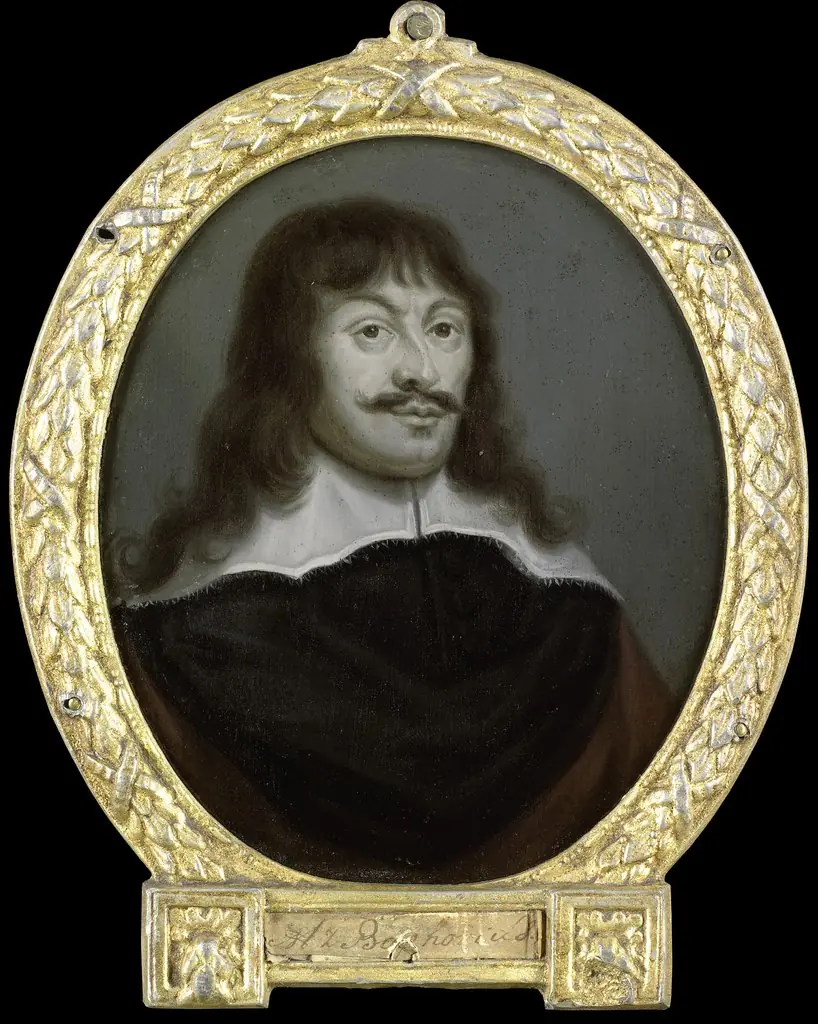 Portrait of Marcus Zuërius van Boxhorn, Historian and Professor at Leiden
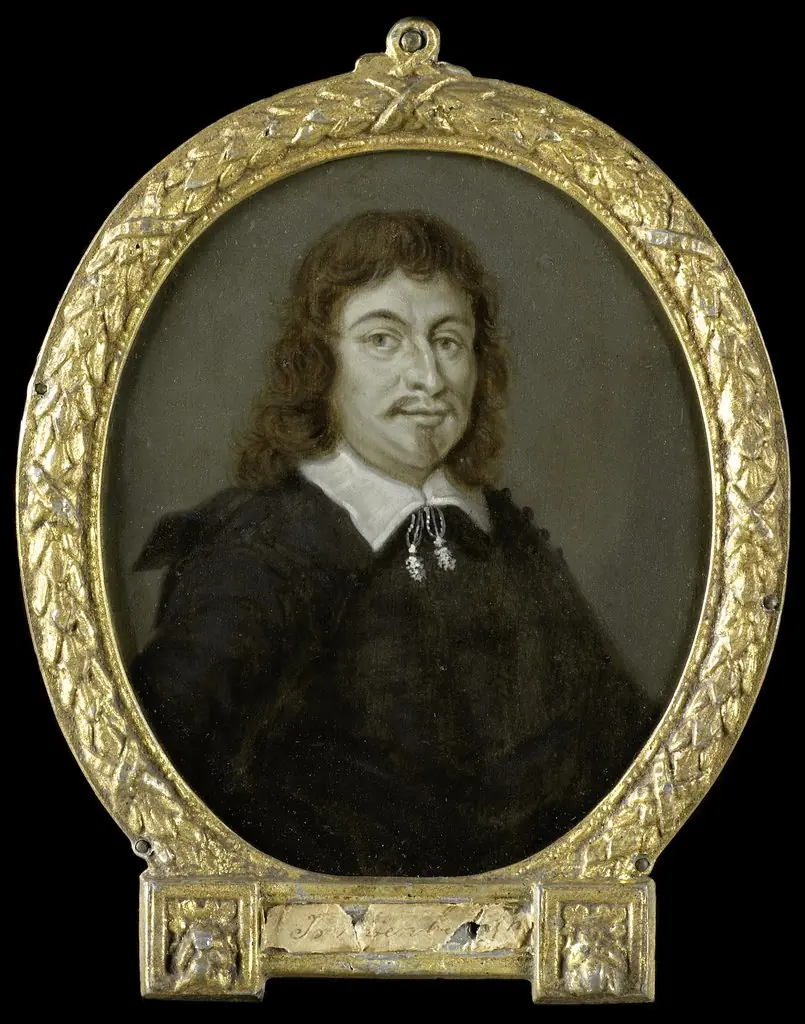 Portrait of Johan van Nijenborgh, Poet in Groningen
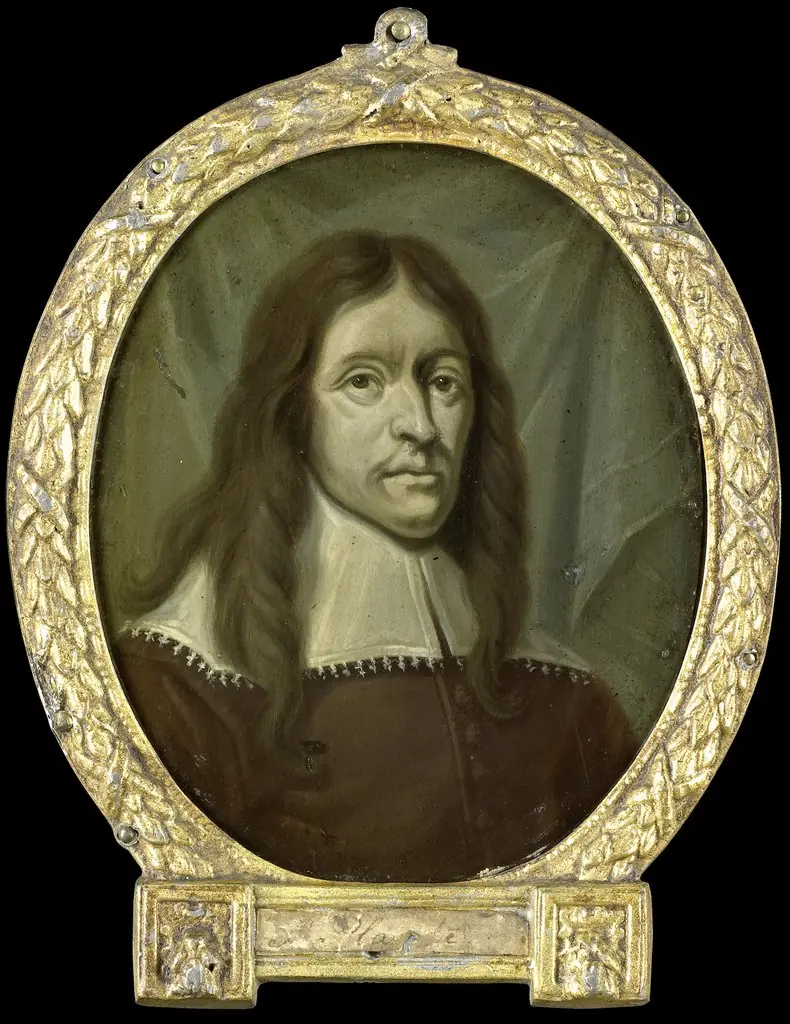 Portrait of Simon Abbes Gabbema
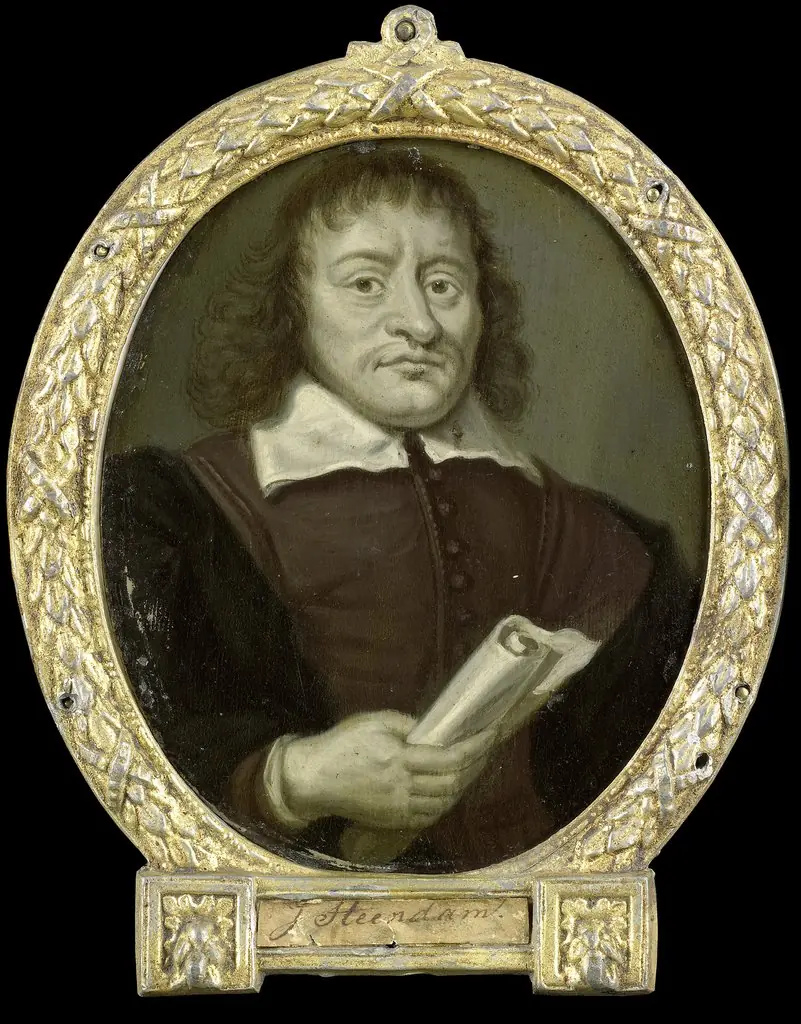 Portrait of Hendrik Bruno, Poet and Co-Rector of the Latin School in Hoorn
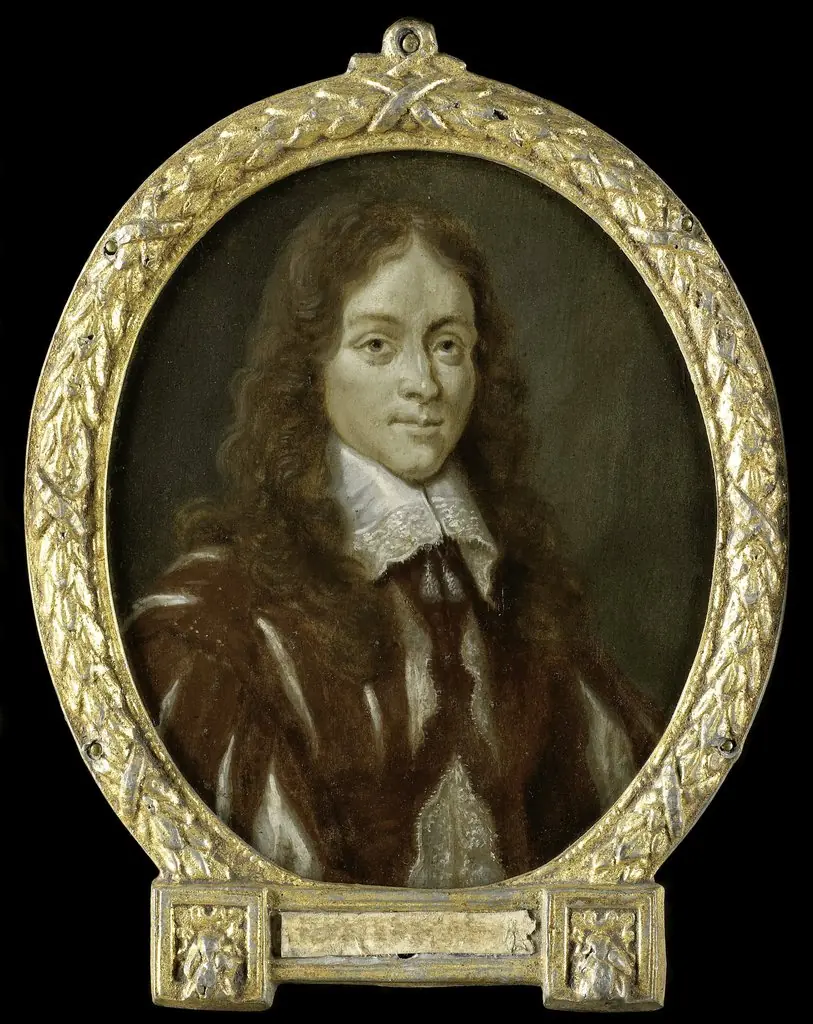 Portrait of Caspar van Kinschot, Poet
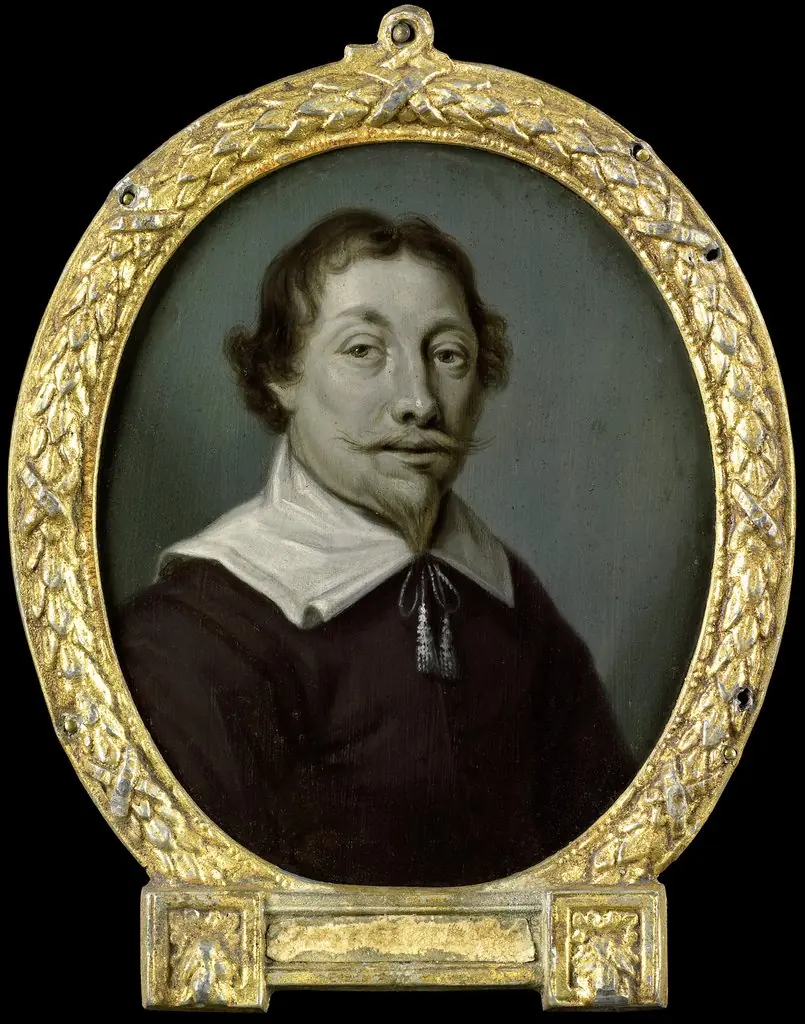 Portrait of Jan van der Veen, Pharmacist and Poet in Deventer
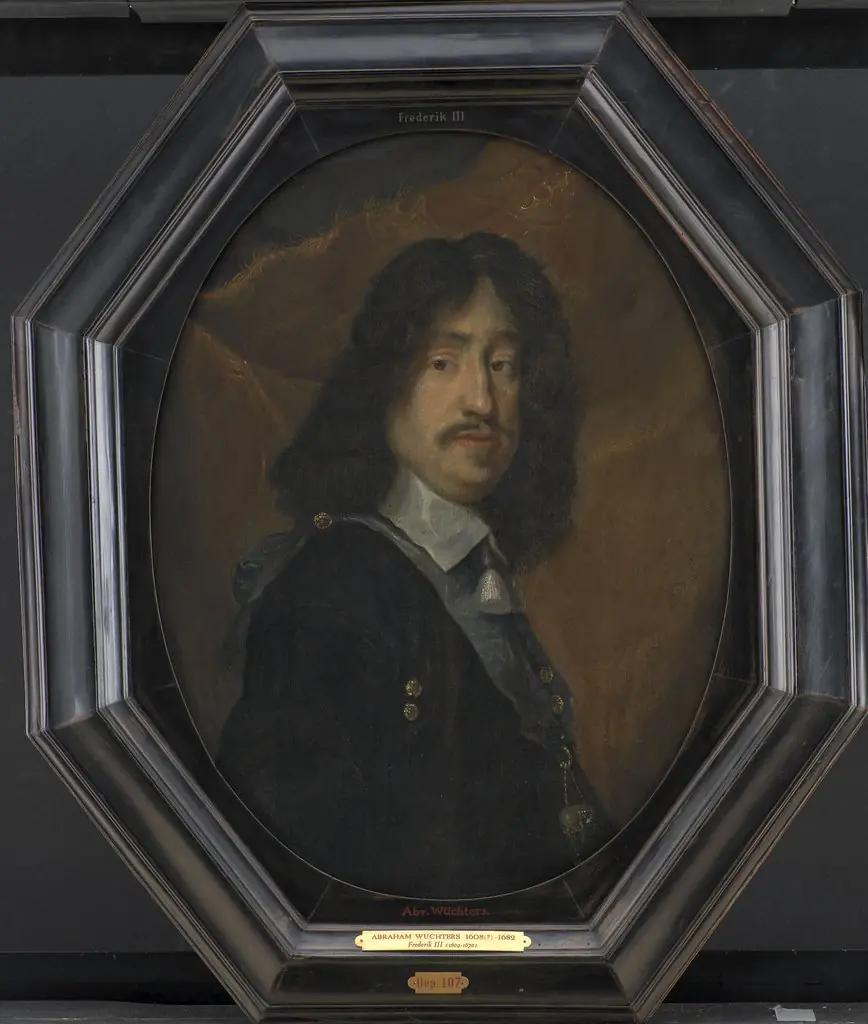 Frederik III
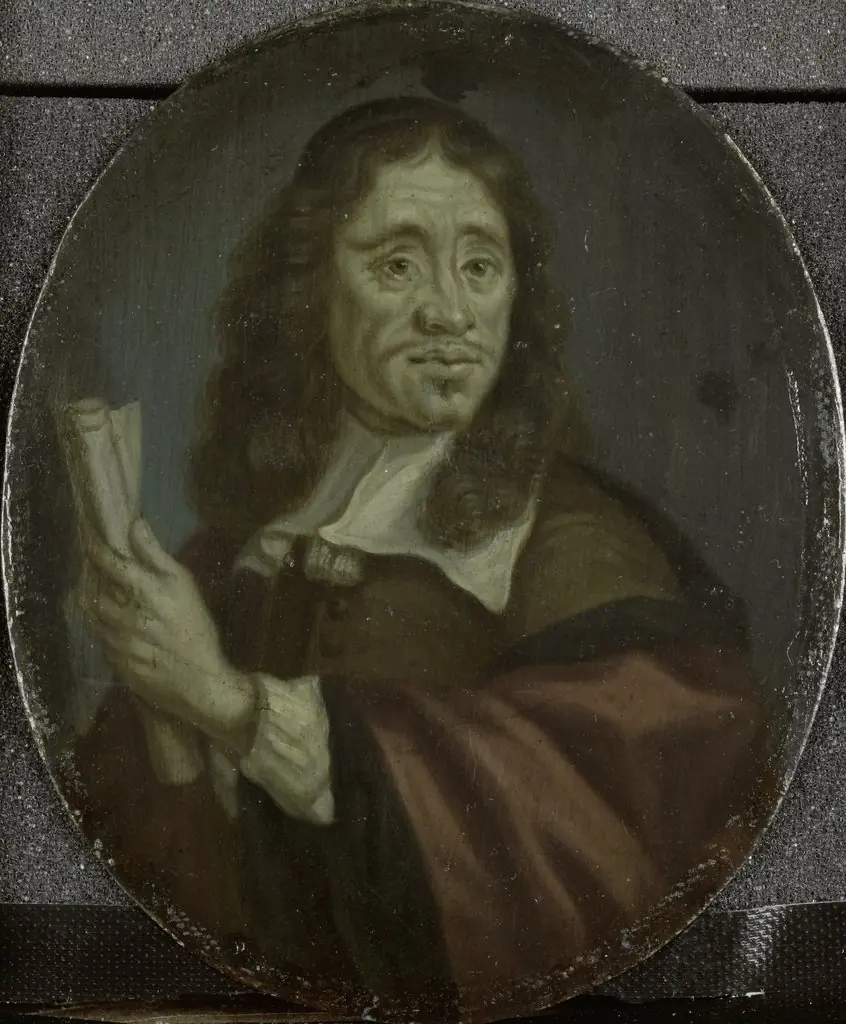 Jan Vos (c. 1620-67), Amsterdam poet
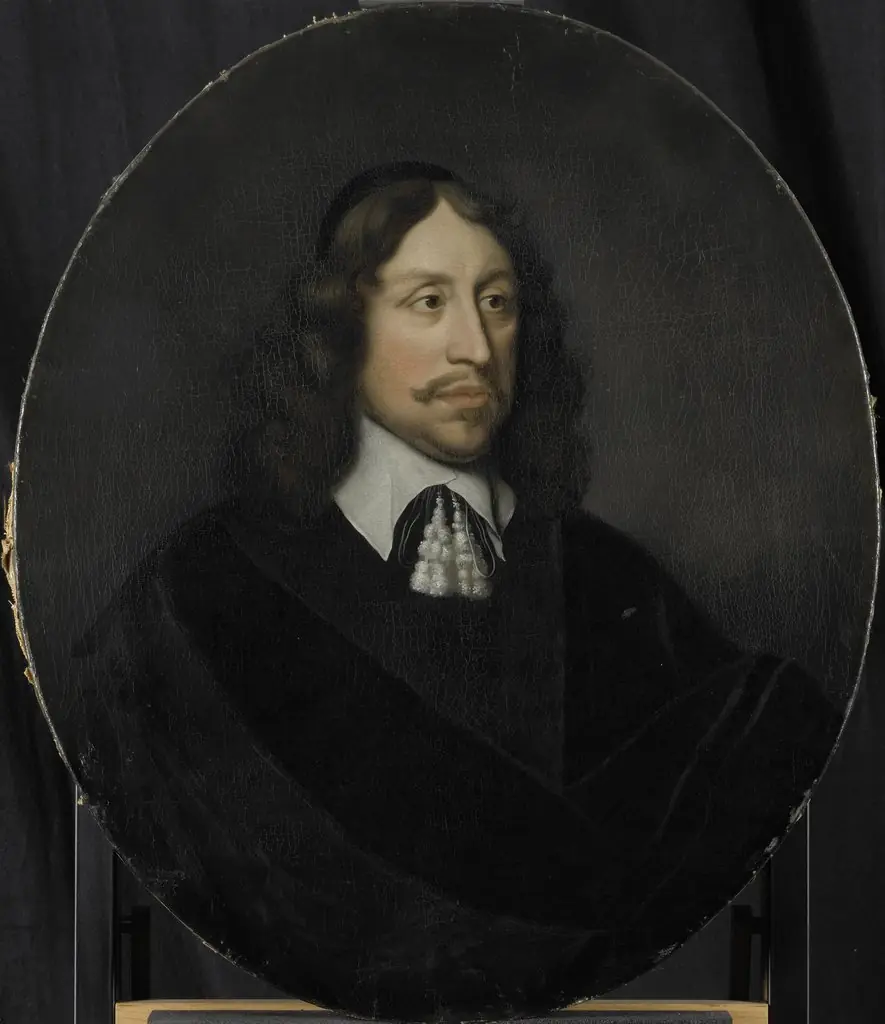 Portrait of Johan de Vries, Director of the Rotterdam Chamber of the Dutch East India Company, elected 1667