Artwork
August II af Polen
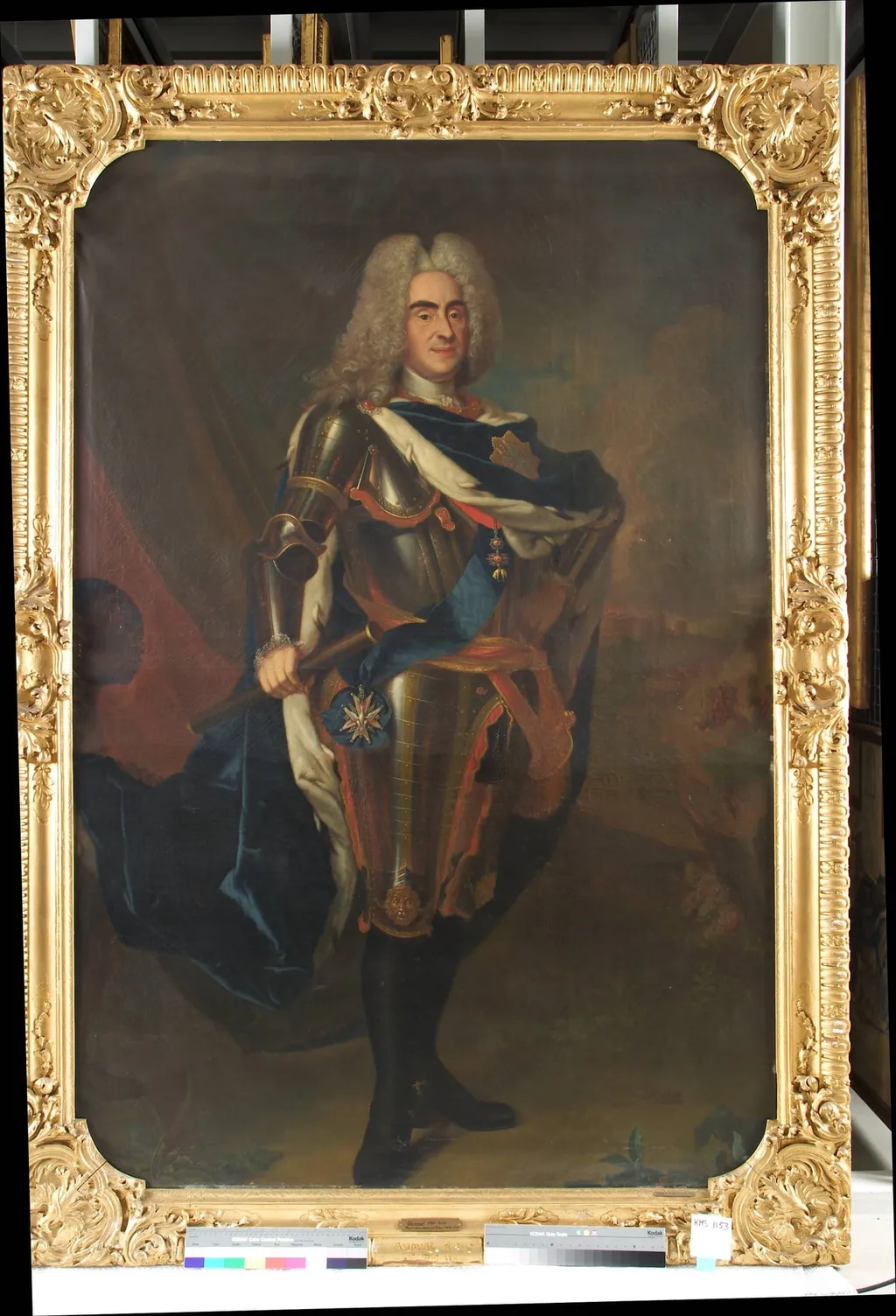
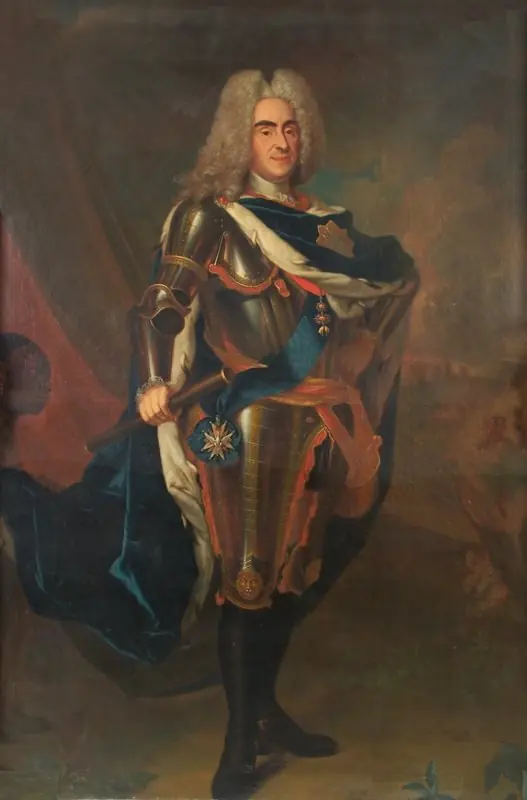
August II af Polen is a photography by Unknown. It dates from 1750 and is held in the collection of the Statens Museum for Kunst. This photograph, dated around 1750, depicts Augustus II of Poland in formal military attire.
About this work
Overview
Though the image is a photographic medium, it mimics the conventions of painted portraiture, complete with an ornate gold frame.
This photograph, dated around 1750, depicts Augustus II of Poland in formal military attire. Though the image is a photographic medium, it mimics the conventions of painted portraiture, complete with an ornate gold frame. The subject’s regal bearing and elaborate costume suggest a deliberate invocation of royal authority, even as the medium itself reflects a later technological development. The work resides in the Museum of Ethnography, where it functions as a historical artifact rather than a fine art portrait.
Subject & Meaning
The figure is Augustus II, Elector of Saxony and King of Poland, portrayed in the uniform of a military commander. His attire—blue coat with gold buttons, breastplate, and powdered wig—signals status and tradition, aligning him with the imagery of absolutist rulers. The baton in his right hand and hand-on-hip stance convey command and composure. The image does not capture a moment but constructs an idealized persona, reinforcing his political identity through visual symbolism.
Technique & Style
The photograph employs chiaroscuro lighting to model the figure’s form against a dark, indistinct background, echoing the dramatic contrasts of Baroque painting. The blurred greenery at the base suggests a staged outdoor setting, while the sharp focus on the subject’s uniform and face draws attention to material detail. Despite being a photograph, the composition deliberately imitates the conventions of painted royal portraiture, blending emerging photographic technology with established visual codes of power.
History & Provenance
Created circa 1750, the image postdates Augustus II’s death by several decades, indicating it is a later reproduction or reconstruction, possibly based on earlier portraits or engravings. Its presence in the Museum of Ethnography suggests its value lies in documenting cultural representations of authority rather than as a direct historical record. The photograph may have been produced for educational or archival purposes, reflecting 19th-century interests in reconstructing historical figures.
Context
In the mid-18th century, European rulers like Augustus II were frequently depicted in military dress to emphasize their dual roles as sovereigns and commanders. Though photography did not yet exist during his lifetime, later 19th-century practitioners used the medium to revive and reinterpret historical figures. This image reflects a broader trend of using new technologies to anchor national and dynastic memory, blending historical nostalgia with emerging visual practices.
Legacy
The photograph endures as a case study in the intersection of medium and meaning: a modern technique applied to an earlier era’s iconography. It illustrates how historical figures were visually reimagined in the age of photography, often to serve institutional narratives. Its placement in an ethnographic collection underscores its role as a cultural artifact, revealing how societies construct and preserve the image of power across time.
Artist & collection

 Domestic Scene
 Giacomo and Cardinal Marco, investing Andrea, Abbot of San Zeno, with his Benefice
 The Nymph of Fontainebleau
 Portrait of a Woman
 Madonna and Child with Saints in the Enclosed Garden
 Venus and Minerva
 Family Group of Four on Sofa
 Wall painting from Room H of the Villa of P. Fannius Synistor at Boscoreale
 Portrait of Augustus II the Strong (1670–1733)
 Portrait of Augustus III (1696–1763), King of Poland
 Împăratul Carol al VI-lea
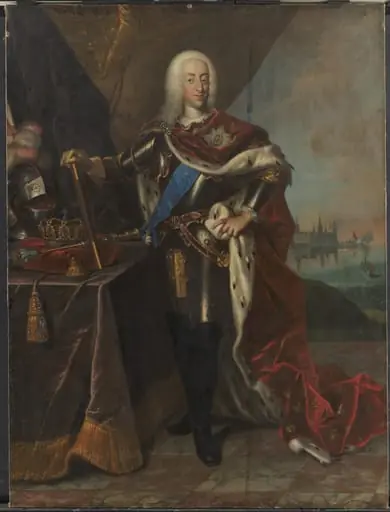 Christian VI
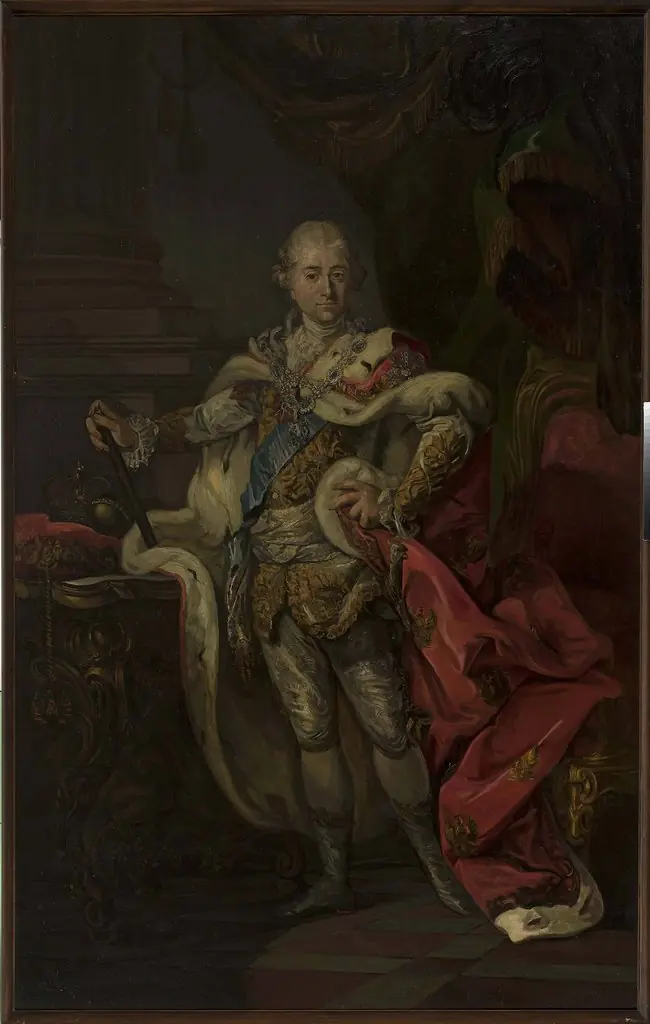 Portrait of Stanisław August in the coronation costume
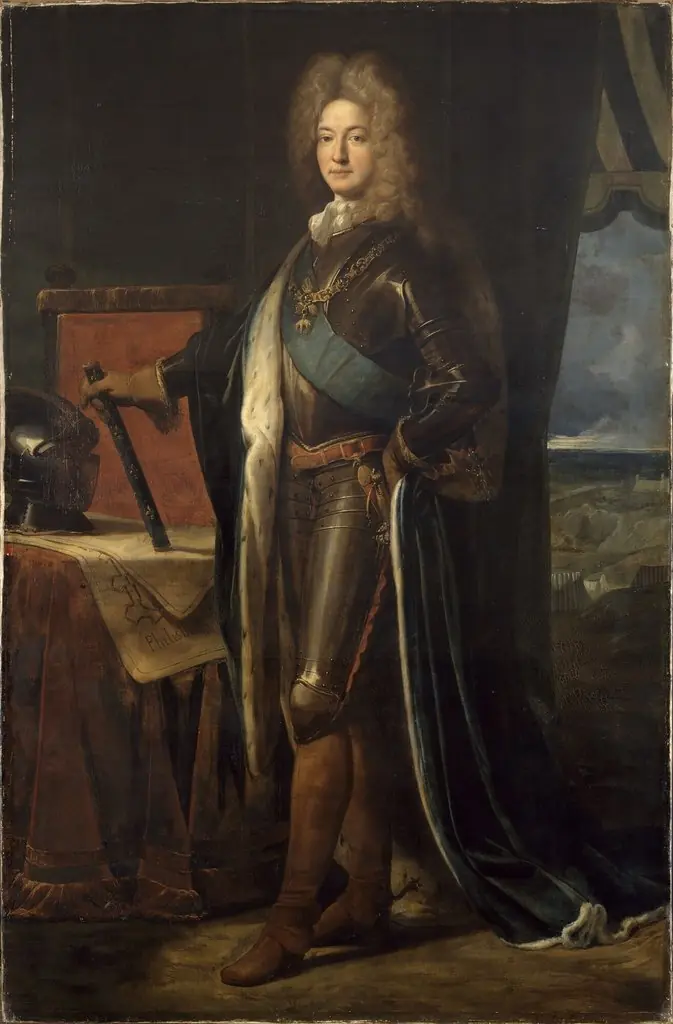 Portrait of Adrien Maurice de Noailles (1678-1766)
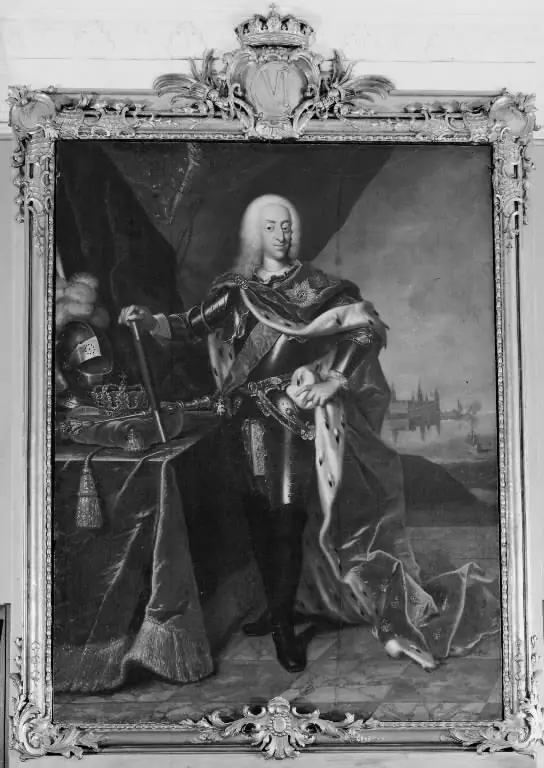 Christian VI
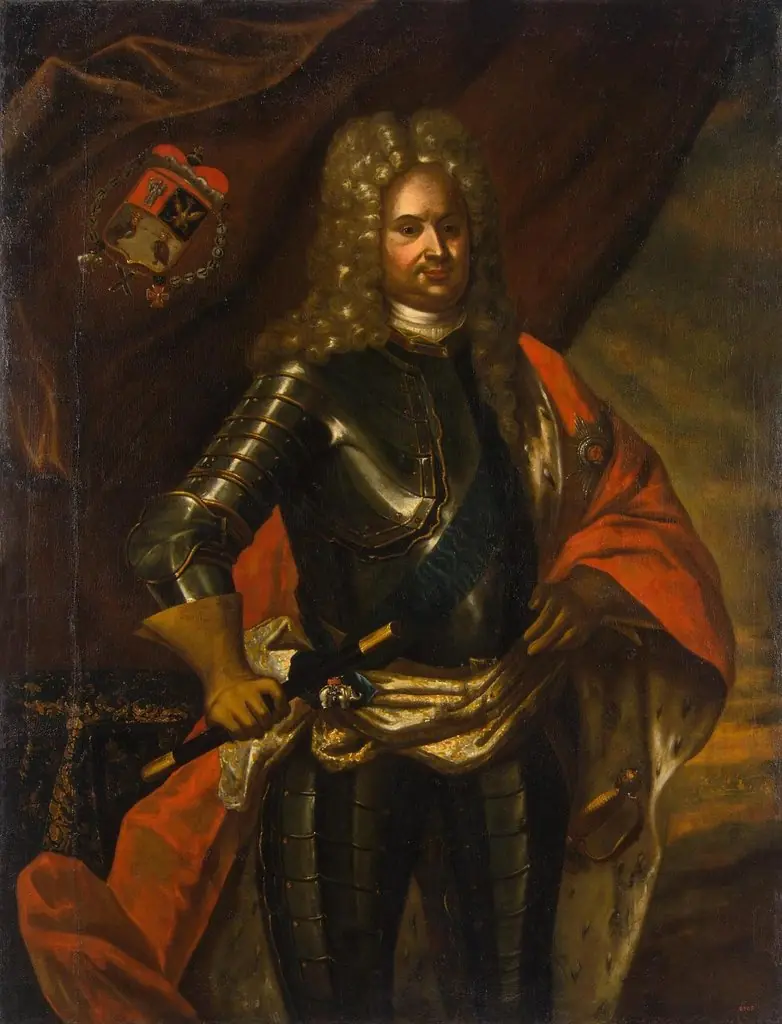 Portrait of General Prince Nikita Repnin
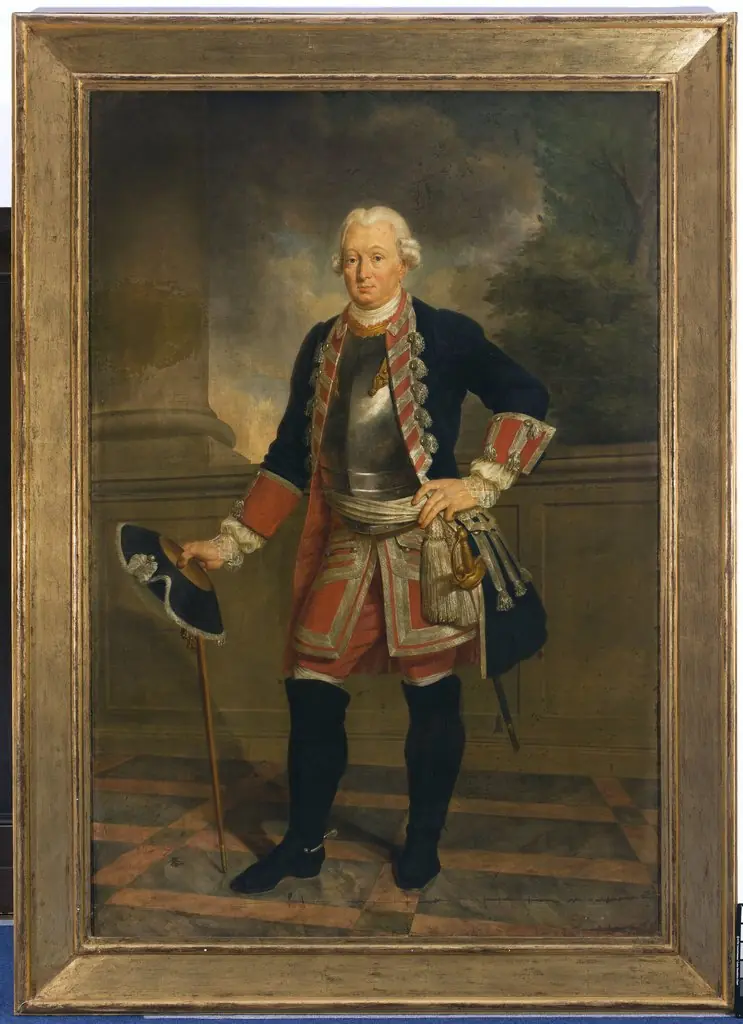 Portrait of Michał Krasiński (1712–1784), marshal general of Bar Confederation
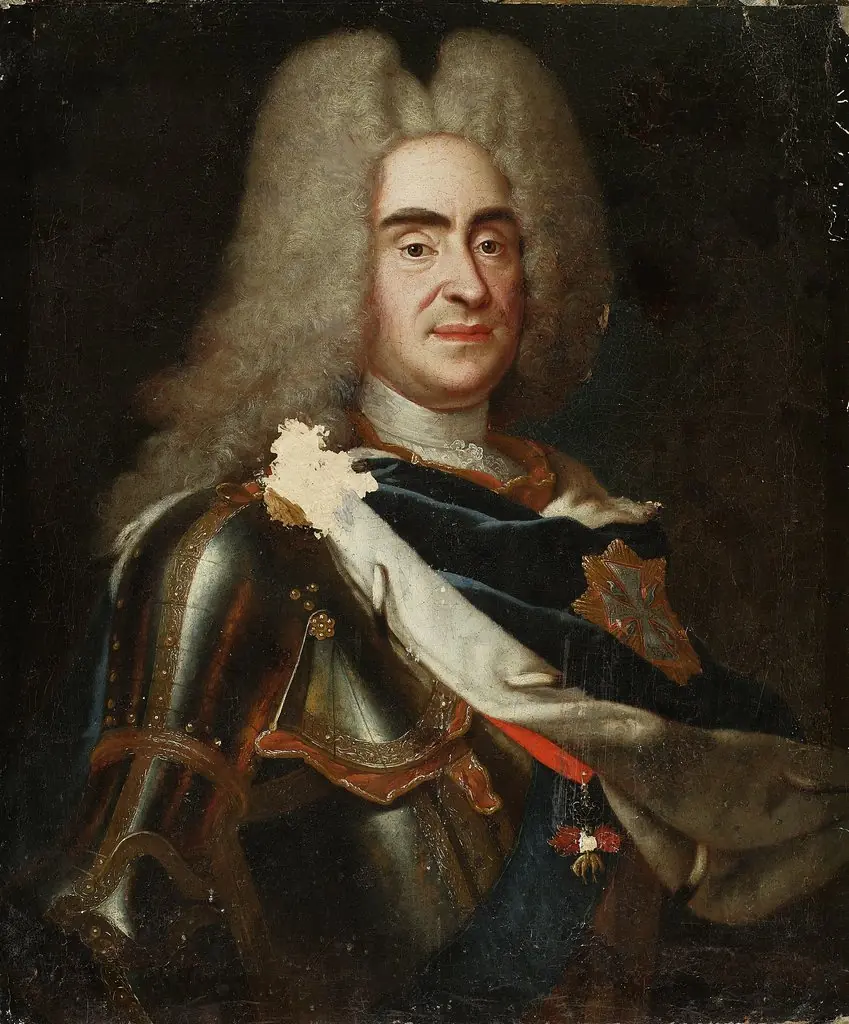 Portrait of Augustus II the Strong (1670–1733)
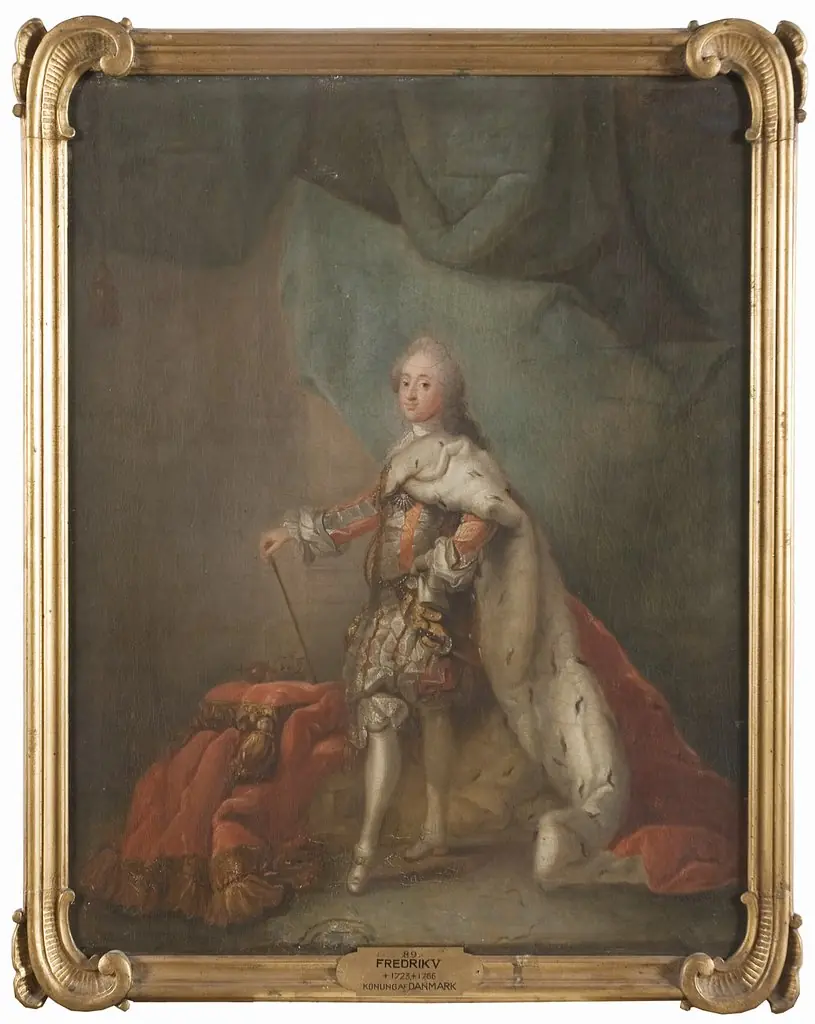 Fredrik V, 1723-66, konung av Danmark och Norge
 August II af Polen