Artwork
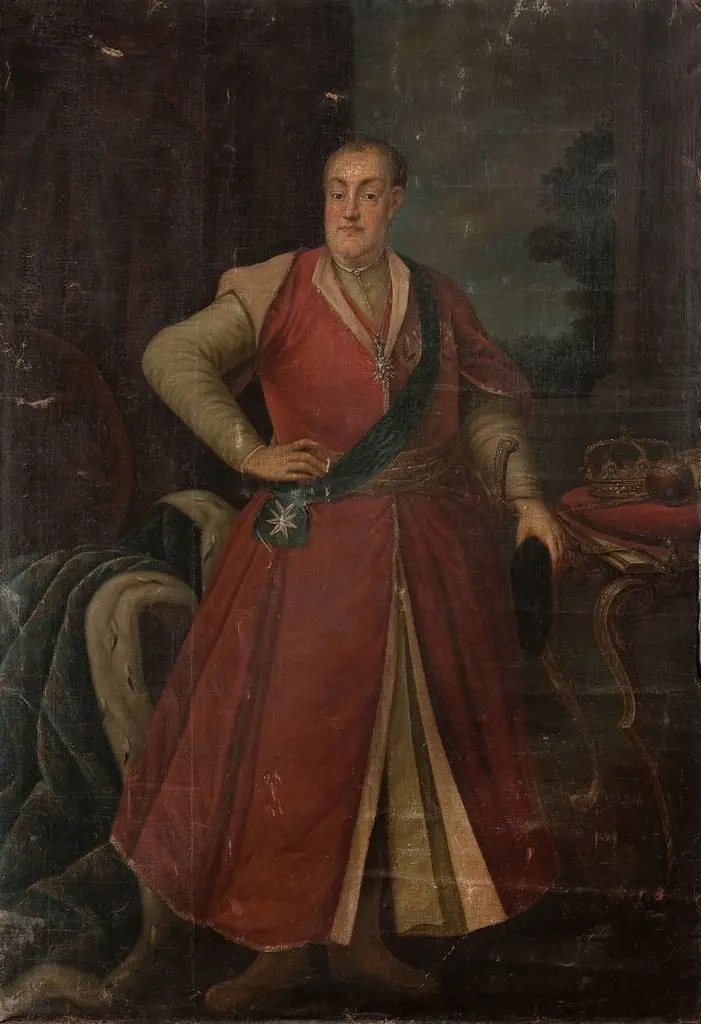
Portrait of Stanisław August in the coronation costume
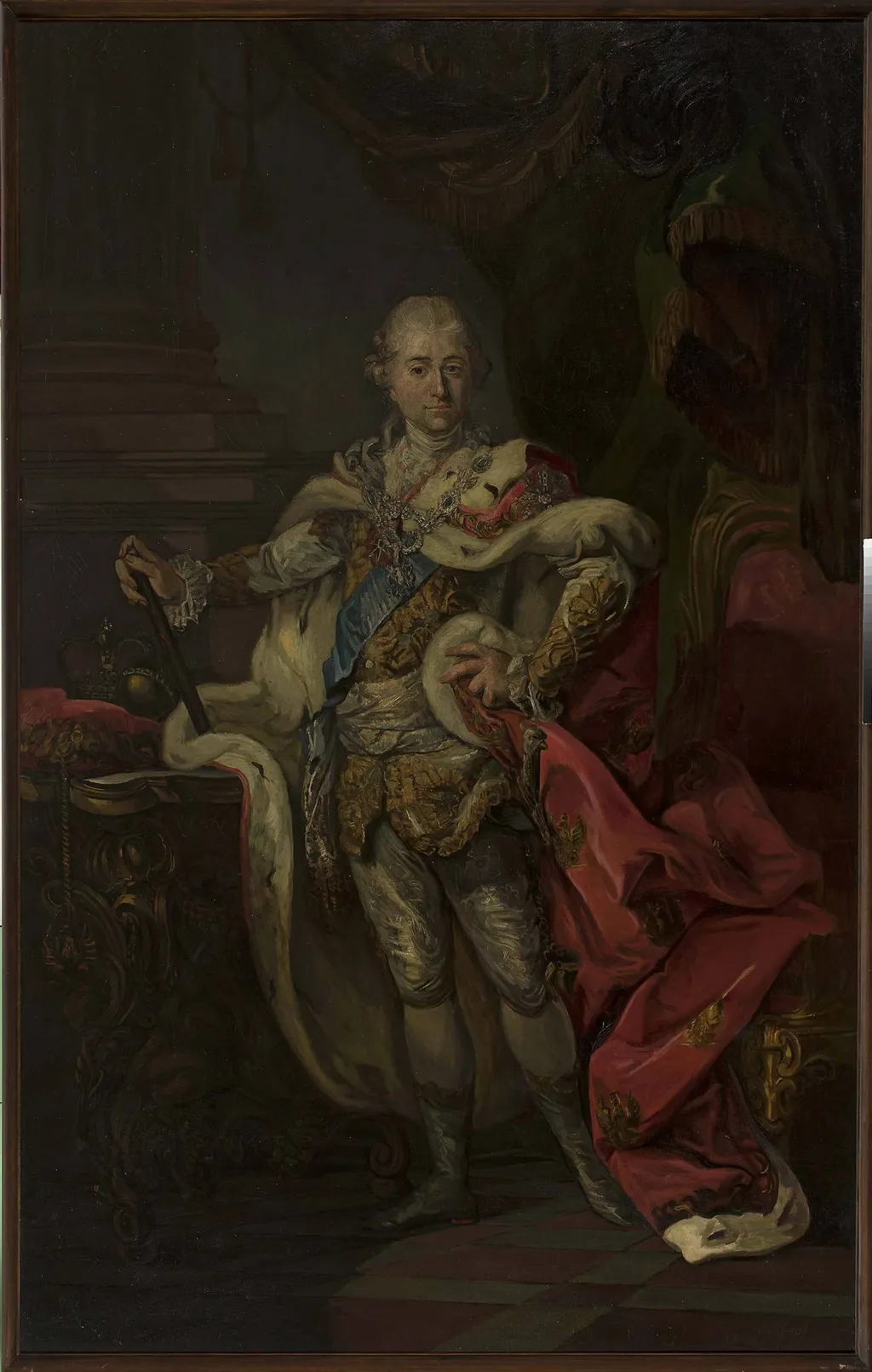
Portrait of Stanisław August in the coronation costume is an oil painting by the Rococo painting artist Marcello Bacciarelli. It dates from 1781 and is held in the collection of the National Museum in Warsaw.
About this work
Overview
It remains part of the National Museum in Warsaw’s permanent collection, serving as a key visual document of royal representation in late 18th-century Poland.
Painted around 1781 by Marcello Bacciarelli, an Italian artist working in the Polish court, this oil portrait captures King Stanisław August Poniatowski in his coronation regalia. The work exemplifies the transitional style between late Baroque and early Neoclassicism, blending formal grandeur with restrained elegance. It remains part of the National Museum in Warsaw’s permanent collection, serving as a key visual document of royal representation in late 18th-century Poland.
Subject & Meaning
The king is depicted in full ceremonial dress, emphasizing his role as monarch rather than as an individual. The blue sash, gold vest, and large medal signify his authority and membership in the Order of the White Eagle. Holding a sword and a ceremonial cloth, he projects both military leadership and ritual solemnity. His direct gaze and composed expression reinforce the image of a ruler aware of his public duty and the weight of his position.
Technique & Style
Bacciarelli employed chiaroscuro to define the king’s form against a dark, minimally detailed background, drawing focus to the rich textures of fabric and metal. The rendering of silk, embroidery, and metallic threads reflects meticulous attention to material detail, typical of court portraiture. While the composition retains Rococo elegance in its ornamentation, the restrained palette and formal posture align with emerging Neoclassical ideals of dignity and order.
History & Provenance
Commissioned during Stanisław August’s reign, the portrait was likely intended for official display, reinforcing the monarchy’s legitimacy amid political instability. Bacciarelli, as the court’s principal painter, produced numerous royal images, and this work was among the most authoritative. It entered the National Museum in Warsaw’s holdings in the 19th century and has remained there since, preserved as a central artifact of Poland’s royal heritage.
Context
Created during a period of reform and increasing foreign pressure, the portrait served as propaganda for a monarch seeking to modernize Poland. The ceremonial attire, though traditional, was presented with a clarity and seriousness that distanced the king from perceived decadence. The painting reflects an attempt to align Polish royalty with Enlightenment-era ideals of rational governance, even as the Commonwealth’s sovereignty was eroding.
Legacy
The portrait endures as one of the most recognizable images of Poland’s last king. It informs historical understanding of how monarchy was visually constructed in the face of decline. Bacciarelli’s work set a standard for official portraiture in Poland, influencing later depictions of national leaders. Its preservation in the National Museum ensures its continued role in shaping collective memory of the Polish-Lithuanian Commonwealth.
Artist & collection
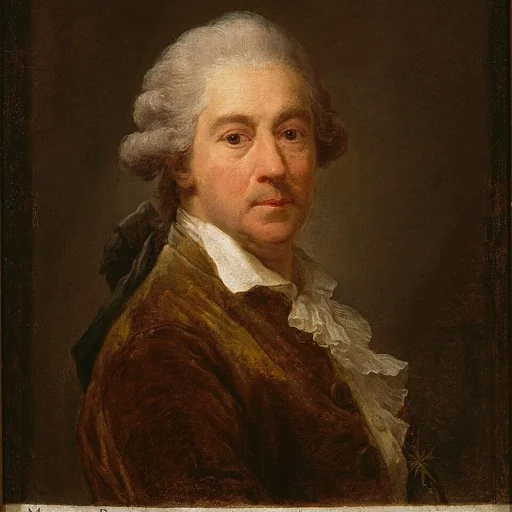
Artist
Marcello Bacciarelli (Italian pronunciation: ; 16 February 1731 – 5 January 1818) was an Italian-born painter of the late-baroque and Neoclassic periods active in Poland and the Polish–Lithuanian Commonwealth.

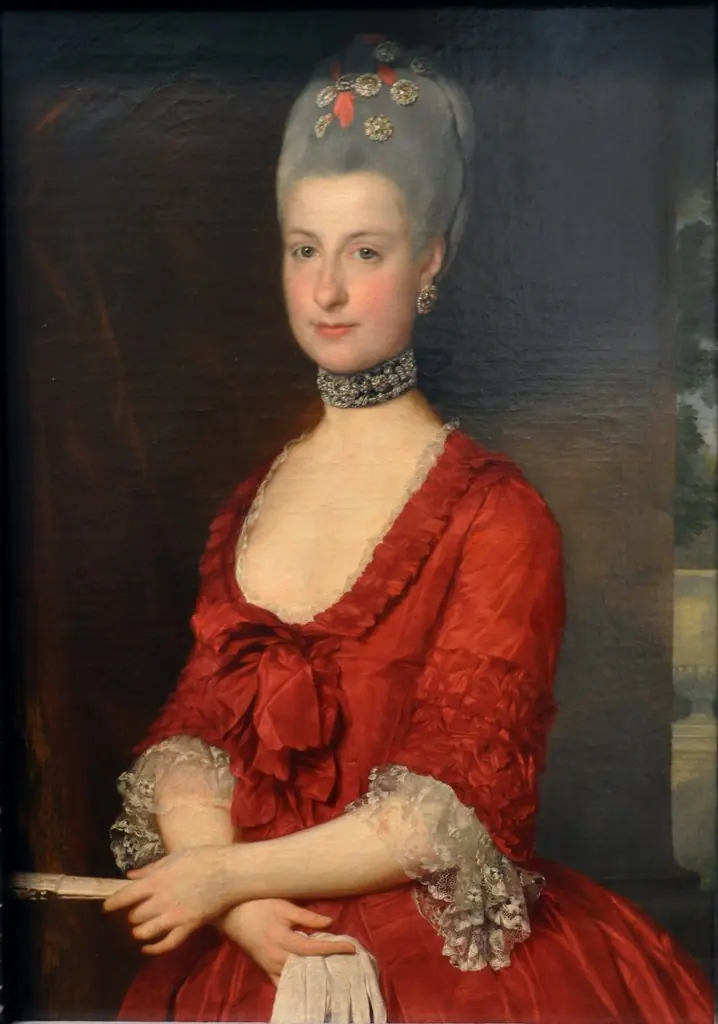 Portrait of Archduchess Maria Christina (1742-1798), Duchess of Teschen
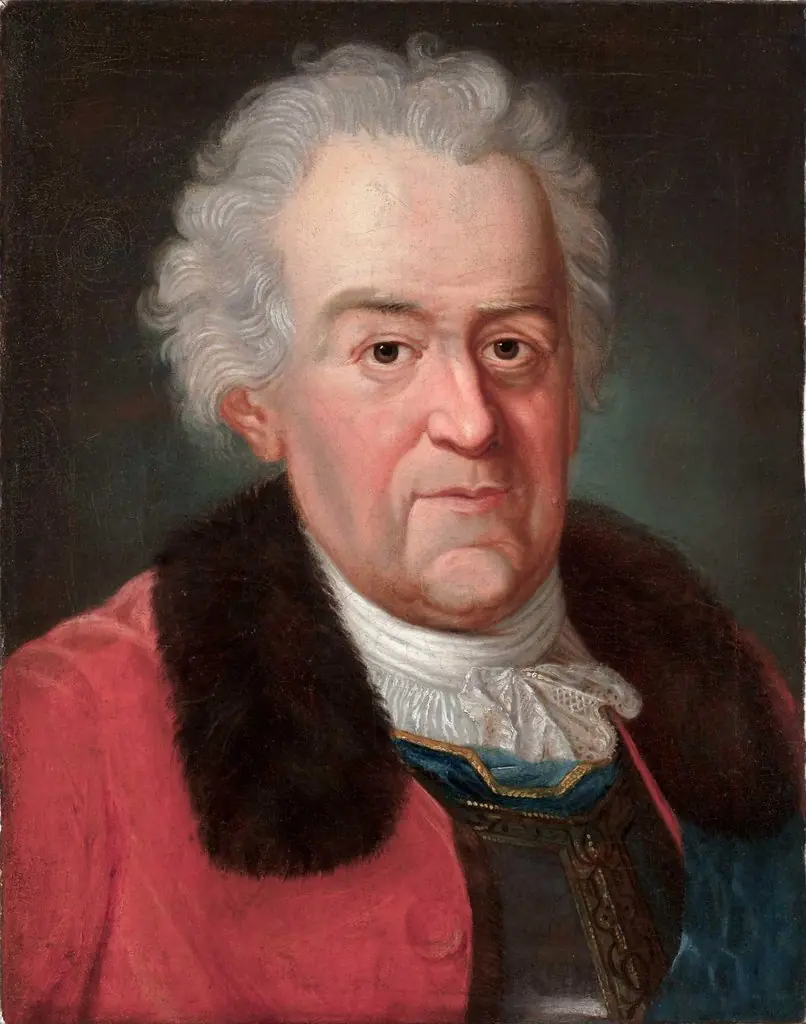 Portrait of Stanisław Poniatowski (1676–1762), king’s father
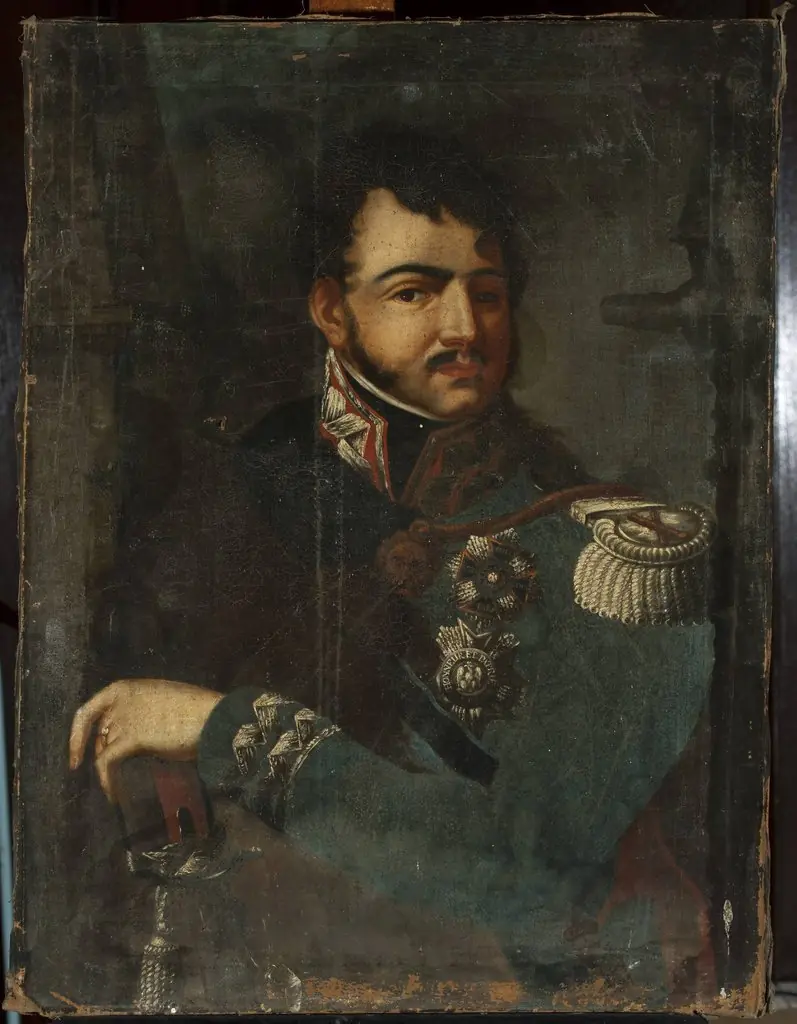 Portrait of Prince Józef Poniatowski
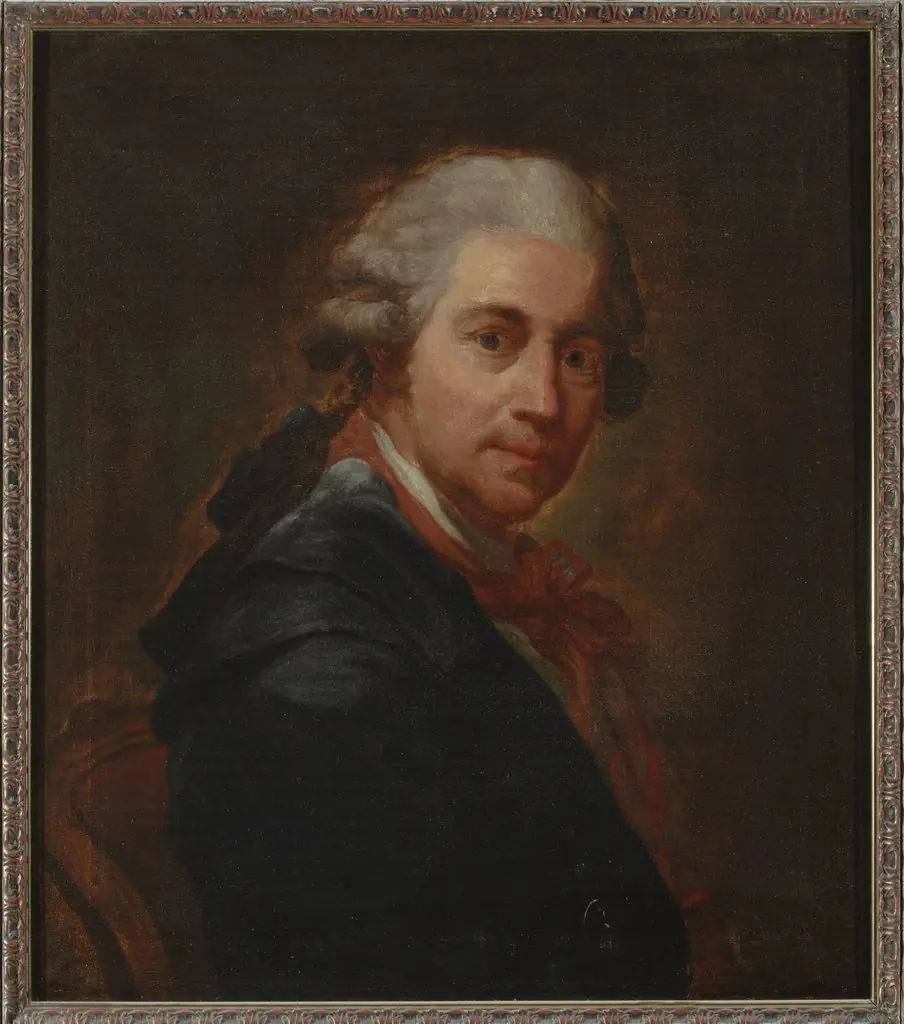 Self-portrait of Bacciarelli in a redingote
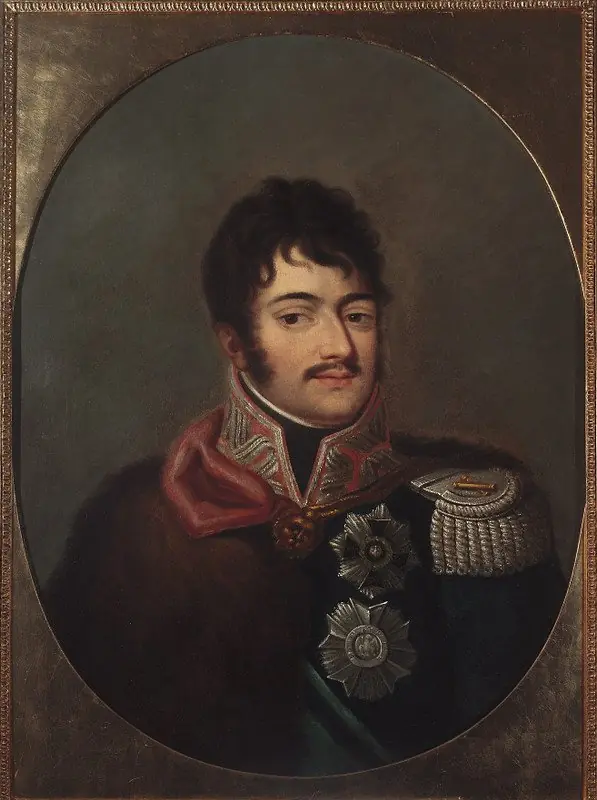 Portrait of Prince Józef Poniatowski
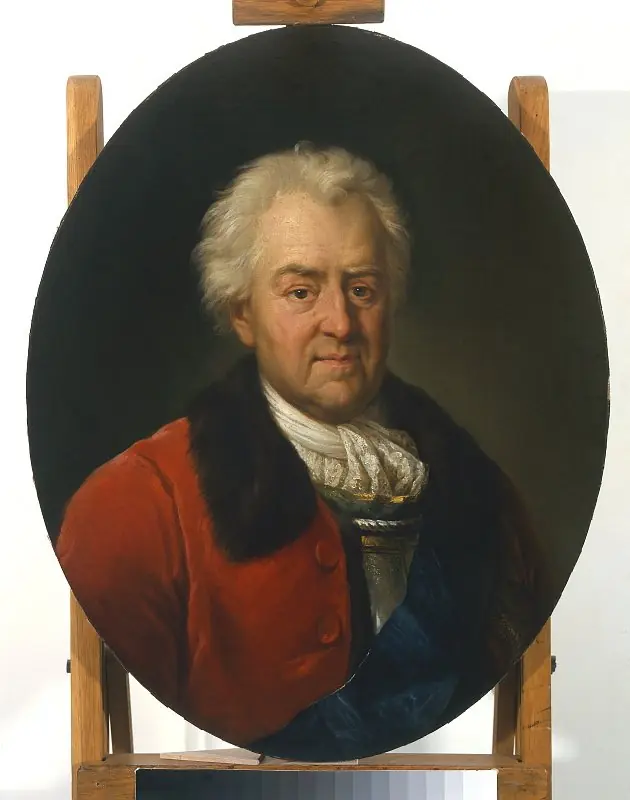 Portrait of Stanisław Poniatowski (1676–1762), king’s father
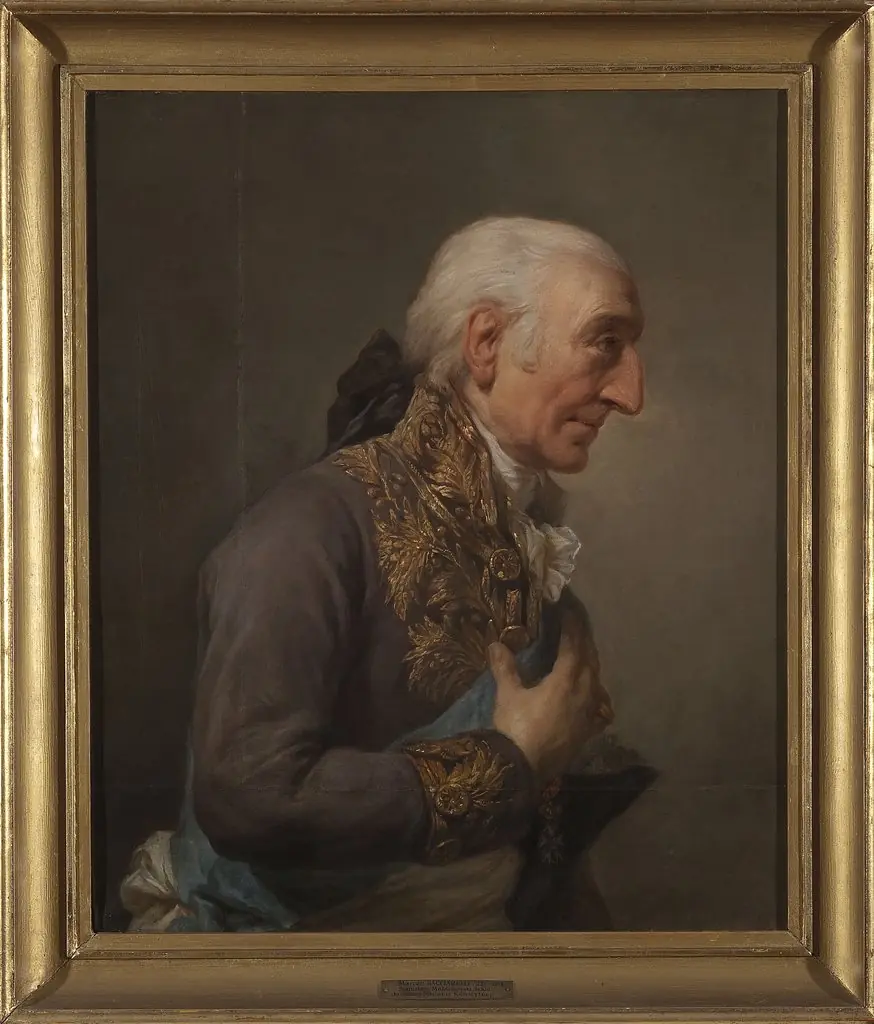 Portrait of Stanisław Małachowski (1736–1809), Marshal of the Seym
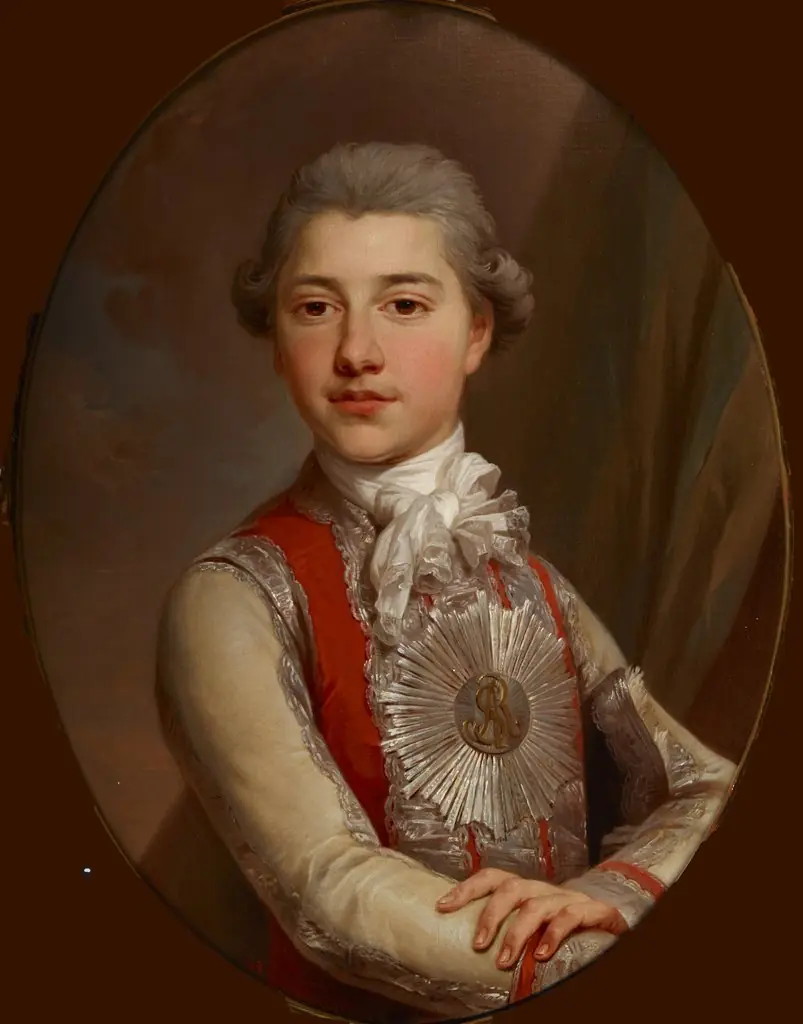 Portrait of Prince Józef Poniatowski as a Youth
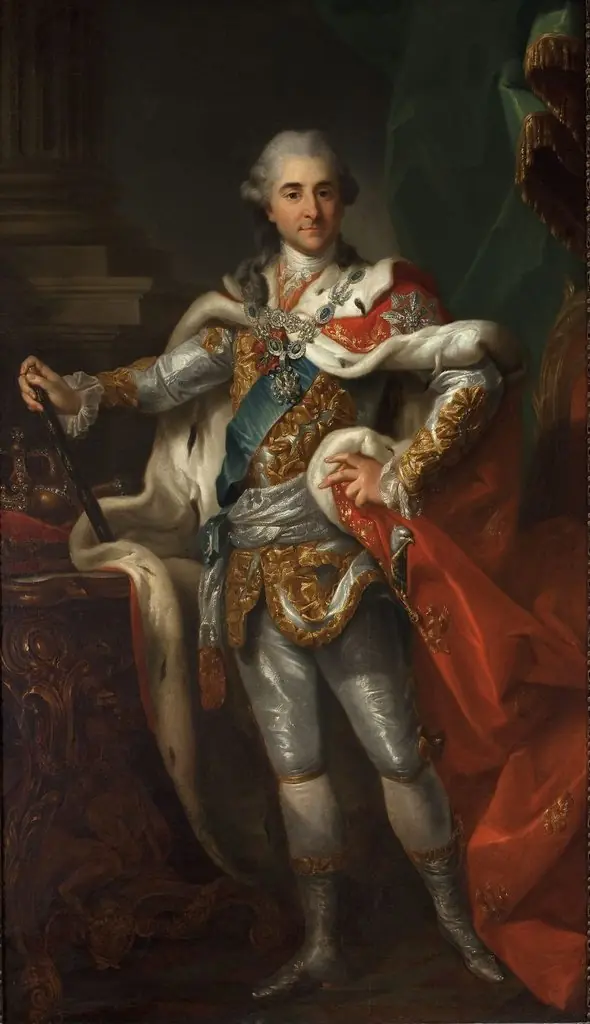 Portrait of Stanisław August Poniatowski in the coronation costume
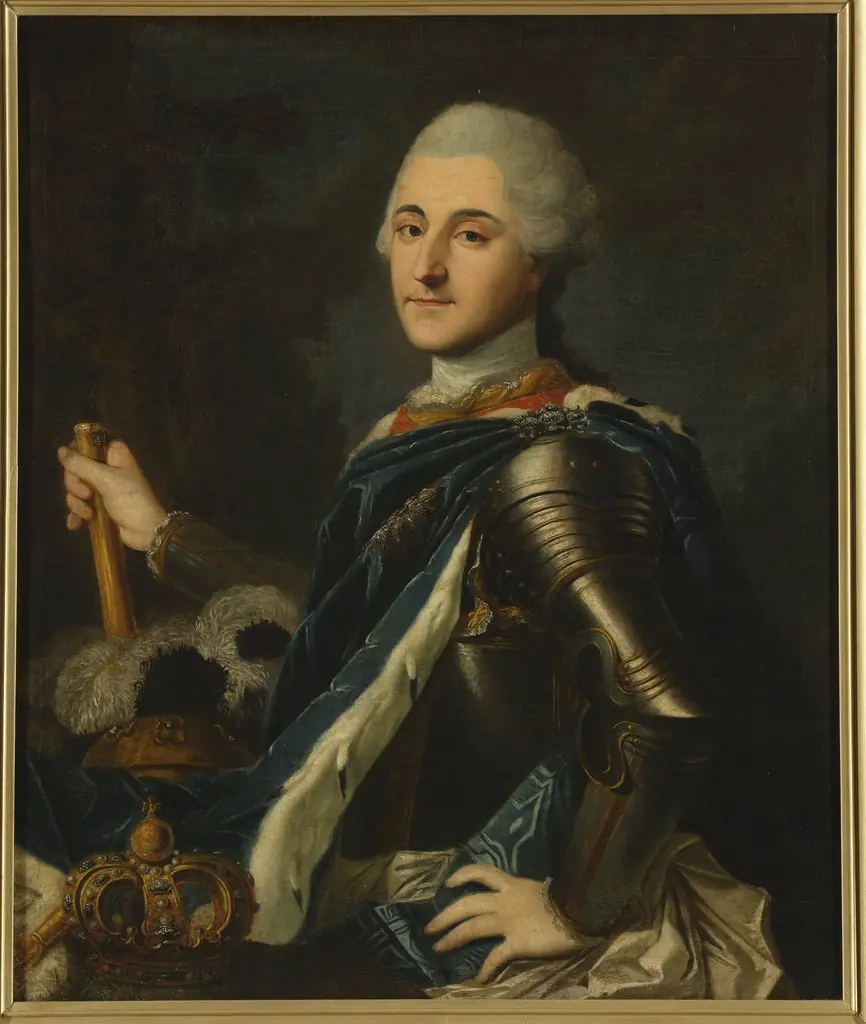 Portrait of king Stanisław August in armour
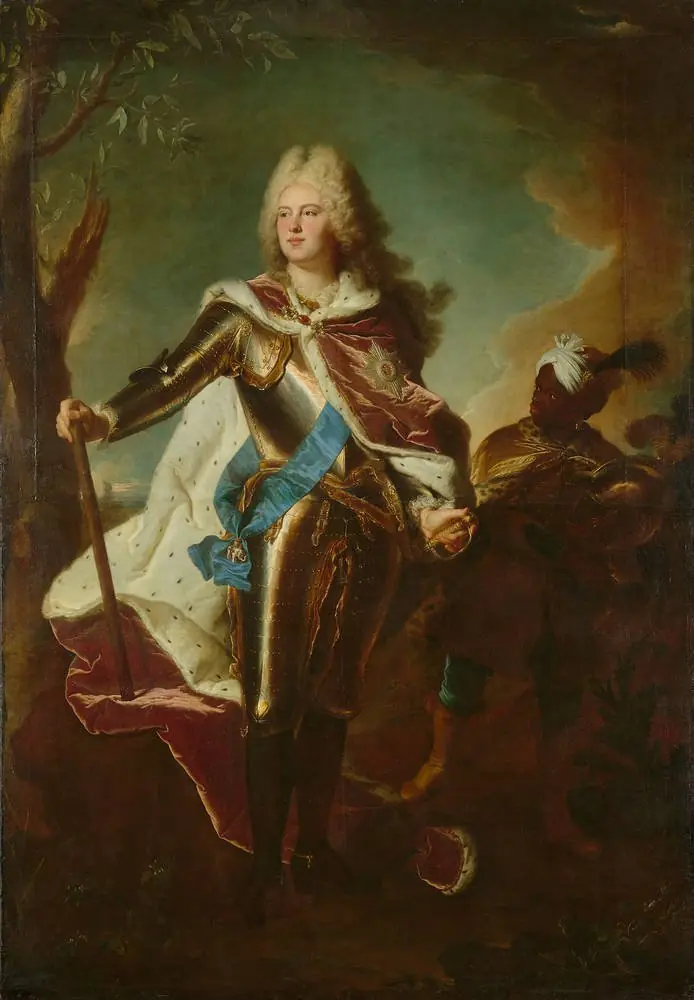 Portrait of August III of Poland
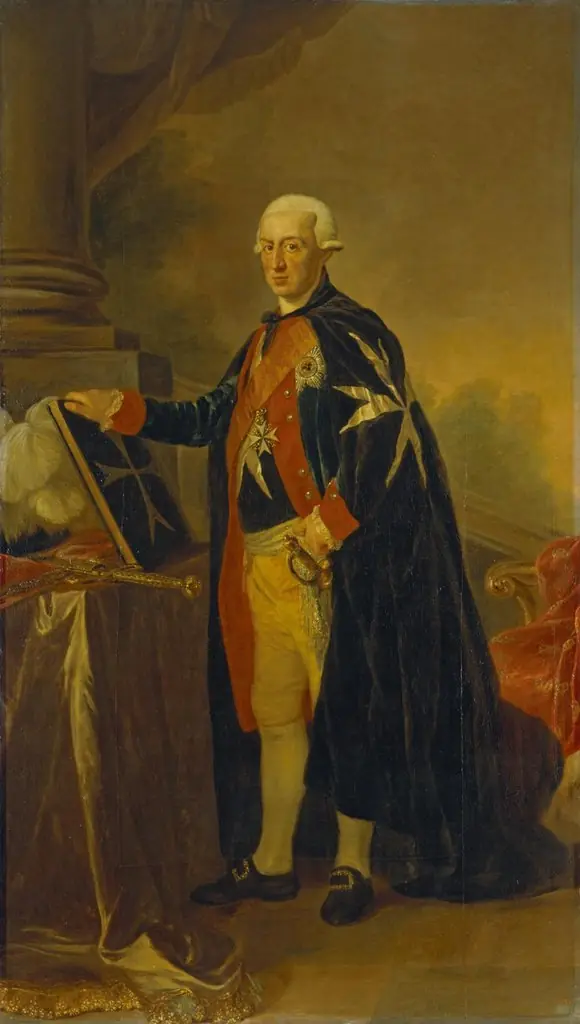 Portrait of Prince Augustus Ferdinand of Prussia
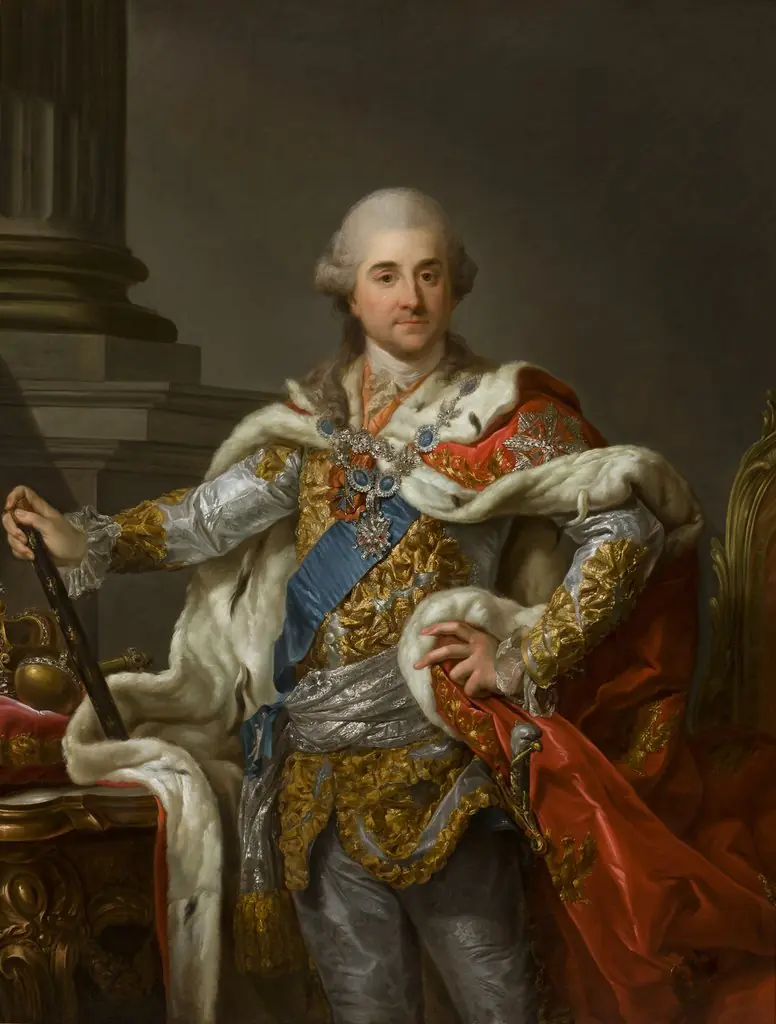 Portrait of Stanislaus Augustus Poniatowski in Coronation Robes
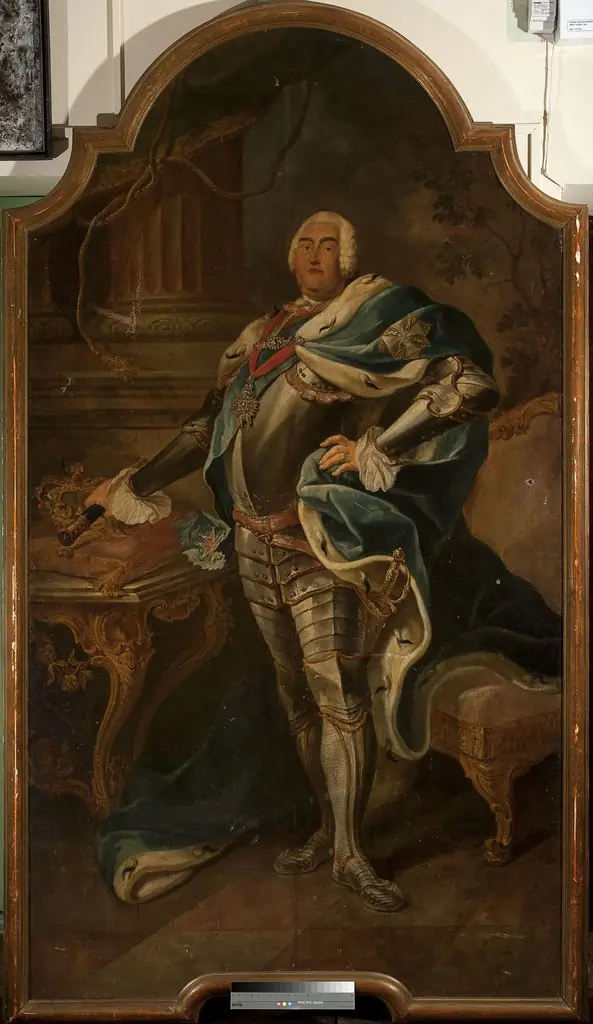 Portrait of Augustus III (1696–1763), King of Poland
 Portrait of Augustus III (1696–1763), King of Poland