Artwork
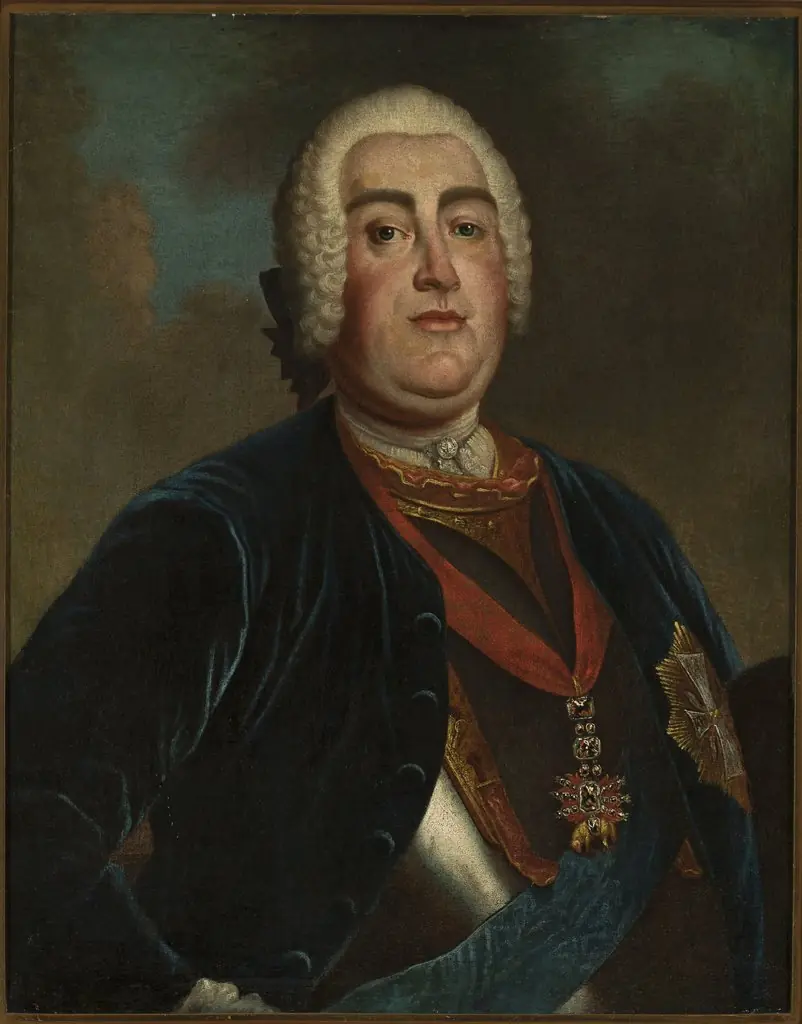
Portrait of Augustus II the Strong (1670–1733)
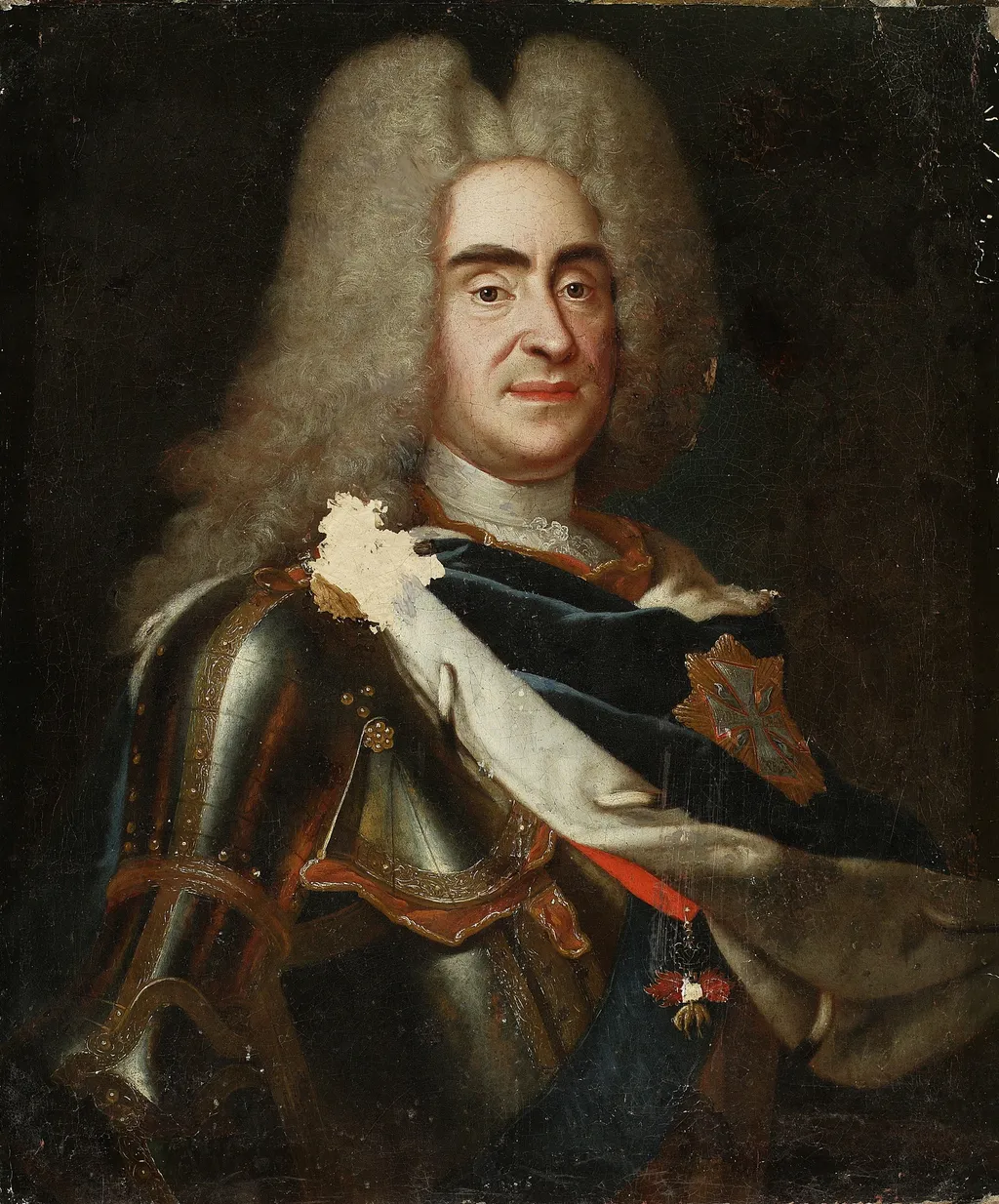
Portrait of Augustus II the Strong (1670–1733) is an oil painting by the Rococo painting artist Unknown. It dates from 1715 and is held in the collection of the National Museum in Warsaw. The oil painting depicts Augustus II the Strong, the Elector of Saxony and King of Poland, in formal attire.
About this work
Overview
The oil painting depicts Augustus II the Strong, the Elector of Saxony and King of Poland, in formal attire. He is shown with a powdered wig, a dark coat edged in gold, a white cravat, and a vivid red sash crossing his chest. A gold star adorns his shoulder, and his expression is sober, with a slight downturn of the mouth.
Subject & Meaning
The portrait presents Augustus II as a sovereign figure, emphasizing his rank through luxurious dress and regalia. The red sash and gold star signal military or chivalric honors, while the solemn facial expression conveys authority and gravitas expected of a ruler in early eighteenth‑century court portraiture.
Technique & Style
The artist employs chiaroscuro, using strong contrasts of light and shadow to model the sitter’s face and garments. Illuminated areas highlight the texture of the wig and coat trim, while deeper shadows create a three‑dimensional sense of volume. The handling of oil paint allows for subtle gradations in flesh tones and a glossy finish on the metallic details.
History & Provenance
Created in the early 1700s, the work forms part of the visual program that celebrated Augustus II’s reign. It has remained within royal or state collections, passing through inventories of the Saxon court before entering a public museum collection, where it serves as a reference for the period’s portrait conventions.
Artist & collection

 Domestic Scene
 Giacomo and Cardinal Marco, investing Andrea, Abbot of San Zeno, with his Benefice
 The Nymph of Fontainebleau
 Portrait of a Woman
 Madonna and Child with Saints in the Enclosed Garden
 Venus and Minerva
 Family Group of Four on Sofa
 Wall painting from Room H of the Villa of P. Fannius Synistor at Boscoreale
 Portrait Münchhausen Kopie
 Hieronymus Josephus Boudaen, Lord of St Laurens and Popkensburg
 Portrait of Rear-Admiral Arent van Buren
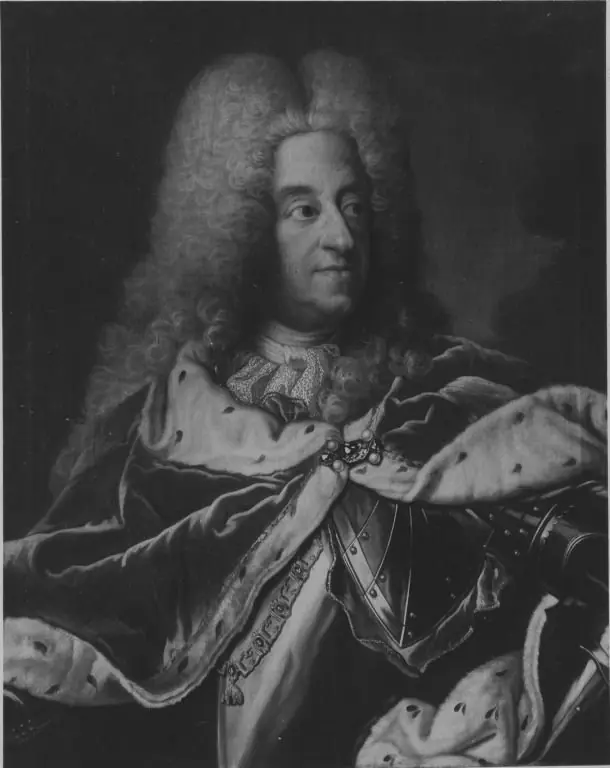 Bildnis des Kurfürsten Max Emanuel von Bayern (Kopie nach)
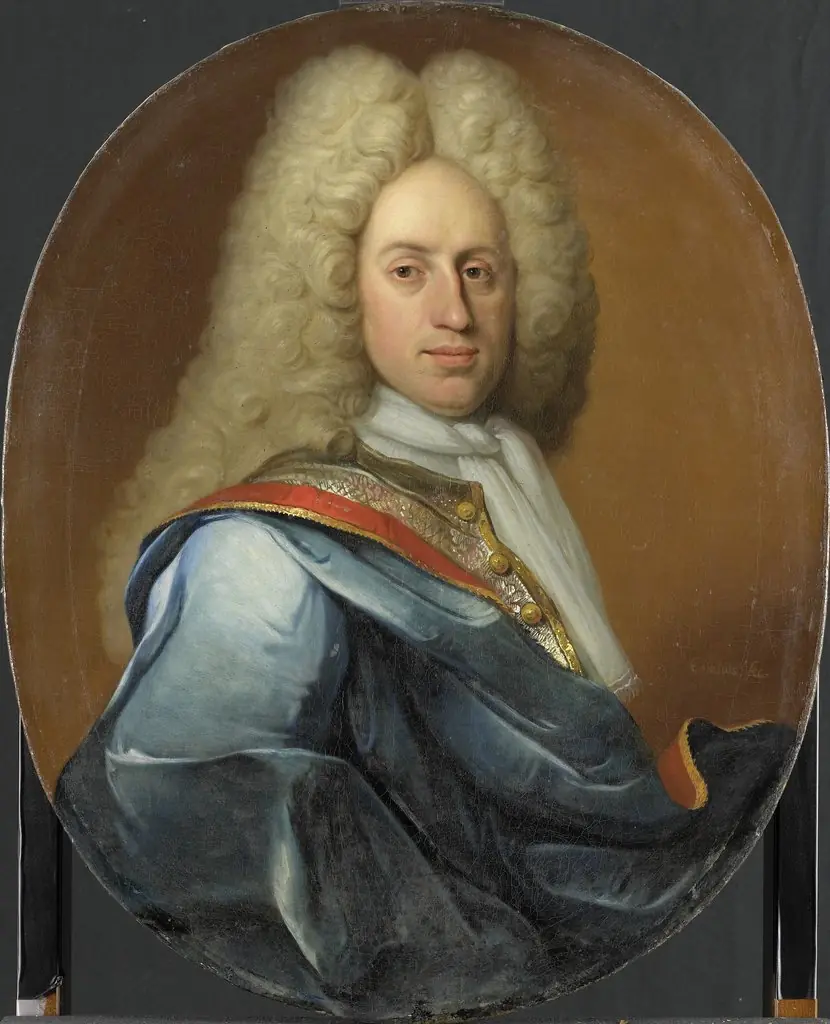 Portrait of Hieronymus Josephus Boudaen, Lord of St Laurens and Popkensburg
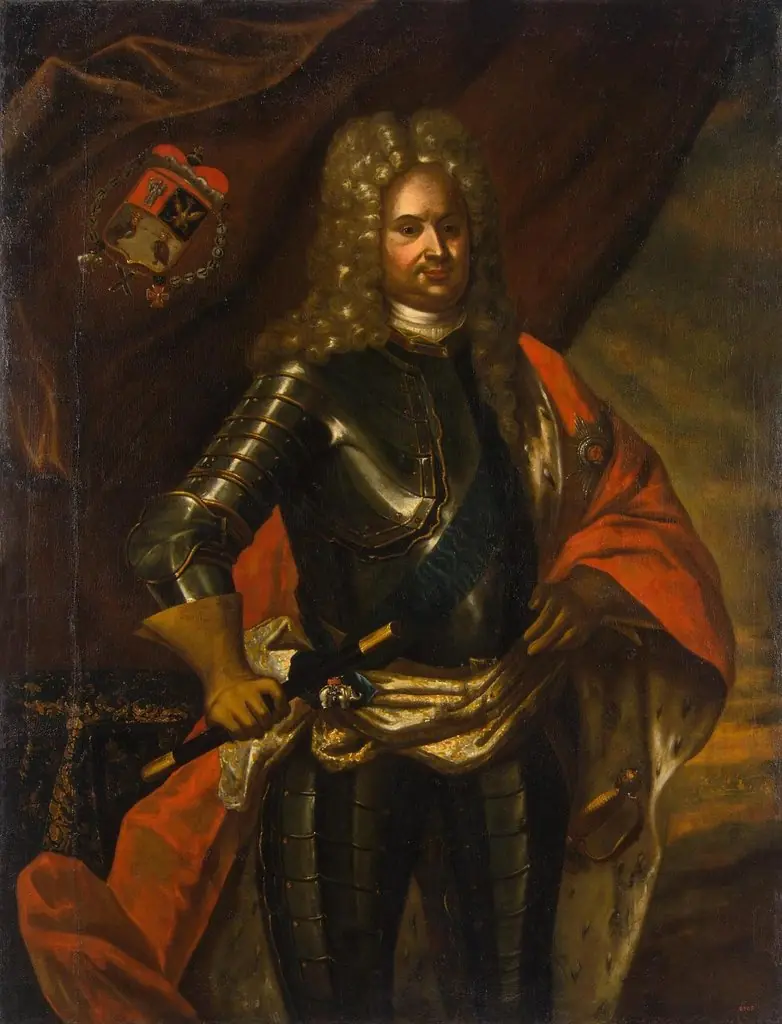 Portrait of General Prince Nikita Repnin
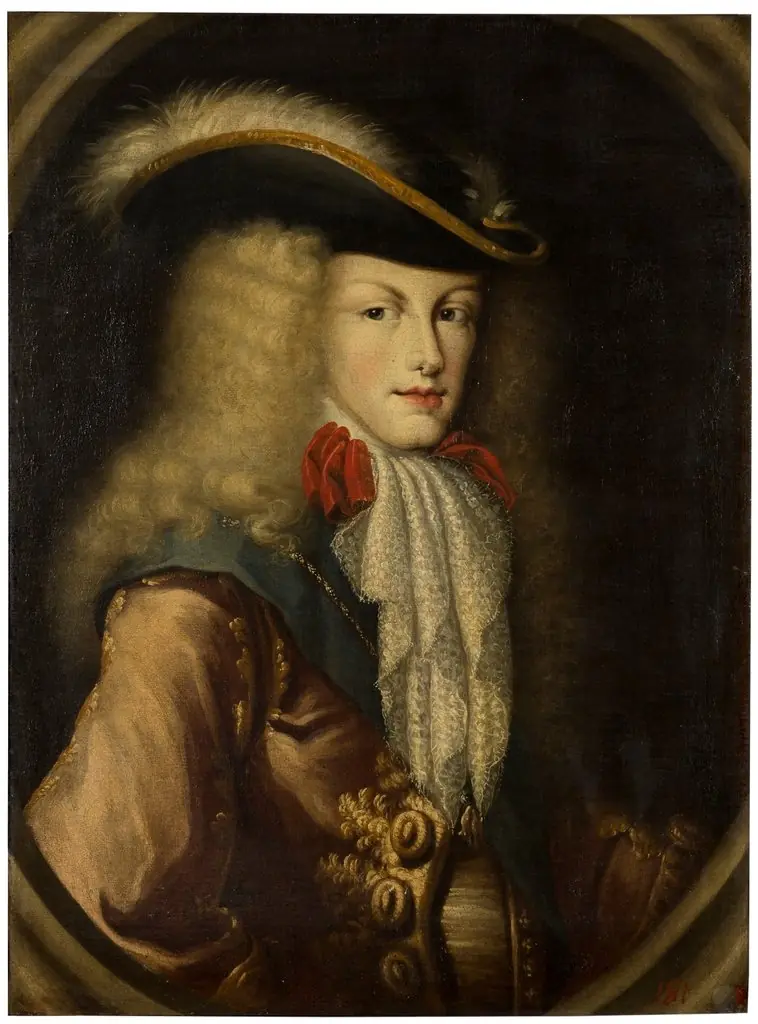 Philip V
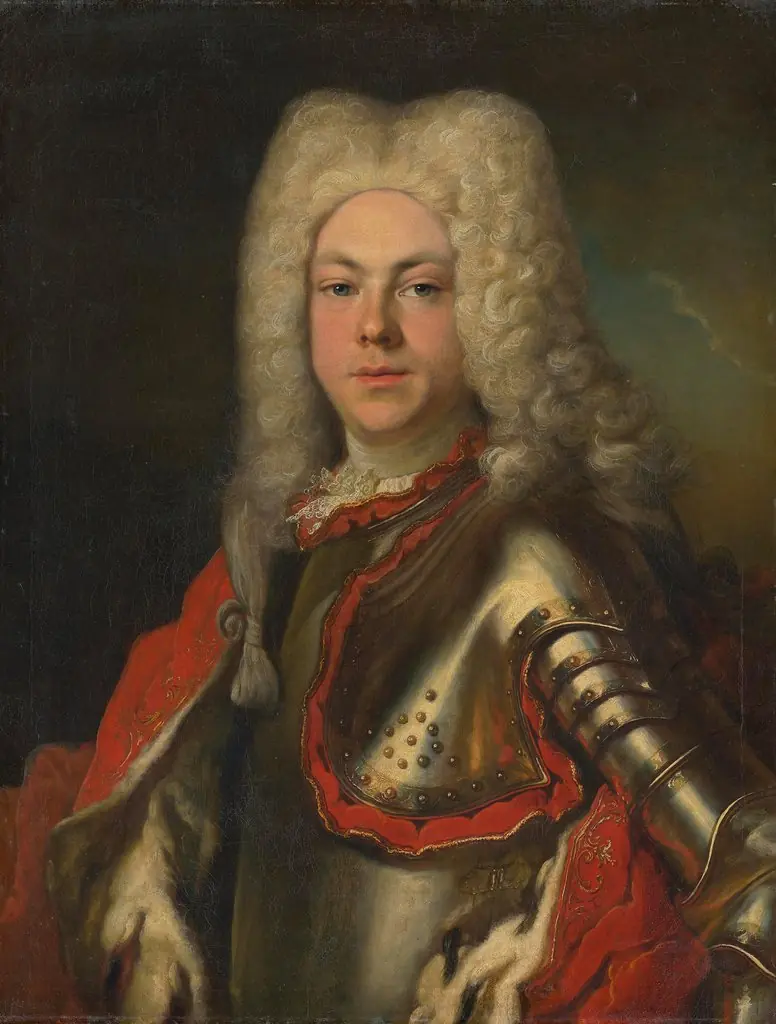 Bildnis des Pfalzgrafen Johann Christian von Sulzbach (?)
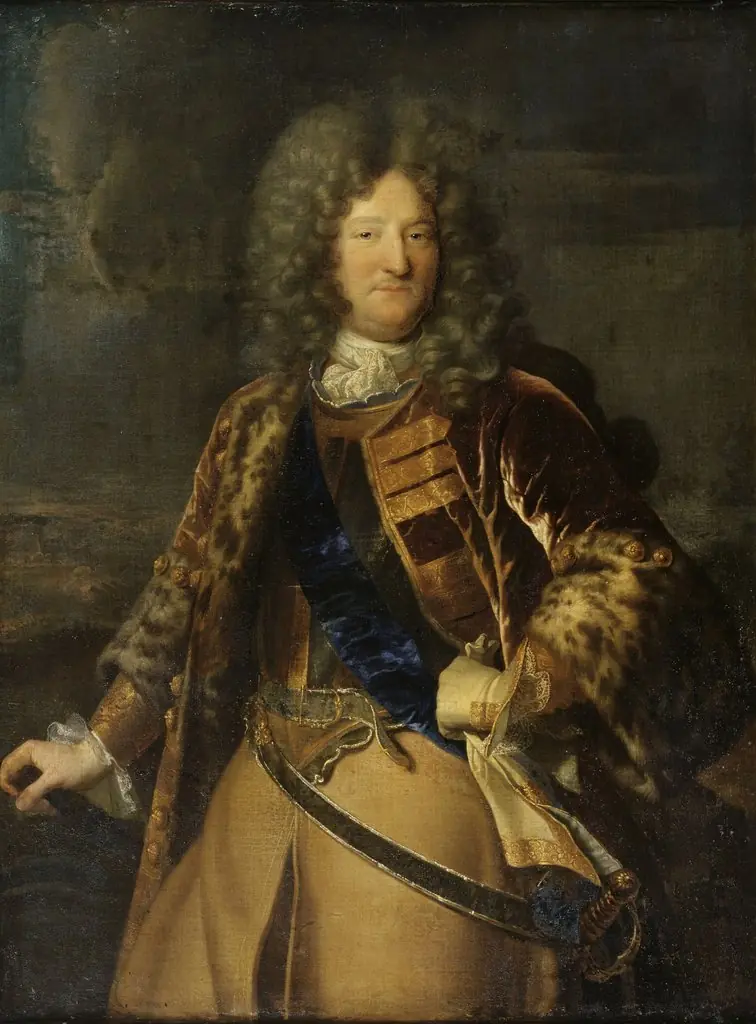 Porträt des Anne-Jules, Herzog von Noailles (1650-1708)
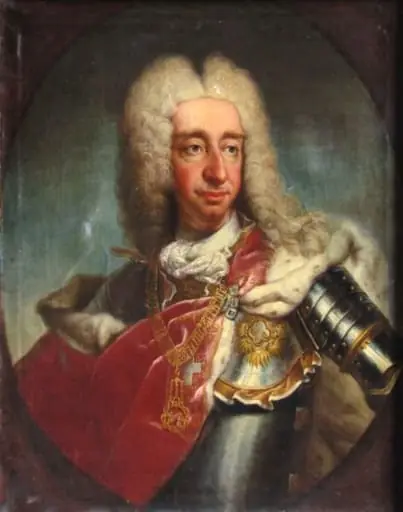 Victor Amedeu al II-lea, regele Savoiei
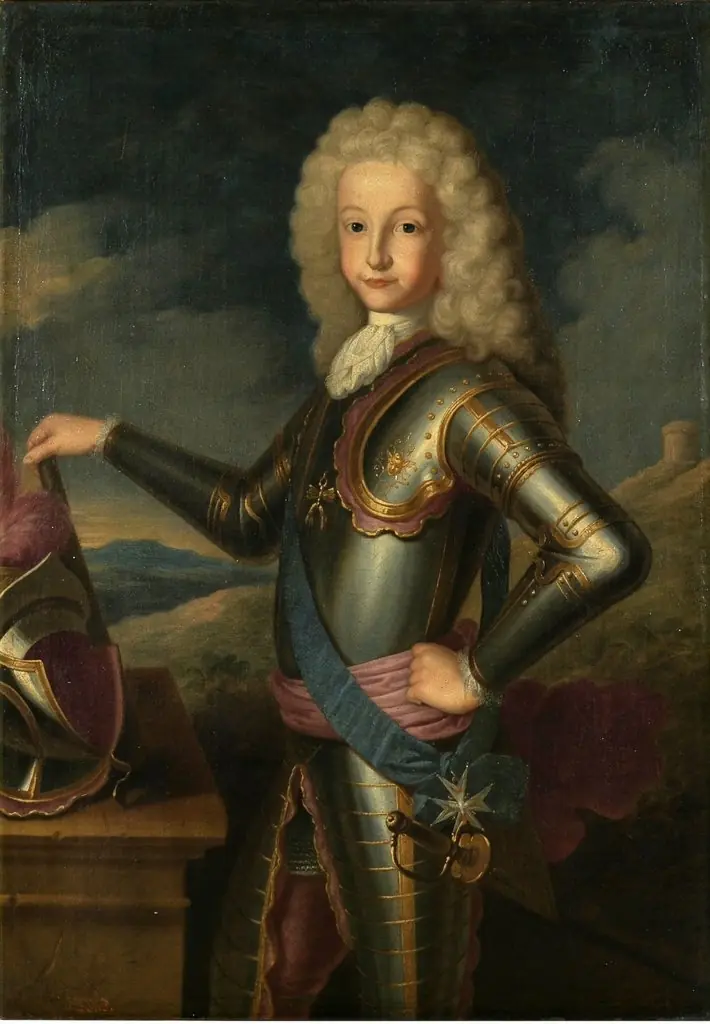 Luis I con armadura a los 10 años
 Portrait of Augustus III