Artwork
Jacoba of Bavaria, Countess of Holland and Zeeland
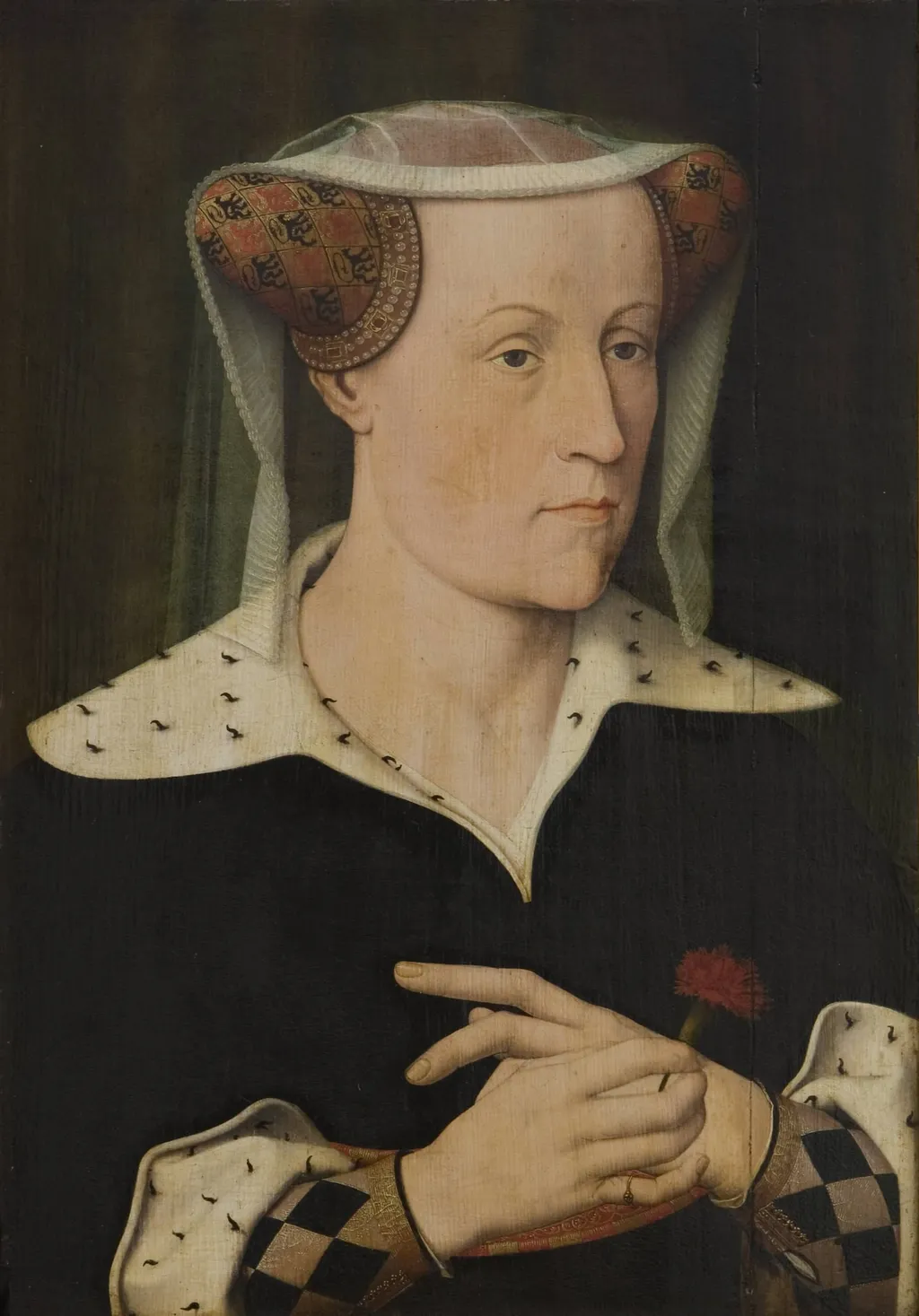
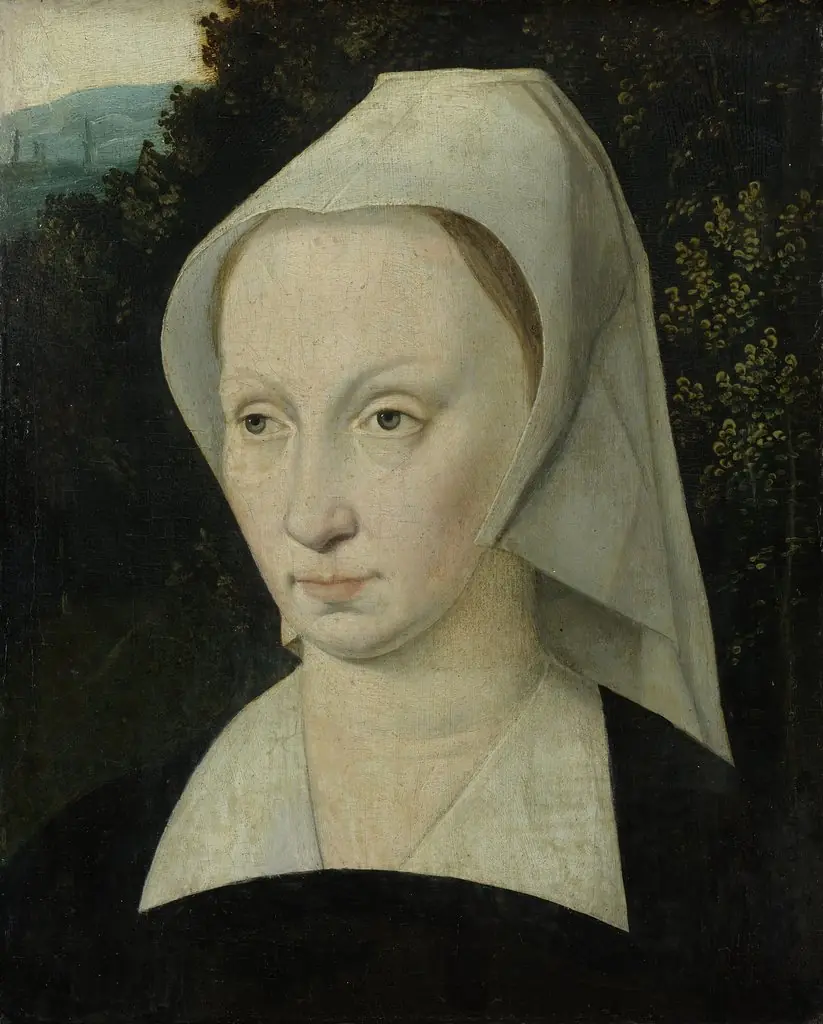
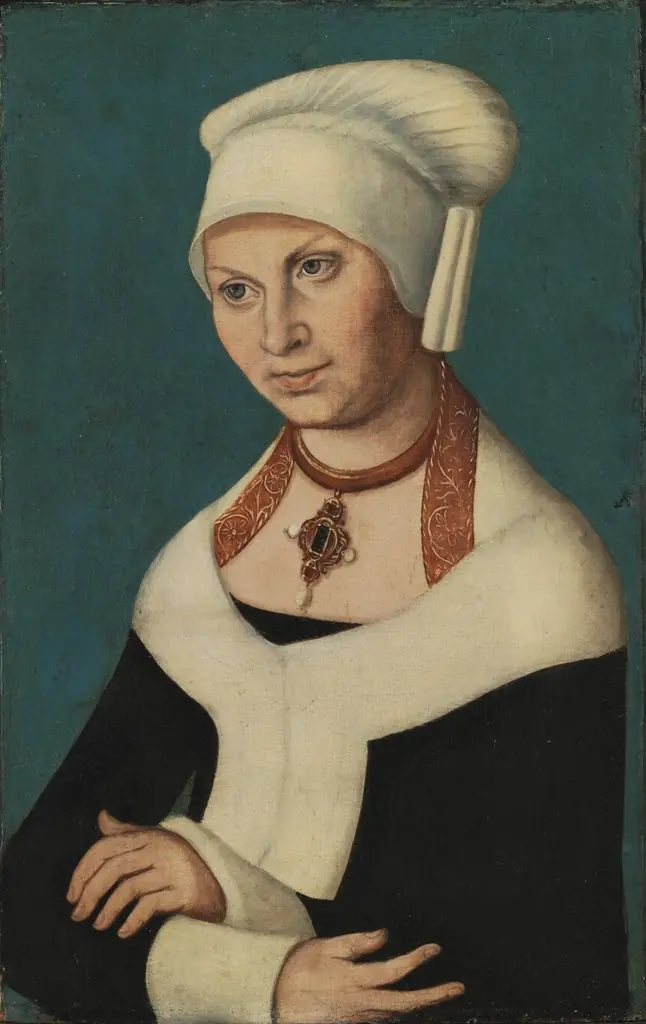
Jacoba of Bavaria, Countess of Holland and Zeeland is a photography by Unknown. It dates from 1450 and is held in the collection of the Statens Museum for Kunst. This portrait depicts Jacoba of Bavaria, who ruled as Countess of Holland and Zeeland in the mid-15th century.
About this work
Overview
Painted around 1450, it presents her in a restrained, dignified manner, emphasizing her status through subtle details rather than overt opulence.
This portrait depicts Jacoba of Bavaria, who ruled as Countess of Holland and Zeeland in the mid-15th century. Painted around 1450, it presents her in a restrained, dignified manner, emphasizing her status through subtle details rather than overt opulence. The work is held in the collection of the Museum of Ethnography, though its origins as a secular portrait raise questions about its later institutional placement.
Subject & Meaning
Jacoba is shown holding a red flower, a symbol often associated with love, loyalty, or nobility in medieval iconography. Her hand resting on her chest suggests introspection or solemn resolve, aligning with her historical role as a contested ruler during a period of political instability. The plain background isolates her figure, reinforcing her identity as the sole focus of the composition.
Technique & Style
The artist employs chiaroscuro to model the face and hands with soft gradations of light and shadow, lending volume and realism. The hat’s contrasting textures—smooth and patterned—demonstrate careful observation of materials, while the muted palette, save for the red flower, keeps attention on the sitter’s expression. The simplicity of the dress and minimal ornamentation reflects a preference for quiet authority over display.
History & Provenance
The painting’s early ownership is undocumented, and its transition to the Museum of Ethnography remains unclear. Its classification as an ethnographic object may reflect later reinterpretations rather than its original intent as a noble portrait. The work likely originated in the Low Countries, where portraiture of ruling women was gaining traction in the 15th century.
Context
Jacoba’s rule occurred amid dynastic conflict, as she challenged male relatives for control of Holland and Zeeland. Portraits of female rulers from this era were rare, making this image historically significant. The restrained aesthetic aligns with Burgundian courtly ideals, where dignity and composure were valued over flamboyance, even among high-ranking women.
Legacy
Though not widely known outside specialized circles, the portrait contributes to the understanding of how noblewomen were visually represented in the 15th century. Its survival offers insight into the visual culture of the Low Countries and the quiet persistence of female authority in a male-dominated political landscape.
Artist & collection

 Domestic Scene
 Giacomo and Cardinal Marco, investing Andrea, Abbot of San Zeno, with his Benefice
 The Nymph of Fontainebleau
 Portrait of a Woman
 Madonna and Child with Saints in the Enclosed Garden
 Venus and Minerva
 Family Group of Four on Sofa
 Wall painting from Room H of the Villa of P. Fannius Synistor at Boscoreale
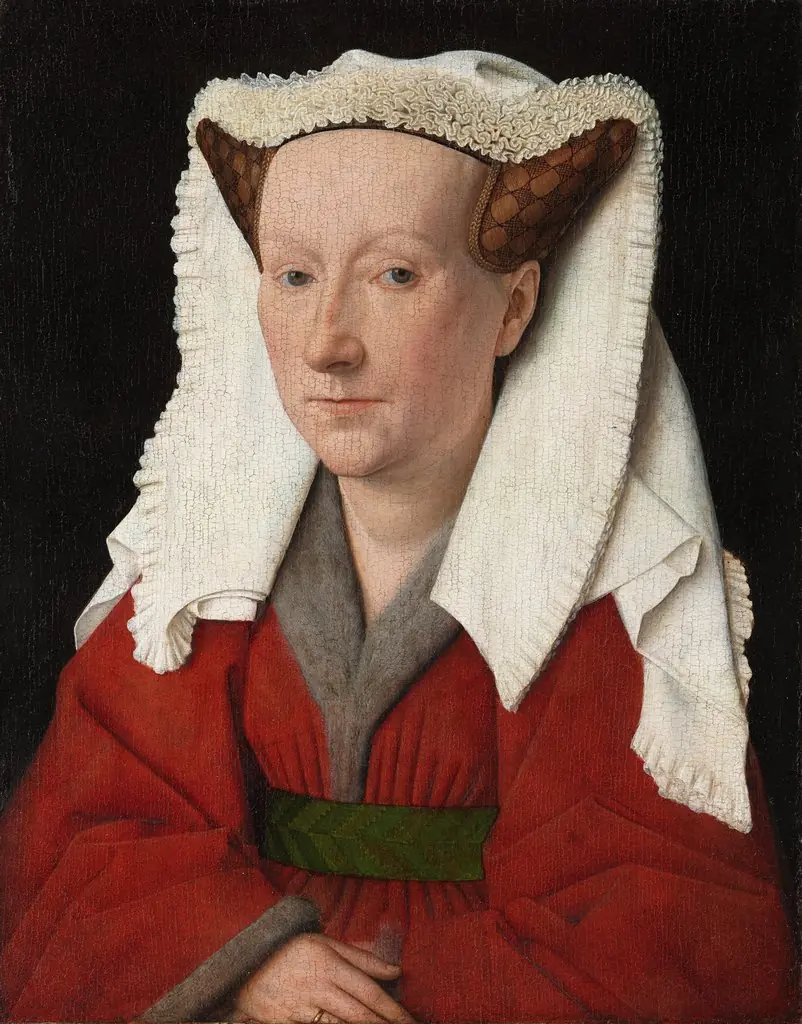 Portrait of Margareta van Eyck
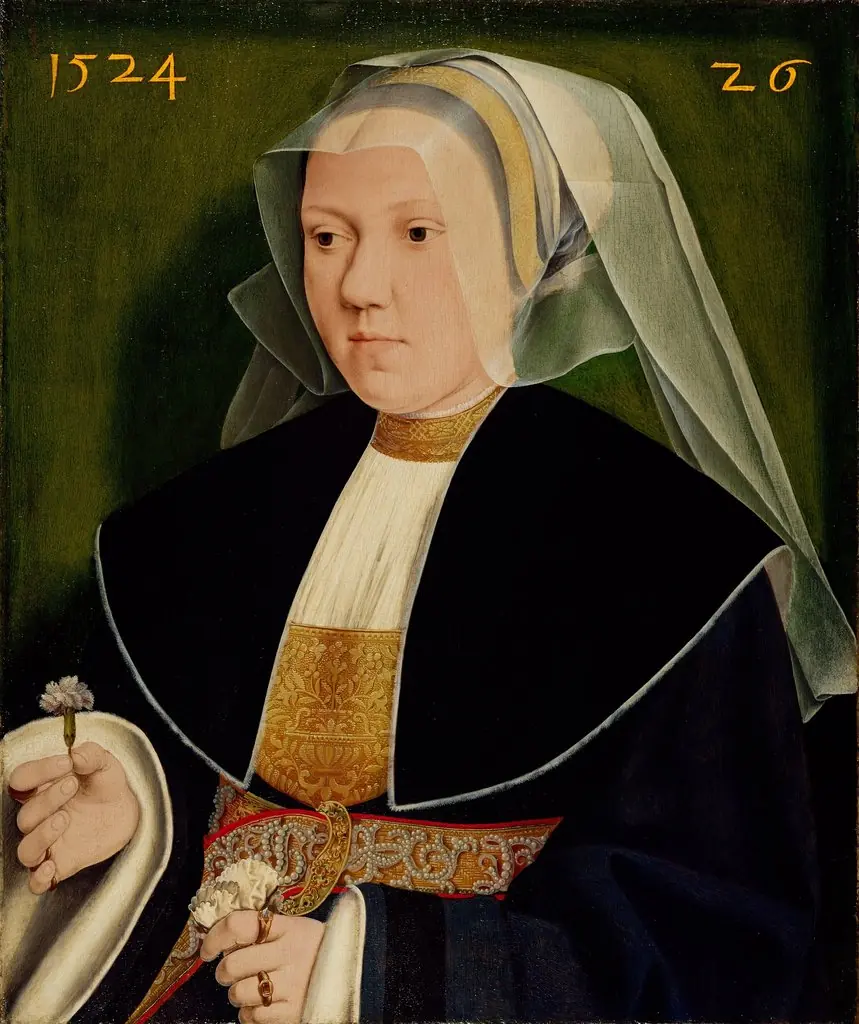 Portrait of Margaretha von Mochau, wife of Gerhard von Westerburg
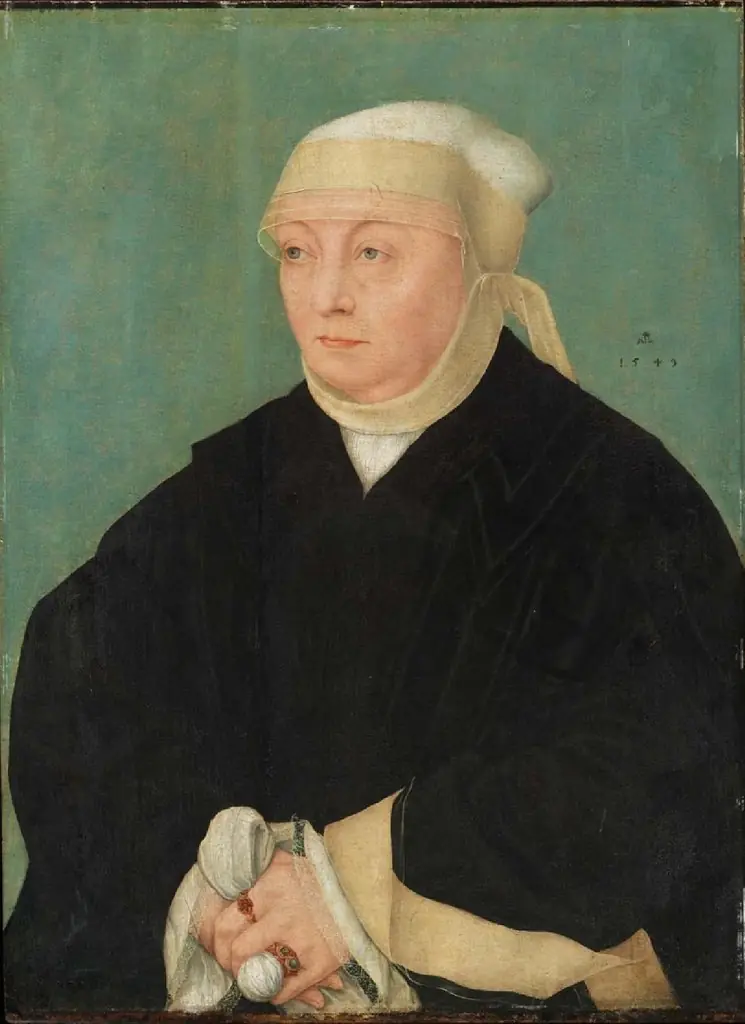 Portrait of a Woman
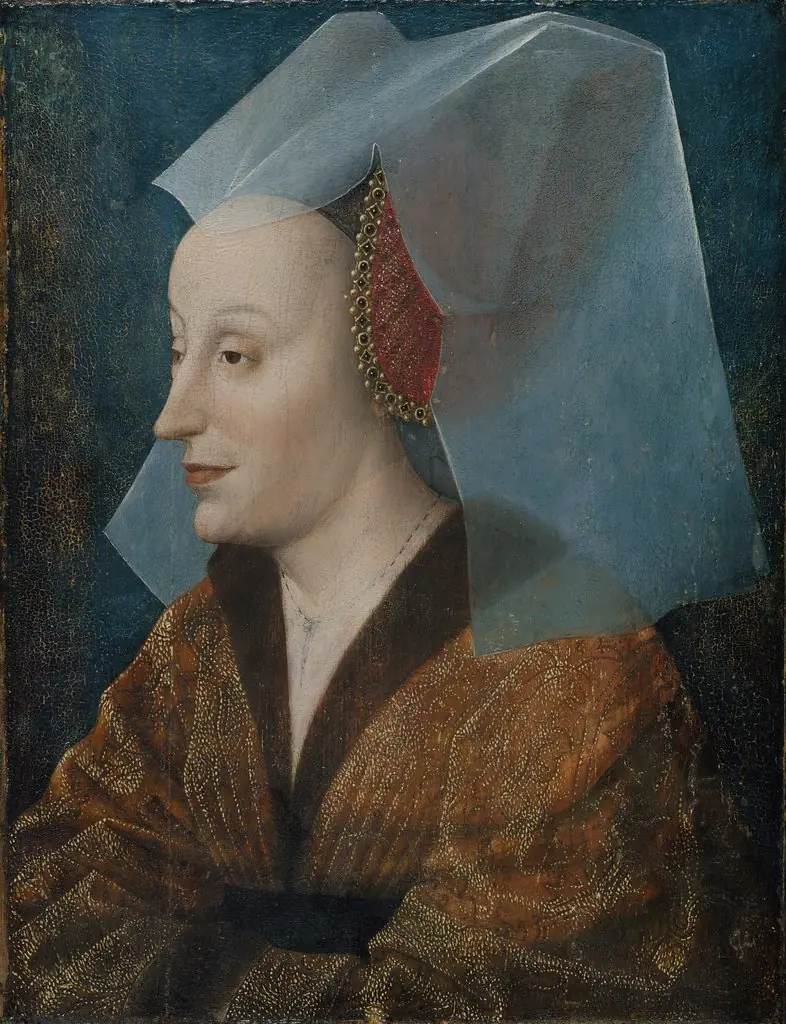 Portrait of a Noblewoman, Probably Isabella of Portugal (1397–1472)
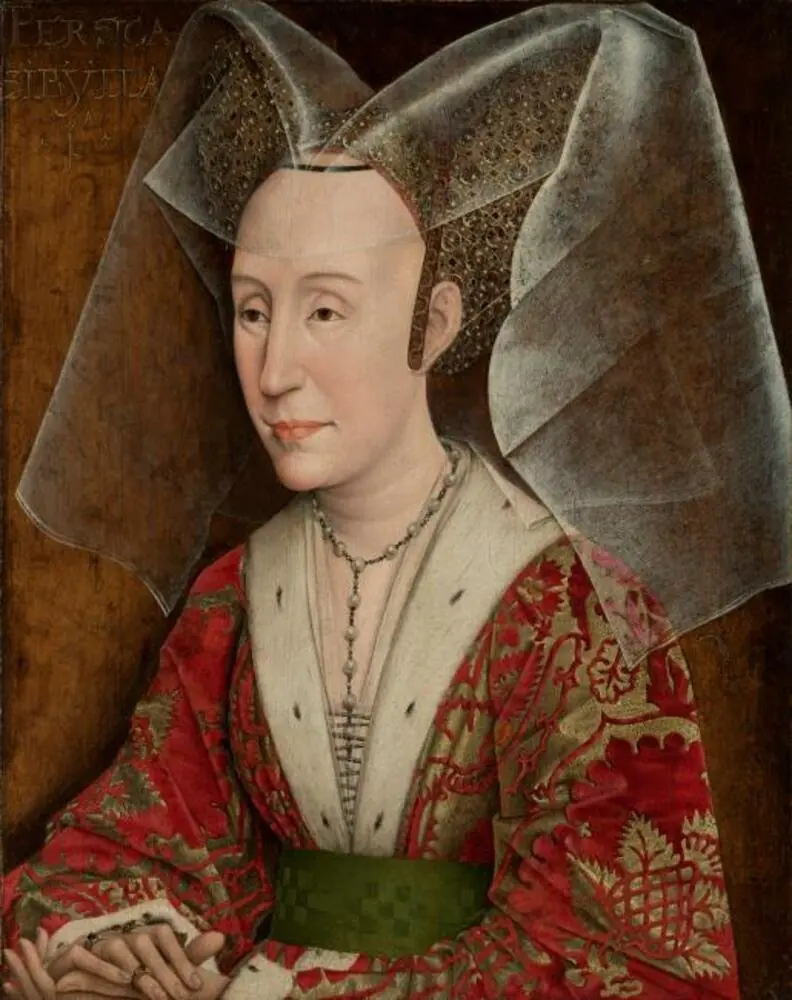 Portrait of Isabella van Portugal (1397-1471)
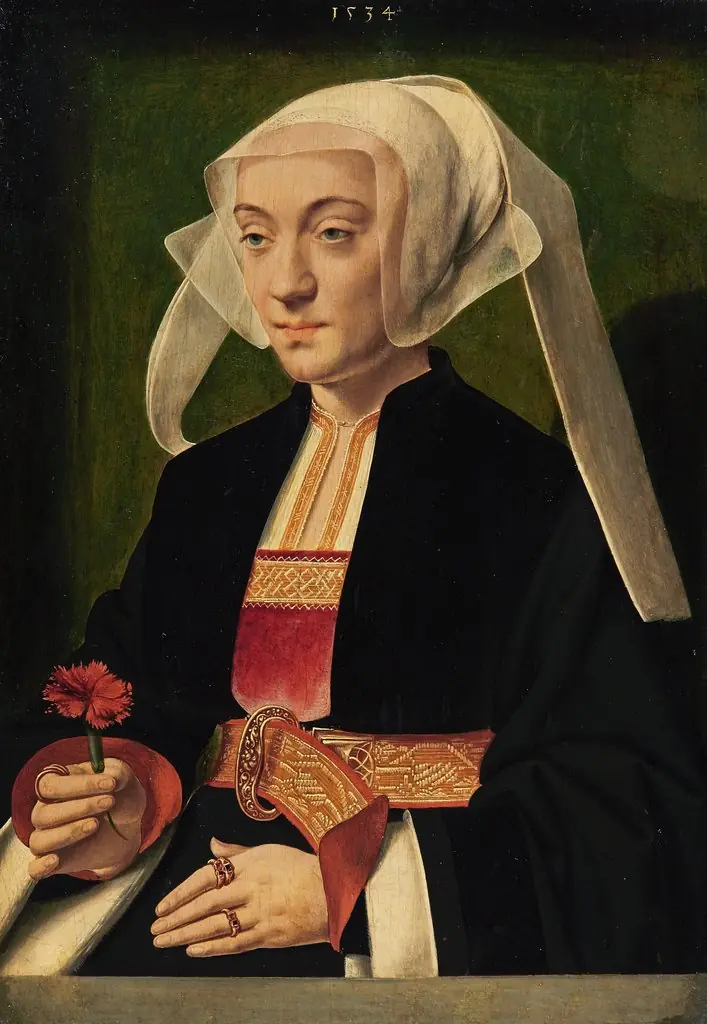 Portrait of a Woman
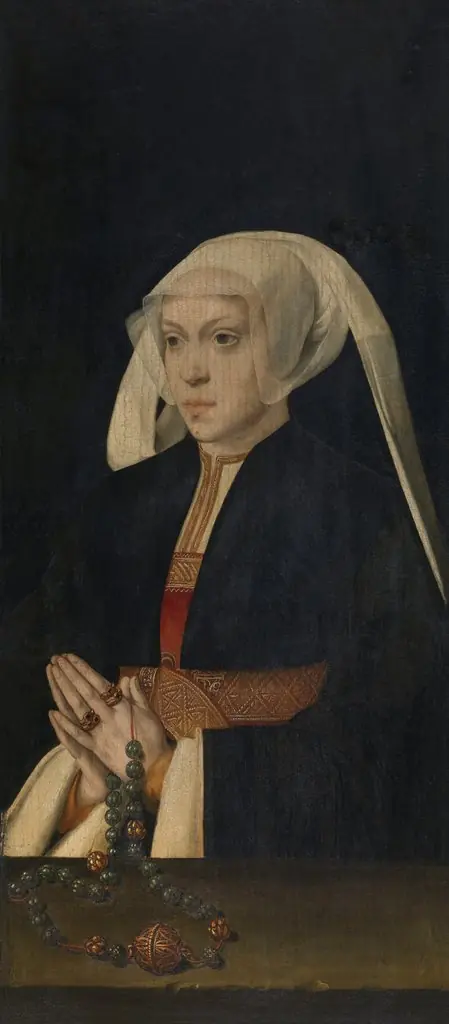 Portrait of a Woman
 Portrait of a woman
 Portrait of the Duchess Barbara of Saxony, 1478-1534 (wife of George the Bearded)