Artwork
Portrait of Margareta van Eyck
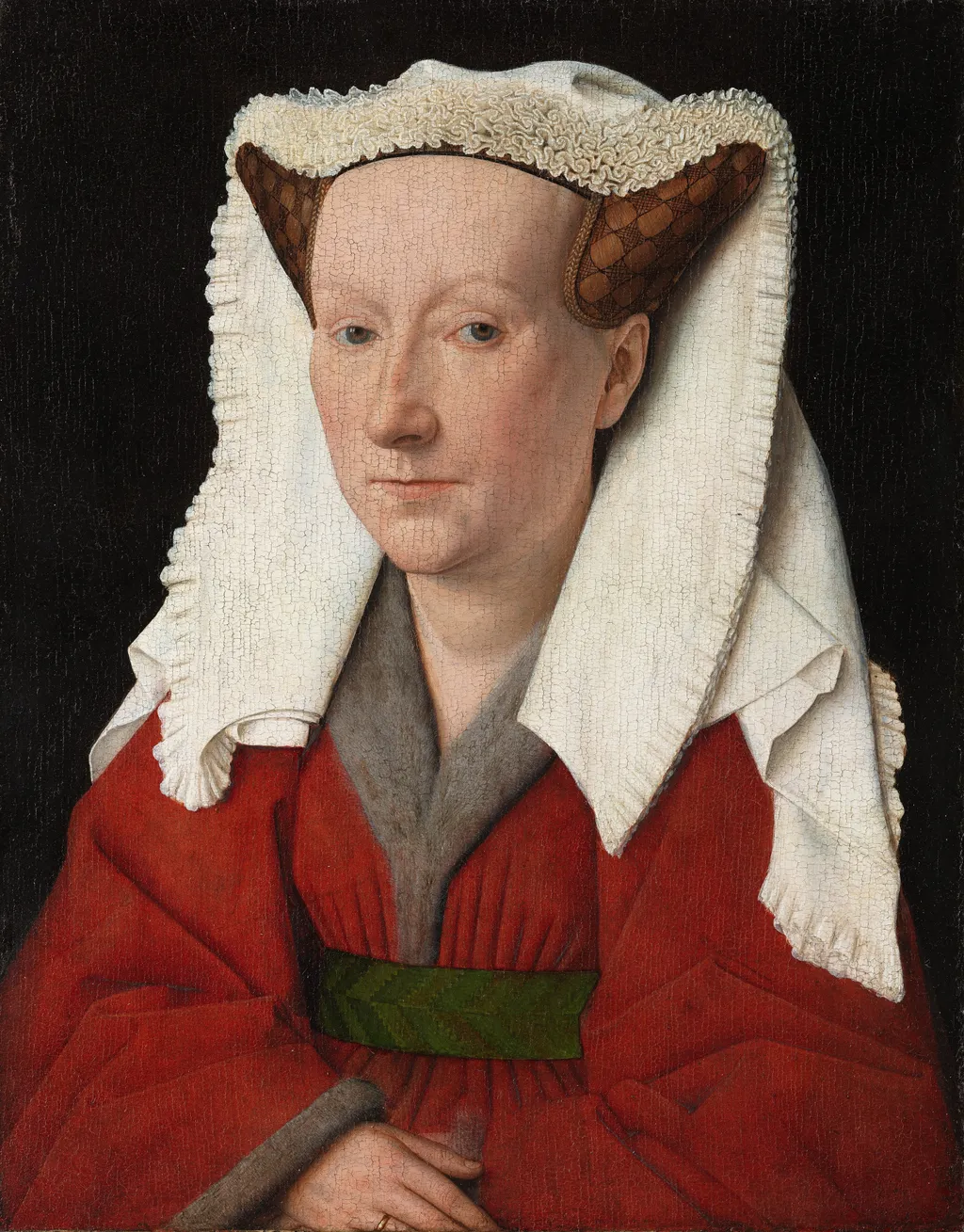
Portrait of Margareta van Eyck is an oil painting by the Northern Renaissance artist Jan van Eyck. It dates from 1439 and is held in the collection of the Groeningemuseum.
About this work
Overview
It is among the final works attributed to him and stands as one of the earliest known portraits of an artist’s spouse in European art.
Painted in 1439, this oil-on-wood portrait depicts Margareta van Eyck, wife of the artist Jan van Eyck. It is among the final works attributed to him and stands as one of the earliest known portraits of an artist’s spouse in European art. The panel was originally part of a diptych, likely paired with a self-portrait by the artist. Today housed in the Groeningemuseum in Bruges, it was once displayed in the Chapel of the Painters’ Guild in the same city.
Subject & Meaning
Margareta is portrayed with restrained dignity, her gaze lowered and hands gently clasped, suggesting introspection rather than public display. Her attire—a red gown with a white headdress and green belt—reflects modest yet refined status. The absence of symbolic objects or elaborate setting shifts focus to her presence alone, emphasizing personal identity over social role. The quiet intensity of her expression may reflect the artist’s intimate observation of his wife in private moments.
Technique & Style
Van Eyck employs fine brushwork to render textures with precision: the sheen of silk, the weave of the headdress, and the softness of skin. The dark background isolates the figure, enhancing three-dimensionality through subtle gradations of light. His use of glazes creates depth in the red robe and delicate transitions in the face. The composition is tightly framed, with no extraneous detail, focusing attention entirely on the sitter’s quiet demeanor and the meticulous handling of surface and form.
History & Provenance
The painting remained in the Bruges Chapel of the Painters’ Guild until the early 1700s, likely as a devotional or commemorative object. It entered the Groeningemuseum’s collection in the 19th century. In 1998, during a loan to the National Gallery in London, the panel underwent conservation: surface grime and discolored varnish were removed, revealing original pigments and fine details previously obscured. Technical analysis confirmed its original pairing with the artist’s self-portrait.
Context
In the 15th century, portraits of non-noble individuals—especially women—were rare. Van Eyck’s depiction of his wife challenges conventions by centering her as a subject of quiet dignity, not merely as an accessory to male identity. The diptych format, common in religious art, was here adapted for secular intimacy, reflecting a shift toward personal expression in Early Netherlandish painting and the rising status of the artist as an individual.
Legacy
This portrait set a precedent for the depiction of artists’ families in Western art, influencing later generations to portray personal relationships with psychological nuance. Its survival and restoration have provided insight into van Eyck’s working methods and the material culture of 15th-century Flanders. As one of the earliest secular portraits of a woman by a known artist, it remains a significant document of domestic life and artistic identity in the Northern Renaissance.
Own this work as a print
Artist & collection
Artist
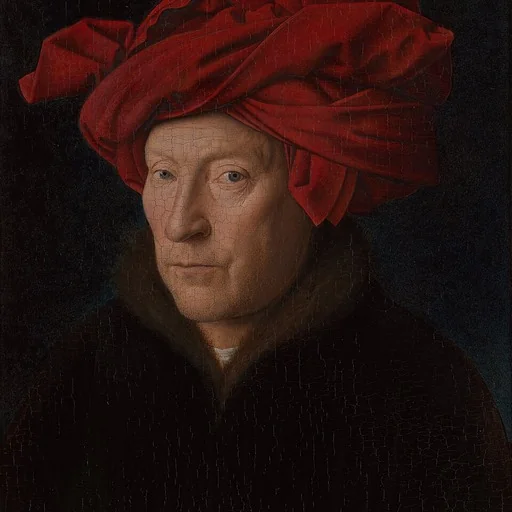
Jan van Eyck was a sharp-eyed observer who spent his life in the Low Countries, painting what he saw with almost eerie precision.

 Portrait of a Woman
 Portrait of a Woman
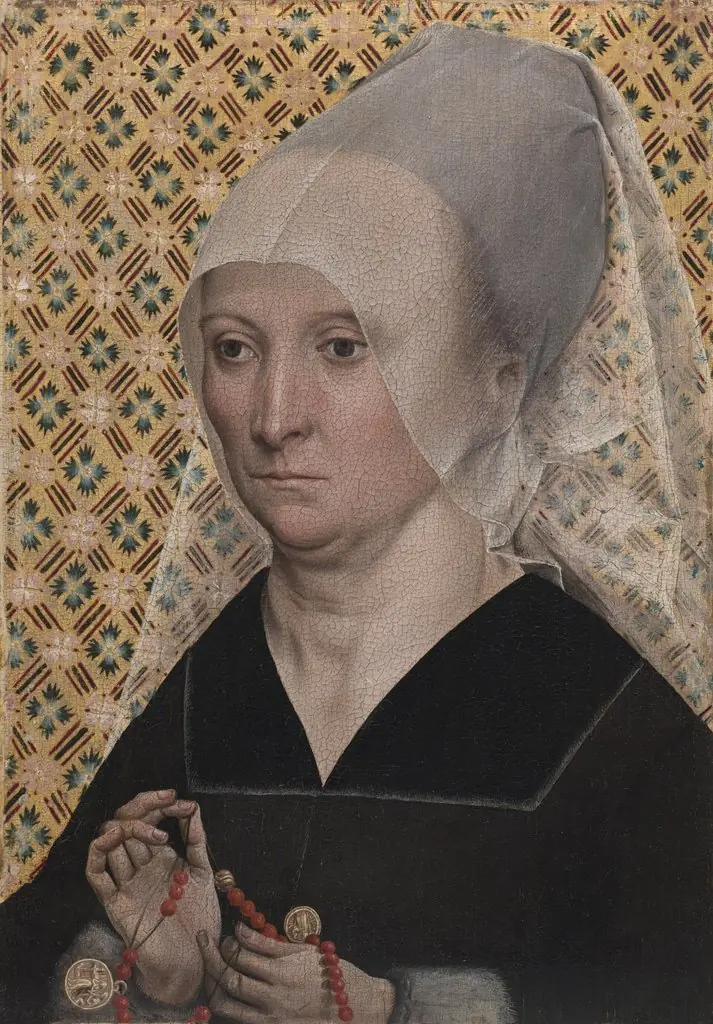 Portrait of a Woman
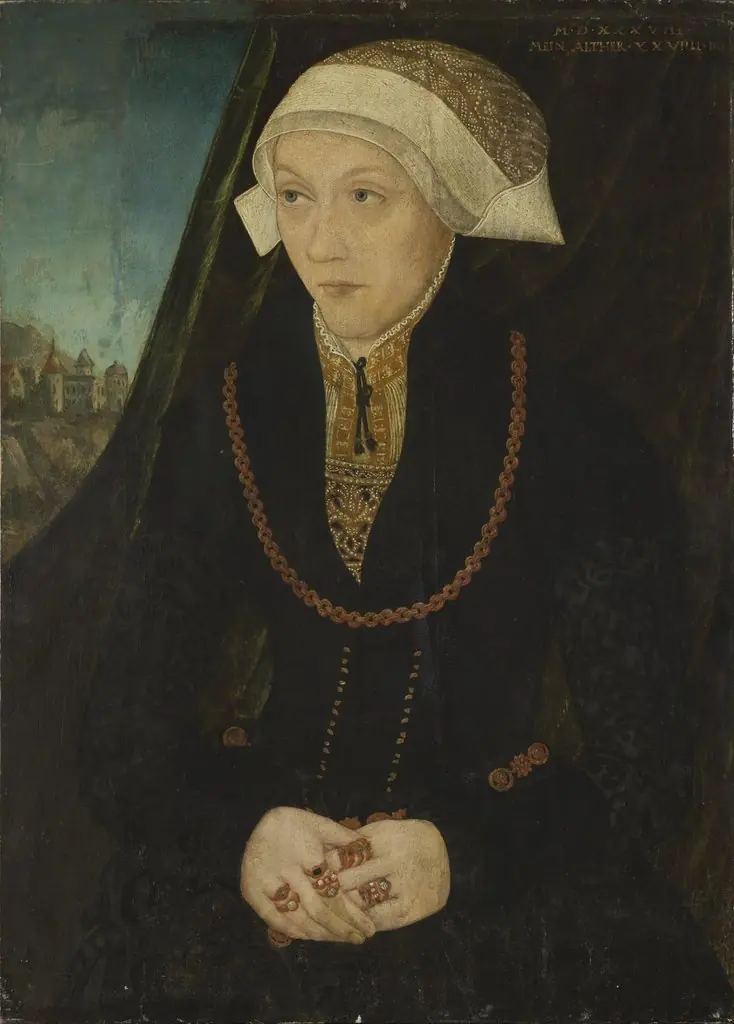 Portrait of a woman
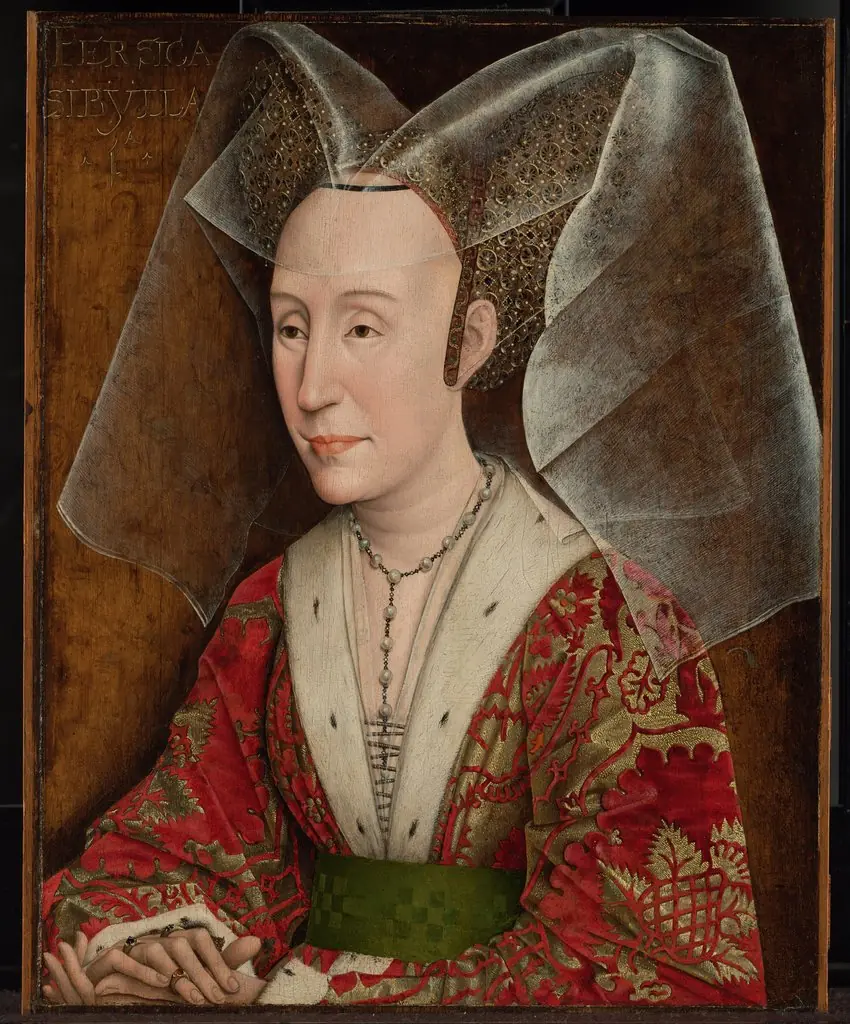 Portrait of Isabella of Portugal
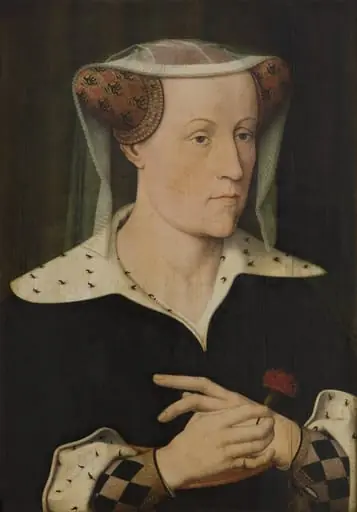 Jacoba of Bavaria, Countess of Holland and Zeeland
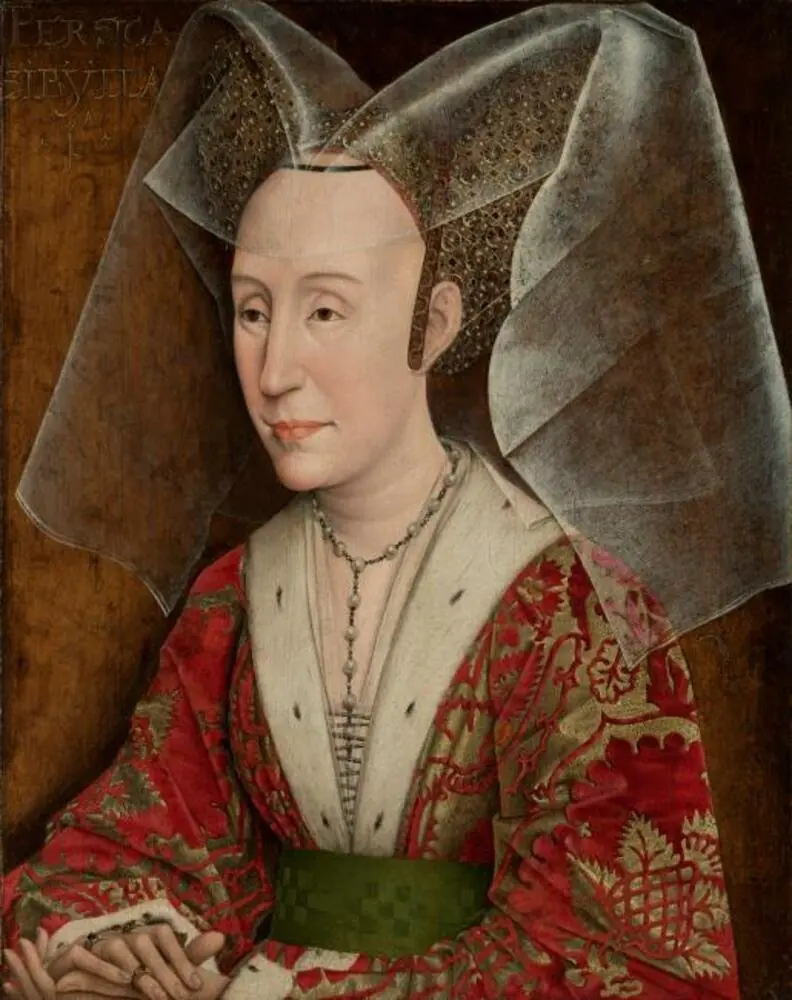 Portrait of Isabella van Portugal (1397-1471)
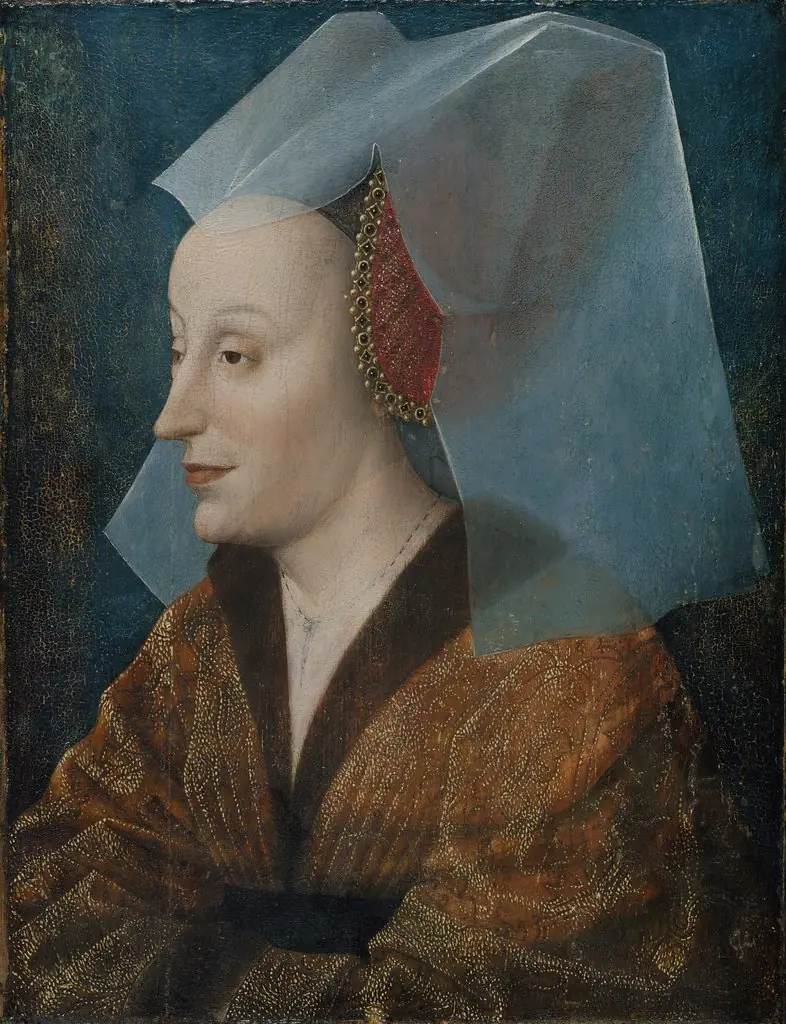 Portrait of a Noblewoman, Probably Isabella of Portugal (1397–1472)
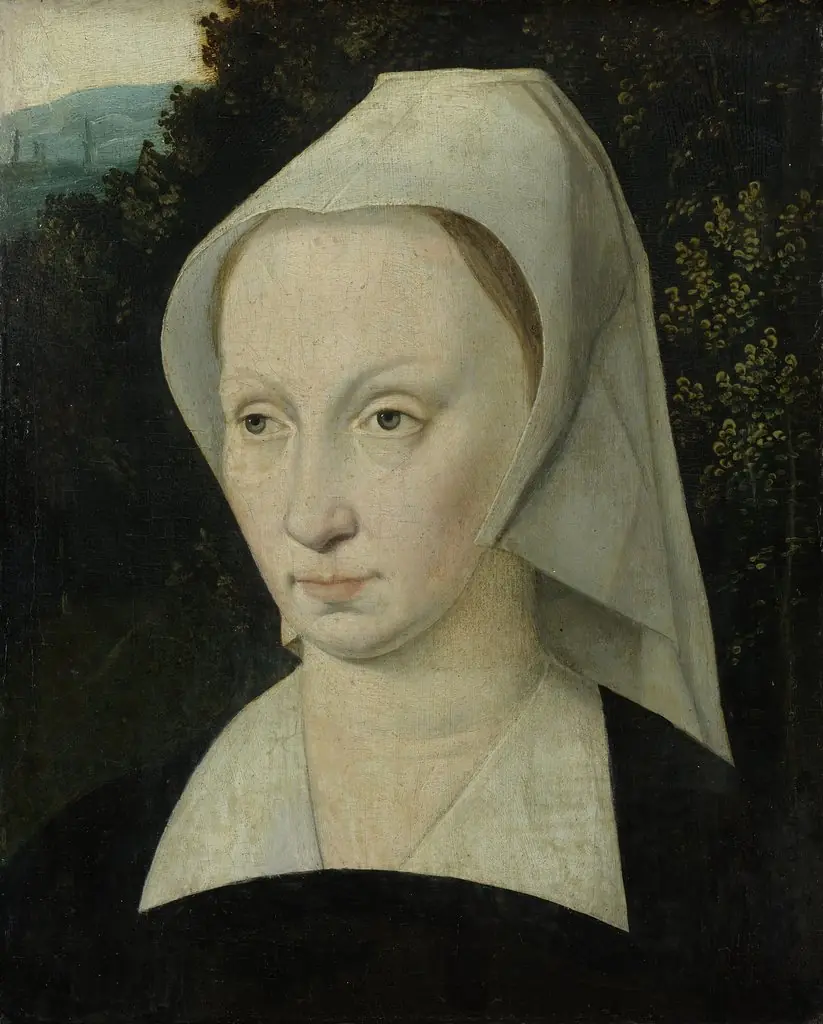 Portrait of a woman
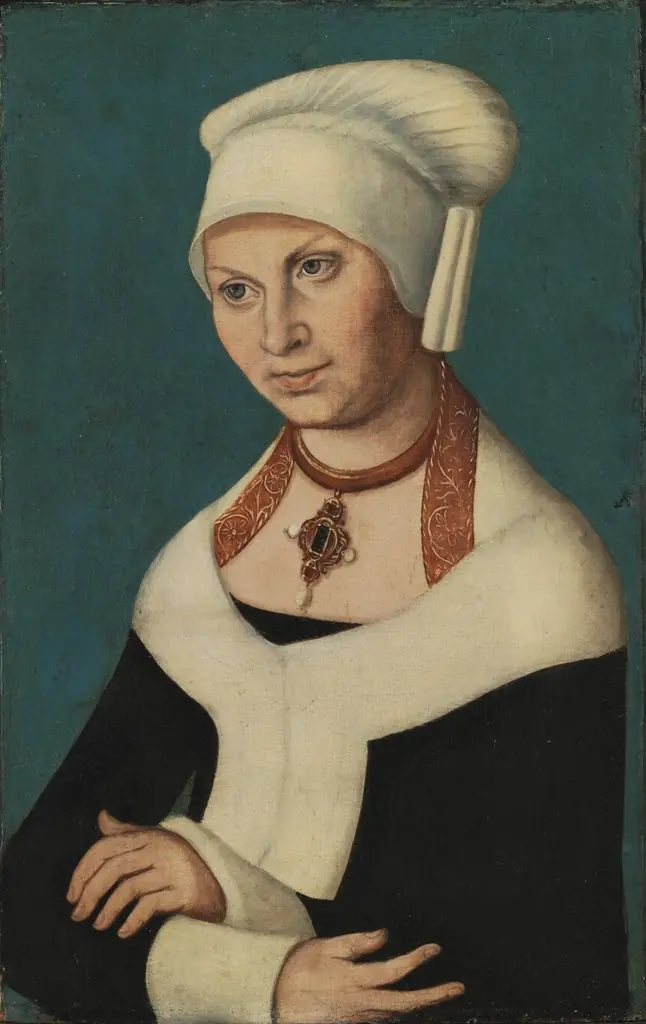 Portrait of the Duchess Barbara of Saxony, 1478-1534 (wife of George the Bearded)
 Wife of a Member of the de Hondecoeter Family
 Portrait of a Woman