Artwork
Portrait of a Woman
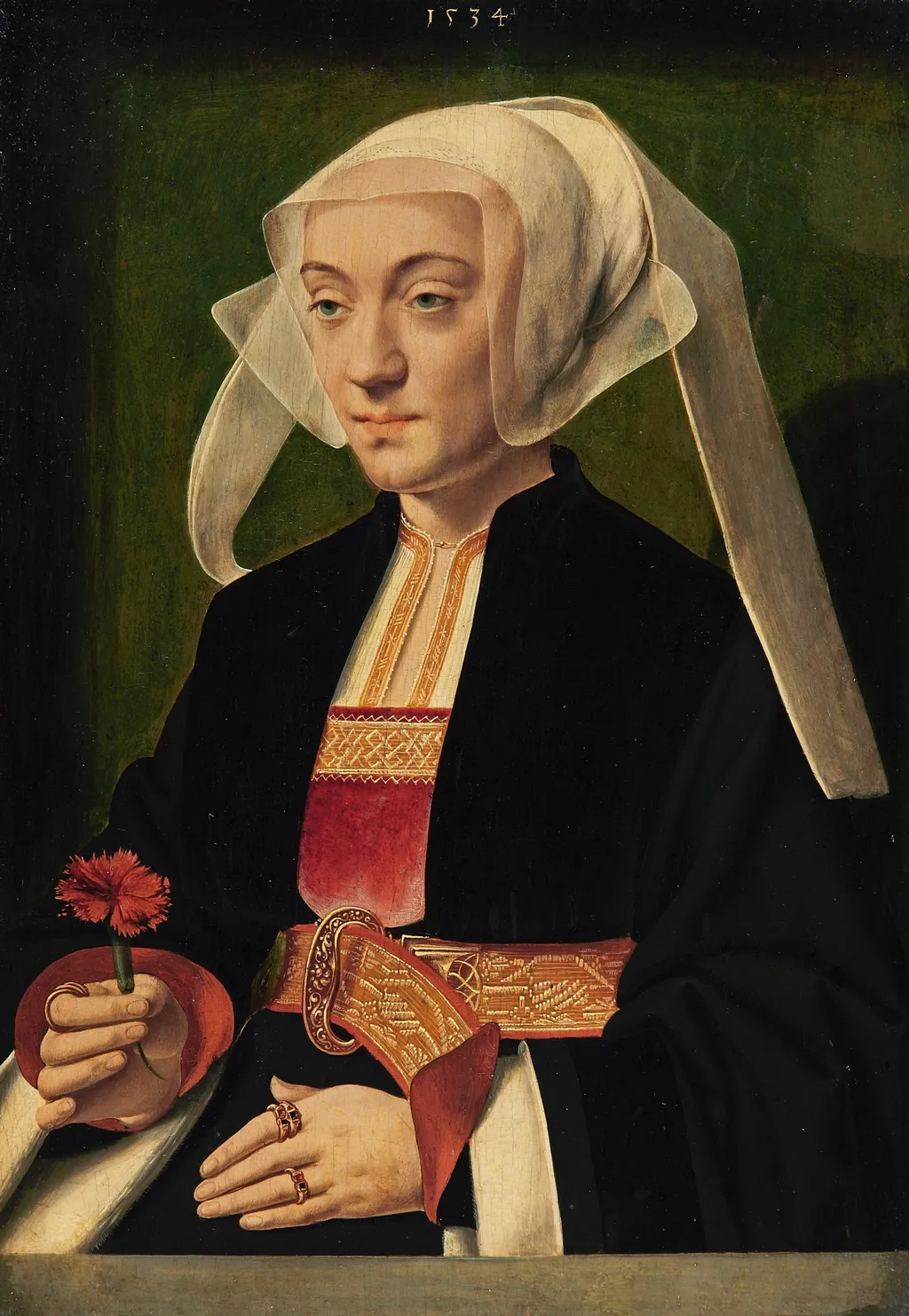
Portrait of a Woman is a paint painting by the Mannerist artist Bartholomaeus Bruyn the Elder. It dates from 1534 and is held in the collection of the Gemäldegalerie Berlin. Bartholomäus Bruyn the Elder painted this portrait in 1534 during his tenure as Cologne’s most prominent portraitist.
About this work
Overview
Bartholomäus Bruyn the Elder painted this portrait in 1534 during his tenure as Cologne’s most prominent portraitist.
Bartholomäus Bruyn the Elder painted this portrait in 1534 during his tenure as Cologne’s most prominent portraitist. The work reflects the refined realism characteristic of Northern Renaissance art, emphasizing personal identity through careful attention to dress and expression. It is now part of the Gemäldegalerie’s collection in Berlin, where it stands as a representative example of early 16th-century secular portraiture in the Rhineland.
Subject & Meaning
The sitter, likely a member of the urban elite, is depicted with quiet dignity. Her attire—black dress, red-and-gold bodice, white headdress, and red belt—signals both modesty and social standing. The red flower in her hand may symbolize vitality or marital fidelity, while the ring on her left hand suggests marriage or personal commitment. The composition avoids overt symbolism, favoring a restrained, introspective presence.
Technique & Style
Bruyn rendered the woman’s clothing with precise brushwork, capturing the sheen of silk, the texture of embroidery, and the gleam of metal jewelry. The dark green background isolates the figure, enhancing focus on her form and garments. His handling of light and detail reflects Northern Renaissance traditions, prioritizing material realism over idealization. The portrait’s calm composition and subtle modeling reveal a mastery of surface and form.
History & Provenance
Created in 1534, the portrait entered the Gemäldegalerie Berlin’s collection in the 19th century, following the consolidation of German art holdings. Its attribution to Bruyn the Elder is supported by stylistic parallels with his signed works and documented commissions in Cologne. No earlier provenance is recorded, but its quality suggests it was commissioned by a wealthy local family, possibly for domestic display.
Context
In 1530s Cologne, portraiture flourished amid growing civic wealth and Protestant reform, which shifted artistic focus from religious altarpieces to secular subjects. Bruyn, trained in the tradition of Jan van Eyck and Hans Holbein, adapted these influences to local tastes. This portrait reflects a broader trend: the rise of individual identity in art, where personal status was conveyed through dress, gesture, and material detail rather than heraldry or religious iconography.
Legacy
Bruyn’s portraits, including this one, helped define the visual language of civic portraiture in northern Germany. His attention to textile detail and psychological restraint influenced later artists in the region. Though less known today than his Italian or Flemish contemporaries, his work remains a vital record of how urban elites in the Holy Roman Empire presented themselves during a period of religious and cultural transformation.
Own this work as a print
Artist & collection

Artist
Bartholomäus Bruyn (1493–1555), usually called Barthel Bruyn or Barthel Bruyn the Elder, was a German Renaissance painter active in Cologne. He painted altarpieces and portraits, and was Cologne's foremost portrait painter of his day.

 Portrait of a Man
 Portrait of a Man
 Christ on the cross with the saints Peter, Mary, Mary Magdalene, John the Evangelist and Barbara, with three donors
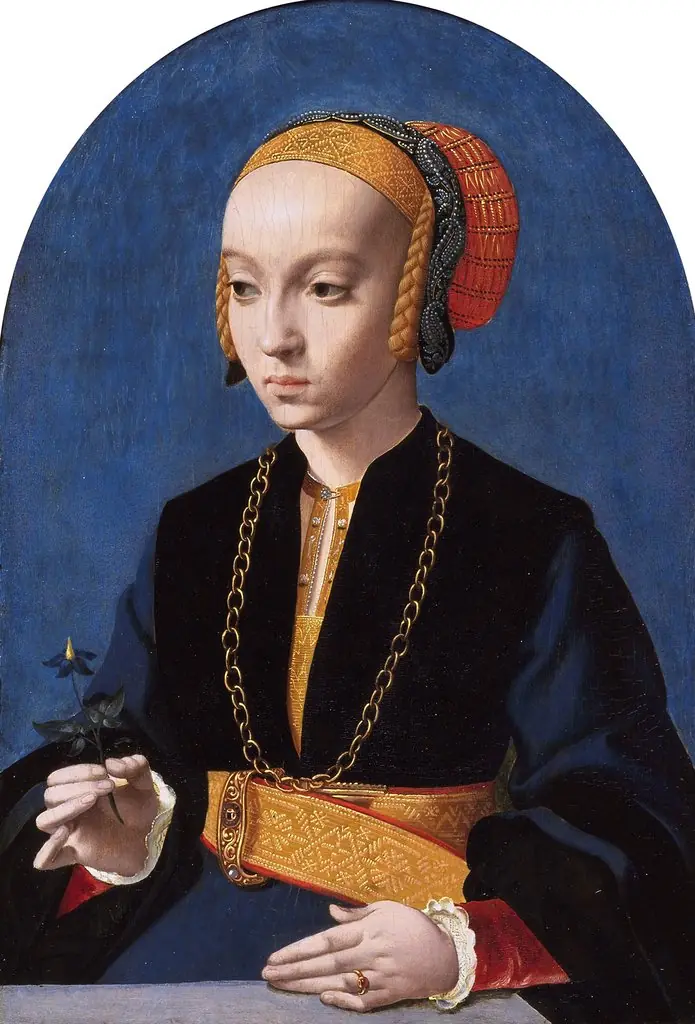 Portrait of Elisabeth Bellinghausen
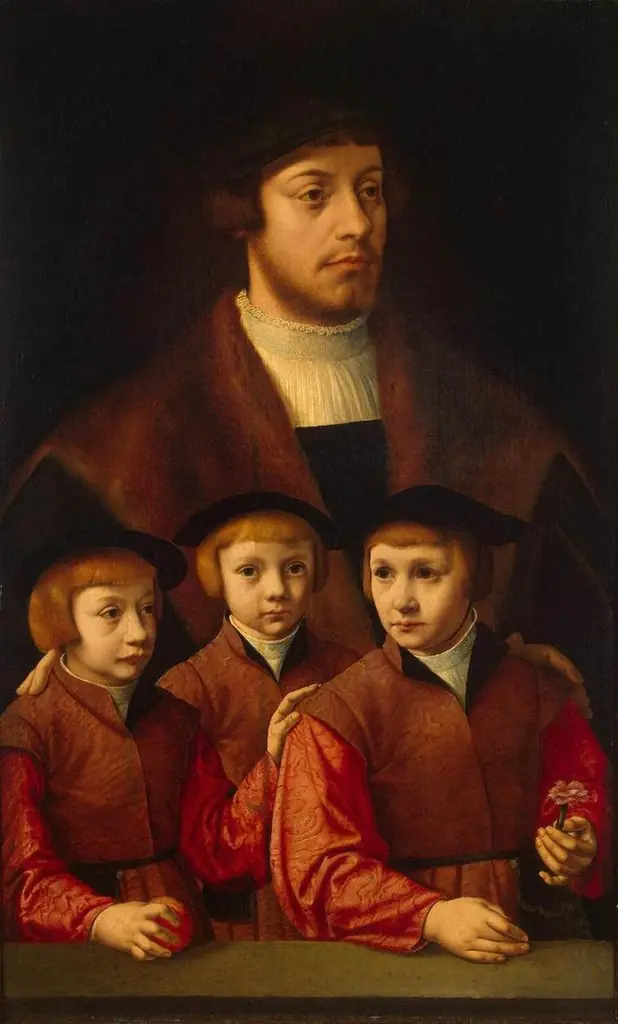 Portrait of a Man and His Three Sons
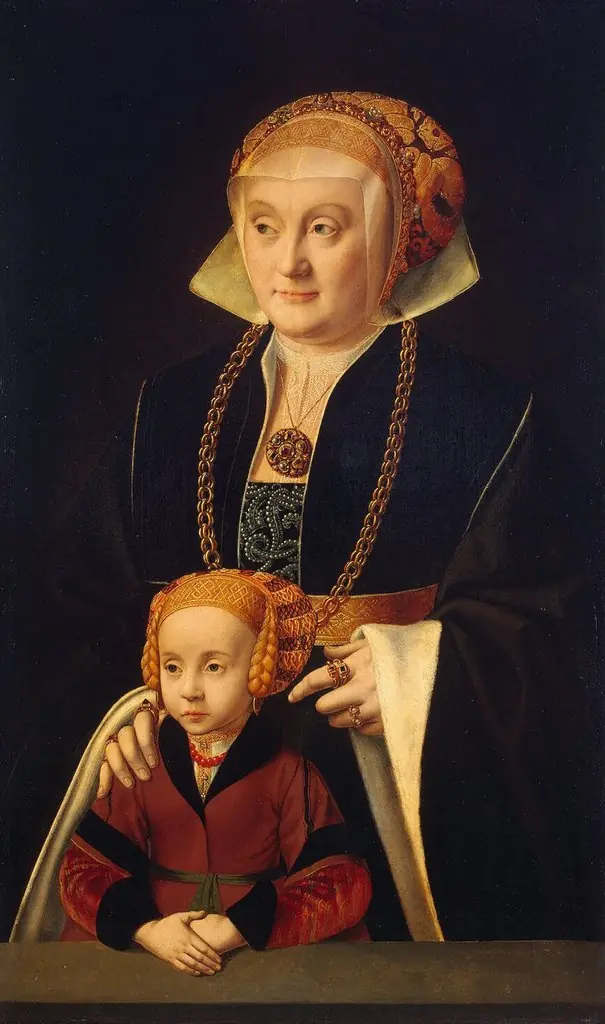 Portrait of a Lady and Her Daughter
 Rinck-Altar II:Saint Catherine with donor Hermann Rinck
 Triptych with the Adoration of the Magi
 Portrait of a Woman
 Portrait of a Woman
 Portrait of a Woman
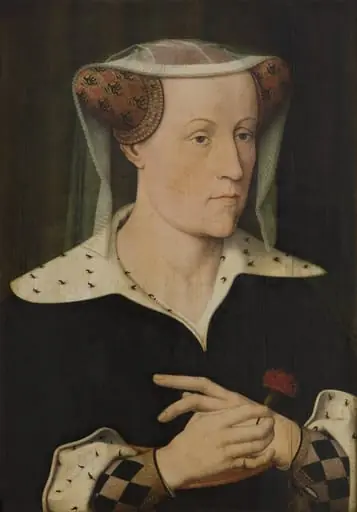 Jacoba of Bavaria, Countess of Holland and Zeeland
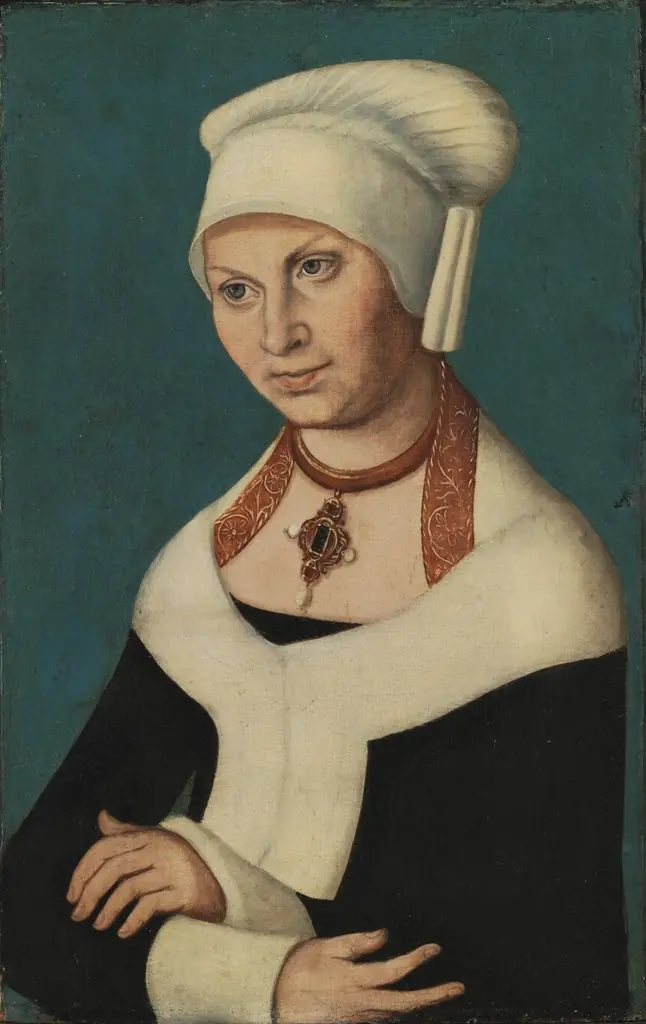 Portrait of the Duchess Barbara of Saxony, 1478-1534 (wife of George the Bearded)
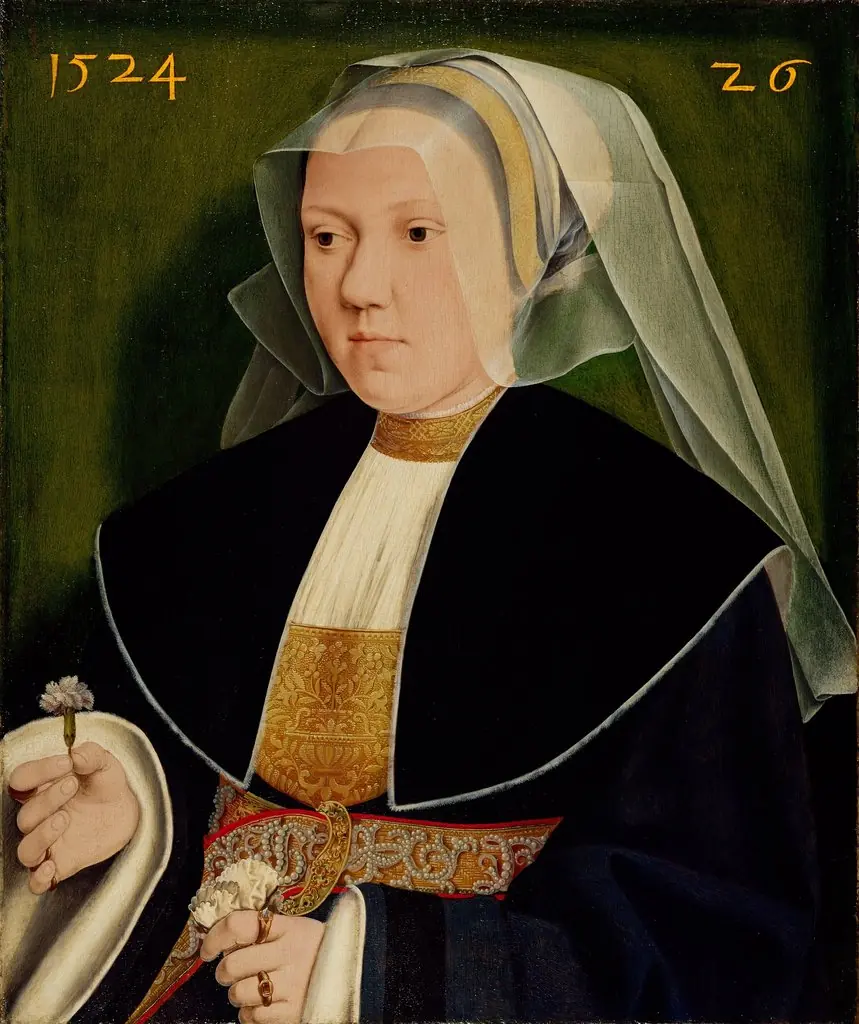 Portrait of Margaretha von Mochau, wife of Gerhard von Westerburg
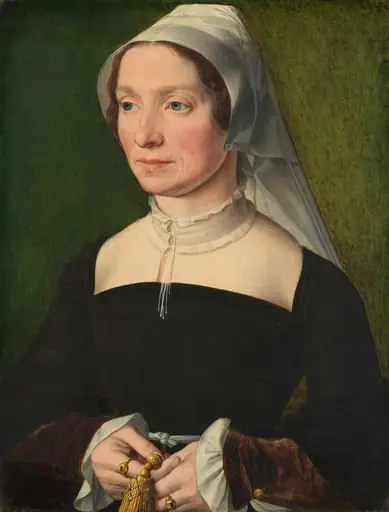 Wife of a Member of the de Hondecoeter Family
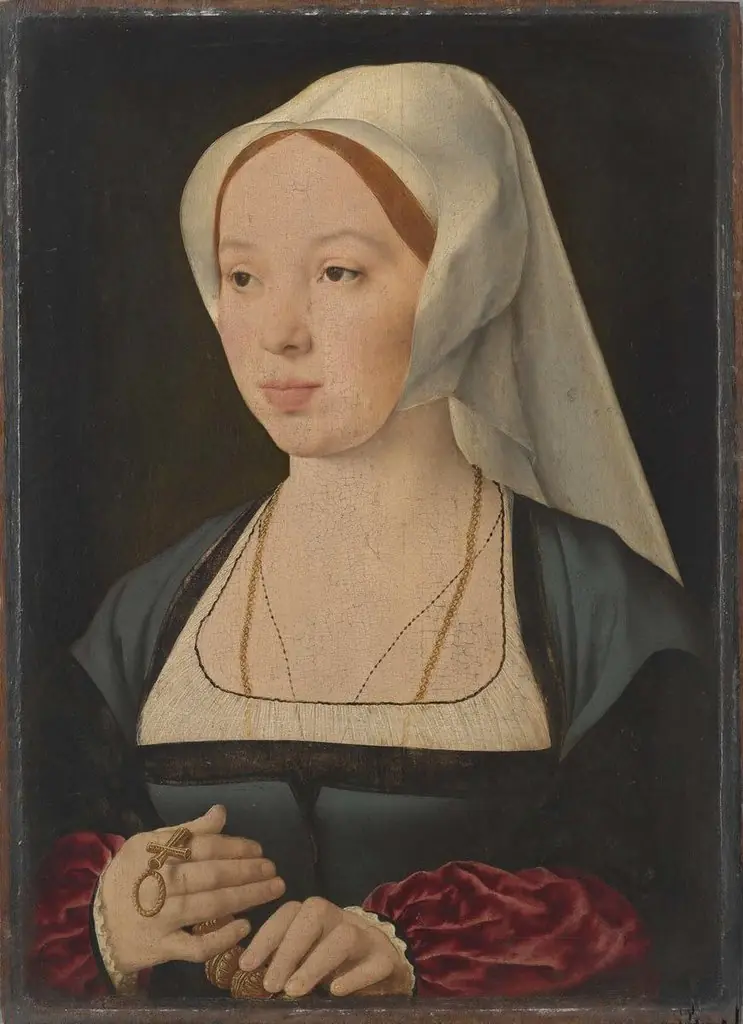 Portrait of a Lady
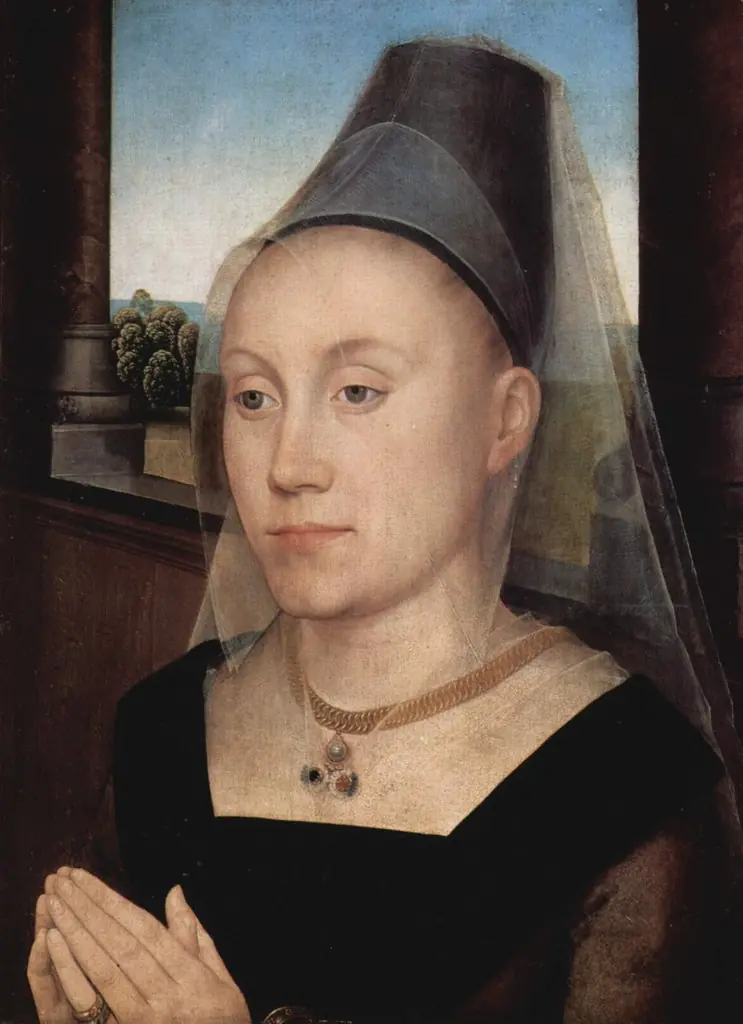 Portrait of Barbara van Vlaendenbergh
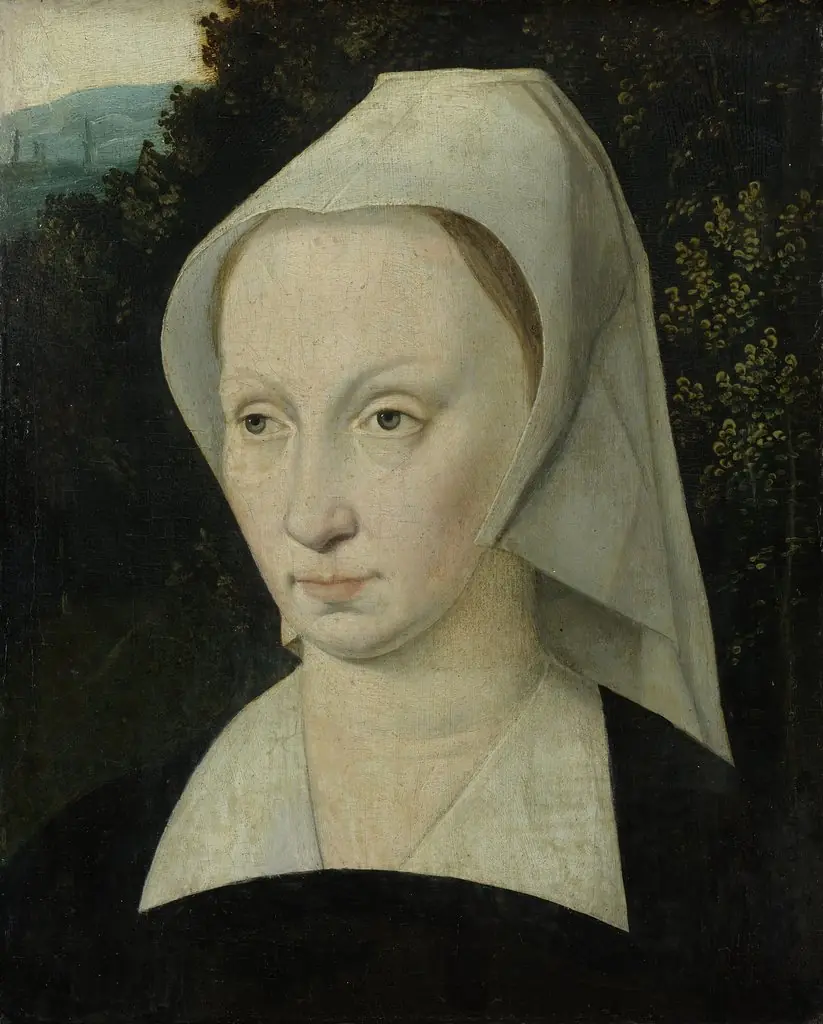 Portrait of a woman
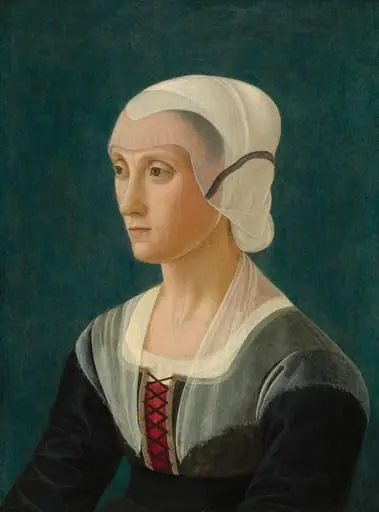 Lucrezia Tornabuoni