Artwork
Christmas Morning in a Farmhouse
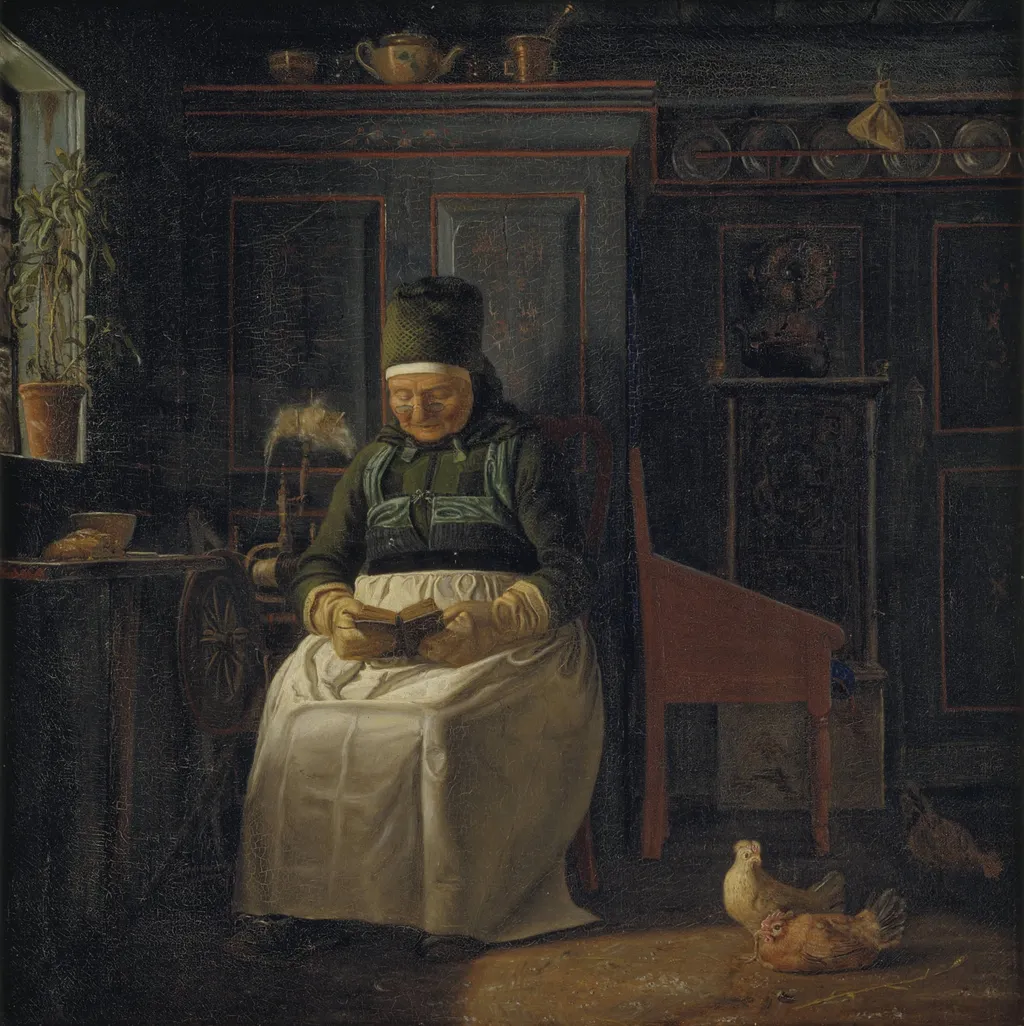
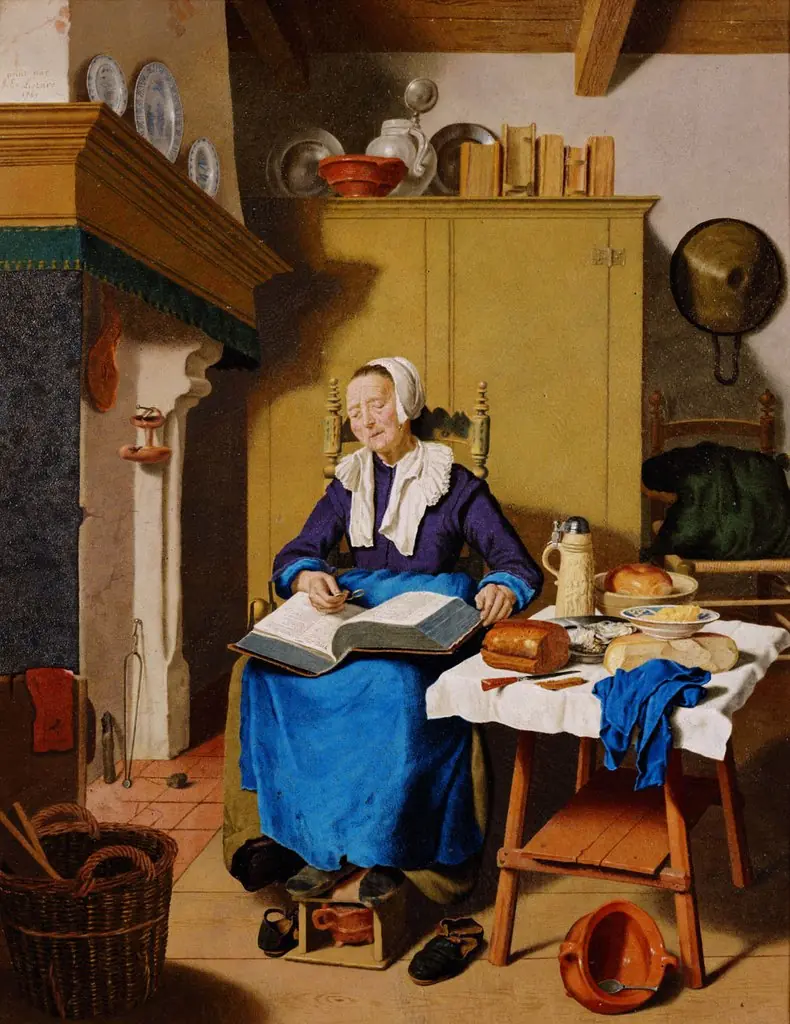
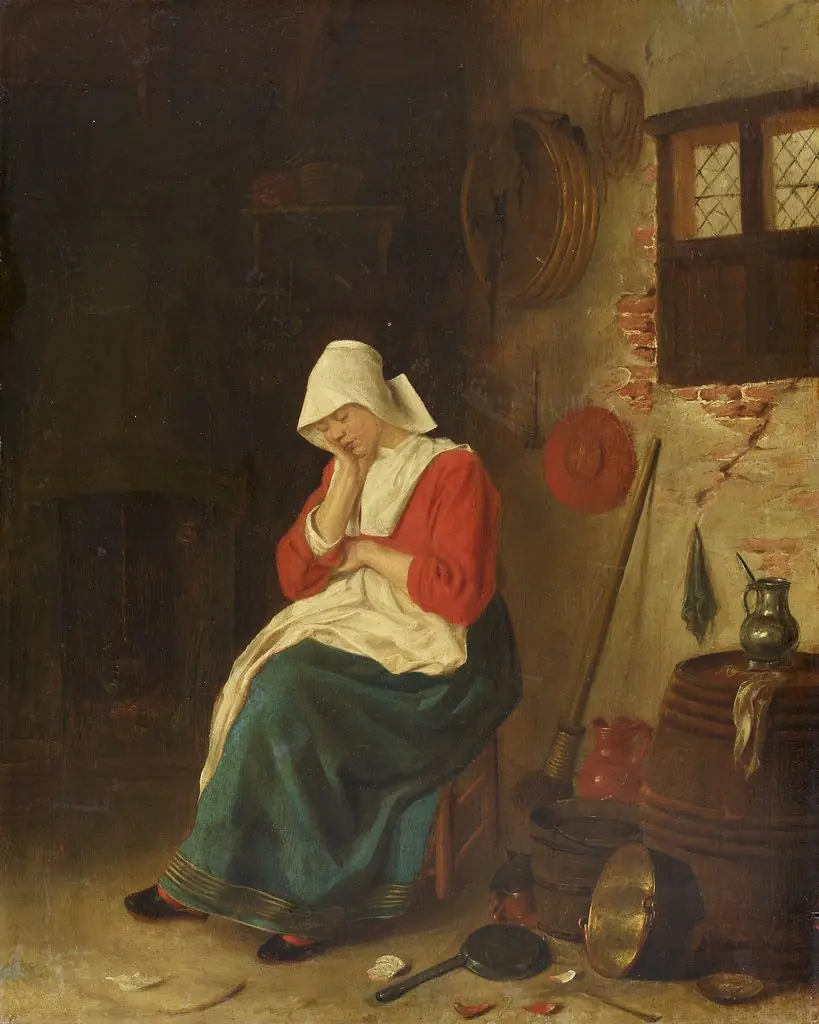
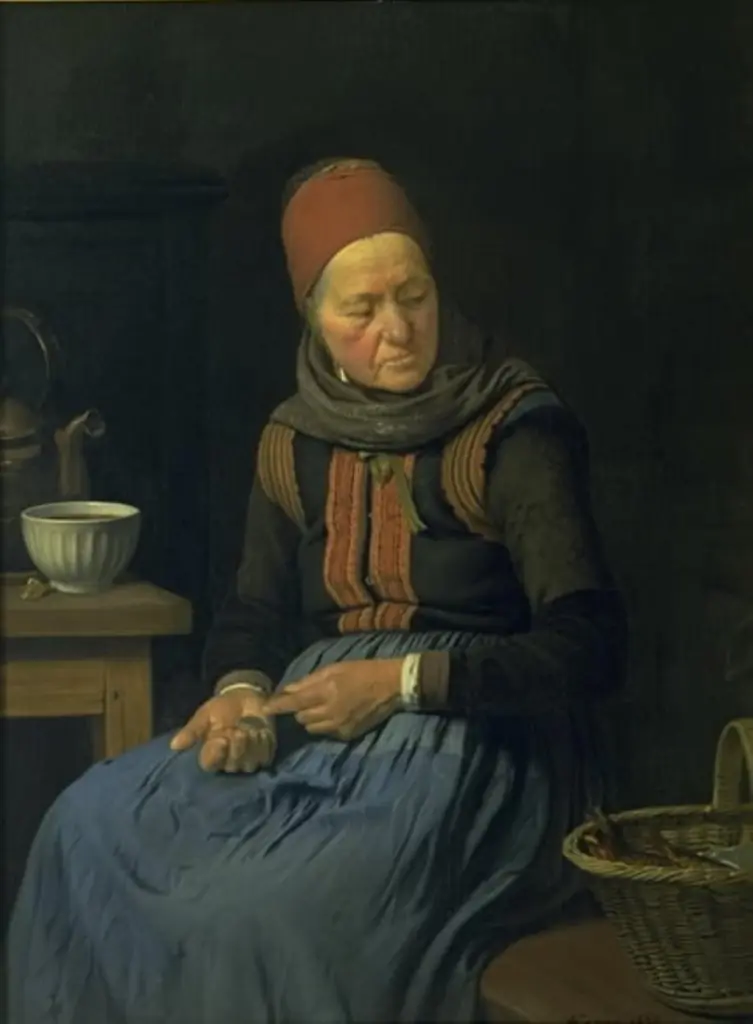
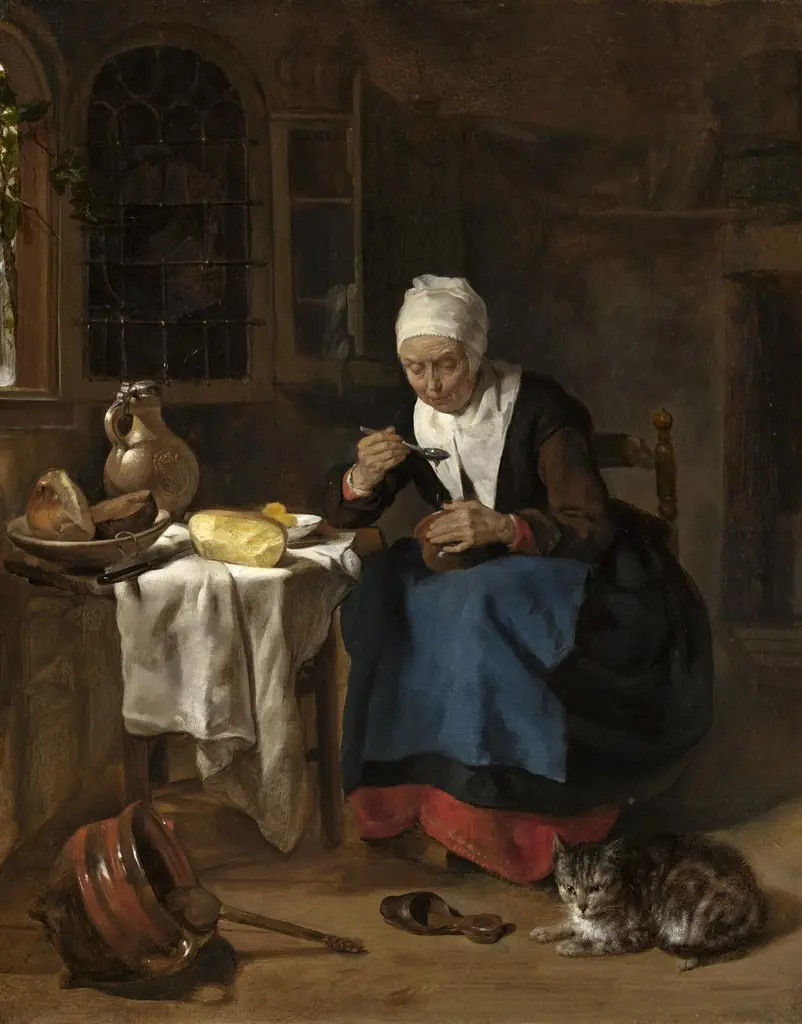
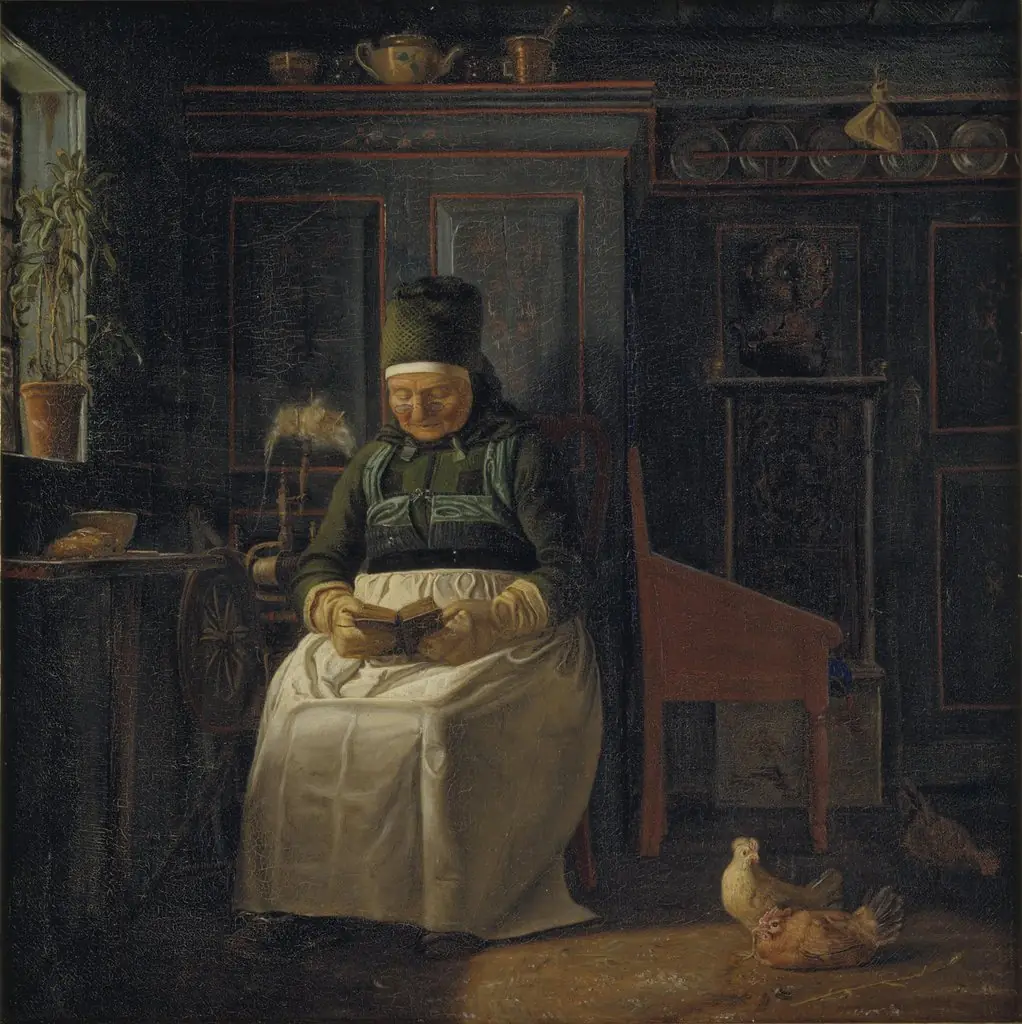
Christmas Morning in a Farmhouse is a photography by Unknown. It dates from 1850 and is held in the collection of the Statens Museum for Kunst. Created around 1850, this image depicts a quiet interior scene in a rural farmhouse on Christmas morning.
About this work
Overview
The work is attributed to an artist identified as 427_person and is currently held in the collection of the Museum of Ethnography.
Created around 1850, this image depicts a quiet interior scene in a rural farmhouse on Christmas morning. The work is attributed to an artist identified as 427_person and is currently held in the collection of the Museum of Ethnography. Its intimate scale and unadorned subject reflect a focus on domestic life rather than ceremonial celebration, capturing a solitary moment of stillness amid routine surroundings.
Subject & Meaning
An elderly figure, wrapped in a white shawl and dressed in a green gown with a dark cap, sits near a window, holding a small book or sheet of paper. A chicken forages nearby, grounding the scene in the rhythms of farm life. The absence of festive decoration or other people suggests a private, contemplative observance—perhaps of faith, memory, or solitude—rather than communal festivity, emphasizing quiet endurance over celebration.
Technique & Style
Soft, directional light illuminates the figure’s face, contrasting with the dim interior walls and creating a gentle chiaroscuro effect. The rendering favors texture over detail: the weave of the shawl, the grain of wooden shelves, and the roughness of the floor are suggested rather than meticulously defined. This restrained approach enhances the sense of realism and emotional restraint, aligning with 19th-century genre traditions that valued authenticity over drama.
History & Provenance
The work entered the Museum of Ethnography’s collection as part of a broader effort to document everyday rural life in the mid-19th century. Its attribution to 427_person remains tentative, with no definitive records of the artist’s identity or the image’s original commission. Likely produced as a private study or domestic record, it was preserved for its ethnographic value rather than artistic fame.
Context
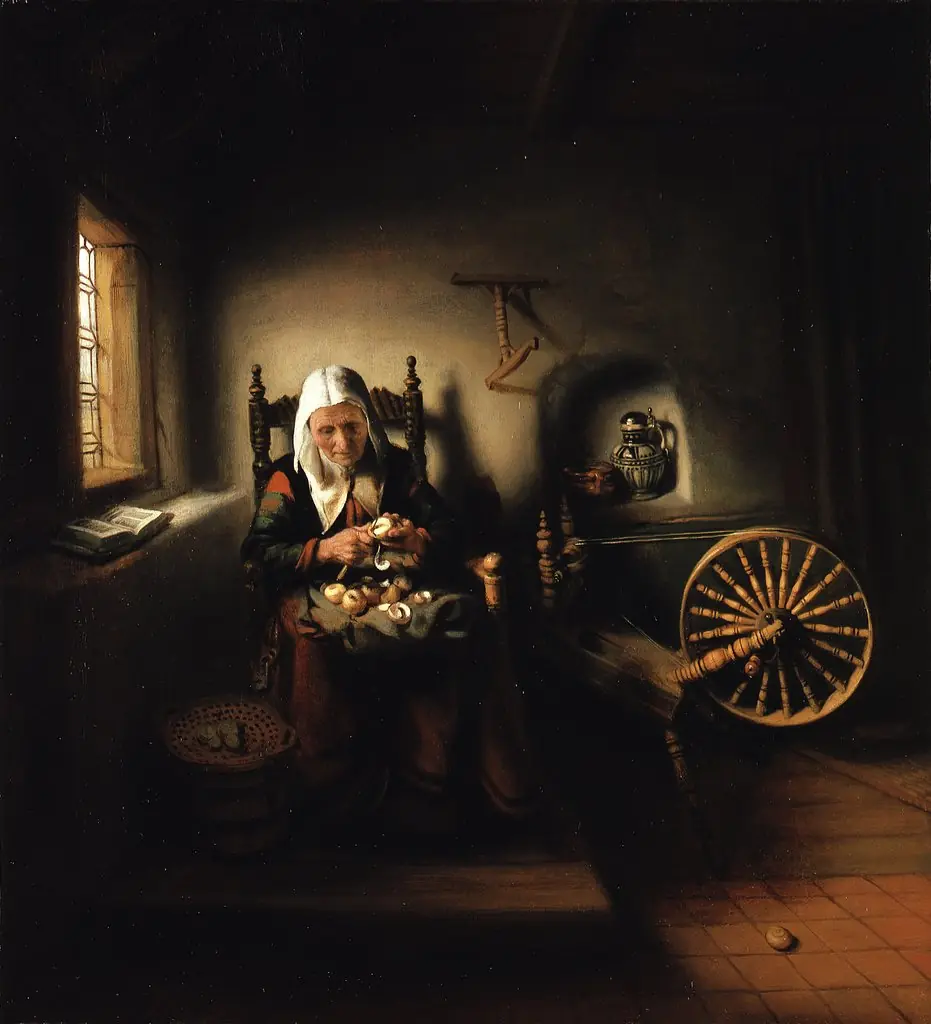
In the 1850s, rural American households often observed Christmas with modest rituals, centered on family, faith, and seasonal labor. The presence of a spinning wheel and stored ceramics points to self-sufficiency, while the potted plant hints at care for beauty amid hardship. This image aligns with a growing interest in documenting vernacular life, distinct from urban or elite narratives of the period.
Legacy
Though not widely exhibited or reproduced, the image contributes to scholarly understanding of domestic spirituality and gendered solitude in 19th-century rural communities. Its quiet composition has influenced later ethnographic photography and regionalist art that prioritizes unembellished observation. It remains a quiet testament to the dignity of ordinary moments in a time of rapid social change.
Artist & collection

 Domestic Scene
 Giacomo and Cardinal Marco, investing Andrea, Abbot of San Zeno, with his Benefice
 The Nymph of Fontainebleau
 Portrait of a Woman
 Madonna and Child with Saints in the Enclosed Garden
 Venus and Minerva
 Family Group of Four on Sofa
 Wall painting from Room H of the Villa of P. Fannius Synistor at Boscoreale