Artwork
Sleeping old lady with a bible on her lap
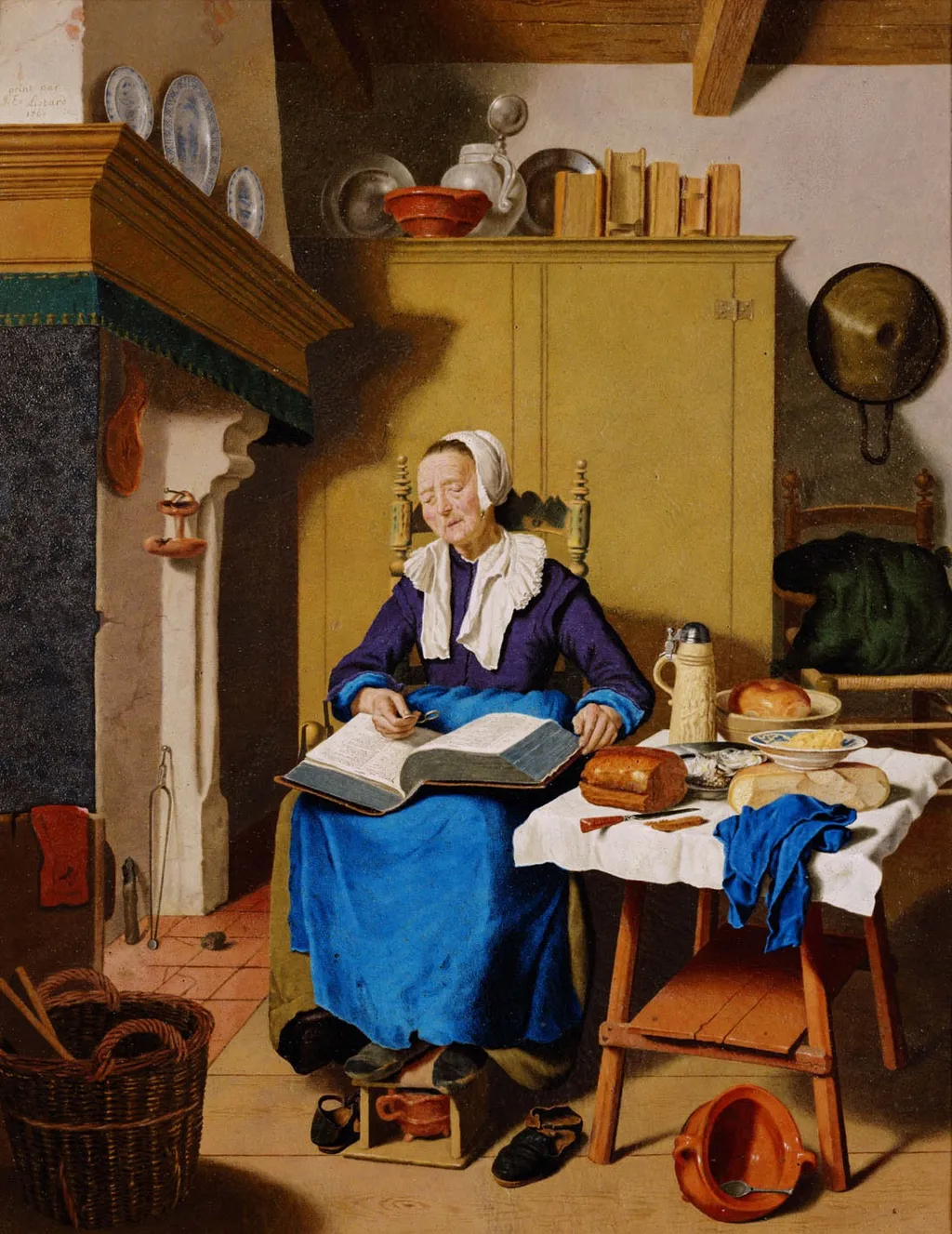
Sleeping old lady with a bible on her lap is an oil painting by the Rococo painting artist Jean-Étienne Liotard. It dates from 1760 and is held in the collection of the Kunsthistorisches Museum.
About this work
Overview
Painted in 1760 on a copper support, this small-scale work by Jean-Étienne Liotard captures a moment of stillness in an ordinary domestic setting. Executed with precision, the painting reflects the artist’s broader interest in quiet, unidealized human moments. Its material choice—copper—enabled fine detail and a smooth, luminous surface, distinguishing it from canvas-based works of the period.
Subject & Meaning
The Bible, though present, is not open, inviting interpretation of spiritual quietude over doctrinal display.
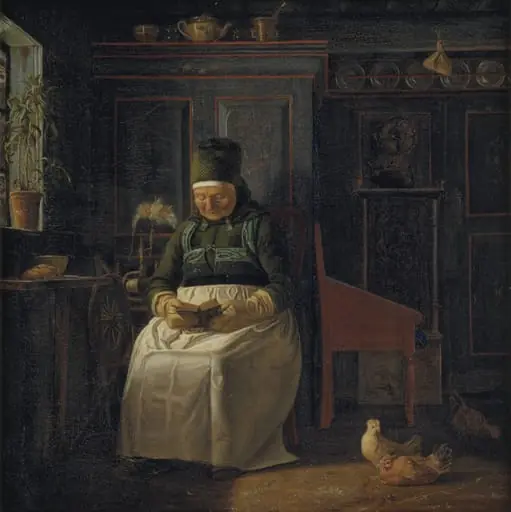
An elderly woman, dressed in simple garments and barefoot, rests with a closed Bible on her lap. The scene suggests contemplation rather than active reading, emphasizing solitude and inner reflection. Surrounding objects—a basket, bread, teapot, and worn shelves—hint at a life of modest routine. The Bible, though present, is not open, inviting interpretation of spiritual quietude over doctrinal display.
Technique & Style
Liotard rendered the figure with meticulous brushwork, exploiting copper’s smooth surface to achieve sharp definition in the woman’s face and hands. Light falls deliberately, creating strong chiaroscuro that isolates her form against a dim, textured background. The warm, directional glow enhances tactile realism, while the cluttered interior is rendered without sentimentality, reinforcing the painting’s unembellished tone.
History & Provenance
The painting entered the Kunsthistorisches Museum’s collection in Vienna, where it remains today. Liotard, a cosmopolitan artist who traveled extensively across Europe and the Ottoman Empire, produced this work during a phase focused on intimate portraiture. Its survival in good condition reflects its early recognition as a refined example of his genre work, though it was never widely exhibited in his lifetime.
Context
Created during the Rococo era, the painting diverges from the period’s ornamental excess by embracing restraint. While contemporaries favored grand narratives or aristocratic elegance, Liotard turned to humble subjects, influenced by Dutch genre painting and Enlightenment ideals of authenticity. His choice of copper, uncommon for such scenes, underscores his technical experimentation and commitment to detail.
Legacy
Though not widely known outside specialist circles, the painting exemplifies Liotard’s unique position between portraiture and genre painting. His use of copper and focus on quiet, unadorned moments influenced later realist traditions. The work endures as a quiet testament to the dignity of ordinary life, valued for its restraint rather than its spectacle.
Artist & collection
Artist
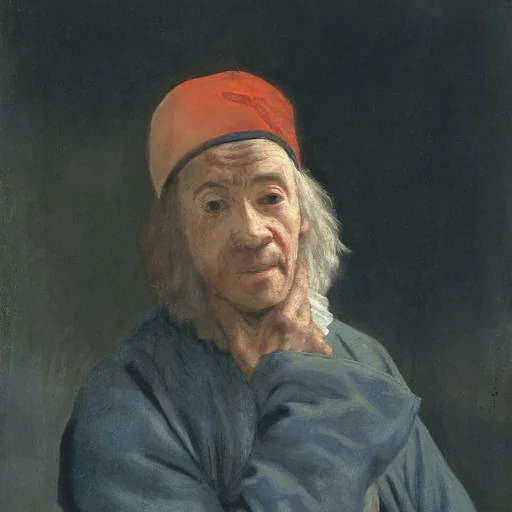
Jean-Étienne Liotard (French pronunciation: ; 22 December 1702 – 12 June 1789) was a Genevan painter, pastellist, printmaker, art theorist and art dealer.

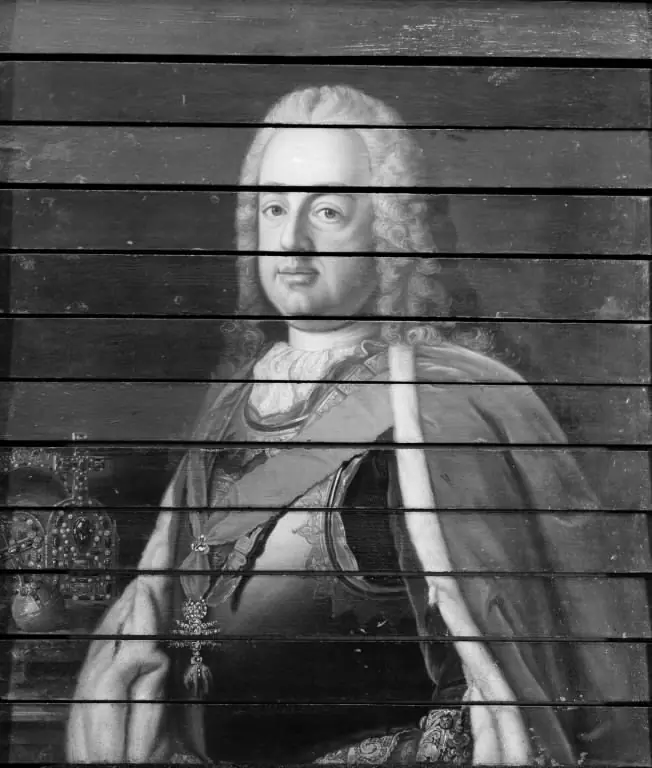 Emperor Franz I, Empress Maria Theresa and Their Son Archduke Joseph
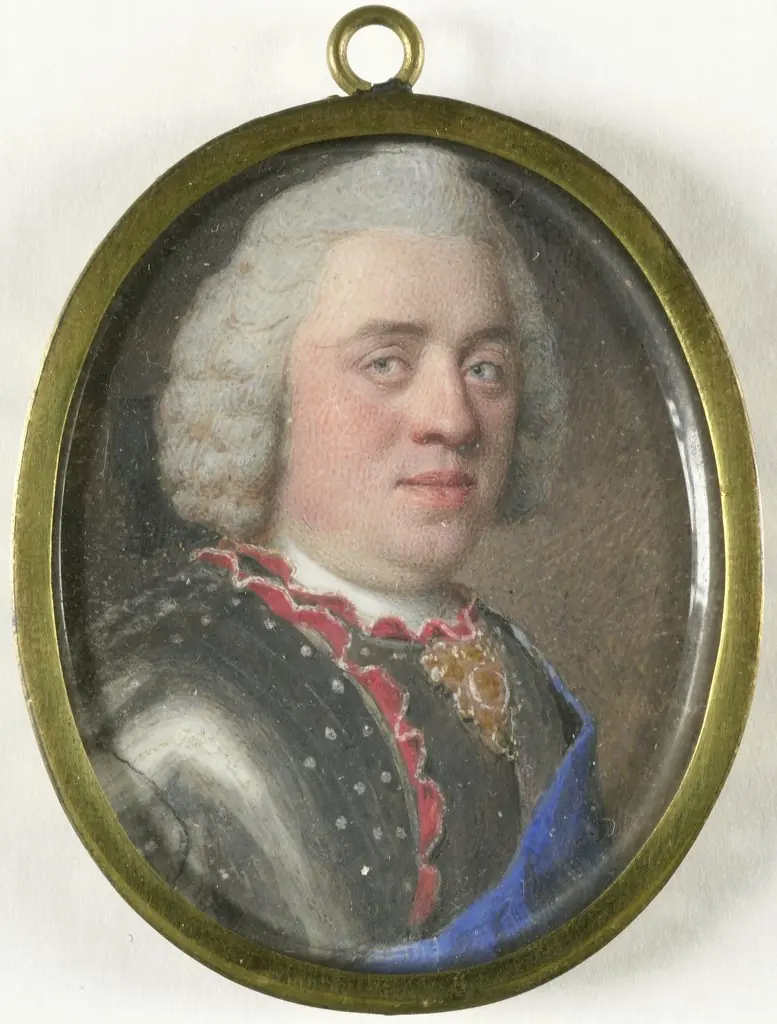 Portrait of Willem IV van Oranje- Nassau (1711-1751)
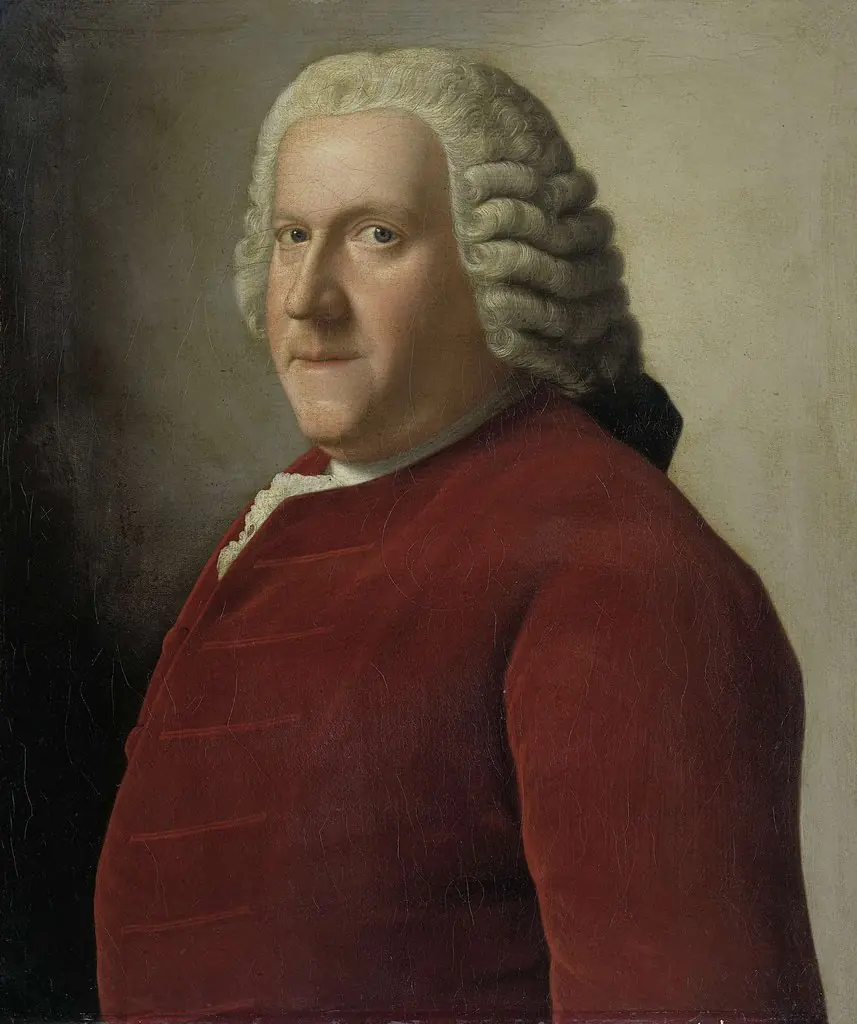 Portrait of Willem Bentinck van Rhoon (1704-1774)
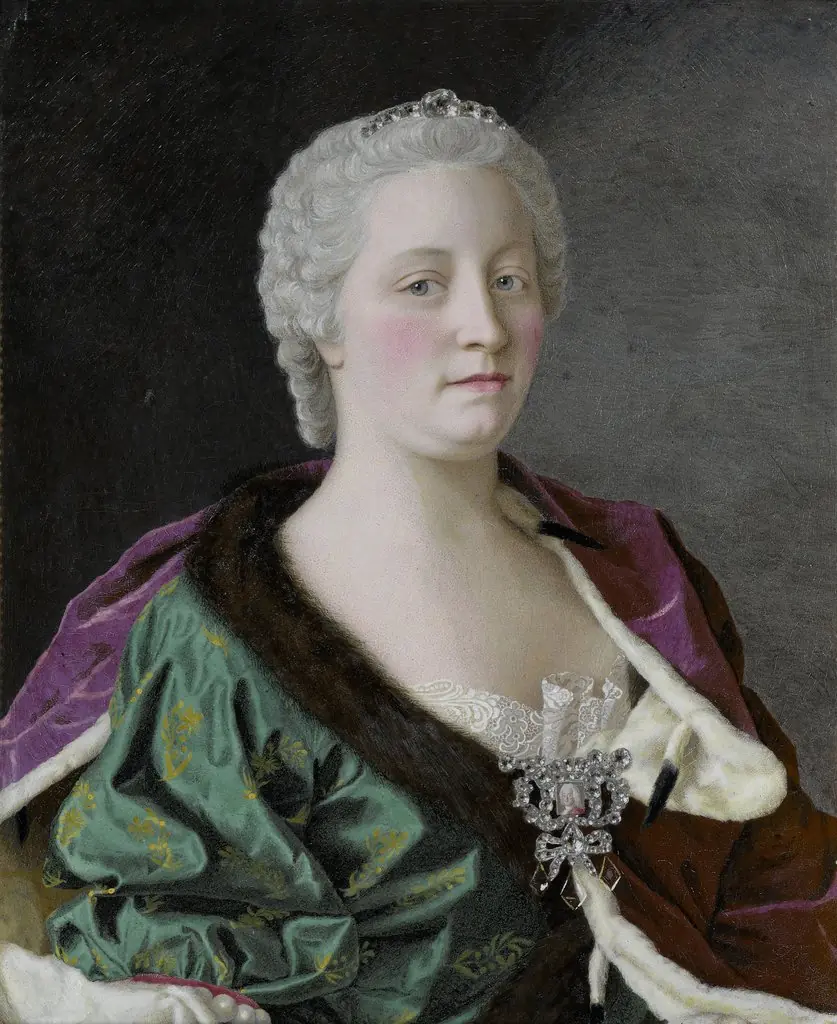 Maria Theresa, Archduchess of Austria, Queen of Hungary and Bohemia, and Holy Roman Empress
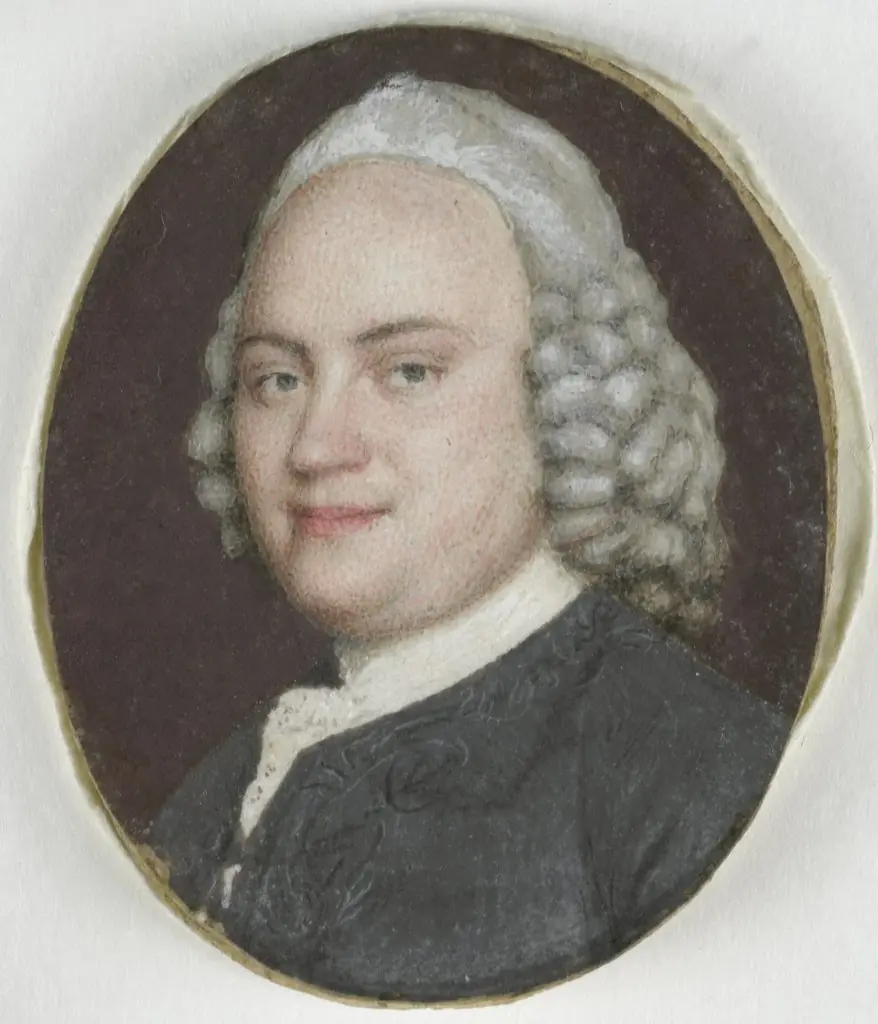 Portret van Pieter van Bleiswijk (1724-90), raadpensionaris van Holland
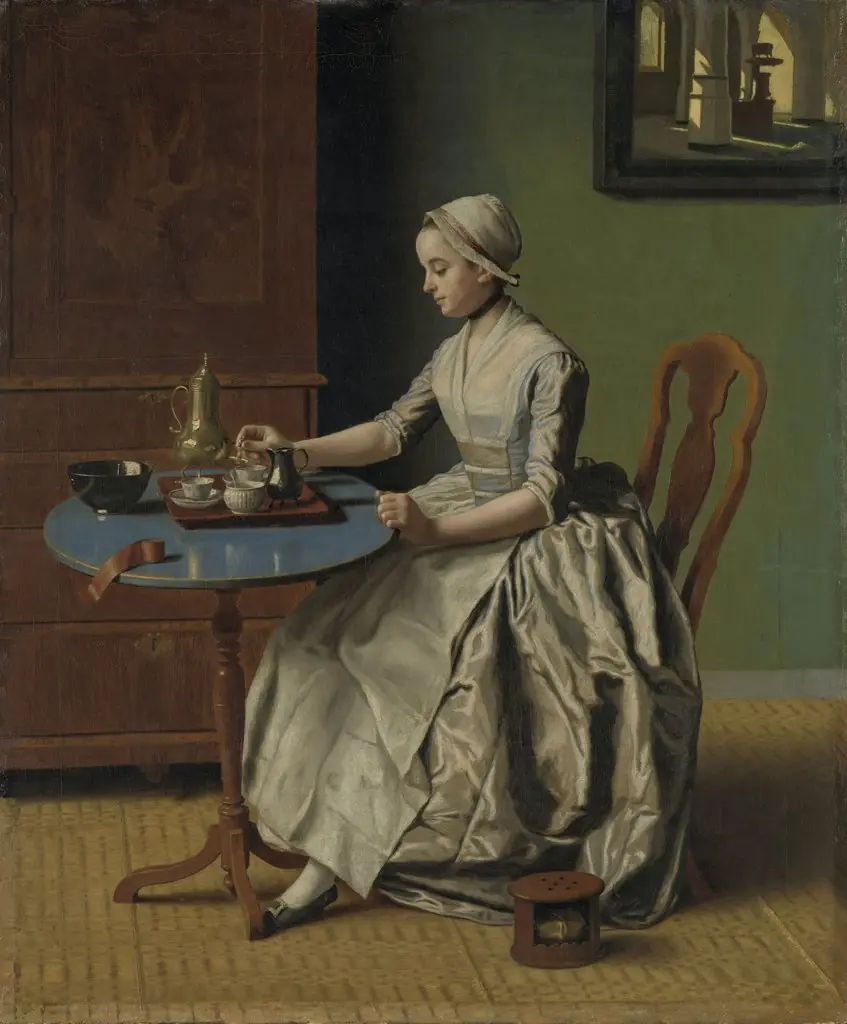 A Dutch Girl at Breakfast
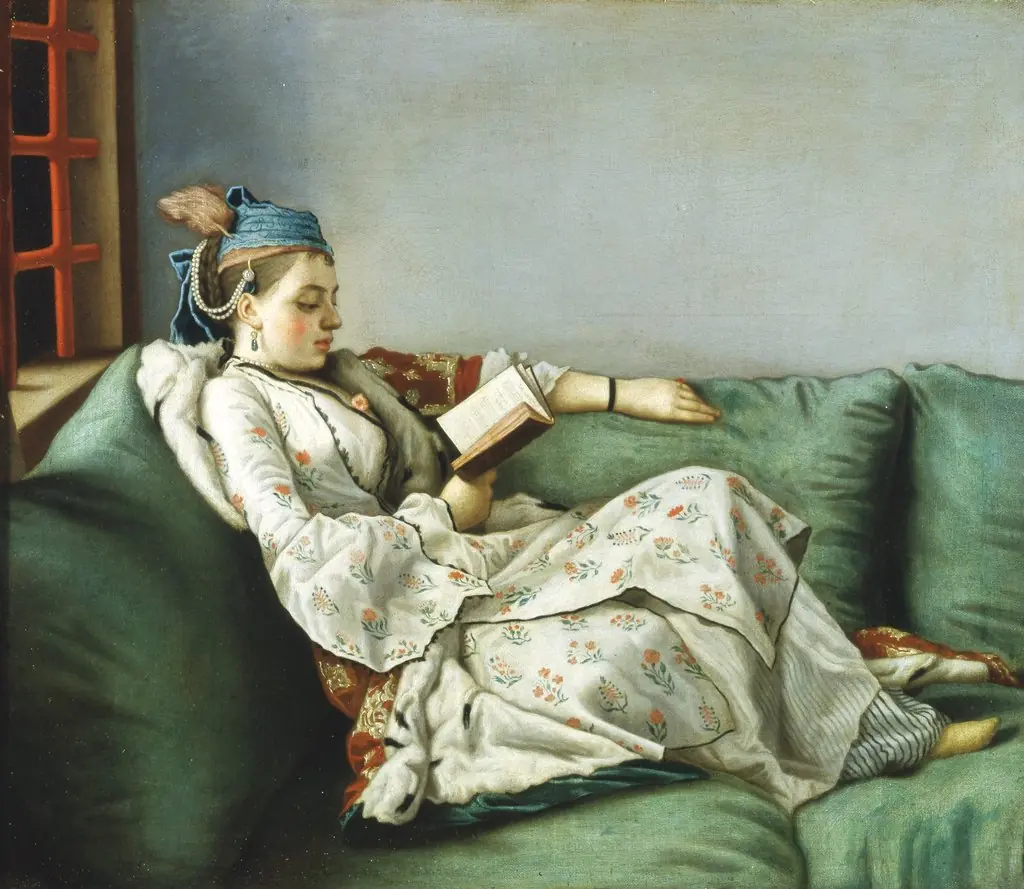 Portrait of Maria Adelaide of France in Turkish-style clothes
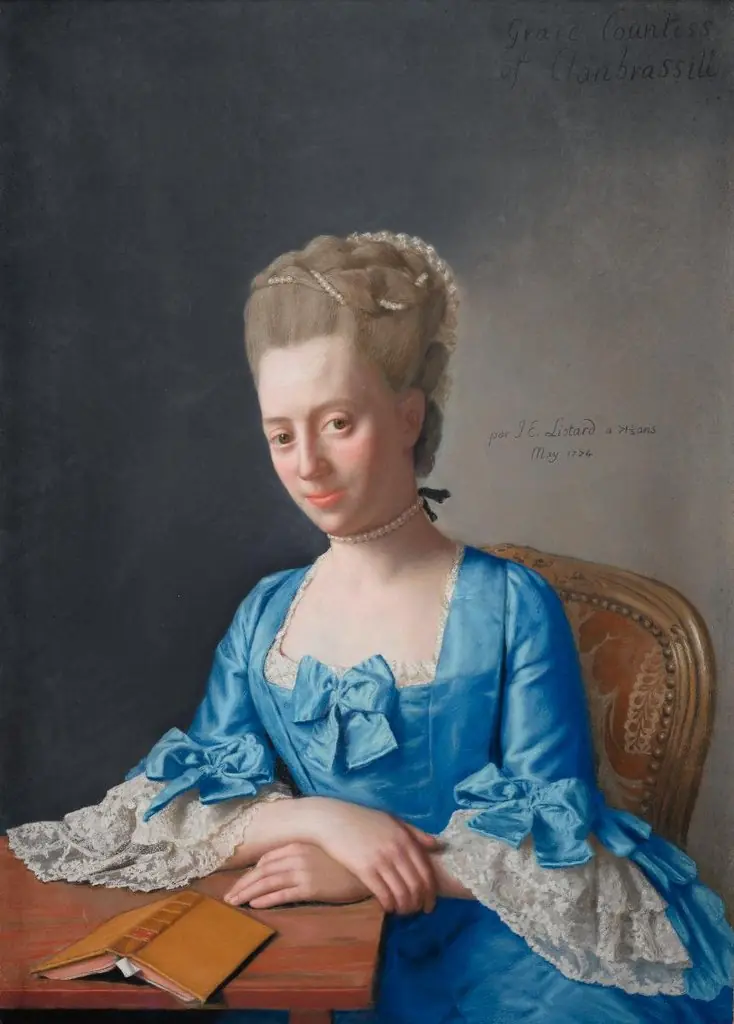 Grace, Countess of Clanbrassil