Artwork
Skovrigt landskab
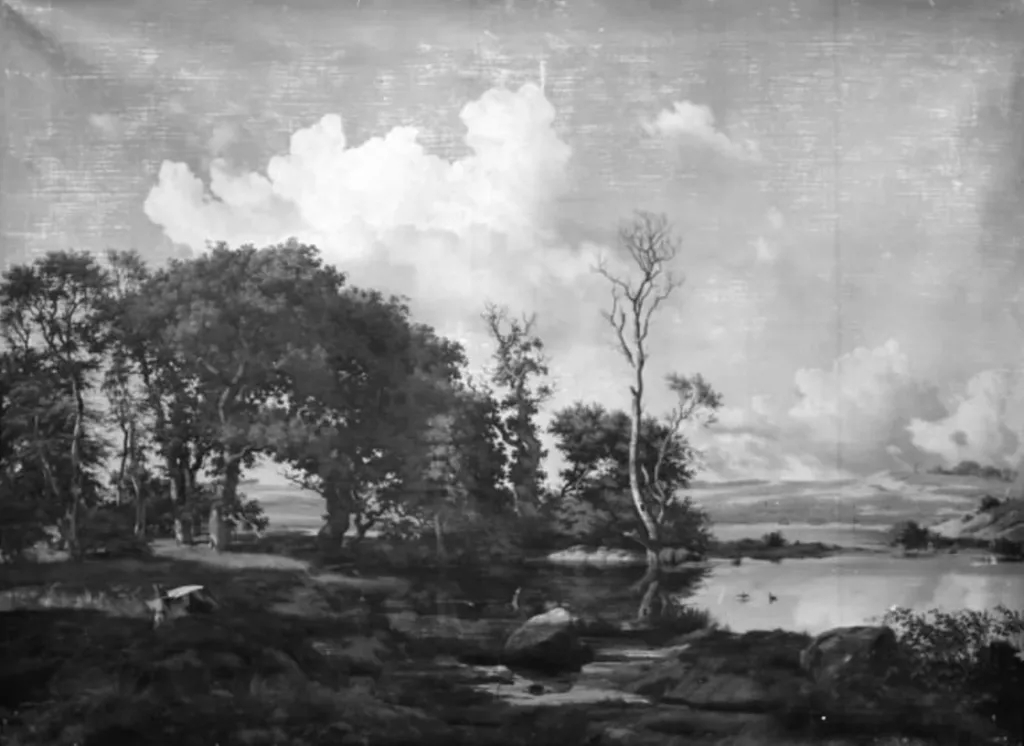
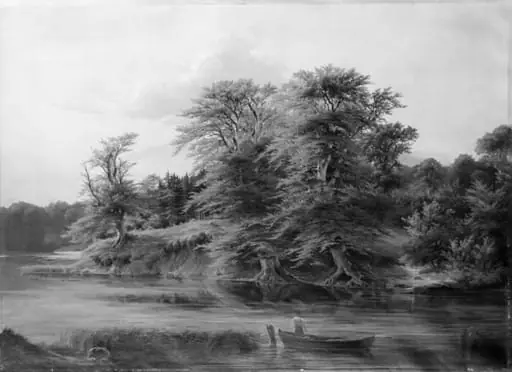
Skovrigt landskab is a photography by the Romanticist artist Unknown. It dates from 1839 and is held in the collection of the Statens Museum for Kunst.
About this work
Overview
The work reflects early photographic attempts to emulate the aesthetic conventions of painted landscapes, particularly through its use of light and shadow.
Created in 1839, Skovrigt landskab is a black-and-white photographic image depicting a tranquil forest scene. It resides in the collection of the Museum of Ethnography. The composition emphasizes natural quietude, rendered through subtle tonal gradations that suggest depth without sharp outlines. The work reflects early photographic attempts to emulate the aesthetic conventions of painted landscapes, particularly through its use of light and shadow.
Subject & Meaning
The scene portrays a quiet woodland with dense foliage, a winding stream, and a solitary bare tree on a distant hill. A faint path meanders through the trees, suggesting human presence without figures. The contrast between the leafy trees and the barren one may imply seasonal change or solitude. The absence of people invites contemplation of nature’s stillness, aligning with 19th-century Romantic sensibilities toward the natural world.
Technique & Style
The image employs soft, blended shading to model forms, avoiding harsh contrasts in favor of gradual transitions between light and dark. This technique, reminiscent of chiaroscuro in painting, lends the photograph a painterly quality. Early photographers often adopted such methods to elevate their medium’s status, aligning it with established artistic traditions rather than documenting reality mechanically.
History & Provenance
The photograph was made in 1839, among the earliest years of practical photography. It entered the Museum of Ethnography’s collection shortly after its creation, likely as part of a broader effort to preserve visual records of Nordic landscapes. Its survival in good condition reflects careful handling and early recognition of its cultural value within Scandinavian visual archives.
Context
In the late 1830s, photography was emerging as a new medium, often used to capture landscapes as scientific or aesthetic records. In Denmark and neighboring regions, such images served both documentary and romantic purposes, reflecting a growing interest in national identity and natural heritage. Skovrigt landskab fits within this trend, bridging the gap between scientific observation and artistic expression.
Legacy
The work stands as an early example of photography’s transition from technical novelty to artistic practice. Its deliberate composition and tonal control influenced later Nordic photographers seeking to convey mood through light and form. Though not widely exhibited, it remains a quiet reference point in the history of Scandinavian photographic art.
Artist & collection

 Domestic Scene
 Giacomo and Cardinal Marco, investing Andrea, Abbot of San Zeno, with his Benefice
 The Nymph of Fontainebleau
 Portrait of a Woman
 Madonna and Child with Saints in the Enclosed Garden
 Venus and Minerva
 Family Group of Four on Sofa
 Wall painting from Room H of the Villa of P. Fannius Synistor at Boscoreale
 Skovlandskab. Nordsjælland
 Skovlandskab. Nordsjælland
 Landscape with oak trees
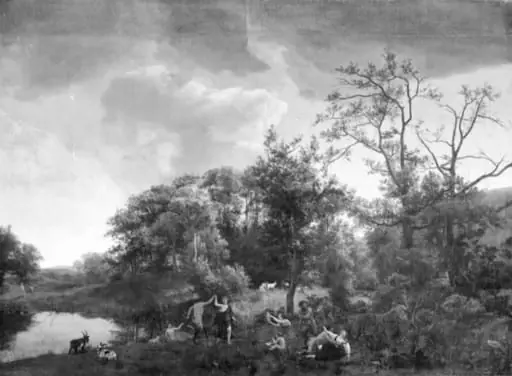 Landscape with Fauns and Nymphs
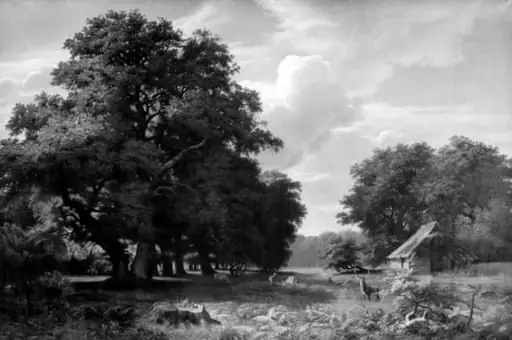 Landskab fra Frijsenborg Dyrehave. Bygevejrsdag
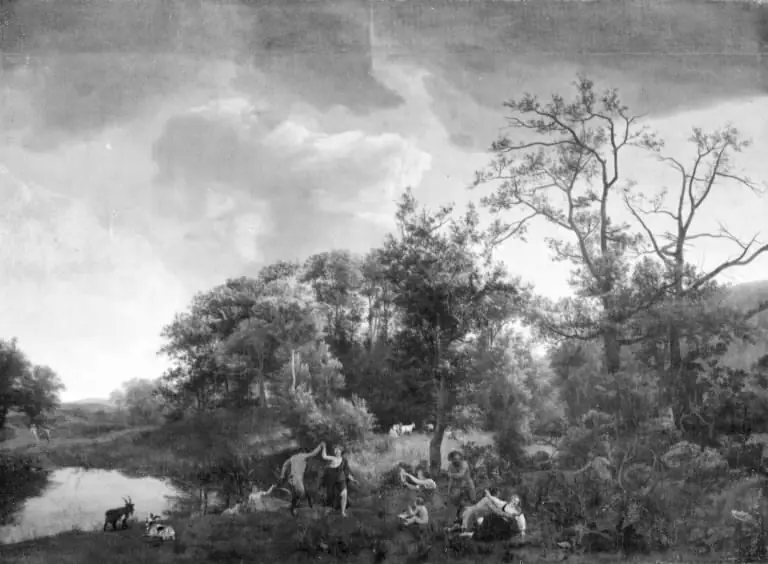 Landscape with Fauns and Nymphs
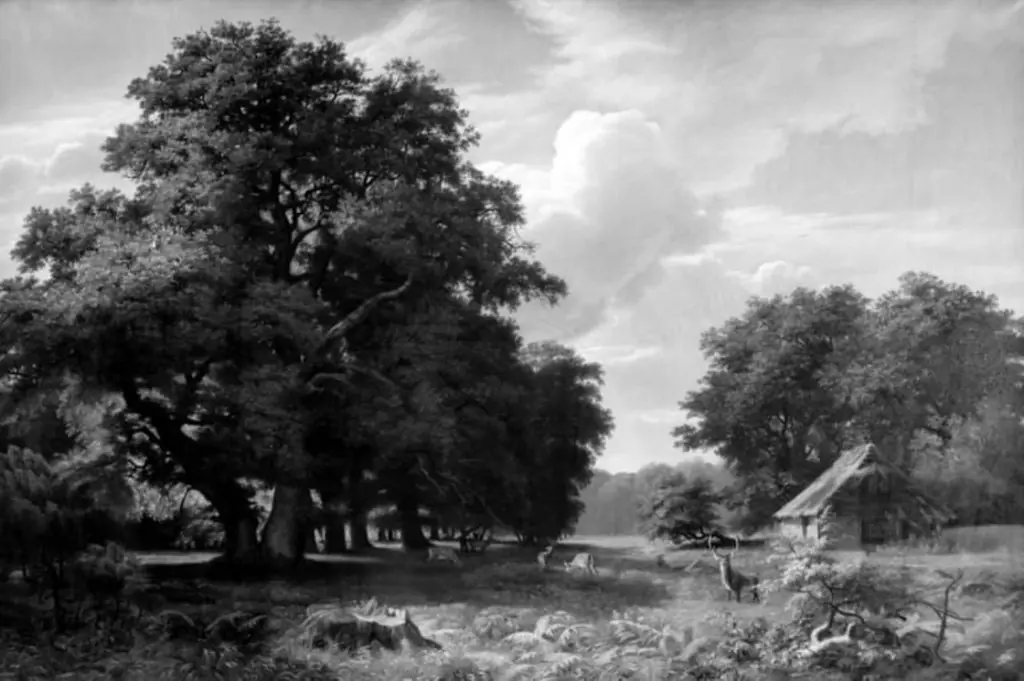 Landskab fra Frijsenborg Dyrehave. Bygevejrsdag
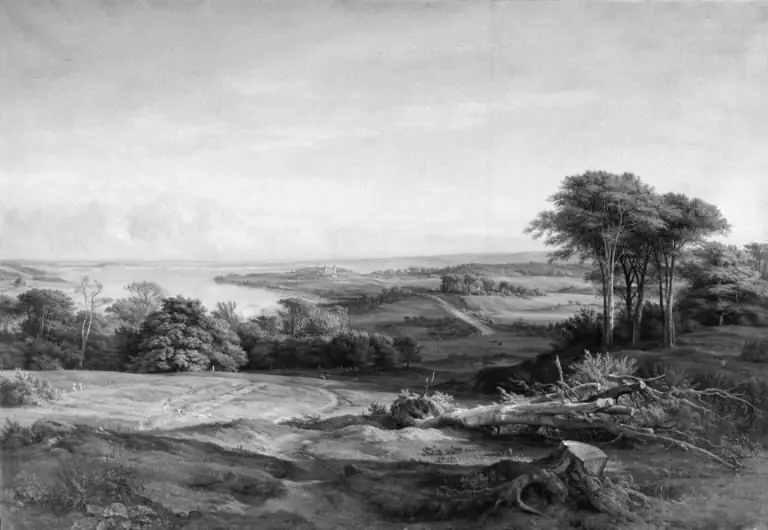 Udsigt over Skanderborg fra Edelsborgmark
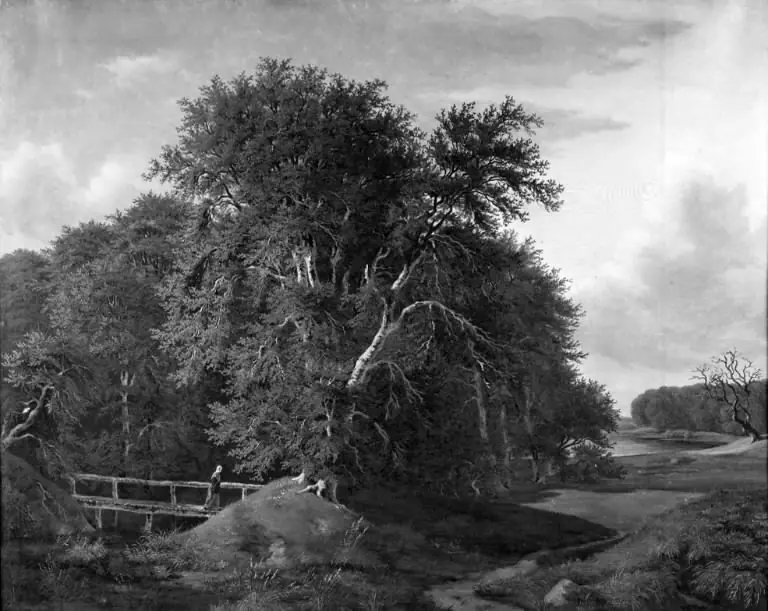 En skovegn
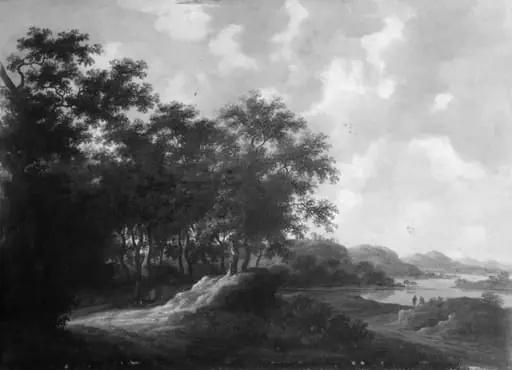 Wooded Landscape with a River
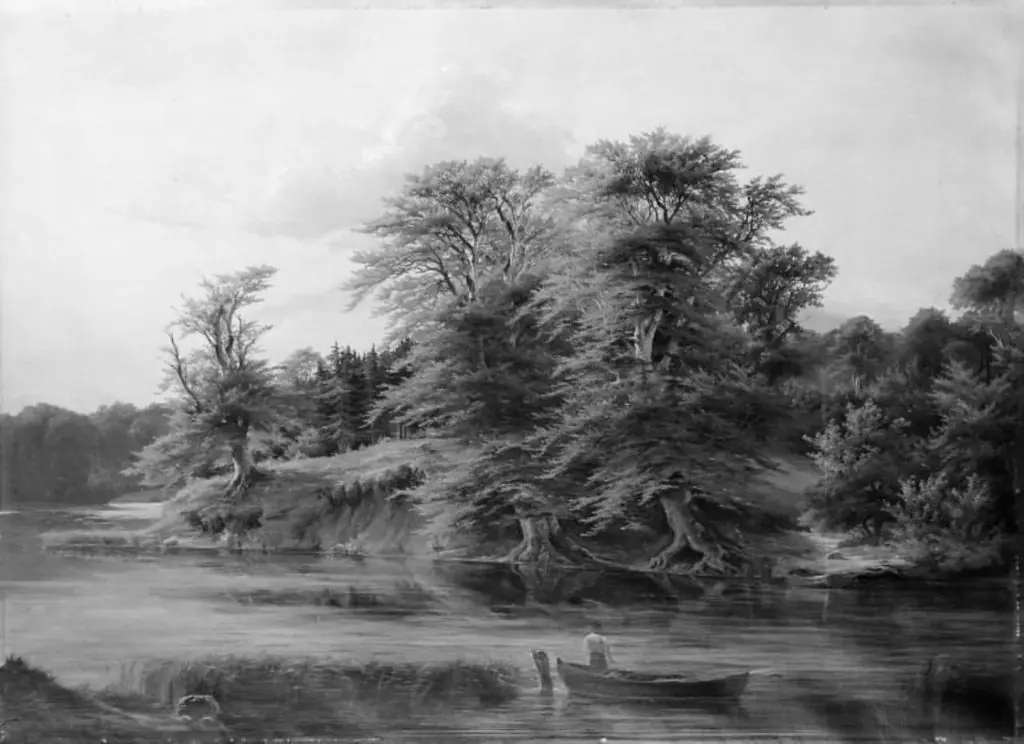 Parti ved Hammermøllen
 Parti ved Hammermøllen