Artwork
Skovlandskab. Nordsjælland
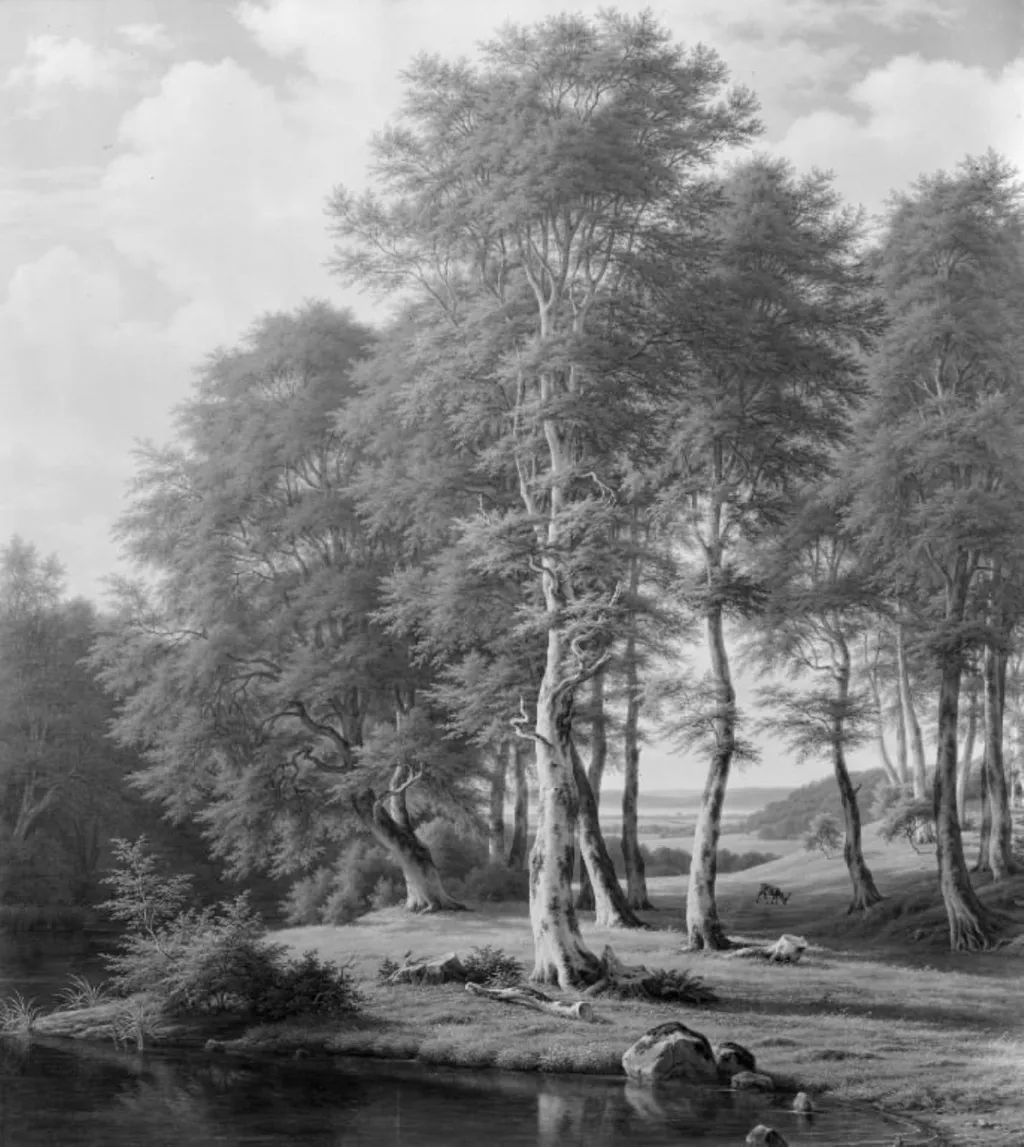
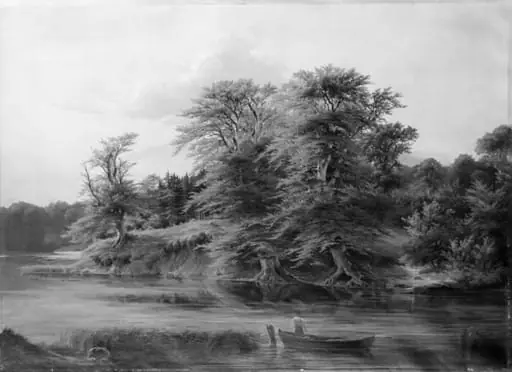
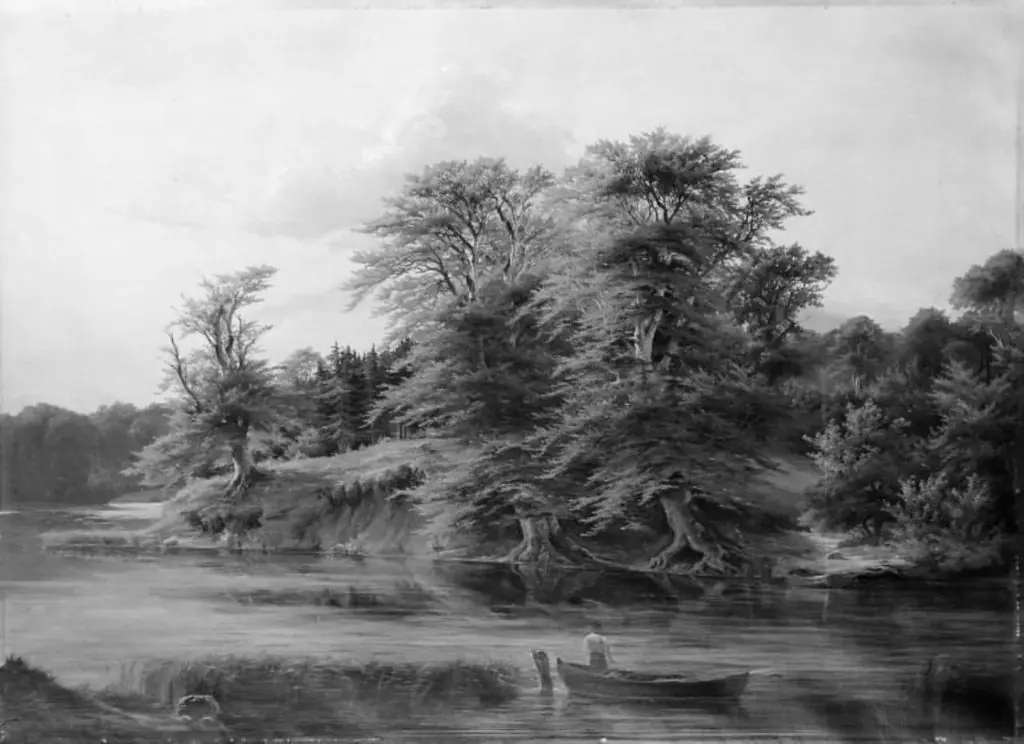
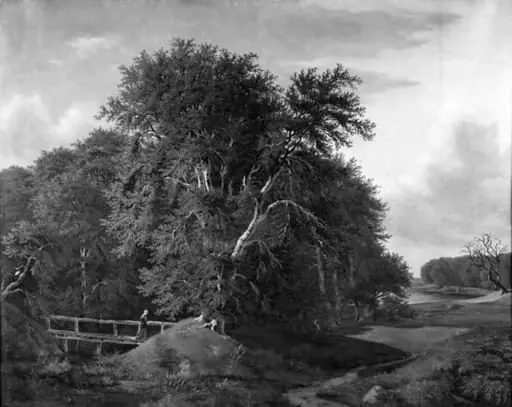
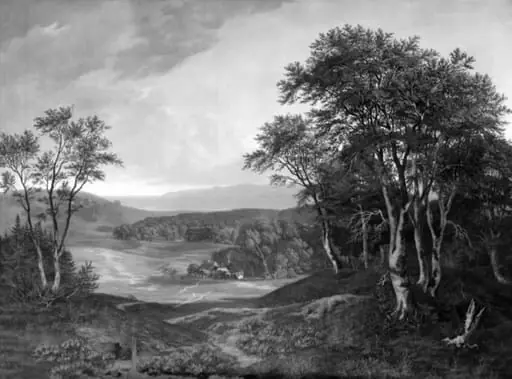
Skovlandskab. Nordsjælland is an oil painting by the Impressionist artist F.C. Kiærskou. It dates from 1871 and is held in the collection of the Statens Museum for Kunst. Painted in 1871 by F.
About this work
Overview
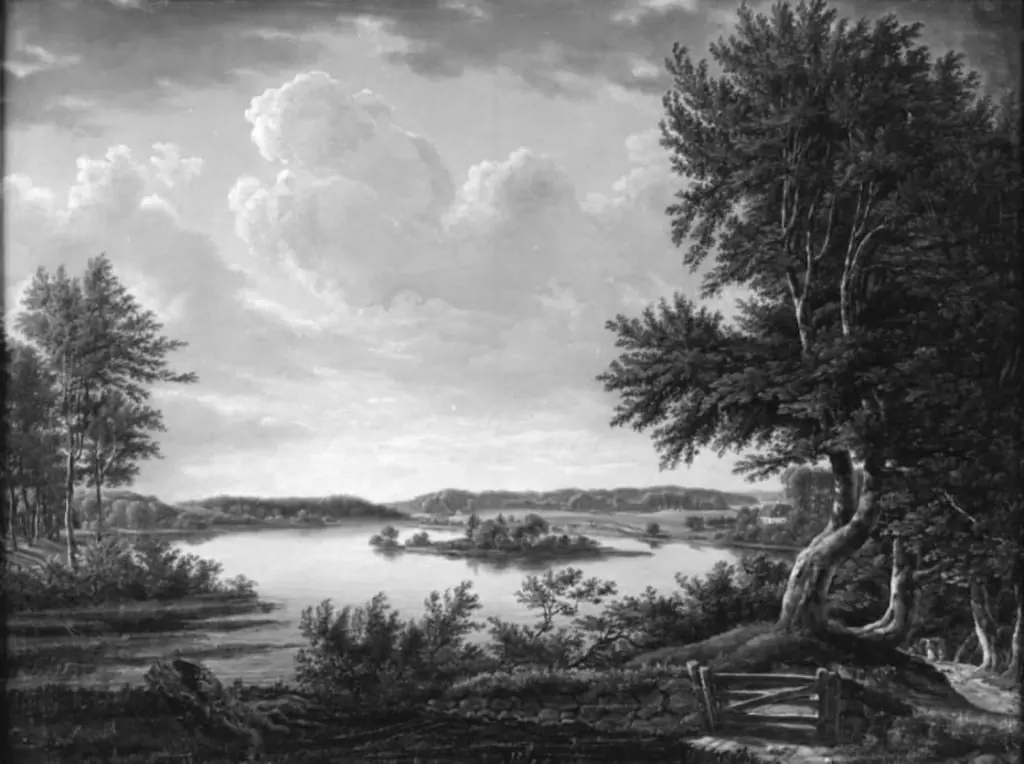
Its composition centers on a modest clearing surrounded by mature trees, rendered with attention to natural detail and atmospheric stillness.
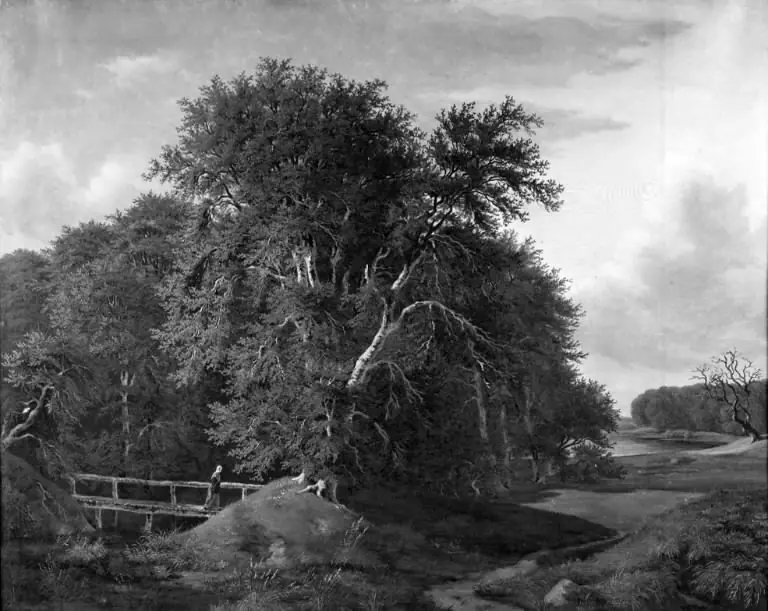
Painted in 1871 by F.C. Kiærskou, Skovlandskab. Nordsjælland is an oil-on-canvas landscape depicting a quiet woodland in northern Zealand, Denmark. The work resides in the collection of Statens Museum for Kunst. Its composition centers on a modest clearing surrounded by mature trees, rendered with attention to natural detail and atmospheric stillness. The painting reflects the artist’s commitment to observing and recording the Danish countryside with quiet precision.
Subject & Meaning
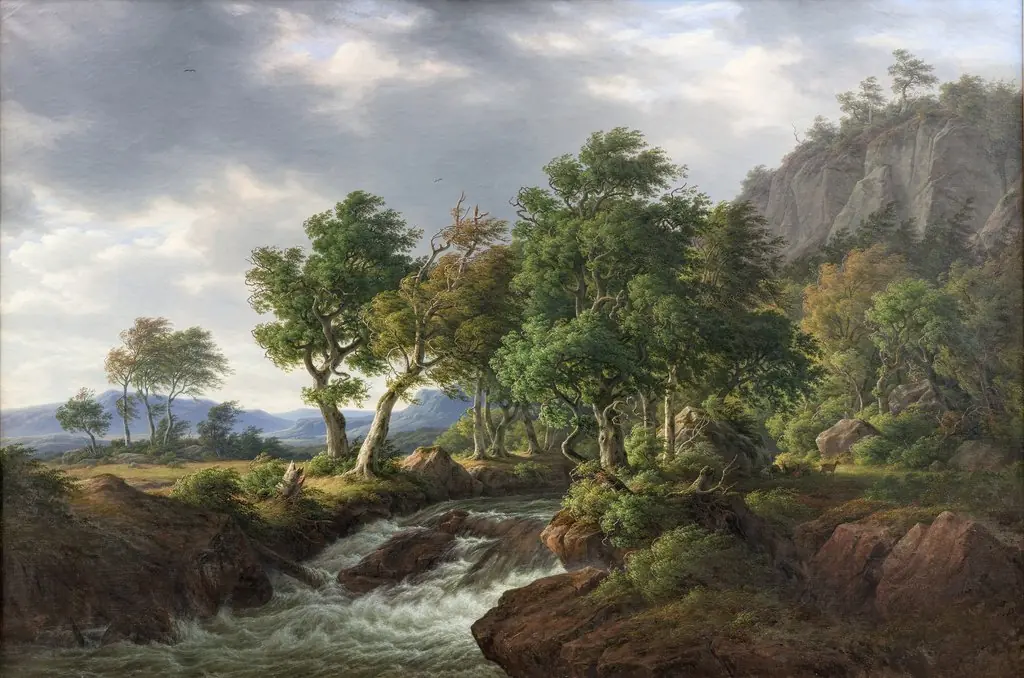
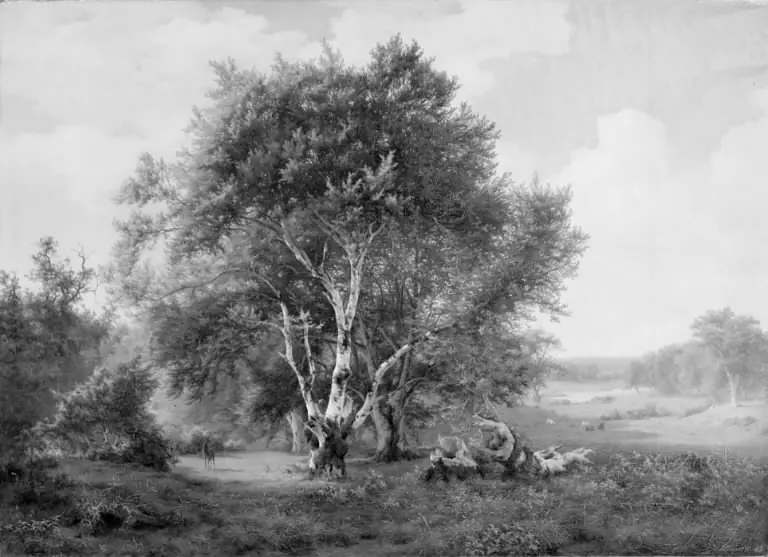
The scene portrays an unremarkable yet intimate stretch of forest, free from human figures or overt narrative. A cluster of gnarled trees and scattered stones anchors the foreground, while a soft slope recedes into a hazy distance. The absence of drama or symbolism suggests a contemplative reverence for nature’s quiet rhythms. The painting invites stillness, not as an idealized vision, but as an observed truth of the Danish woodland.
Technique & Style
Kiærskou employs a restrained palette of muted greens, browns, and grays to convey the forest’s subdued tones. Brushwork is deliberate but not overly textured, favoring smooth transitions between light and shadow. The handling of light suggests subtle chiaroscuro, guiding the eye from the foreground clearing toward the hazy horizon. The technique avoids romantic exaggeration, instead emphasizing observational accuracy and tonal harmony.
History & Provenance
Completed in 1871, the painting entered the collection of Statens Museum for Kunst shortly after its creation. It remained within Danish institutional hands, reflecting its recognition as a representative work of 19th-century Danish landscape painting. No significant alterations or reattributions are documented, and its provenance remains consistent with the artist’s known output and the museum’s acquisition patterns of the period.
Context
Created during a period when Danish artists were turning toward native landscapes as subjects of serious study, the painting aligns with the national movement to document the countryside with sincerity. Kiærskou, like contemporaries such as Krøyer and Hammershøi, sought to capture the quiet dignity of Denmark’s natural environment, moving away from imported romanticism toward a more grounded, local aesthetic.
Legacy
Skovlandskab. Nordsjælland endures as a quiet example of Danish naturalism, valued for its unembellished observation rather than dramatic impact. It contributes to the broader understanding of how 19th-century Danish painters cultivated a visual language rooted in local terrain. While not widely reproduced, it remains a reference point in studies of Scandinavian landscape tradition and the evolution of plein air sensibility in Denmark.
Own this work as a print
Artist & collection