Artwork
The Ship Wreck
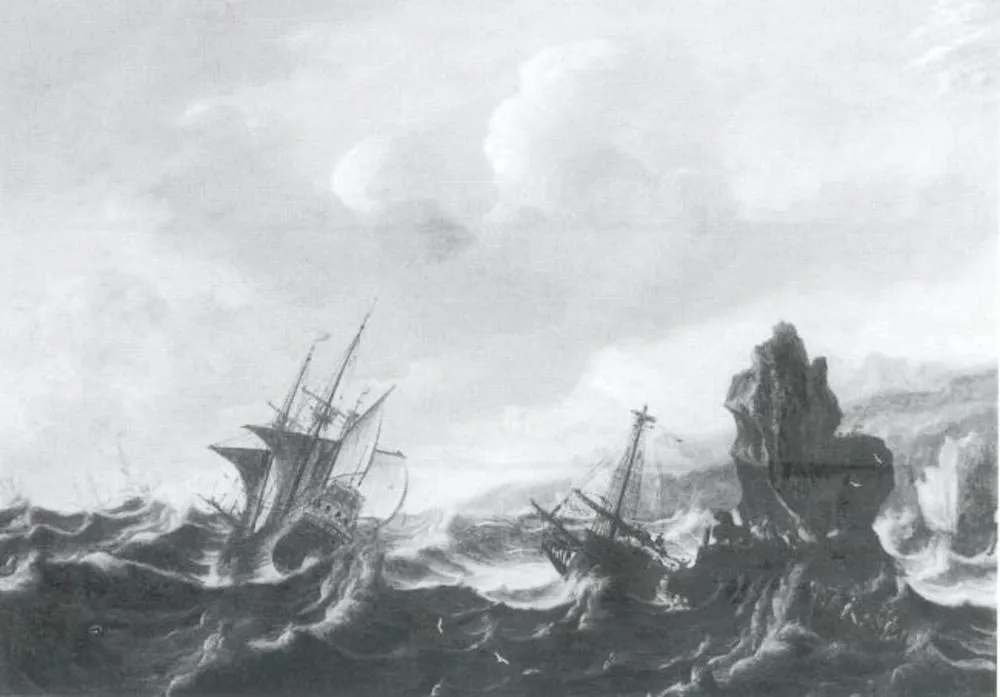
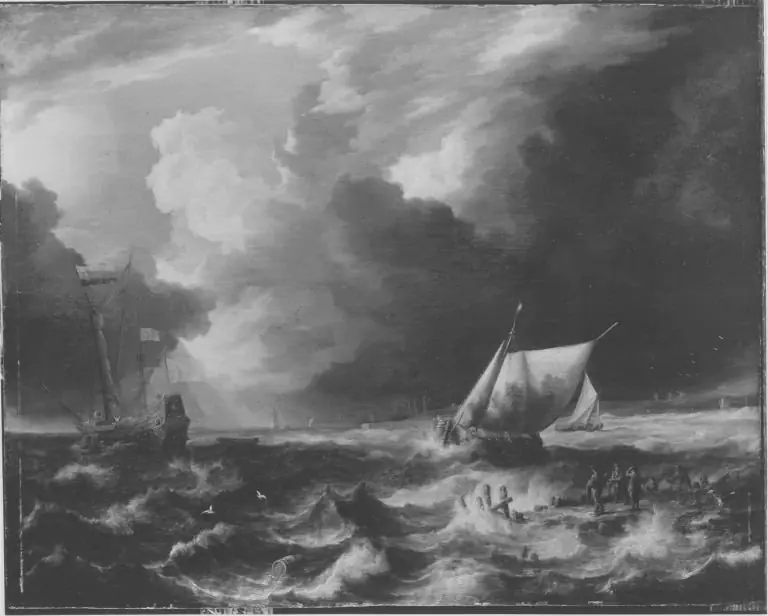
The Ship Wreck is an oil painting by the Dutch Golden Age artist Pieter Coopse. It dates from 1664 and is held in the collection of the Nationalmuseum. Painted in 1664 by Pieter Coops, a Dutch artist from Hoorn, this oil-on-canvas work depicts a violent maritime disaster.
About this work
Overview
The painting belongs to the Dutch Golden Age tradition, where marine themes reflected both national identity and the perils of seafaring life.
Painted in 1664 by Pieter Coops, a Dutch artist from Hoorn, this oil-on-canvas work depicts a violent maritime disaster. Coops, trained under Ludolf Bakhuizen, focused on seascapes that captured the power and unpredictability of the North Sea. The painting belongs to the Dutch Golden Age tradition, where marine themes reflected both national identity and the perils of seafaring life. It is now held in the Nationalmuseum’s collection.
Subject & Meaning
The scene portrays a vessel in its final moments, listing violently as waves overwhelm its hull. Broken spars, floating planks, and churning water suggest total disintegration. No figures are visible, emphasizing nature’s indifference to human endeavor. The absence of rescue or survival underscores a sobering theme: the fragility of human control against elemental forces, a common moral undertone in Dutch maritime art.
Technique & Style
Coops employs chiaroscuro to heighten the drama, contrasting the dark, turbulent sea with fleeting highlights on foam and broken wood. Brushwork is energetic, conveying the chaos of crashing waves and wind-tossed debris. The sky, heavy with clouds, recedes into muted grays, while the cliffs in the distance anchor the composition. The lack of human presence directs focus to the raw mechanics of the storm.
History & Provenance
Created during the height of Dutch maritime dominance, the painting entered the Nationalmuseum’s collection in the 19th century. Its attribution to Coops is supported by stylistic parallels with his other known works and documented ties to Bakhuizen’s workshop. While few of Coops’s paintings survive, this piece remains a representative example of his mature style and the broader genre of Dutch marine painting.
Context
In mid-17th-century Holland, maritime trade fueled national wealth but also brought frequent losses at sea. Paintings like this served not only as aesthetic records but also as reminders of risk and resilience. The genre flourished alongside cartography and naval science, reflecting a society deeply engaged with the ocean—both economically and emotionally.
Legacy
Coops’s work contributed to a tradition of marine painting that influenced later generations of Dutch and Flemish artists. Though less celebrated than contemporaries like Willem van de Velde, his focus on unidealized disaster helped shape a more visceral, less heroic portrayal of the sea. Today, the painting remains a quiet testament to the era’s preoccupation with nature’s supremacy.
Artist & collection
Artist
Pieter Coopse or Pieter Jansz. Coops (c. 1640–1673), was a Dutch Golden Age seascape painter and draughtsman from Hoorn in the Northern Netherlands. According to the RKD (Rijksbureau voor Kunsthistorische Documentatie,…

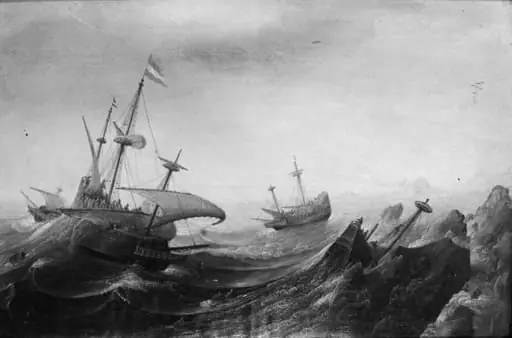 Shipwreck in Stormy Weather
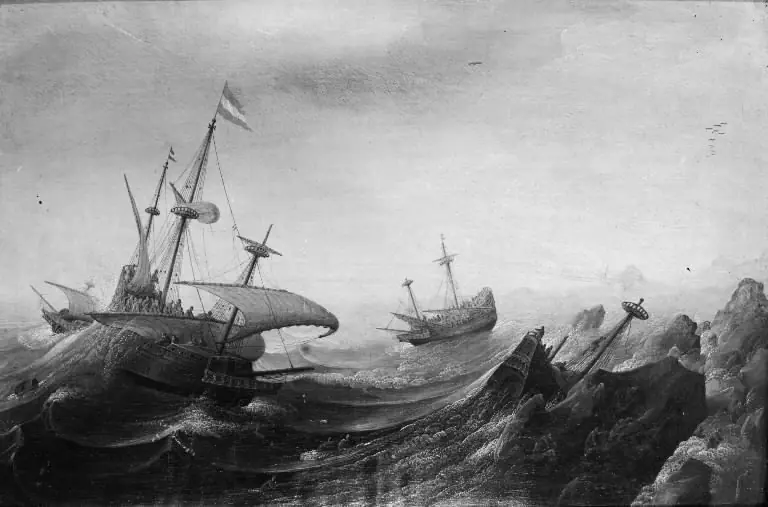 Shipwreck in Stormy Weather
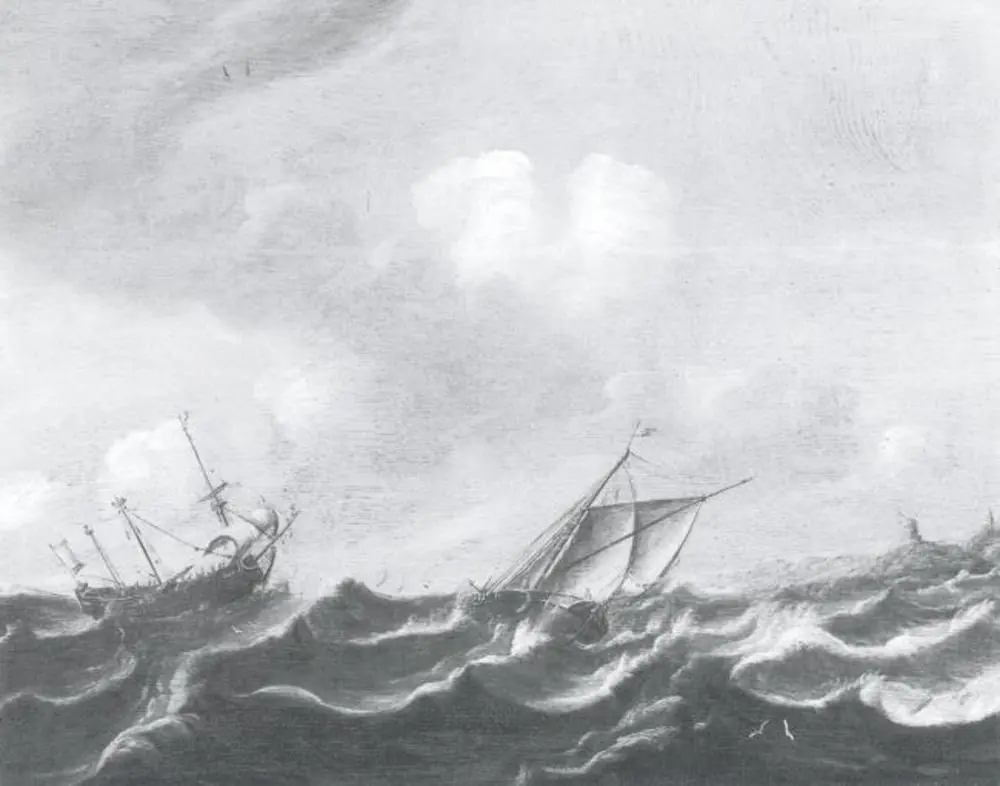 Ships in a Gale
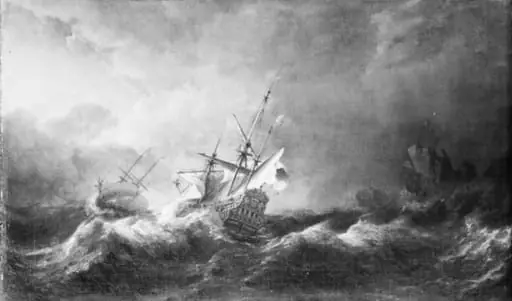 Dutch Men-of-War in a Storm off a Rocky Coast
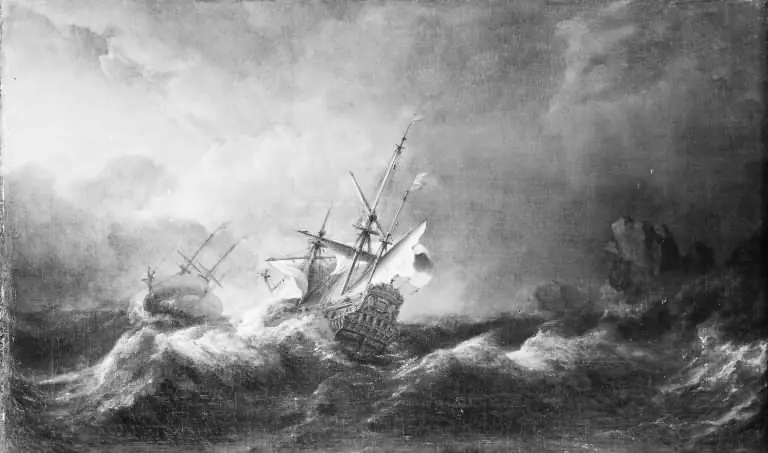 Dutch Men-of-War in a Storm off a Rocky Coast
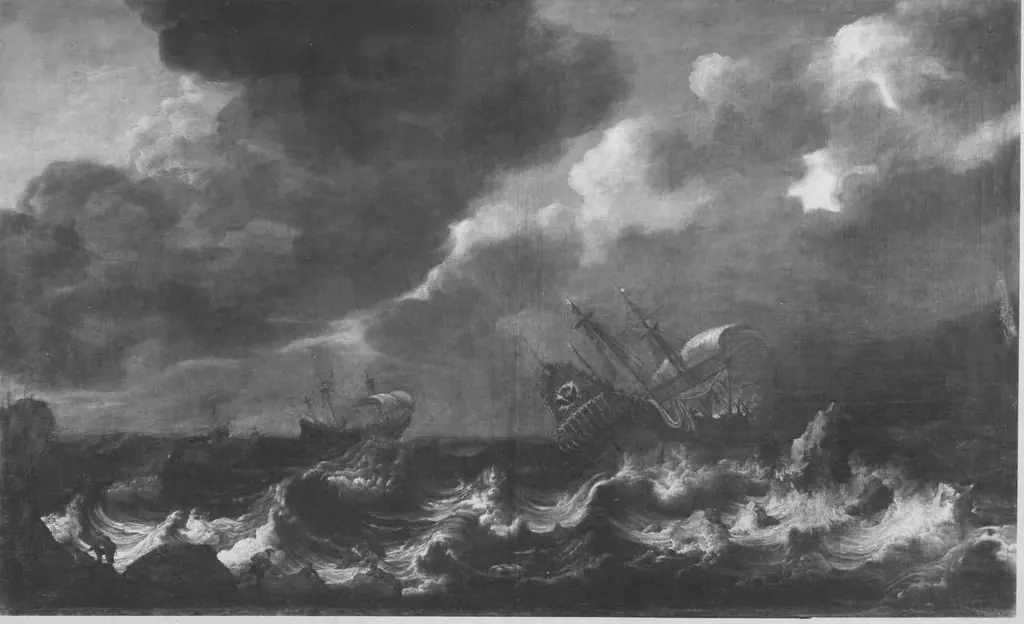 Seesturm mit Schiffbruch
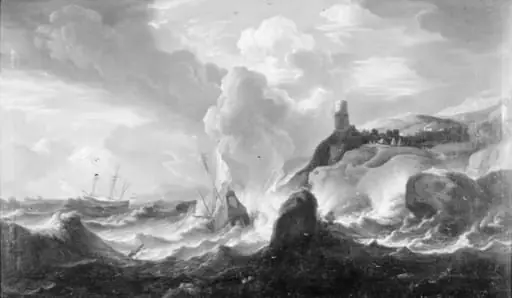 A Rocky Coast with a Atormy Sea and Ships Being Wrecked
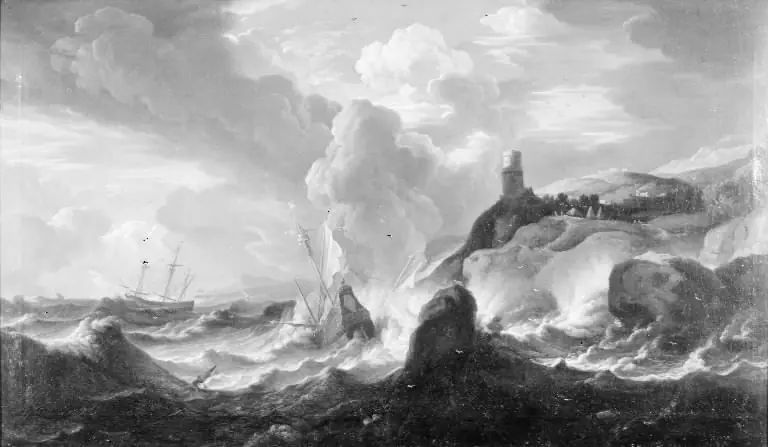 A Rocky Coast with a Atormy Sea and Ships Being Wrecked
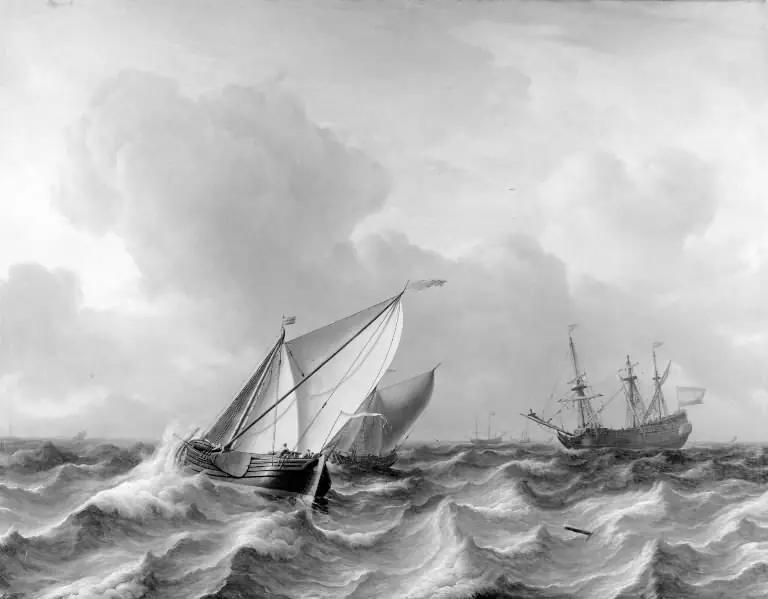 The Sea in Motion
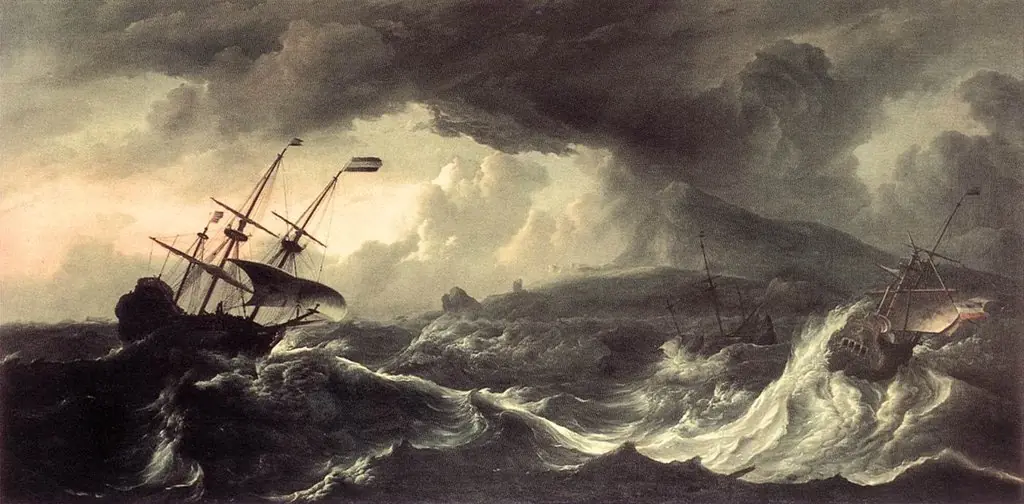 Ships in a Storm off the Norwegian Coast
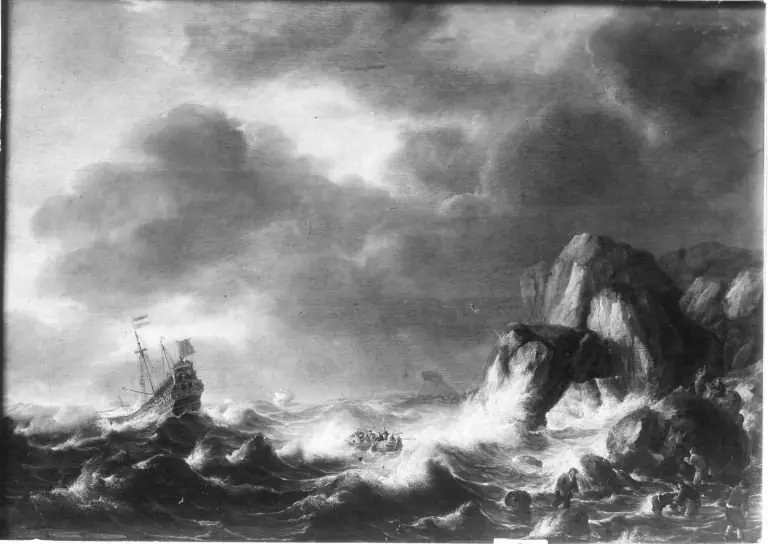 Seesturm
 Bewegte See