Artwork
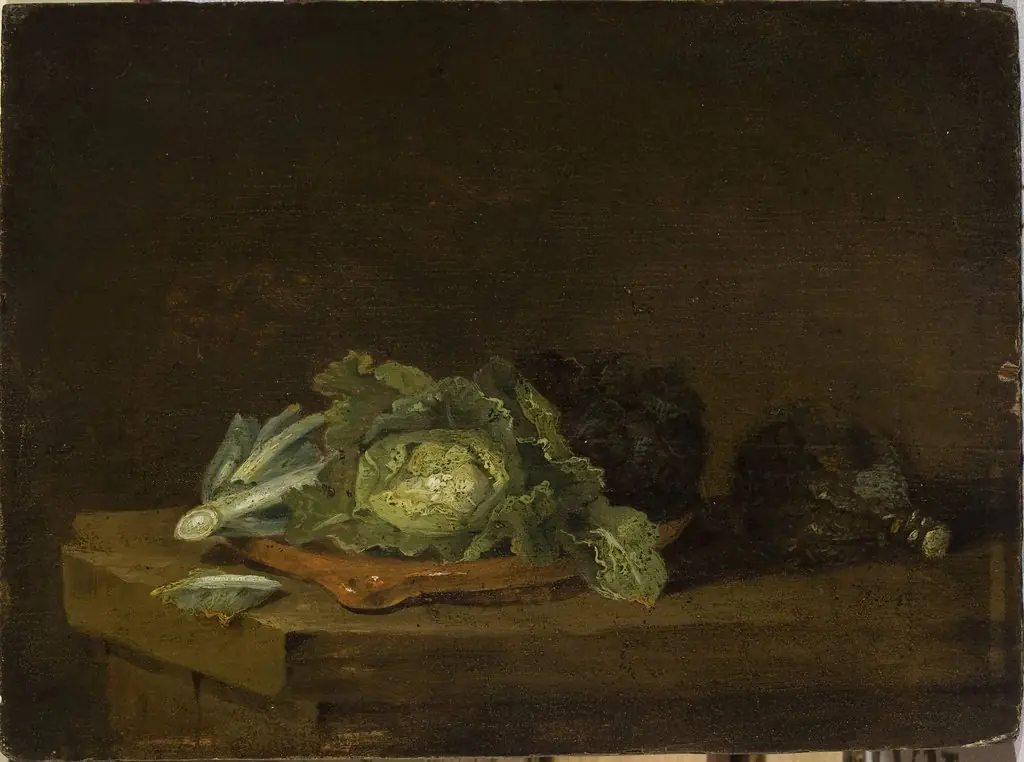
Køkkenurter
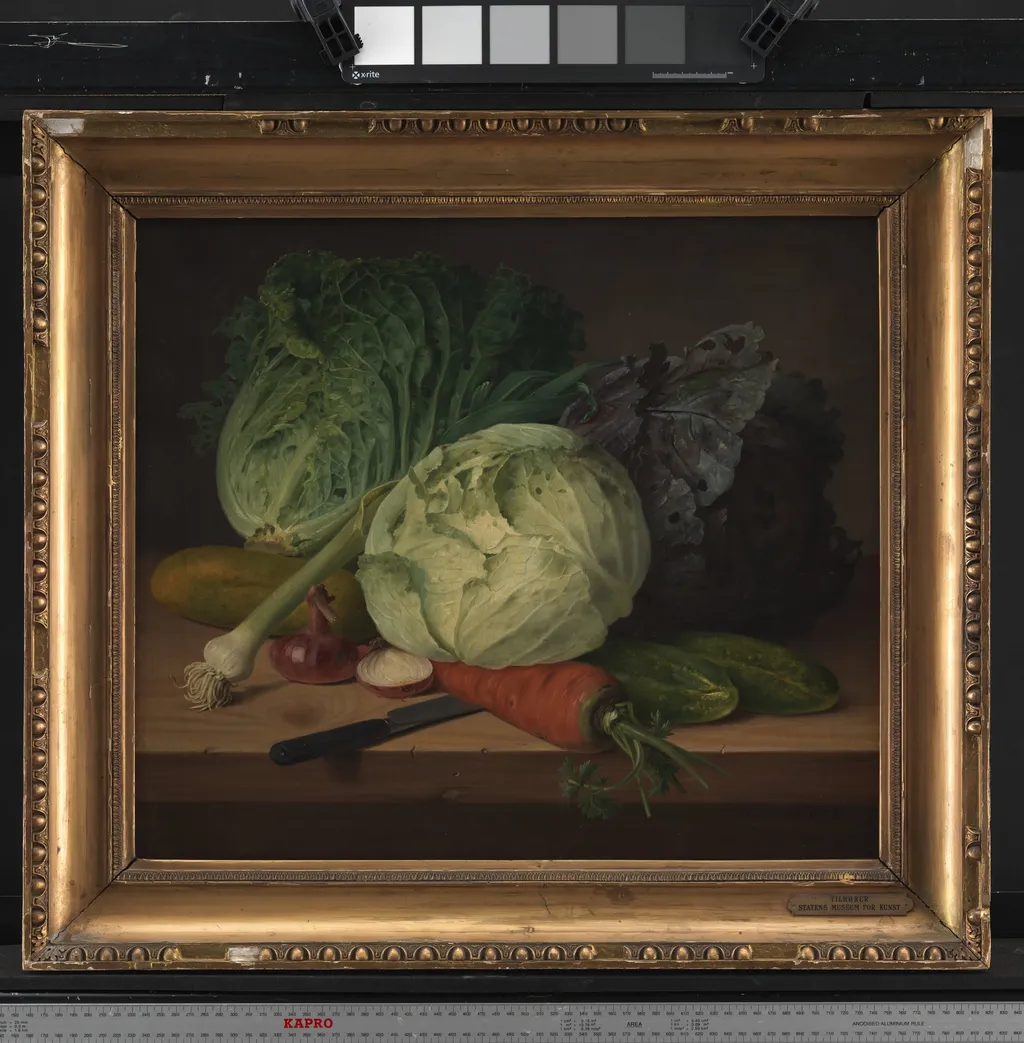
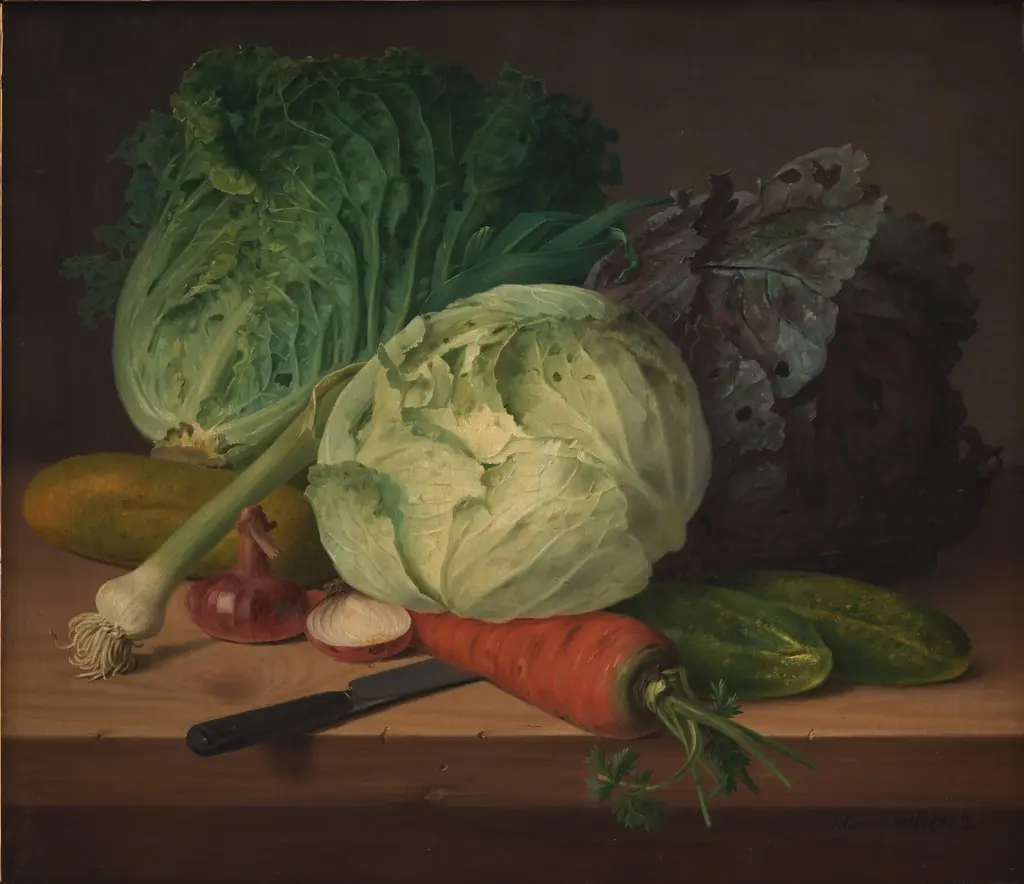
Køkkenurter is a photography by the Romanticist artist Unknown. It dates from 1823 and is held in the collection of the Statens Museum for Kunst.
About this work
Overview
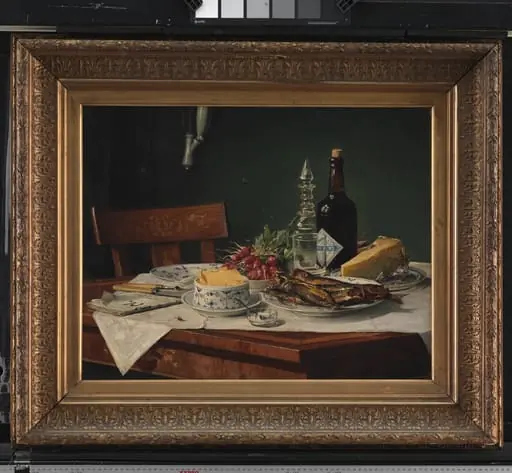
Created in 1823, Køkkenurter is a still-life painting depicting a modest kitchen table arranged with common vegetables. The work belongs to the collection of the Museum of Ethnography and reflects a quiet, unadorned observation of domestic sustenance. Its composition centers on humble produce, rendered without narrative or symbolism, emphasizing the quiet dignity of everyday objects.
Subject & Meaning
The painting presents a selection of seasonal vegetables—cabbage, carrot, squash, lettuce, herbs, and onions—arranged as if recently gathered. No human presence is implied; the focus remains on the material reality of food. The absence of ornamentation or context suggests an intention to honor the ordinary, presenting nourishment as worthy of quiet contemplation.
Technique & Style
The artist employs chiaroscuro to model the forms of the vegetables with subtle gradations of light and shadow, lending them a tactile presence. The dark background isolates the produce, heightening their chromatic richness and textural variety. Brushwork is restrained, avoiding flourish, to maintain a sense of direct observation and physical authenticity.
History & Provenance
The painting has been held since its creation by the Museum of Ethnography, though its early ownership remains undocumented. Its inclusion in the collection suggests an early interest in representing domestic life as cultural artifact. No records indicate public exhibition prior to the 20th century, and its preservation reflects a growing institutional attention to vernacular art.
Context
In early 19th-century Denmark, still-life painting often served religious or allegorical purposes. Køkkenurter diverges from this tradition by rejecting symbolic meaning in favor of unembellished realism. Its emergence coincides with broader European shifts toward naturalism and the elevation of everyday scenes, aligning with nascent ethnographic interests in ordinary life.
Legacy
Køkkenurter remains a quiet example of Nordic realism, influencing later artists who sought to depict domestic interiors without sentimentality. Its preservation in an ethnographic museum underscores its value as a cultural record rather than a decorative object. The work continues to be studied for its restrained aesthetic and its reflection of pre-industrial foodways.
Artist & collection

 Domestic Scene
 Giacomo and Cardinal Marco, investing Andrea, Abbot of San Zeno, with his Benefice
 The Nymph of Fontainebleau
 Portrait of a Woman
 Madonna and Child with Saints in the Enclosed Garden
 Venus and Minerva
 Family Group of Four on Sofa
 Wall painting from Room H of the Villa of P. Fannius Synistor at Boscoreale