Artwork
Køkkenurter
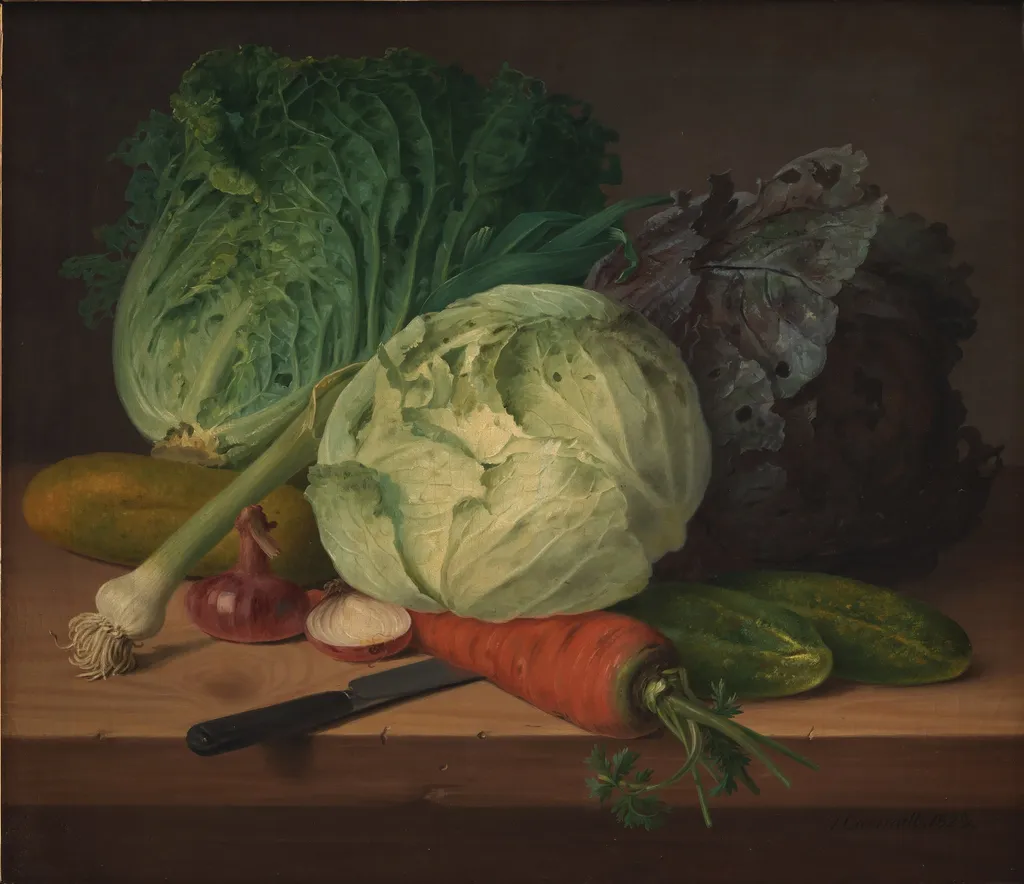
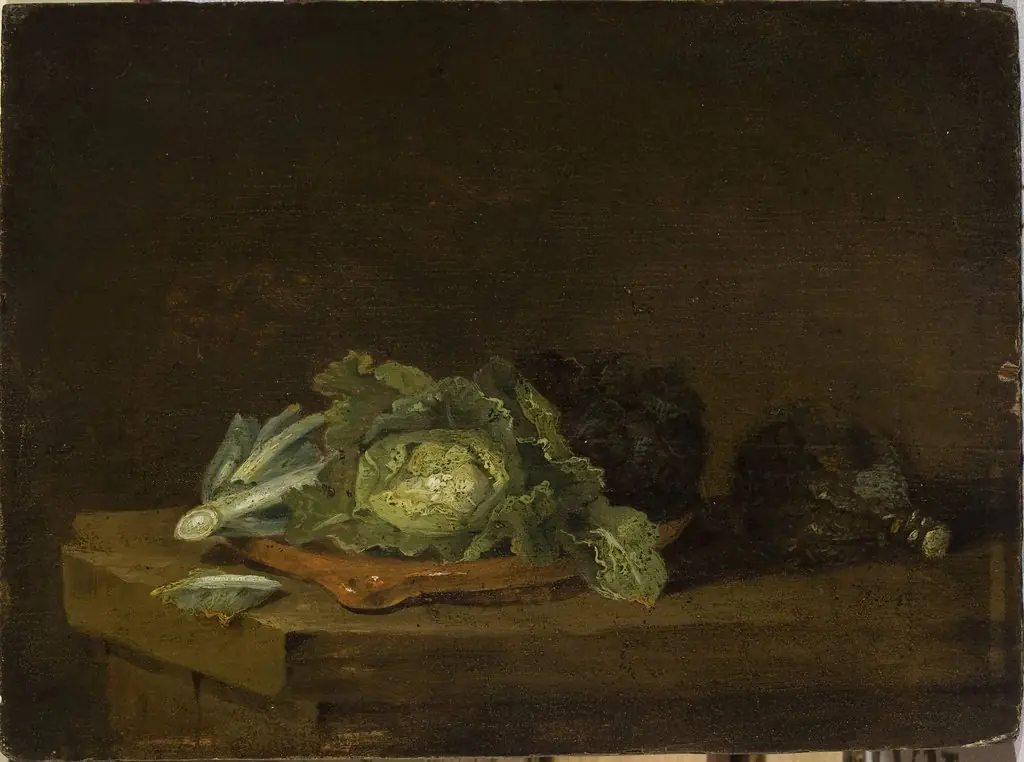
Køkkenurter is an oil painting by the German Romanticist artist Johannes Ludvig Camradt. It dates from 1823 and is held in the collection of the Statens Museum for Kunst.
About this work
Overview
Køkkenurter, painted in 1823 by Johannes Ludvig Camradt, is an oil-on-canvas still life depicting a modest arrangement of kitchen vegetables.
Køkkenurter, painted in 1823 by Johannes Ludvig Camradt, is an oil-on-canvas still life depicting a modest arrangement of kitchen vegetables. The work resides in the collection of Statens Museum for Kunst in Copenhagen. Its quiet composition focuses on everyday produce, rendered with careful observation rather than dramatic flair, reflecting a Danish tradition of domestic realism in early 19th-century painting.
Subject & Meaning
The painting presents a humble assemblage of common vegetables—lettuce, carrot, cucumber, onion, and garlic—arranged on a wooden surface. These items, typical of a Danish household pantry, suggest themes of sustenance and seasonal abundance. Their placement, neither ornamental nor symbolic, emphasizes the dignity of ordinary food, aligning with a broader cultural appreciation for practicality and natural form.
Technique & Style
Camradt employs fine brushwork to capture the varied surfaces of each vegetable: the crisp veins of lettuce, the rough skin of the carrot, the papery layers of the onion. Colors are subdued yet nuanced, avoiding bright contrasts in favor of earthy tones that enhance realism. Light falls evenly, modeling forms without theatrical shadows, reinforcing the painting’s restrained, observational approach.
History & Provenance
Created in 1823, Køkkenurter entered the collection of Statens Museum for Kunst early in its institutional history. While Camradt was not widely known beyond Denmark, this work survived as a representative example of domestic still life from the period. Its continuous presence in the museum’s holdings underscores its role as a document of Danish artistic practice during the early Romantic era.
Context
In early 19th-century Denmark, still-life painting gained traction as artists turned from grand historical themes to intimate, everyday subjects. Camradt’s work reflects this shift, influenced by Dutch and Flemish traditions but adapted to local sensibilities. The absence of human figures or narrative elevates the vegetables as quiet subjects worthy of sustained attention, mirroring broader societal values of simplicity and diligence.
Legacy
Køkkenurter remains a modest but significant example of Danish still-life painting from the period. Though Camradt’s oeuvre is limited and largely uncelebrated internationally, this work contributes to understanding how ordinary objects were rendered with quiet precision in Nordic art. It continues to be studied for its technical restraint and its reflection of domestic life in early industrial-era Denmark.
Own this work as a print
Artist & collection
Artist
Johannes Ludvig Camradt (1779–1849) was an artist, born in Copenhagen.

 Cabbages on a Table Top
 Asetelma
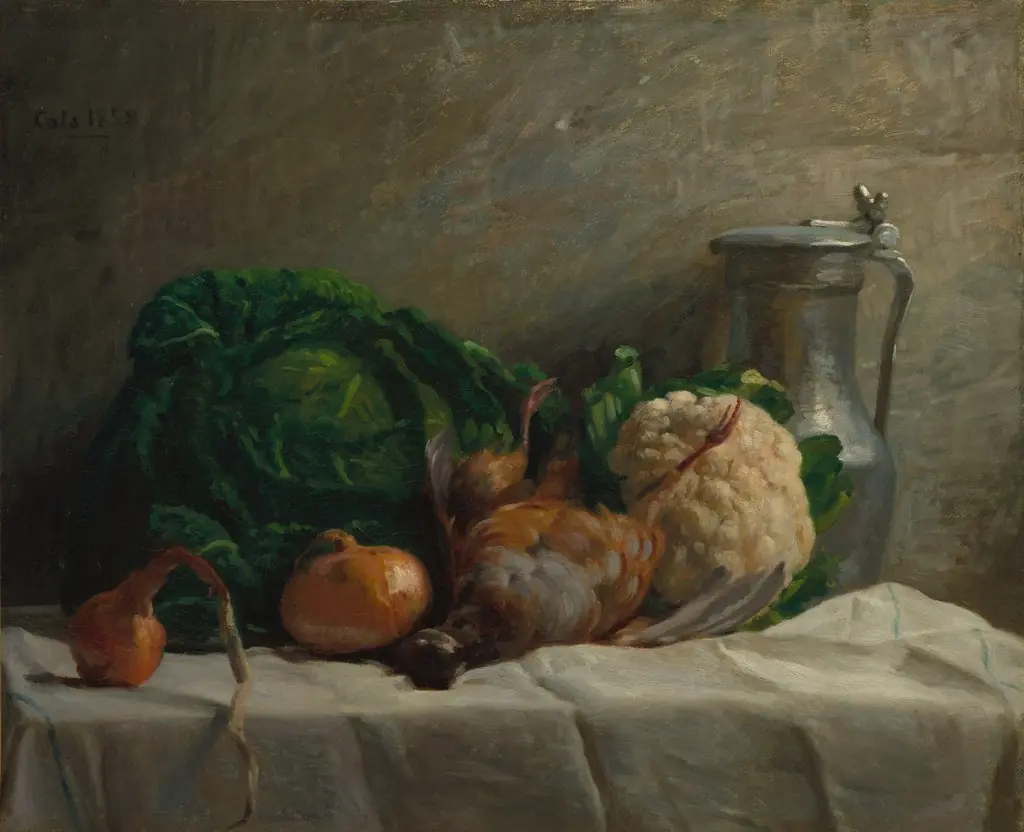 Still Life with Vegetables, Partridge, and a Jug
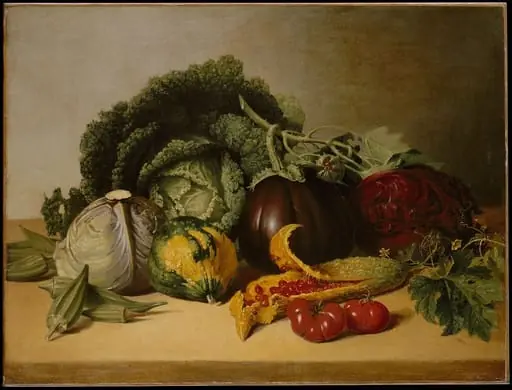 Still Life: Balsam Apple and Vegetables
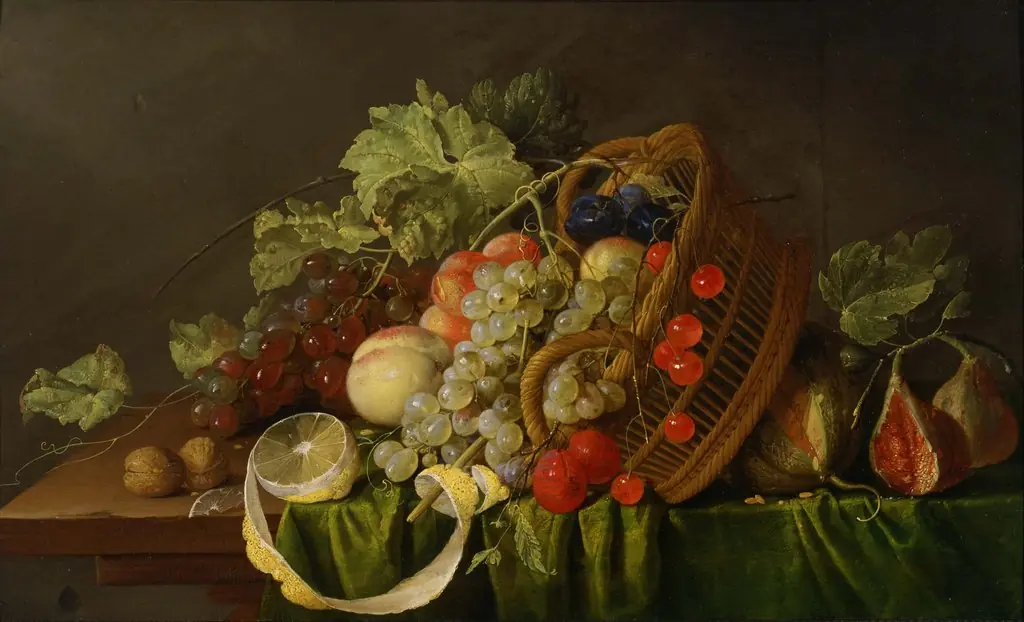 Still Life with a Basket of Fruit
 Still Life with Vegetables, Partridge, and a Jug
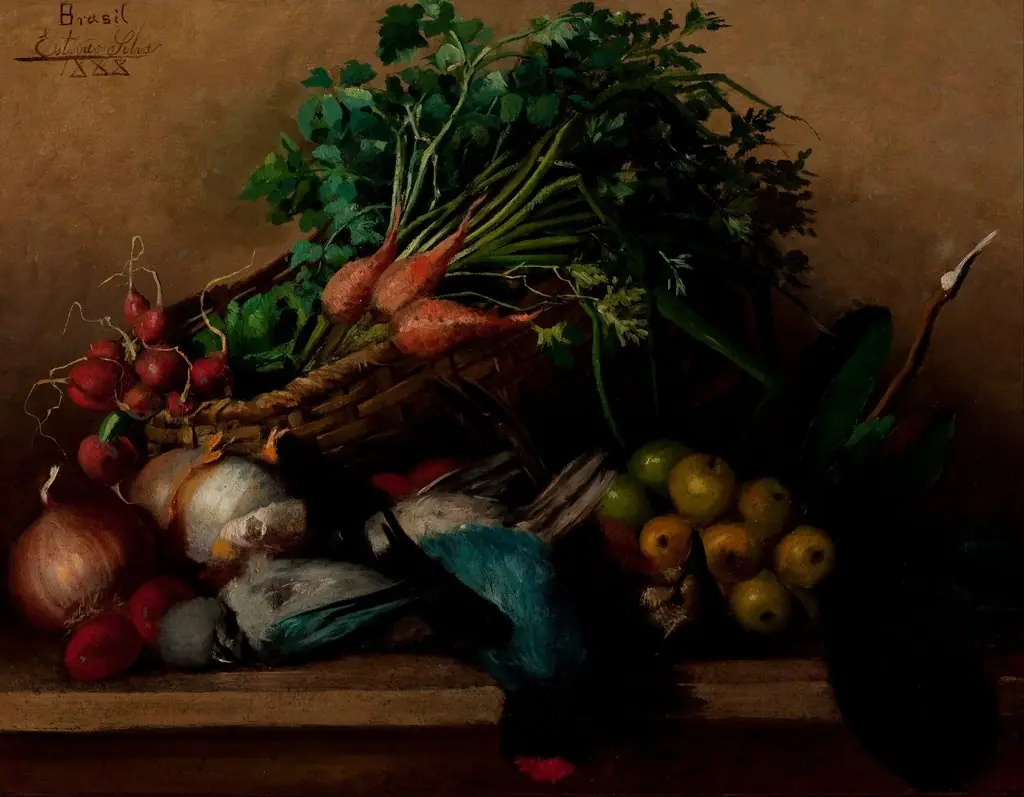 Still Life
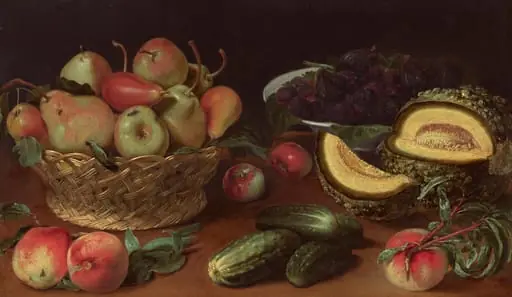 Still Life with Apples, Pears, Cucumbers, Figs, Plums, and a Melon
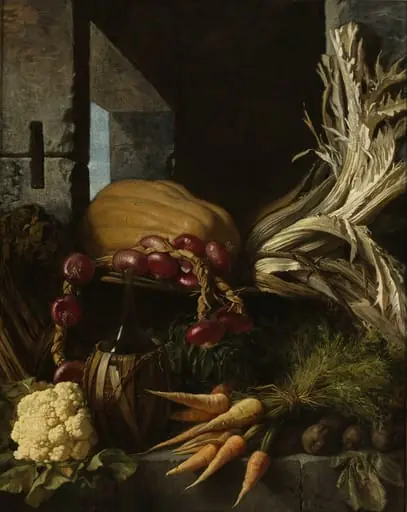 Juureksia ja vihanneksia kellarissa
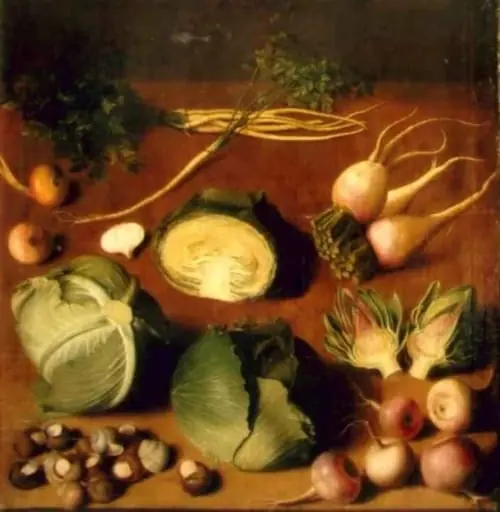 Natură moartă cu varză; pandant: Natură statică cu ciuperci
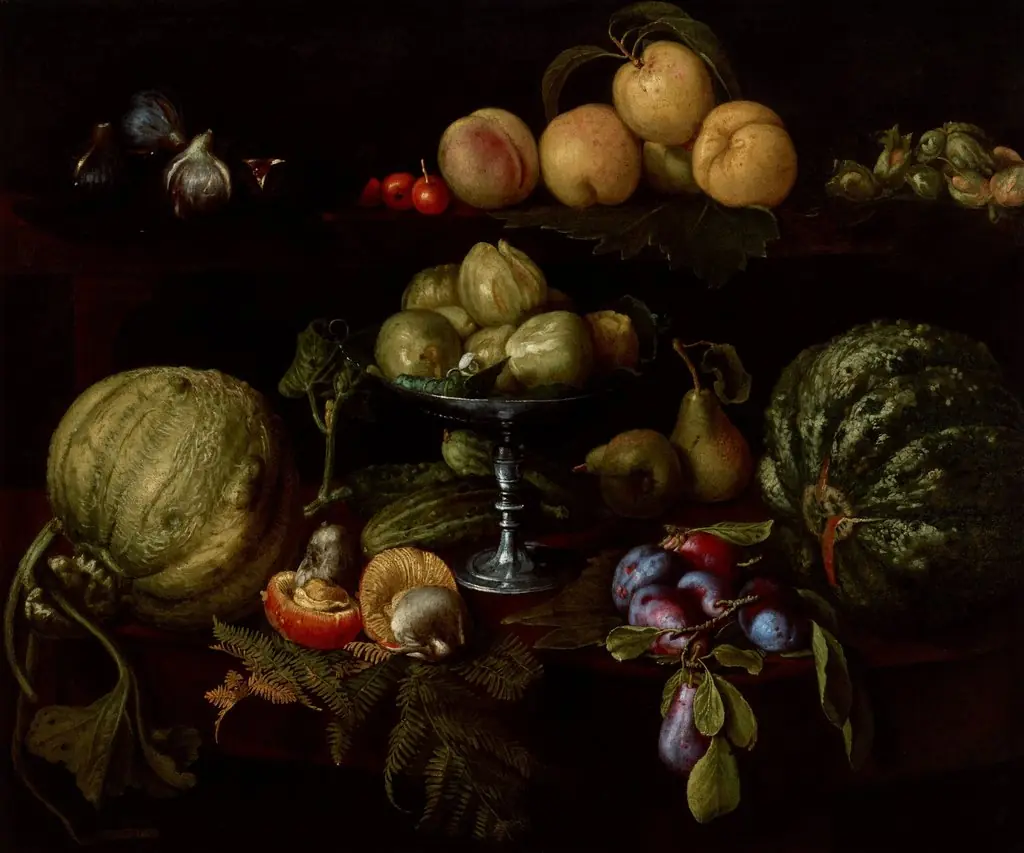 Figs on a Tazza with Pears, Quinces, Melons, Plums, Mushrooms on a Table, with Figs, Cherries, Peaches, and Acorns on a Ledge Above
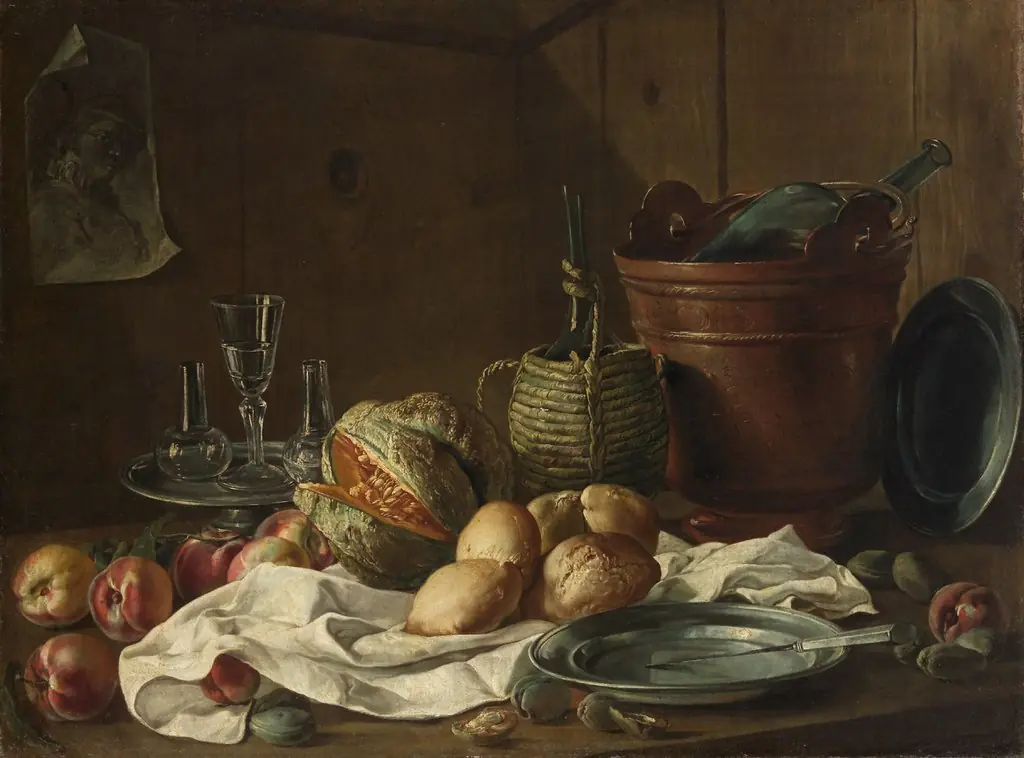 Früchtestilleben