Artwork
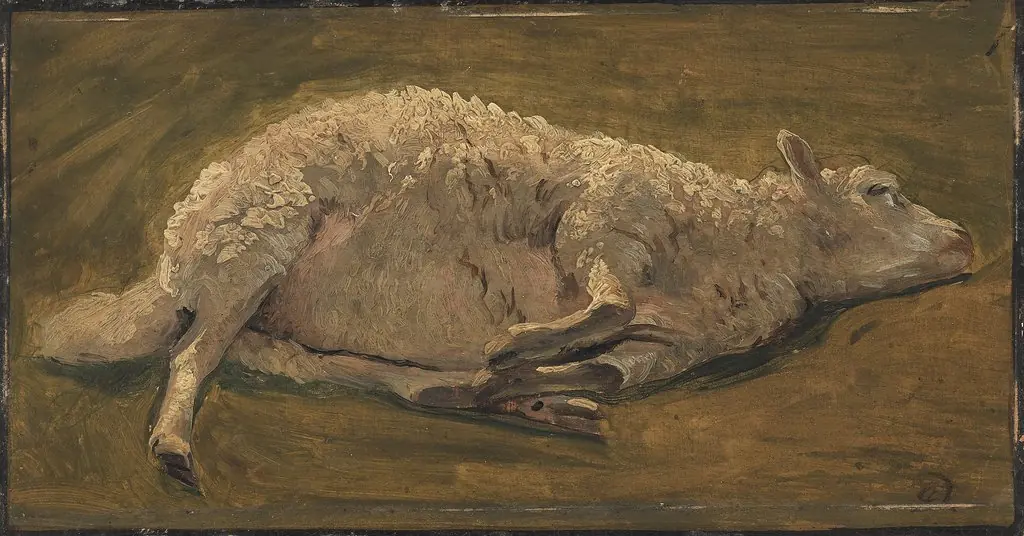
Studie af et liggende får
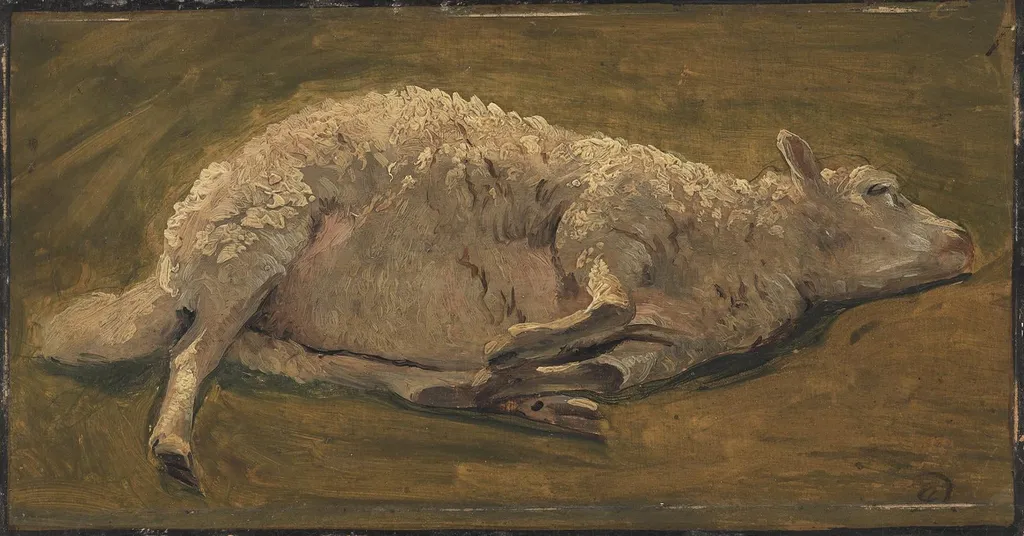
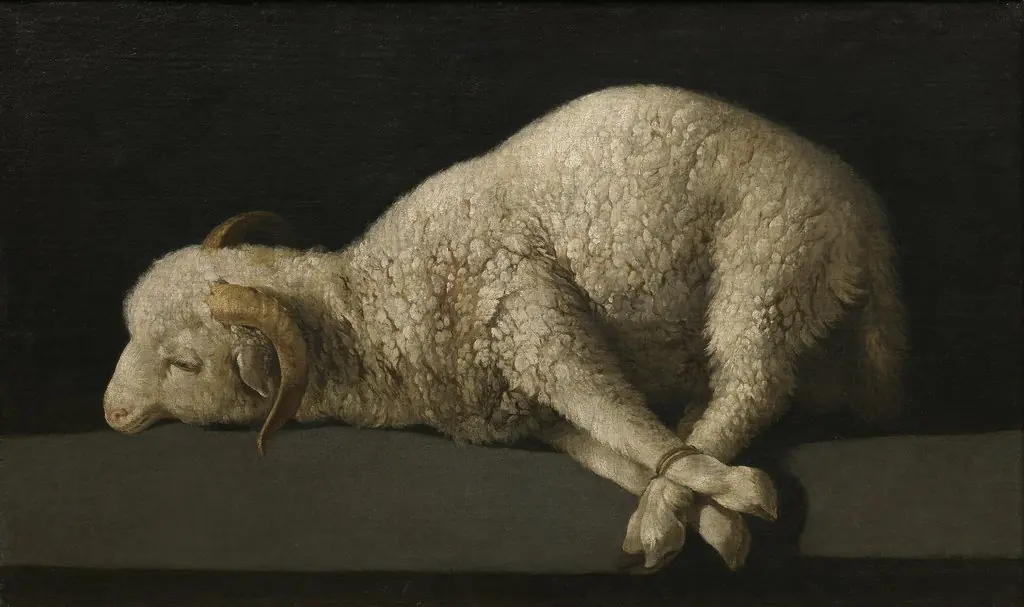
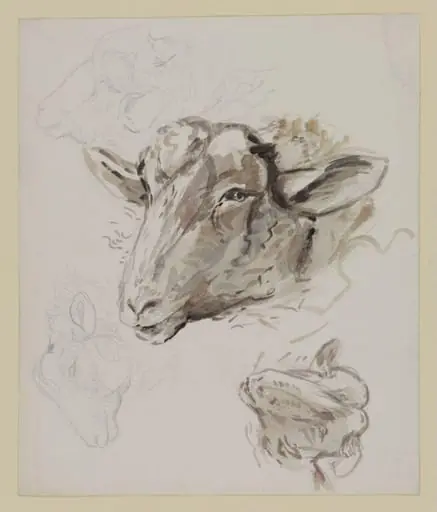
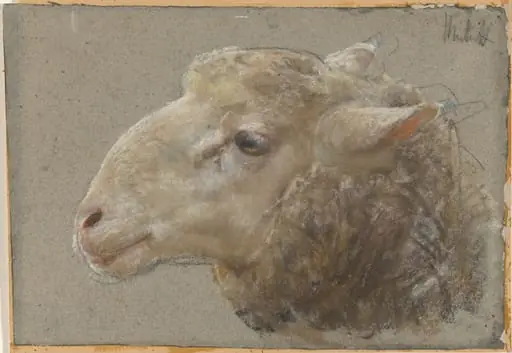
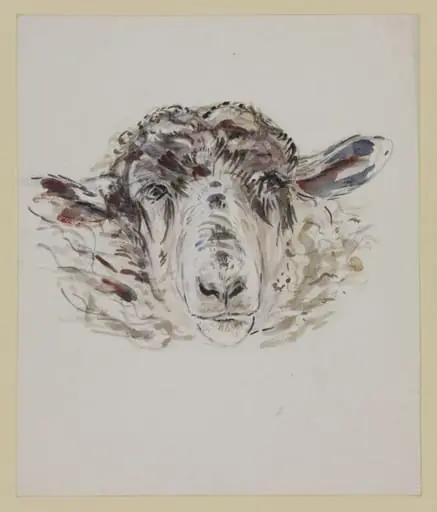
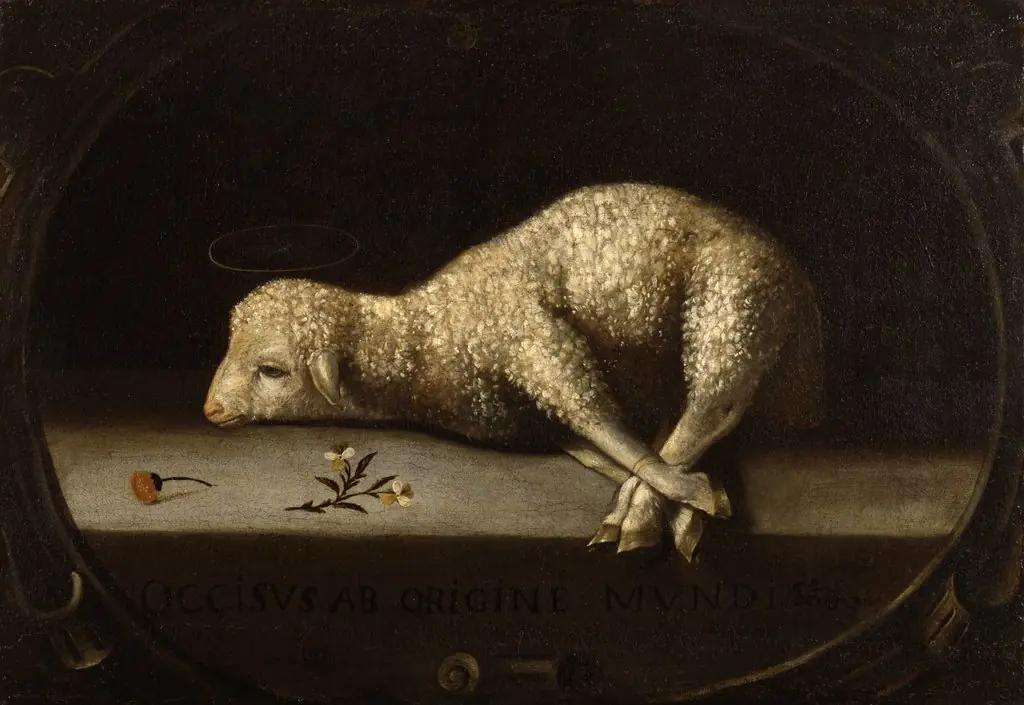
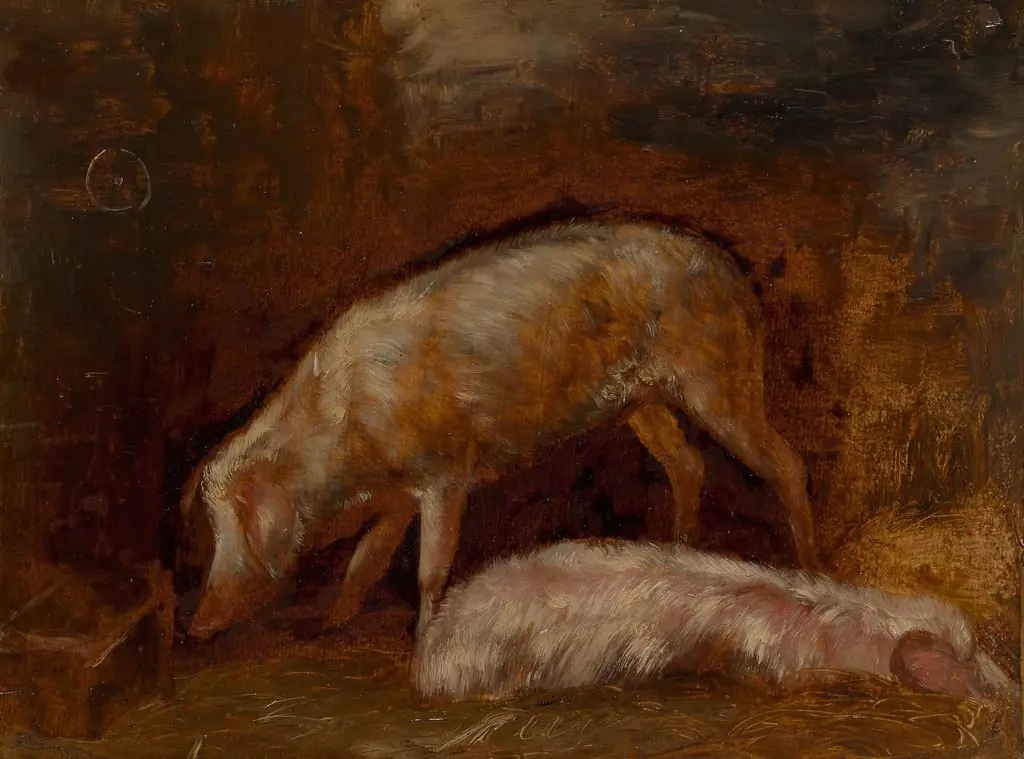
Studie af et liggende får is a photography by the Romanticist artist Unknown. It dates from 1846 and is held in the collection of the Statens Museum for Kunst. Created in 1846 by the Danish artist Martinus Rørbye, this study captures a single sheep in a quiet, recumbent pose.
About this work
Overview
Created in 1846 by the Danish artist Martinus Rørbye, this study captures a single sheep in a quiet, recumbent pose. Executed in oil on canvas, the work is part of a series of animal studies produced during the artist’s travels. It resides today in the Museum of Ethnography in Copenhagen, where it is valued for its observational precision rather than narrative content.
Subject & Meaning
The subject is a domestic sheep, lying on its side with its head turned gently to the right. There is no indication of human presence or symbolic context; the focus remains on the animal’s physical presence. The composition invites contemplation of the creature’s stillness, suggesting an interest in natural form over allegory or pastoral idealism.
Technique & Style
Rørbye employs soft, layered brushwork to suggest the texture of wool, avoiding sharp outlines in favor of subtle transitions. Warm grays and off-whites dominate the animal’s form, while the muted brown background enhances the sheep’s luminosity. Delicate chiaroscuro models the body, giving it volume without dramatic lighting, reflecting a quiet realism rooted in direct observation.
History & Provenance
The painting was made during Rørbye’s period of intensive sketching in rural Denmark, when he turned from grand historical scenes to intimate studies of everyday life. It entered the Museum of Ethnography’s collection in the late 19th century, likely as part of a broader effort to document domestic animals and rural culture in the Nordic region.
Context
In mid-19th century Denmark, artists increasingly turned to nature and ordinary subjects as part of a national cultural awakening. Rørbye’s sheep study aligns with this shift, reflecting a broader interest in empirical observation and the dignity of humble subjects, influenced by both Romanticism and emerging scientific naturalism.
Legacy
Though not widely exhibited, this work exemplifies Rørbye’s commitment to quiet, detailed observation. It stands as a representative example of Danish academic animal studies from the period, influencing later generations of Nordic painters who sought to portray nature with sincerity rather than sentiment.
Artist & collection

 Domestic Scene
 Giacomo and Cardinal Marco, investing Andrea, Abbot of San Zeno, with his Benefice
 The Nymph of Fontainebleau
 Portrait of a Woman
 Madonna and Child with Saints in the Enclosed Garden
 Venus and Minerva
 Family Group of Four on Sofa
 Wall painting from Room H of the Villa of P. Fannius Synistor at Boscoreale