Artwork
Studies of a sheep's head
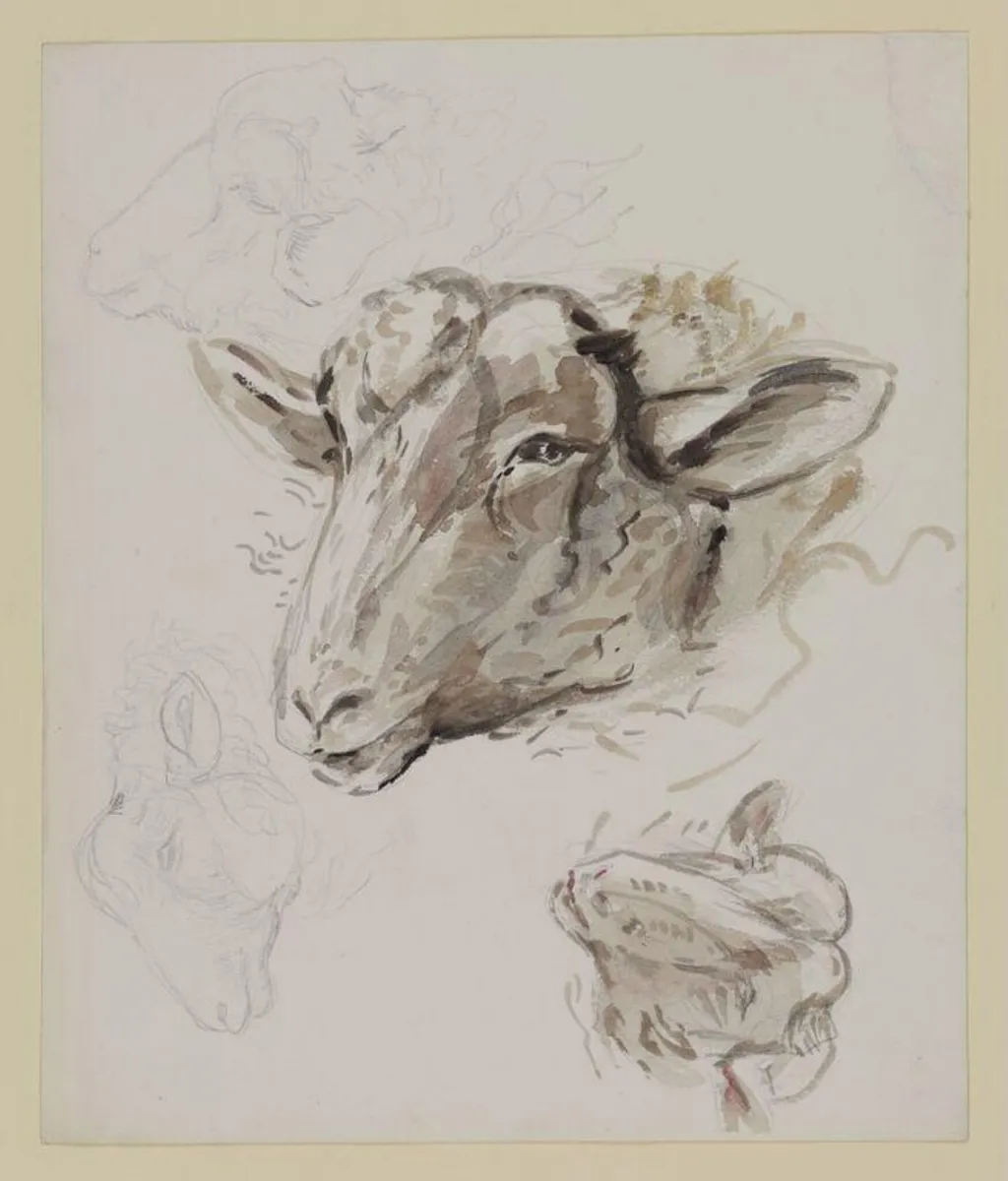
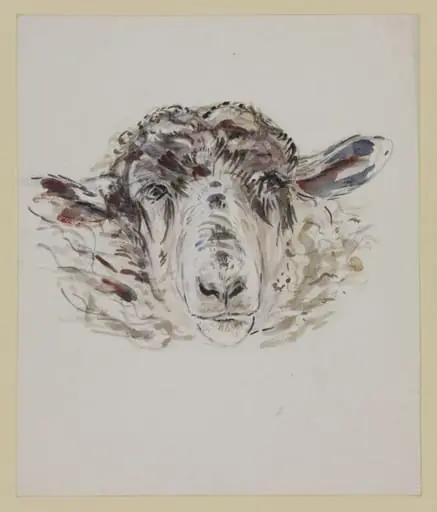
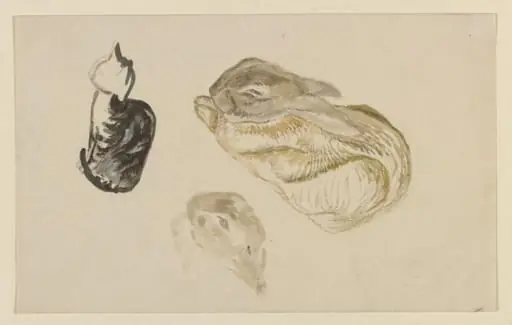
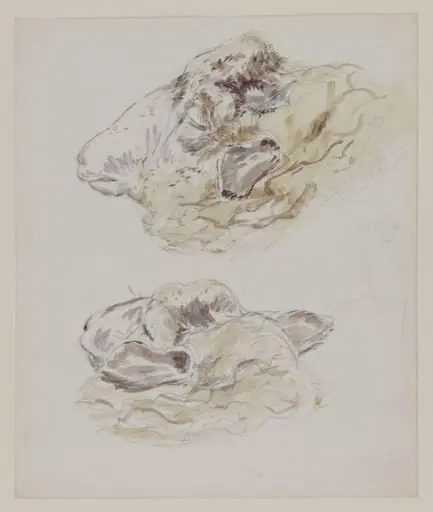
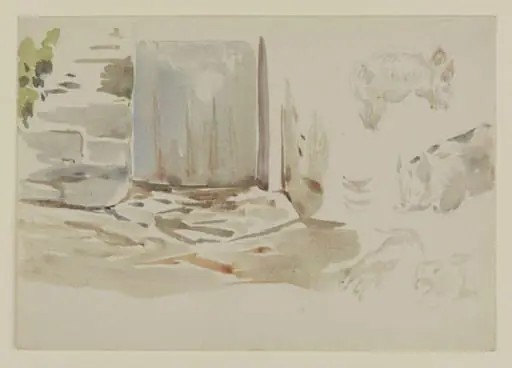
Studies of a sheep's head is a watercolor work on paper by Beatrix Potter. It dates from 1909 and is held in the collection of the Victoria and Albert Museum. Created between 1905 and 1913, this watercolour sheet features four detailed studies of a sheep’s head.
About this work
Beatrix Potter painted *Studies of a sheep’s head* in watercolour between 1905 and 1913. It fits her lifelong habit of drawing the animals she kept and studied.
She started sketching pets as a child and kept detailed notes on each creature. Her sharp eye for nature later shaped the stories and illustrations we still love.
Look up more of her animal sketches at the Victoria and Albert Museum.
Overview
They stem from her time at Hill Top Farm in the Lake District, where close contact with livestock deepened her artistic and scientific curiosity.
Created between 1905 and 1913, this watercolour sheet features four detailed studies of a sheep’s head. Executed with precision and quiet observation, the drawings reflect Beatrix Potter’s sustained engagement with animal anatomy. They stem from her time at Hill Top Farm in the Lake District, where close contact with livestock deepened her artistic and scientific curiosity. Unlike her published illustrations, these works were private studies, made without narrative intent.
Subject & Meaning
The four views of the sheep’s head capture subtle variations in angle, light, and form—nose, ear, fleece, and jawline rendered with clinical attention. These are not idealized portraits but anatomical records, aligned with Potter’s lifelong interest in natural history. Each study functions as a visual note, documenting the physical reality of an animal she observed daily. The absence of background or context emphasizes the focus on structure over sentiment.
Technique & Style
Potter employed watercolour with restrained washes and fine linework, building form through layered transparency rather than bold outlines. Her brushwork is deliberate, capturing the texture of wool and the contours of bone beneath skin. The palette is muted, relying on earth tones and soft greys, reflecting the natural hues of the animal. The precision suggests direct observation, possibly aided by a magnifying glass, consistent with her scientific habits.
History & Provenance
These studies were made during Potter’s years at Hill Top Farm, following her 1905 purchase of the property. They belong to a larger body of unpublished sketches she produced throughout her life, many now held in the Victoria and Albert Museum. Unlike her commercial illustrations, these were never intended for publication, serving instead as personal records. Their survival reflects her disciplined practice and the preservation of her private artistic output.
Context
Potter’s animal studies emerged from a childhood shaped by natural history collections and museum visits. Her early sketches of pets and insects were annotated with scientific detail, a habit that continued into adulthood. While her children’s books brought her fame, her watercolours of farm animals reveal a parallel pursuit: the quiet documentation of living forms, rooted in the rural environment she came to cherish and protect.
Legacy
These studies exemplify how Potter’s scientific observation informed her storytelling, lending authenticity to her animal characters. Though not widely exhibited during her lifetime, they now offer insight into the discipline behind her illustrations. They stand as evidence of an artist who saw no boundary between art and natural inquiry, leaving behind a body of work that bridges aesthetic sensitivity and empirical curiosity.
Artist & collection
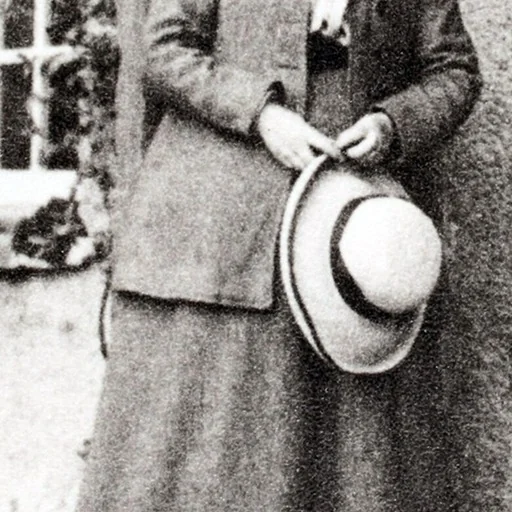
Artist
Helen Beatrix Heelis (née Potter; 28 July 1866 – 22 December 1943), usually known as Beatrix Potter ( BEE-ə-triks), was an English writer, illustrator, natural scientist, and conservationist.