Artwork
Wax Modeller Simon as St. Jerome
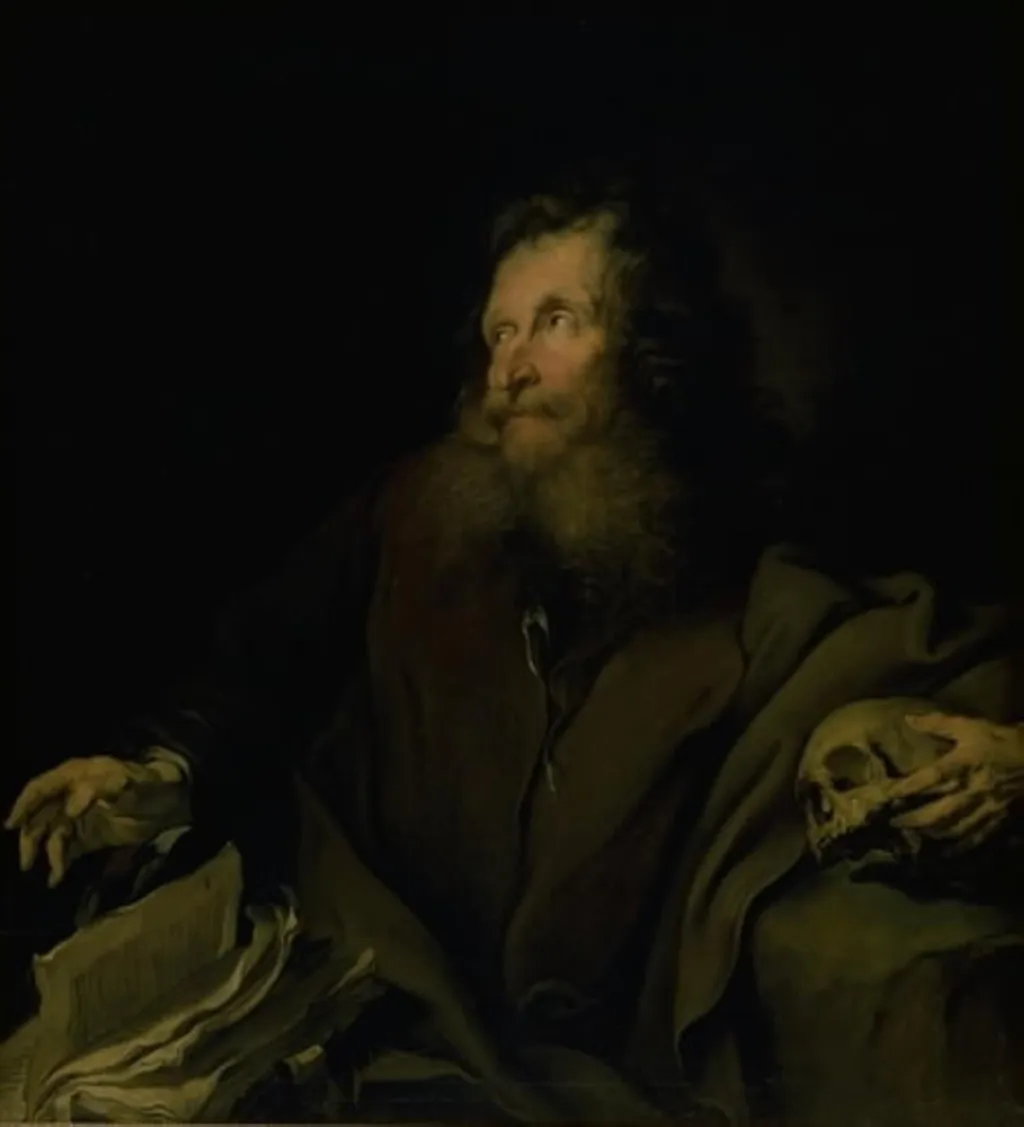
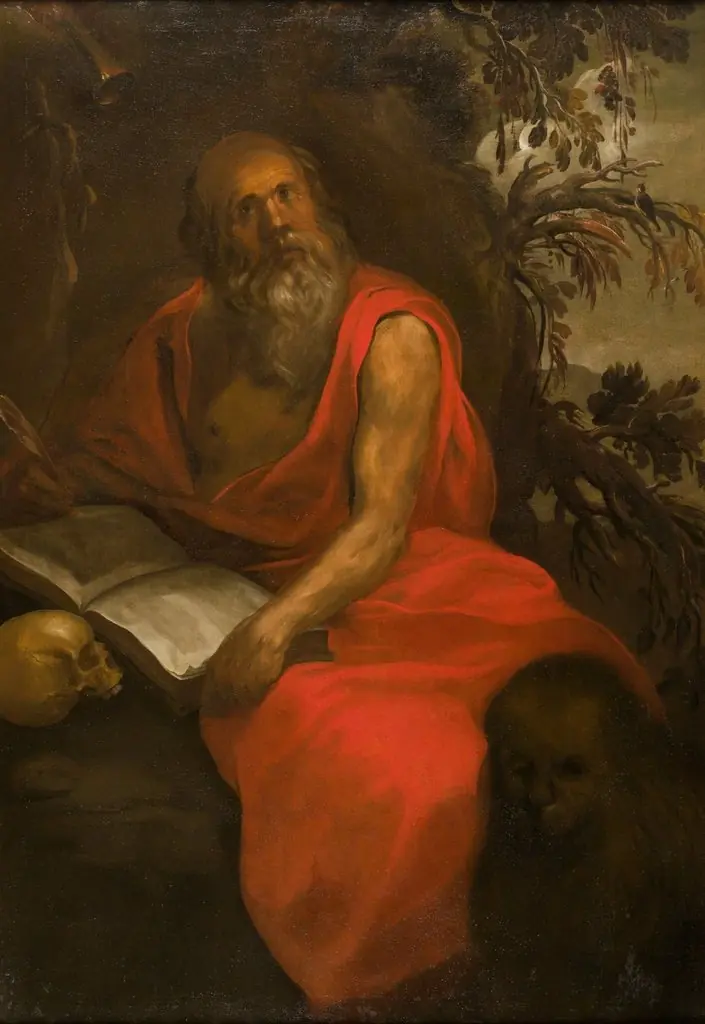
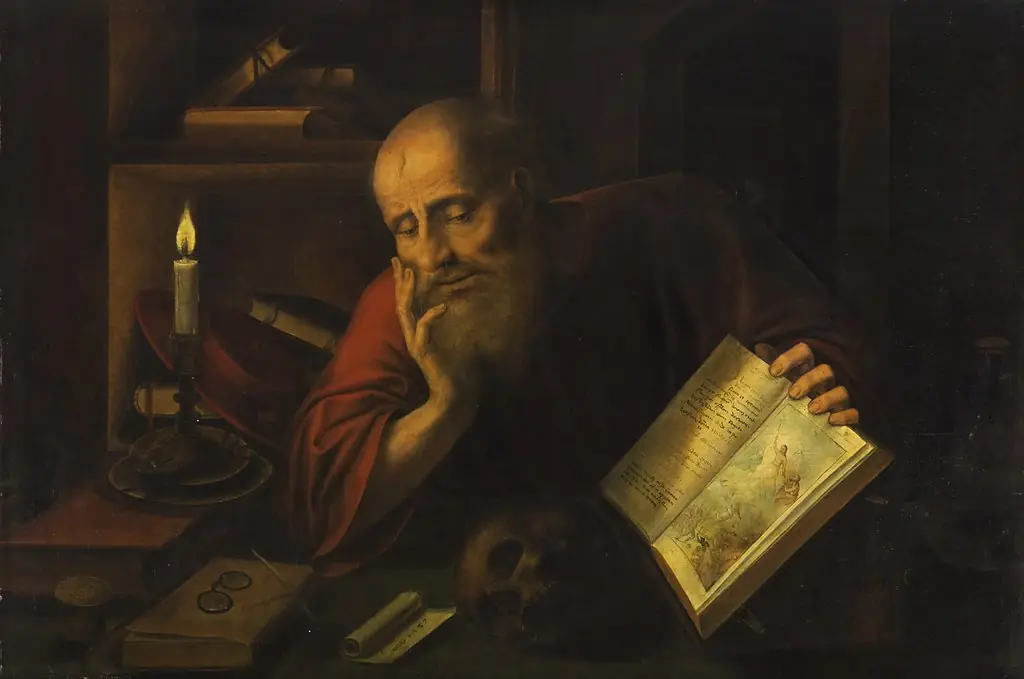
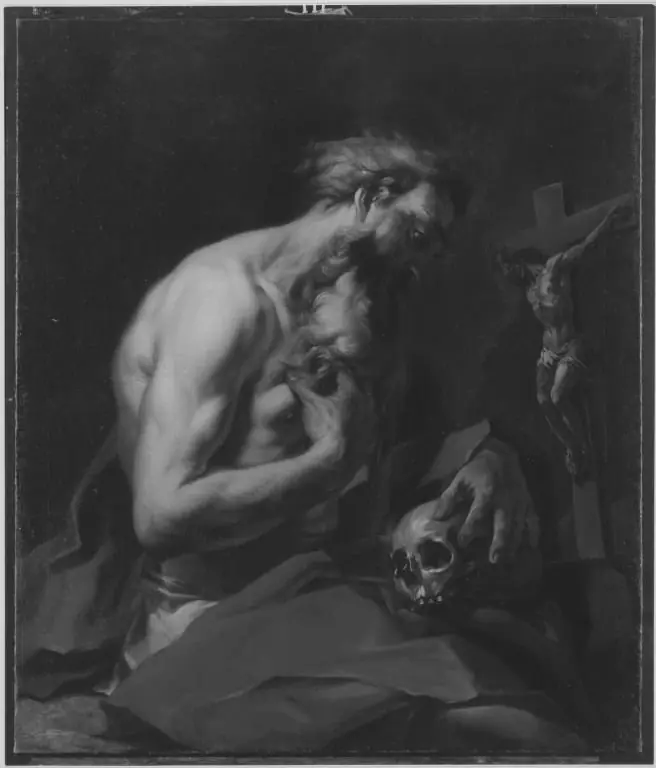
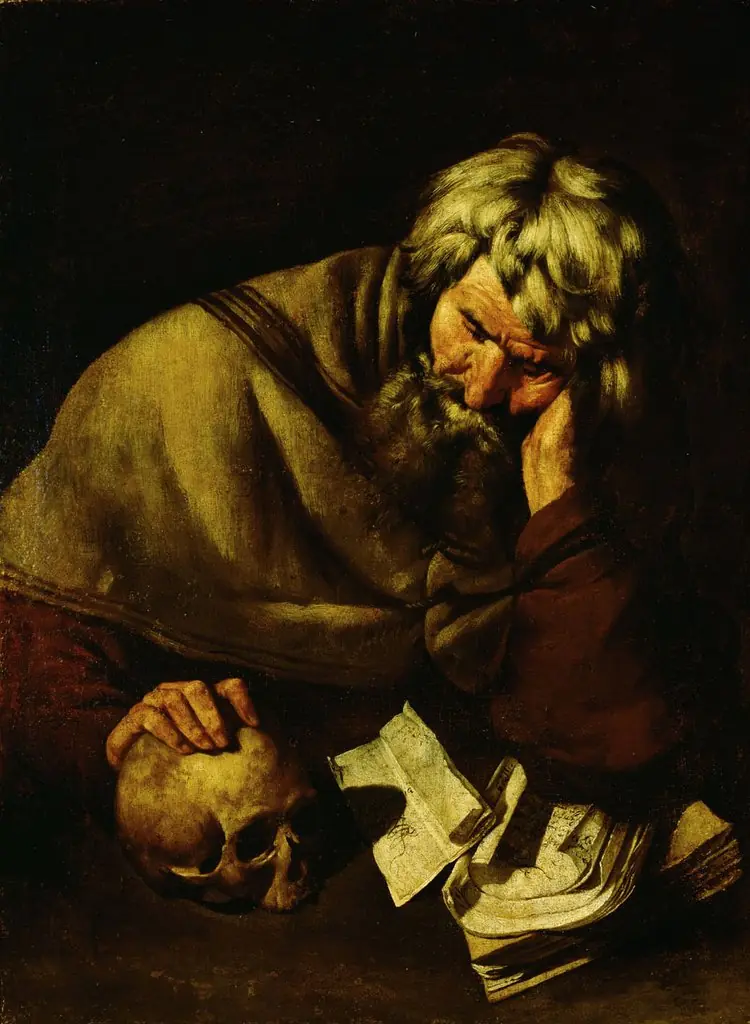
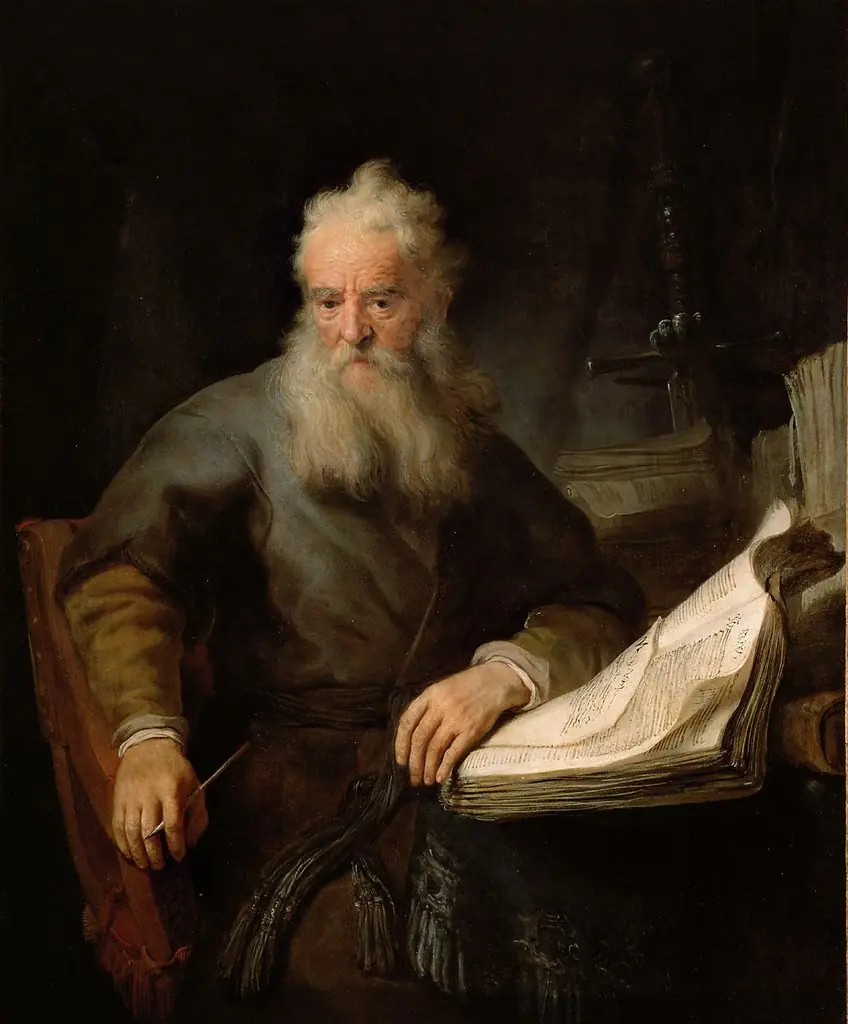
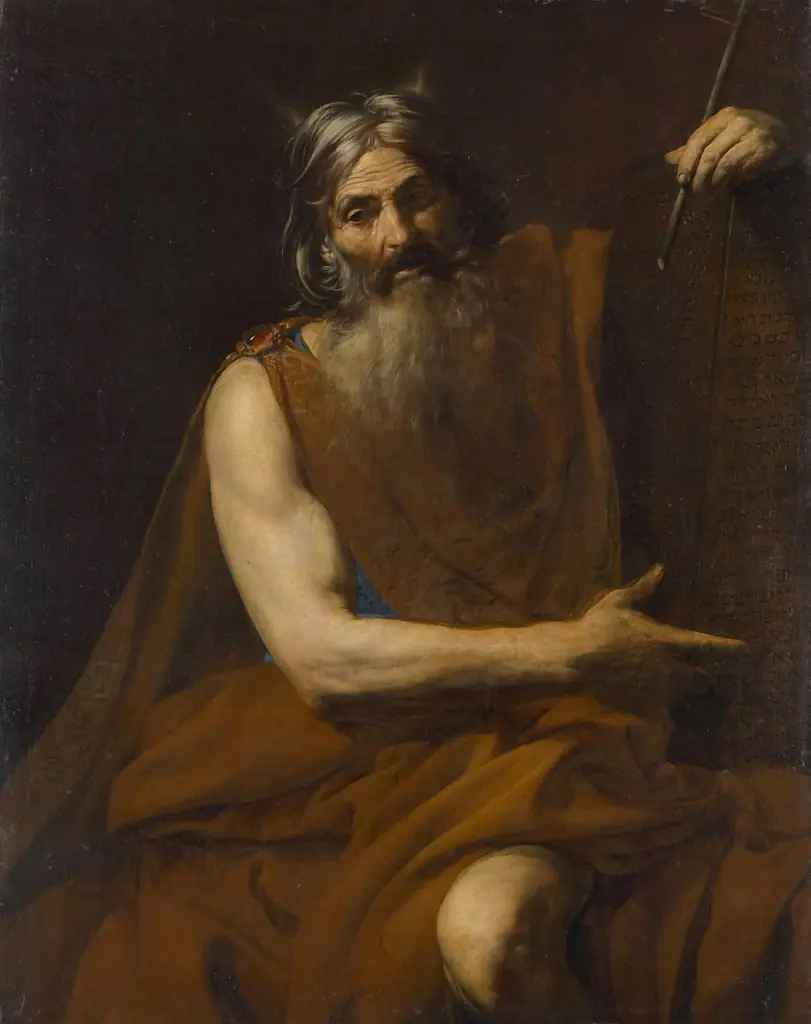
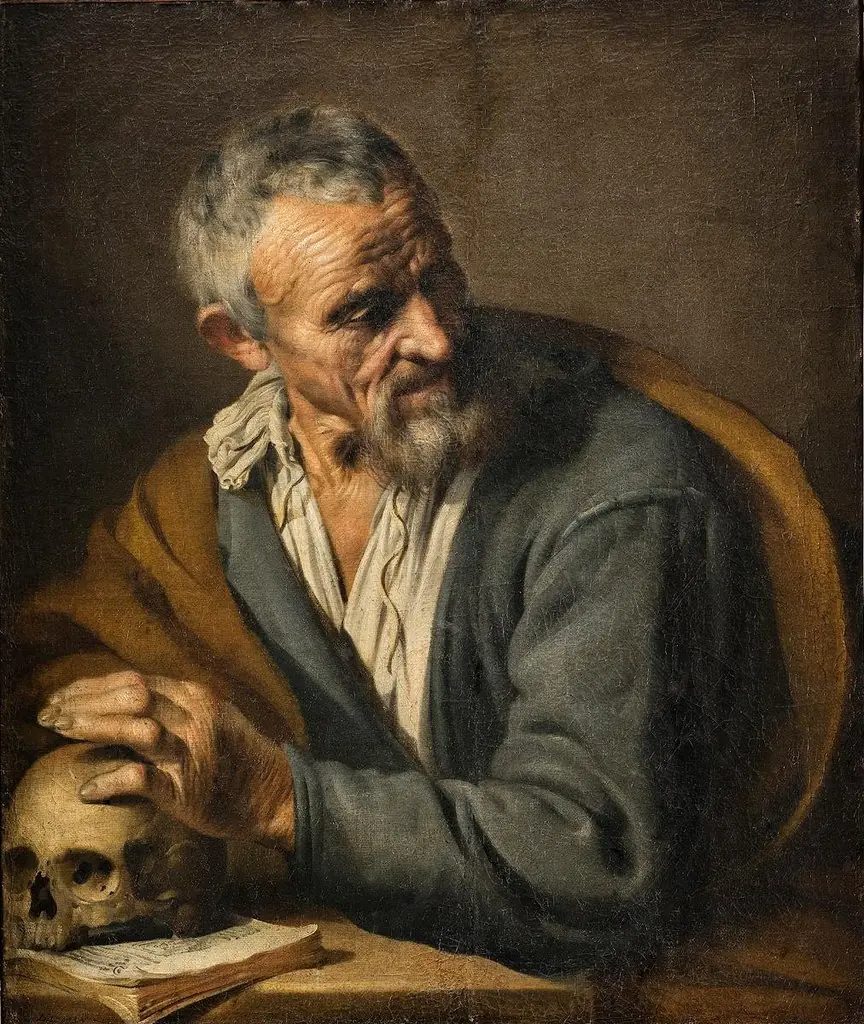
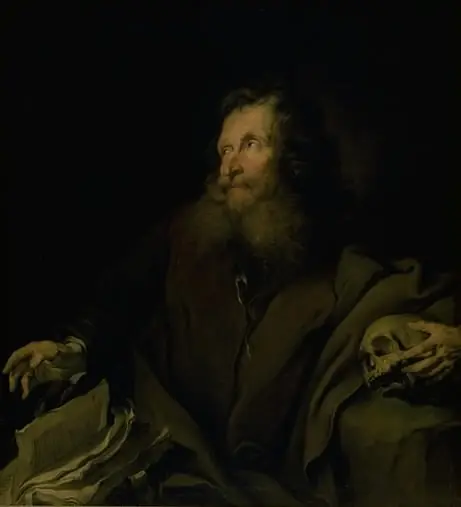
Wax Modeller Simon as St. Jerome is a photography by the Baroque artist Unknown. It dates from 1665 and is held in the collection of the Statens Museum for Kunst. The work titled *Wax Modeller Simon as St.
About this work
Overview
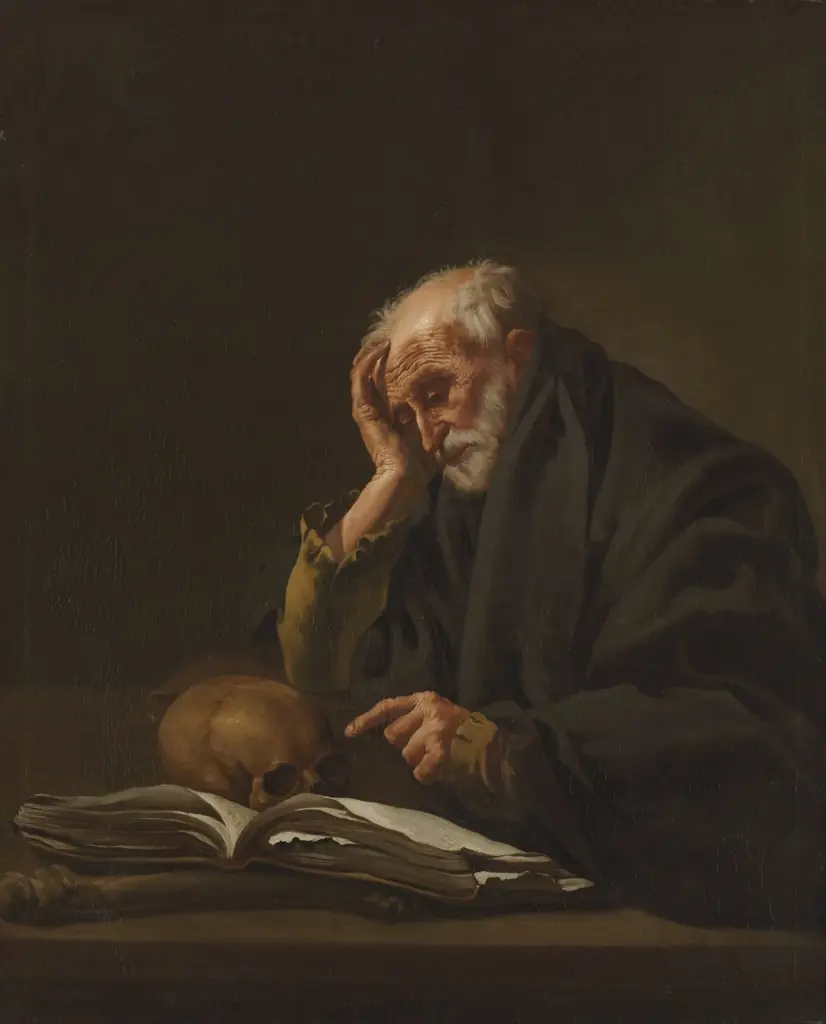
The work titled *Wax Modeller Simon as St. Jerome* dates from 1665 and is part of the collection of the Museum of Ethnography. Though presented as a photograph, the image records a three‑dimensional wax figure rather than a painted surface. The figure portrays a bearded man in a contemplative pose, illuminated by subdued lighting that emphasizes the sculptural form.
Subject & Meaning
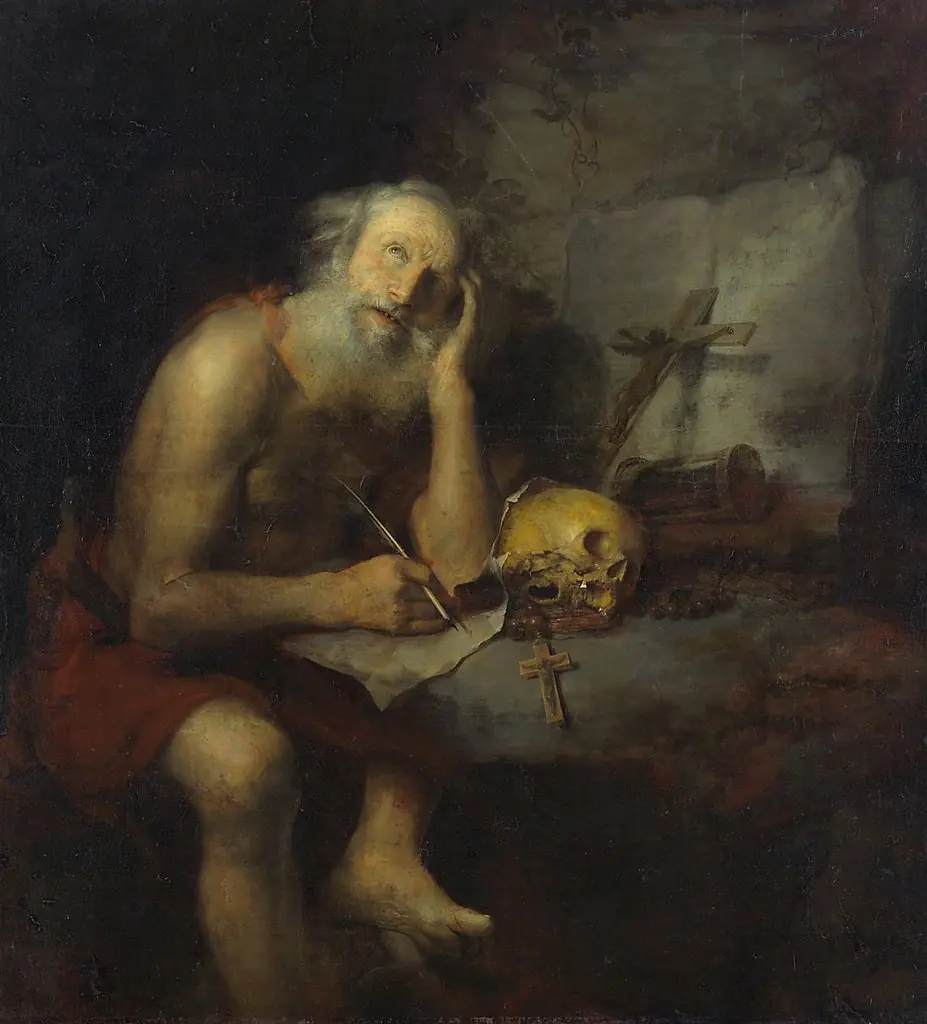
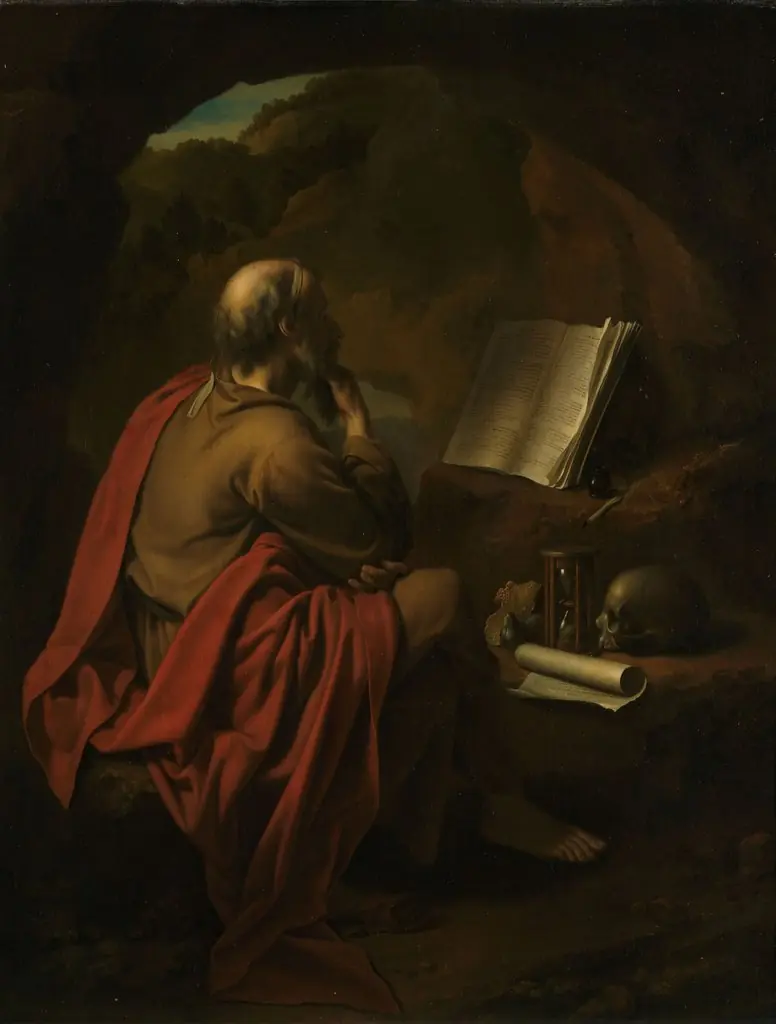
The figure represents Saint Jerome, traditionally shown in scholarly or penitential contexts. He holds a human skull in his left hand, a common memento mori symbol reminding viewers of mortality, while his right hand points outward, suggesting a gesture of instruction or revelation. The solemn expression reinforces the theme of reflective asceticism associated with the saint’s hermitic life.
Technique & Style
Crafted from wax, the model exploits the medium’s capacity for fine detail and translucency, allowing subtle modeling of facial features and drapery. The photograph captures a chiaroscuro effect: a single, low light source creates deep shadows that recede into darkness, isolating the figure and heightening the dramatic contrast between illuminated flesh and surrounding gloom.
History & Provenance
Created in the mid‑seventeenth century, the wax figure was attributed to the artist known as 609_person, a designation used in the museum’s cataloguing system. It entered the Museum of Ethnography’s holdings at an unspecified date and has remained in the institution’s collection, where it is displayed as an example of devotional wax modelling.
Context
Wax modelling was a popular medium for religious iconography in the 1600s, especially in Northern Europe, where artisans produced portable, lifelike representations for private devotion. The depiction of Saint Jerome aligns with Counter‑Reformation interests in didactic imagery, using tangible objects such as skulls to convey moral lessons about repentance and the fleeting nature of earthly life.
Artist & collection

 Domestic Scene
 Giacomo and Cardinal Marco, investing Andrea, Abbot of San Zeno, with his Benefice
 The Nymph of Fontainebleau
 Portrait of a Woman
 Madonna and Child with Saints in the Enclosed Garden
 Venus and Minerva
 Family Group of Four on Sofa
 Wall painting from Room H of the Villa of P. Fannius Synistor at Boscoreale