Artwork
Philosophe
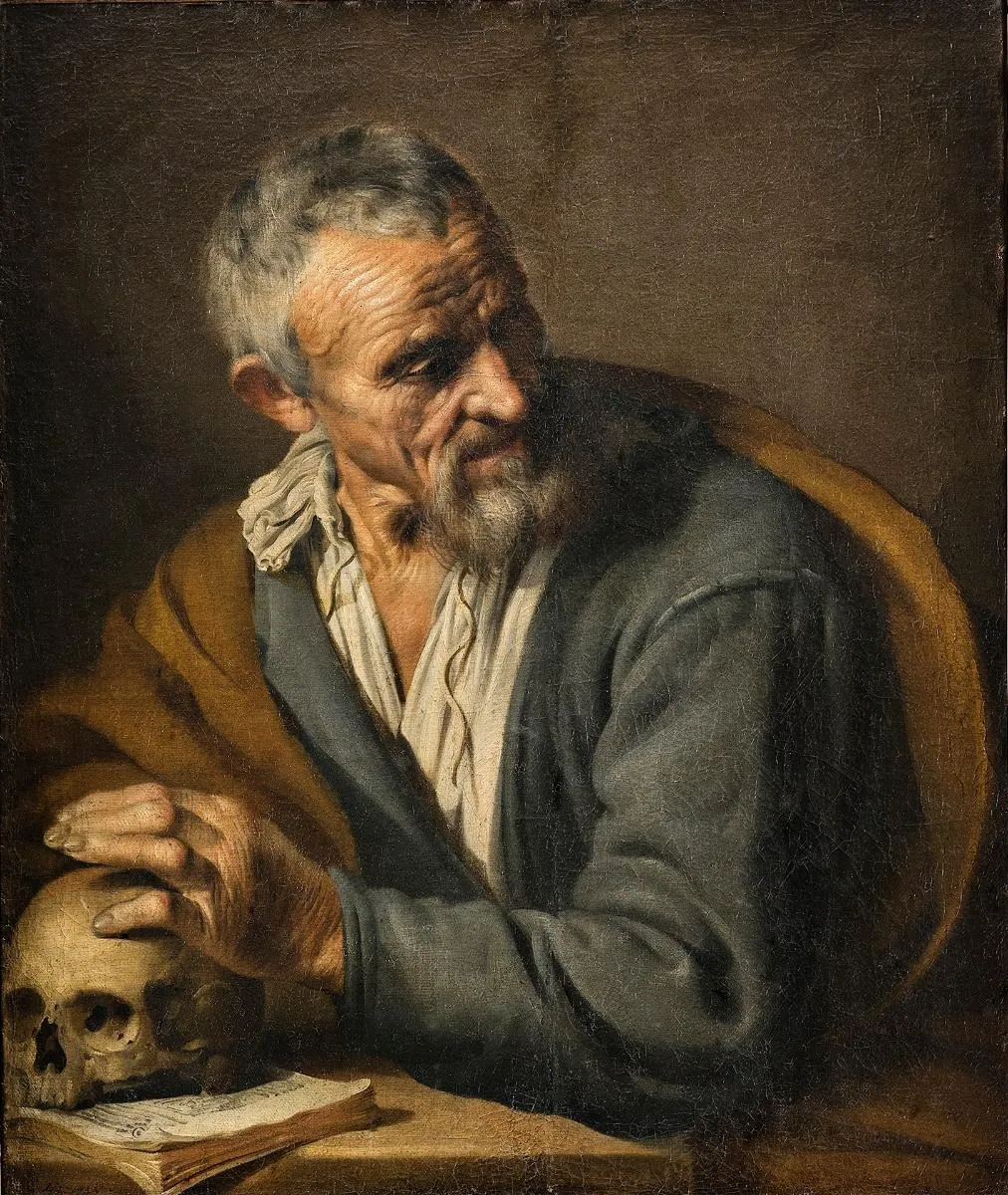
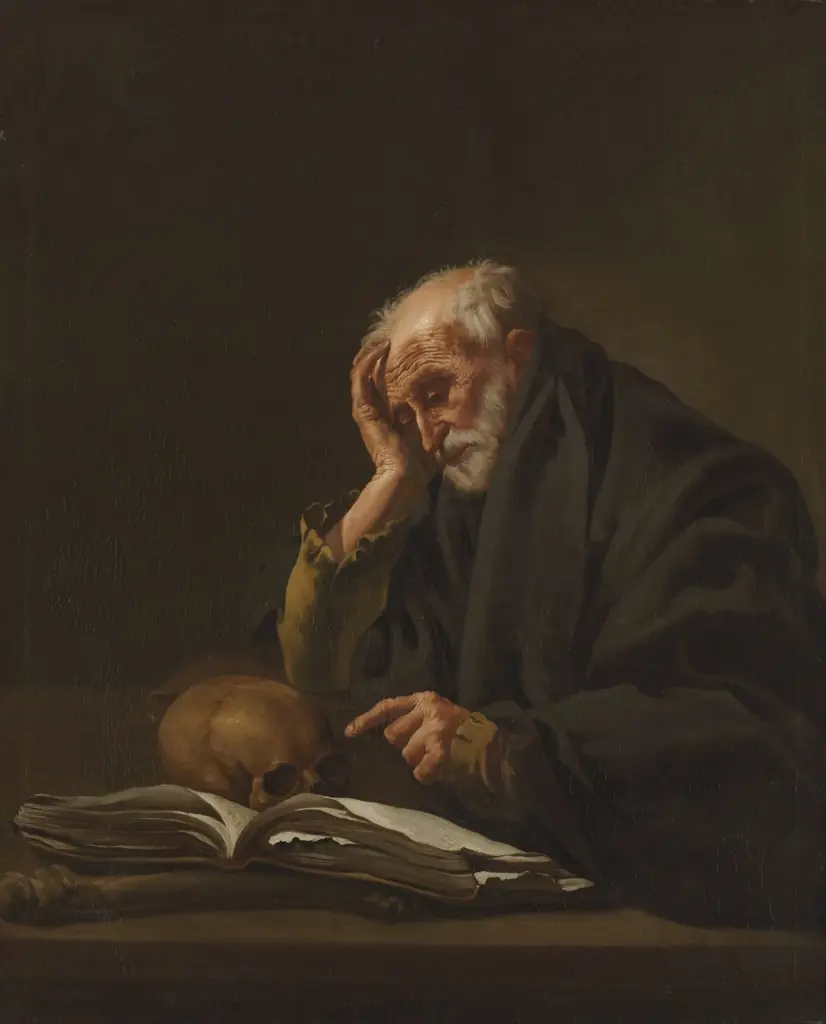
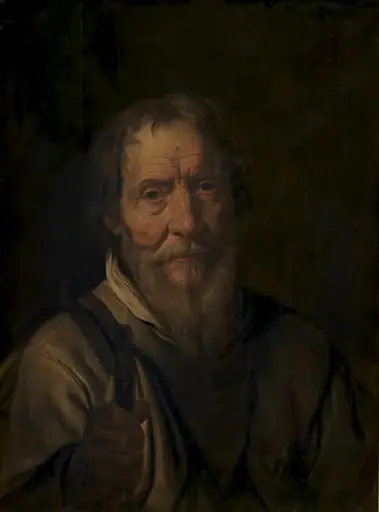
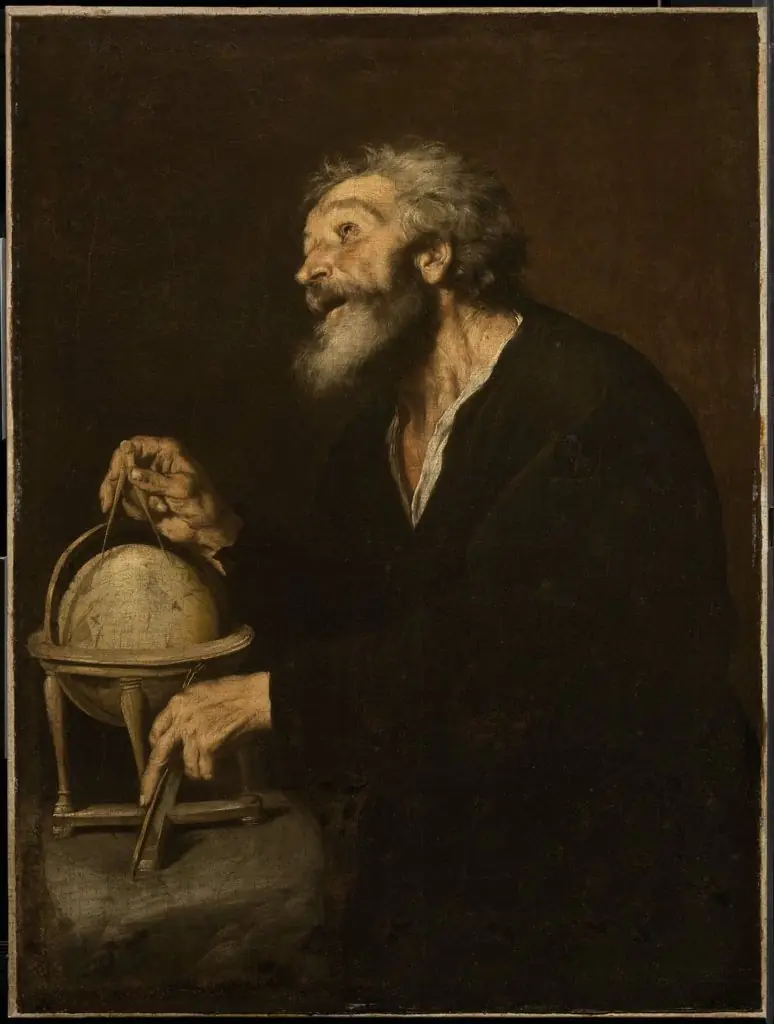
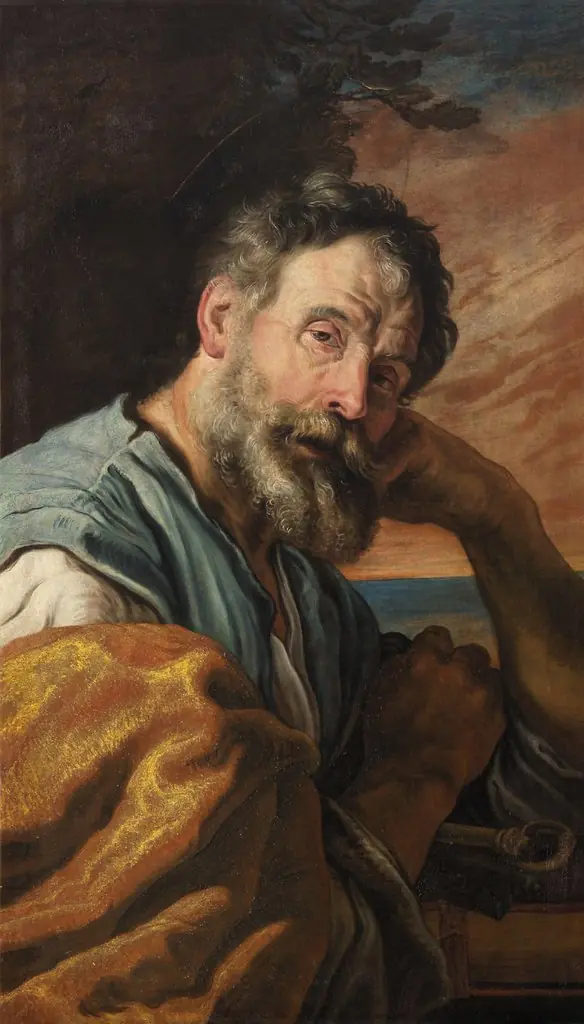
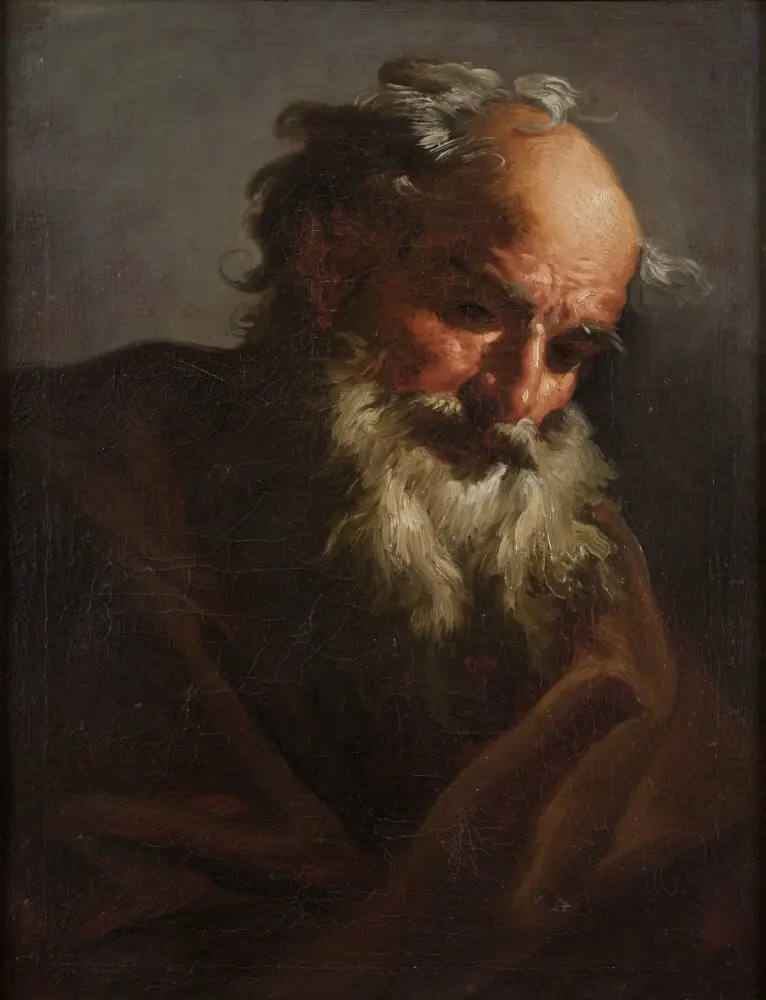
Philosophe is an oil painting by Samuel Hoffmann. It dates from 1629 and is held in the collection of the Kunsthaus Zürich.
About this work
Overview
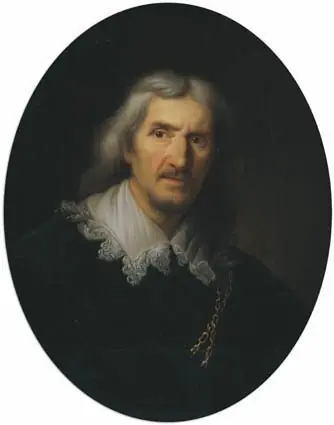
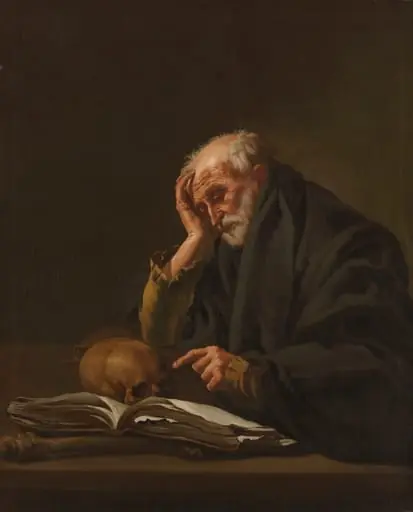
Painted around 1629 by Samuel Hoffmann, this oil on canvas work depicts an elderly man in quiet reflection. The painting resides in the Kunsthaus Zürich and exemplifies early 17th-century Northern European portraiture infused with moral contemplation. Its subdued palette and focused composition draw attention to the figure’s introspective state, framed by minimal surroundings.
Subject & Meaning
The seated man, aged and cloaked in somber garments, gazes at a skull resting beneath his hand — a traditional memento mori symbol. Beside him lies an open book, suggesting the pursuit of knowledge as a counterpoint to mortality. Together, these elements evoke a meditation on the transience of life and the enduring value of wisdom, common themes in post-Reformation visual culture.
Technique & Style
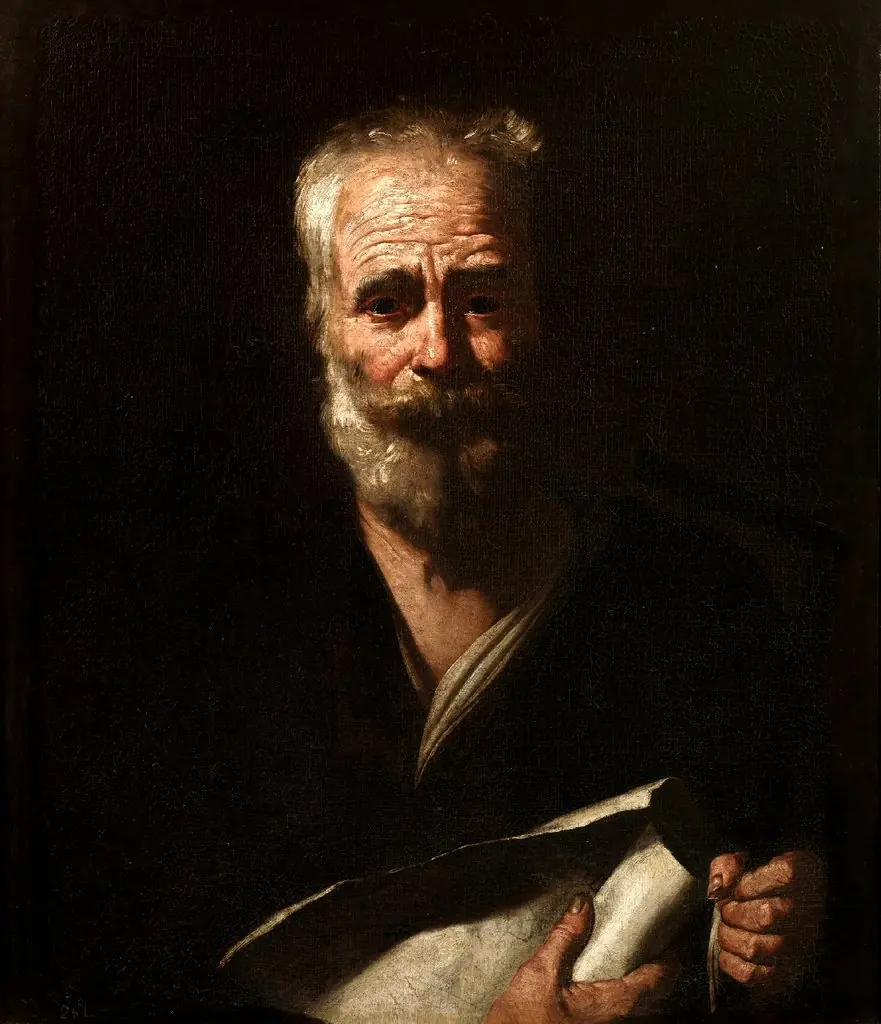
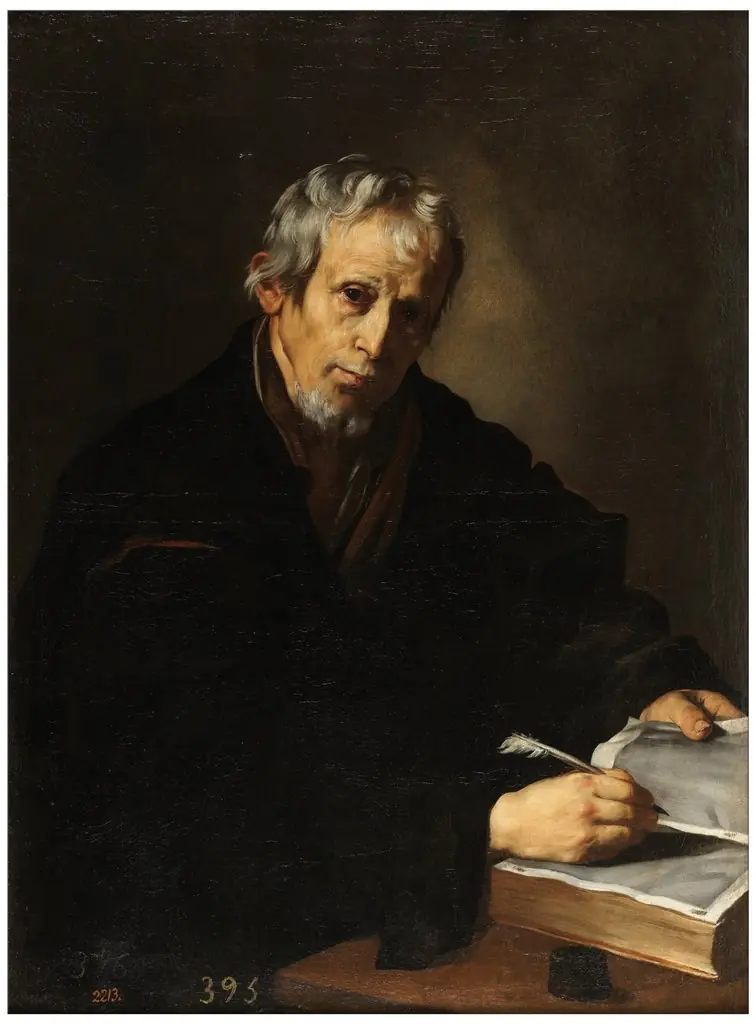
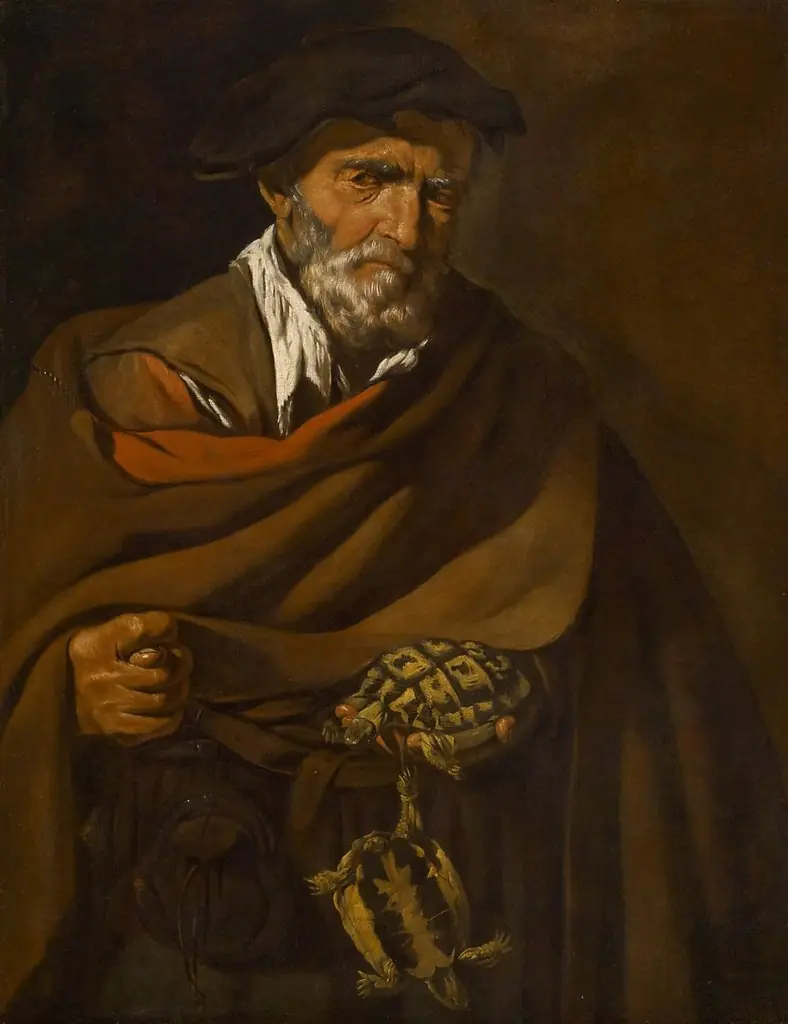
Hoffmann employs chiaroscuro to sculpt the figure from deep shadow, emphasizing the texture of skin, fabric, and bone. The stark contrast between light and dark enhances the emotional gravity of the scene, isolating the man from the void behind him. Brushwork is restrained yet precise, favoring atmospheric depth over ornamental detail, aligning with the introspective tone of the subject.
History & Provenance
The painting entered the collection of the Kunsthaus Zürich in the early 20th century, though its earlier ownership remains undocumented. Attributed to Samuel Hoffmann based on stylistic comparison with other known works, its date of c. 1629 places it within a period when Northern artists increasingly turned to solitary, philosophical portraiture as expressions of personal and spiritual inquiry.
Context
Created during a time of religious and intellectual upheaval, the painting reflects broader cultural preoccupations with mortality and the limits of human understanding. Similar imagery appears in Dutch and German works of the era, where scholars and sages are shown confronting death not with fear, but with sober contemplation — a visual language shaped by humanist and Protestant values.
Legacy
Though not widely reproduced, the painting contributes to a quieter tradition of moral portraiture that influenced later generations of Northern European artists. Its restrained emotion and symbolic clarity distinguish it from more theatrical Baroque works, offering a model of introspection that resonates with modern viewers seeking stillness amid complexity.
Artist & collection