Artwork
Saint Jerome
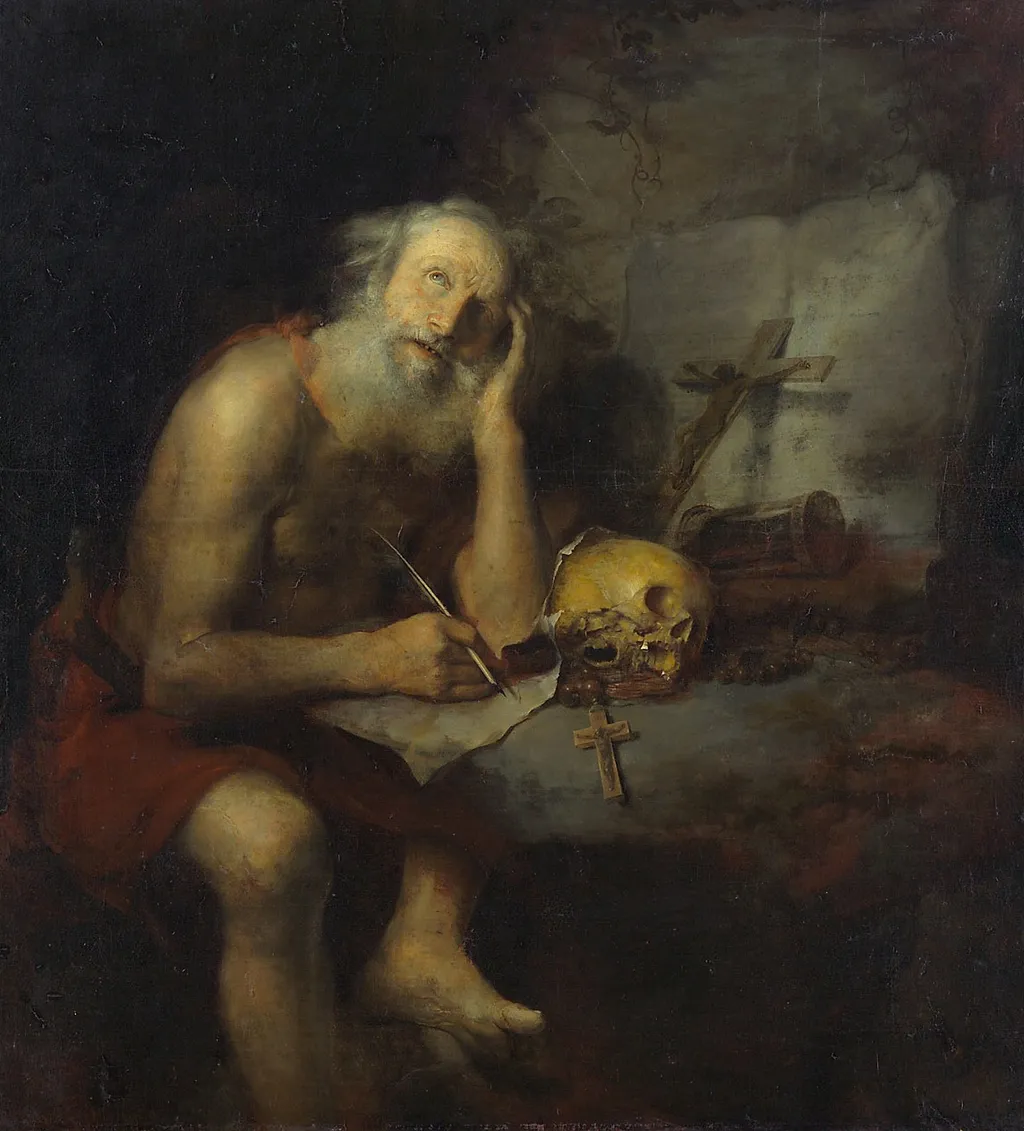
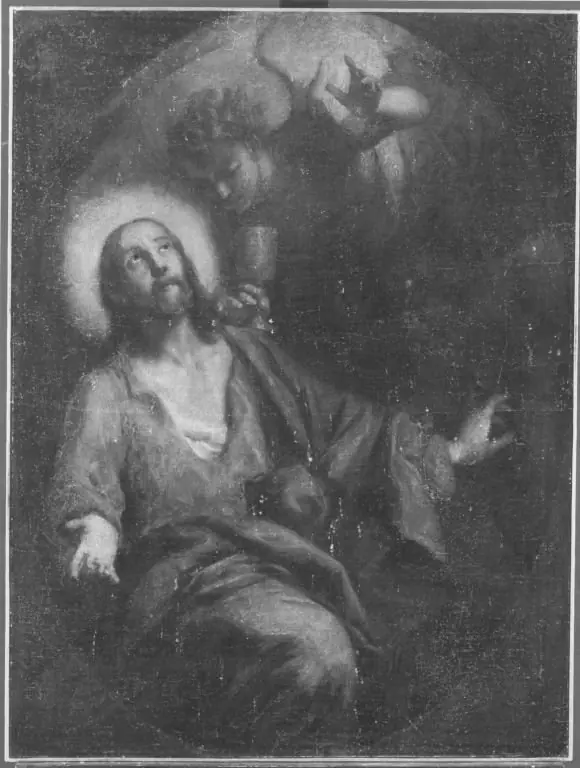
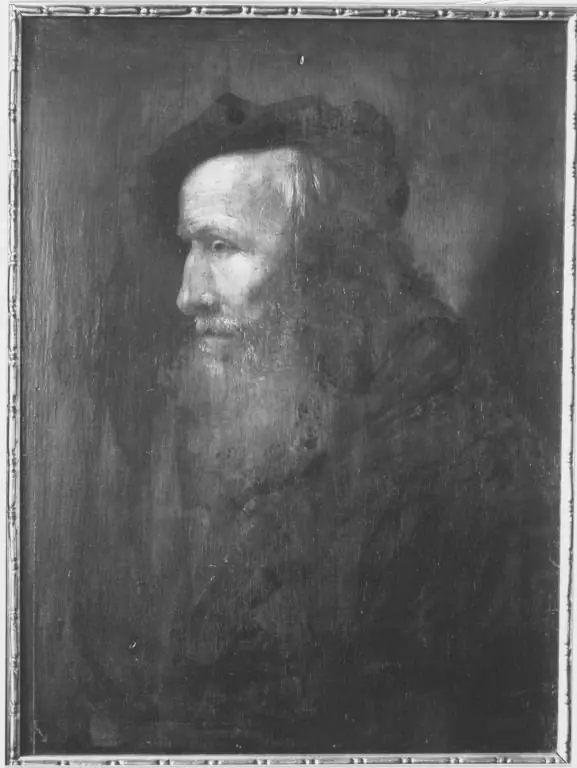
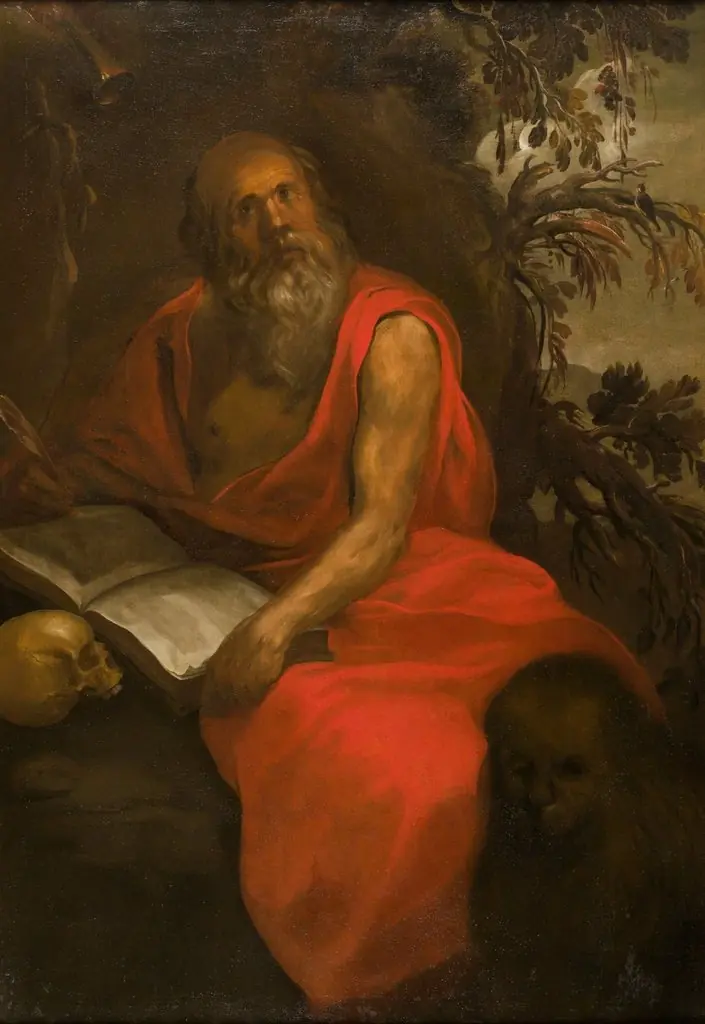
Saint Jerome is an oil painting by the Early Baroque Italian artist Christopher Paudiß. It dates from 1657 and is held in the collection of the Kunsthistorisches Museum.
About this work
Overview
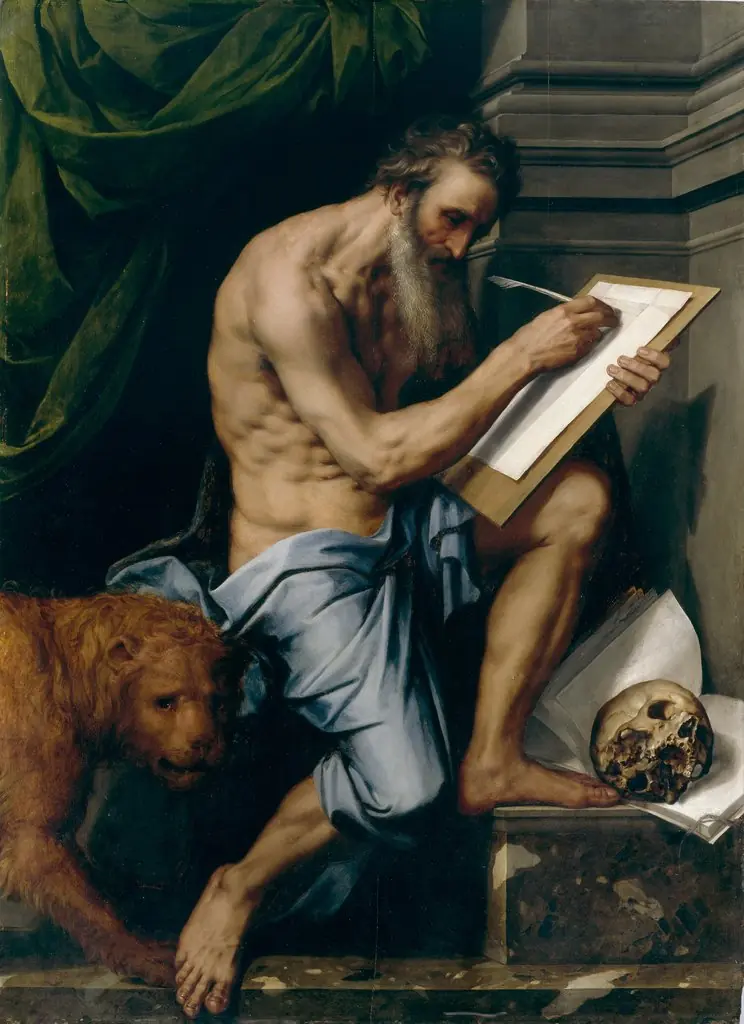
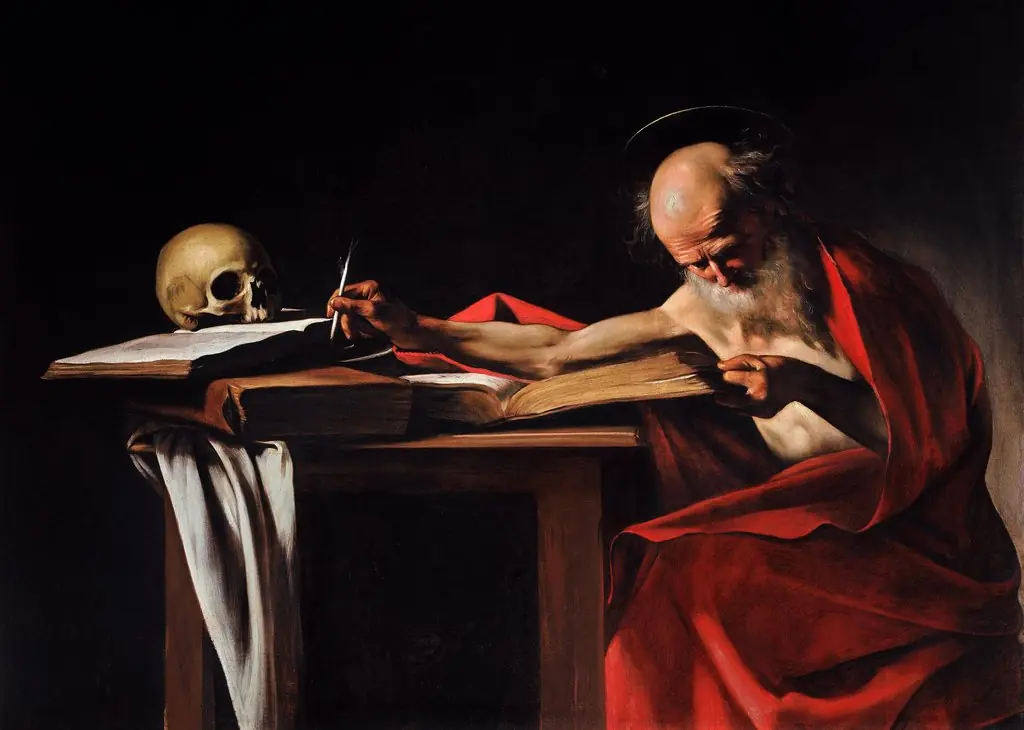
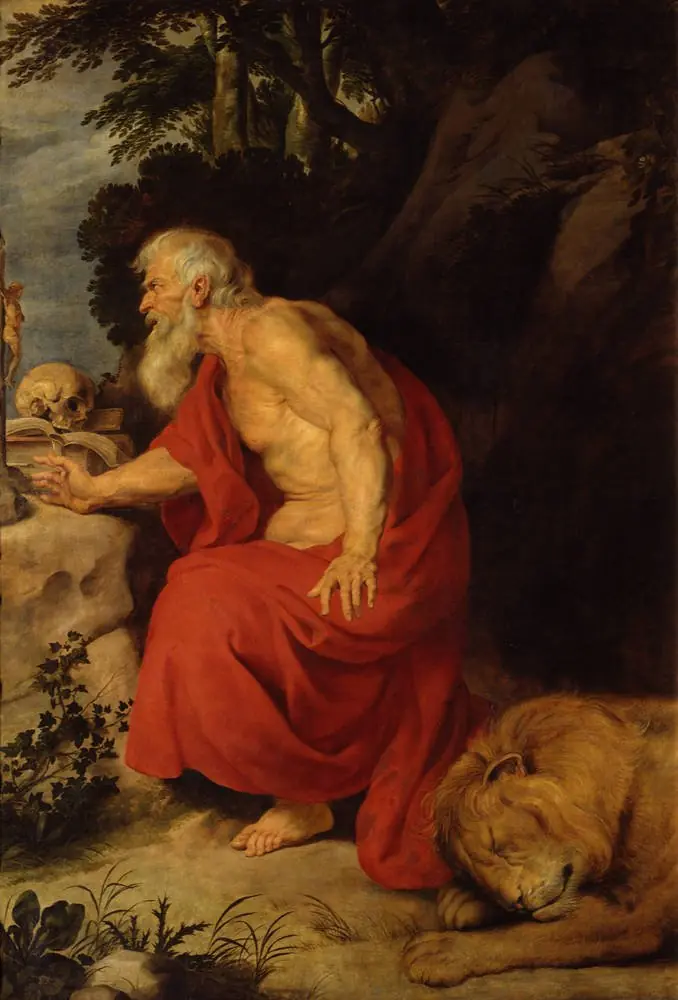
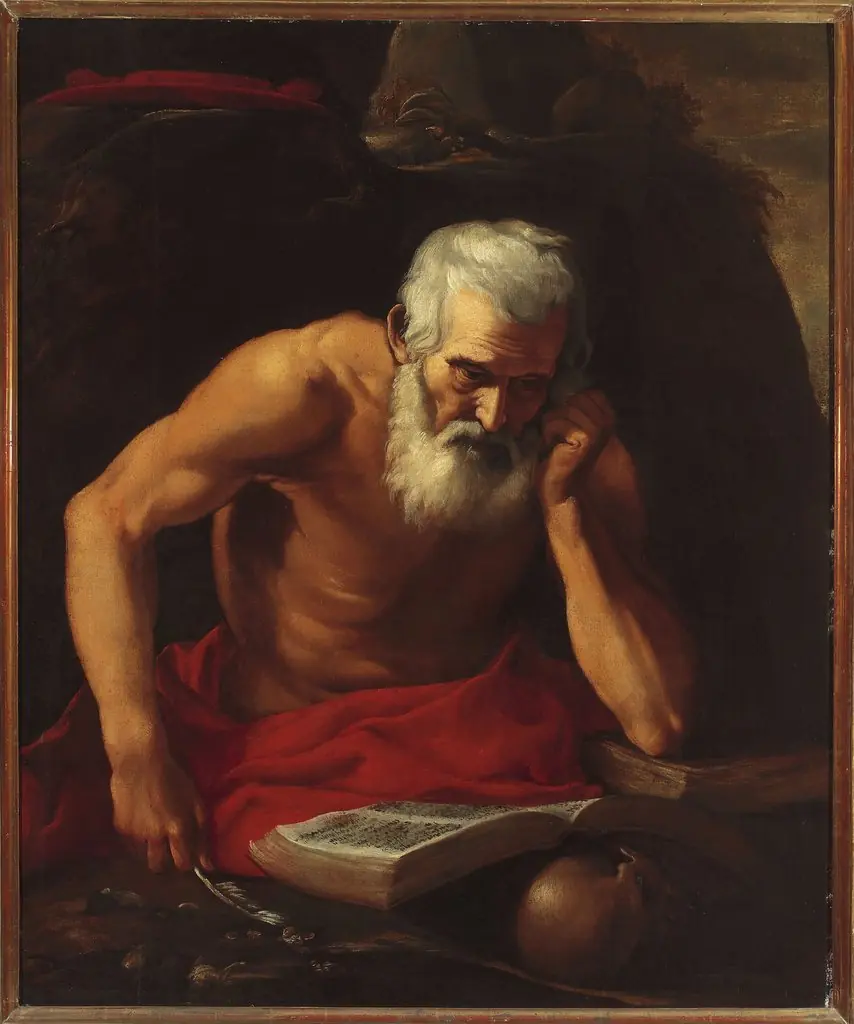
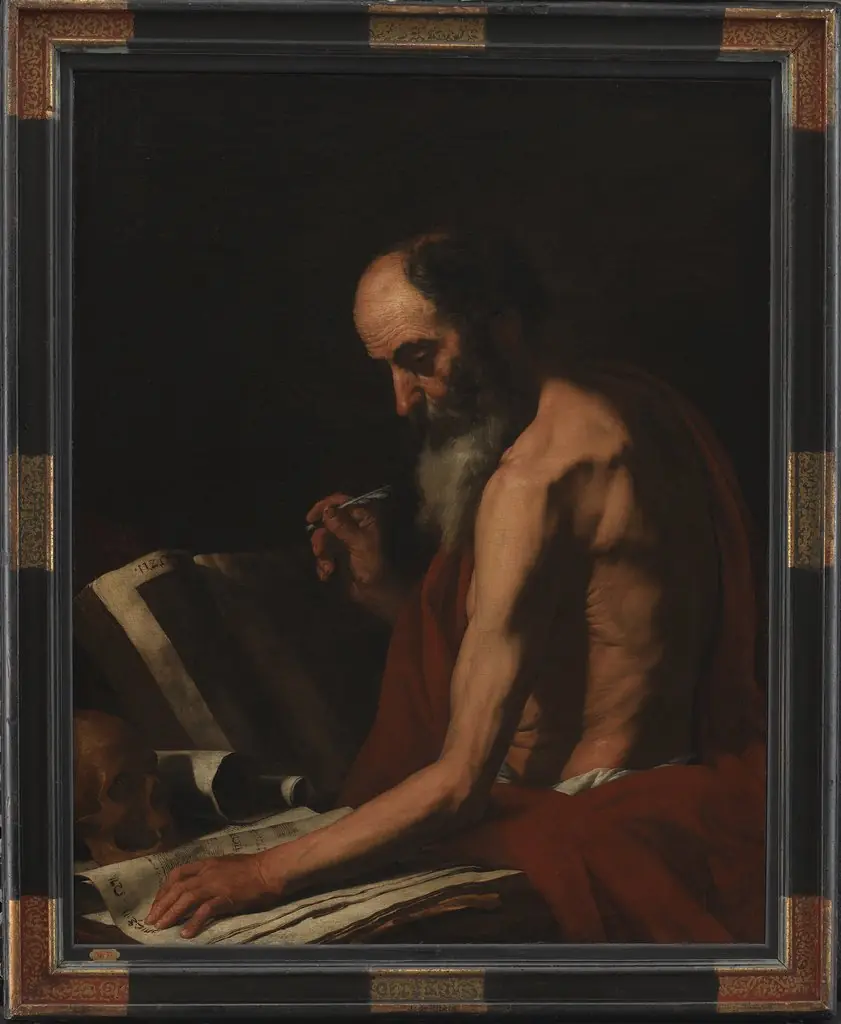
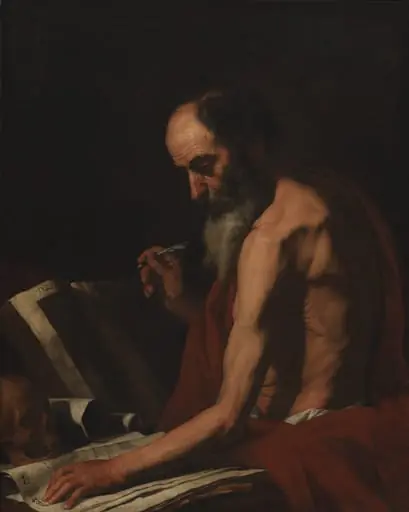
Created in 1657, this oil painting portrays Saint Jerome seated at a desk, surrounded by symbolic objects such as a skull, a cross, and a book. The figure wears a red robe, rests his right arm on the surface, and holds a quill poised over a sheet of paper, his gaze lifted upward in contemplation. The work belongs to the collection of the Kunsthistorisches Museum in Vienna.
Subject & Meaning
The upward look suggests spiritual reflection, inviting viewers to consider the tension between earthly study and divine inspiration.
The composition focuses on the biblical scholar Jerome, traditionally shown in the act of translation or meditation. The inclusion of a skull and a cross underscores themes of mortality and faith, while the quill and manuscript reference his scholarly labor translating the Bible into Latin. The upward look suggests spiritual reflection, inviting viewers to consider the tension between earthly study and divine inspiration.
Technique & Style
The painter employs chiaroscuro, contrasting illuminated areas with deep shadows to model the figure and objects, creating a three‑dimensional presence. The rich red of the robe and the subdued palette of the surrounding items enhance the dramatic Baroque atmosphere. Brushwork is smooth, allowing fine detail in the textures of the desk, parchment, and the reflective surfaces of the skull.
History & Provenance
The artist, Christopher Paudiß, was a Bavarian painter born in 1630 in Lower Saxony and trained under the influence of Rembrandt. Active in Upper Bavaria during the early Italian Baroque period, he produced this work as part of his religious genre output. The painting entered the Kunsthistorisches Museum’s collection, where it remains on public display.
Context
Paudiß’s depiction aligns with 17th‑century Baroque interests in dramatic lighting, emotional intensity, and the didactic portrayal of saints. By integrating scholarly attributes with memento mori symbols, the work reflects contemporary Counter‑Reformation concerns about piety, learning, and the contemplation of death as a path to spiritual renewal.
Artist & collection
Artist
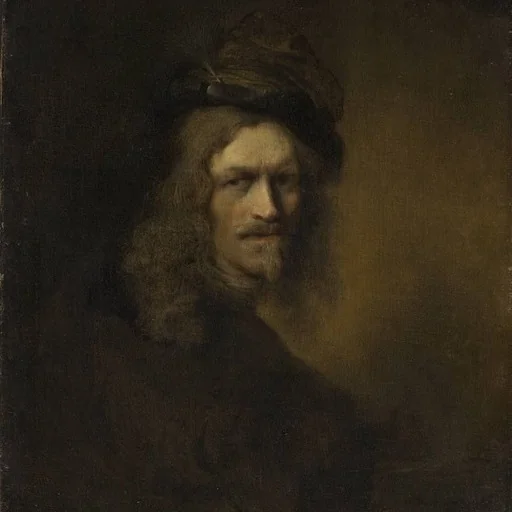
Christoph(er) Paudiß (1630 in Lower Saxony – 1666 in Freising, Upper Bavaria) was a Bavarian Baroque painter and a student of Rembrandt van Rijn.