Artwork
Svend Vonved
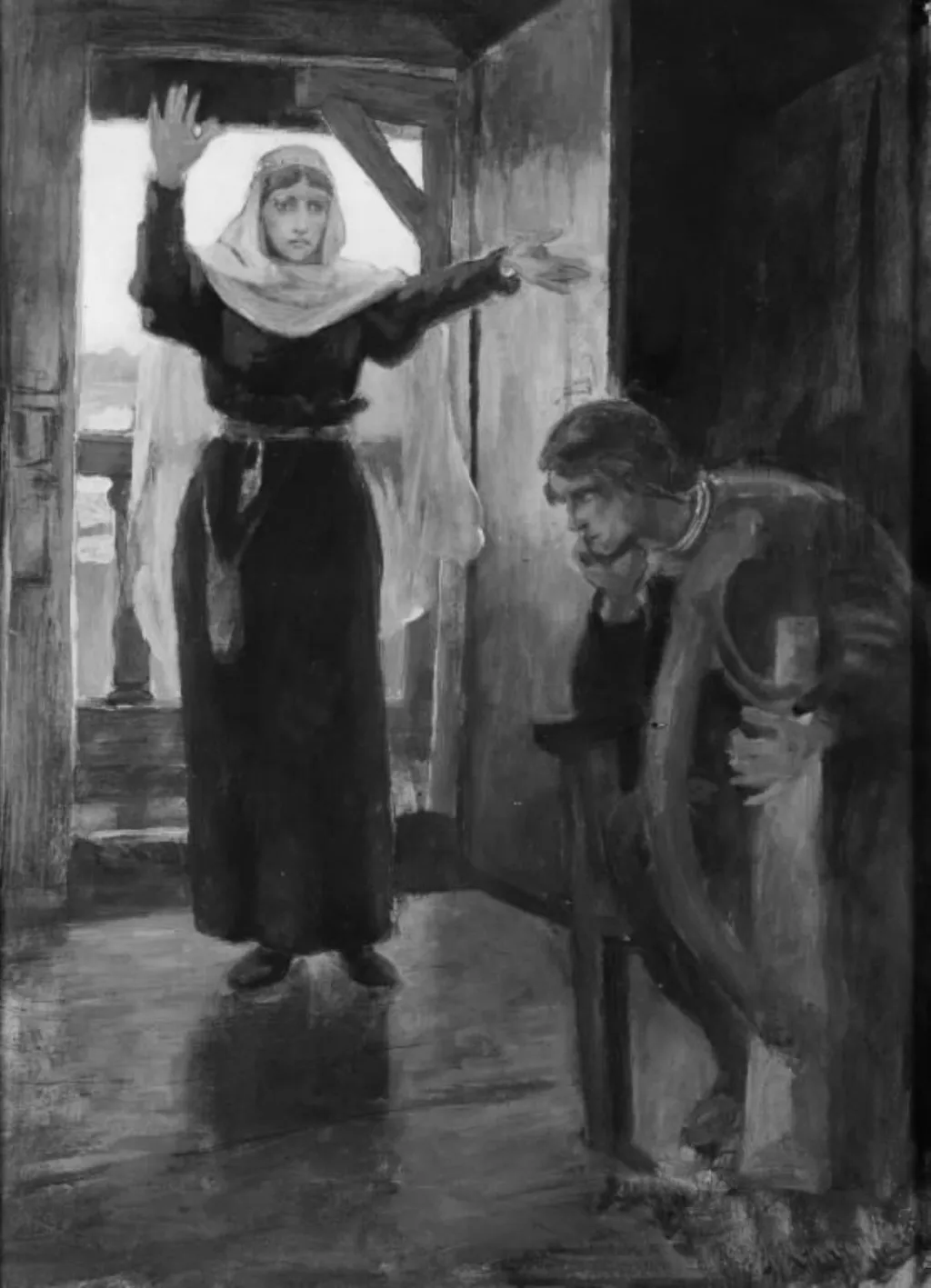
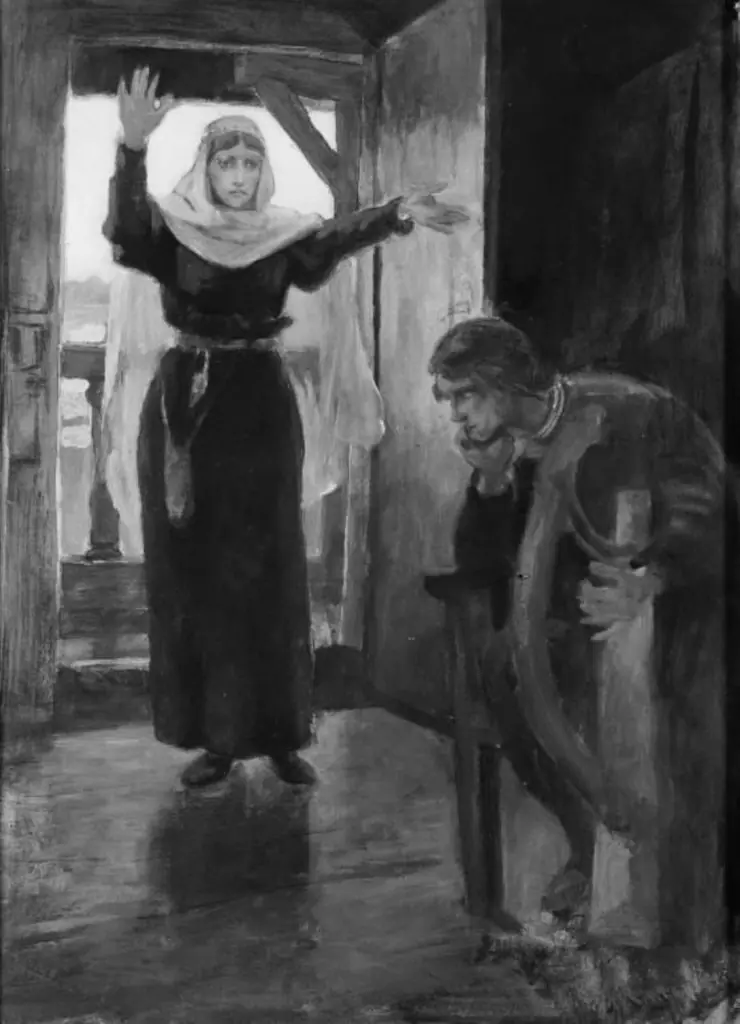
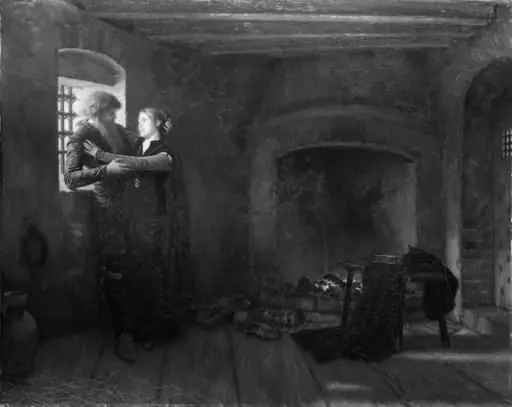
Svend Vonved is a photography by Unknown. It dates from 1850 and is held in the collection of the Statens Museum for Kunst. This black-and-white photograph, dated around 1850, depicts two figures in an interior space.
About this work
Overview
Its composition emphasizes dramatic contrasts between light and shadow, creating a sense of stillness and unspoken tension.
This black-and-white photograph, dated around 1850, depicts two figures in an interior space. The image is attributed to 650_person and is part of the collection at the Museum of Ethnography. Its composition emphasizes dramatic contrasts between light and shadow, creating a sense of stillness and unspoken tension. The technical limitations of early photography are evident in the grainy texture and limited tonal range.
Subject & Meaning
Two individuals are captured in a moment of quiet interaction. One stands near a doorway with arms raised, possibly holding an object or adjusting posture; the other leans forward, hands clasped, as if attentive or awaiting action. The scene resists clear narrative interpretation, suggesting a ritual, rehearsal, or private exchange. The ambiguity invites contemplation rather than explanation.
Technique & Style
The photograph employs strong chiaroscuro, using directional light to carve form from darkness. Shadows stretch sharply across walls and floor, enhancing depth and emotional weight. The exposure likely required long duration, freezing motion into stillness. The composition is tightly framed, focusing attention on the figures’ gestures and the spatial relationship between them.
History & Provenance
Created circa 1850, the image was acquired by the Museum of Ethnography, where it remains in its collection. The photographer, identified only as 650_person, is otherwise undocumented. No contextual records accompany the image, leaving its original purpose—whether documentary, artistic, or personal—uncertain. Its survival suggests early interest in ethnographic representation.
Context
In the mid-19th century, photography began to be used for anthropological study, often capturing individuals in staged or domestic settings. This image aligns with that trend, though its lack of labeling or cultural markers makes precise identification difficult. It reflects the era’s fascination with human expression and the potential of the camera to record fleeting moments.
Legacy
Though not widely exhibited or studied, the photograph endures as an example of early photographic experimentation with light and human presence. Its quiet intensity resonates with later photographic traditions that prioritize mood over documentation. It stands as a quiet artifact of a time when the camera’s role in recording human behavior was still being defined.
Artist & collection

 Domestic Scene
 Giacomo and Cardinal Marco, investing Andrea, Abbot of San Zeno, with his Benefice
 The Nymph of Fontainebleau
 Portrait of a Woman
 Madonna and Child with Saints in the Enclosed Garden
 Venus and Minerva
 Family Group of Four on Sofa
 Wall painting from Room H of the Villa of P. Fannius Synistor at Boscoreale
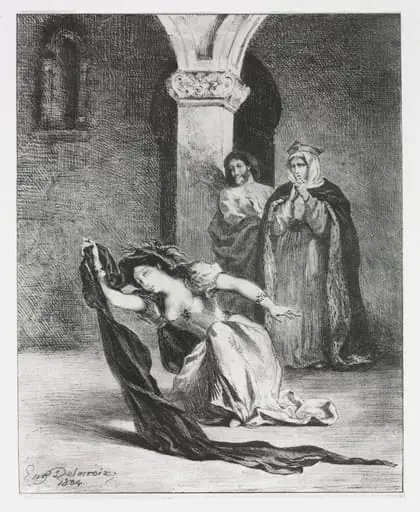 Hamlet: The Chant of Ophelia
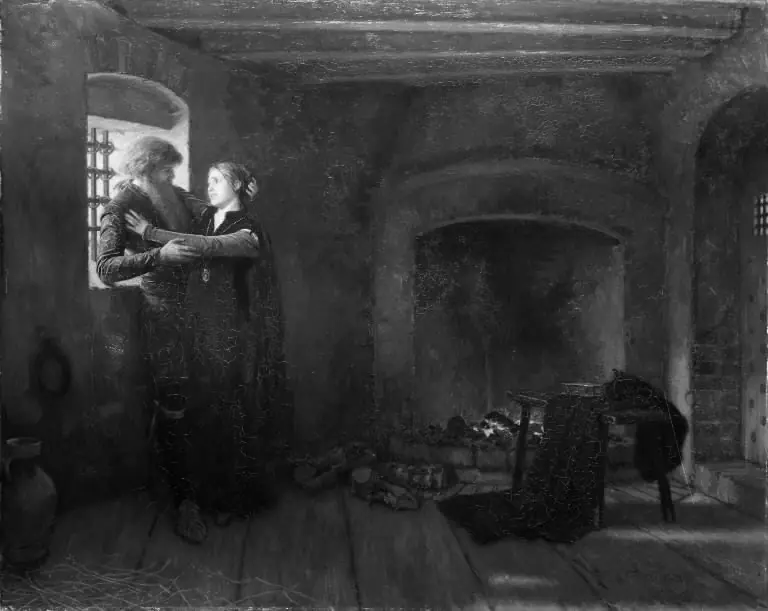 The Visit of Karin Månsdotter to Eric XIV
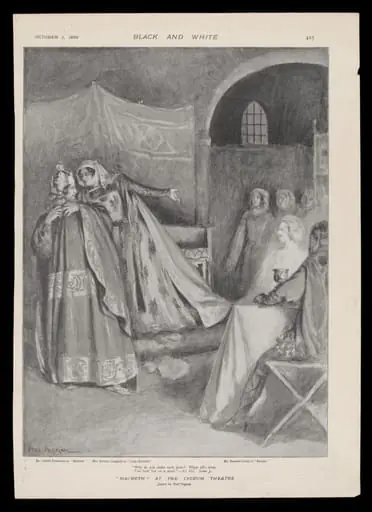 H Beard Print Collection
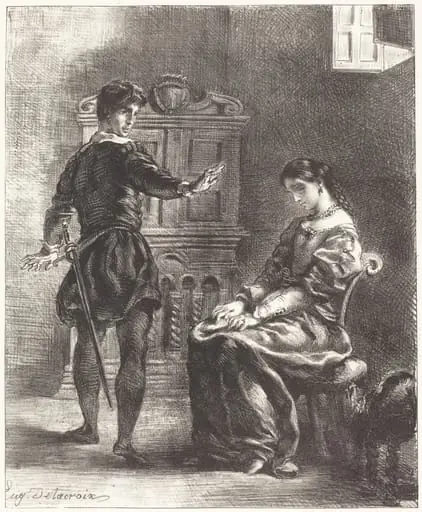 Hamlet and Ophelia (Act III, Scene I)
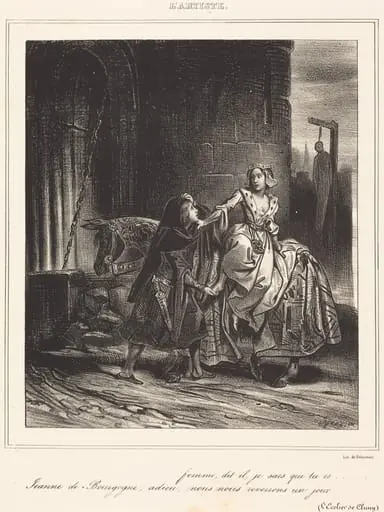 Jeanne de Bourgogne
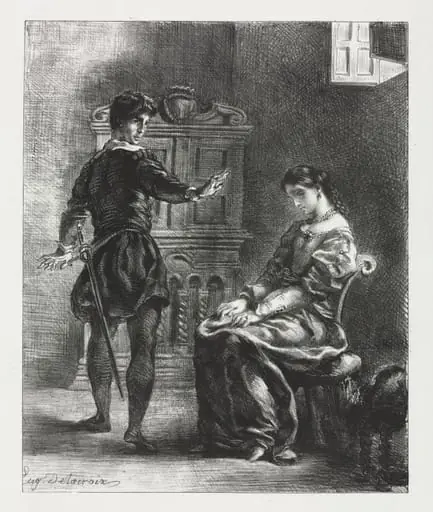 Hamlet: Hamlet and Ophelia
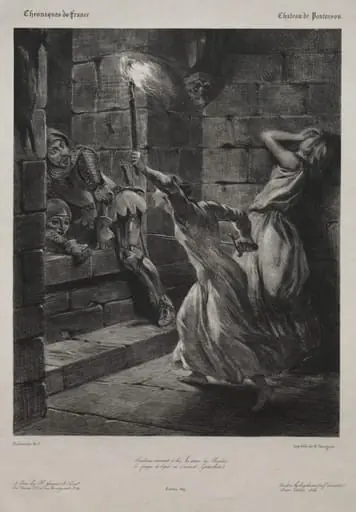 The Sister of Duguesclin
 The Duel (from Francis Beaumont and John Fletcher's 'The Humorous Lieutenant', Act III, Scene 3)
 Boas and Ruth
 Illustrations for Faust: Marguerite at church
 Svend Vonved
 The Visit of Karin Månsdotter to Eric XIV