Artwork
Hamlet: The Chant of Ophelia
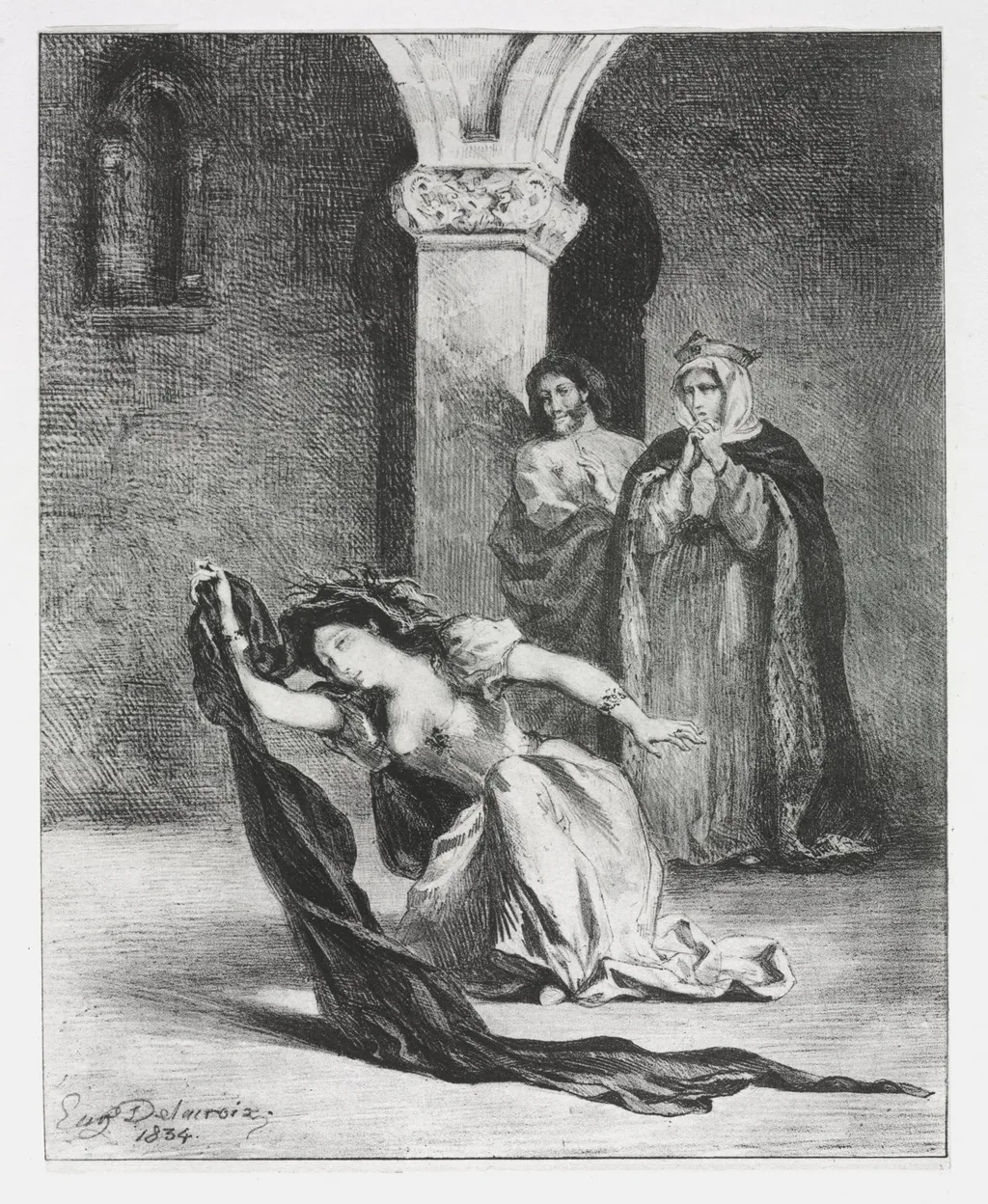
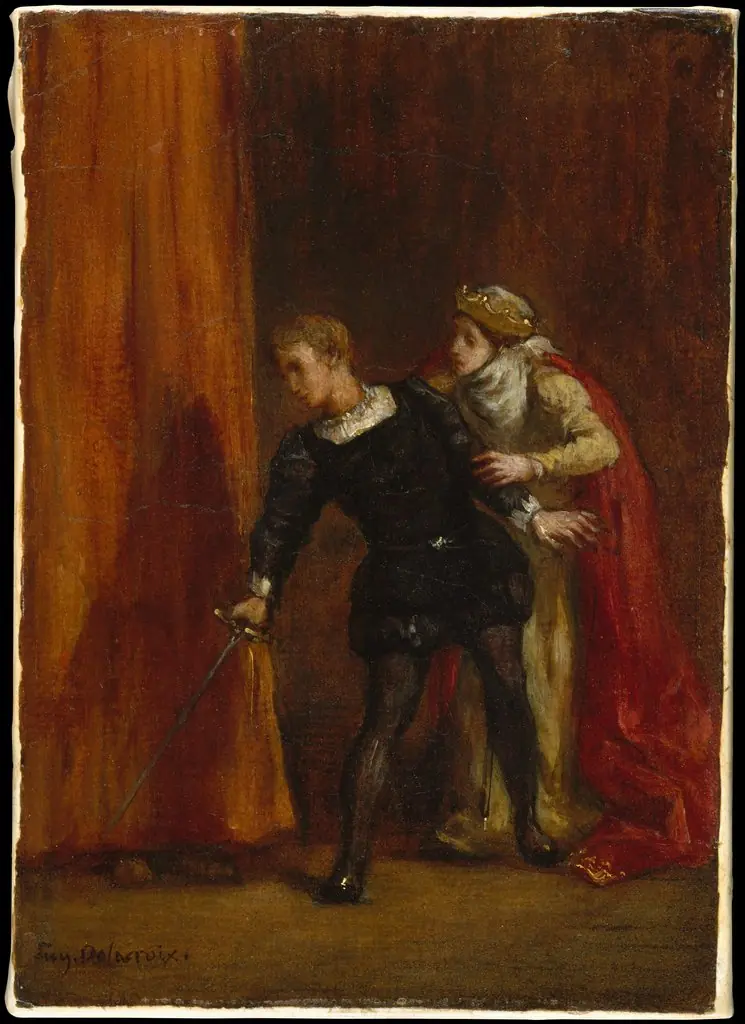
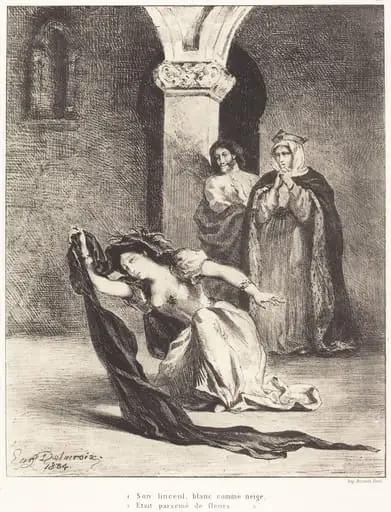
Hamlet: The Chant of Ophelia is a print by the Romanticist artist Eugène Delacroix. It dates from 1834 and is held in the collection of the Cleveland Museum of Art.
About this work
Overview
Created in 1834 by Eugène Delacroix, this print captures a moment from Shakespeare’s *Hamlet* with intense emotional urgency.
Created in 1834 by Eugène Delacroix, this print captures a moment from Shakespeare’s *Hamlet* with intense emotional urgency. Though often associated with oil painting, Delacroix also worked in graphic media to explore dramatic narratives. This piece reflects his interest in theatricality and psychological depth, moving away from the rigid forms of Neoclassicism toward a more expressive visual language rooted in movement and mood.
Subject & Meaning
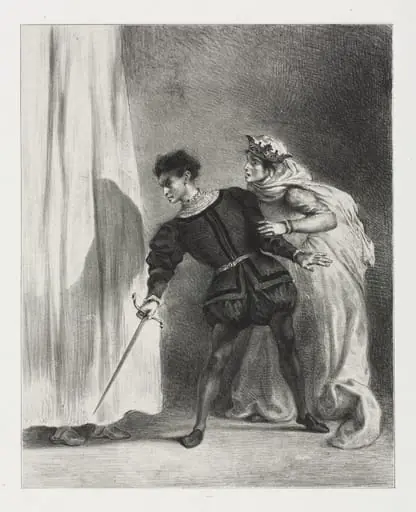
The scene portrays Ophelia in the aftermath of her mental collapse, her body contorted in a gesture of despair. Two figures loom behind her—one in prayerful stillness, the other leaning passively against stone—emphasizing her isolation. Delacroix does not illustrate a specific moment from the text but conveys the inner turmoil of Ophelia’s fate, aligning with Romanticism’s focus on emotional truth over literal narrative.
Technique & Style
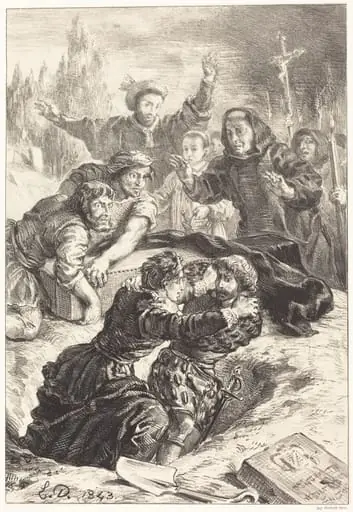
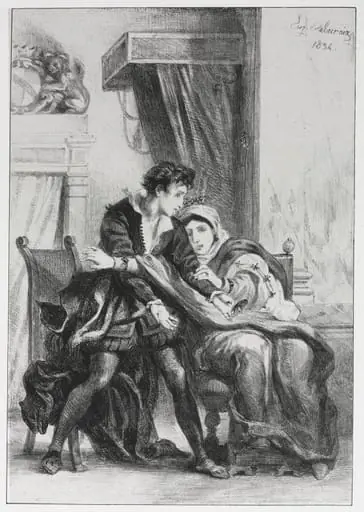
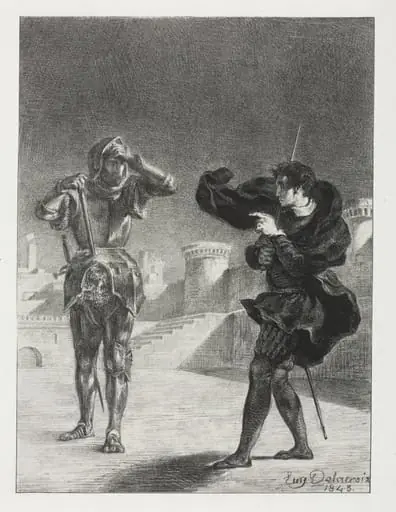
Delacroix employed bold, fluid lines and strong contrasts of light and shadow to heighten the scene’s emotional weight. The rough textures of the stone architecture and the dynamic positioning of the figures create a sense of instability. His use of shading suggests depth without detailed rendering, prioritizing atmosphere over precision. This approach echoes the influence of Rubens and Venetian colorists, favoring expressive energy over academic finish.
History & Provenance
This work emerged during a period when Delacroix was deeply engaged with literary subjects, particularly Shakespeare. It was likely produced as a study or independent print, not part of a larger illustrated edition. While its early ownership is undocumented, it entered public collections in the late 19th century as interest in Romantic graphic art grew. Its survival reflects its status as a significant, if lesser-known, facet of Delacroix’s oeuvre.
Context
In 1830s France, Romanticism challenged the dominance of Neoclassical ideals by embracing passion, individual suffering, and literary themes. Delacroix’s engagement with Shakespeare aligned with broader cultural fascination with the Bard’s psychological complexity. This print sits within a wave of visual interpretations of *Hamlet*, but stands apart for its focus on Ophelia’s interior state rather than the play’s political drama.
Legacy
Though less celebrated than Delacroix’s large-scale paintings, this print exemplifies his ability to distill profound emotion through minimal means. It influenced later artists exploring psychological intensity in graphic form and remains a key example of how Romantic ideals translated into intimate, non-monumental works. Its enduring presence in museum collections underscores its role in expanding the boundaries of narrative printmaking.
Artist & collection
Artist
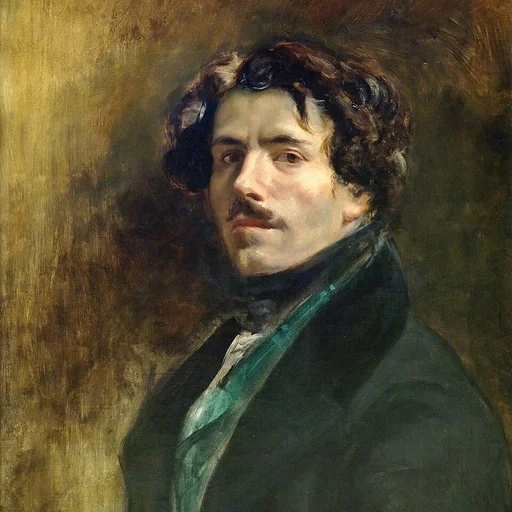
Ferdinand Victor Eugène Delacroix ( DEL-ə-krwah, -KRWAH; French: ; 26 April 1798 – 13 August 1863) was a French Romantic artist who was regarded as the leader of the French Romantic school.