Artwork
The Duel (from Francis Beaumont and John Fletcher's 'The Humorous Lieutenant', Act III, Scene 3)
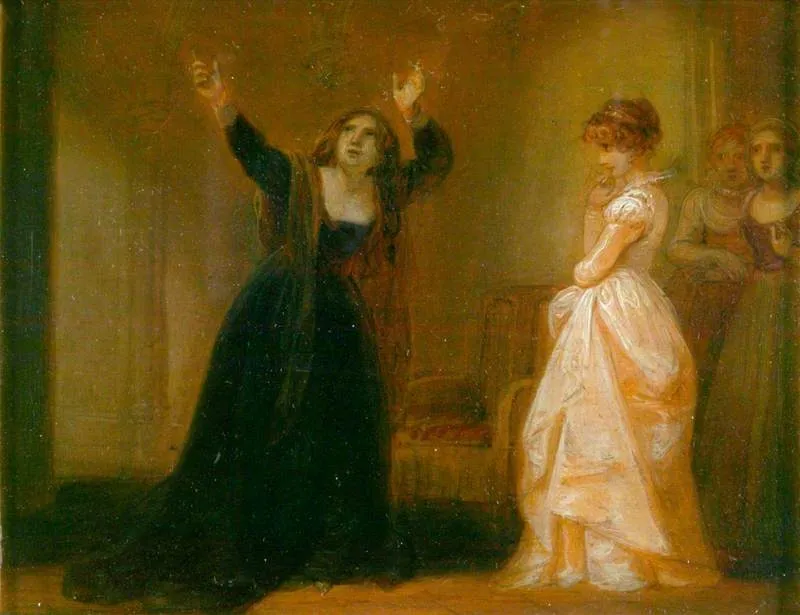
The Duel (from Francis Beaumont and John Fletcher's 'The Humorous Lieutenant', Act III, Scene 3) is an oil painting by Robert Smirke. It dates from 1803 and is held in the collection of the Victoria and Albert Museum.
About this work
Overview
As a Royal Academy member, Smirke specialized in intimate literary scenes rendered with theatrical precision.
Robert Smirke’s oil painting, dated around 1803, illustrates a moment from Act III, Scene 3 of the Jacobean play *The Humorous Lieutenant* by Francis Beaumont and John Fletcher. As a Royal Academy member, Smirke specialized in intimate literary scenes rendered with theatrical precision. The work is held in the Victoria and Albert Museum’s collection, reflecting its status as a representative example of early 19th-century British narrative painting.
Subject & Meaning
The scene captures a confrontation between two women, their postures signaling emotional conflict. One, in dark attire, raises her arms in agitation; the other, clad in white, stands still with clasped hands, suggesting restraint or supplication. Two observers in the background amplify the tension, framing the moment as a public spectacle. The painting translates dramatic stage action into visual form, emphasizing moral and emotional stakes over physical violence.
Technique & Style
Smirke employs chiaroscuro to heighten the drama, contrasting the dark-dressed figure against the pale one to draw focus. Brushwork is controlled yet expressive, with fluid lines guiding the eye toward the central figures. The composition is tightly framed, minimizing background detail to sustain psychological intensity. Color serves narrative function: white conveys vulnerability, while dark tones imply urgency or threat.
History & Provenance
Created circa 1803, the painting entered the Victoria and Albert Museum’s collection as part of its broader effort to preserve British art tied to literature and theater. Smirke’s reputation as a literary illustrator ensured such works were valued for their cultural resonance. No significant changes in ownership are recorded, suggesting consistent institutional recognition since its acquisition.
Context
In early 19th-century Britain, literary subjects in painting were popular among middle-class audiences seeking cultural refinement. Smirke’s work aligns with a trend of translating stage drama into visual art, often for domestic display. His focus on female emotional intensity reflects contemporary interest in domestic and moral narratives, even within traditionally male-authored plays.
Legacy
Though Smirke is not widely remembered today, *The Duel* remains a clear example of how British artists engaged with theatrical literature during the Romantic period. The painting contributes to the understanding of how visual culture interpreted and sustained literary narratives outside the theater, influencing later illustrators of classical drama.
Artist & collection
Artist
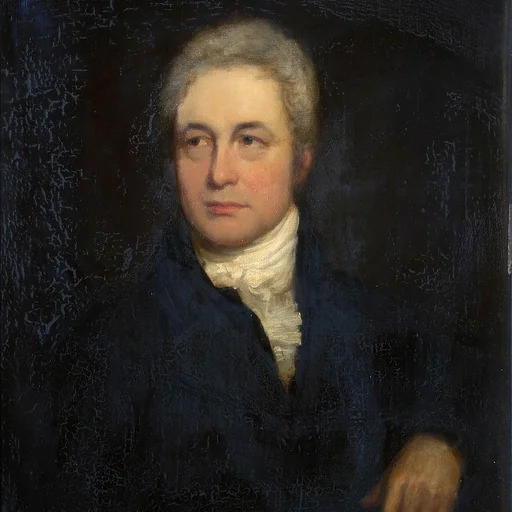
Robert Smirke (15 April 1753 – 5 January 1845) was an English painter and illustrator, specialising in small paintings showing subjects taken from literature. He was a member of the Royal Academy.

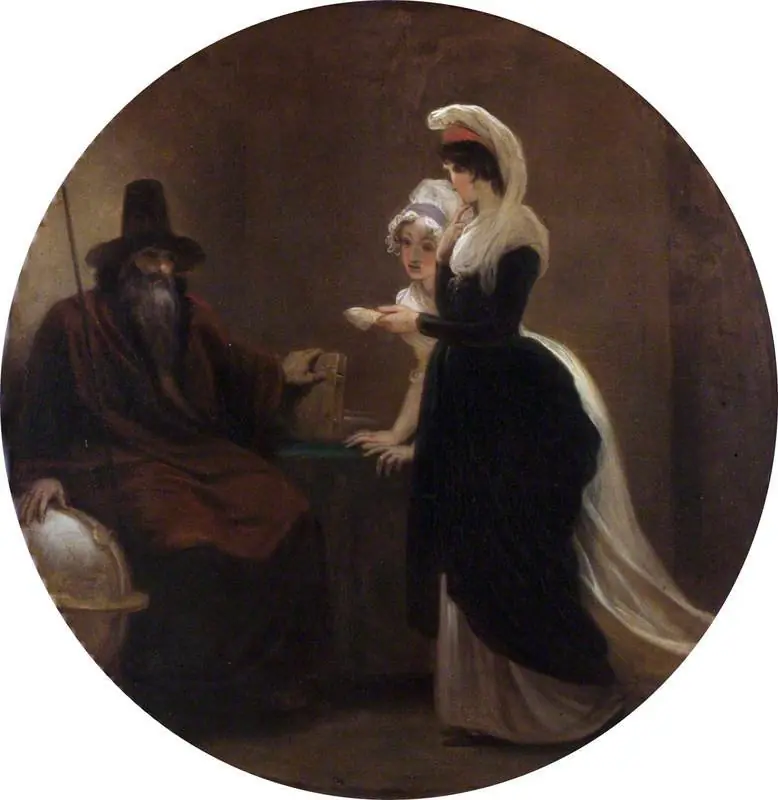
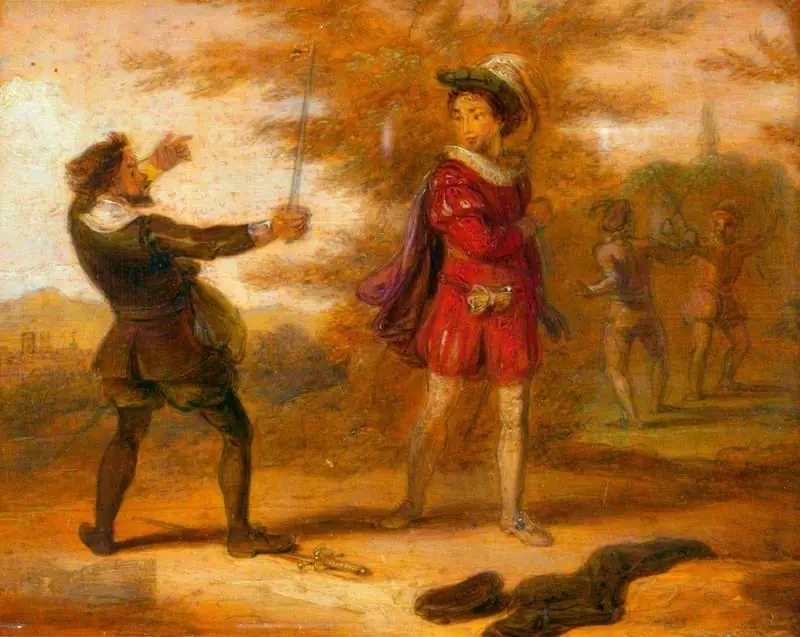
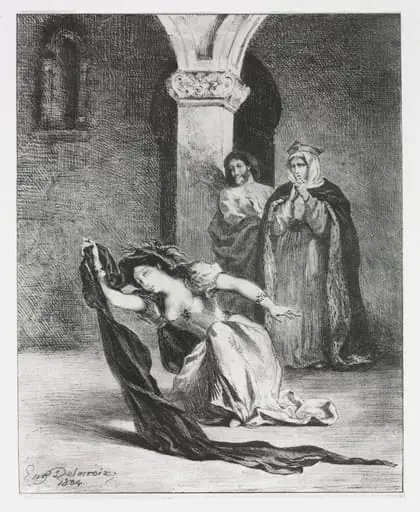 Hamlet: The Chant of Ophelia
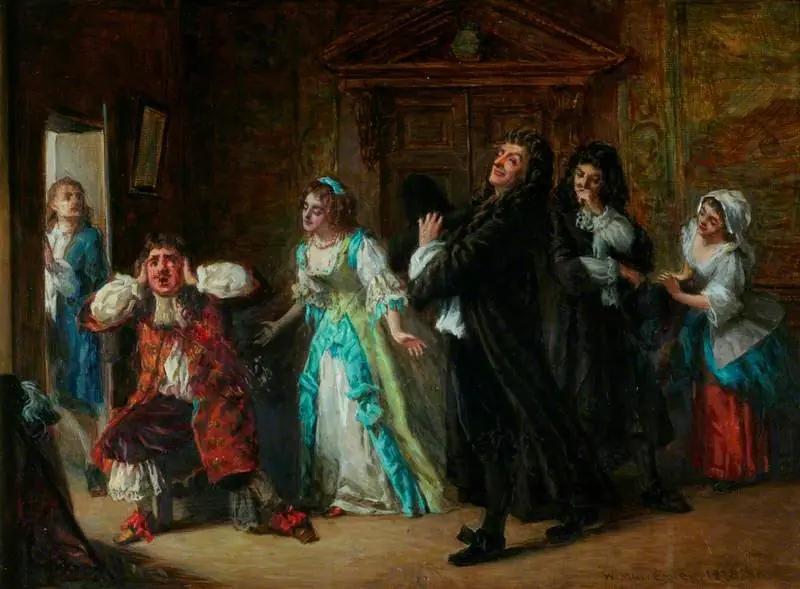 Scene from Molière's 'Le Medecin Malgré Lui'
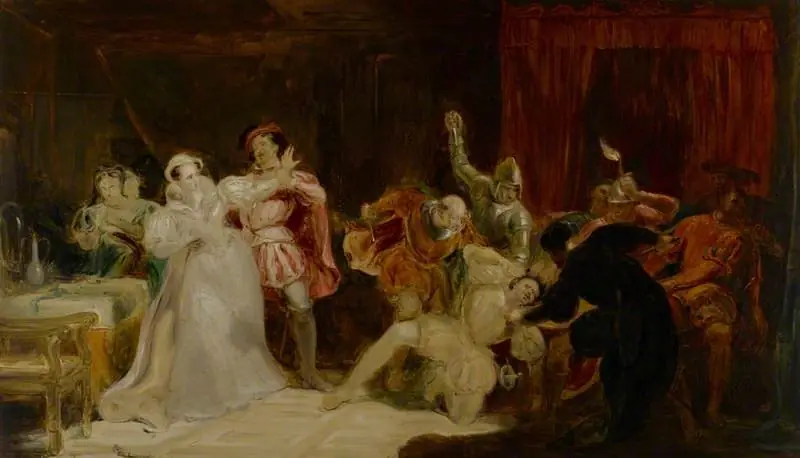 A Study for 'The Murder of David Rizzio' (NG 1677)
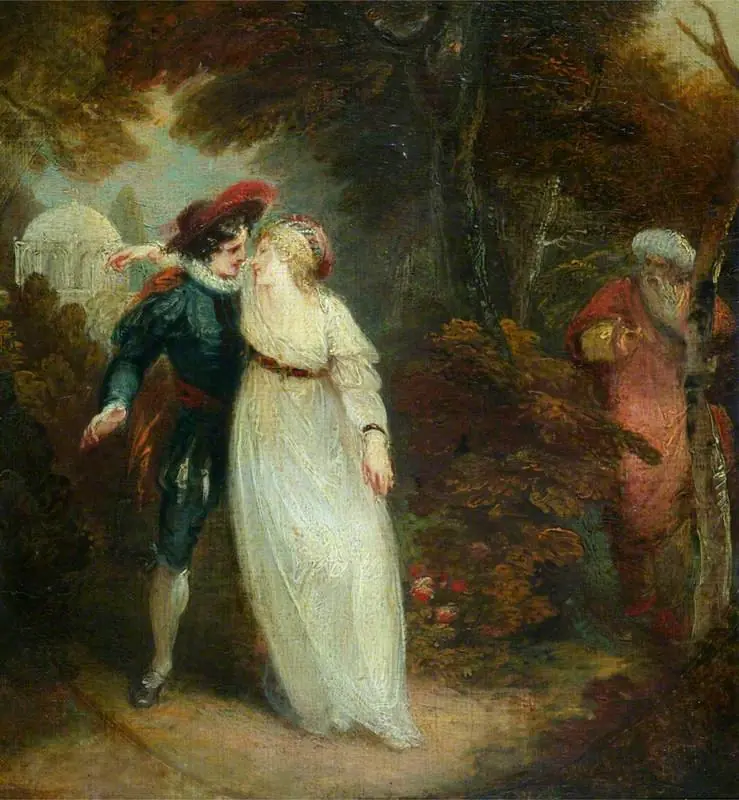 Zoraida, Discovered by Her Father, Agimorato, in the Arms of Rui Pérez de Viedma (from Cervantes' 'Don Quixote', Part I, Chapter 14)
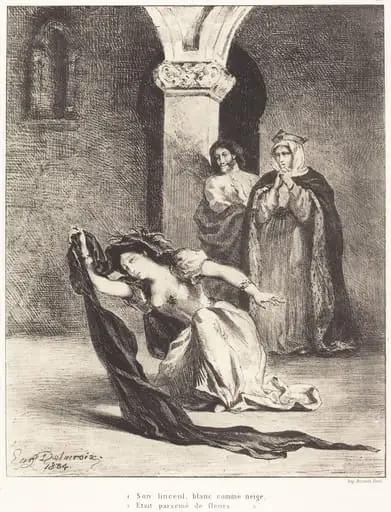 The Song of Ophelia (Act IV, Scene V)
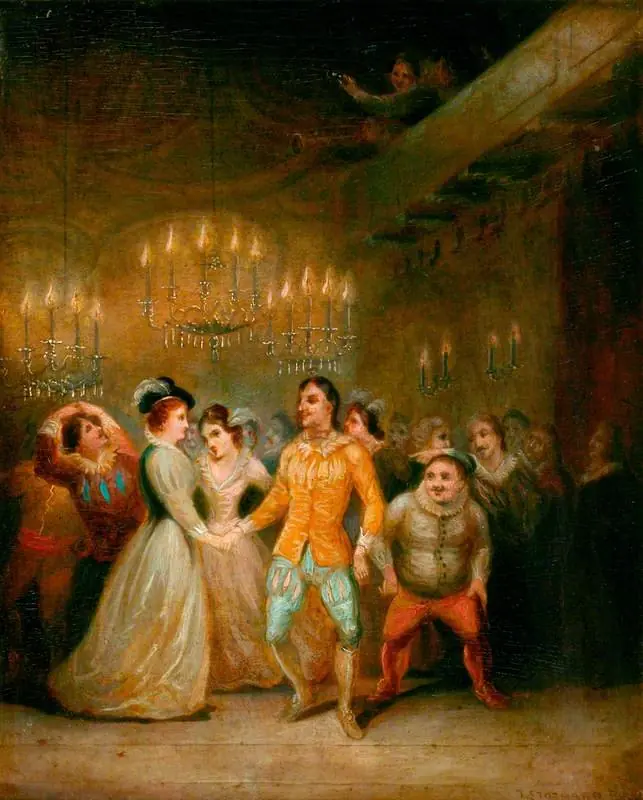 Scene from Cervantes' 'Don Quixote' (Part II, Chapter 31)
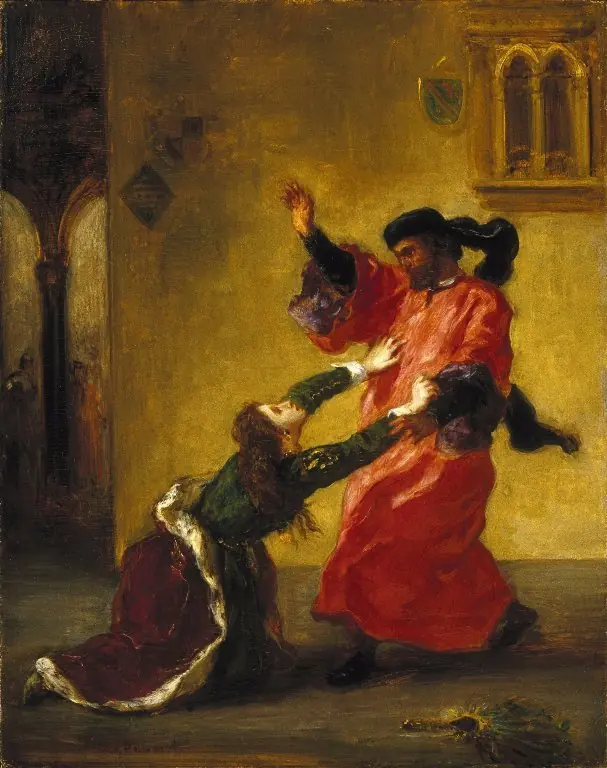 Desdemona Cursed by her Father (Desdemona maudite par son père)
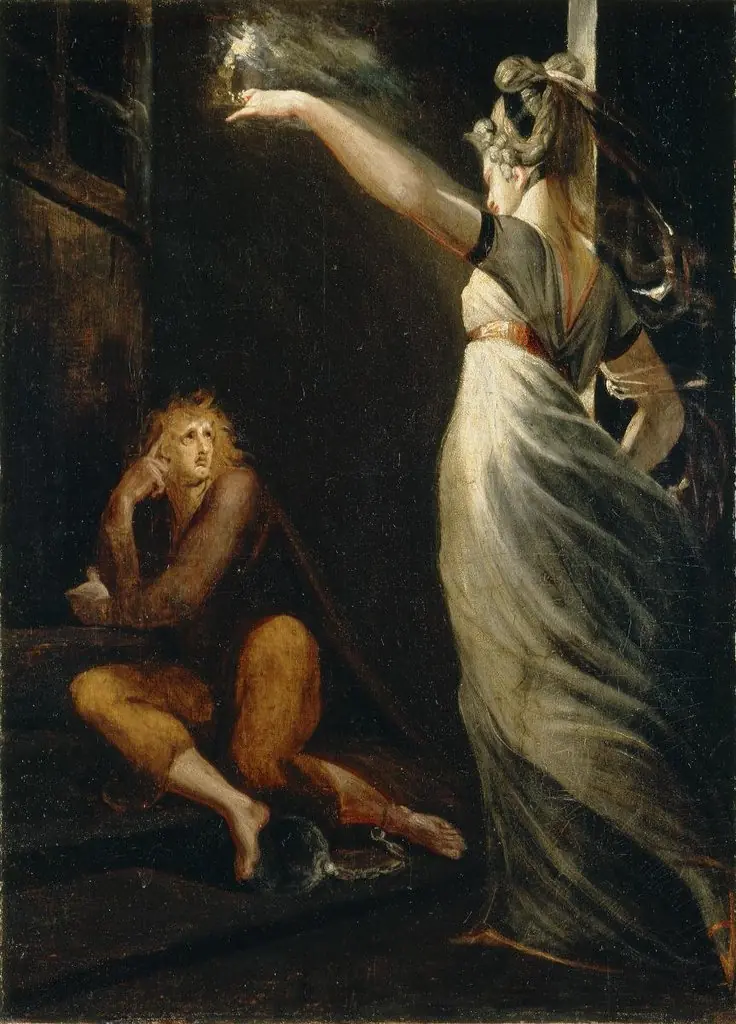 Almansaris besucht Hüon im Gefängnis
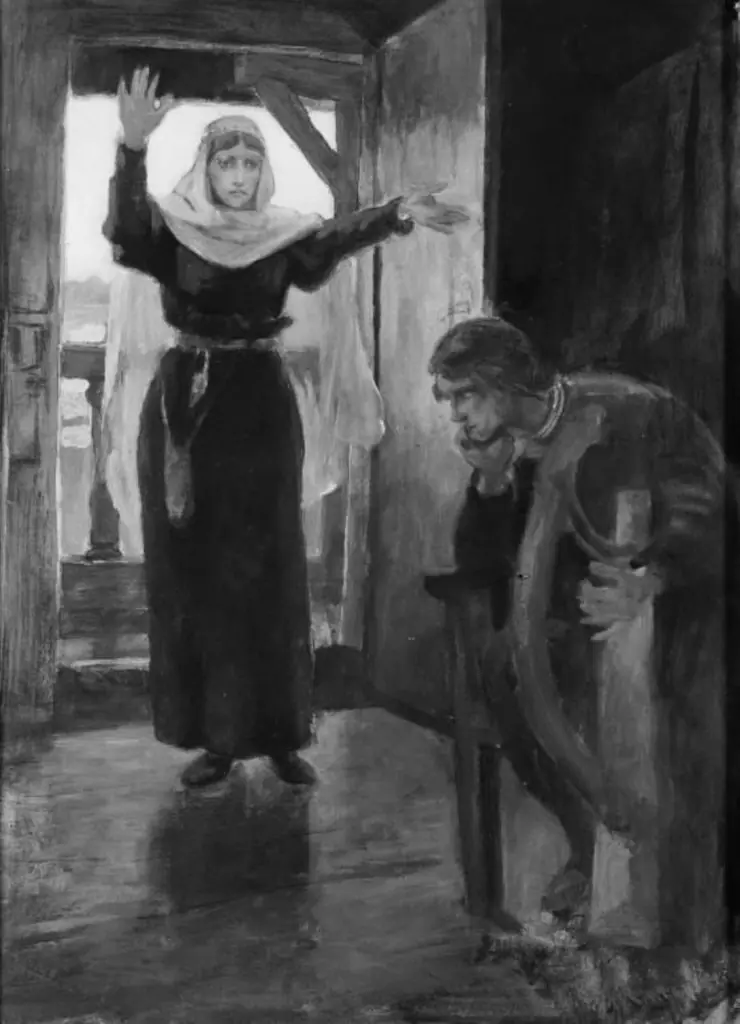 Svend Vonved
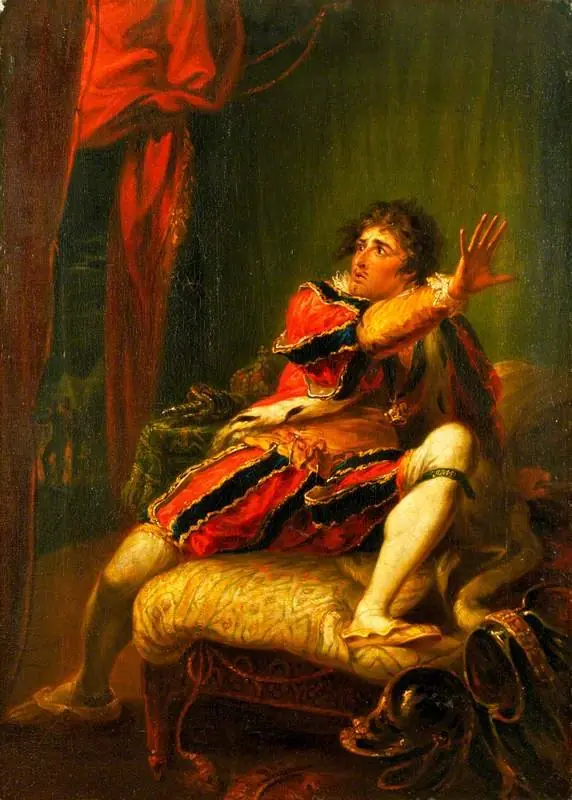 John Philip Kemble (1757–1823), as Richard in 'Richard III' by William Shakespeare