Artwork
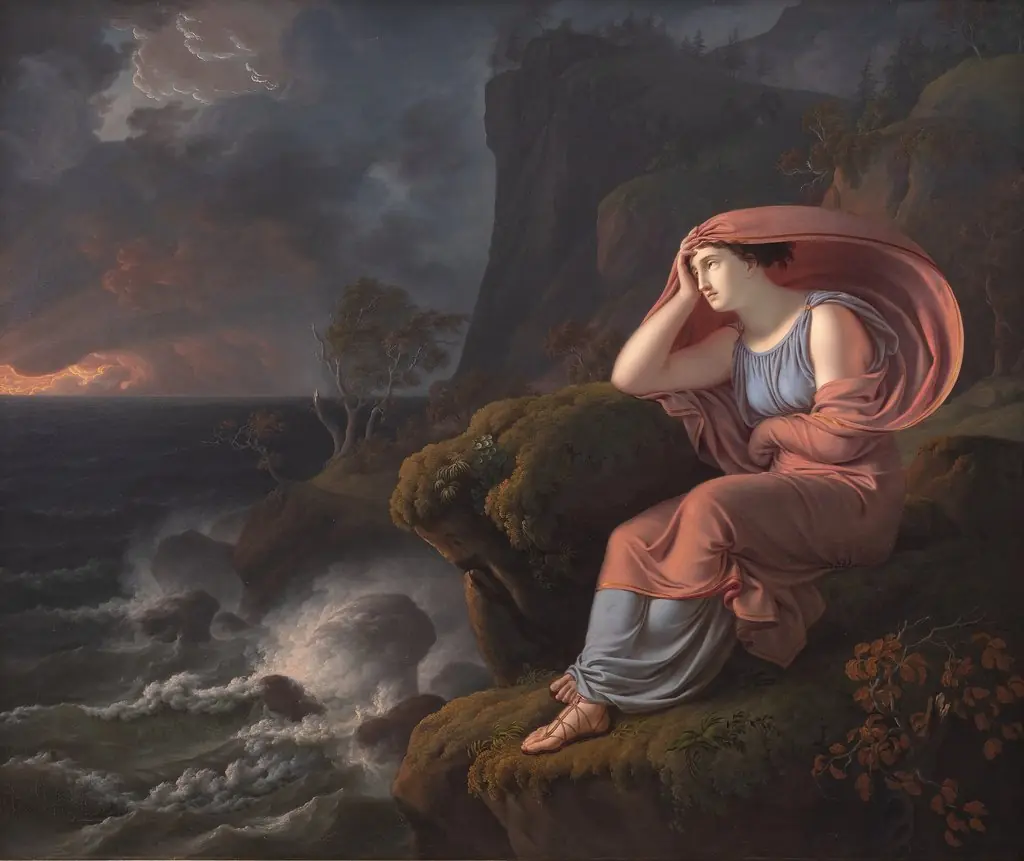
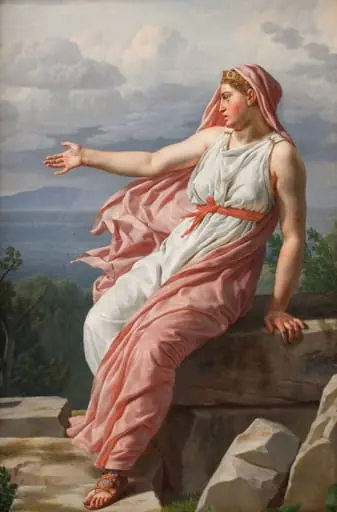
Alcyone Waiting in Vain for her Husband. Episode from Ovid: Metamorphoses
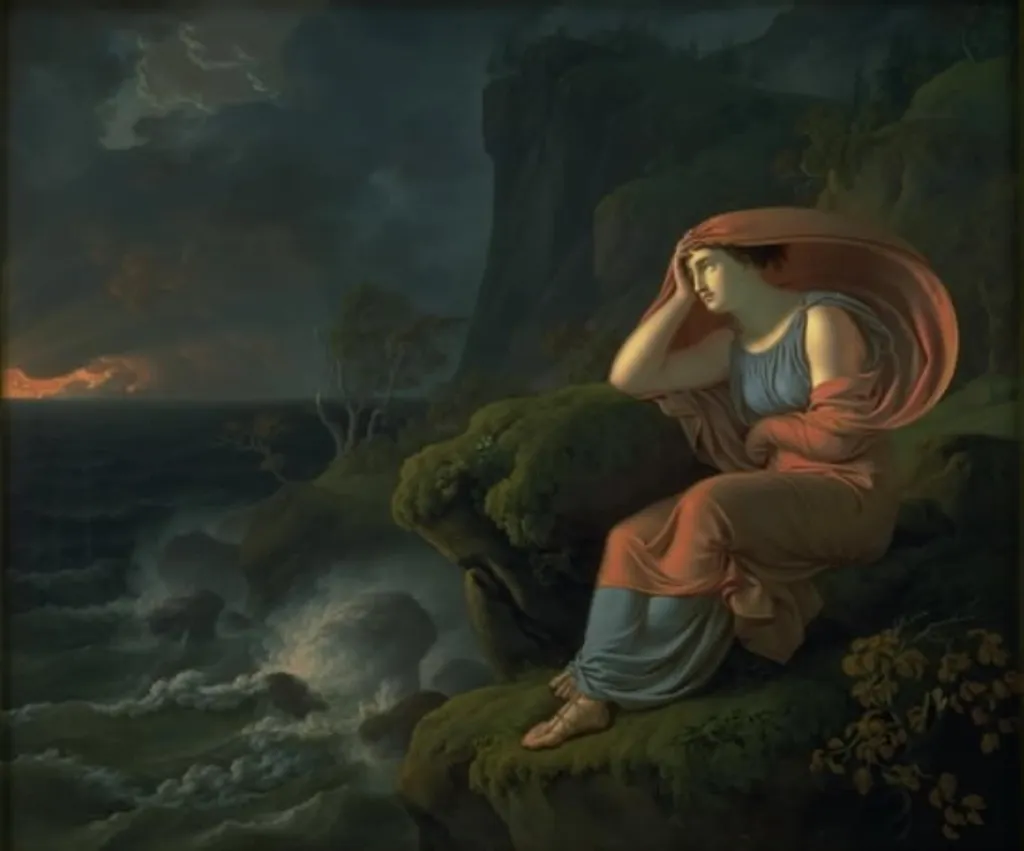
Alcyone Waiting in Vain for her Husband. Episode from Ovid: Metamorphoses is a photography by the Romanticist artist Unknown. It dates from 1810 and is held in the collection of the Statens Museum for Kunst.
About this work
Overview
Its composition centers on a solitary female figure against a turbulent natural landscape, emphasizing emotional isolation through setting and posture.
Painted in 1810, this work illustrates a moment from Ovid’s Metamorphoses, depicting Alcyone’s solitary vigil as she awaits the return of her husband, Ceyx, who perished at sea. The scene is rendered in oil on canvas and is part of the collection at the Museum of Ethnography. Its composition centers on a solitary female figure against a turbulent natural landscape, emphasizing emotional isolation through setting and posture.
Subject & Meaning
Alcyone, a figure from Greek myth, mourns her husband Ceyx after his death in a shipwreck. Unaware of his fate, she waits daily on a cliff, her gaze fixed on the horizon. The painting captures her futile hope, rooted in Ovid’s tale where the gods later transform both into kingfishers. Her stillness and upward gaze convey a quiet, enduring grief, transforming personal sorrow into a universal symbol of loss and longing.
Technique & Style
The artist employs chiaroscuro to heighten emotional intensity, contrasting the dimly lit figure against flashes of lightning in the stormy sky. The flowing drapery of Alcyone’s robe and the rough texture of the rocks create a tactile tension between softness and harshness. Brushwork is restrained yet deliberate, focusing attention on her posture and expression rather than ornamental detail, reinforcing the narrative’s somber tone.
History & Provenance
The painting was completed in 1810 and entered the collection of the Museum of Ethnography shortly thereafter. Its origins trace to a period when European artists frequently drew from classical literature to explore psychological depth. Though the artist’s full identity remains unverified in public records, the work aligns with early 19th-century Romantic tendencies toward mythological themes and emotional landscapes.
Context
Created during the height of Romanticism, the painting reflects a broader cultural interest in myth as a vehicle for expressing inner emotion and the sublime power of nature. Contemporary viewers would have recognized Alcyone’s story from Ovid’s widely studied Metamorphoses. The stormy sea and isolated figure mirror Romantic ideals that equated human suffering with nature’s untamed forces, positioning grief as both personal and cosmic.
Legacy
While not widely exhibited beyond its institutional home, the painting remains a quiet example of early 19th-century narrative art grounded in classical myth. It contributes to a lesser-known corpus of works that translated literary tragedy into visual stillness, avoiding melodrama in favor of restrained emotion. Its preservation in the Museum of Ethnography underscores its role as a cultural artifact of mythic interpretation rather than a celebrated artistic milestone.
Artist & collection

 Domestic Scene
 Giacomo and Cardinal Marco, investing Andrea, Abbot of San Zeno, with his Benefice
 The Nymph of Fontainebleau
 Portrait of a Woman
 Madonna and Child with Saints in the Enclosed Garden
 Venus and Minerva
 Family Group of Four on Sofa
 Wall painting from Room H of the Villa of P. Fannius Synistor at Boscoreale
 Alkyone venter forgæves sin bortrejste ægtefælle
 Disillusion
 Sappho on the Leucadian Cliff
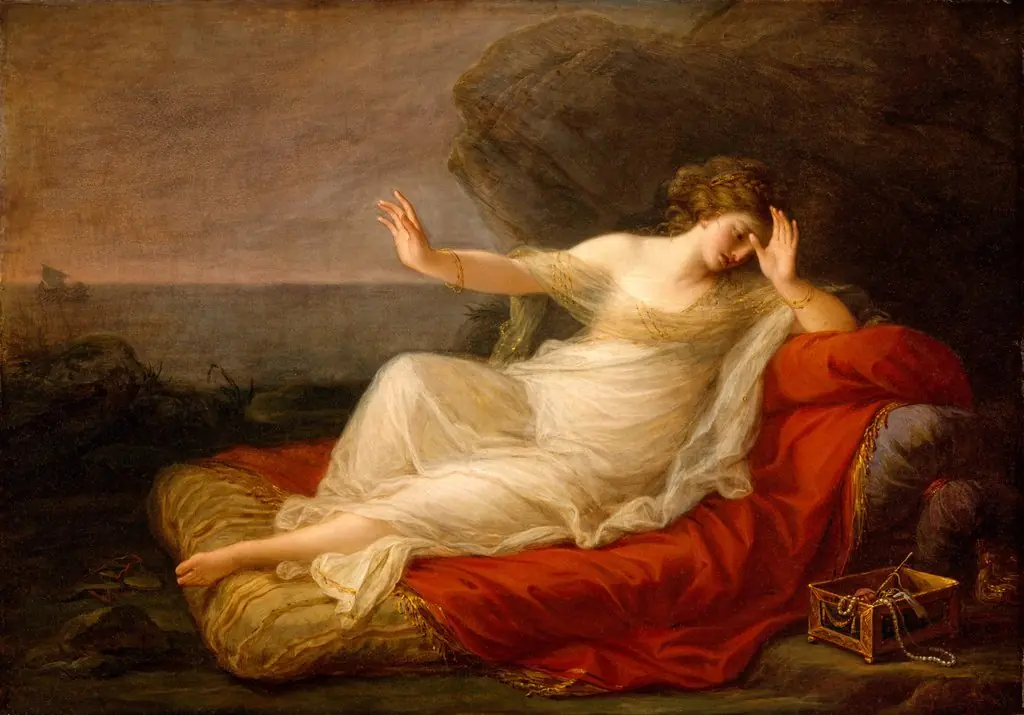 Ariadne Abandoned by Theseus
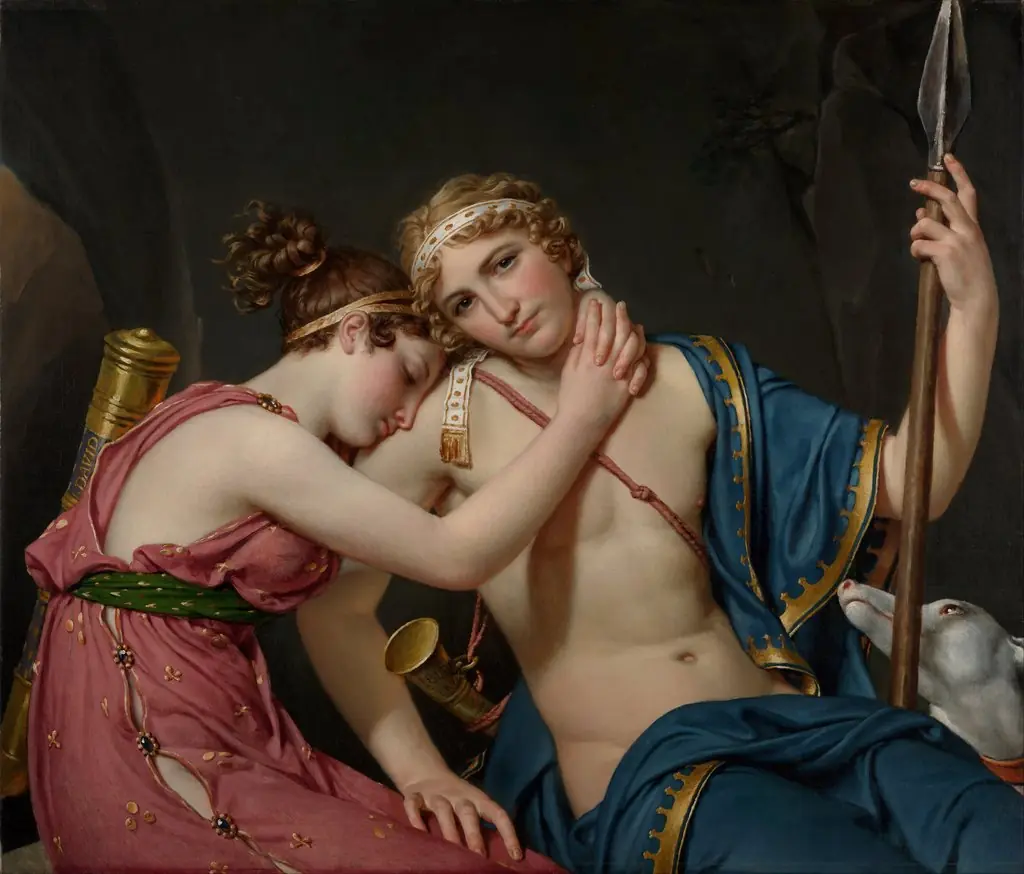 The Farewell of Telemachus and Eucharis
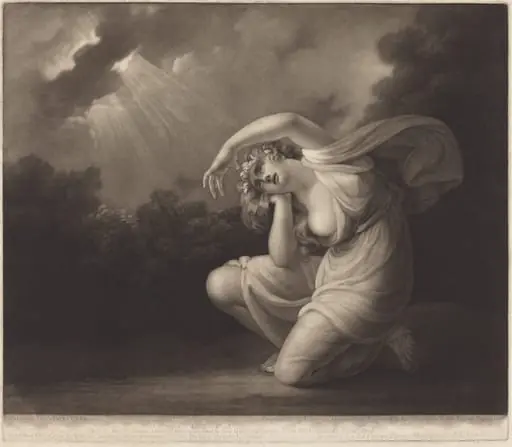 Clytie
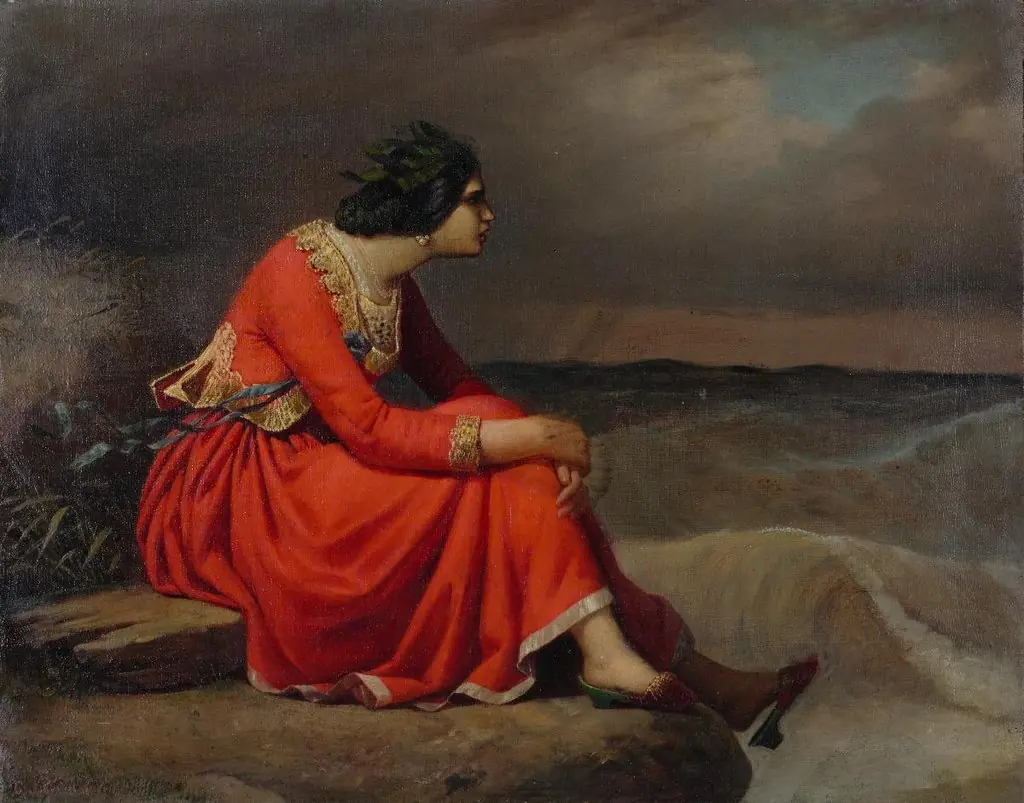 Junge Frau am Meer
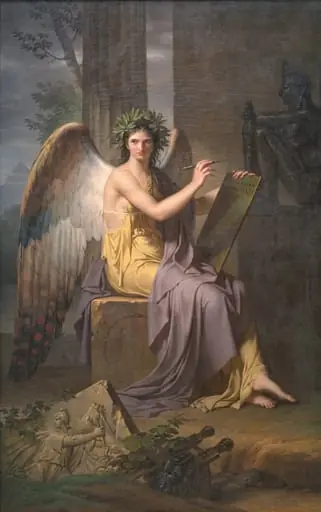 Clio, Muse of History
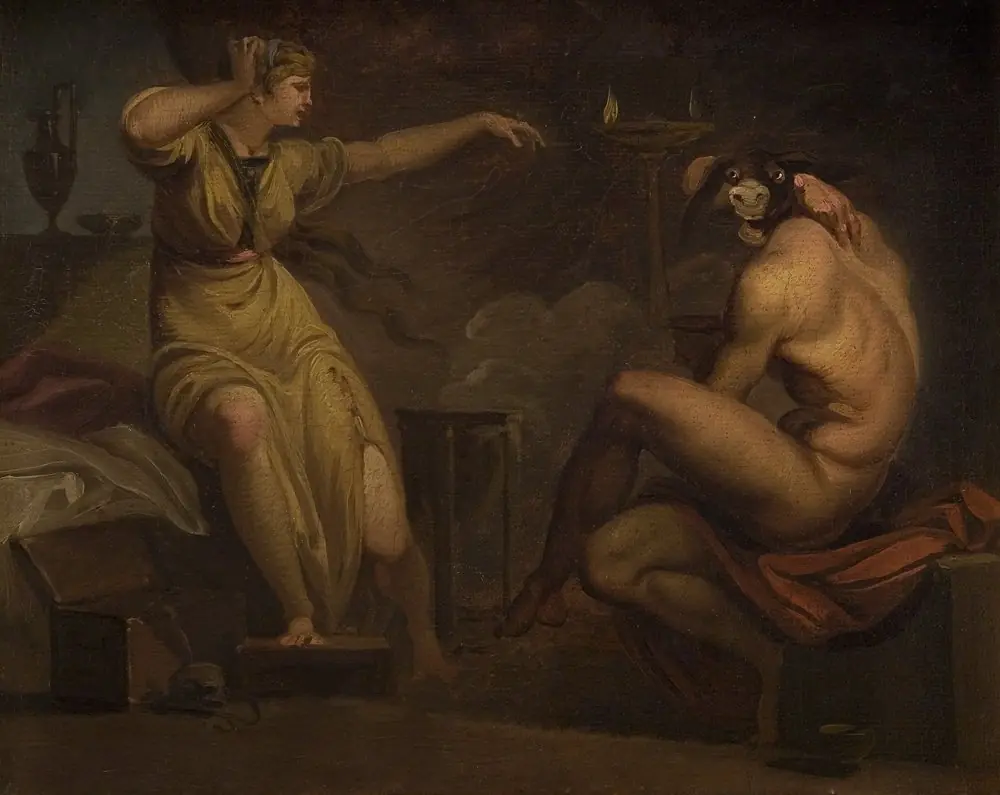 Fotis sees her Lover Lucius Transformed into an Ass. Motif from Apeleius' The Golden Ass
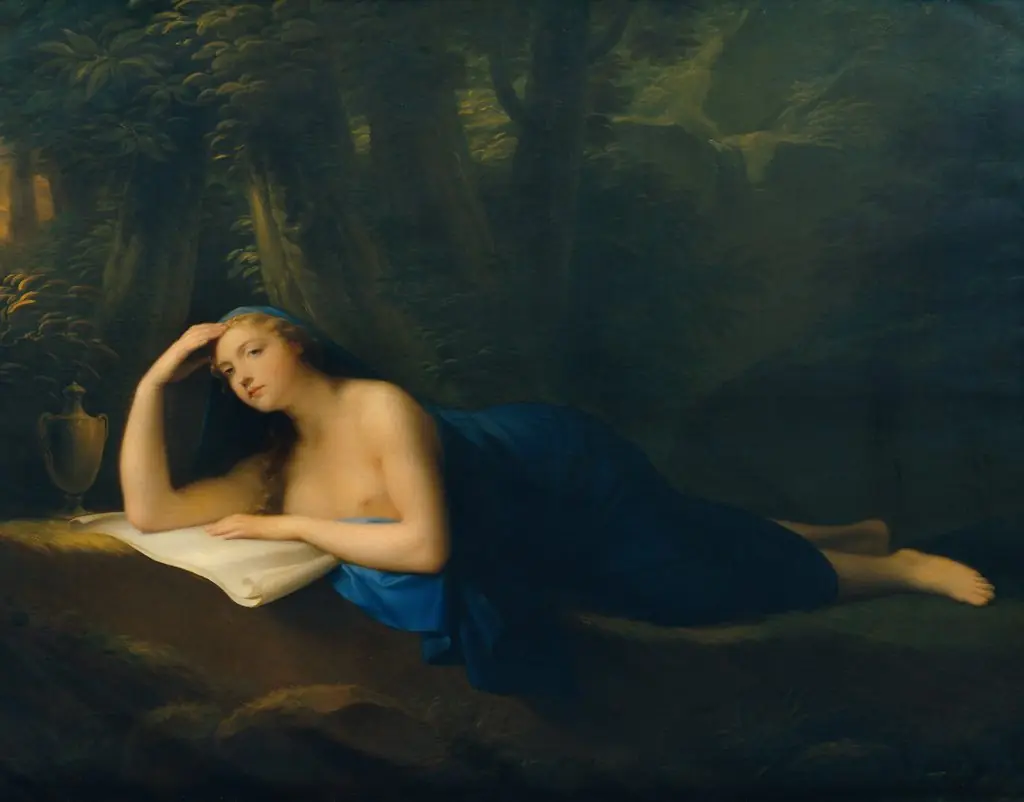 The Penitent Magdalene
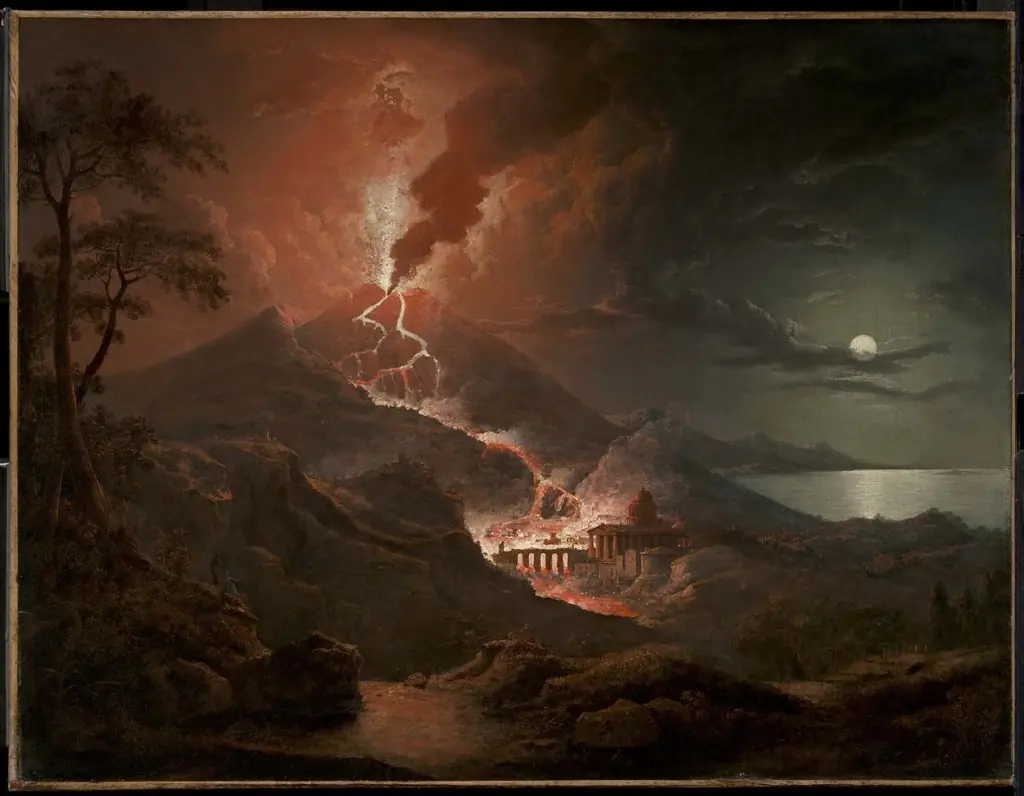 Eruption of Vesuvius with Destruction of a Roman City
 Alcyone's Farewell to her Husband. From Ovid's Metamorphoses, Song XI