Artwork
Clio, Muse of History
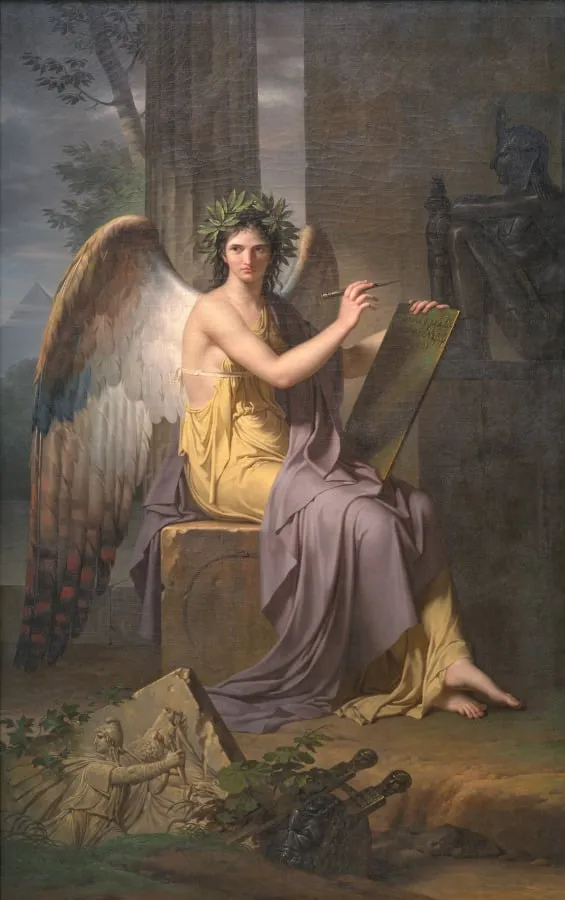
Clio, Muse of History is an unspecified painting by the Neoclassicist artist Charles Meynier. It dates from 1800 and is held in the collection of the Cleveland Museum of Art. This painting portrays Clio, the Greek muse of history, as a contemplative figure engaged in recording the past.
About this work
Overview
Created as part of a larger series commissioned by François Boyer-Fonfréde, it was intended for display in his private residence in Toulouse.
This painting portrays Clio, the Greek muse of history, as a contemplative figure engaged in recording the past. Created as part of a larger series commissioned by François Boyer-Fonfréde, it was intended for display in his private residence in Toulouse. The work belongs to a group of nine paintings, each representing one of the Muses, blending classical mythology with the intellectual ideals of the patron’s domestic space.
Subject & Meaning
Clio is shown seated at a desk, quill in hand, embodying the act of preserving historical memory. Surrounding her are marble busts, reliefs, and sculpted fragments—symbols of recorded achievement and commemoration. These objects are not ornamental but functional, representing the tools through which history is anchored in material form. Her presence suggests that history is an active, deliberate practice rather than passive recollection.
Technique & Style
The artist renders Clio in a flowing robe, rendered with soft modeling and subtle tonal shifts to suggest volume and movement. The surrounding sculptures are rendered with crisp detail, contrasting the warmth of the figure with the cool, polished surfaces of marble. The composition is balanced and intimate, avoiding theatricality in favor of quiet concentration, reflecting a refined, academic approach to mythological subjects.
History & Provenance
Commissioned in the early 19th century by François Boyer-Fonfréde, a Toulouse-based businessman and art collector, the painting was one of nine in a decorative cycle for his home. The series reflected the patron’s interest in classical learning and the cultural prestige associated with mythological allegory. Its later acquisition by The Cleveland Museum of Art ensured its preservation and public accessibility beyond its original domestic context.
Context
The painting emerged during a period when European elites frequently turned to classical antiquity to legitimize cultural authority. Depictions of the Muses were common in private collections, serving as visual affirmations of education and refinement. In this context, Clio’s portrayal aligns with broader trends that linked historical memory with moral and intellectual virtue, particularly among the rising bourgeoisie.
Legacy
Though not widely exhibited during its early years, the painting now contributes to broader scholarly understanding of 19th-century domestic art patronage. Its inclusion in The Cleveland Museum of Art’s collection allows for comparative study with other muse-themed works, offering insight into how classical mythology was adapted for private, rather than public, intellectual expression in the post-Enlightenment era.
Artist & collection
Artist
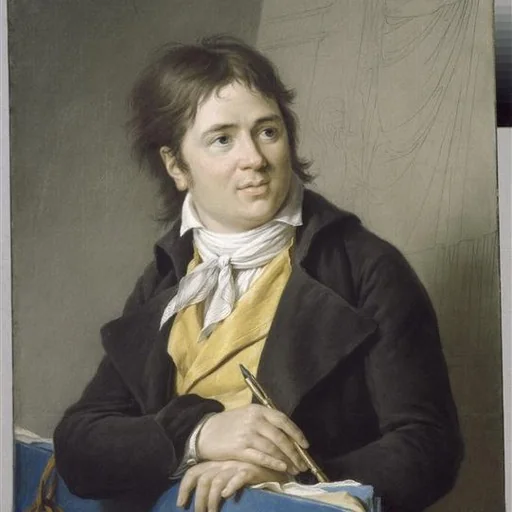
Charles Meynier (1763 or 1768, Paris – 1832, Paris) was a French painter of historical subjects in the late 18th and early 19th century. He was a contemporary of Antoine-Jean Gros and Jacques-Louis David.

 Entry of Napoleon I into Berlin, 27th October 1806
 Napoleon's Return to the Island of Lobau After the Battle of Essling
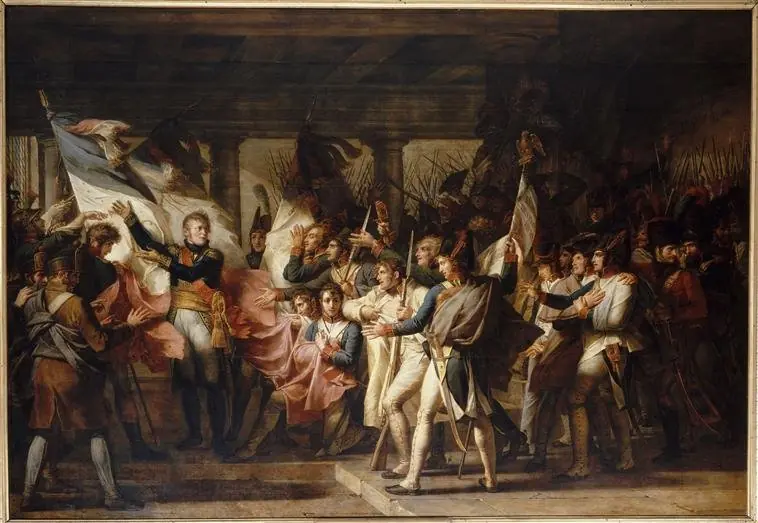 Marshal Ney hands over their flags to the soldiers of the 76th Line Regiment, November 7, 1805
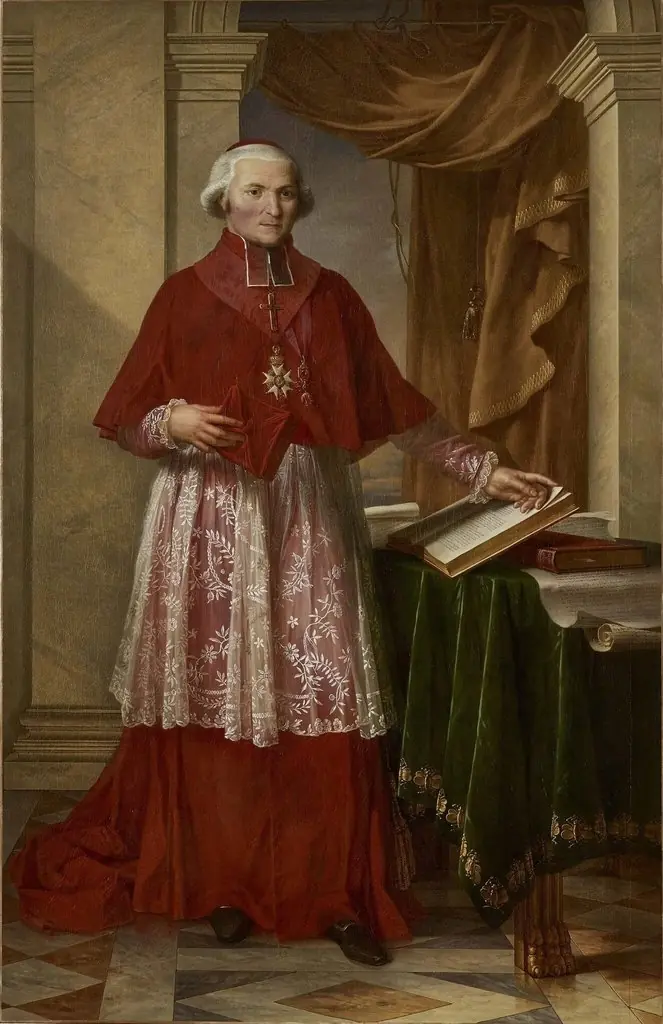 Portrait of Joseph Fesch
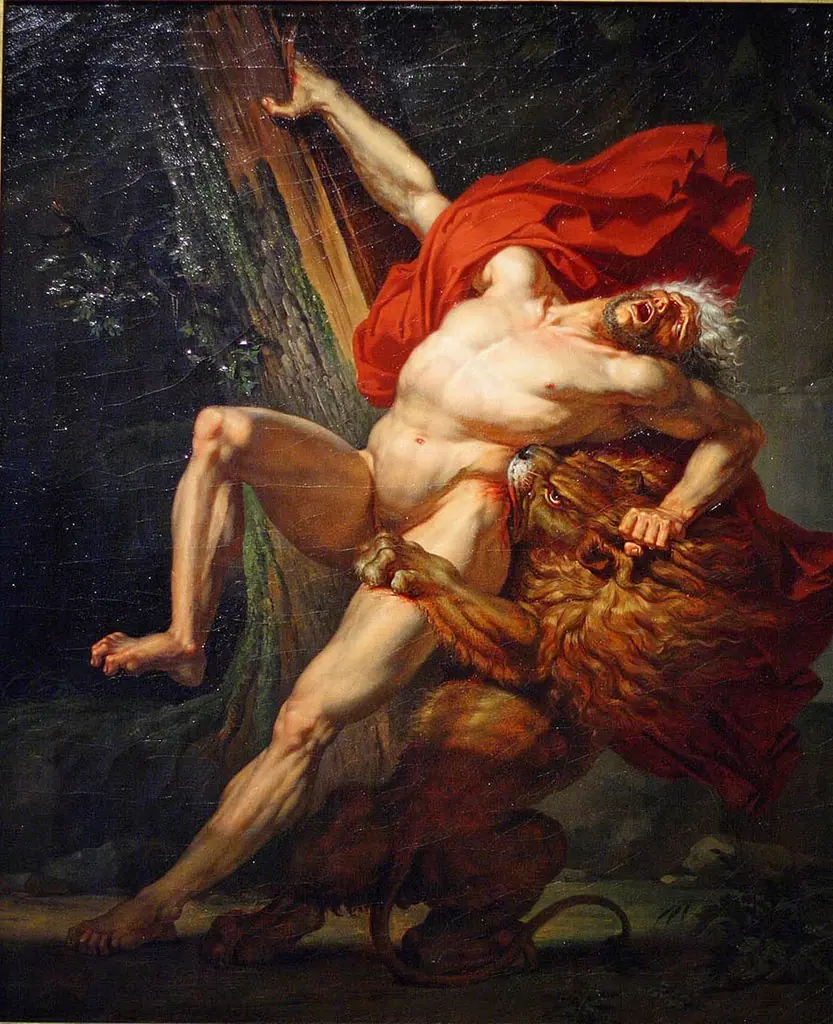 Milo of Croton, Attempting to Test His Strength, Is Caught and Devoured by a Lion
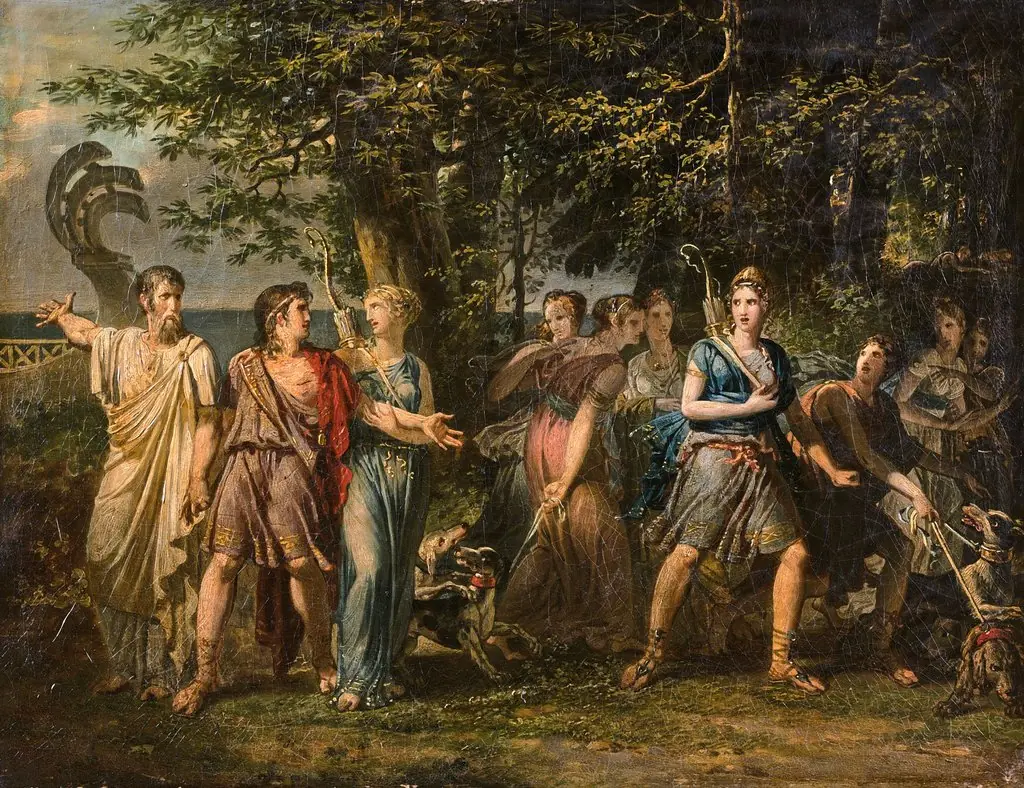 Telemachus, Urged by Mentor, Leaving the Island of Calypso
 Polyhymnia, Muse of Eloquence
 Apollo, God of Light, Eloquence, Poetry, and the Fine Arts with Urania, Muse of Astronomy