Artwork
Clytie
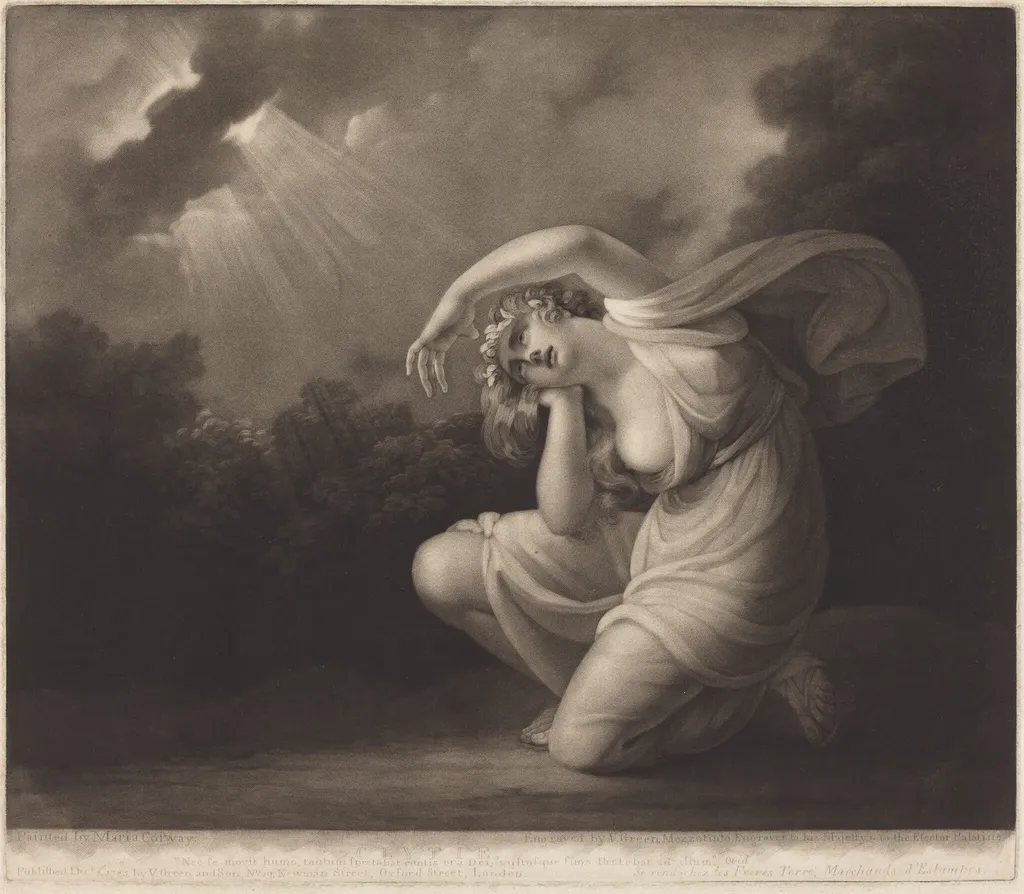
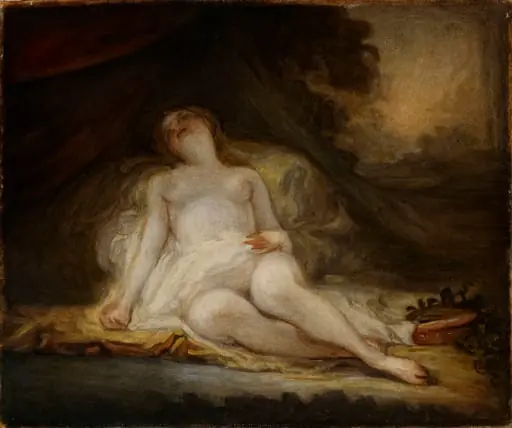
Clytie is an ink print by the Romanticist artist Valentine Green. It dates from 1785 and is held in the collection of the National Gallery of Art.
About this work
Overview
Its subject draws from classical mythology, rendered with a focus on emotional stillness and atmospheric contrast.
Clytie is a mezzotint print produced by Valentine Green in 1785 on laid paper. It is part of the collection at the National Gallery of Art in Washington, D.C. The work reproduces a composition originally conceived as a painting, translating its tonal richness into the nuanced gradations possible with the mezzotint process. Its subject draws from classical mythology, rendered with a focus on emotional stillness and atmospheric contrast.
Subject & Meaning
The figure depicts Clytie, a nymph from Ovid’s Metamorphoses who, after being abandoned by the sun god Helios, spent nine days gazing at his chariot across the sky until she was transformed into a heliotrope flower. The image captures her moment of silent devotion—kneeling, head resting on her hand, eyes lifted toward the heavens. Her posture conveys resignation and unrequited longing, embodying themes of devotion and loss rooted in ancient myth.
Technique & Style
Green employed mezzotint, a printmaking technique that achieves subtle tonal transitions by roughening a metal plate with a rocker tool. The dark, velvety background contrasts sharply with the luminous beam illuminating the figure, emphasizing her isolation. The soft gradations of light across her robe and hair enhance the emotional gravity of the scene, demonstrating the medium’s capacity for painterly depth despite its mechanical origins.
History & Provenance
Created in 1785, the print was made during Green’s peak as a reproductive engraver, known for translating popular paintings into accessible prints. The composition likely derives from a lost or lesser-known oil painting of the same subject. The National Gallery of Art acquired the print as part of its broader collection of 18th-century British prints, preserving it as an example of Enlightenment-era mythological illustration.
Context
In late 18th-century Britain, mythological subjects were frequently revisited in art to evoke moral or emotional resonance. Mezzotint, prized for its ability to mimic oil paintings, became a favored medium for reproducing such works for private collections. Green’s Clytie reflects this trend, aligning with contemporary tastes for sentimental, narrative-driven imagery drawn from classical literature and elevated by dramatic lighting.
Legacy
Though not widely known today, Green’s Clytie stands as a refined example of reproductive printmaking at its most expressive. It illustrates how mezzotint could convey the emotional weight of high art to a broader audience. The print’s preservation in a major institution underscores its role in the transmission of classical themes through 18th-century visual culture, influencing later interpretations of myth in graphic media.
Artist & collection

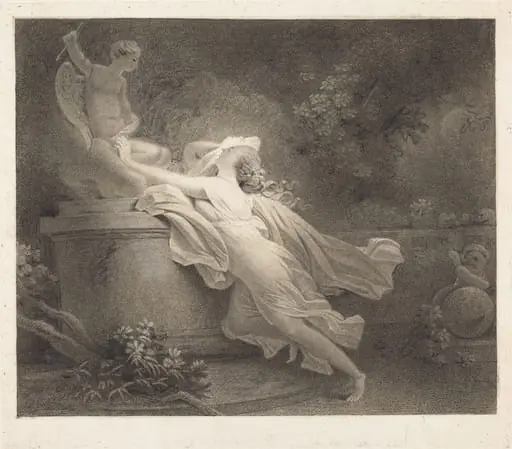 L'invocation a l'amour
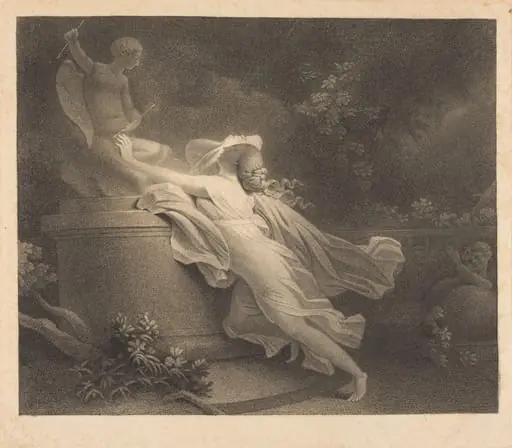 L'invocation a l'amour
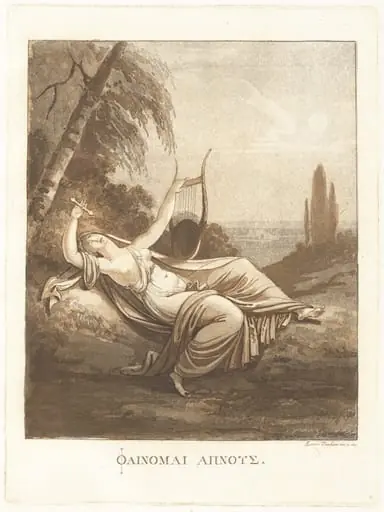 ΦΑΙΝΟΜΑΙ ΑΠΝΟΥΣ (I Seem to Be Breathless)
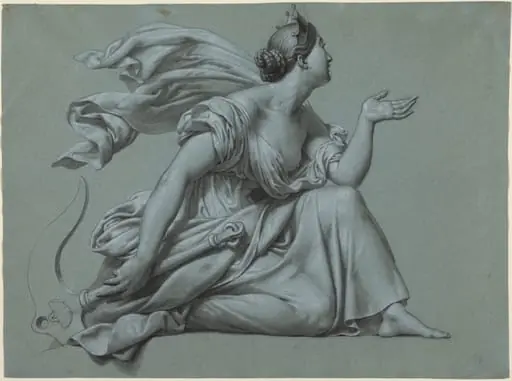 Hope with Her Anchor
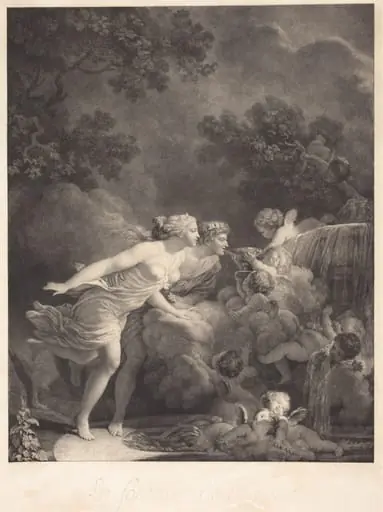 La Fontaine d'Amour (The Fountain of Love)
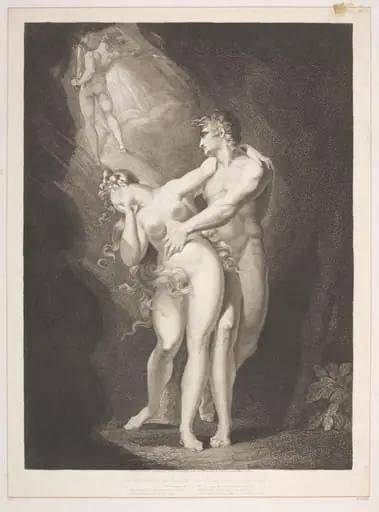 The Dimission of Adan and Eve
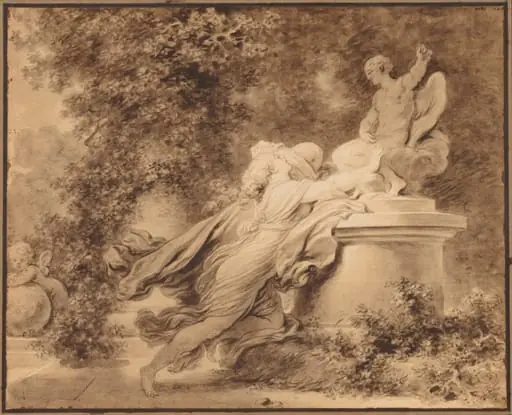 Invocation to Love
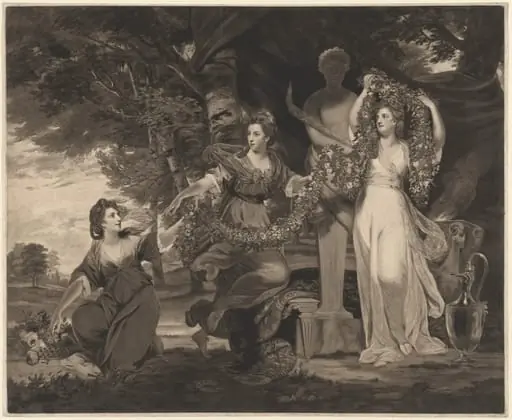 A Sacrifice to Hymen (Three Daughters of Sir William Montgomery)
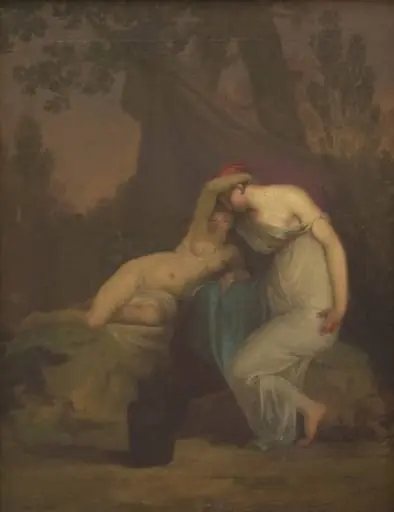 The Greek Poet Sappho and the Girl from Mytilene
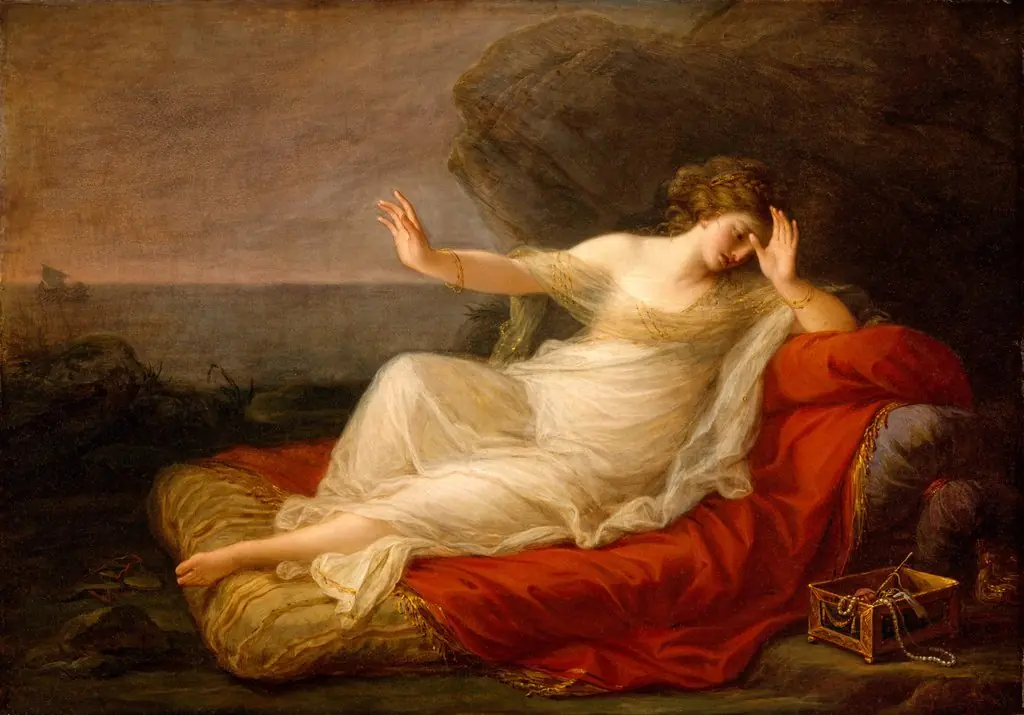 Ariadne Abandoned by Theseus
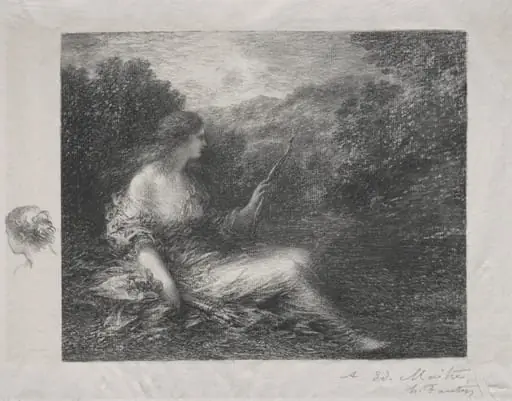 The Huntress
 Nukkuva bakkantti, kopio Fragonardin mukaan