Artwork
Konferensrådinde Marie Sophie Frølich, f. de Coninck
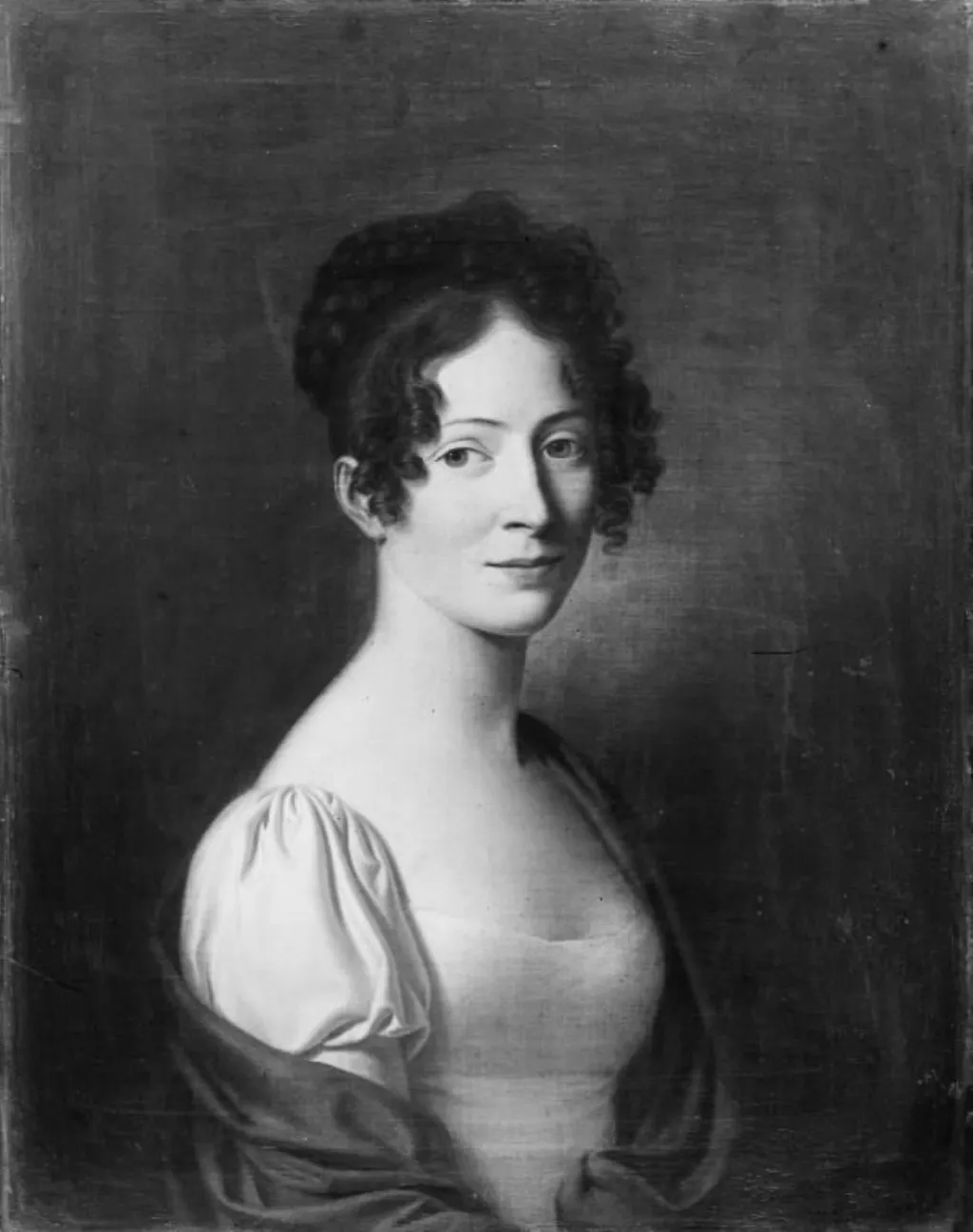
Konferensrådinde Marie Sophie Frølich, f. de Coninck is a photography by the Romanticist artist Unknown. It dates from 1814 and is held in the collection of the Statens Museum for Kunst. Painted in 1814, this portrait depicts Marie Sophie Frølich, née de Coninck, a Danish noblewoman holding the title of Konferensrådinde.
About this work
Overview
It resides in the Museum of Ethnography, where it is preserved as part of a collection documenting social and cultural history through portraiture.
Painted in 1814, this portrait depicts Marie Sophie Frølich, née de Coninck, a Danish noblewoman holding the title of Konferensrådinde. The work is attributed to an artist associated with the Danish Golden Age, though the creator’s name is not recorded here. It resides in the Museum of Ethnography, where it is preserved as part of a collection documenting social and cultural history through portraiture.
Subject & Meaning
Marie Sophie Frølich is portrayed with composure and quiet dignity, her direct gaze conveying a sense of inner resolve. Her attire—white dress with full sleeves and a draped shawl—reflects contemporary aristocratic fashion, while the absence of overt symbols of status emphasizes personal presence over heraldic display. The serious expression suggests a cultivated restraint typical of elite women of her social standing during the early 19th century.
Technique & Style
The artist employs chiaroscuro to model the figure with subtle gradations of light and shadow, lending volume and spatial presence to the form. The dark, neutral background isolates the subject, focusing attention on her facial features and the texture of fabric. Brushwork is controlled and precise, favoring smooth transitions over visible strokes, aligning with the refined aesthetic of Danish portraiture of the period.
History & Provenance
The portrait entered the collection of the Museum of Ethnography in the late 19th or early 20th century, likely through donation or acquisition from a private Danish estate. Its inclusion in an ethnographic institution rather than a fine arts museum reflects early museum practices that categorized portraiture as cultural documentation. The painting’s provenance prior to museum acquisition remains undocumented in available records.
Context
Created during Denmark’s Golden Age, the portrait aligns with a broader cultural shift toward intimate, psychologically nuanced depictions of individuals. While grand historical or mythological themes dominated European art elsewhere, Danish artists increasingly turned to domestic and civic figures. Frølich’s portrait exemplifies this trend, capturing a private individual with quiet authority amid a society redefining identity through personal virtue.
Legacy
Though not widely exhibited outside institutional archives, the portrait remains a representative example of early 19th-century Danish bourgeois portraiture. Its preservation in an ethnographic context underscores evolving museum philosophies that value personal artifacts as cultural evidence. The work continues to inform studies on gender, class, and visual representation in Nordic society during the Napoleonic era.
Artist & collection

 Domestic Scene
 Giacomo and Cardinal Marco, investing Andrea, Abbot of San Zeno, with his Benefice
 The Nymph of Fontainebleau
 Portrait of a Woman
 Madonna and Child with Saints in the Enclosed Garden
 Venus and Minerva
 Family Group of Four on Sofa
 Wall painting from Room H of the Villa of P. Fannius Synistor at Boscoreale
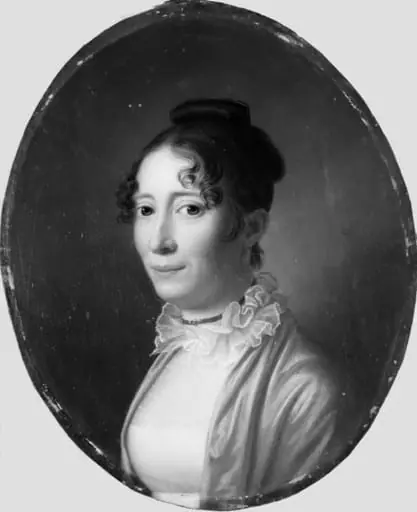 Appolone Smith, f. Lottrup, amtsprovst Troels Smiths anden hustru
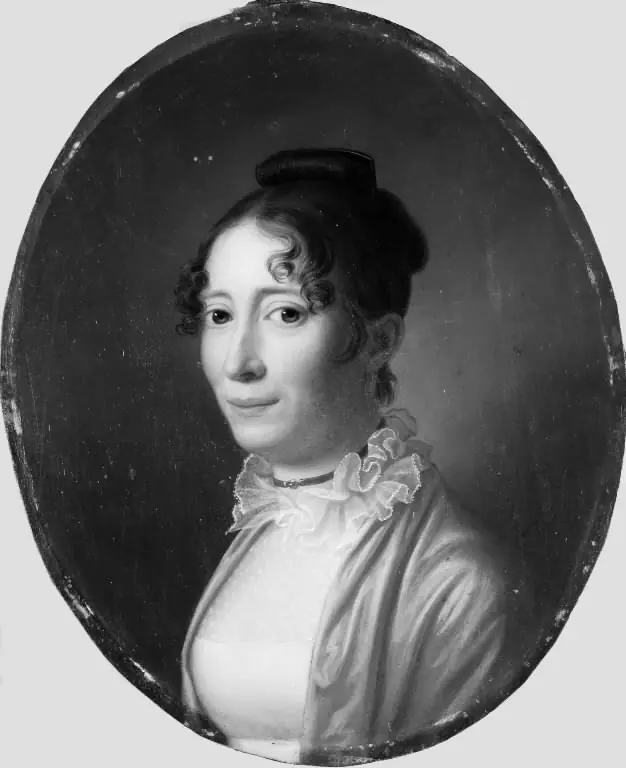 Appolone Smith, f. Lottrup, amtsprovst Troels Smiths anden hustru
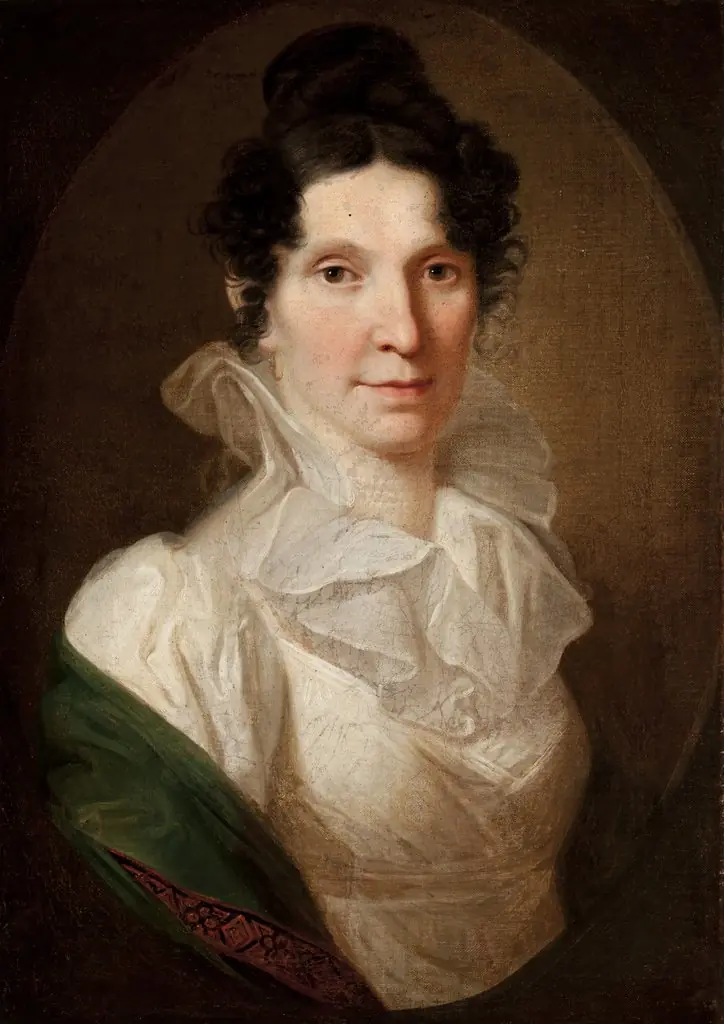 Portrait of Katarzyna Mężyńska née Działyńska
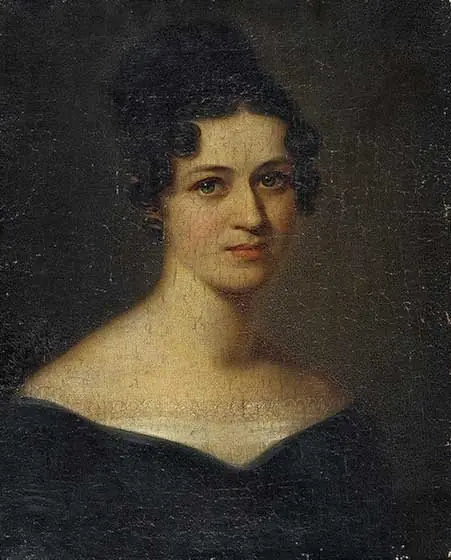 Portrait of Princess A.P. Golitsyna
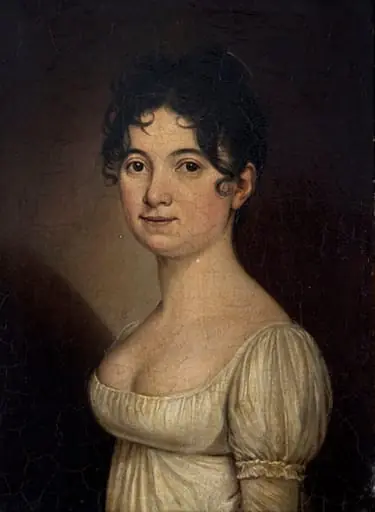 Mama
Mama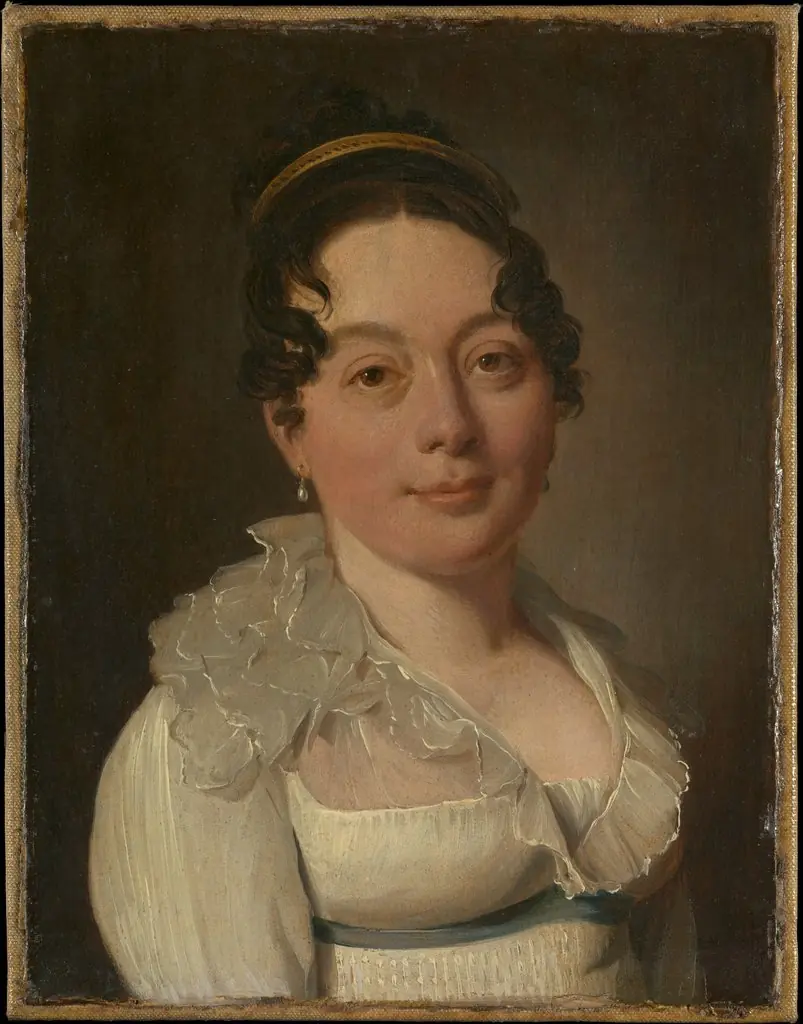 Portrait of a Woman
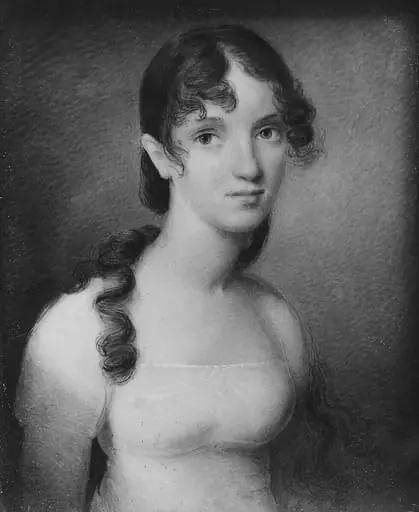 Mrs. Robert Watts (Matilda Ridley)
 Princess Margaret Dolgorukaya (1785-1814), née Apayschikova
 Portrait of Mademoiselle Riviere
 Mrs. David Cadwallader Colden