Artwork
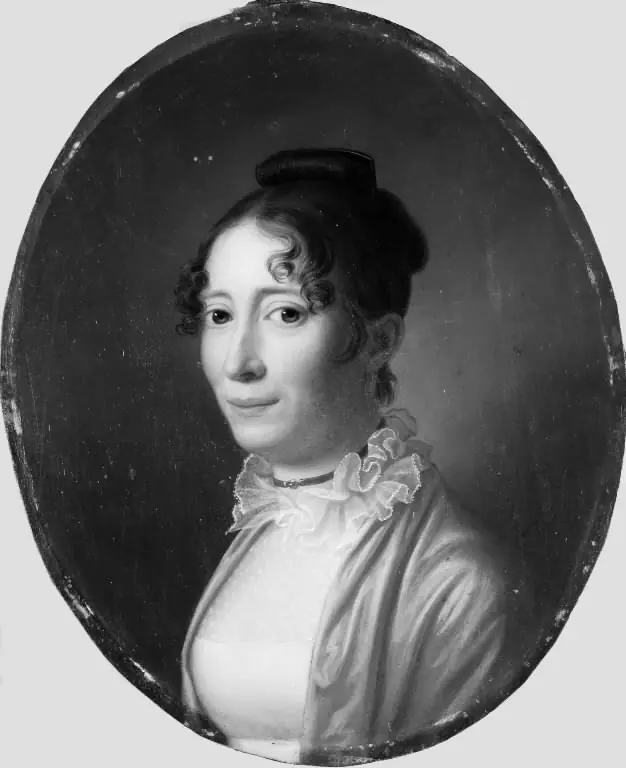
Appolone Smith, f. Lottrup, amtsprovst Troels Smiths anden hustru
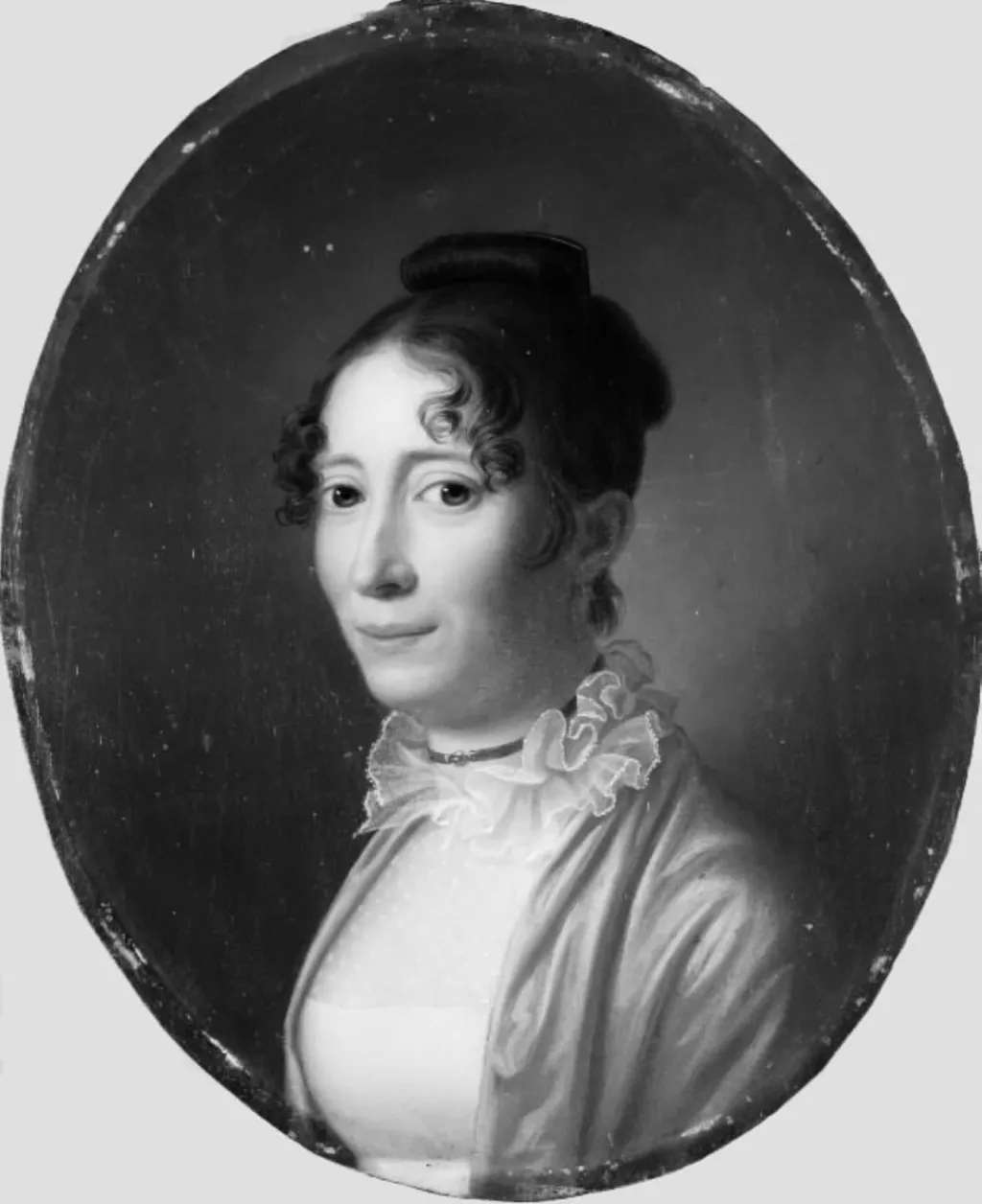
Appolone Smith, f. Lottrup, amtsprovst Troels Smiths anden hustru is a photography by the Romanticist artist Unknown. It dates from 1816 and is held in the collection of the Statens Museum for Kunst. This portrait, dated 1816, depicts Apollone Smith, née Lottrup, the second wife of Amtsprovst Troels Smith.
About this work
Overview
This portrait, dated 1816, depicts Apollone Smith, née Lottrup, the second wife of Amtsprovst Troels Smith. Executed in a monochrome medium, it captures her in a quiet, intimate pose. The image is preserved in the collection of the Museum of Ethnography, where it serves as a record of personal identity within early 19th-century Danish social circles.
Subject & Meaning
Apollone Smith is portrayed with a gentle expression and composed demeanor, reflecting the restrained elegance expected of women of her social standing. Her attire—a high-necked dress with delicate ruffles and a minimal necklace—signals modesty and refinement. The absence of symbolic objects or elaborate settings emphasizes her individual presence rather than her status or lineage.
Technique & Style
The image employs soft, diffused lighting that contours her face without casting sharp shadows, creating a tender, lifelike effect. The grainy texture and faded tones suggest an early photographic or photographic-influenced process, possibly a daguerreotype or ambrotype precursor. The plain background isolates the subject, directing attention to her expression and attire with minimal distraction.
History & Provenance
Created in 1816, the portrait likely originated as a private commission, later entering institutional care. Its presence in the Museum of Ethnography suggests it was acquired as part of a broader collection documenting domestic life and personal identity in Denmark during the early 1800s. Its preservation reflects an early interest in capturing non-elite or non-noble individuals in visual form.
Context
In early 19th-century Denmark, portraiture for women of the middle class often emphasized virtue and decorum over grandeur. This image aligns with a growing trend of intimate, domestic portraiture, facilitated by emerging photographic technologies. It reflects a cultural shift toward valuing personal likeness and emotional subtlety in visual representation.
Legacy
As one of the earlier examples of personal portraiture in Denmark’s photographic archive, this image contributes to the understanding of how identity was visually constructed before widespread commercial photography. Its quiet realism offers insight into the aesthetics and social norms of its time, influencing later approaches to domestic portraiture in Nordic collections.
Artist & collection

 Domestic Scene
 Giacomo and Cardinal Marco, investing Andrea, Abbot of San Zeno, with his Benefice
 The Nymph of Fontainebleau
 Portrait of a Woman
 Madonna and Child with Saints in the Enclosed Garden
 Venus and Minerva
 Family Group of Four on Sofa
 Wall painting from Room H of the Villa of P. Fannius Synistor at Boscoreale
 Portrait of a Lady
 Konferensrådinde Marie Sophie Frølich, f. de Coninck
 Konferensrådinde Marie Sophie Frølich, f. de Coninck
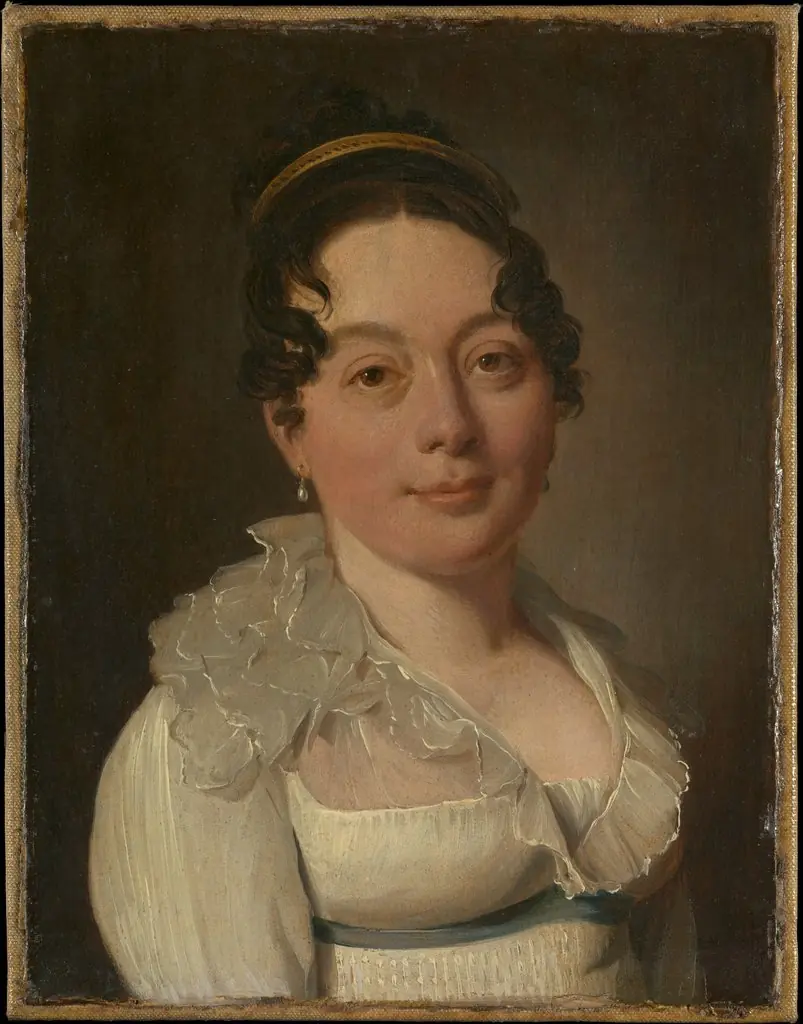 Portrait of a Woman
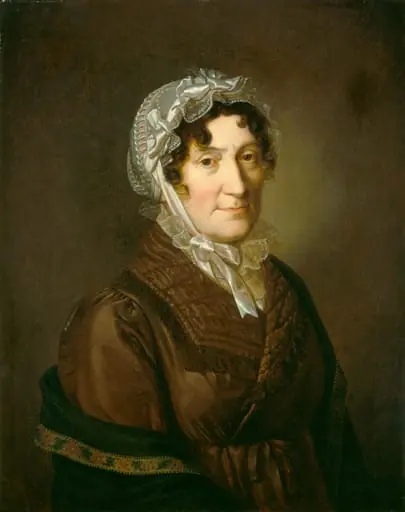 Portrait of a Lady
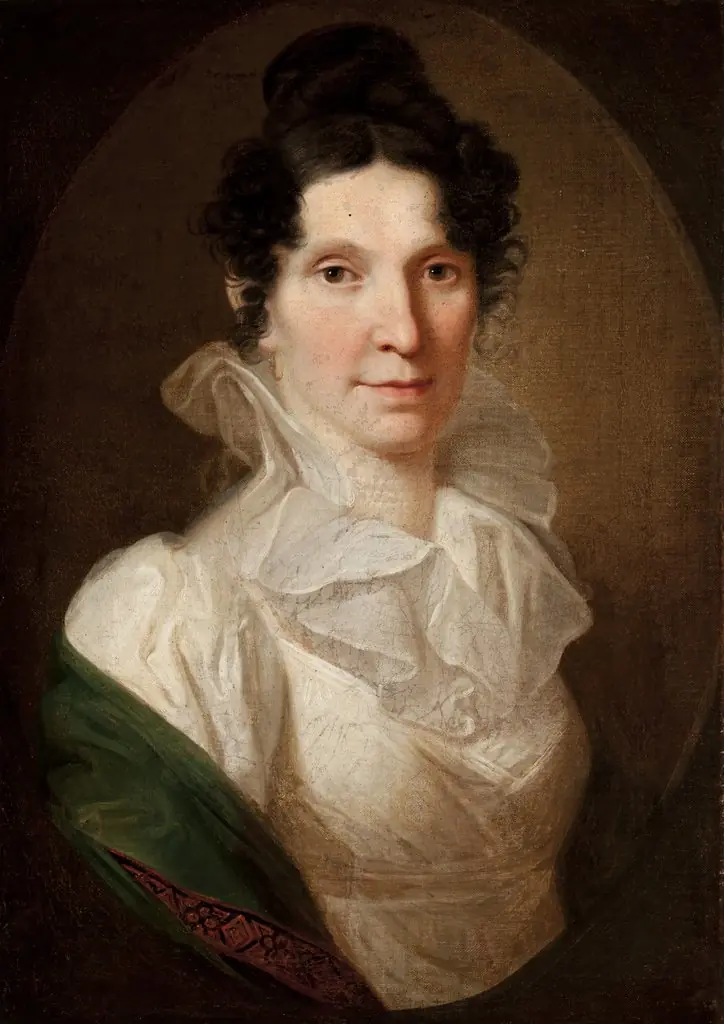 Portrait of Katarzyna Mężyńska née Działyńska
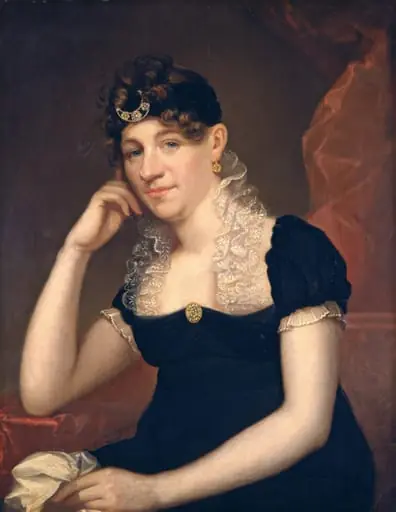 Maria Gansevoort Melvill (Mrs. Allan Melvill)
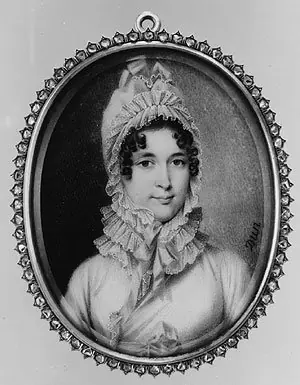 Portrait of a Woman, Said to Be Madame Récamier (1777–1849)
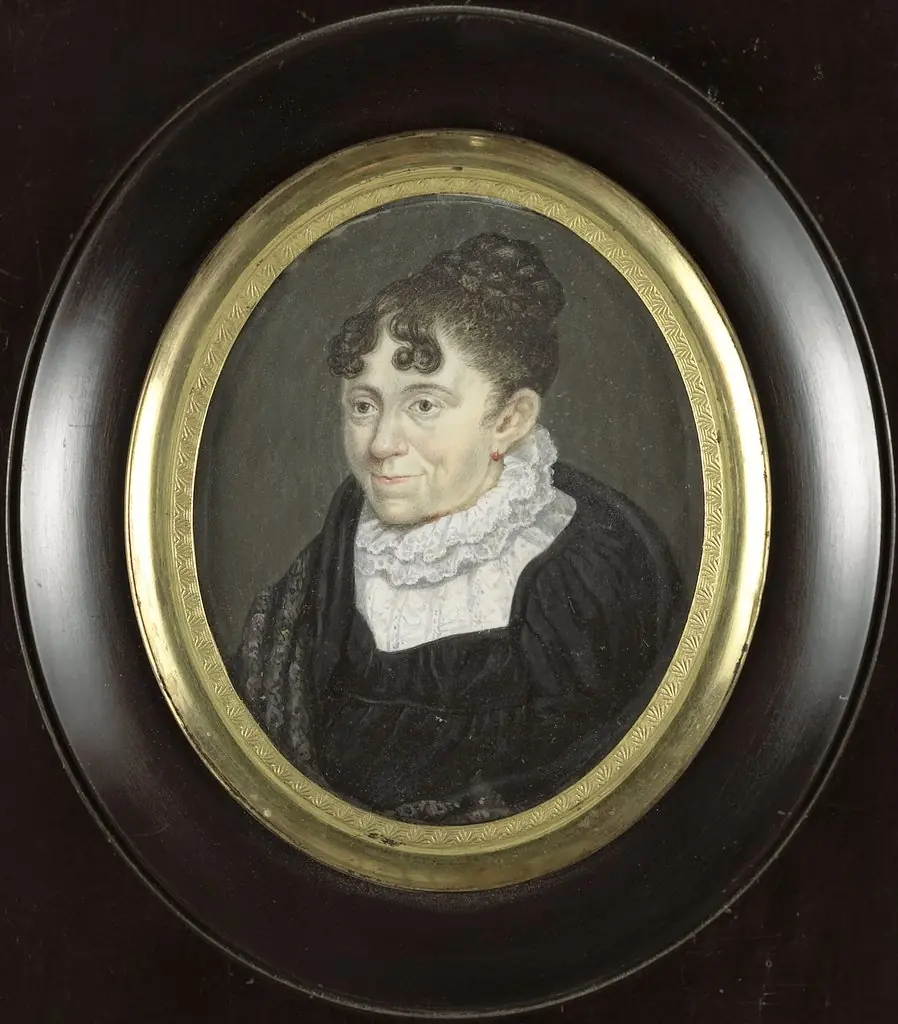 Portret van een oude dame
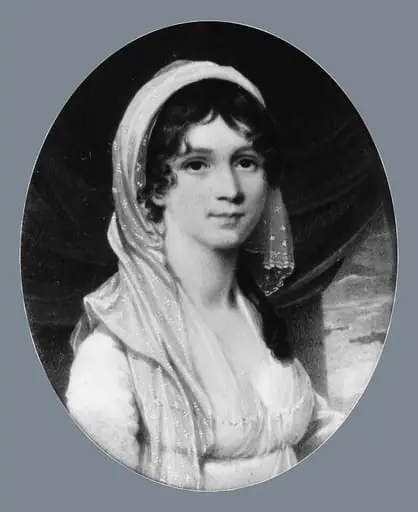 Sarah Louisa Jenkins
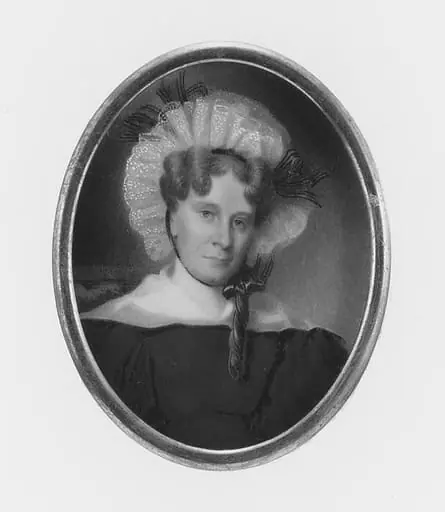 Portrait of a Lady
 Appolone Smith, f. Lottrup, amtsprovst Troels Smiths anden hustru