Artwork
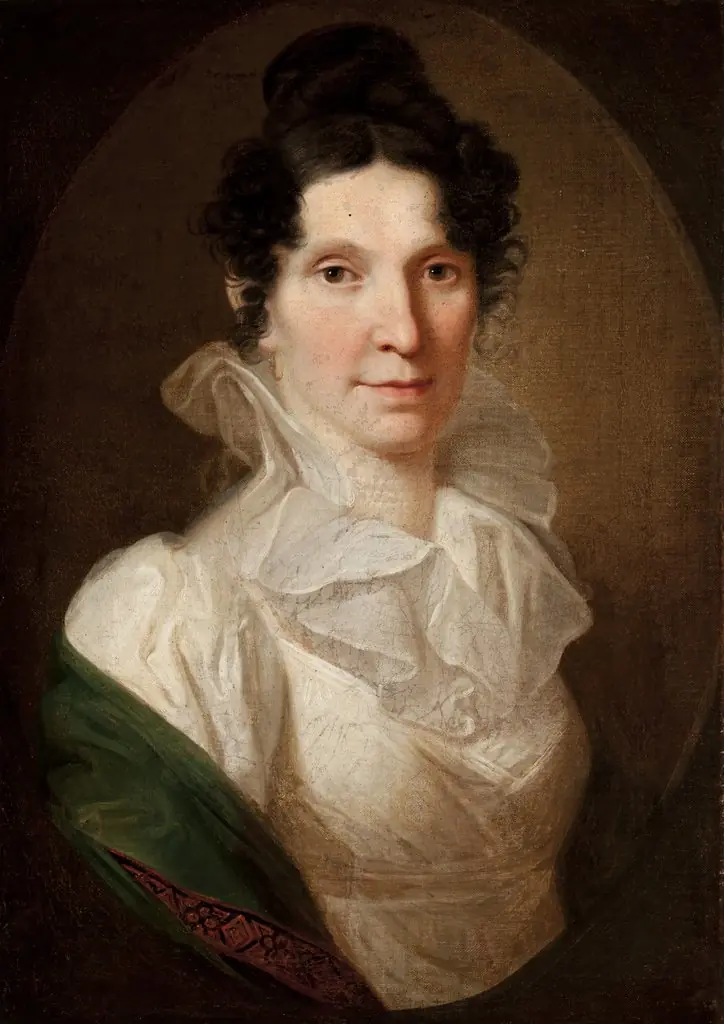
Appolone Smith, f. Lottrup, amtsprovst Troels Smiths anden hustru
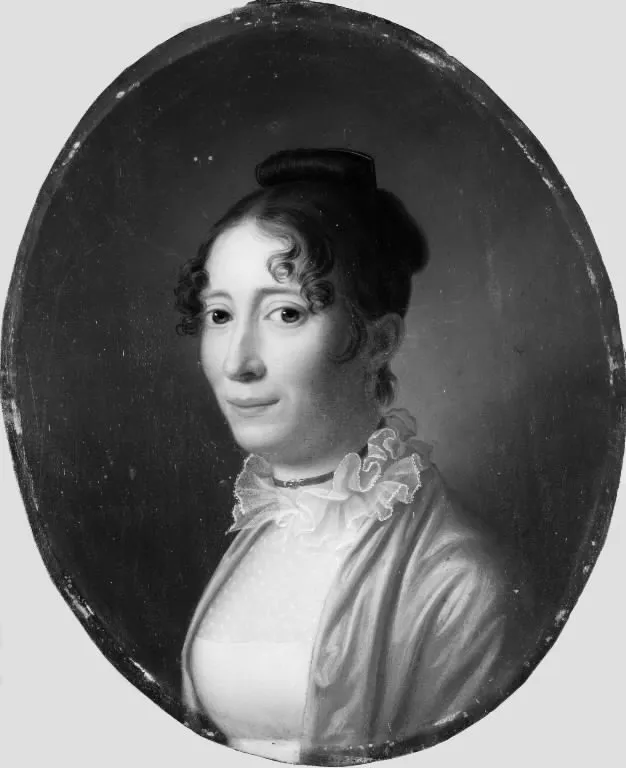
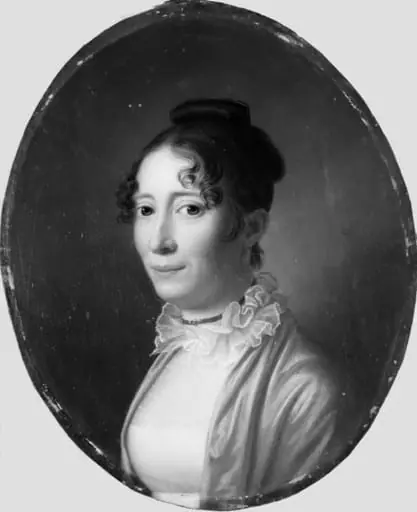
Appolone Smith, f. Lottrup, amtsprovst Troels Smiths anden hustru is an unspecified painting by the Biedermeier artist Christian Gottlieb Kratzenstein-Stub. It dates from 1816 and is held in the collection of the Statens Museum for Kunst. Christian Gottlieb Kratzenstein‑Stub created a portrait in 1816 of Appolone Smith, the spouse of Danish provost Troels Smith.
About this work
To learn more about the artist behind this portrait, explore the works of Christian Gottlieb Kratzenstein-Stub.
This painting depicts a woman with dark, curly hair styled in an updo. She wears a light-colored dress with a ruffled collar and a dark necklace. Her gaze is directed to the left side of the image.
The woman's attire and hairstyle suggest a formal setting, possibly from the early 19th century. The painting's style and attention to detail indicate a high level of craftsmanship.
To learn more about the artist behind this portrait, explore the works of Christian Gottlieb Kratzenstein-Stub.
Overview
Christian Gottlieb Kratzenstein‑Stub created a portrait in 1816 of Appolone Smith, the spouse of Danish provost Troels Smith. Executed during the Biedermeier period, the work exemplifies the era’s focus on intimate, domestic subjects rendered with careful realism. The painting is part of the permanent collection of the Statens Museum for Kunst.
Subject & Meaning
The sitter, Appolone Smith, is presented in a composed pose, her gaze turned toward the left. Her attire—a light‑coloured dress with a ruffled collar and a dark necklace—signals her social standing and the modest elegance valued in early‑19th‑century Danish bourgeois life.
Technique & Style
Rendered with the precise brushwork typical of the Danish Golden Age, the portrait displays meticulous attention to texture, from the glossy curls of the subject’s up‑do to the subtle folds of her garment. The restrained palette and clear modelling reflect Biedermeier aesthetics that favoured clarity and domestic tranquility.
History & Provenance
The painting was completed in the same year Kratzenstein‑Stub died, marking one of his final contributions to Danish art. Since its creation, the work has remained in Denmark and is now housed in the Statens Museum for Kunst, where it is displayed among other early‑19th‑century portraits.
Context
During the early 1800s, Danish society placed increasing emphasis on the representation of family and civic figures. Portraits like this one served both as personal commemorations and as visual affirmations of the emerging middle‑class values promoted by the Biedermeier movement.
Artist & collection
Artist
Christian Gottlieb Kratzenstein-Stub
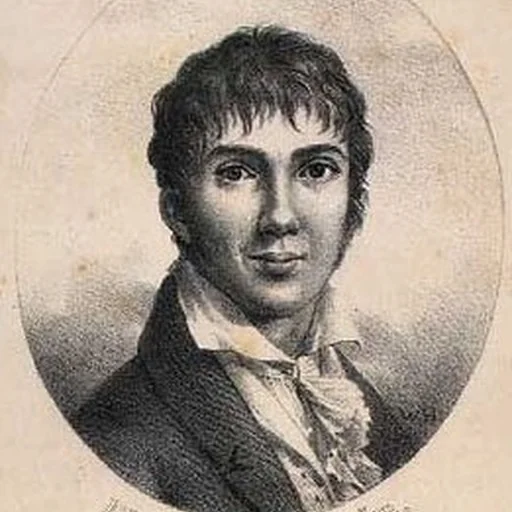
Christian Gottlieb Kratzenstein Stub (15 August 1783 – 24 July 1816), also written Kratzenstein-Stub, was a Danish Golden Age painter.

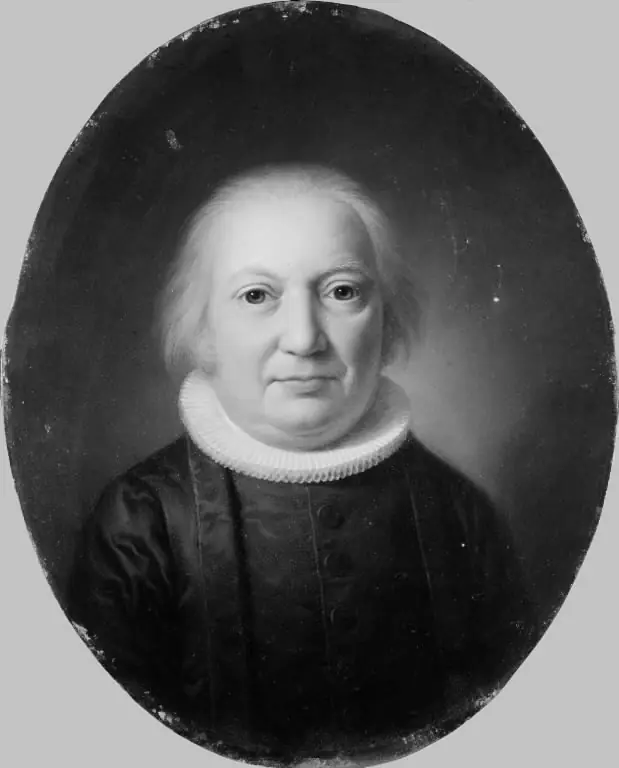
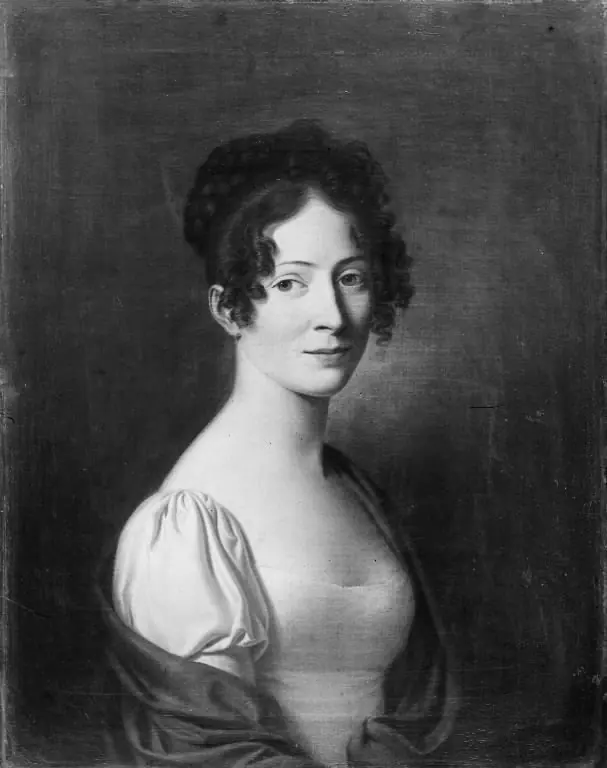
 Portrait of Katarzyna Mężyńska née Działyńska
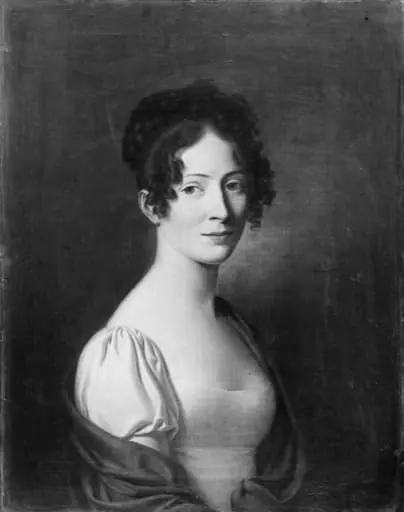 Konferensrådinde Marie Sophie Frølich, f. de Coninck
 Portrait of a Lady
 Portrait of a Woman
 Portrait of a Lady
 Portrait of a Lady
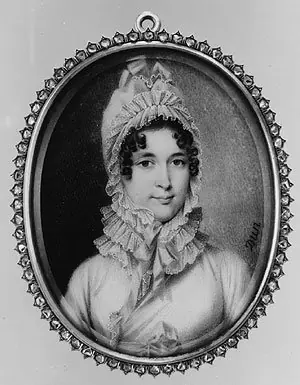 Portrait of a Woman, Said to Be Madame Récamier (1777–1849)
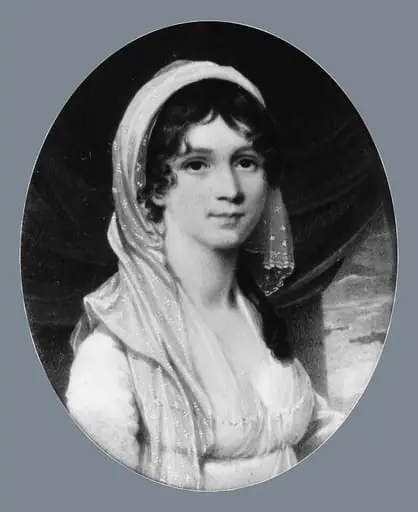 Sarah Louisa Jenkins
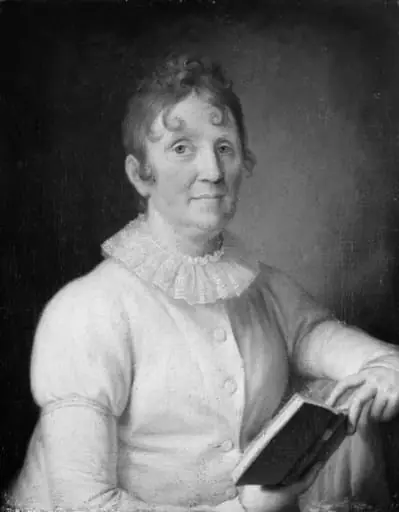 Skuespillerinden Johanne Cathrine Rosing
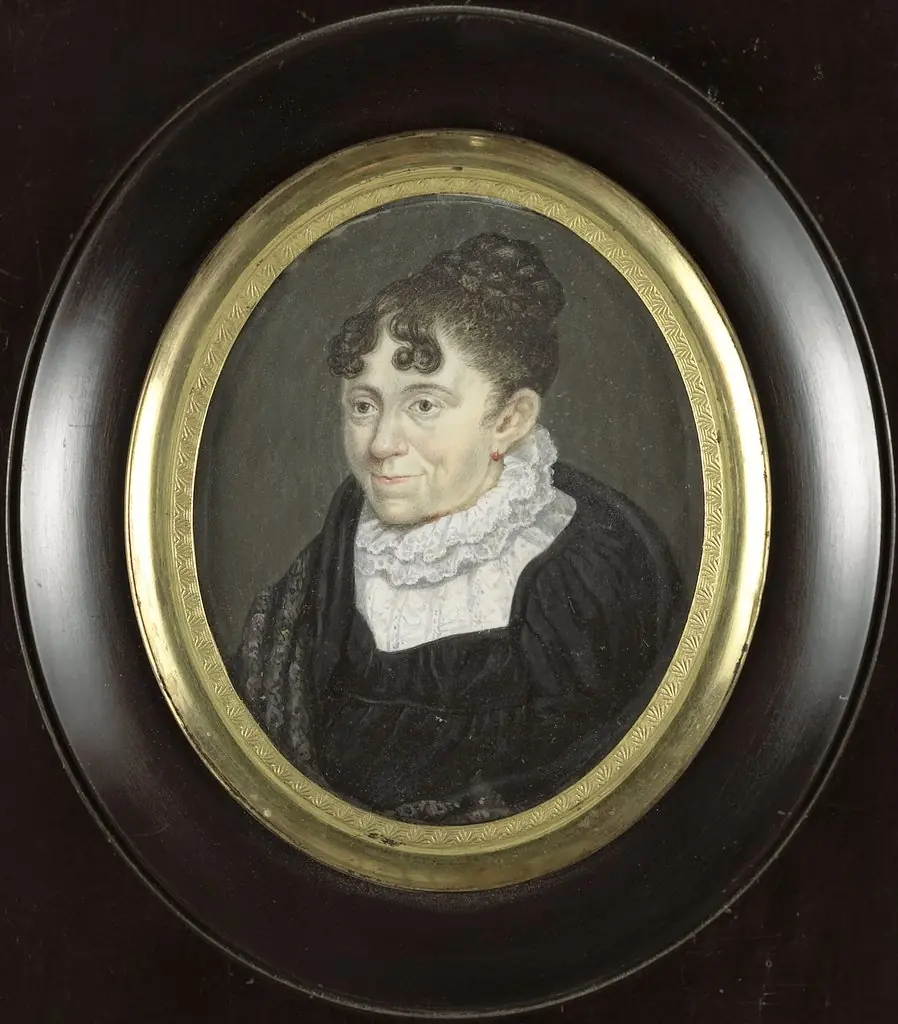 Portret van een oude dame
 Appolone Smith, f. Lottrup, amtsprovst Troels Smiths anden hustru