Artwork
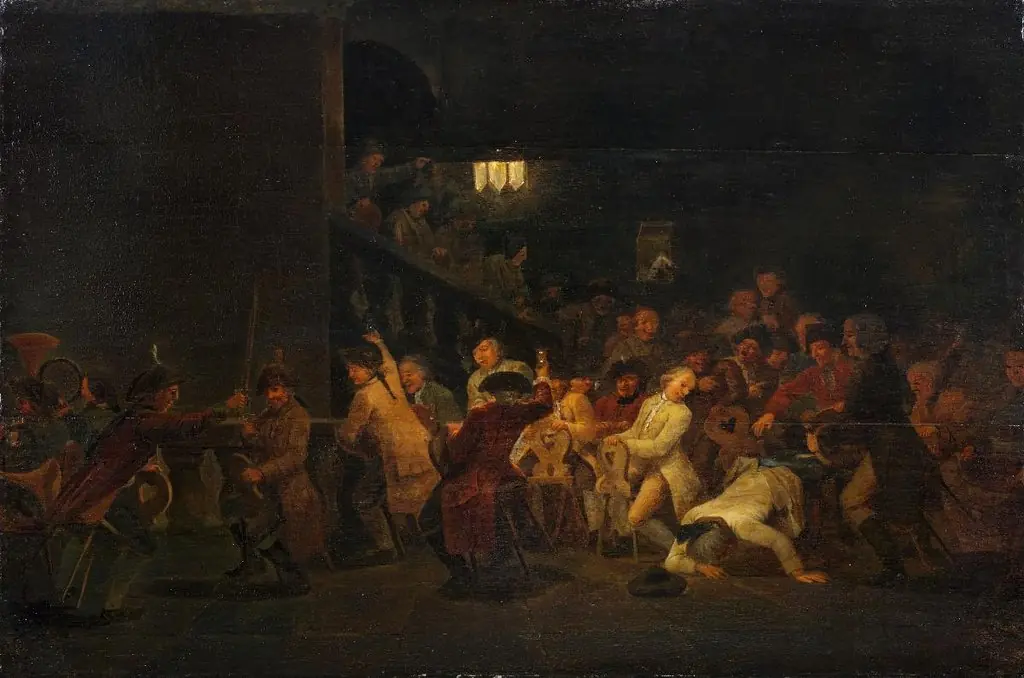
Julestuen, 13. scene
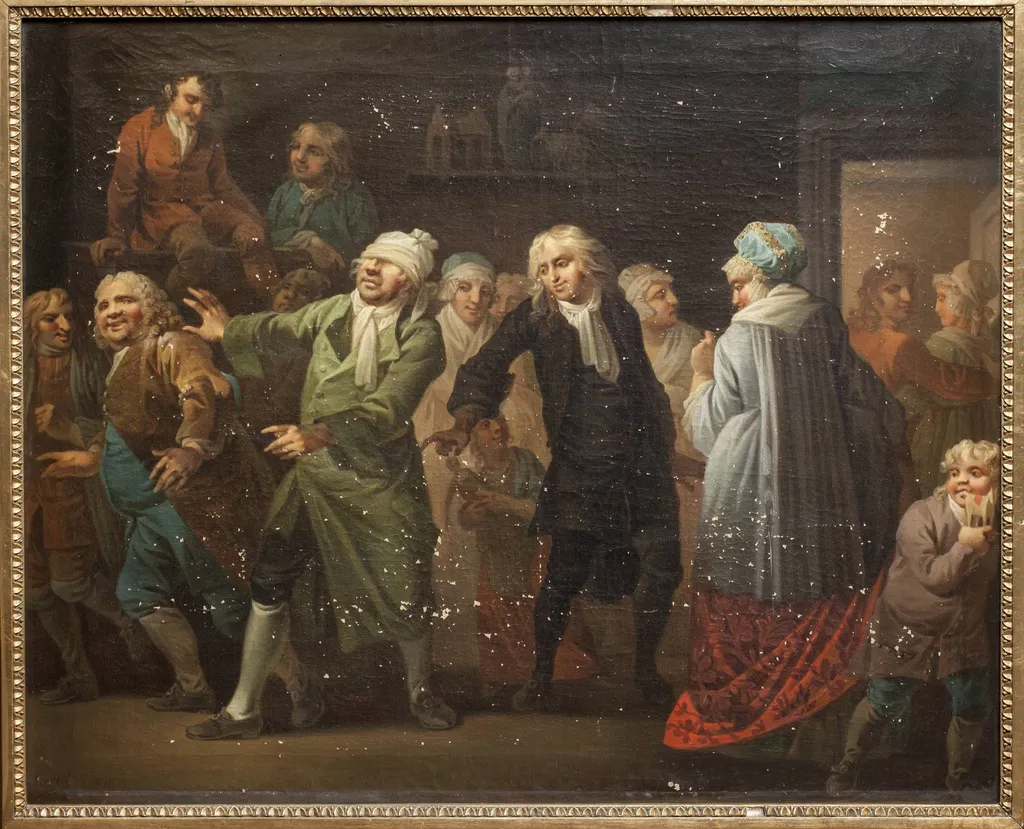
Julestuen, 13. scene is a photography by the Romanticist artist Unknown. It dates from 1814 and is held in the collection of the Statens Museum for Kunst. Created in 1814 by 693_person, this interior scene is part of a series titled Julestuen.
About this work
Overview
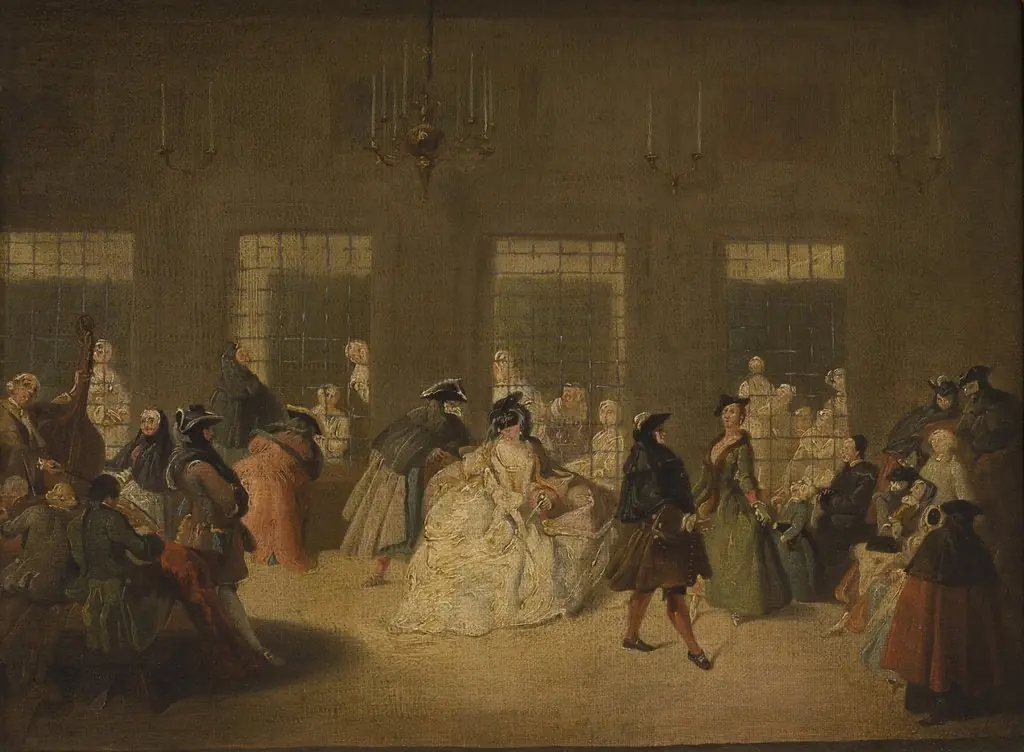
Created in 1814 by 693_person, this interior scene is part of a series titled Julestuen. It depicts a group of individuals gathered in a modest, dimly lit room, capturing a moment of quiet social interaction. The work is currently held in the collection of the Museum of Ethnography, where it serves as a record of domestic life in early 19th-century Scandinavia.
Subject & Meaning
The scene avoids theatricality, instead emphasizing ordinary human connection during a seasonal gathering, likely tied to Christmas traditions.
The painting portrays a group of people engaged in casual conversation, their postures suggesting spontaneous interaction. A child in the corner holds a toy, hinting at familial presence, while a vivid red shawl on the floor introduces a subtle focal point. The scene avoids theatricality, instead emphasizing ordinary human connection during a seasonal gathering, likely tied to Christmas traditions.
Technique & Style
The artist employs muted earth tones to ground the composition, with selective use of light to highlight faces and the red shawl. The dark background enhances the three-dimensionality of the figures, creating a sense of intimacy and drama. Brushwork is restrained but expressive, capturing gesture and texture without overt detail, aligning with early Romantic tendencies toward emotional realism.
History & Provenance
The work was completed in 1814 and entered the Museum of Ethnography’s collection at an early stage, likely as part of a broader effort to document regional customs. Its preservation suggests it was valued for its ethnographic detail rather than its artistic innovation. No significant changes in ownership are documented prior to its institutional acquisition.
Context
Painted during a period of national awakening in Scandinavia, the scene reflects growing interest in folk life and domestic rituals. While not overtly political, such works contributed to cultural identity by portraying everyday people with dignity. Similar depictions appeared in regional art, often commissioned by local patrons seeking to preserve traditional ways amid industrial change.
Legacy
Though not widely exhibited beyond its institutional home, Julestuen, 13. scene remains a reference point for studies of Nordic domestic life in the early 1800s. Its quiet realism influenced later ethnographic painters who sought to document customs without romanticization. The work continues to inform museum displays on seasonal traditions in Northern Europe.
Artist & collection

 Domestic Scene
 Giacomo and Cardinal Marco, investing Andrea, Abbot of San Zeno, with his Benefice
 The Nymph of Fontainebleau
 Portrait of a Woman
 Madonna and Child with Saints in the Enclosed Garden
 Venus and Minerva
 Family Group of Four on Sofa
 Wall painting from Room H of the Villa of P. Fannius Synistor at Boscoreale