Artwork
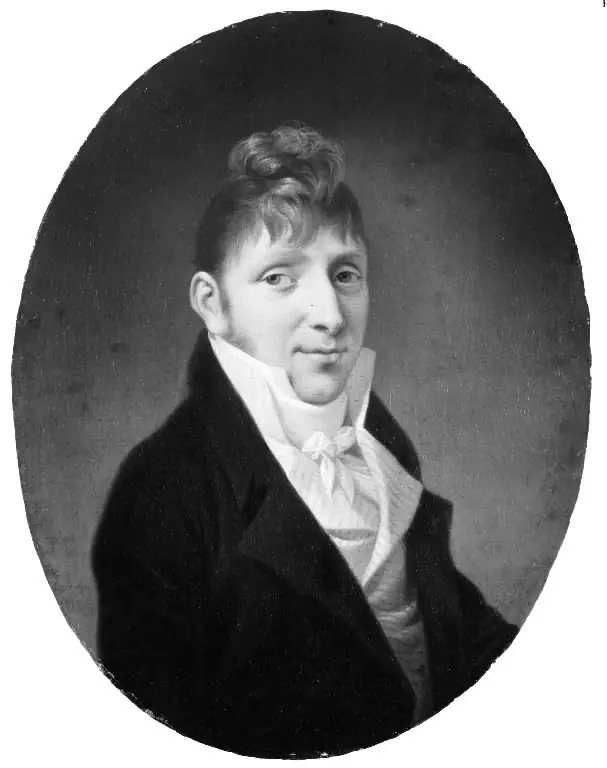
Mandsportræt
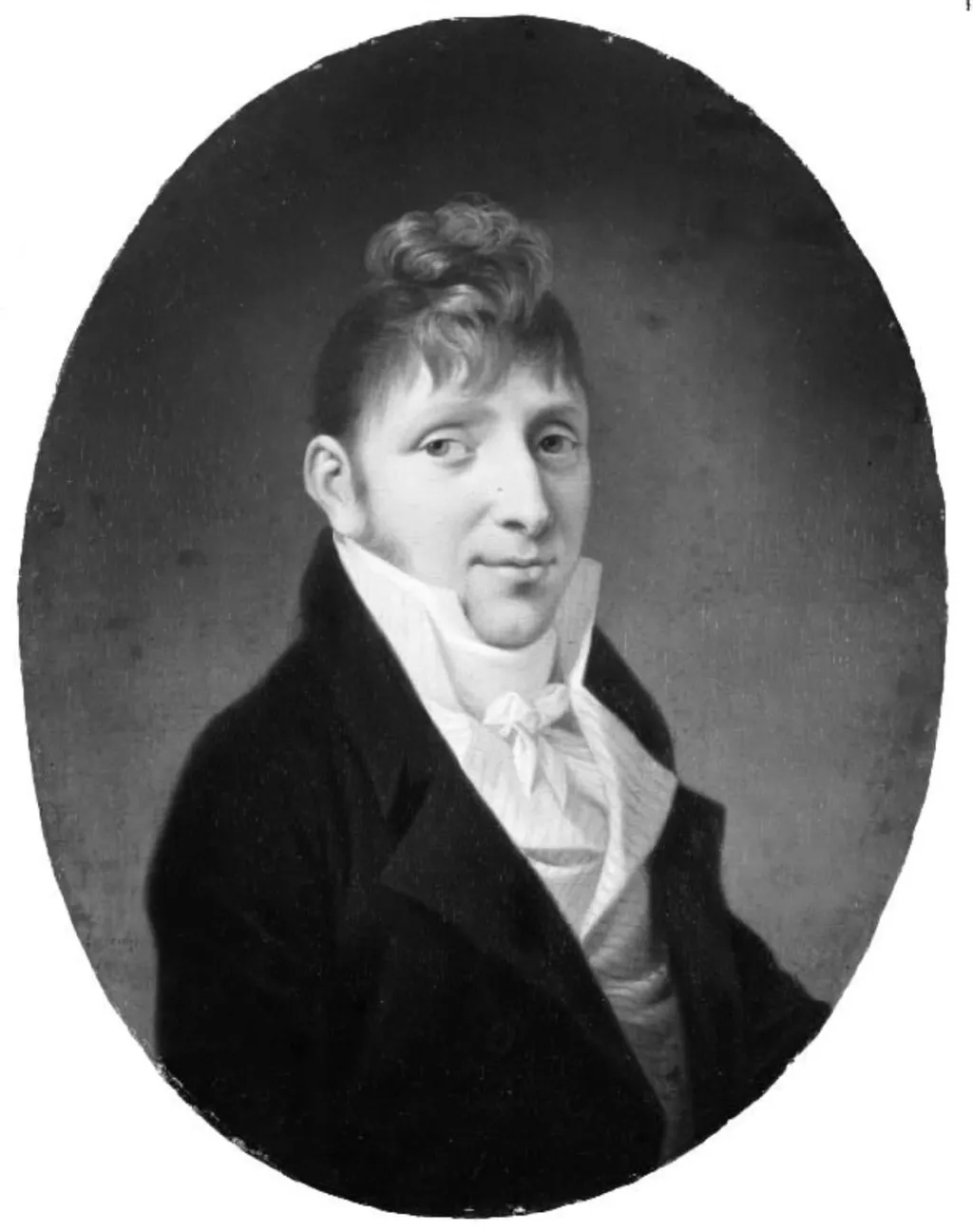
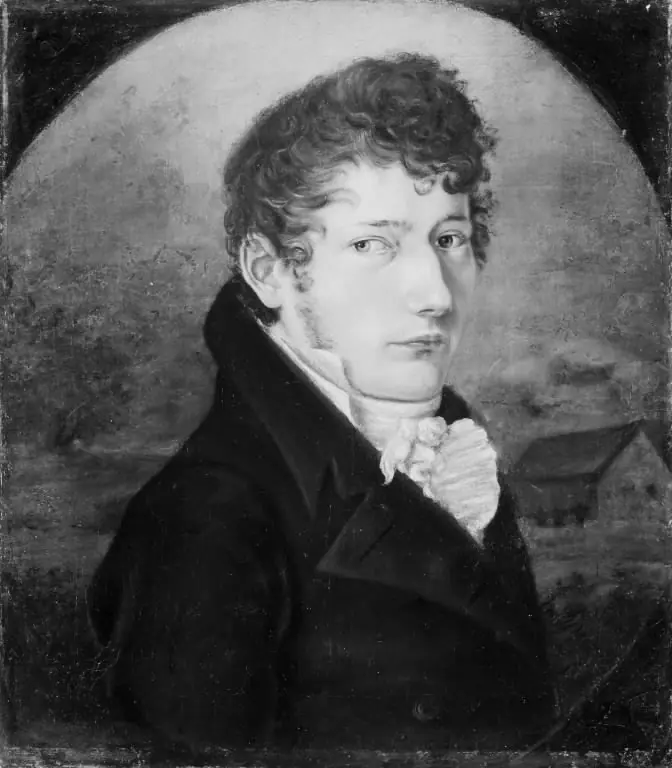
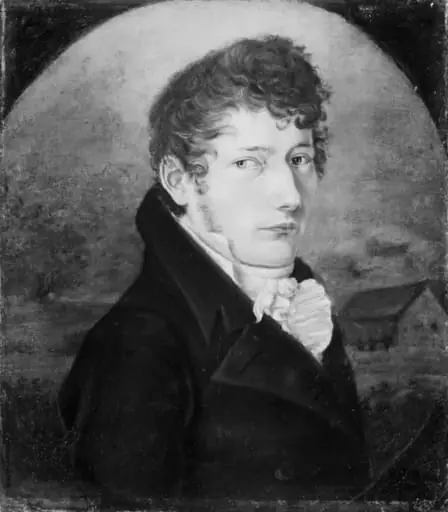
Mandsportræt is a photography by the Romanticist artist Unknown. It dates from 1814 and is held in the collection of the Statens Museum for Kunst.
About this work
Overview
Mandsportræt is a mid-19th century photographic portrait, dated to 1814, produced by an unknown artist associated with early photographic experimentation.
Mandsportræt is a mid-19th century photographic portrait, dated to 1814, produced by an unknown artist associated with early photographic experimentation. It resides in the collection of the Museum of Ethnography. The image captures a male subject in formal attire, rendered in monochrome with soft tonal gradations. The composition adheres to the conventions of early portrait photography, emphasizing stillness and dignity.
Subject & Meaning
The sitter is depicted with a composed, direct gaze and restrained expression, suggesting a desire to convey social standing or personal gravitas. His attire—dark coat, light shirt, high collar, and bow tie—reflects upper-middle-class male dress of the early 1800s. The formal pose and careful grooming imply the portrait was intended as a record of identity and respectability, common in the transition from painted portraiture to photographic documentation.
Technique & Style
The image employs a soft, even lighting that minimizes harsh shadows, enhancing the subject’s facial contours without dramatic contrast. The oval frame, slightly faded at the edges, was likely a stylistic choice to evoke classical painting traditions. The clarity of detail in fabric and hair suggests a long exposure and careful staging, typical of early photographic processes like daguerreotypes or calotypes, which prioritized precision over spontaneity.
History & Provenance
Created in 1814, this portrait predates the widespread adoption of photography, raising questions about its medium—possibly a painted photograph or an early photographic experiment. It entered the Museum of Ethnography’s holdings in the late 19th or early 20th century, likely as part of a broader collection documenting regional dress and social customs. Its origin and subject remain undocumented beyond the visual record.
Context
Though produced during the Romantic era, the portrait avoids emotional intensity or idealization. Instead, it reflects the growing cultural emphasis on individual identity and social order through visual documentation. Unlike Romantic paintings that dramatized nature or emotion, this work aligns with the quiet realism emerging in early photography, serving as a bridge between aristocratic portraiture and modern ethnographic record-keeping.
Legacy
Mandsportræt stands as an early example of photography’s role in capturing personal and cultural identity. Its preservation in an ethnographic museum underscores its value as a historical artifact rather than an artistic statement. It contributes to the understanding of how visual representation evolved from painted likenesses to mechanical reproduction, influencing later documentary practices in anthropology and social history.
Artist & collection

 Domestic Scene
 Giacomo and Cardinal Marco, investing Andrea, Abbot of San Zeno, with his Benefice
 The Nymph of Fontainebleau
 Portrait of a Woman
 Madonna and Child with Saints in the Enclosed Garden
 Venus and Minerva
 Family Group of Four on Sofa
 Wall painting from Room H of the Villa of P. Fannius Synistor at Boscoreale