Artwork
William Helmsley Tilghman
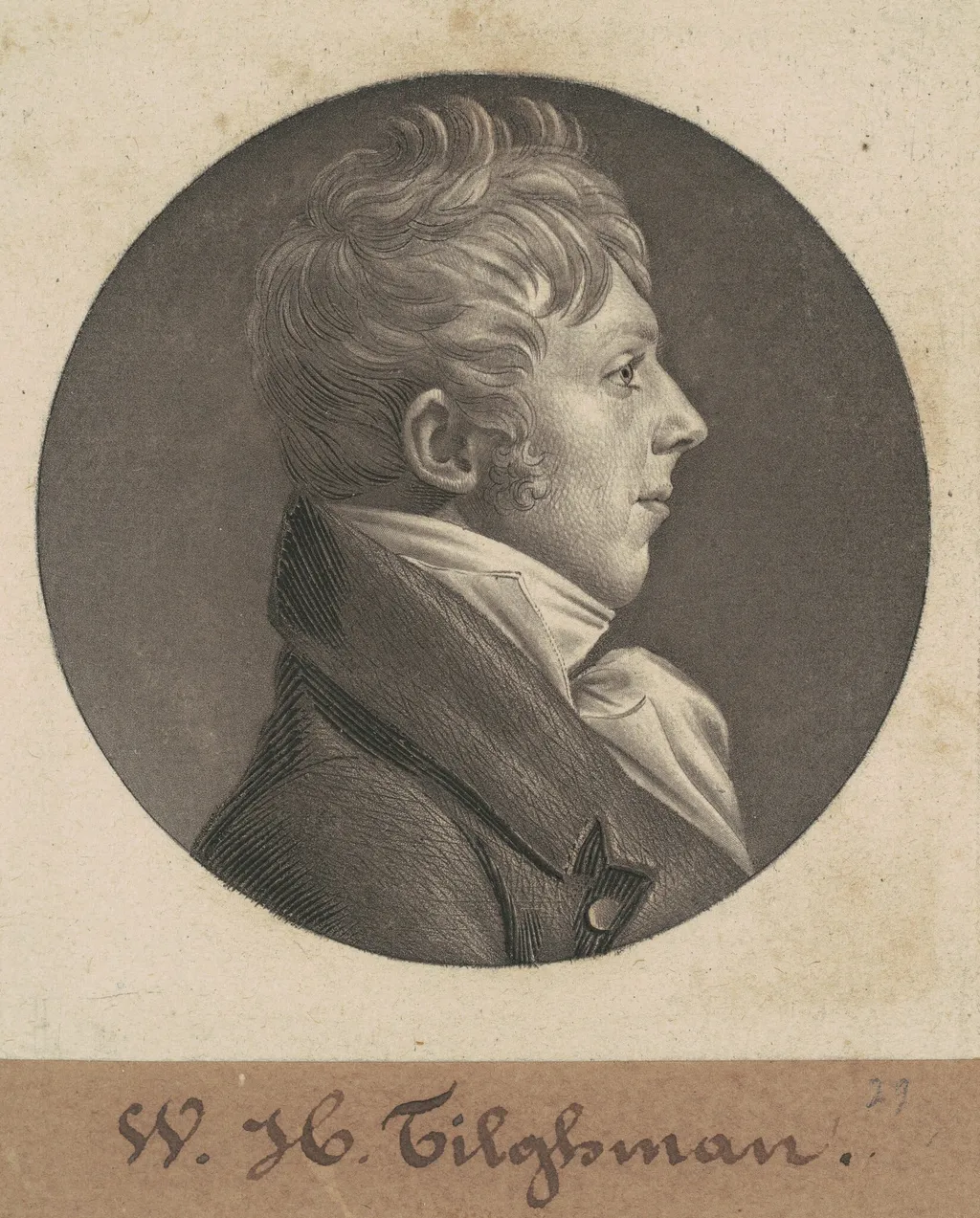
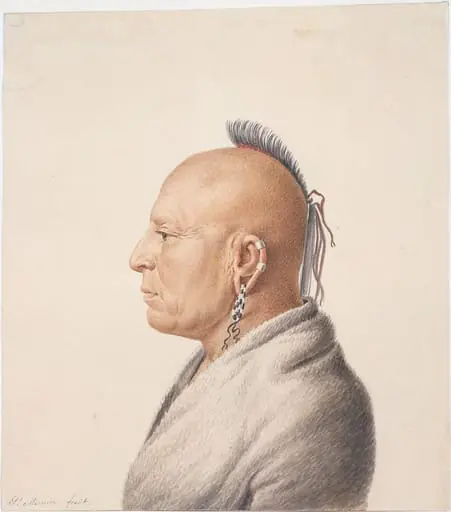
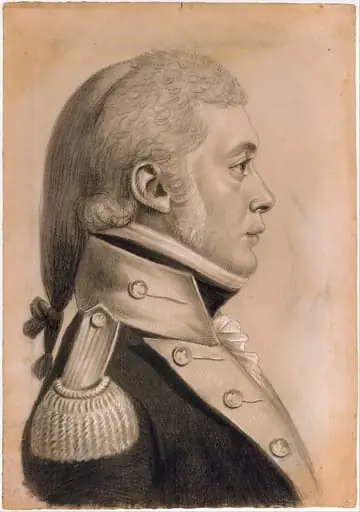
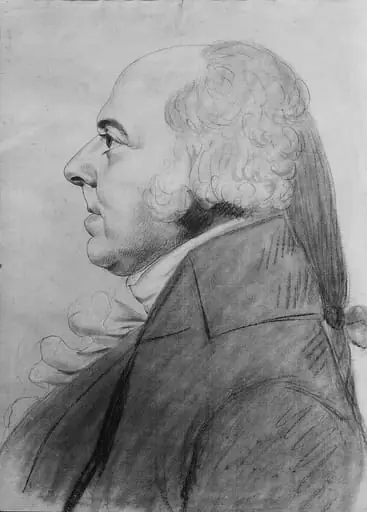
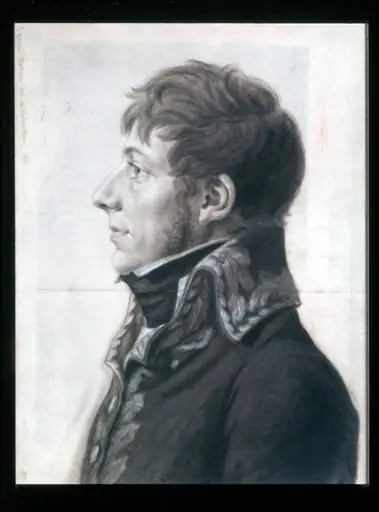
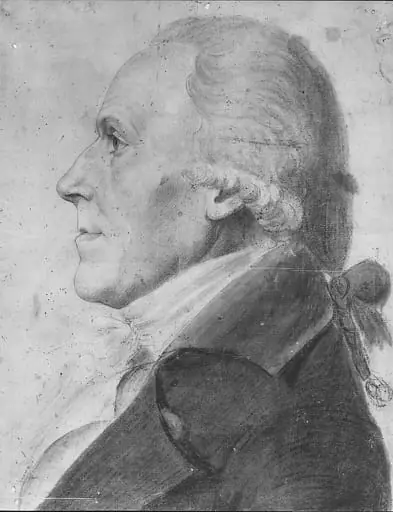
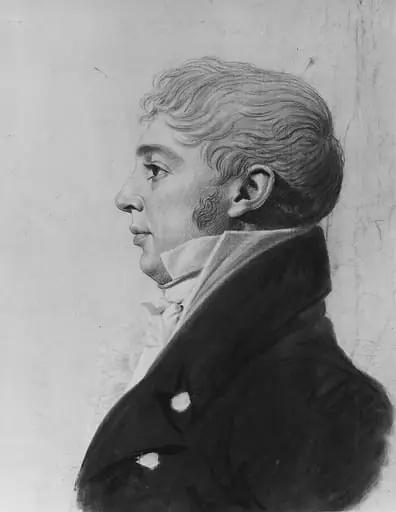
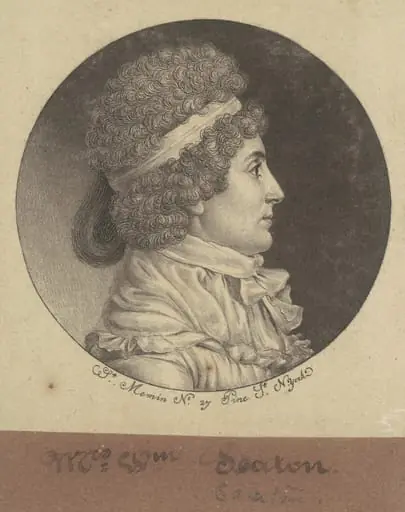
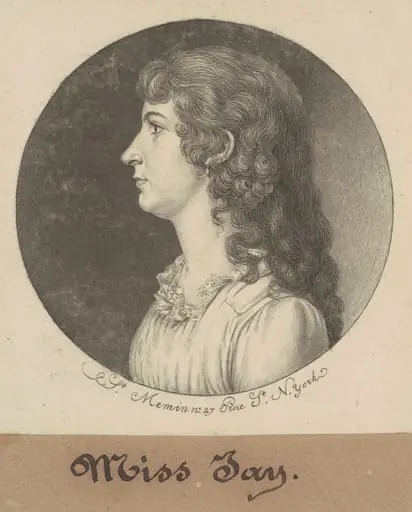
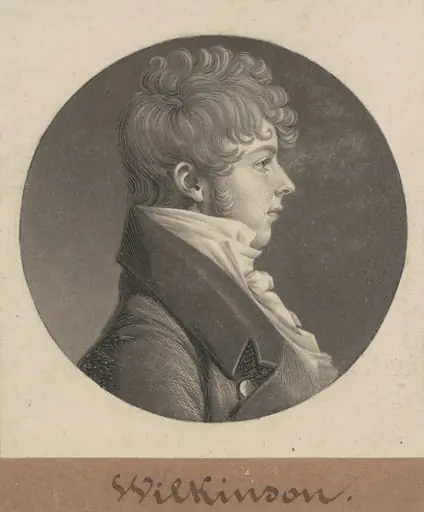
William Helmsley Tilghman is an ink print by the Romanticist artist Charles Balthazar Julien Févret de Saint-Mémin. It dates from 1804 and is held in the collection of the National Gallery of Art.
About this work
Overview
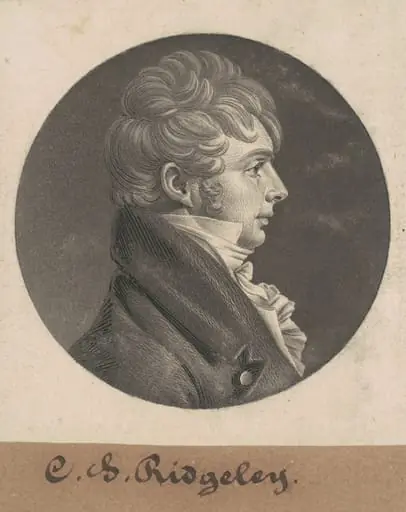
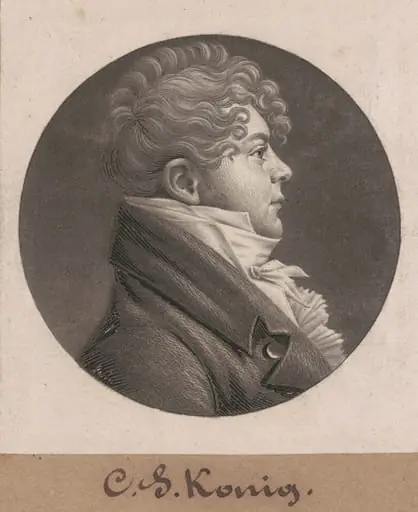
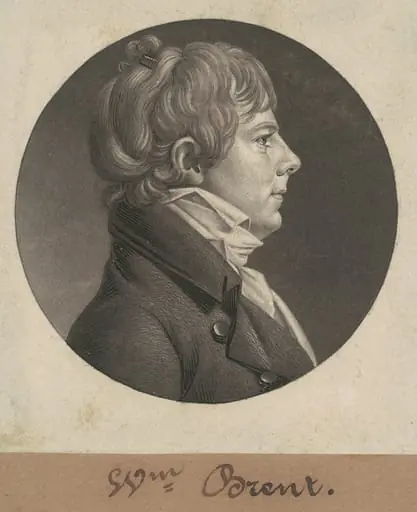
The print, created in 1804, depicts William Helmsley Tilghman, a figure of early nineteenth‑century American society. Executed in black on wove paper, the image combines mezzotint and engraving to render a solemn, finely detailed portrait. The work is held in the public domain and is presented mounted on a brown wove backing, emphasizing its delicate paper support.
Subject & Meaning
Tilghman is shown with a serious expression, dressed in period attire that includes a high‑collared coat and cravat. The careful rendering of his hair, facial features, and clothing suggests an intention to convey his social standing and personal gravitas, typical of portraiture meant to affirm the sitter’s identity and reputation.
Technique & Style
The artist employed a hybrid process, beginning with mezzotint to achieve rich tonal gradations and then adding engraved lines for precise detail. This combination allows for subtle shading alongside crisp outlines, producing a texture that captures both the softness of fabric and the firmness of facial features, characteristic of early American printmaking.
History & Provenance
Charles B. J. Févret de Saint‑Mémin, a French‑born engraver active in the United States, produced the portrait shortly after his arrival in America. The print was issued in 1804 and has since circulated in collections of early American prints. Its public‑domain status reflects its age and the absence of surviving copyright claims.
Artist & collection

Artist
Charles Balthazar Julien Févret de Saint-Mémin
Charles Balthazar Julien Févret de Saint-Mémin (French pronunciation: ; 1770–1852) was a French portrait painter and museum director.