Artwork
Eremitagesletten
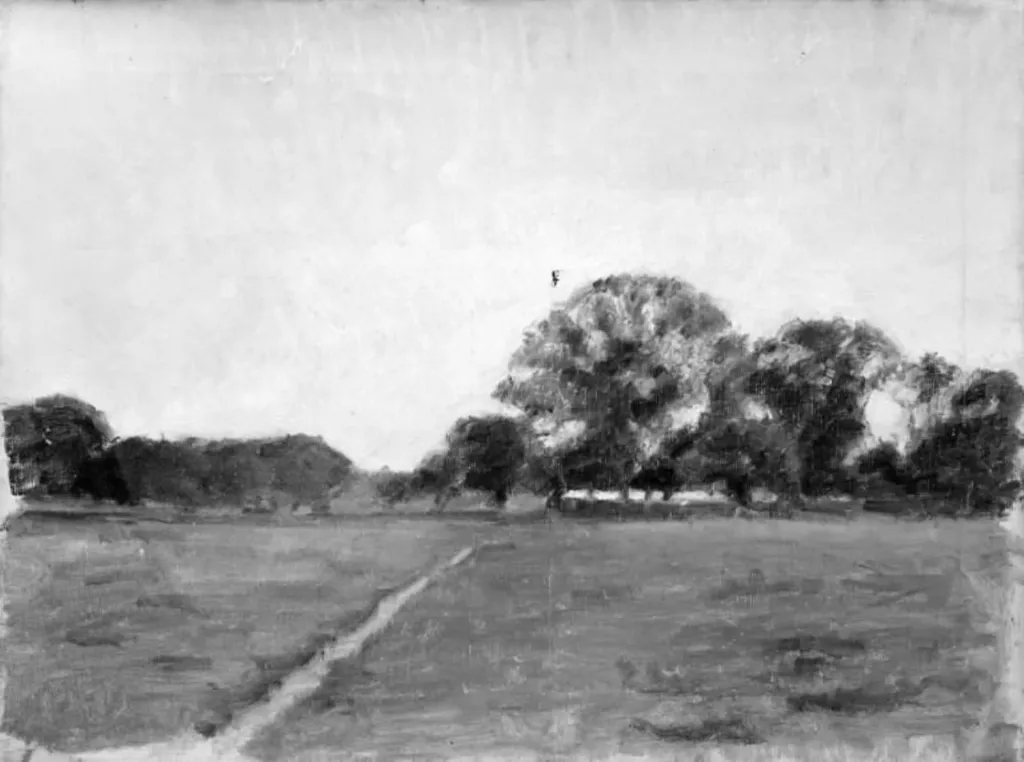
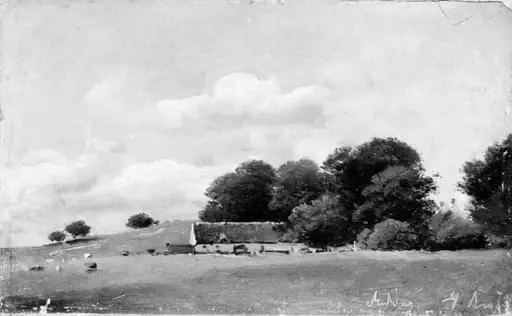
Eremitagesletten is a photography by Unknown. It dates from 1904 and is held in the collection of the Statens Museum for Kunst.
About this work
Overview
The palette is restrained, dominated by subtle gradations of gray, which contribute to a quiet, meditative mood without overt color or dramatic contrast.
Eremitagesletten, dated around 1904, is a landscape painting attributed to 704_person. It resides in the collection of the Museum of Ethnography. The composition centers on a solitary, expansive tree, flanked by smaller vegetation and an open field. The palette is restrained, dominated by subtle gradations of gray, which contribute to a quiet, meditative mood without overt color or dramatic contrast.
Subject & Meaning
The painting presents a solitary natural setting, devoid of human figures or architectural elements. The central tree, with its wide-reaching branches, may suggest endurance or isolation, while the stillness of the landscape evokes introspection. The absence of narrative or symbolic markers invites contemplation rather than interpretation, aligning with a broader early 20th-century interest in nature as a space for quiet reflection.
Technique & Style
The artist employs a limited tonal range, using varying shades of gray to model form and suggest atmospheric depth. Brushwork is subdued, with soft transitions between planes rather than sharp definition. The foreground grass is rendered with loose, horizontal strokes, while the trees are suggested through layered tones rather than detailed foliage, emphasizing mood over realism.
History & Provenance
Eremitagesletten entered the Museum of Ethnography’s collection shortly after its creation, though the circumstances of acquisition are not documented. It has remained in the museum’s care since, with no known public exhibitions or transfers prior to the 20th century. Its placement within an ethnographic institution suggests an interest in cultural or regional landscape representation, though the artist’s intent remains unrecorded.
Context
Created in the early 1900s, the work reflects a period when European artists increasingly turned to subdued, atmospheric landscapes as an alternative to academic realism or impressionist color. The use of monochrome tones and minimal composition aligns with emerging modernist tendencies that valued emotional resonance over decorative detail, particularly in Nordic and Central European art circles.
Legacy
Eremitagesletten remains a quiet example of early 20th-century landscape painting that prioritizes atmosphere over narrative. Though not widely reproduced or studied, it contributes to a lesser-known strand of modernist art focused on stillness and restraint. Its continued presence in the Museum of Ethnography underscores its role as a cultural artifact tied to regional visual sensibilities rather than mainstream artistic movements.
Artist & collection

 Domestic Scene
 Giacomo and Cardinal Marco, investing Andrea, Abbot of San Zeno, with his Benefice
 The Nymph of Fontainebleau
 Portrait of a Woman
 Madonna and Child with Saints in the Enclosed Garden
 Venus and Minerva
 Family Group of Four on Sofa
 Wall painting from Room H of the Villa of P. Fannius Synistor at Boscoreale
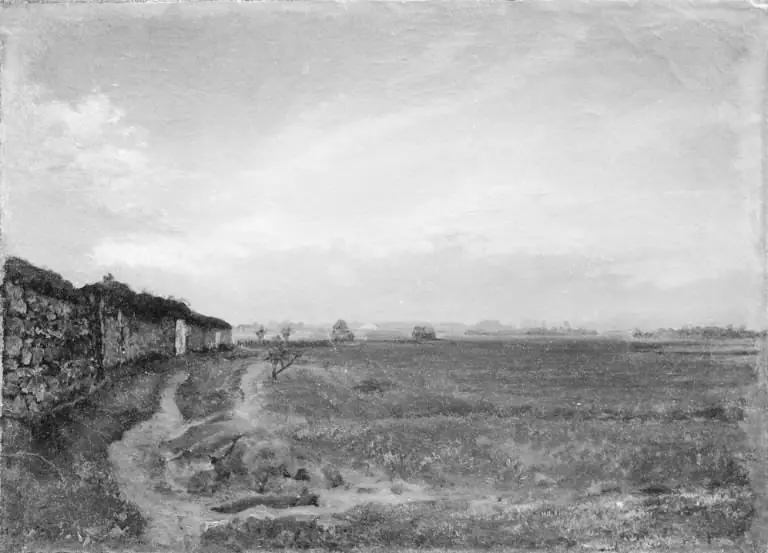 Landscape (in the Barbizon district?)
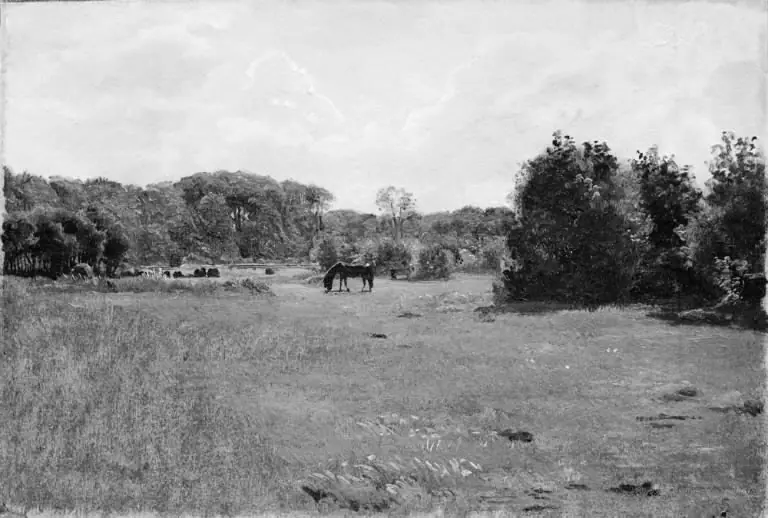 Meadow with a Black Horse Grazing
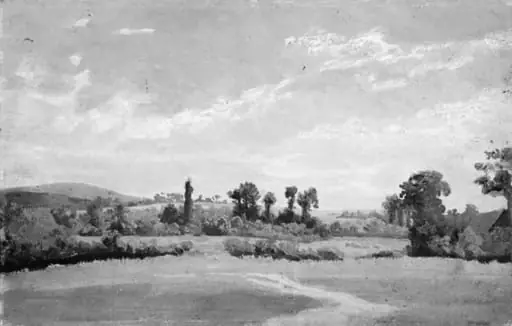 Open Landscape with Low Hills. Summer
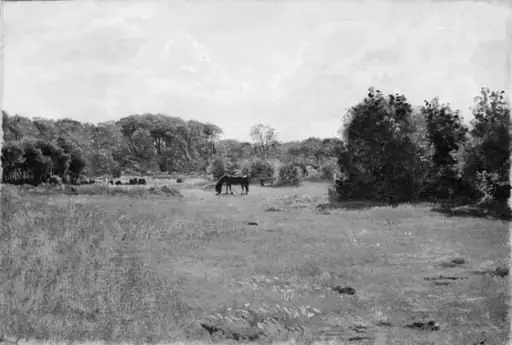 Meadow with a Black Horse Grazing
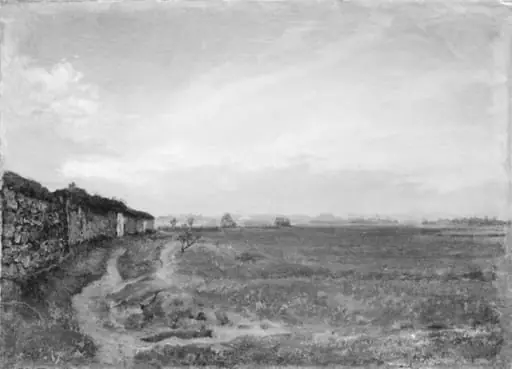 Landscape (in the Barbizon district?)
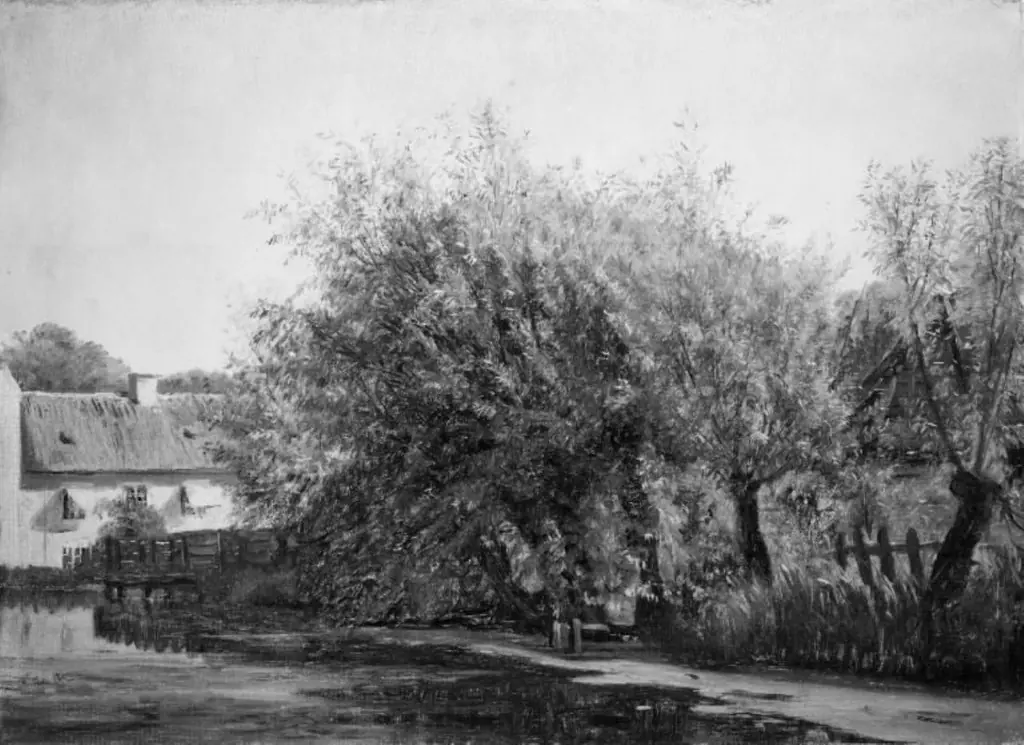 Parti fra knivfabrikken ved Råvaddam
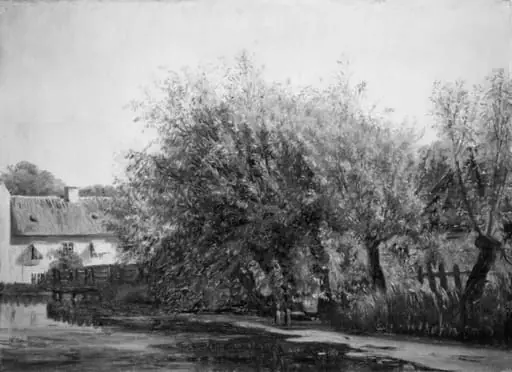 Parti fra knivfabrikken ved Råvaddam
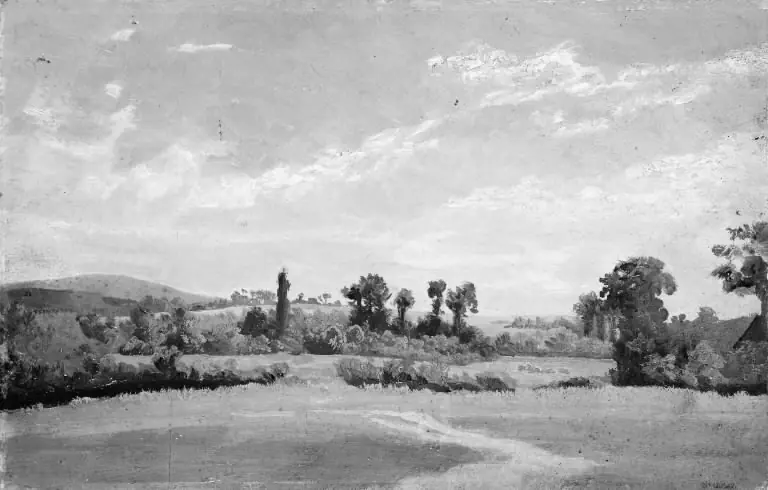 Open Landscape with Low Hills. Summer
 Winding Lane in a Wood
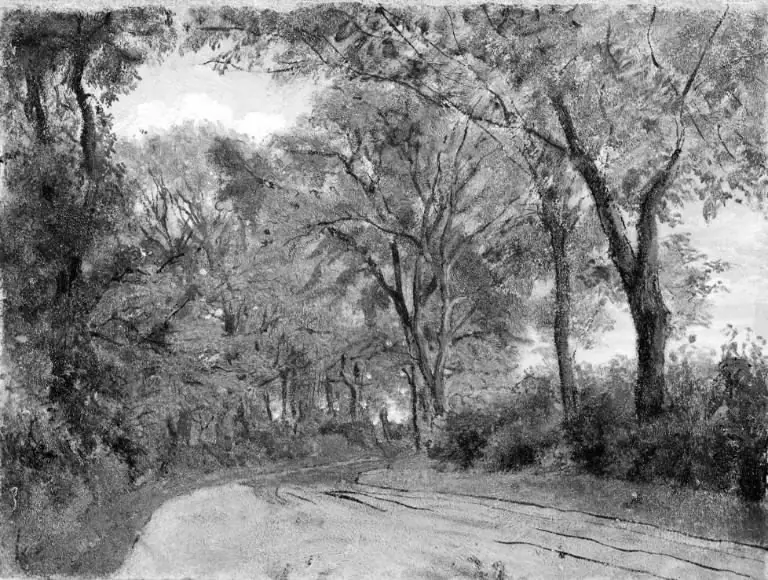 Winding Lane in a Wood
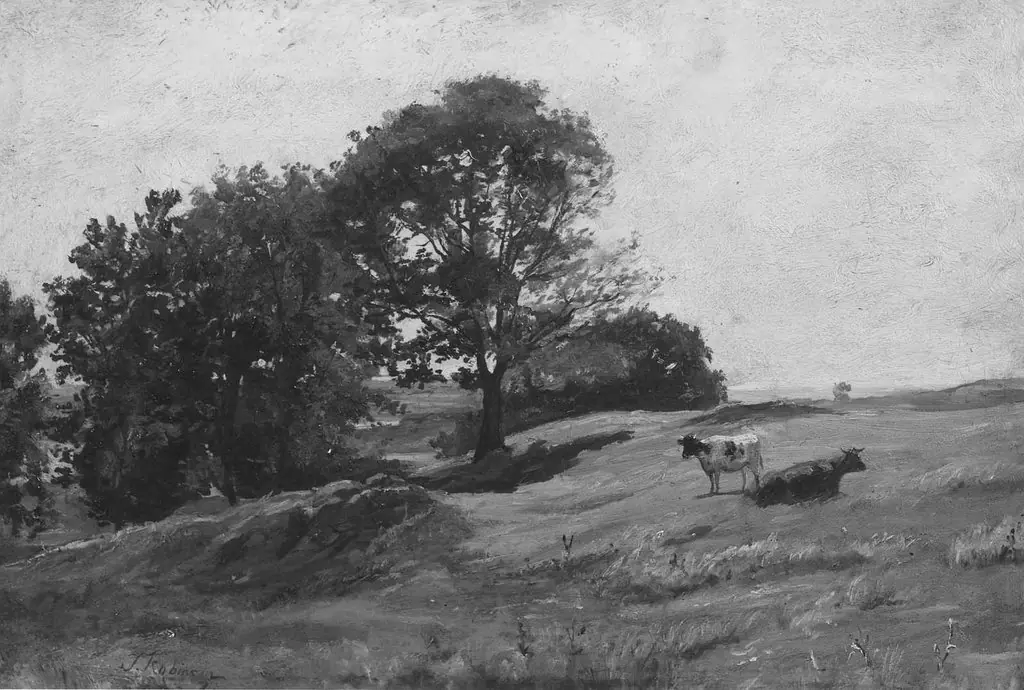 Hillside in Summer
 Study of Landscape with a Thatched Building in front of Tall Trees