Artwork
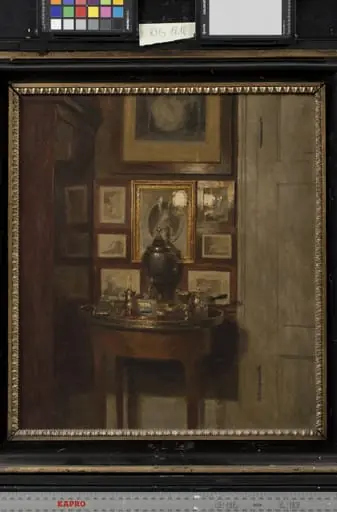
Interiør fra dagligstuen på St. Hans Torv med figur
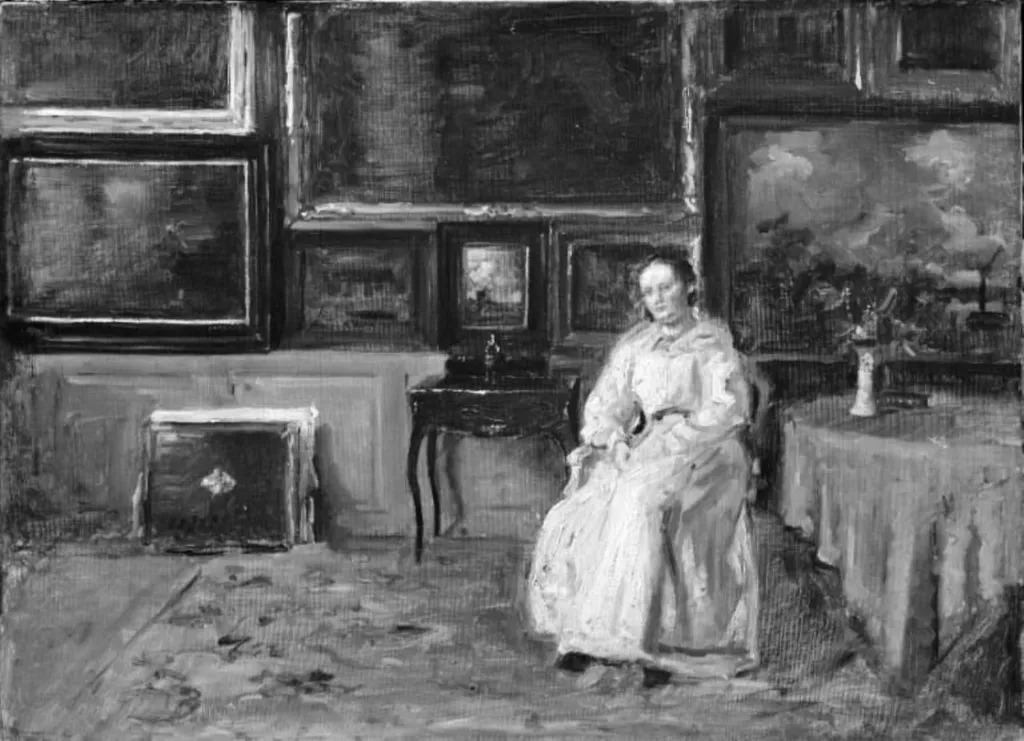
Interiør fra dagligstuen på St. Hans Torv med figur is a photography by Unknown. It dates from 1900 and is held in the collection of the Statens Museum for Kunst. This black-and-white photograph, dated around 1900, captures an interior scene from a living room on St.
About this work
Overview
This black-and-white photograph, dated around 1900, captures an interior scene from a living room on St. Hans Torv. The image is held in the collection of the Museum of Ethnography. Though technically a photograph, its surface texture resembles heavily applied paint, suggesting a deliberate manipulation of the medium to evoke tactile immediacy rather than photographic neutrality.
Subject & Meaning
A woman sits quietly in a modest domestic space, her hands folded in her lap, dressed in a loose, light garment. The room is filled with personal objects—framed images, small trinkets, and furniture arranged with unpretentious familiarity. The composition conveys solitude and routine, offering a quiet glimpse into everyday life without theatricality or narrative emphasis.
Technique & Style
The result blurs the boundary between photography and painting, prioritizing emotional resonance over technical clarity.
The image’s surface is marked by pronounced grain and raised textures, mimicking the physicality of impasto painting. This effect was likely achieved through photographic printing processes that emphasized tonal contrast and surface relief, transforming the photograph into something more tactile. The result blurs the boundary between photography and painting, prioritizing emotional resonance over technical clarity.
History & Provenance
The work was created around 1900 and entered the Museum of Ethnography’s collection, where it remains today. Its origin as a personal or documentary photograph is unclear, but its preservation suggests early recognition of its aesthetic value beyond mere record-keeping. No documented provenance beyond the museum’s acquisition is available.
Context
At the turn of the century, photography was increasingly used to document domestic life, especially in urban settings. This image aligns with broader efforts to capture ordinary environments, yet its textured surface distinguishes it from conventional documentary practice. It reflects a period when artists and photographers experimented with the material qualities of their media to convey mood.
Legacy
The work stands as an early example of photographic manipulation aimed at evoking emotional depth through physical texture. While not widely known, it contributes to a quieter tradition in Nordic visual culture that valued authenticity over polish. Its influence is subtle, seen in later artists who treated photographic surfaces as expressive grounds rather than transparent windows.
Artist & collection

 Domestic Scene
 Giacomo and Cardinal Marco, investing Andrea, Abbot of San Zeno, with his Benefice
 The Nymph of Fontainebleau
 Portrait of a Woman
 Madonna and Child with Saints in the Enclosed Garden
 Venus and Minerva
 Family Group of Four on Sofa
 Wall painting from Room H of the Villa of P. Fannius Synistor at Boscoreale
 The Artist's Living Room
 The Artist's Living Room
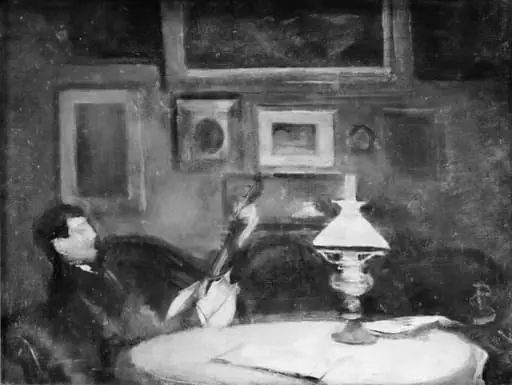
 Interiør fra en stue, hvor en ung mand ligger henslængt i en sofa og spiller lut, aften
 În atelierul pictorului. Doamna Aman cu nepotul
 Interiør fra en stue, hvor en ung mand ligger henslængt i en sofa og spiller lut, aften
 Costume Scene
 Lady with the Hydrangeas
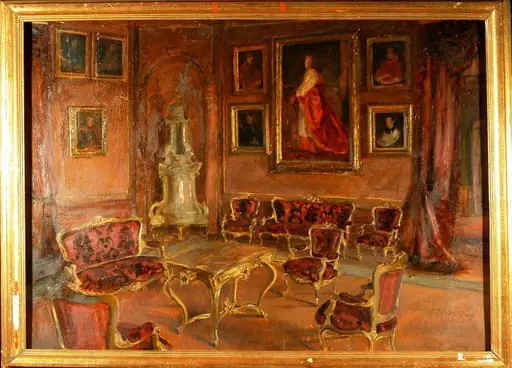 Interior roșu
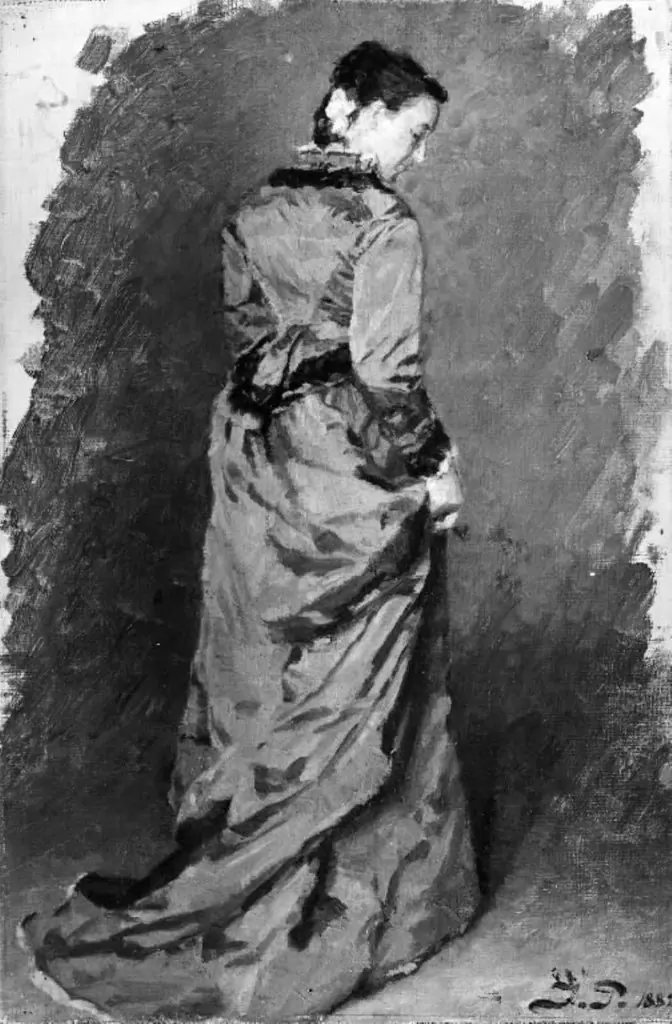 The Painter Agnes Paulsen, the Artist's Sister
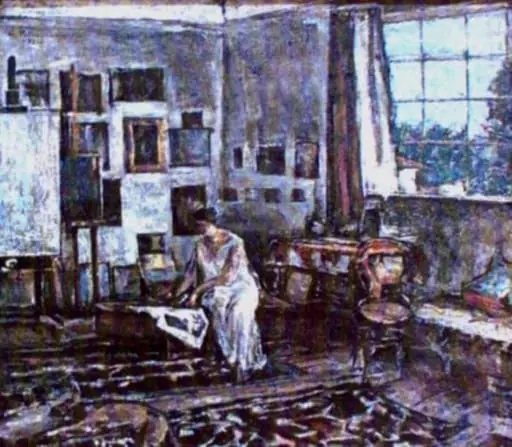 Interior de atelier cu femeie în alb
 The Painter Agnes Paulsen, the Artist's Sister
 Interiør med en samovar. Aften