Artwork
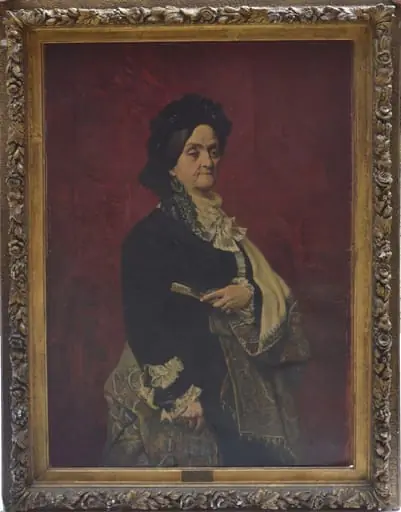
În atelierul pictorului. Doamna Aman cu nepotul
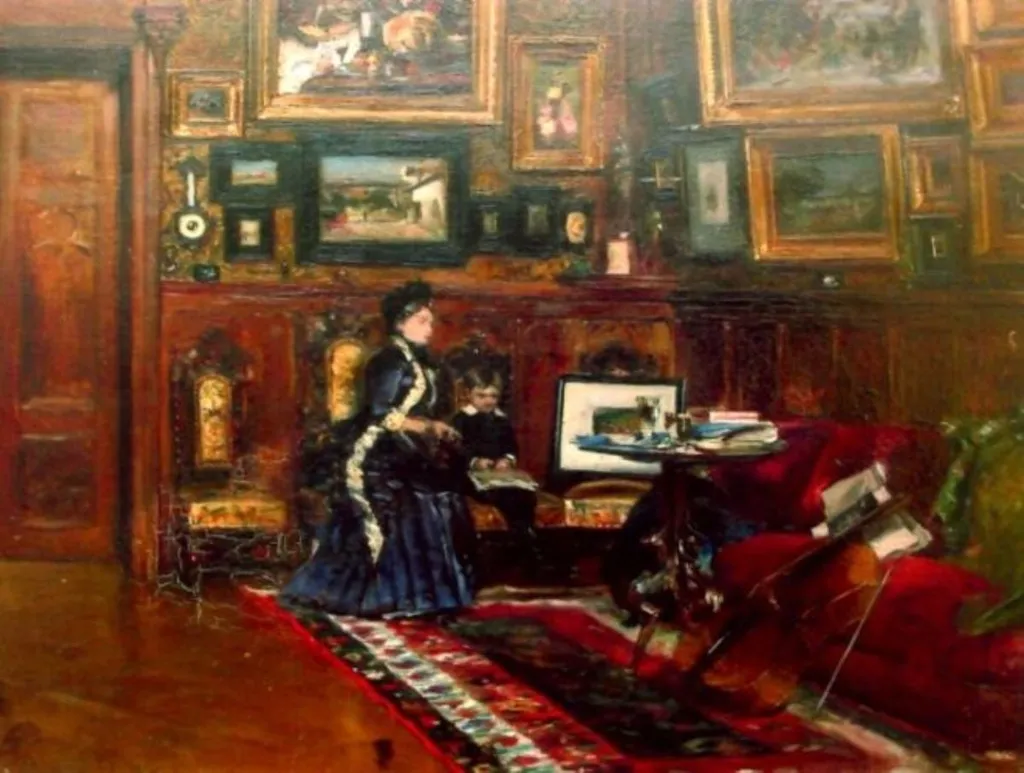
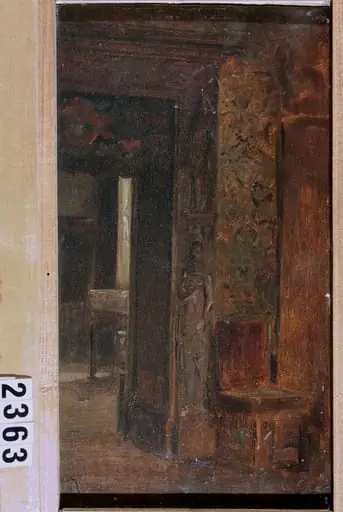
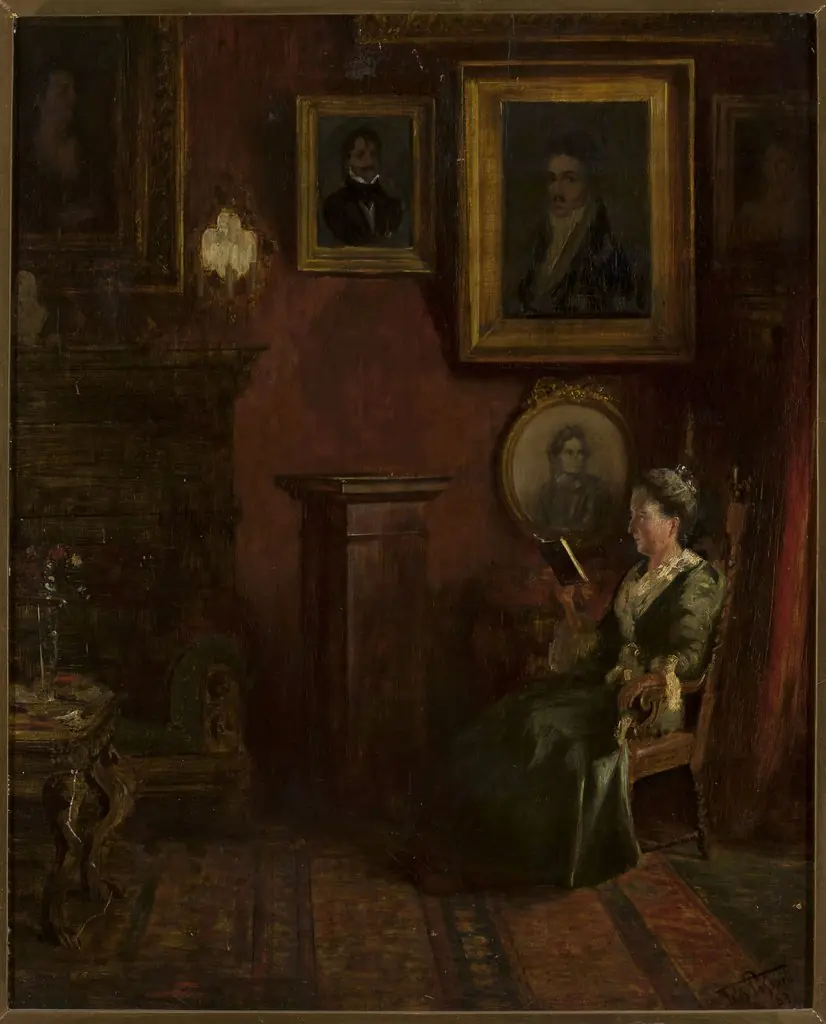
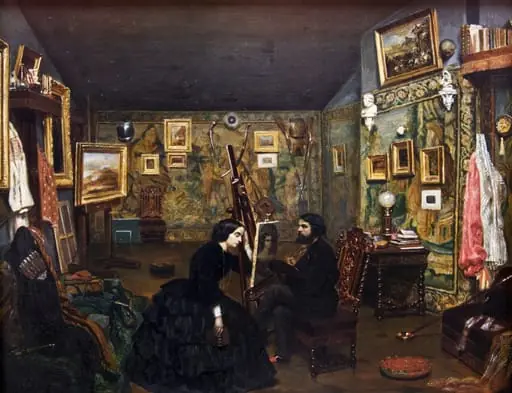
În atelierul pictorului. Doamna Aman cu nepotul is an unspecified painting by Theodor Aman. It is held in the collection of the Bucharest Municipality Museum. This interior scene depicts a painter’s studio in late 19th-century Romania, capturing a quiet moment between a woman and a child.
About this work
Overview
The composition emphasizes texture and spatial depth, with light filtering subtly across the room to highlight figures and objects without dramatic contrast.
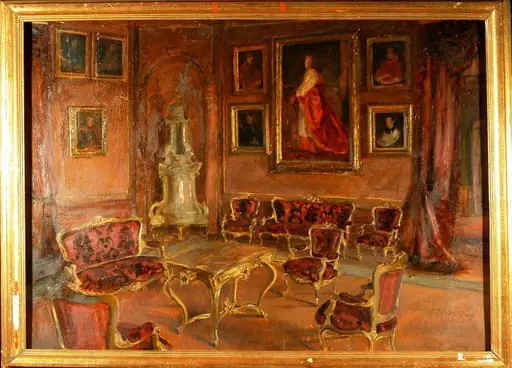
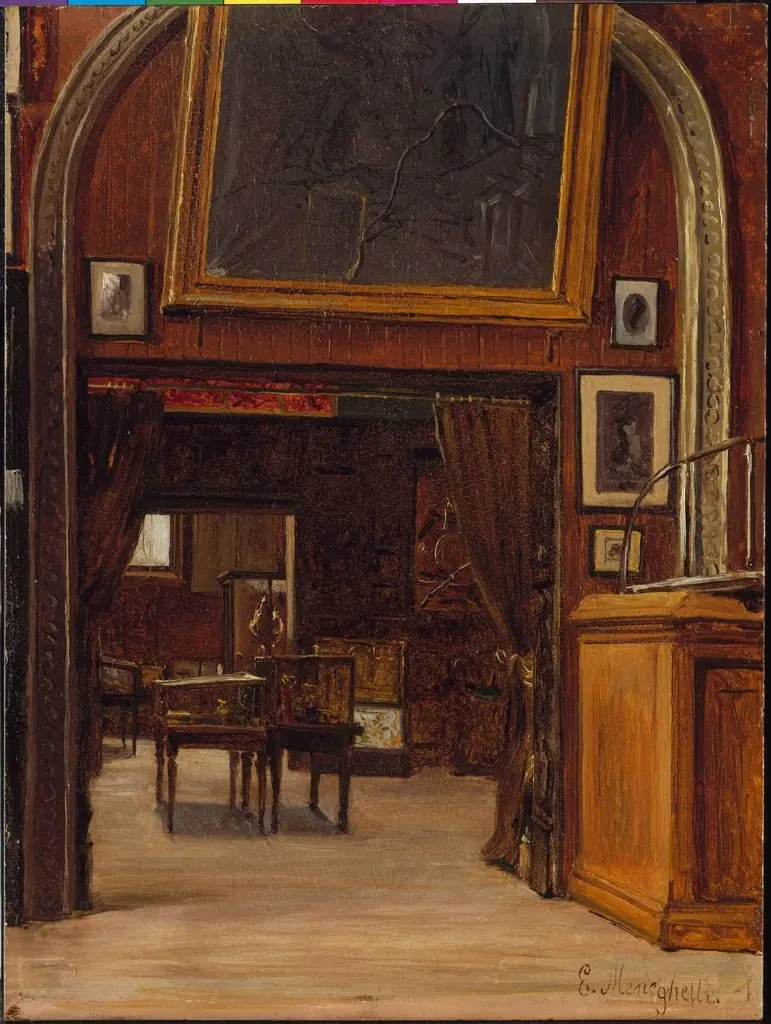
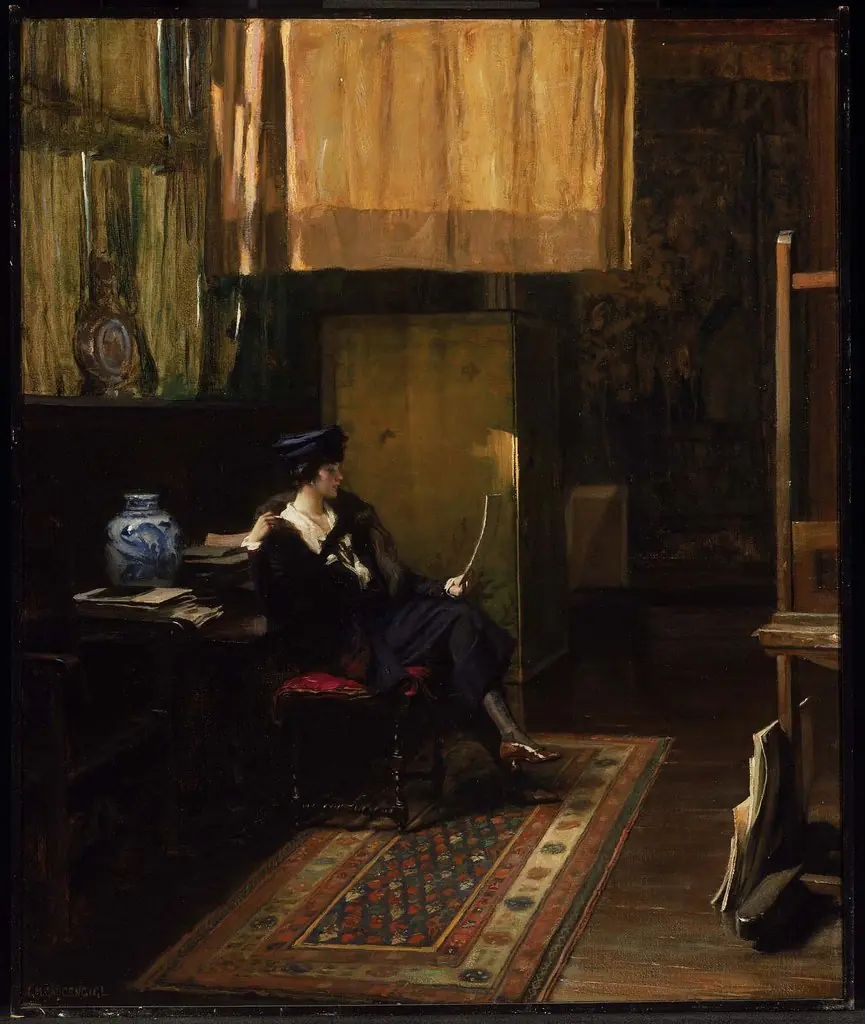
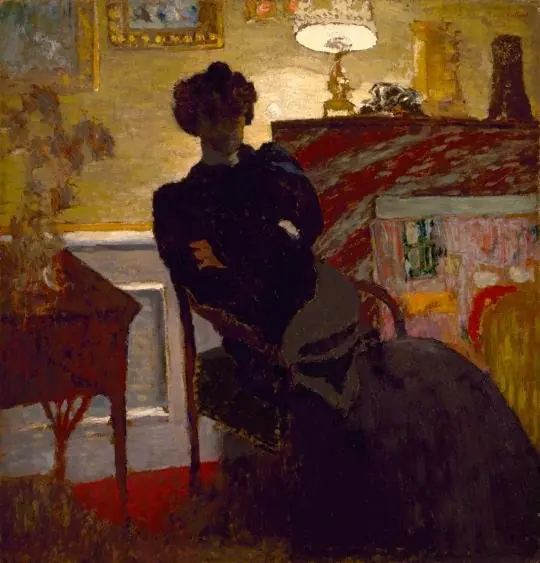
This interior scene depicts a painter’s studio in late 19th-century Romania, capturing a quiet moment between a woman and a child. The space is densely furnished with artworks, books, and dark wooden elements, suggesting a working environment rich with creative activity. The composition emphasizes texture and spatial depth, with light filtering subtly across the room to highlight figures and objects without dramatic contrast.
Subject & Meaning
The woman, identified as the artist’s wife, stands near a cluttered table, her posture calm yet attentive. The child beside her, her grandson, appears absorbed in the surroundings rather than engaged with her. The scene avoids narrative drama, instead conveying a sense of domestic routine within an artistic world. The presence of both figures suggests a continuity of creative life across generations, grounded in daily observation rather than idealization.
Technique & Style
The artist employs a restrained palette dominated by deep reds, browns, and muted grays, enhancing the studio’s intimate, enclosed atmosphere. Brushwork is precise yet unobtrusive, with attention to surface textures—fabric, wood grain, paper edges. Background paintings on the walls are rendered in soft focus, avoiding distraction while affirming the studio’s function. Light is handled naturally, suggesting ambient studio illumination rather than staged theatricality.
History & Provenance
Painted in 1878 by Theodor Aman, the work originates from his personal studio in Bucharest. It reflects his domestic life and professional environment, as his wife and grandson were frequent subjects. The painting remained in the Aman family until the early 20th century, later entering the collection of the National Museum of Art of Romania, where it is preserved as part of the country’s artistic heritage.
Context
In late 19th-century Romania, artists increasingly depicted their own studios as sites of intellectual and creative identity. Aman’s work aligns with European trends of interior realism, influenced by French and Dutch traditions. Unlike grand historical scenes, this painting values quiet authenticity, reflecting a broader cultural shift toward intimate, personal subjects in national art.
Legacy
The painting endures as a document of artistic life in Romania during a period of cultural consolidation. It offers insight into the domestic integration of professional practice, particularly for women associated with the arts. While not widely exhibited internationally, it remains a key reference in Romanian art history for its unembellished portrayal of studio culture and familial presence.
Artist & collection
Artist