Artwork
Dame i ungarsk dragt
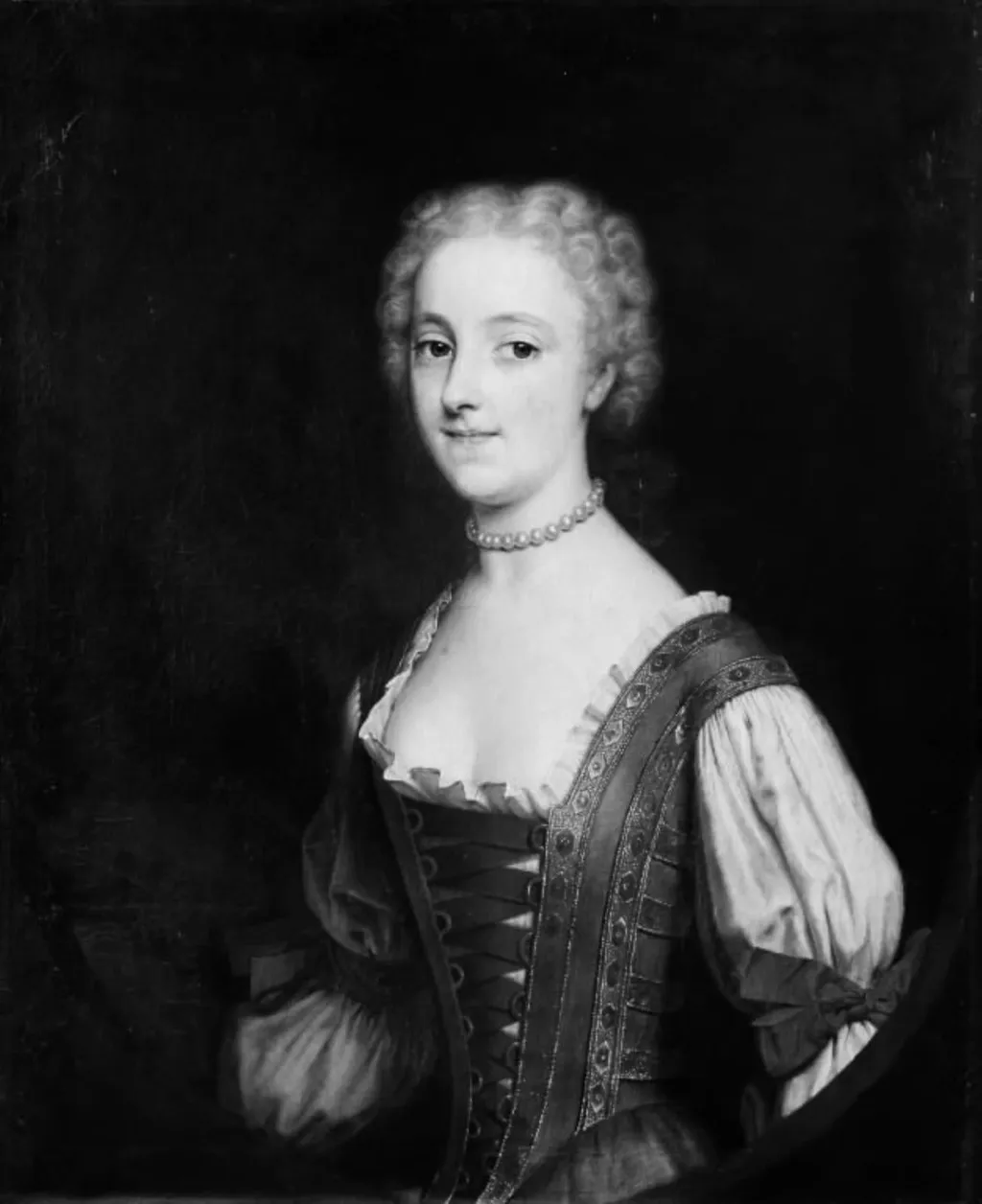
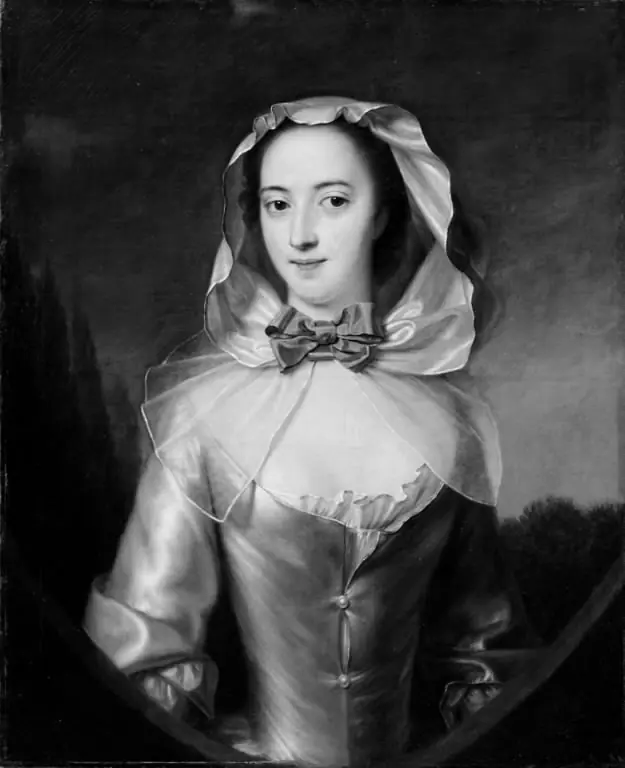
Dame i ungarsk dragt is a photography by the Baroque artist Unknown. It dates from 1732 and is held in the collection of the Statens Museum for Kunst. This black-and-white photograph, dated 1732, depicts a woman dressed in Hungarian folk attire.
About this work
Overview
This black-and-white photograph, dated 1732, depicts a woman dressed in Hungarian folk attire. Created by an unknown artist identified only as 715_person, the image is preserved in the Museum of Ethnography. The composition is simple, with the figure centered against a dark, unadorned background, emphasizing the details of her clothing and personal adornments.
Subject & Meaning
Her attire, including a low-cut bodice, fitted sleeves with ornamental buttons, and a pearl necklace, reflects regional dress norms of the early 18th century.
The woman is portrayed in traditional Hungarian dress, suggesting a cultural or ethnographic intent. Her attire, including a low-cut bodice, fitted sleeves with ornamental buttons, and a pearl necklace, reflects regional dress norms of the early 18th century. The neatness of her hairstyle and the formality of her pose imply a deliberate representation, possibly for documentation or display rather than casual portraiture.
Technique & Style
The image exhibits the soft tonal gradations typical of early photographic processes, likely a daguerreotype or calotype. Lighting is even and subdued, minimizing shadows to highlight textile textures and jewelry. The lack of background detail focuses attention on the subject’s costume, aligning with 18th-century ethnographic recording practices that prioritized material culture over individual expression.
History & Provenance
The photograph entered the collection of the Museum of Ethnography shortly after its creation, likely as part of a broader effort to catalog regional dress. Its attribution to 715_person remains unverified, and no additional records of the sitter or the photographer’s identity have been documented. The work has remained in institutional custody since its acquisition.
Context
In the early 1700s, visual documentation of folk dress was gaining traction among scholars and collectors across Europe. This image aligns with contemporary efforts to record cultural diversity within the Habsburg domains, where Hungarian traditions were of particular interest. Such images served as references for anthropologists and costume historians, rather than as artistic statements.
Legacy
The photograph endures as a quiet record of 18th-century Hungarian material culture. Though not widely exhibited, it contributes to scholarly understanding of regional dress and early photographic ethnography. Its preservation reflects institutional commitment to maintaining visual records of non-elite populations from the pre-industrial era.
Artist & collection

 Domestic Scene
 Giacomo and Cardinal Marco, investing Andrea, Abbot of San Zeno, with his Benefice
 The Nymph of Fontainebleau
 Portrait of a Woman
 Madonna and Child with Saints in the Enclosed Garden
 Venus and Minerva
 Family Group of Four on Sofa
 Wall painting from Room H of the Villa of P. Fannius Synistor at Boscoreale
 Portræt af Frederik IV's dronning, Louise
 Anna Cathrine Hauch, født von der Maase
 Portræt af Frederik IV's dronning, Louise
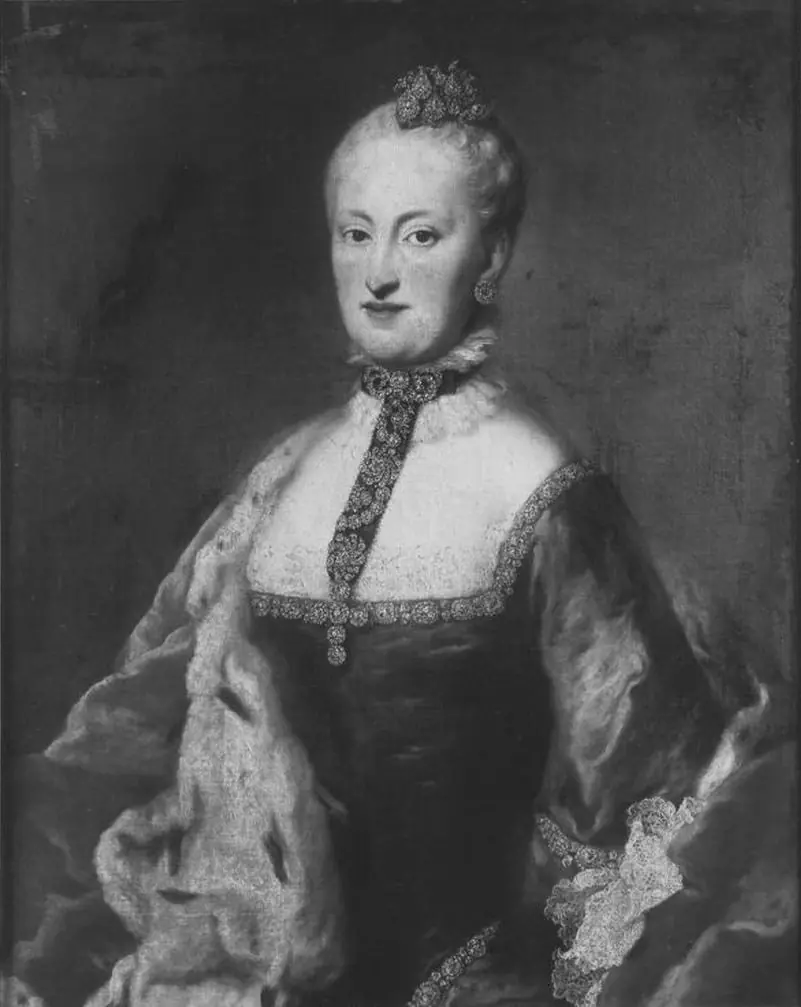 So-called portrait of Maria Anna Sophia of Saxony (1728–1797)
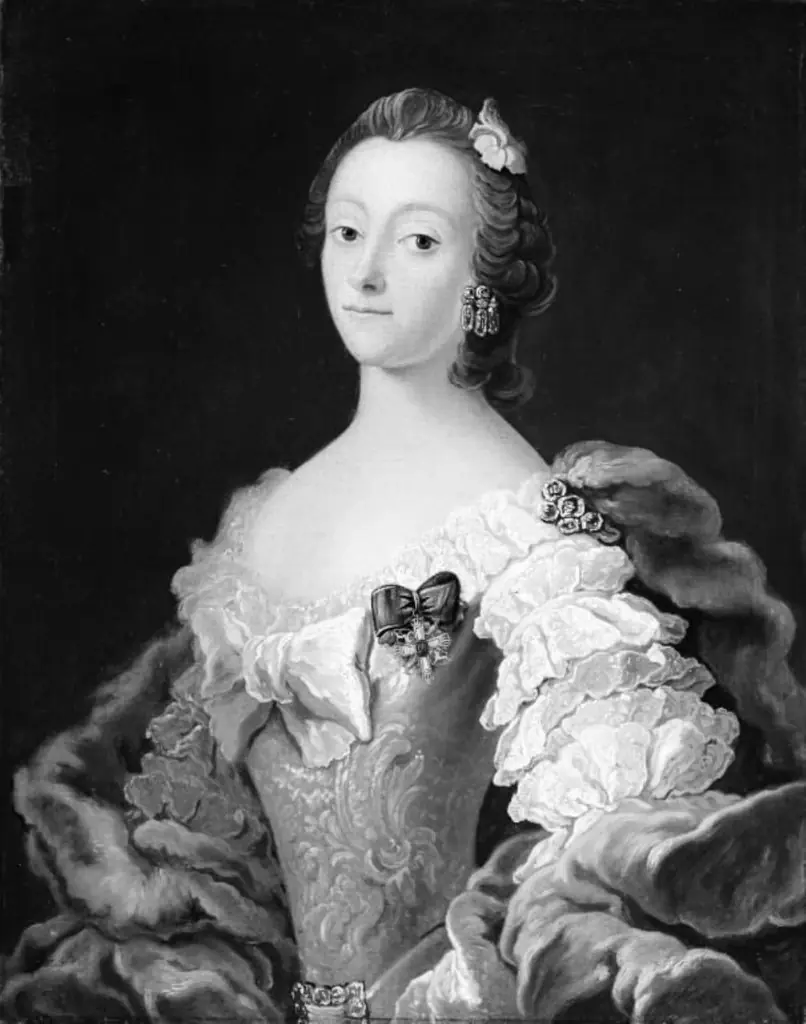 Anna Cathrine Hauch, født von der Maase
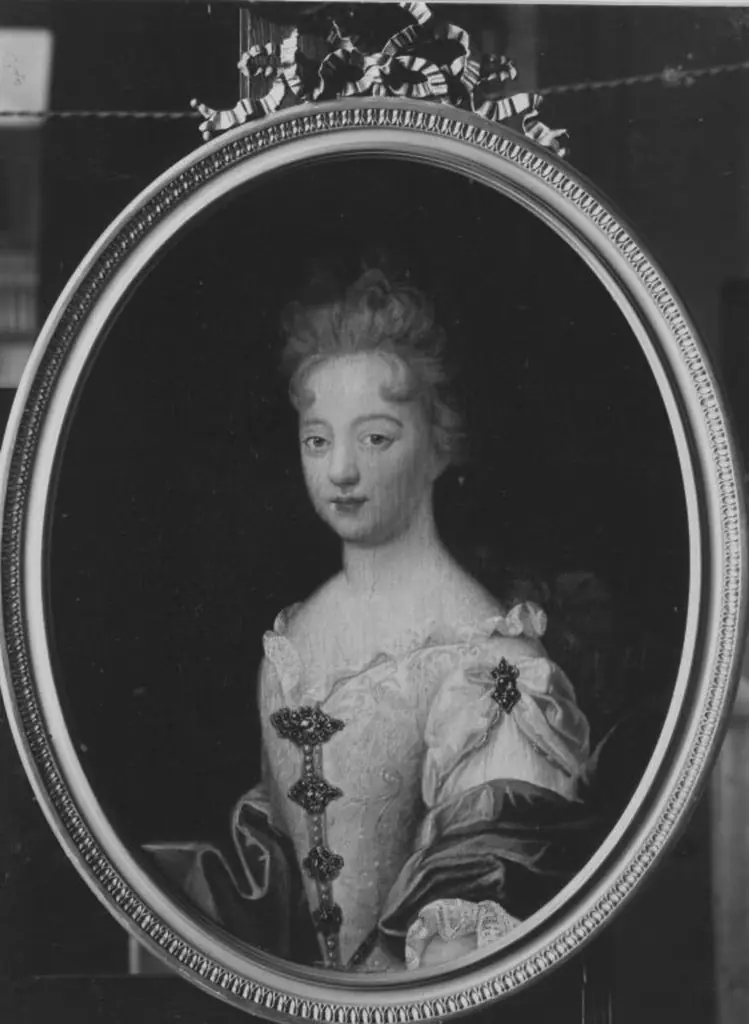 Bildnis einer jungen Prinzessin
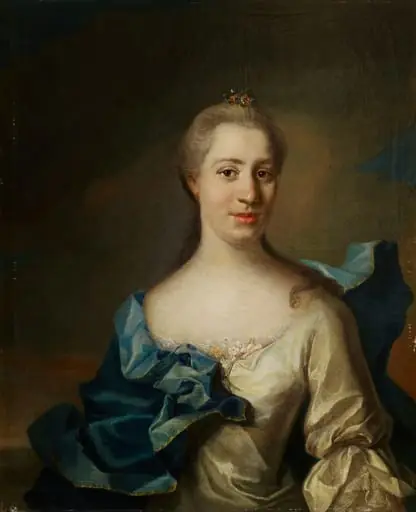 Maria Charlotta Silfverstjerna
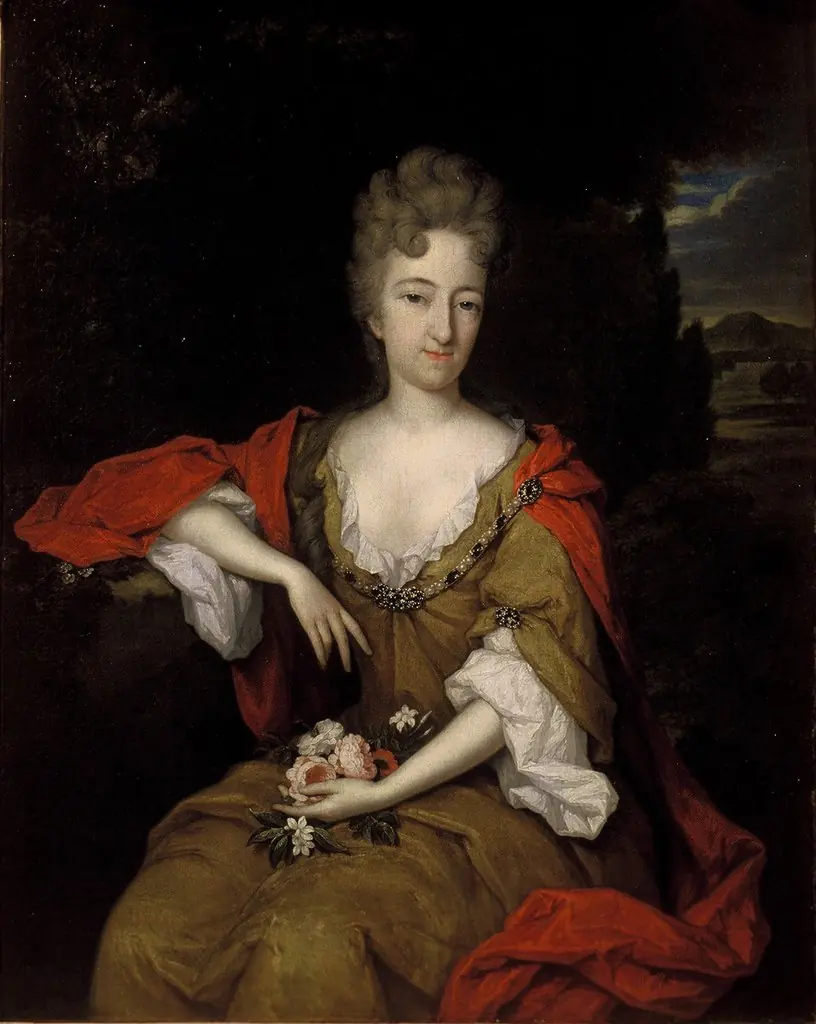 Portrait of Anna Maria Roman (1680-1758)
 Portrait of a lady
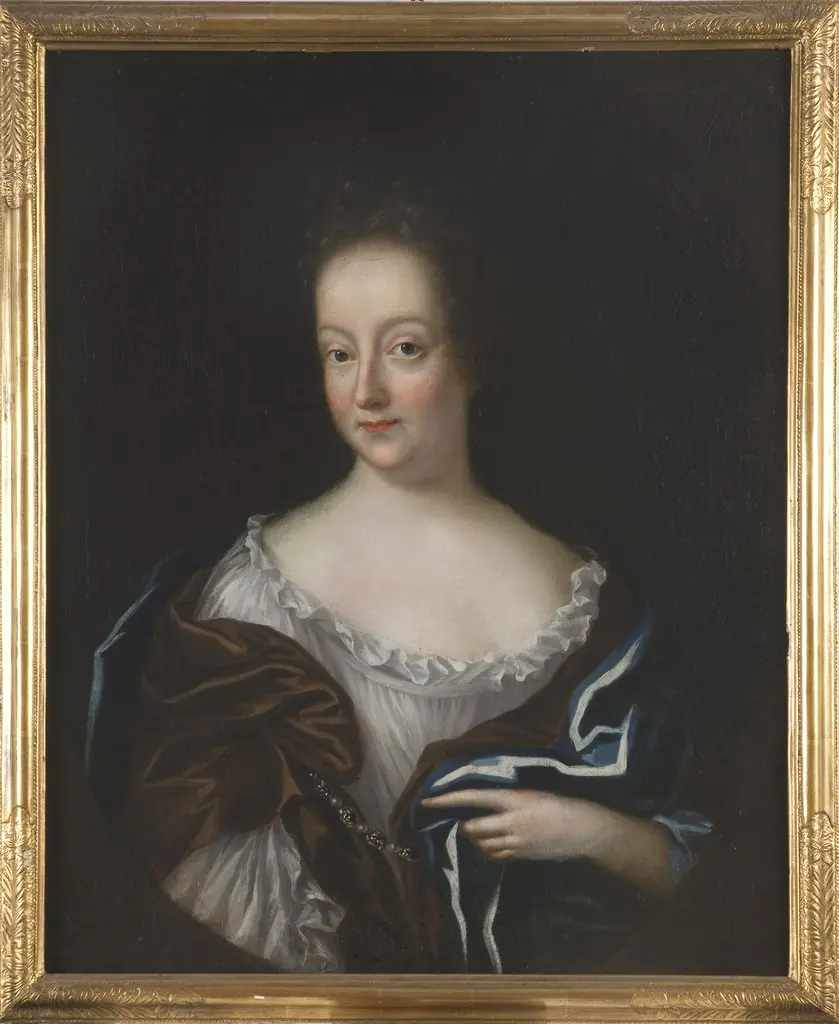 Beata Elisabet von Königsmarck (1637-1723), grevinna, gift med greve Pontus Fredrik De la Gardie