Artwork
Maria Charlotta Silfverstjerna
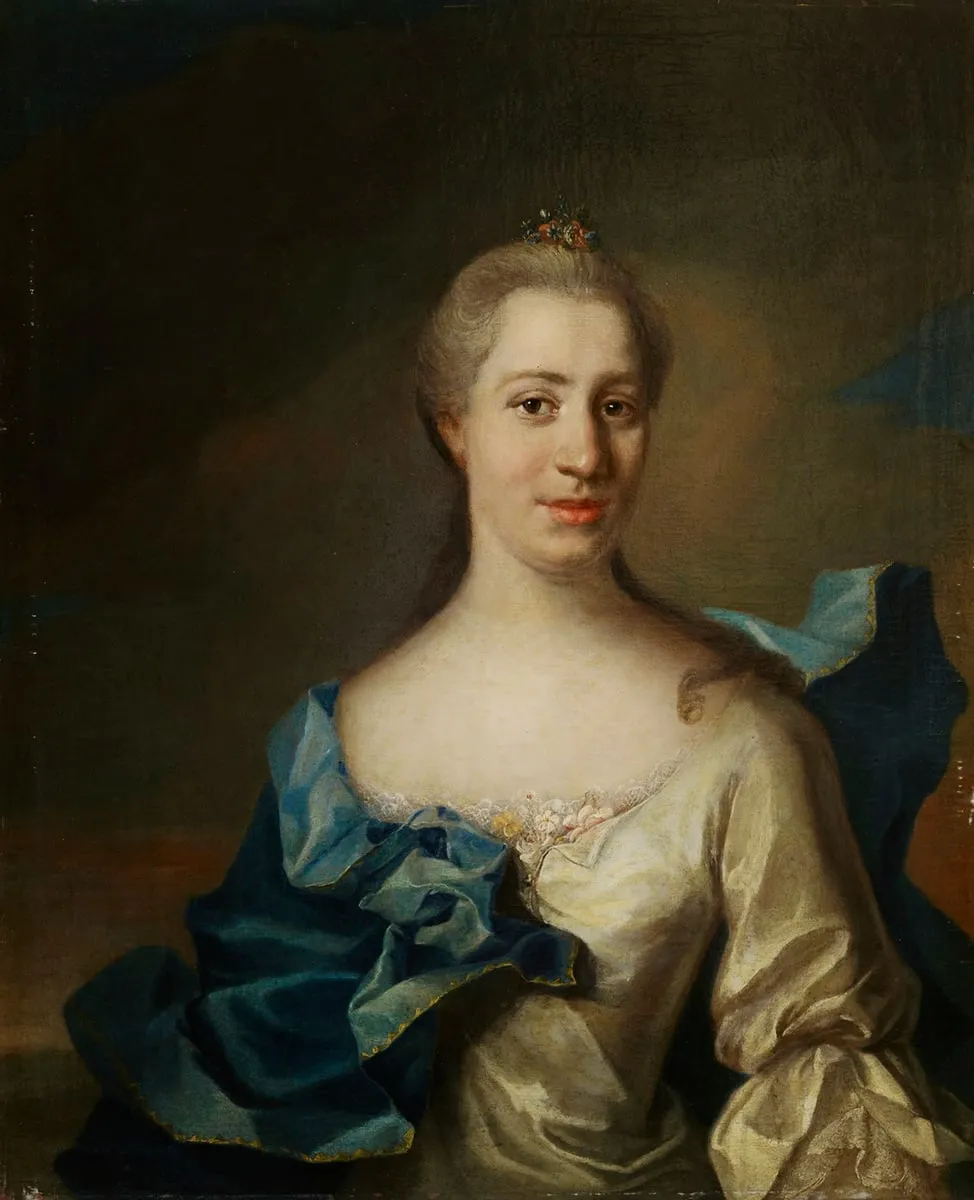
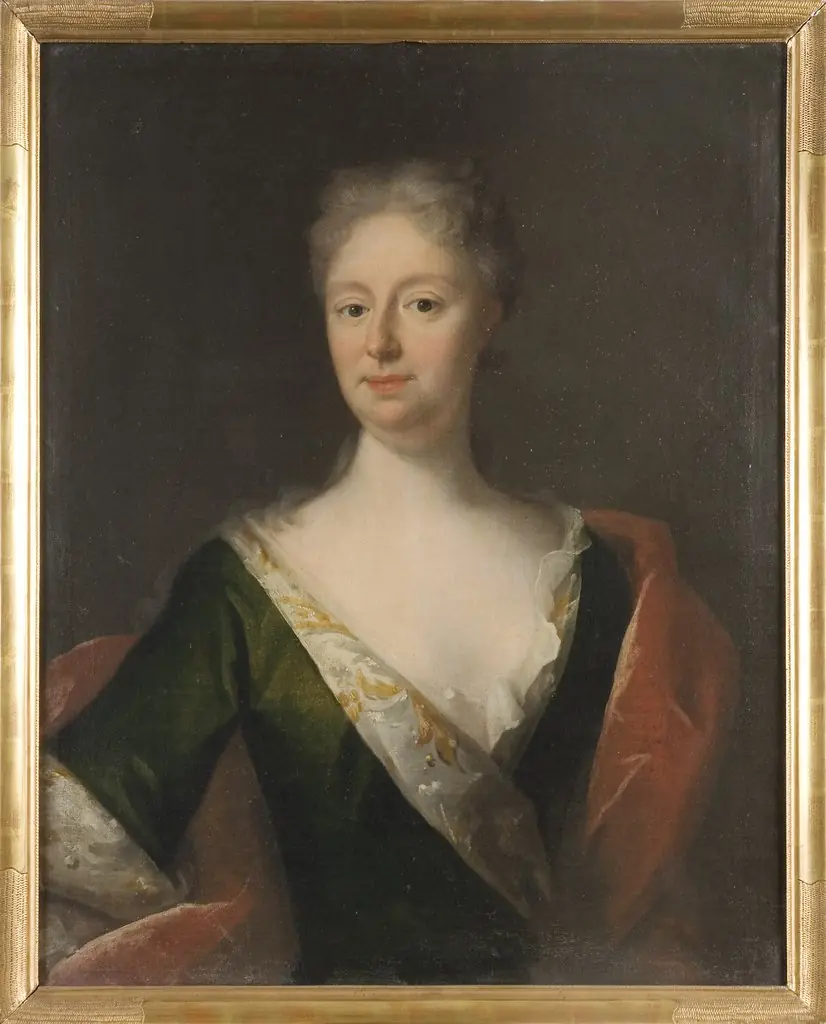
Maria Charlotta Silfverstjerna is an unspecified painting by the Rococo painting artist Johan Henrik Scheffel. It dates from 1740 and is held in the collection of the Finnish National Gallery.
About this work
Overview
This portrait depicts Maria Charlotta Silfverstjerna, a Swedish noblewoman, painted around 1740 by Johan Henrik Scheffel. The composition centers on her seated figure, rendered with quiet dignity against a dark, unobtrusive background. The focus is on her poised expression and carefully arranged attire, emphasizing personal presence over narrative context.
Subject & Meaning
Maria Charlotta Silfverstjerna is portrayed not as a symbol of power or lineage, but as an individual of refined taste and composure. Her modest headpiece and restrained dress suggest a preference for understated elegance, typical of mid-18th-century Swedish aristocratic women. The portrait conveys personal identity rather than social status, reflecting a shift toward intimate portraiture.
Technique & Style
Scheffel employs chiaroscuro to model the sitter’s form, using subtle gradations of light and shadow to define her face, shoulders, and fabric folds. The dark background isolates her figure, enhancing three-dimensionality. The brushwork is smooth and controlled, avoiding theatricality; the lighting is gentle, creating a calm, introspective mood rather than dramatic tension.
History & Provenance
Painted circa 1740, the portrait likely originated in Sweden, where Scheffel was active as a court painter. It remained within the Silfverstjerna family for generations before entering institutional collections. Its survival reflects the family’s cultural prominence and the enduring value placed on domestic portraiture among Swedish nobility in the 18th century.
Context
In mid-18th-century Sweden, portraiture served both personal and social functions. While grand historical or royal portraits dominated public spaces, private likenesses like this one reflected individual identity within aristocratic circles. Scheffel’s approach aligns with Northern European traditions that favored restraint and psychological nuance over ornamental display.
Legacy
The portrait stands as an example of Swedish portraiture that prioritizes quiet realism over grandeur. It contributes to the understanding of how noblewomen were visually represented in a period transitioning from formal symbolism to personal expression. Its preservation offers insight into the aesthetic values of a lesser-documented segment of Swedish cultural history.
Artist & collection
Artist
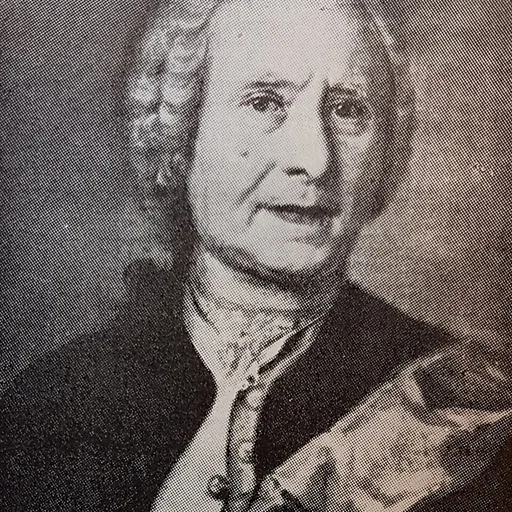
Johan Henrik Scheffel (9 April 1690 – 21 December 1781) was a Swedish artist. He became known for his portraits of Carl von Linné, Christopher Polhem and Hedvig Charlotta Nordenflycht.

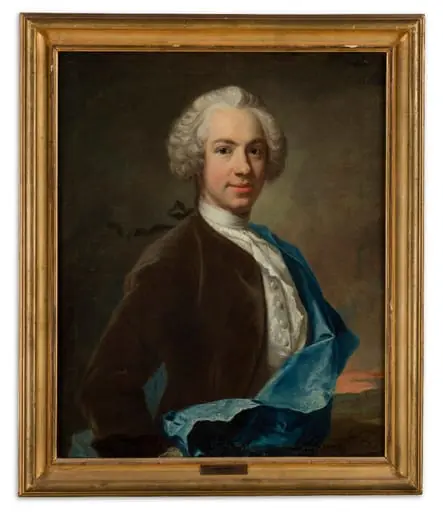
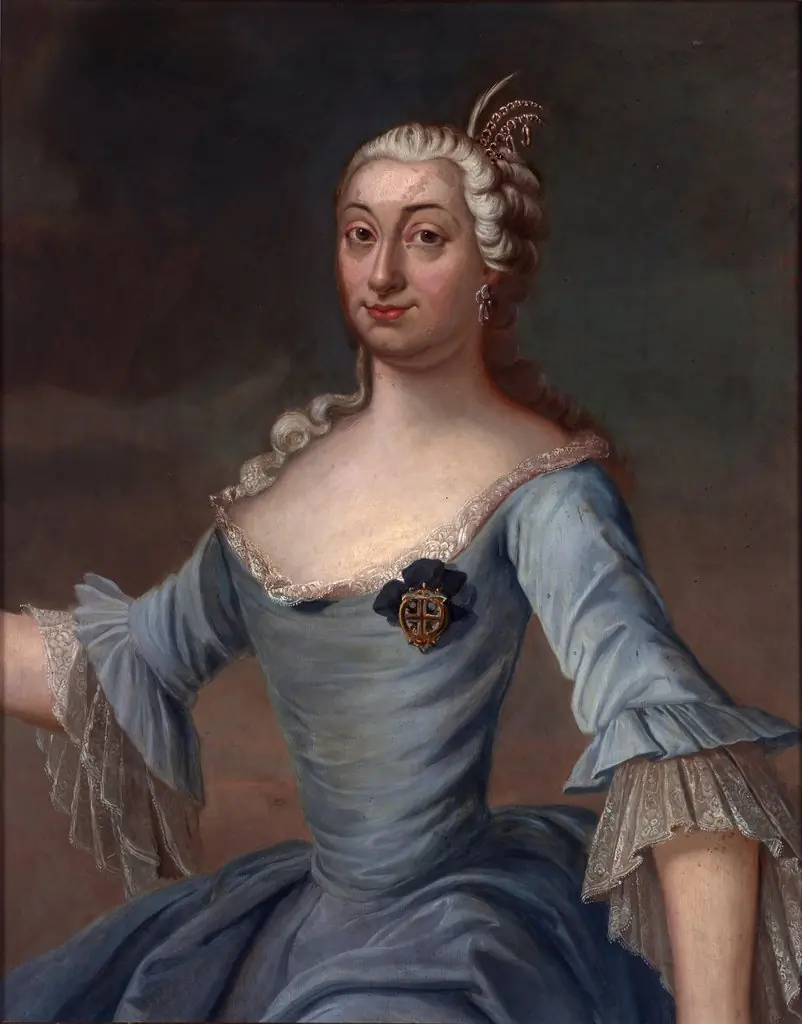 Portret Anny Ludwiki z Mycielskich Radziwiłłowej (1729-1771), żony Michała Kazimierza Radziwiłła "Rybeńki", hetmana wielkiego litewskiego i wojewody wileńskiego
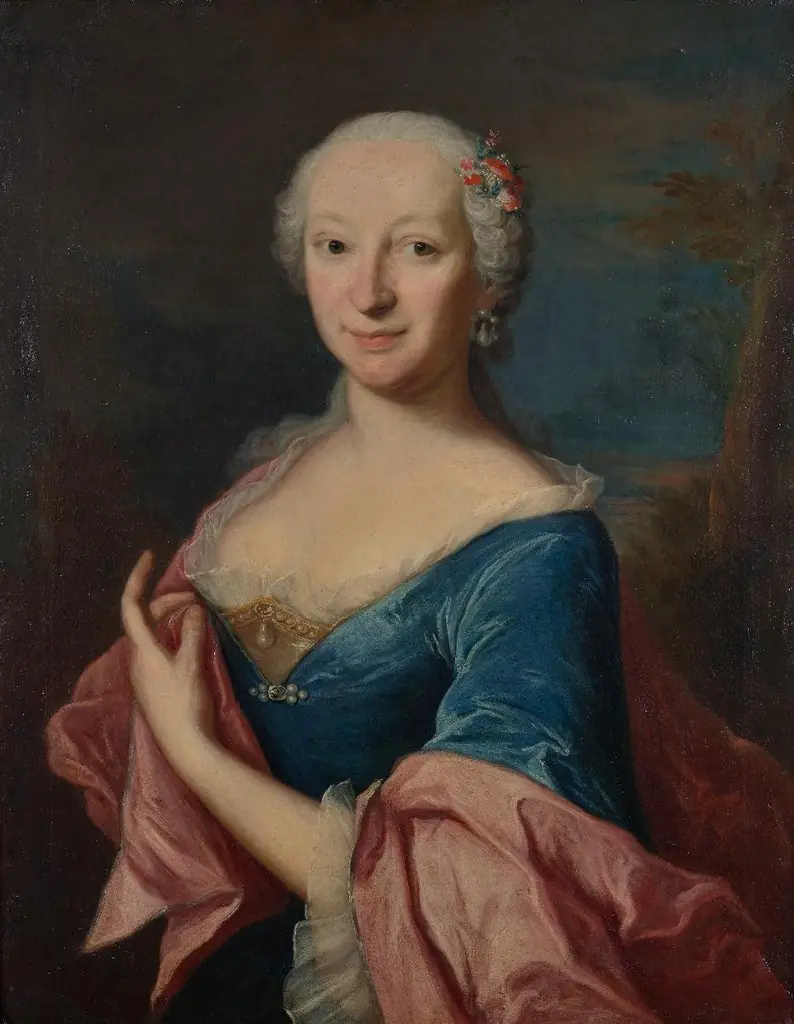 Bildnis Frau Regula Ott
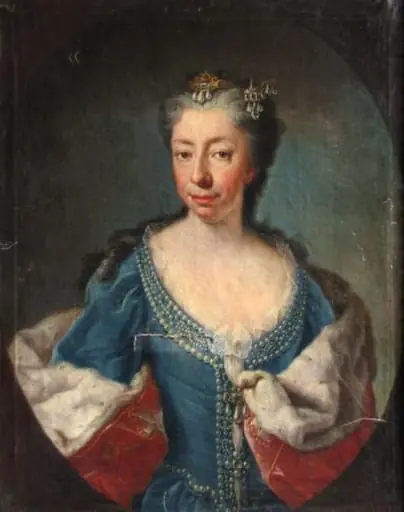 Ana Maria de Orleans, soția regelui Victor Amedeu al II-lea de Savoia (în registrulinventar: „Soția regelui Emanuel al Sardiniei”); pandant: Victor Amedeu al II-lea, regele Savoiei
 Maria Juliana Bedoire
 Anna Dorothea Amiga
 Porträt der Maria Josepha of Austria (1699-1757), Electress of Saxony and Queen of Poland
 Retrato de dama
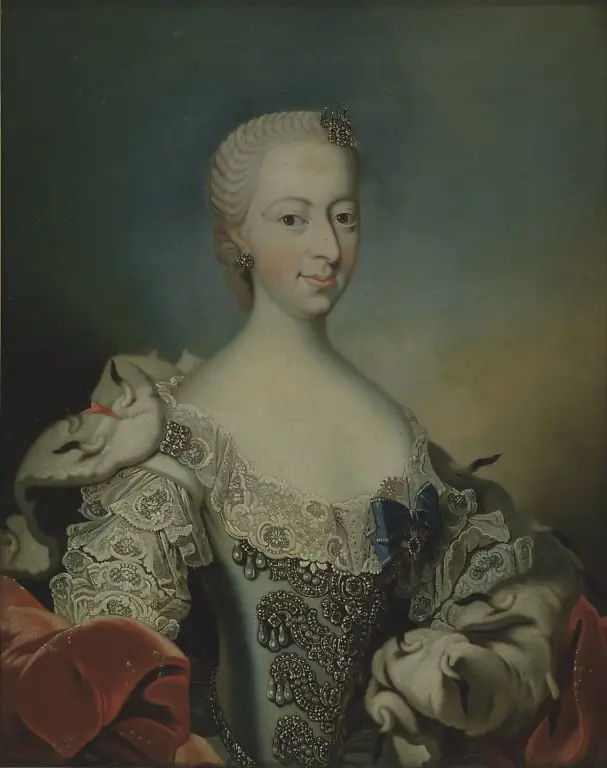 Juliane Marie, Frederik V's anden dronning
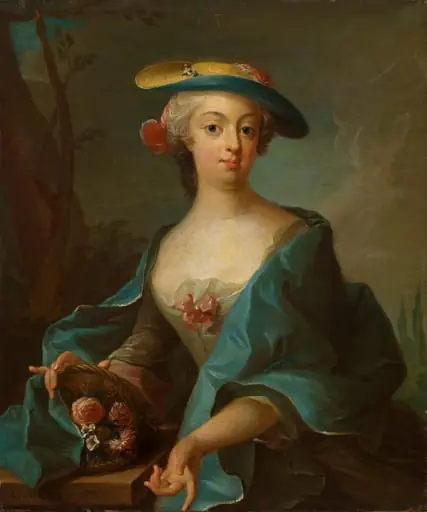 Naisen muotokuva
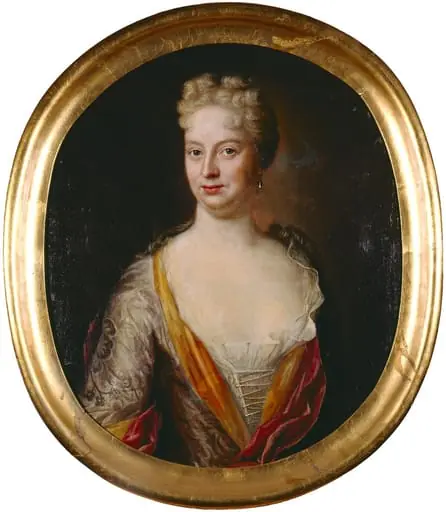 Piispatar Elisabet Wallin
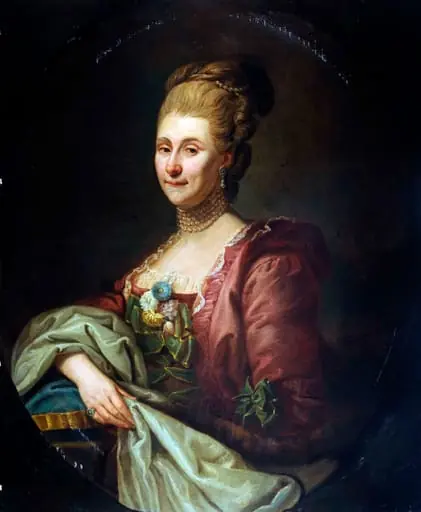 Portretul arhiducesei Maria Christina
 Sofia Gyllenstierna af Ulaborg (1682-1722), friherrinna, g.m. friherre Adolf Herman Wrangel af Lindeberg