Artwork
Portrait of Anna Maria Roman (1680-1758)
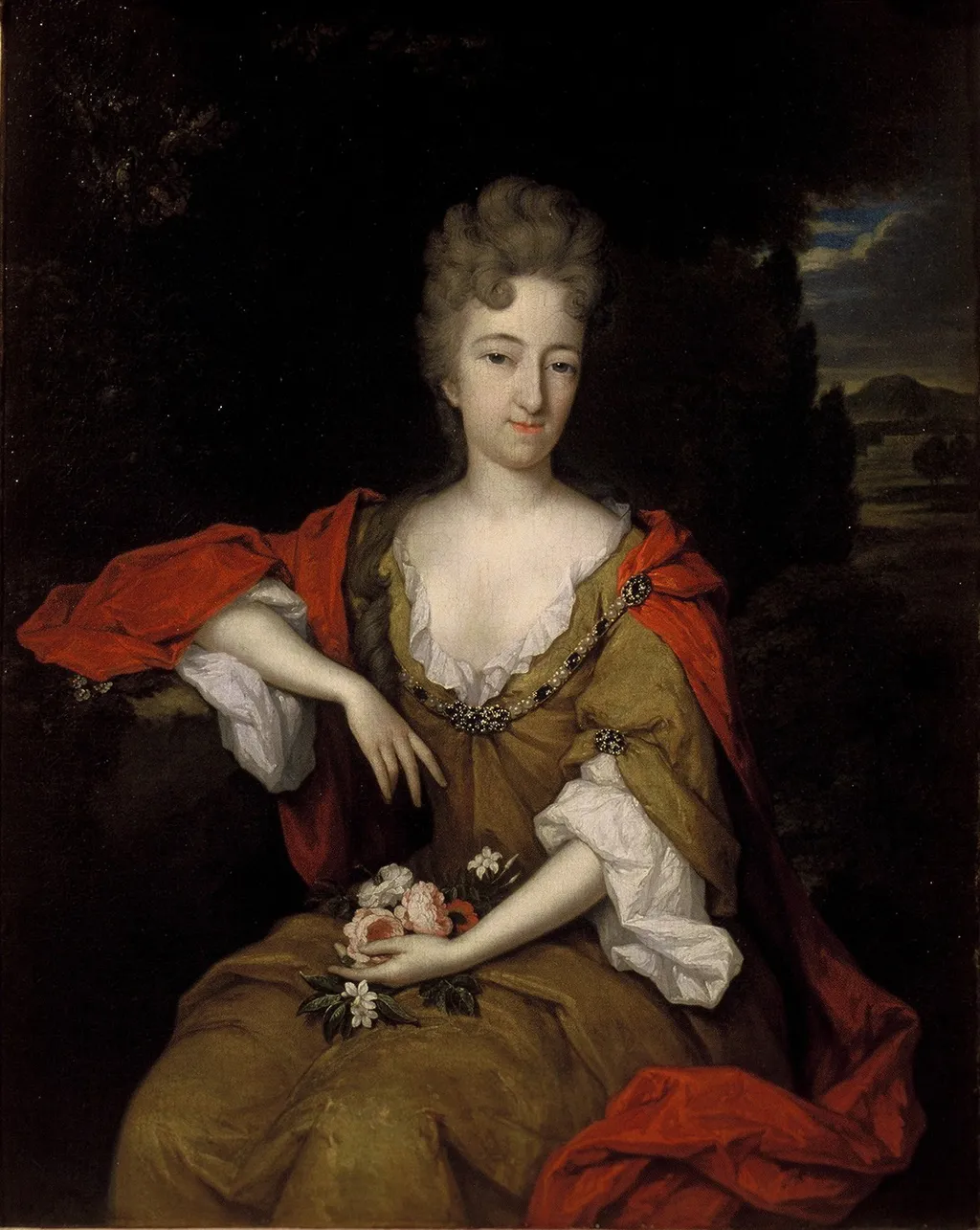
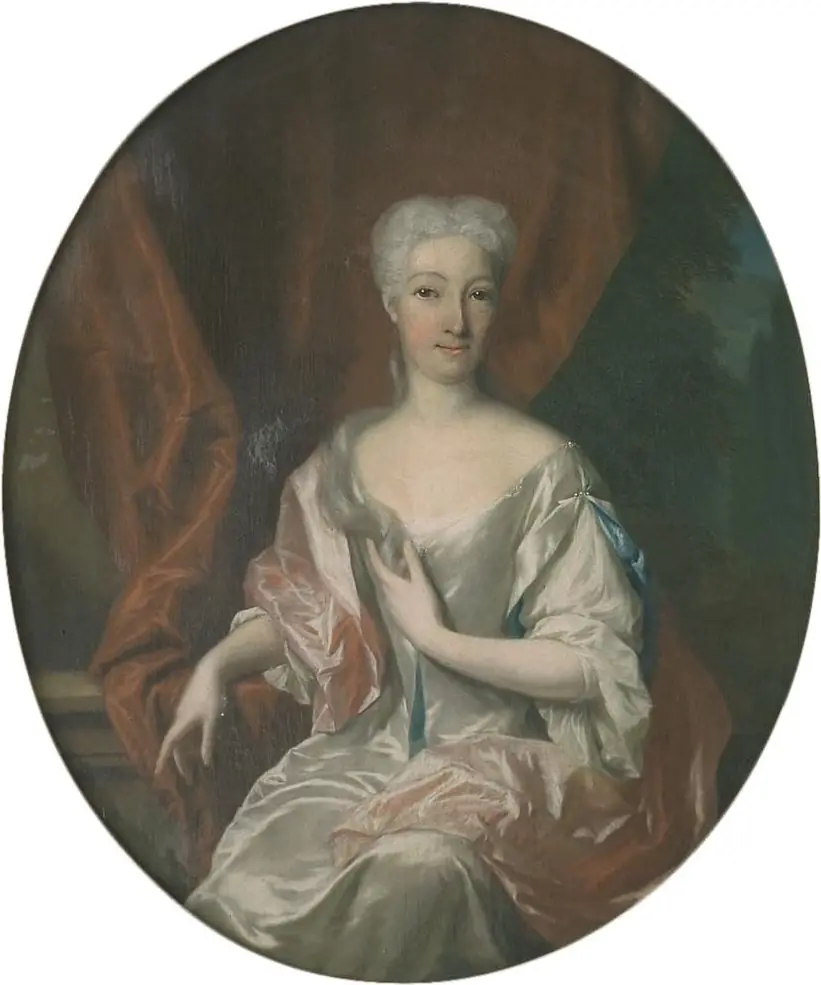
Portrait of Anna Maria Roman (1680-1758) is an oil painting by the Rococo painting artist Constantijn Netscher. It dates from 1710 and is held in the collection of the Mauritshuis.
About this work
Overview
Painted in 1710 by Constantijn Netscher, this oil portrait captures Anna Maria Roman, a woman of Dutch aristocratic circles. The work is part of the Mauritshuis collection in The Hague. It presents a composed, full-length depiction of the sitter seated in an interior space, rendered with quiet precision and a restrained palette that emphasizes texture and form over dramatic flair.
Subject & Meaning
The subtle expression and composed posture convey an ideal of quiet nobility common among elite women of the early 18th-century Dutch Republic.
Anna Maria Roman is portrayed with dignified stillness, her hands gently cradling a bouquet of flowers—a symbol often associated with virtue, transience, or domestic grace. Her attire, though rich, avoids ostentation, suggesting refined taste rather than wealth displayed. The subtle expression and composed posture convey an ideal of quiet nobility common among elite women of the early 18th-century Dutch Republic.
Technique & Style
Netscher employs soft chiaroscuro to model the sitter’s form, guiding light across the yellow silk of her dress and the deep red of her cape. The brushwork is meticulous yet unobtrusive, particularly in the rendering of lace, brooch, and hair. The dark, indistinct background isolates the figure, enhancing focus on her presence while allowing a faint landscape to hint at a broader world beyond the frame.
History & Provenance
The portrait entered the Mauritshuis collection in the 19th century, likely through a private acquisition or donation. Its early ownership history is not fully documented, but its preservation suggests it remained within Dutch aristocratic or collector circles after its creation. The painting has been consistently attributed to Netscher since at least the 1800s, with no significant dispute over authorship.
Context
In early 18th-century Holland, portraiture served both personal and social functions, often reinforcing familial status and moral character. Netscher, trained in the tradition of his father, continued a legacy of refined, intimate portraiture. This work reflects the era’s preference for understated elegance, where clothing, gesture, and setting communicated identity without overt symbolism or grandeur.
Legacy
Though not among Netscher’s most widely reproduced works, the portrait exemplifies his skill in capturing quiet dignity through texture and light. It remains a representative example of Dutch portraiture from the post-Rembrandt generation, valued for its sensitivity and technical restraint rather than dramatic impact. The painting continues to inform studies of gender, class, and visual culture in the Dutch Golden Age’s later phase.
Artist & collection

 Portrait of Agnes Catherina Hoeuft (1689-1758)
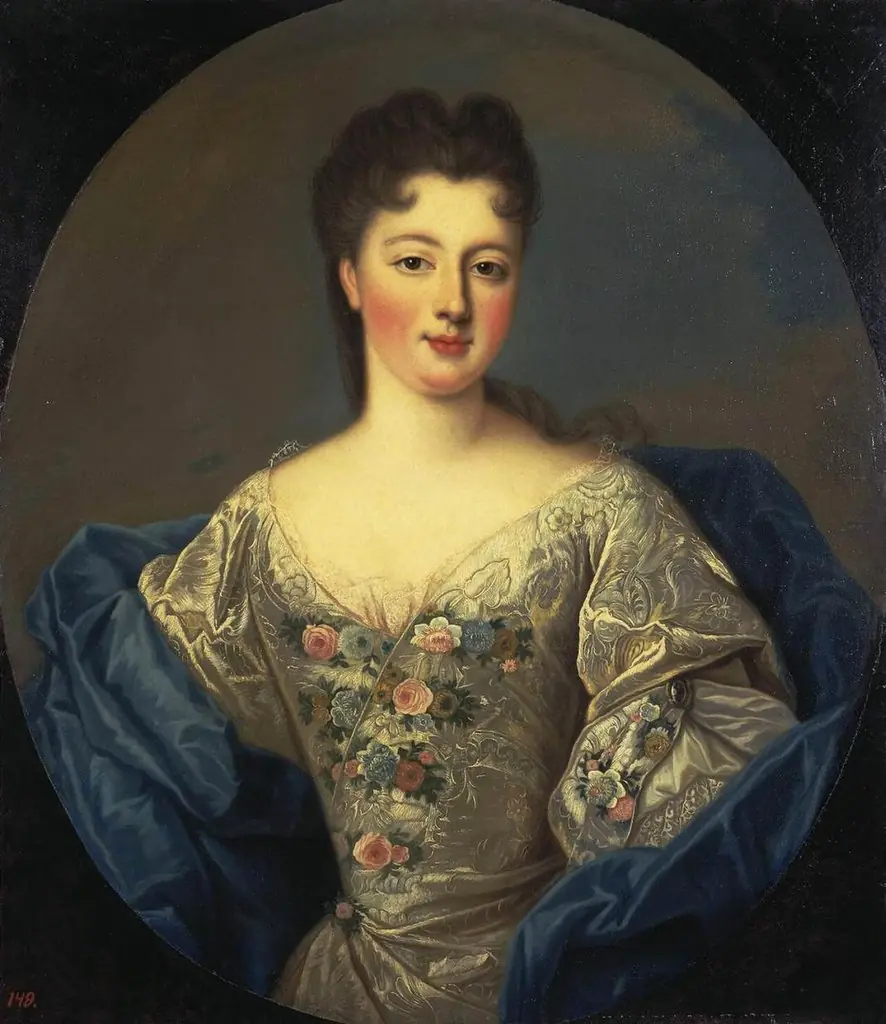 Portrait of Luiza Adelaida of Orleans
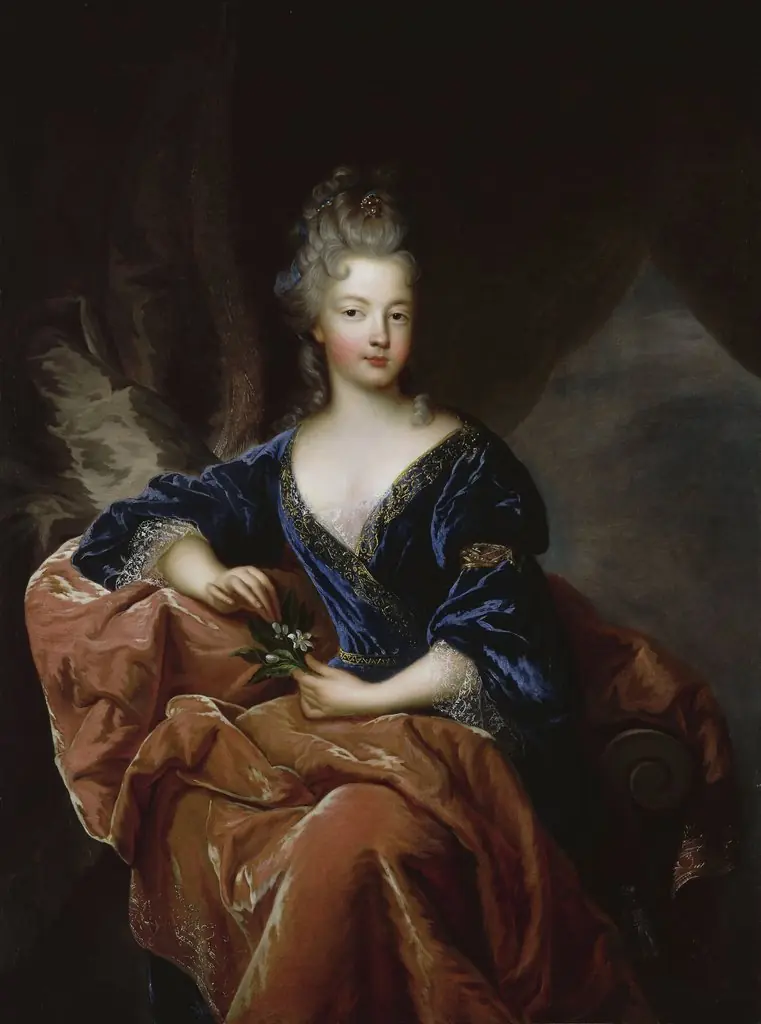 Portrait of Françoise Marie de Bourbon (1677-1749)
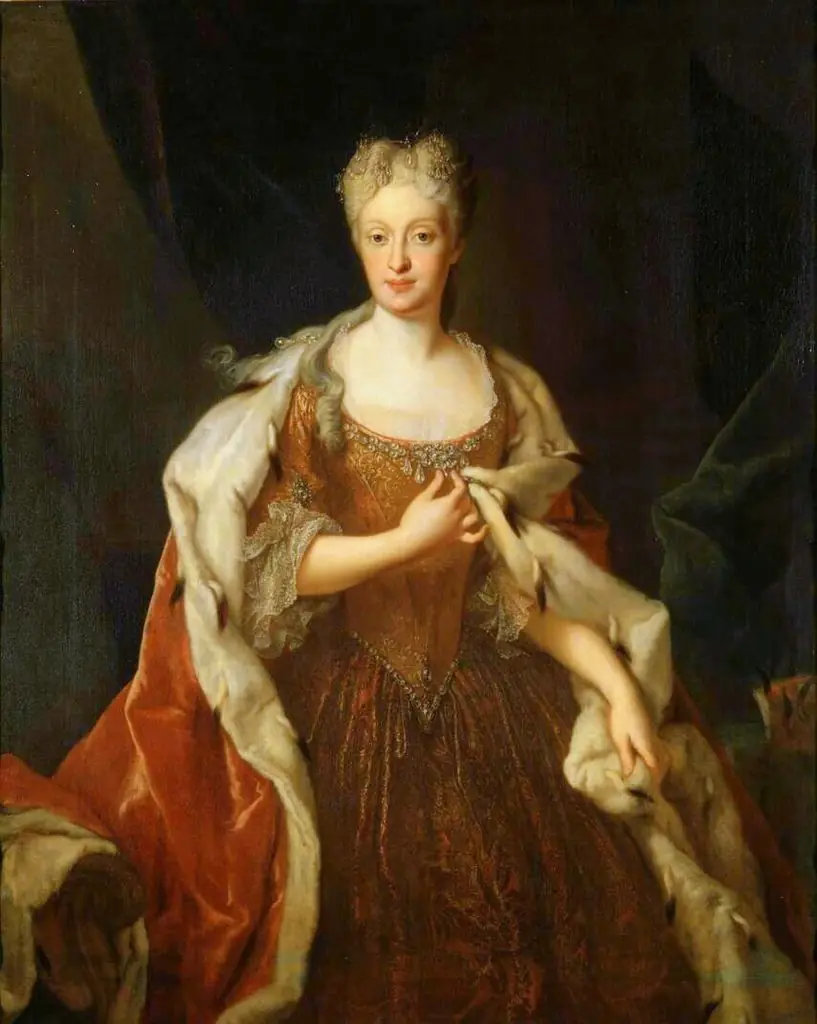 Porträt der Maria Josepha of Austria (1699-1757), Electress of Saxony and Queen of Poland
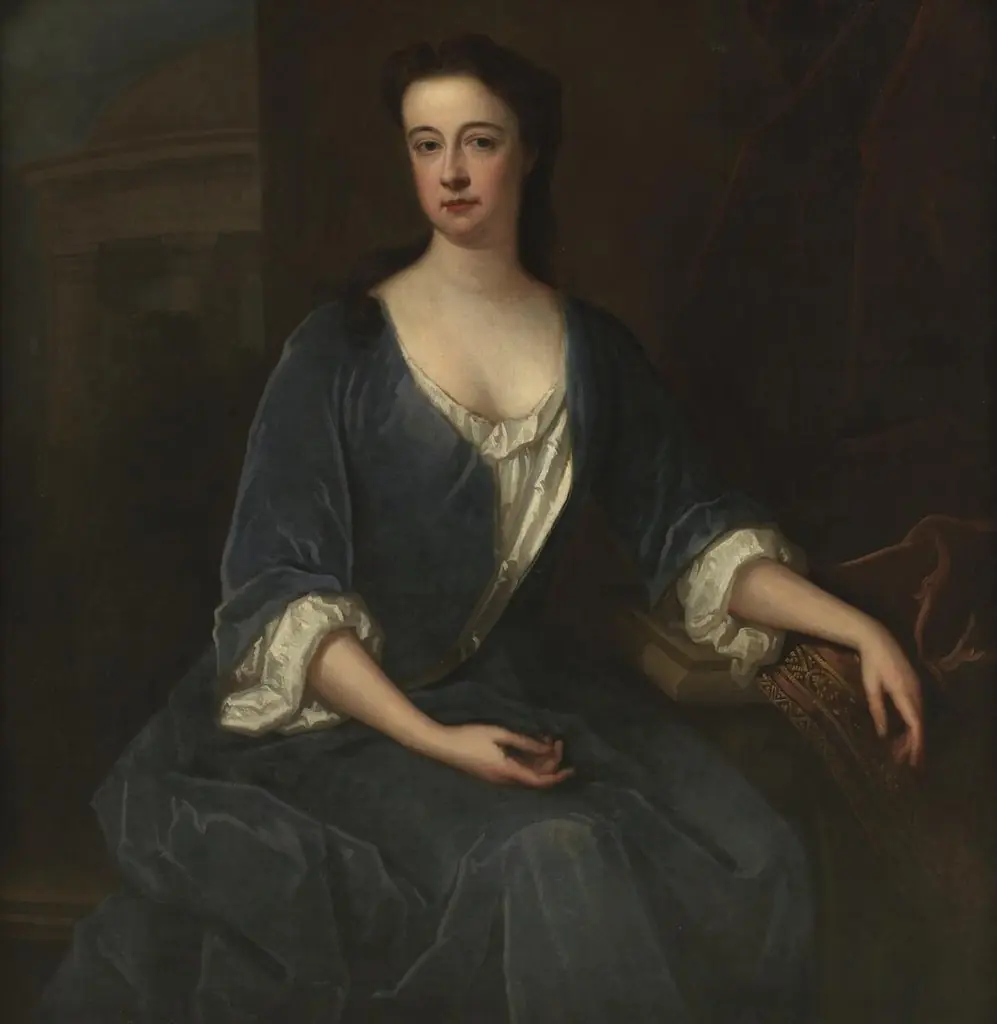 Barbara, Countess of Pembroke & Mont
 Portrait of a Lady
 Portrait de Suzanne de Boubers de Bernâtre, épouse de Balthasar Keller
 Maria Clara Philippina von Ingelheim
 Maria Charlotta Silfverstjerna
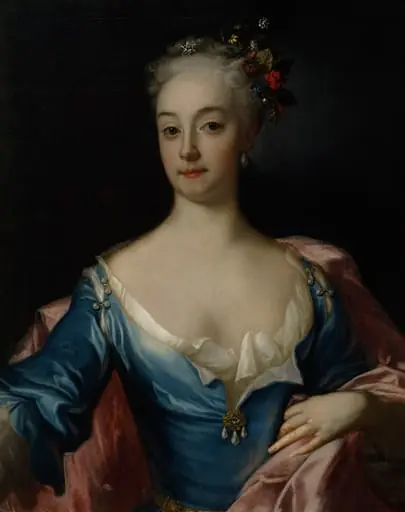 Anna Dorothea Amiga
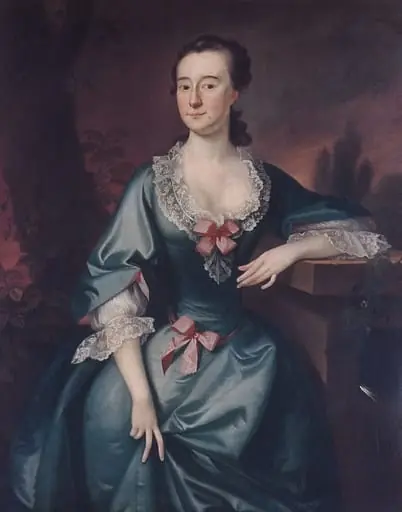 Mrs. David Chesebrough
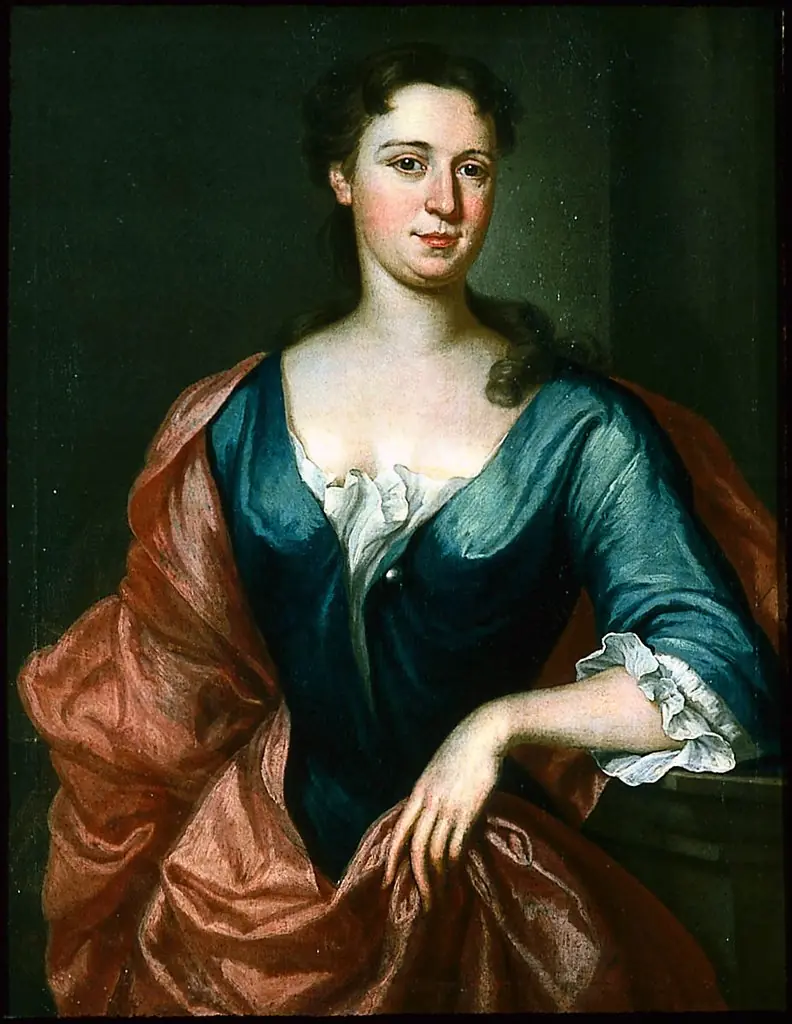 Mrs. Tyng