Artwork
Heinrich von Delwig, Swedish Colonel
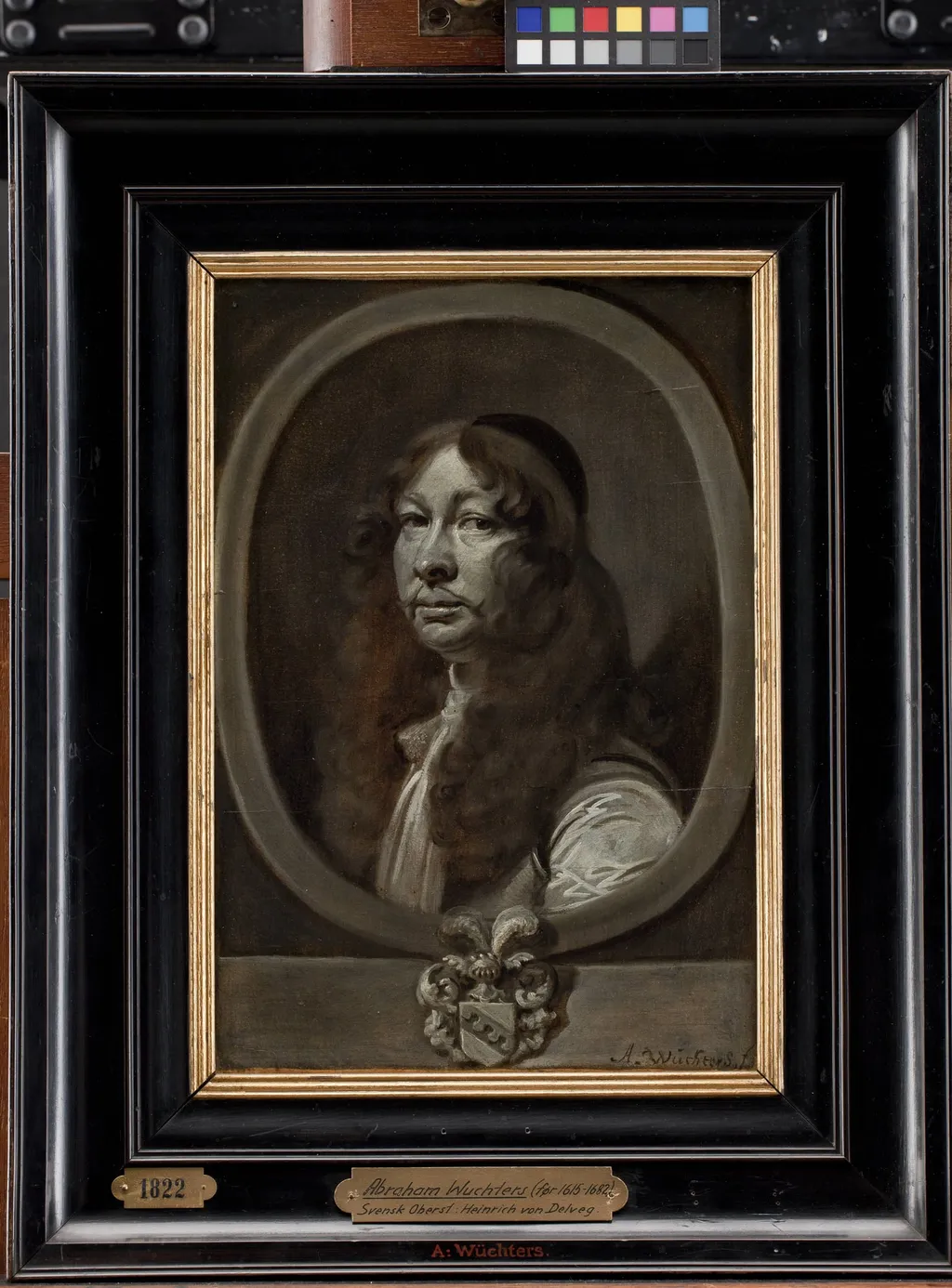
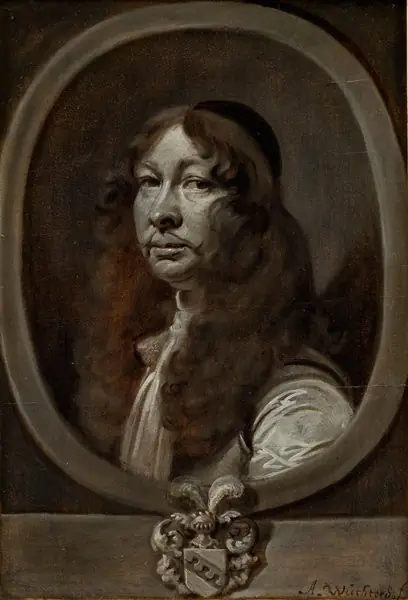
Heinrich von Delwig, Swedish Colonel is a photography by Unknown. It dates from 1661 and is held in the collection of the Statens Museum for Kunst. This portrait depicts Heinrich von Delwig, a Swedish colonel, painted around 1661.
About this work
Overview
This portrait depicts Heinrich von Delwig, a Swedish colonel, painted around 1661. Executed in oil on panel, it is housed in the Museum of Ethnography. The composition is intimate and restrained, framed within an oval format that draws focus to the sitter’s face and upper torso. The background is muted and dark, enhancing the three-dimensionality of the figure through careful lighting.
Subject & Meaning
The small emblem below his shoulder likely represents a family or regimental coat of arms, signaling lineage or service.
Heinrich von Delwig is portrayed as a military officer of the Swedish Empire during the Thirty Years’ War era. His stern expression and formal attire convey authority and discipline. The small emblem below his shoulder likely represents a family or regimental coat of arms, signaling lineage or service. The portrait functions not as propaganda but as a quiet assertion of identity and status within a hierarchical society.
Technique & Style
The artist employs chiaroscuro to model the colonel’s face, using sharp contrasts between light and shadow to define bone structure and texture. The white lace collar catches the light, creating a luminous frame around the face, while the dark coat absorbs it, deepening the sense of volume. Brushwork is precise but unobtrusive, favoring realism over ornamentation, typical of Northern European portraiture of the period.
History & Provenance
The painting entered the Museum of Ethnography’s collection in the late 19th or early 20th century, likely as part of a broader acquisition of Nordic military artifacts. Its origin prior to museum acquisition is undocumented, though it may have been held privately in Sweden or Germany. The work’s survival suggests it was valued as a family heirloom before becoming a historical document.
Context
Painted during the height of Swedish imperial power, this portrait reflects the cultural emphasis on military leadership and aristocratic identity. While Swedish portraiture of the time often followed Dutch and German conventions, this piece retains a regional austerity. It stands apart from grander royal commissions, offering instead a modest yet dignified representation of a mid-level officer in a time of prolonged conflict.
Legacy
The portrait remains a quiet example of 17th-century Nordic military portraiture, valued for its technical restraint and psychological presence. It contributes to scholarly understanding of how non-royal officers were visually represented in Sweden’s imperial era. Though not widely exhibited, it serves as a reference for studies on costume, identity, and the use of light in early modern Northern European art.
Artist & collection

 Domestic Scene
 Giacomo and Cardinal Marco, investing Andrea, Abbot of San Zeno, with his Benefice
 The Nymph of Fontainebleau
 Portrait of a Woman
 Madonna and Child with Saints in the Enclosed Garden
 Venus and Minerva
 Family Group of Four on Sofa
 Wall painting from Room H of the Villa of P. Fannius Synistor at Boscoreale
 Frederik III
 Frederik III
 The Medalist Raumund Faltz (1658-1703)
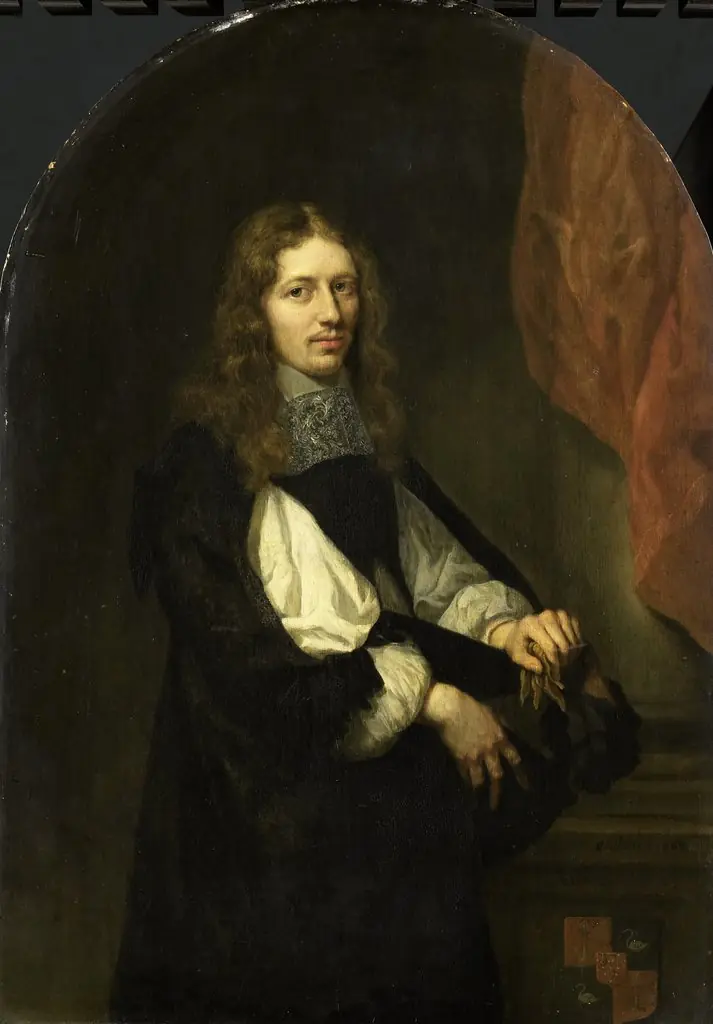 Portrait of Pieter de Graeff (1638-1707), lord of Zuid-Polsbroek, Purmerland, and Ilpendam. Alderman of Amsterdam
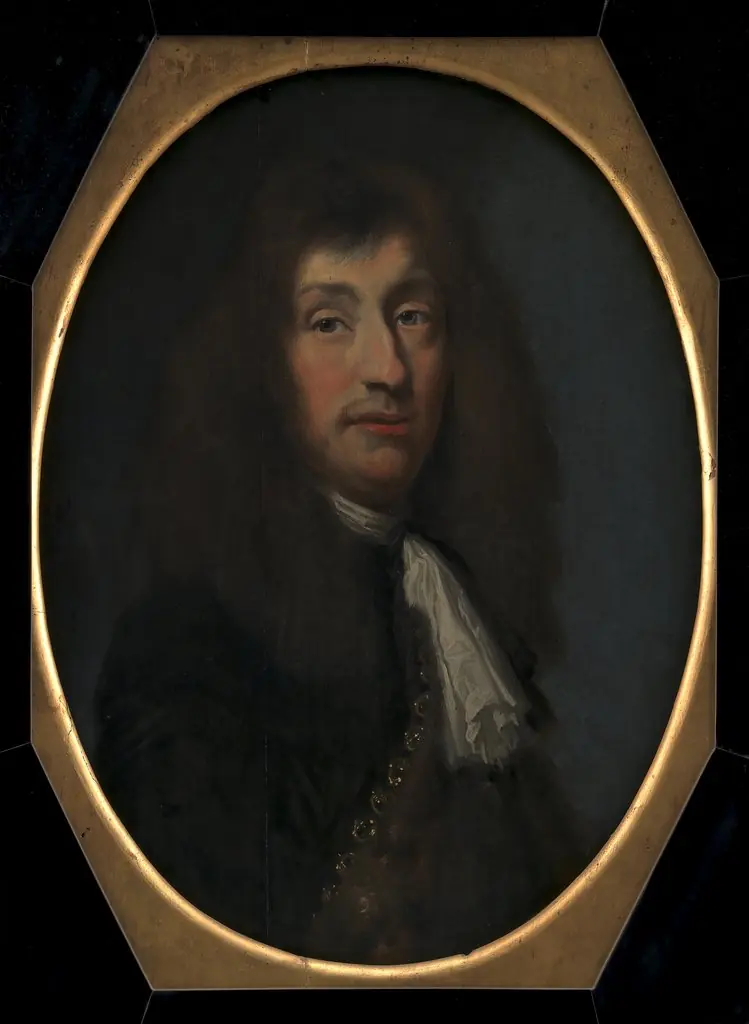 Ulrik Frederik Gyldenløve
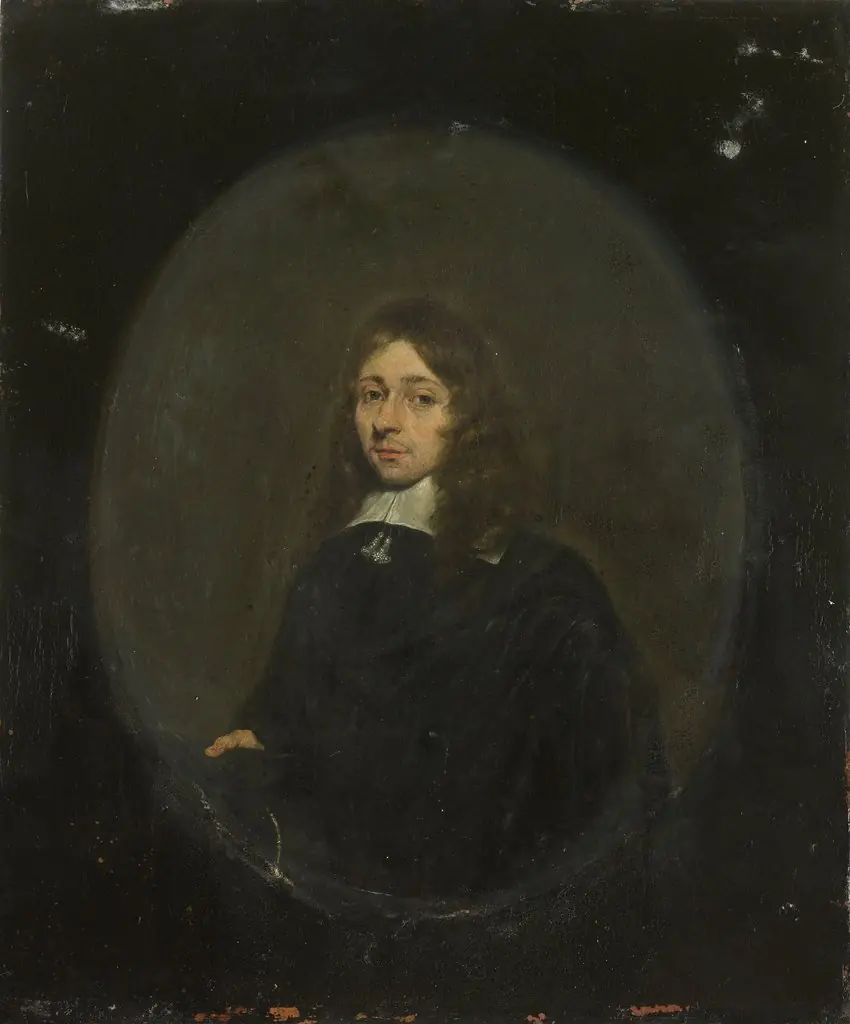 Portrait of a man
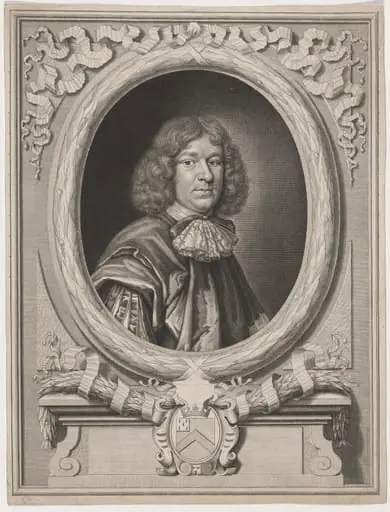 Robert Stafford of Bradfield, Berks
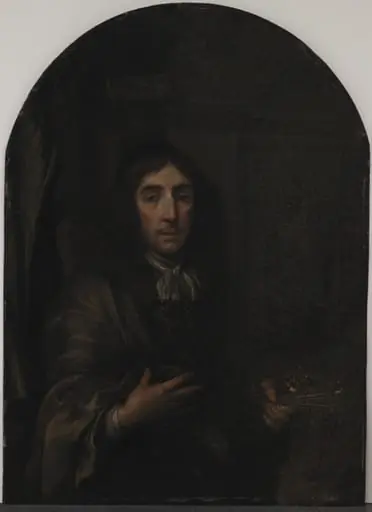 Portrait of a Painter
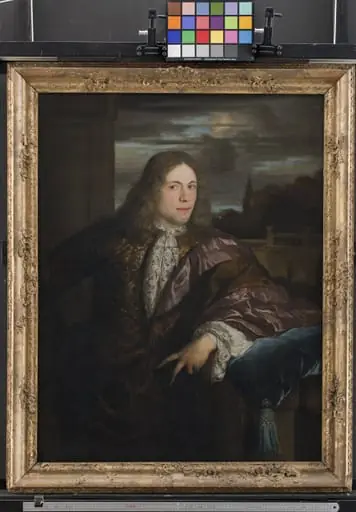 Portrait of a Young Gentleman
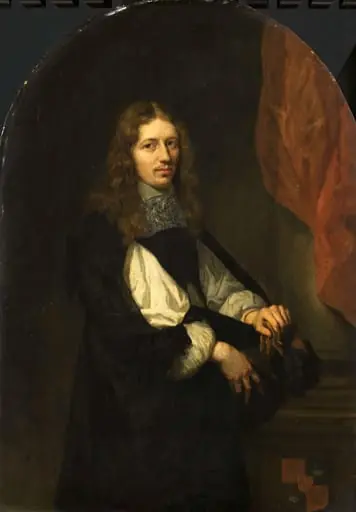 Portrait of Pieter de Graeff (1638-1707), lord of Zuid-Polsbroek, Purmerland, and Ilpendam. Alderman of Amsterdam
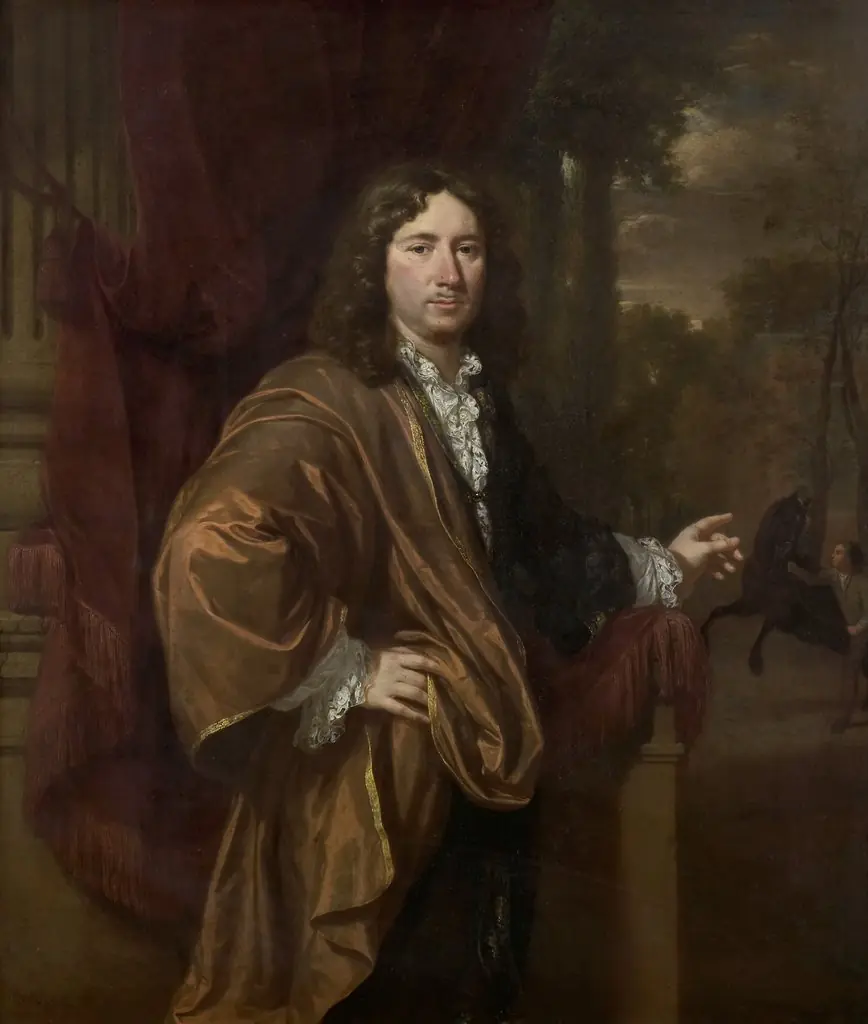 Portrait of a Man
 Heinrich von Delwig, Swedish Colonel