Artwork
Heinrich von Delwig, Swedish Colonel
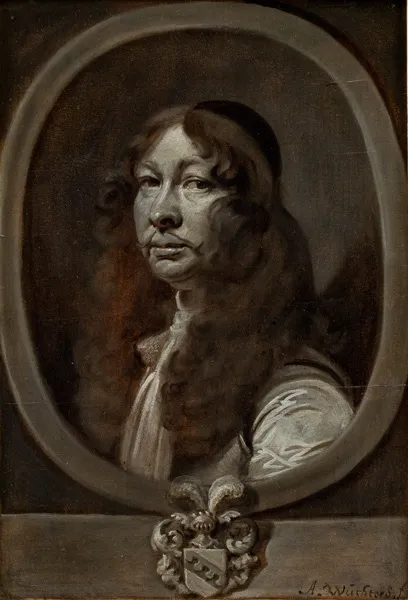
Heinrich von Delwig, Swedish Colonel is an unspecified painting by Abraham Wuchters. It dates from 1661 and is held in the collection of the Statens Museum for Kunst.
About this work
Overview
Painted in 1661 by Abraham Wuchters, this portrait depicts Heinrich von Delwig, a Swedish military officer serving in the Danish-Norwegian forces.
Painted in 1661 by Abraham Wuchters, this portrait depicts Heinrich von Delwig, a Swedish military officer serving in the Danish-Norwegian forces. Wuchters, a Brabant-born artist long active in Denmark, was a key figure in introducing Dutch stylistic conventions to Danish court portraiture. The work resides in Statens Museum for Kunst, Copenhagen, as part of its collection of 17th-century Nordic elite imagery.
Subject & Meaning
Heinrich von Delwig, a colonel in the Swedish army during the Thirty Years' War, is portrayed not as a conqueror but as a disciplined officer aligned with Danish interests. His stern expression and formal attire suggest authority and restraint. The heraldic crest below him, bearing a crown and inscribed letters, signals his status and loyalty to a higher power, likely the Danish crown, reflecting the complex political allegiances of the era.
Technique & Style
Wuchters employs chiaroscuro to model Delwig’s face, using deep shadows to emphasize his angular jaw and piercing gaze. The white lace collar and dark fur-trimmed coat contrast sharply against the black background, isolating the figure with theatrical precision. The brushwork is controlled, favoring texture over embellishment—lace, fur, and metal details are rendered with quiet accuracy, typical of Dutch-influenced Danish portraiture of the period.
History & Provenance
Commissioned during Wuchters’s tenure as a court painter to the Danish monarchy, the portrait entered the royal collection shortly after its completion. It remained in Danish state holdings through the centuries, eventually transferred to Statens Museum for Kunst upon its founding in the 19th century. Its continuous institutional custody confirms its recognized significance within Denmark’s artistic heritage.
Context
In mid-17th century Scandinavia, Swedish and Danish forces were often adversaries, yet many officers like Delwig served under Danish command after territorial shifts. Portraits such as this served political purposes—legitimizing foreign officers in Danish service and reinforcing the court’s cosmopolitan identity. Wuchters’s style, rooted in Dutch realism, was adopted to project dignity and order amid regional instability.
Legacy
The portrait stands as a representative example of how Dutch artistic norms were adapted in Denmark to serve aristocratic and military representation. Wuchters’s influence helped shape a distinct Danish Baroque portraiture tradition. While not widely known outside Nordic art circles, the work remains a key reference for understanding the intersection of military identity and visual culture in early modern Northern Europe.
Artist & collection
Artist
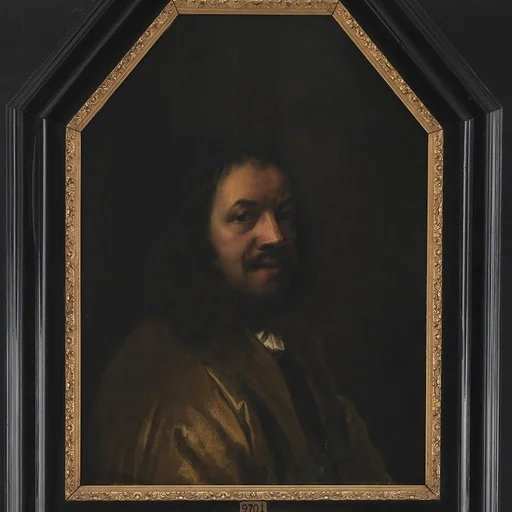
Abraham Wuchters (1608 – 23 May 1682) was a Brabant-born Dutch-Danish painter and engraver.

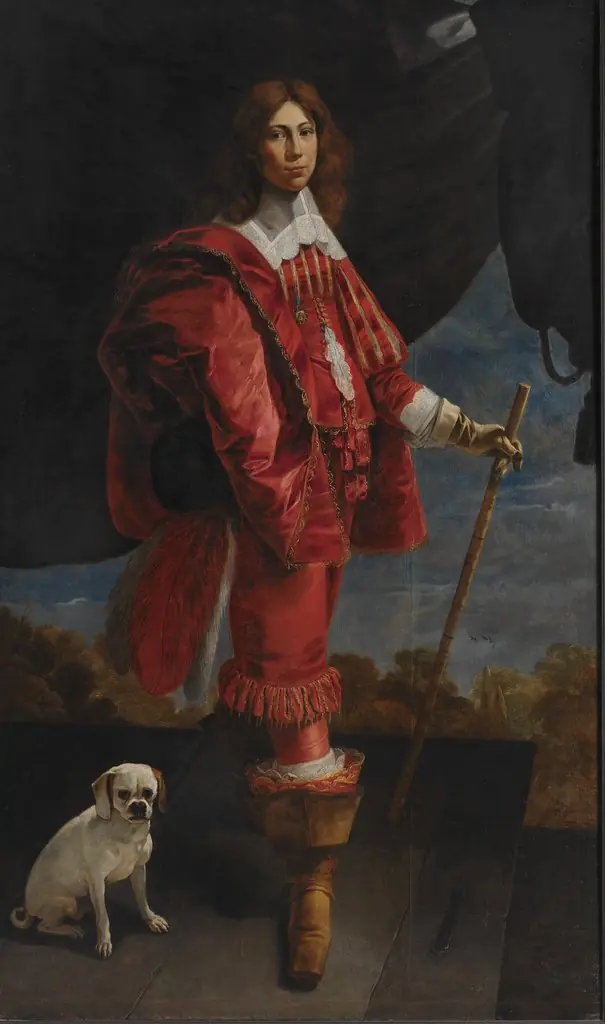 Ulrik Christian Gyldenløve (1630-1658), son of Christian IV and Vibeke Kruse
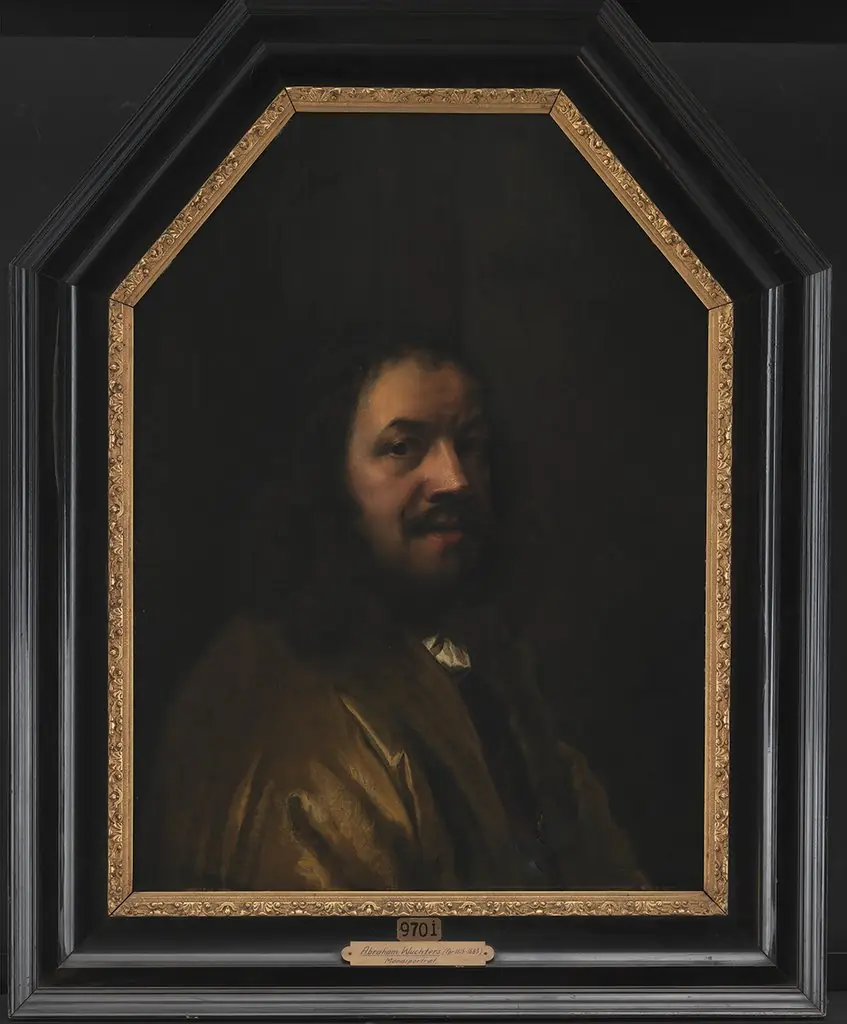 Portrait of the Artist
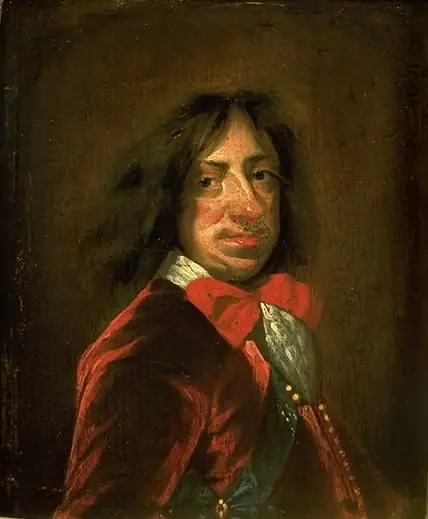 Christian V
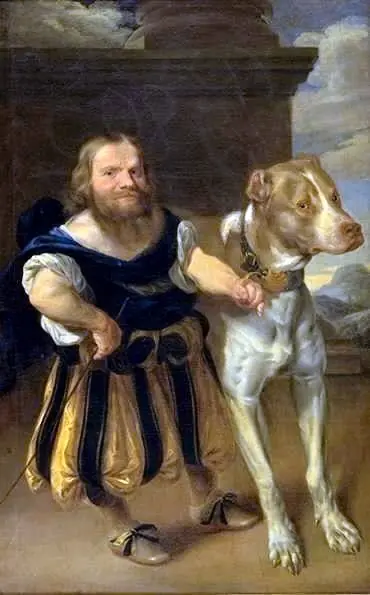 The Elector of Saxony's Italian Dwarf, Giachomo Favorchi with Princess Magdalene Sibylle's Dog, Raro
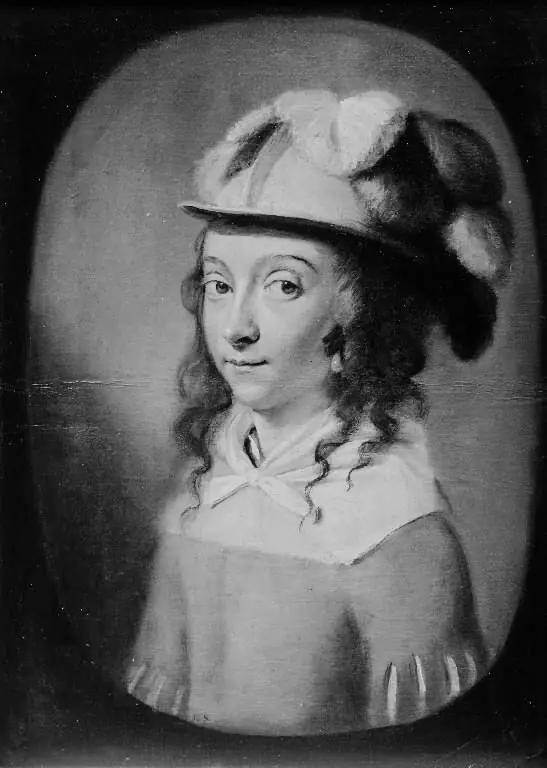 Portrait of a Lady
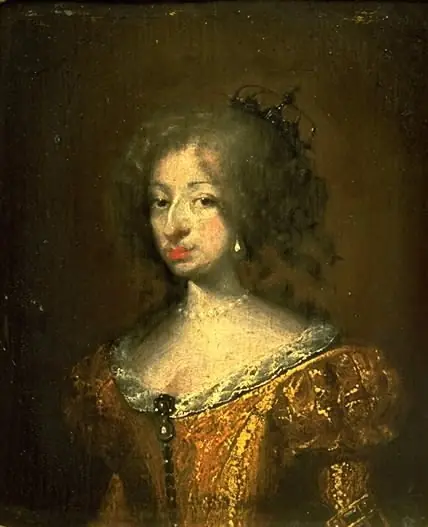 Charlotte Amalie, Christian V's Queen
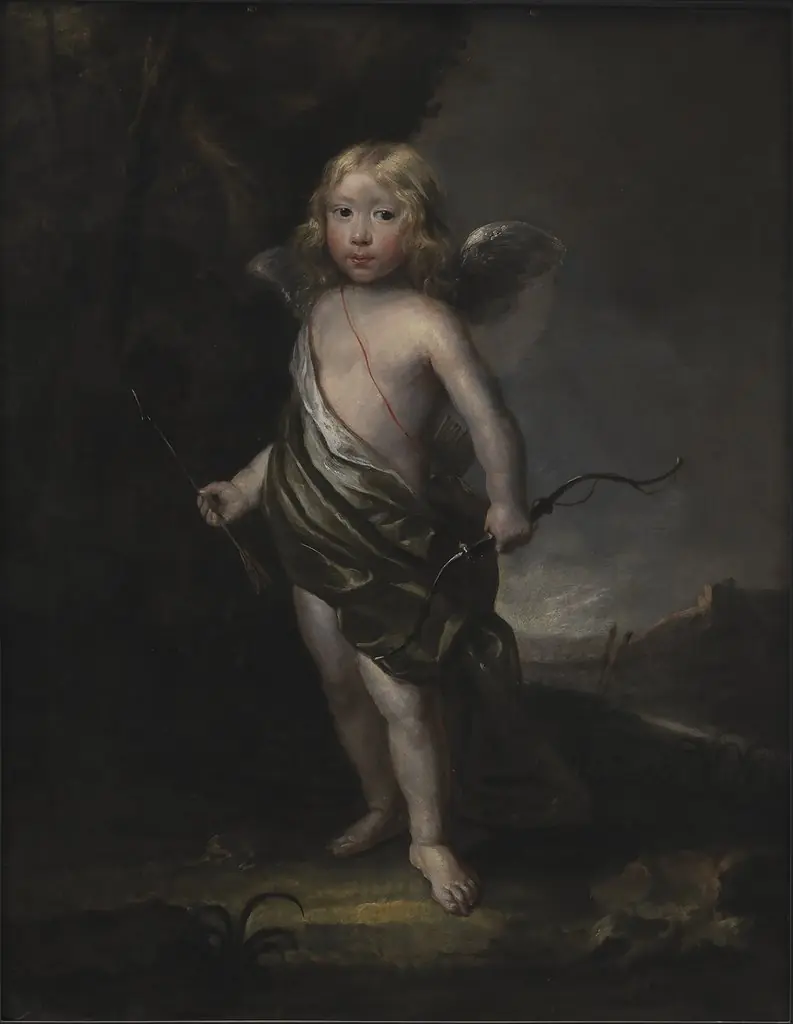 Portrait of a Noble Boy in Cupid's Costume
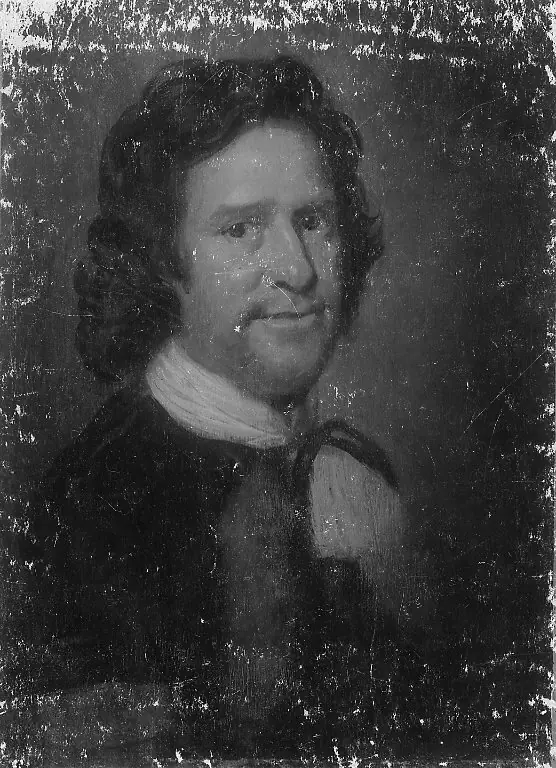 Portrait of a Man in a Black Suit
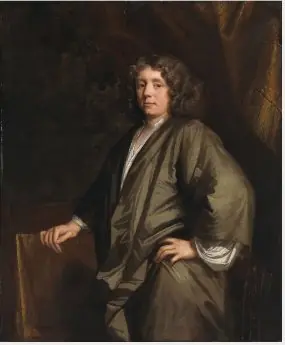 Portrait of Thomas Wharton, 1st Marquess of Wharton (1648-1715)
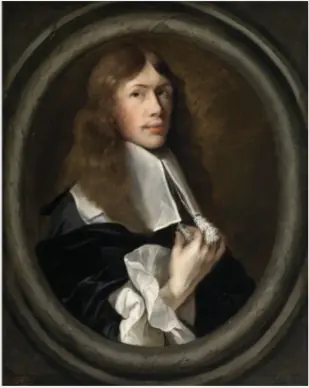 Portrait of a Man
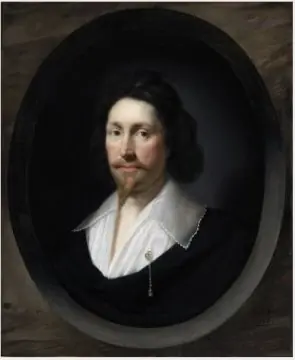 John Digby, 1st Earl of Bristol (1580-1653)
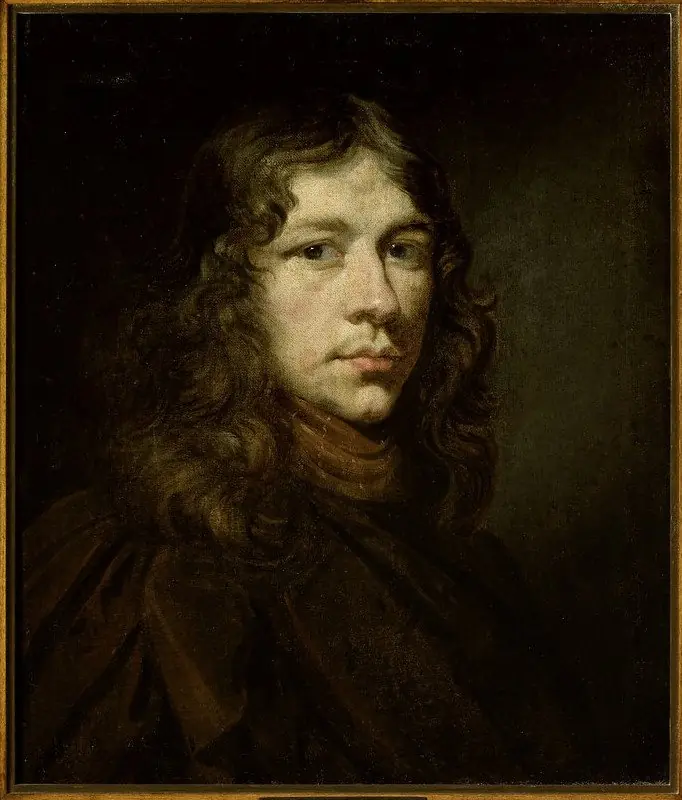 Portrait of a young man
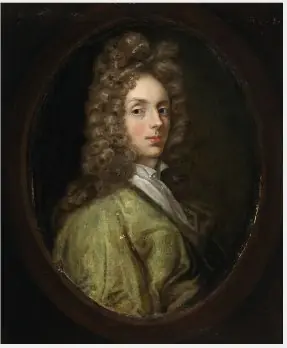 Portrait of a Young Man
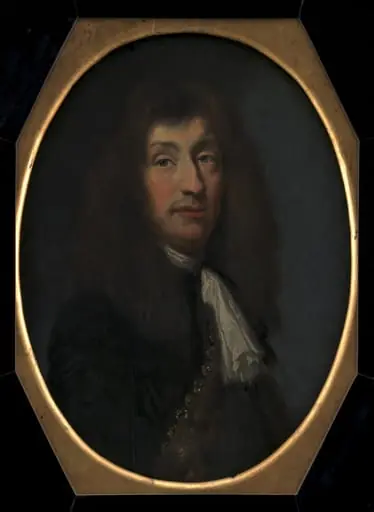 Ulrik Frederik Gyldenløve
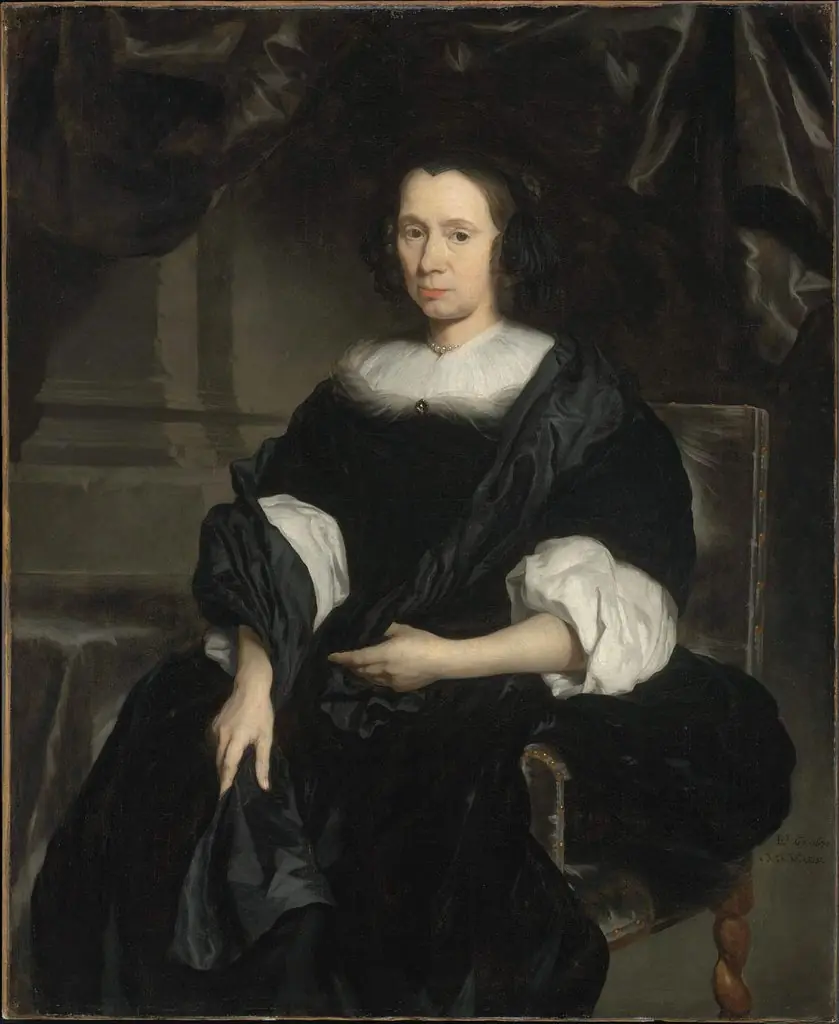 Portrait of a Woman
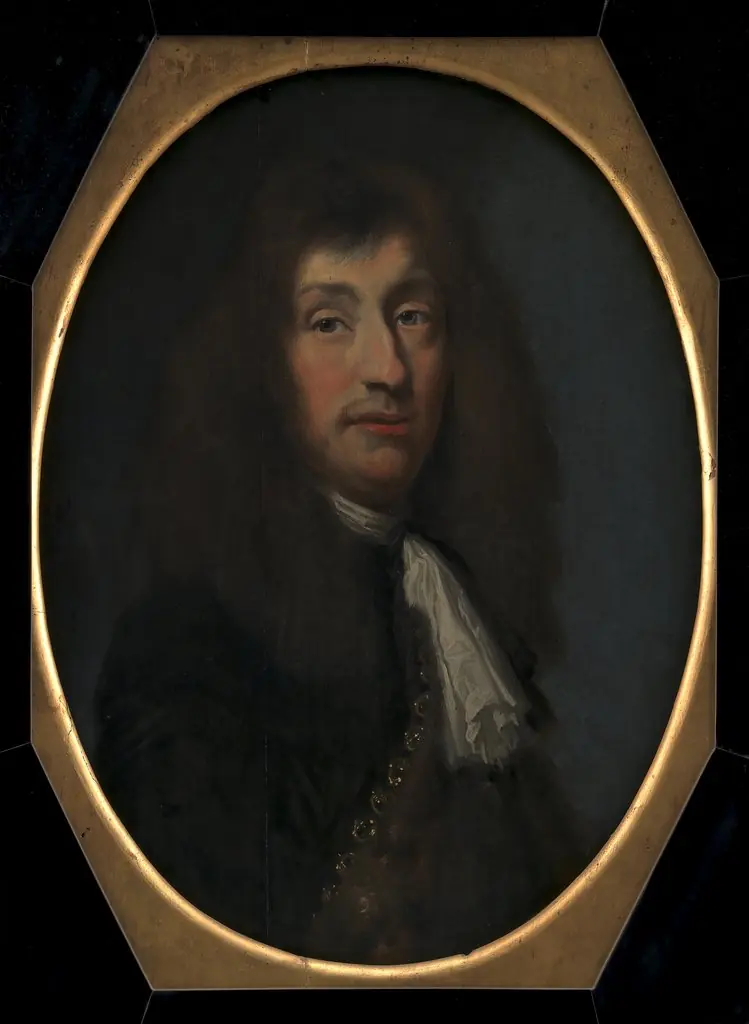 Ulrik Frederik Gyldenløve
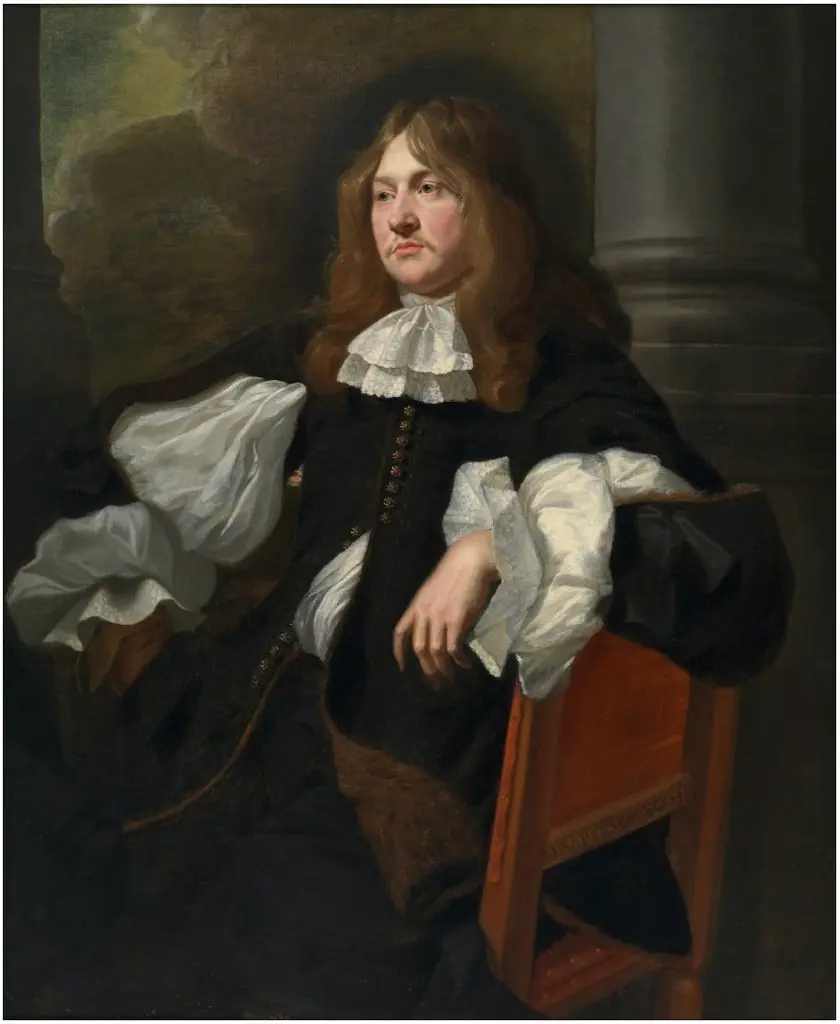 Portrait of Edward Hyde
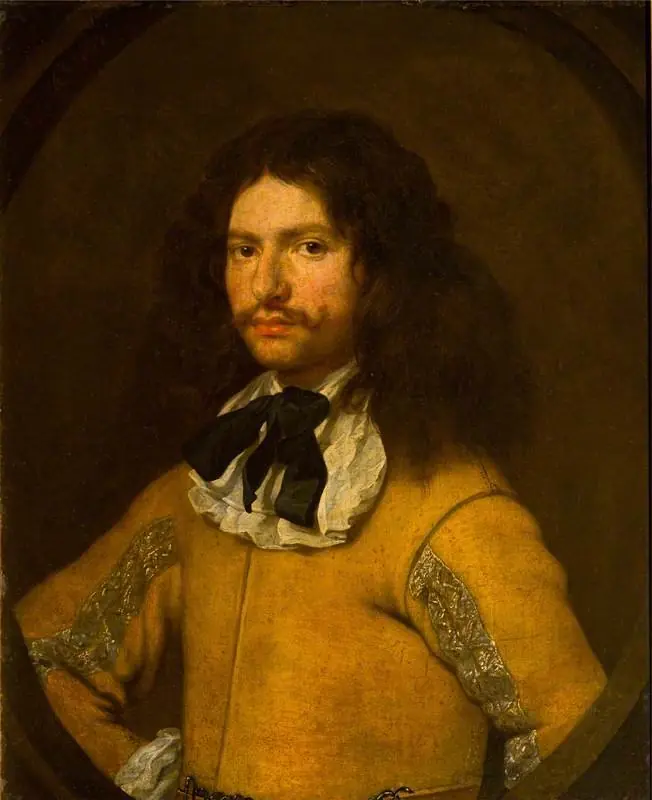 A Cavalier in a Yellow Coat
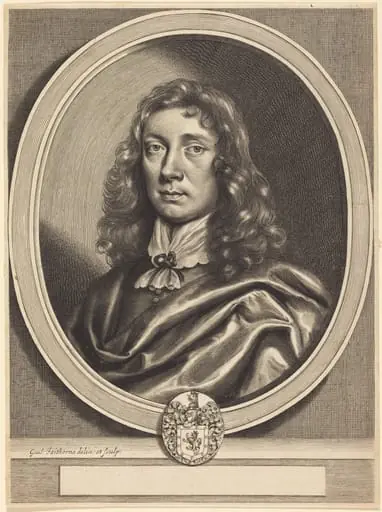 Sir Robert Henley, Bart.
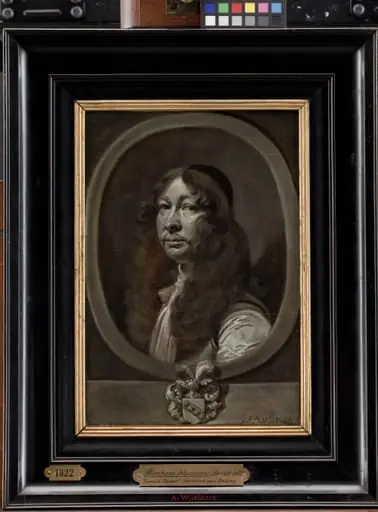 Heinrich von Delwig, Swedish Colonel