Artwork
Louise, Frederik V's First Queen in her Coronation Robes
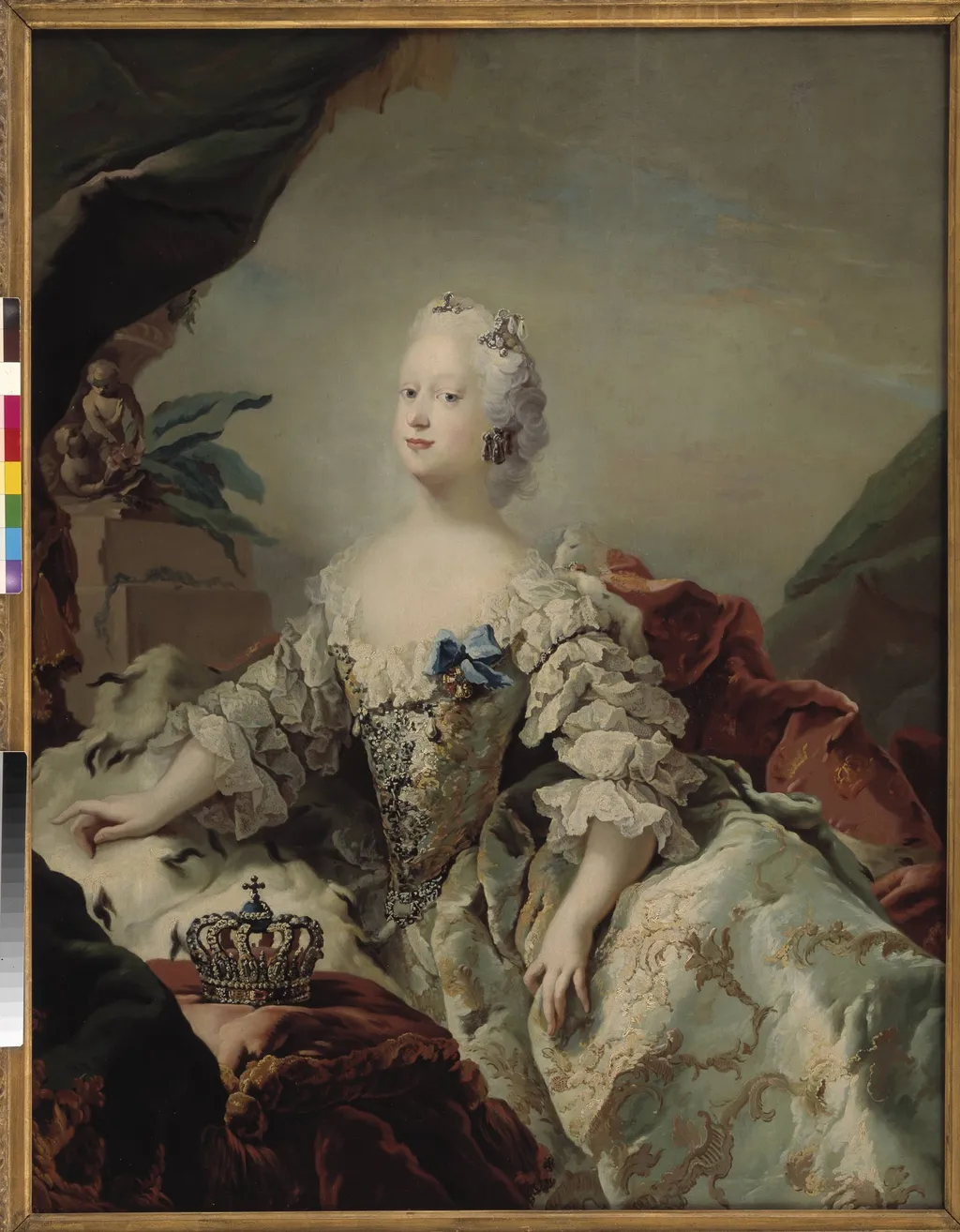
Louise, Frederik V's First Queen in her Coronation Robes is a photography by the Baroque artist Unknown. It dates from 1747 and is held in the collection of the Statens Museum for Kunst. Painted in 1747, this portrait depicts Louise of Great Britain, the first queen consort of King Frederick V of Denmark.
About this work
Overview
Painted in 1747, this portrait depicts Louise of Great Britain, the first queen consort of King Frederick V of Denmark. The work captures her in ceremonial attire shortly after her coronation. Though often associated with royal portraiture, the painting is held in the Museum of Ethnography, reflecting its historical role in documenting European court culture beyond traditional royal collections.
Subject & Meaning
The inclusion of a classical statue in the background subtly links her authority to enduring ideals of monarchy and virtue, common in 18th-century iconography.
Louise is shown holding the small crown, a symbol of her newly assumed role, while her other hand rests on a velvet cushion, reinforcing the ritual nature of the moment. The restrained pose and direct gaze convey dignity rather than flamboyance. The inclusion of a classical statue in the background subtly links her authority to enduring ideals of monarchy and virtue, common in 18th-century iconography.
Technique & Style
The artist employs chiaroscuro to isolate the queen against a muted, indistinct background, enhancing her presence. The dress, rendered with meticulous attention to texture, features layered white fabric and intricate gold embroidery, suggesting both wealth and craftsmanship. Soft lighting models her face and hands, while the blue ribbon and jeweled hairpins add subtle color accents without overwhelming the composition’s formal restraint.
History & Provenance
Commissioned shortly after Louise’s marriage to Frederick V in 1743 and her coronation in 1747, the portrait was likely intended for royal display. It entered the Museum of Ethnography’s collection in the 19th century, possibly as part of a broader effort to catalog European royal artifacts alongside global cultural objects, reflecting shifting museum priorities of the era.
Context
This portrait emerged during the height of Baroque influence in Northern European courts, where visual grandeur was used to legitimize dynastic power. Though Denmark was not a major European power, royal imagery remained vital for asserting legitimacy. Louise’s portrayal aligns with broader trends in royal portraiture, emphasizing modesty, lineage, and ceremonial authority over overt opulence.
Legacy
The painting remains a key visual record of Danish royal ceremony in the mid-18th century. Its preservation in an ethnographic context, rather than a royal palace or national art museum, underscores its dual role as both a personal commemoration and a cultural artifact. It continues to inform studies of courtly identity and the material culture of monarchy in smaller European states.
Artist & collection

 Domestic Scene
 Giacomo and Cardinal Marco, investing Andrea, Abbot of San Zeno, with his Benefice
 The Nymph of Fontainebleau
 Portrait of a Woman
 Madonna and Child with Saints in the Enclosed Garden
 Venus and Minerva
 Family Group of Four on Sofa
 Wall painting from Room H of the Villa of P. Fannius Synistor at Boscoreale
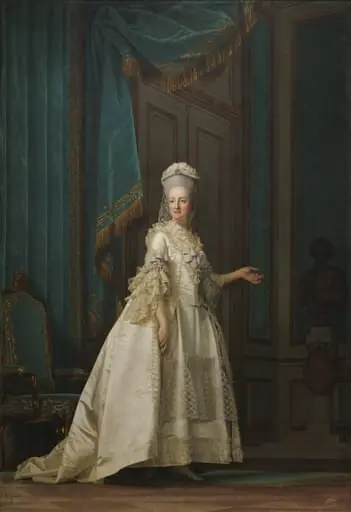 The Queen Dowager Juliane Marie
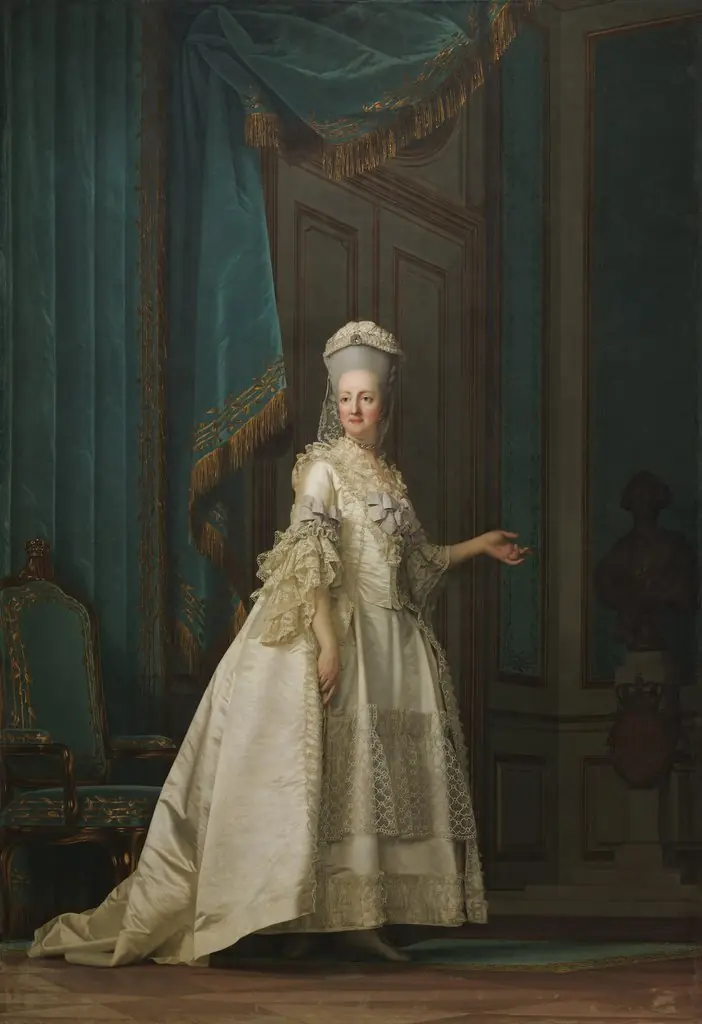 The Queen Dowager Juliane Marie
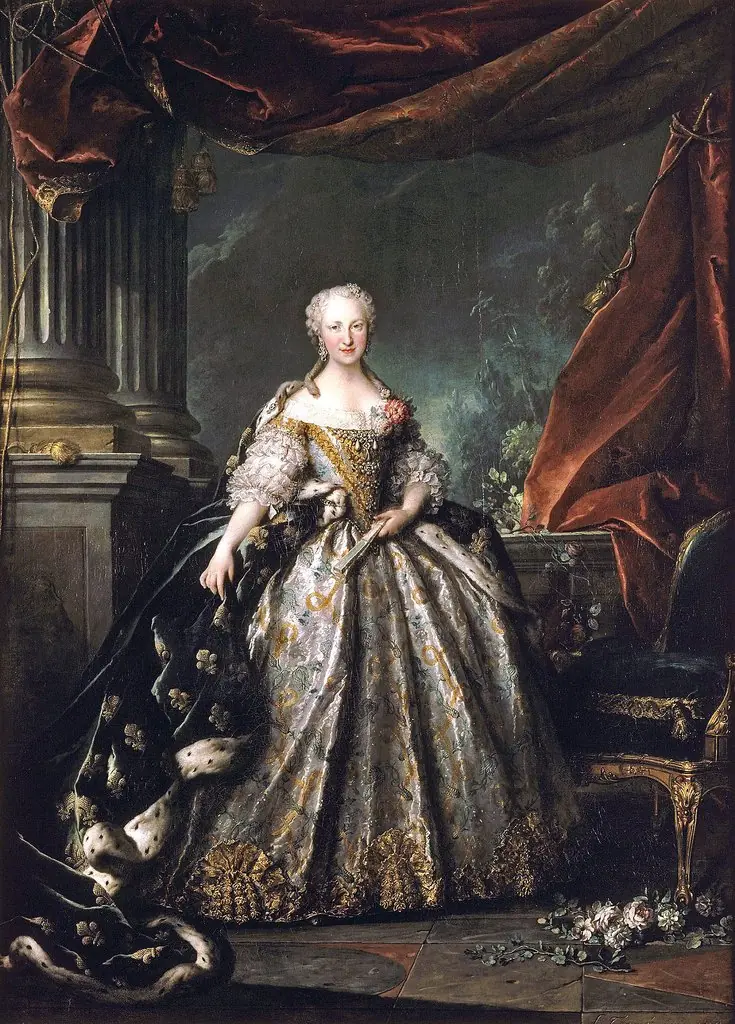 Marie-Thérèse-Raphaëlle, Infanta of Spain, Dauphine of France
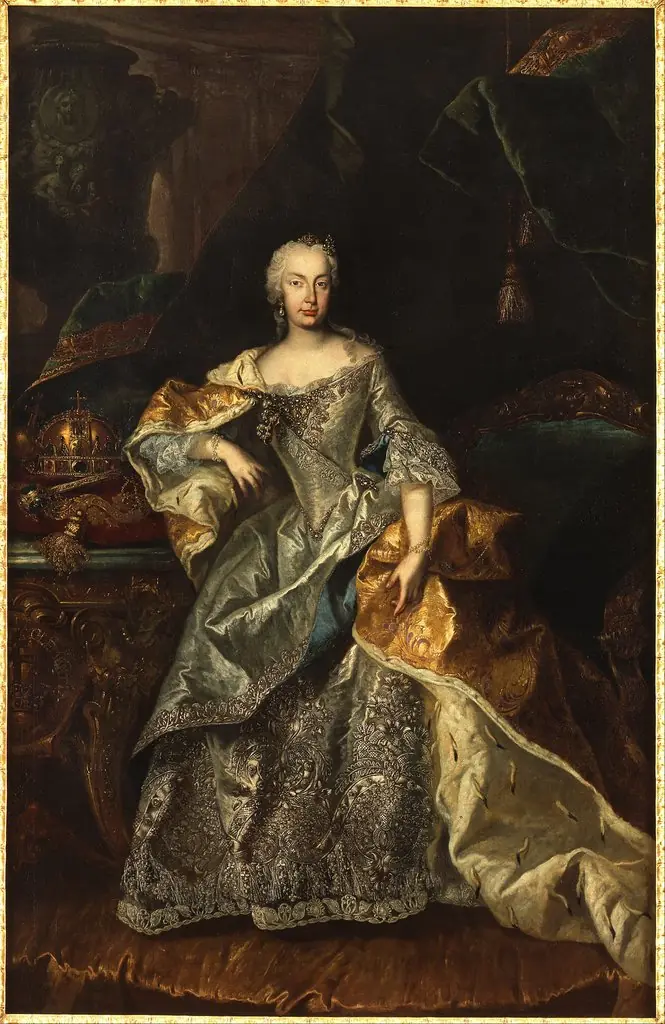 Maria Theresa as Queen of Hungary
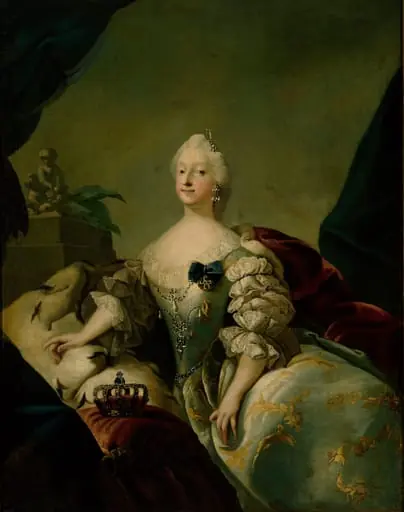 Tanskan kuningatar Louise
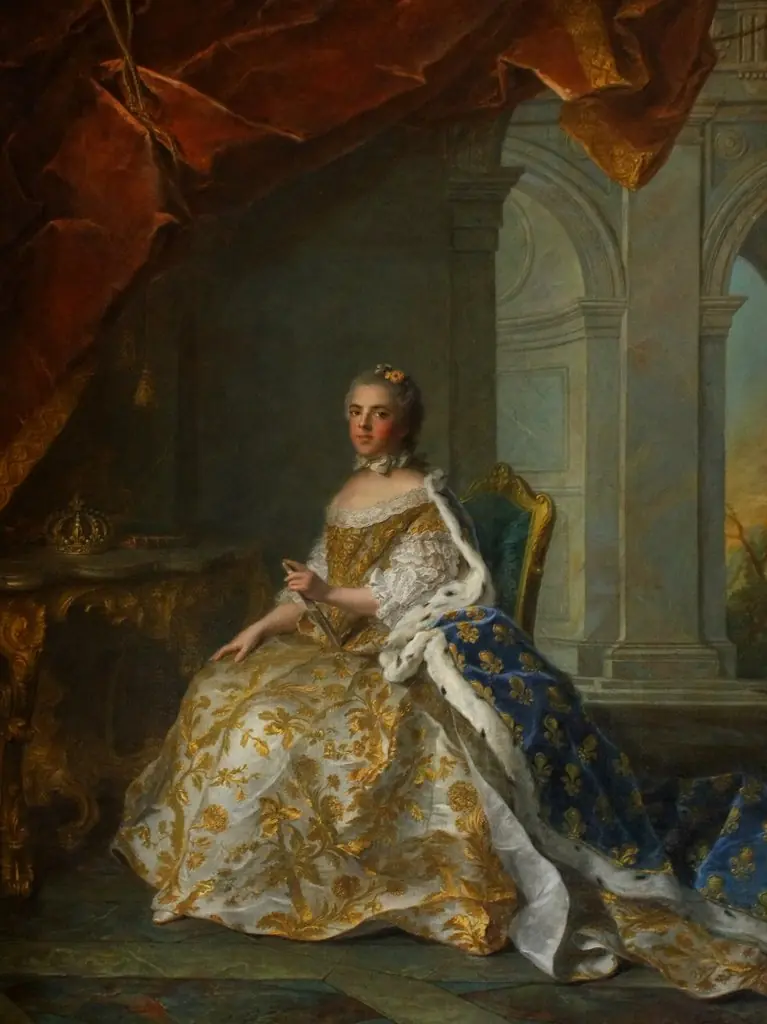 Posthumous portrait of Louise Elisabeth of France (1727-1759), Duchess of Parma, in court dress
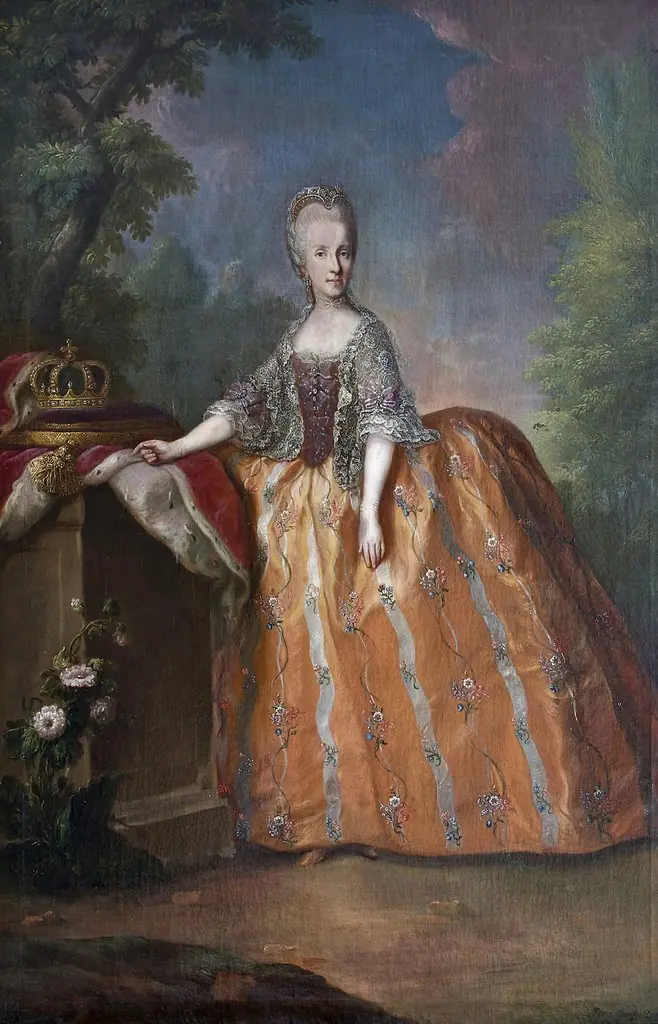 Maria Luisa of Spain, Holy Roman Empress
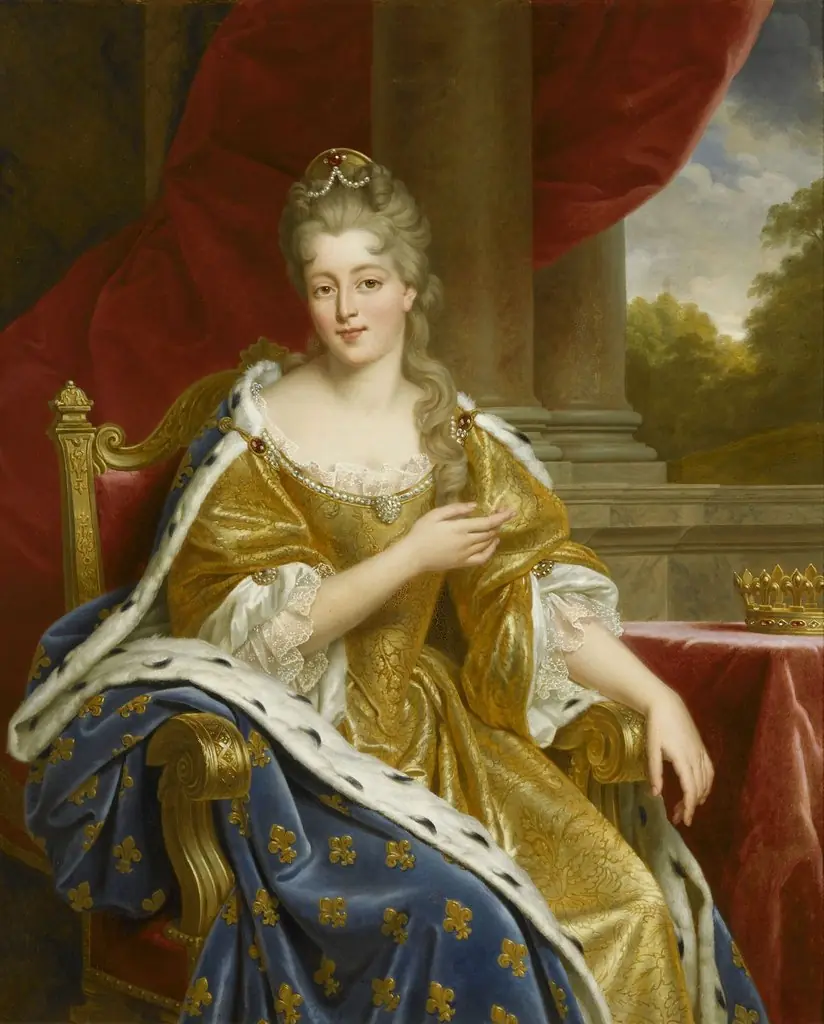 Françoise-Marie de Bourbon, Mademoiselle de Blois, duchesse d'Orléans
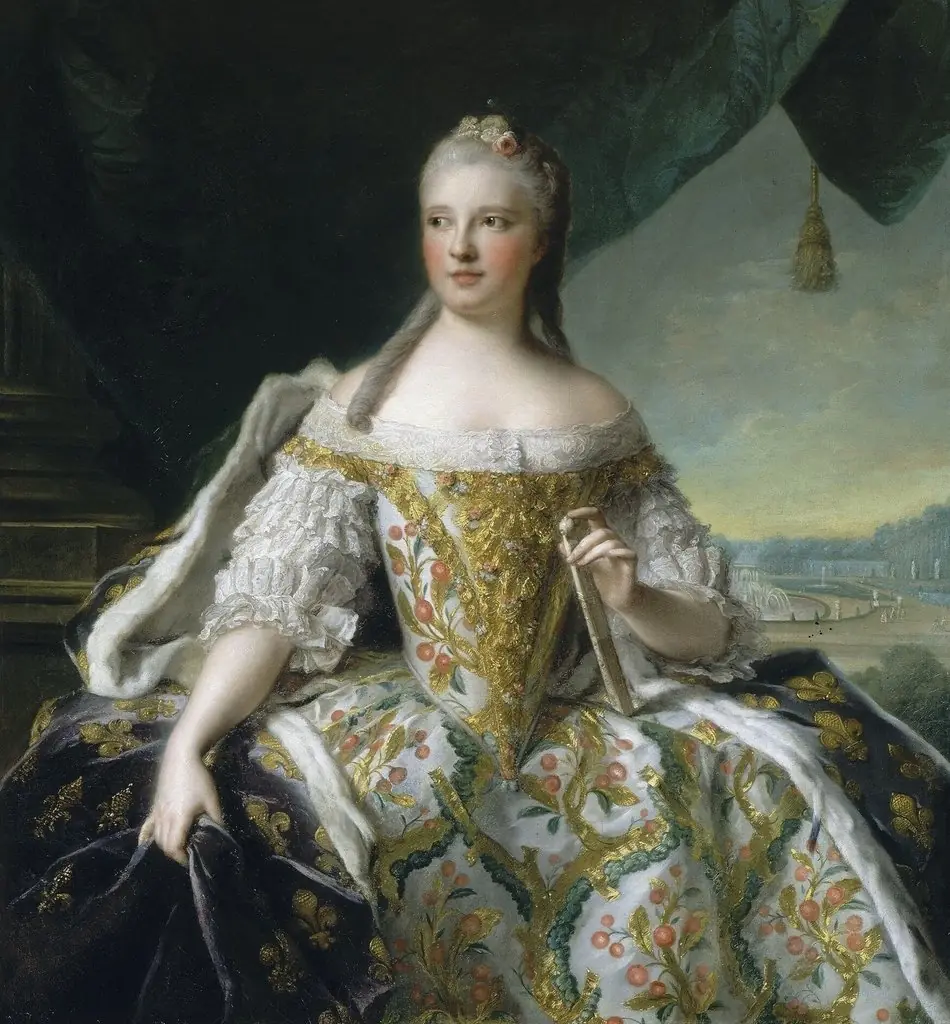 Marie Josèphe of Saxony
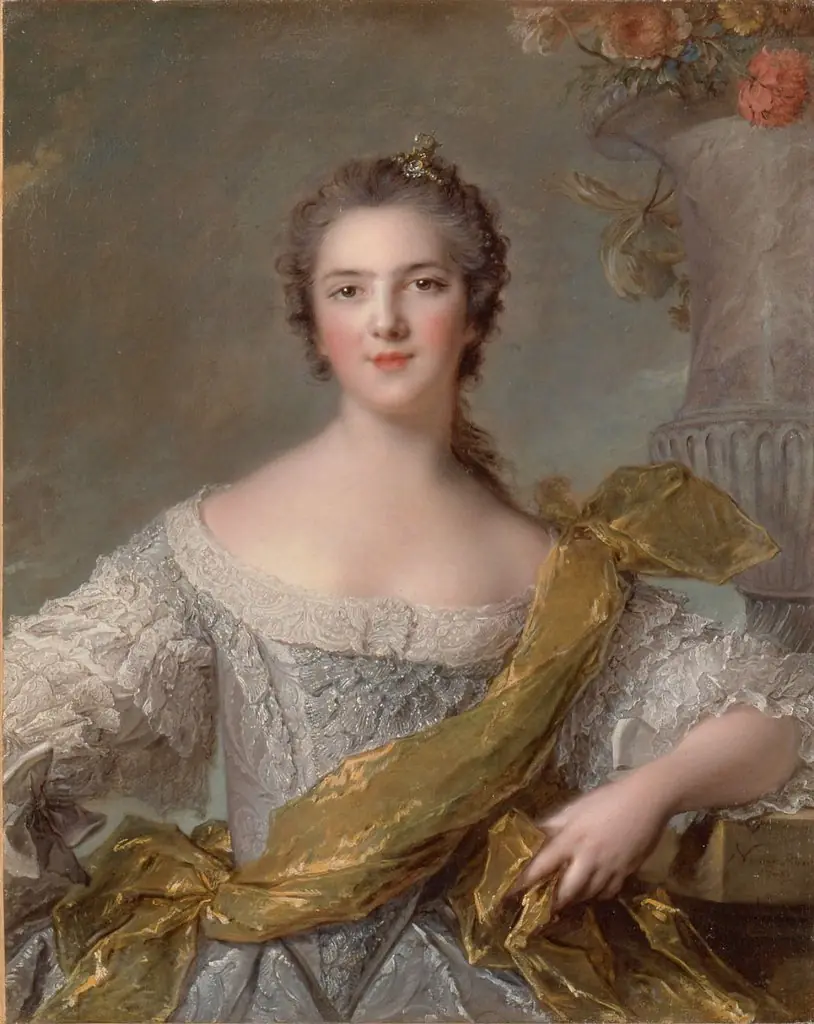 Portrait of Victoire of France