Artwork
Portrait of a Man
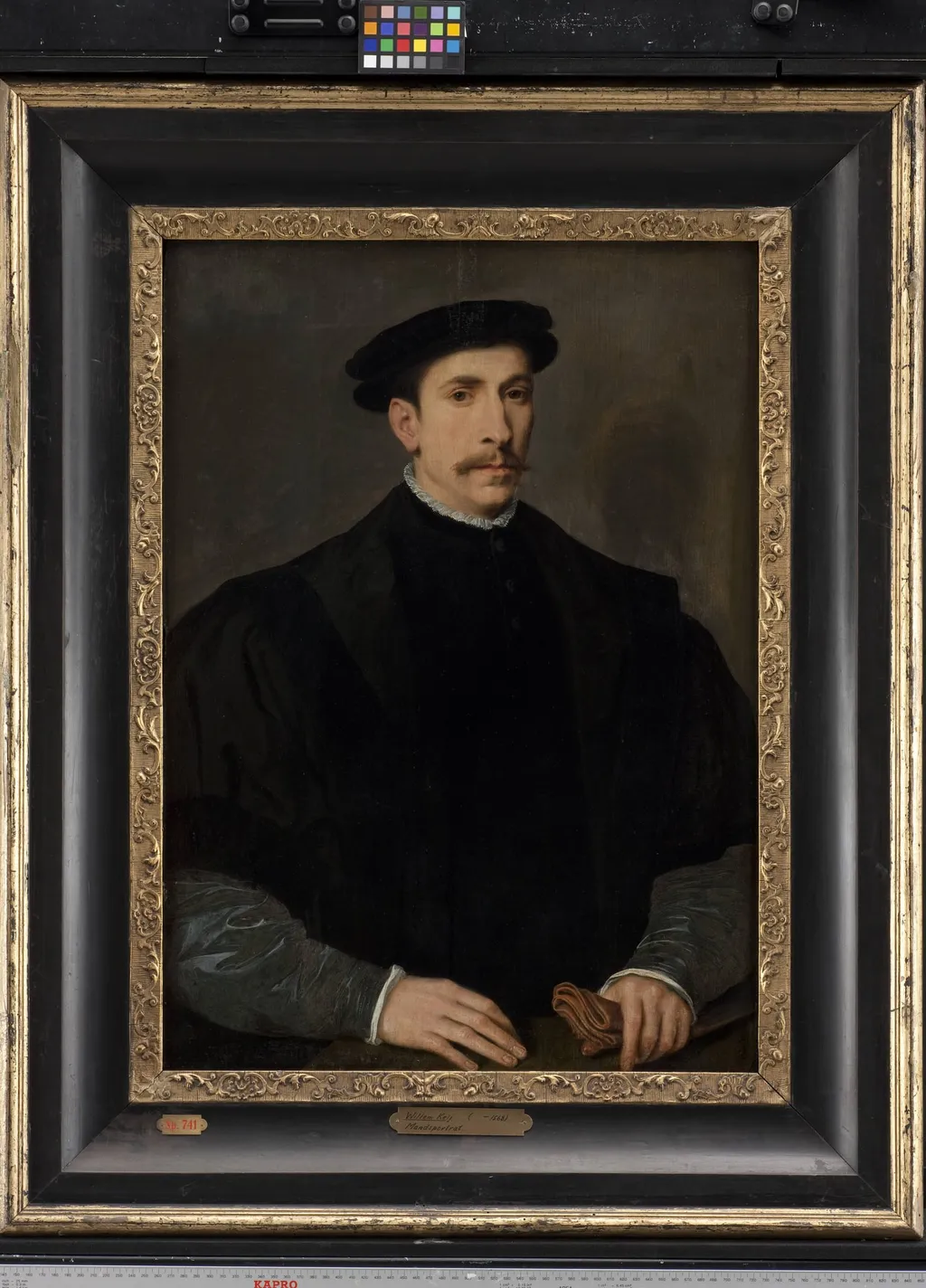
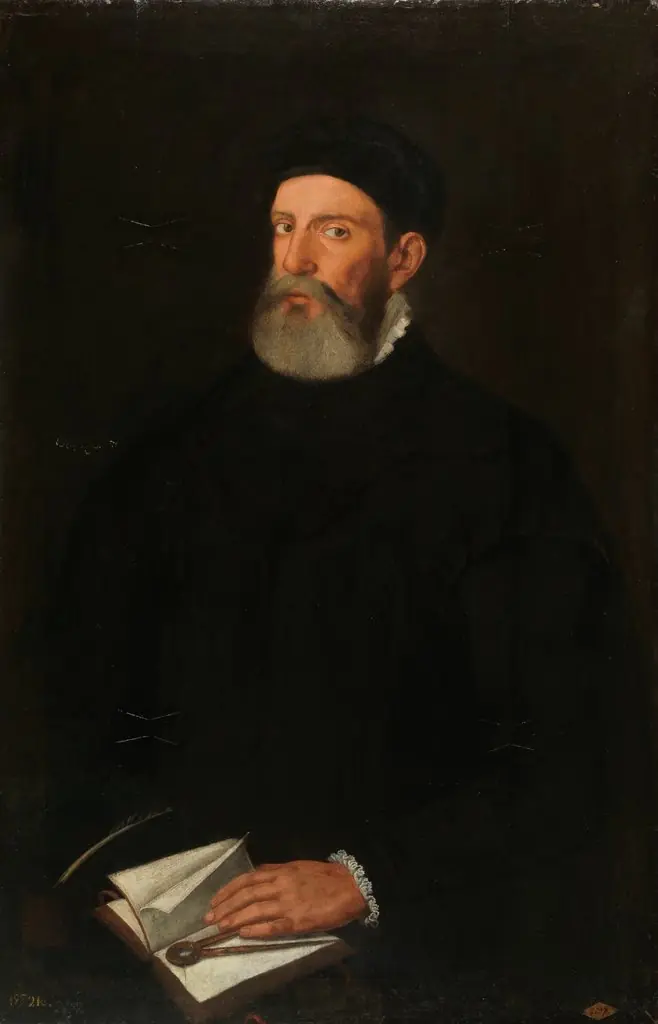
Portrait of a Man is an unspecified painting by Unknown. It dates from 1550 and is held in the collection of the Statens Museum for Kunst. Painted around 1550, this portrait depicts a man in somber attire against a dark, unadorned background.
About this work
Overview
Painted around 1550, this portrait depicts a man in somber attire against a dark, unadorned background. The work is attributed to an artist known as 793_person and is currently held by the Museum of Ethnography. The composition emphasizes stillness and introspection, with minimal distractions to draw focus entirely to the subject’s presence and expression.
Subject & Meaning
The man wears a dark, high-collared robe and a black hat, garments that suggest a formal or ceremonial role, possibly from an earlier era. His hands rest gently on his chest, and his gaze is direct yet reserved, conveying dignity and quiet contemplation. The absence of symbols or context invites interpretation centered on individual character rather than social status or narrative.
Technique & Style
The painting employs a restrained palette dominated by deep tones, with subtle contrasts to model the face and hands. The background remains uniformly dark, enhancing the figure’s three-dimensionality. The ornate gold frame, though not part of the painted surface, functions as a deliberate compositional boundary, reinforcing the subject’s prominence through contrast.
History & Provenance
The painting entered the collection of the Museum of Ethnography at an unknown date, likely acquired as part of a broader collection of historical portraiture.
The painting entered the collection of the Museum of Ethnography at an unknown date, likely acquired as part of a broader collection of historical portraiture. Its attribution to 793_person remains tentative, with no definitive documentation linking it to a specific commission or original location. The work’s age and style suggest it may have originated in a region with strong traditions of private portraiture in the mid-16th century.
Context
During the mid-1500s, portraiture across Europe increasingly emphasized individual identity over symbolic representation. This work aligns with that trend, though its simplicity and lack of heraldic or religious elements distinguish it from aristocratic or ecclesiastical portraits of the period. The archaic clothing may indicate a deliberate evocation of tradition or ancestral memory.
Legacy
Though not widely reproduced or studied, the portrait contributes to understanding how non-elite or regional subjects were rendered in early modern portraiture. Its quiet intensity and focus on psychological presence reflect a broader shift toward human-centered representation. The interplay between the plain painting and elaborate frame continues to invite discussion on the role of presentation in shaping perception.
Artist & collection

 Domestic Scene
 Giacomo and Cardinal Marco, investing Andrea, Abbot of San Zeno, with his Benefice
 The Nymph of Fontainebleau
 Portrait of a Woman
 Madonna and Child with Saints in the Enclosed Garden
 Venus and Minerva
 Family Group of Four on Sofa
 Wall painting from Room H of the Villa of P. Fannius Synistor at Boscoreale
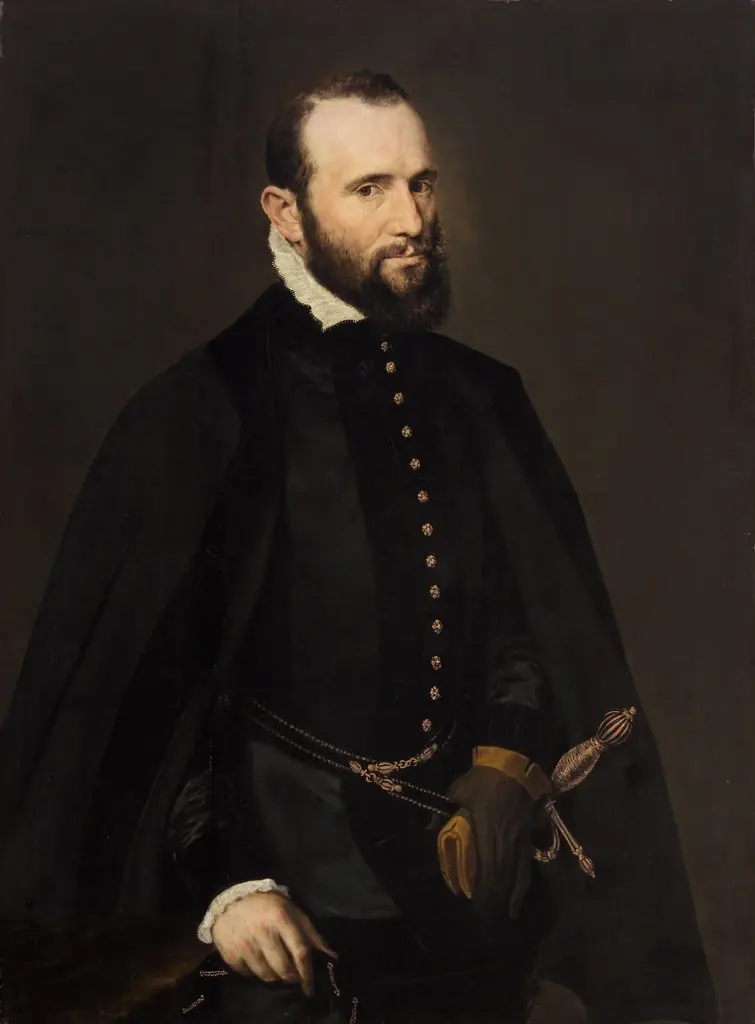 Portrait of a man
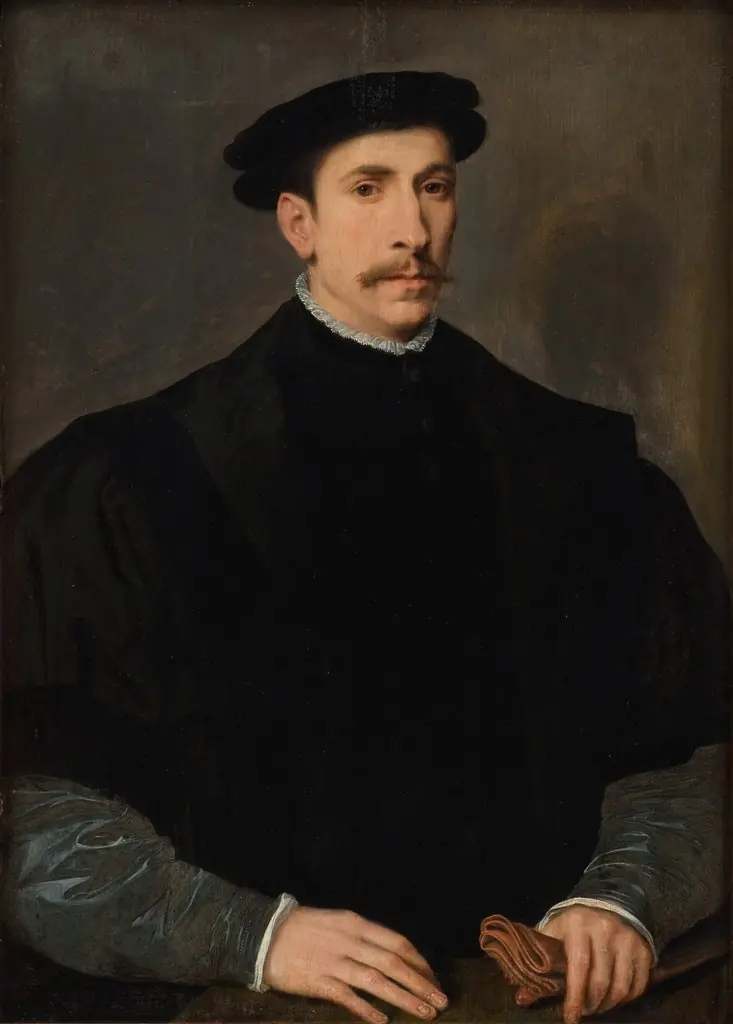 Portrait of a Man
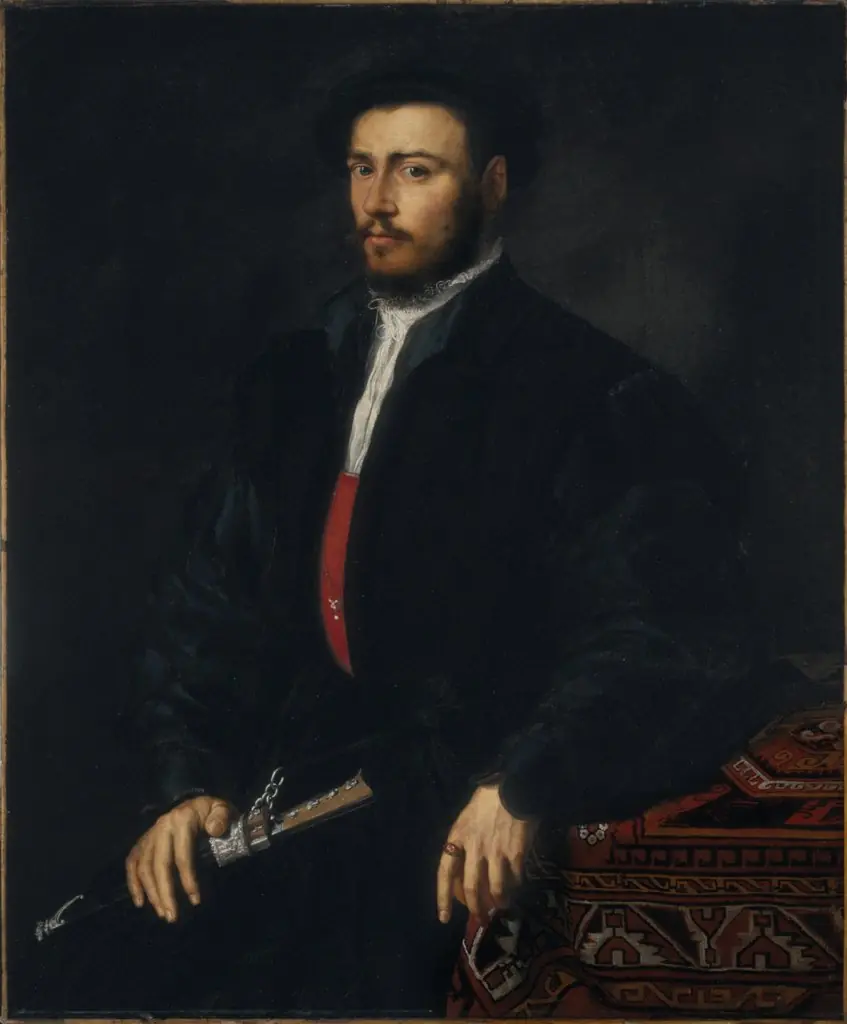 Portrait of a Young Nobleman
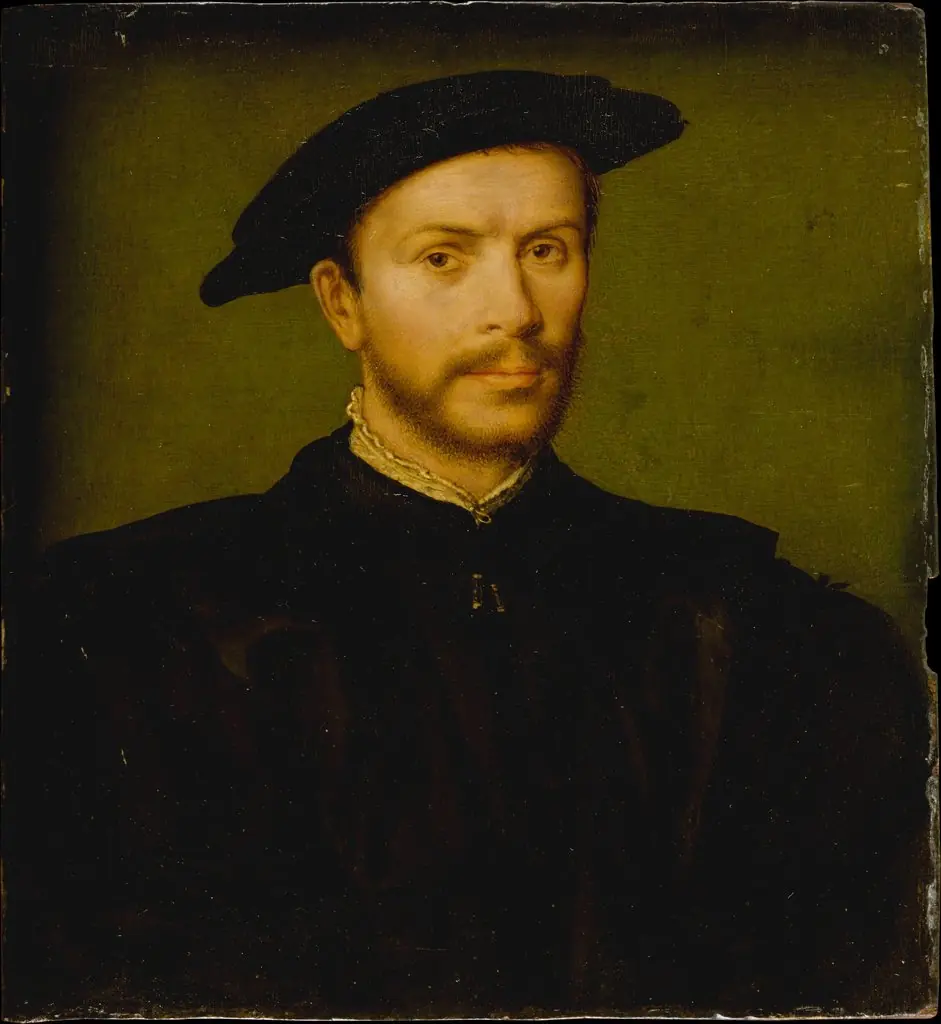 Portrait of a Bearded Man in Black
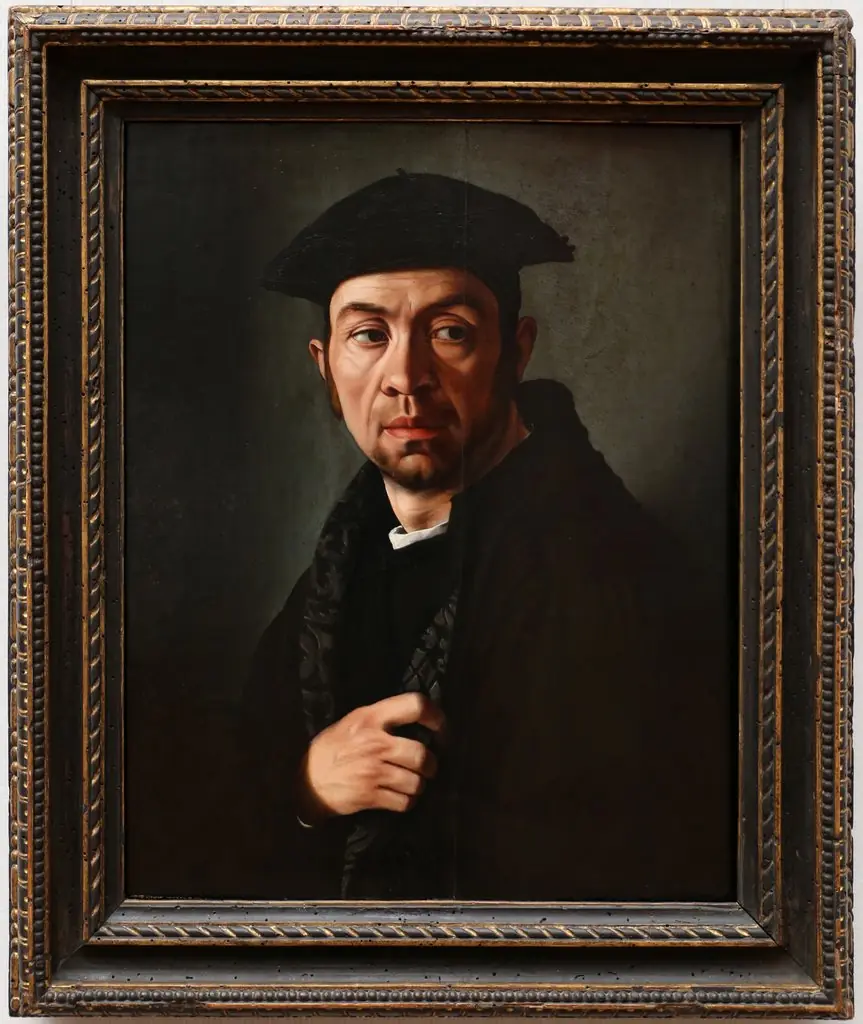 Portrait of a Man
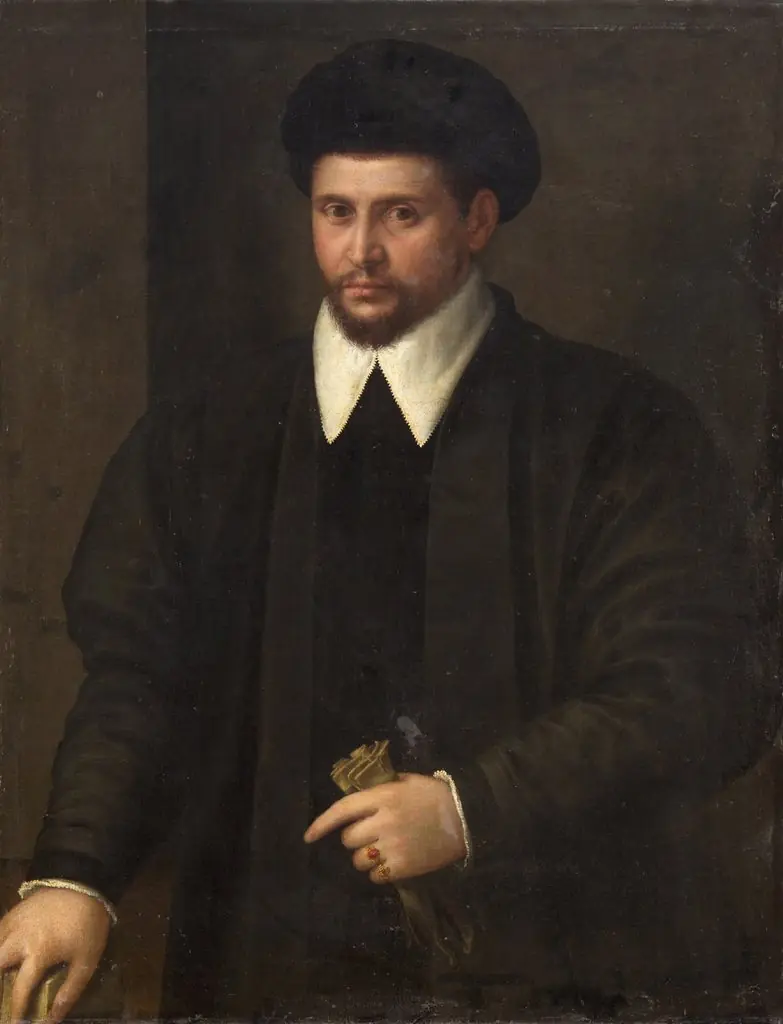 Bildnis eines Mannes mit Barett und Handschuhen
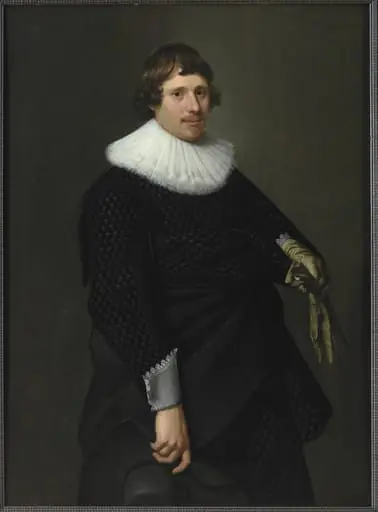 Portrait of a Man
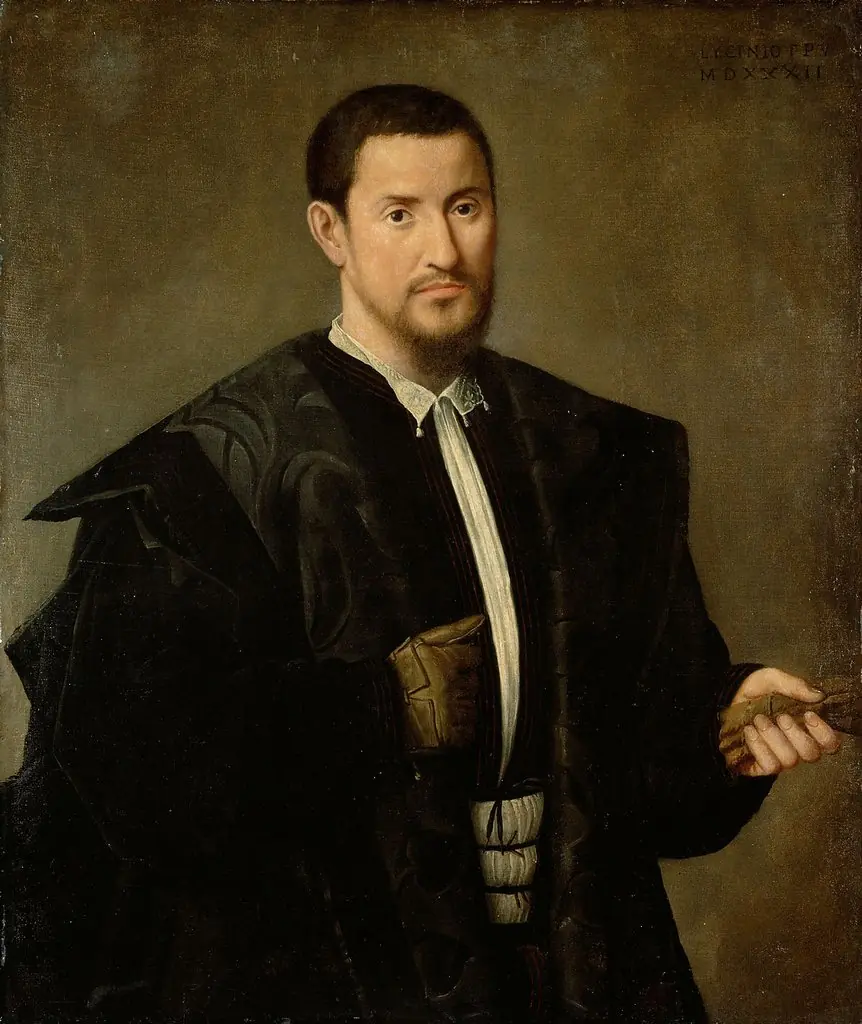 Bildnis eines barhäuptigen Mannes
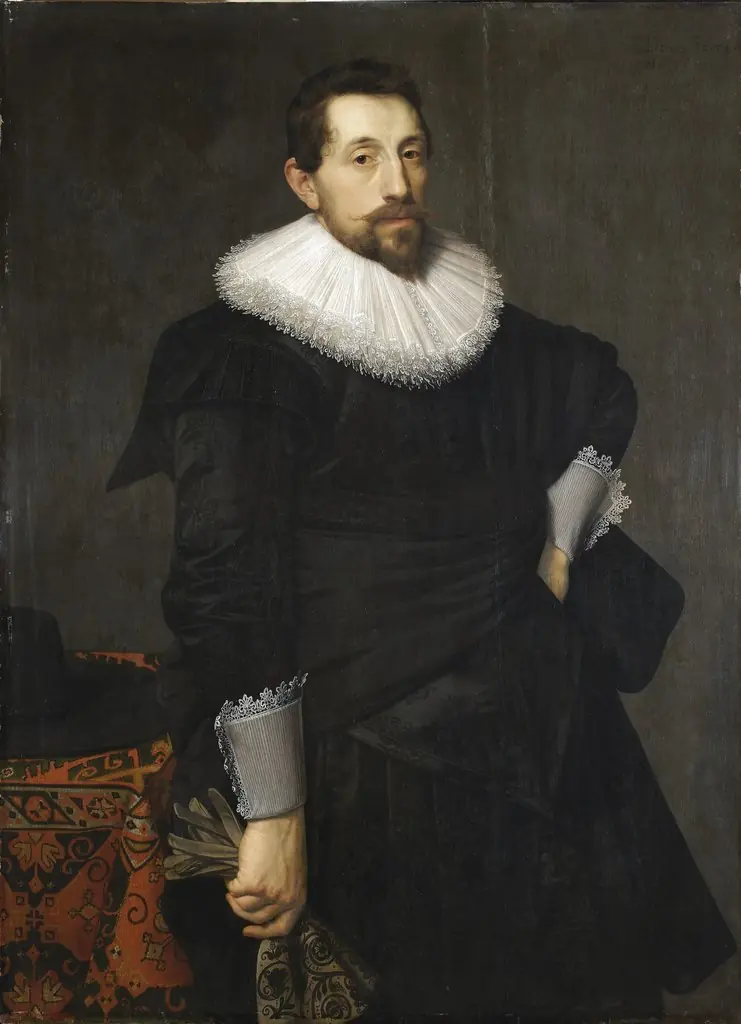 Portrait of a Man with Gloves
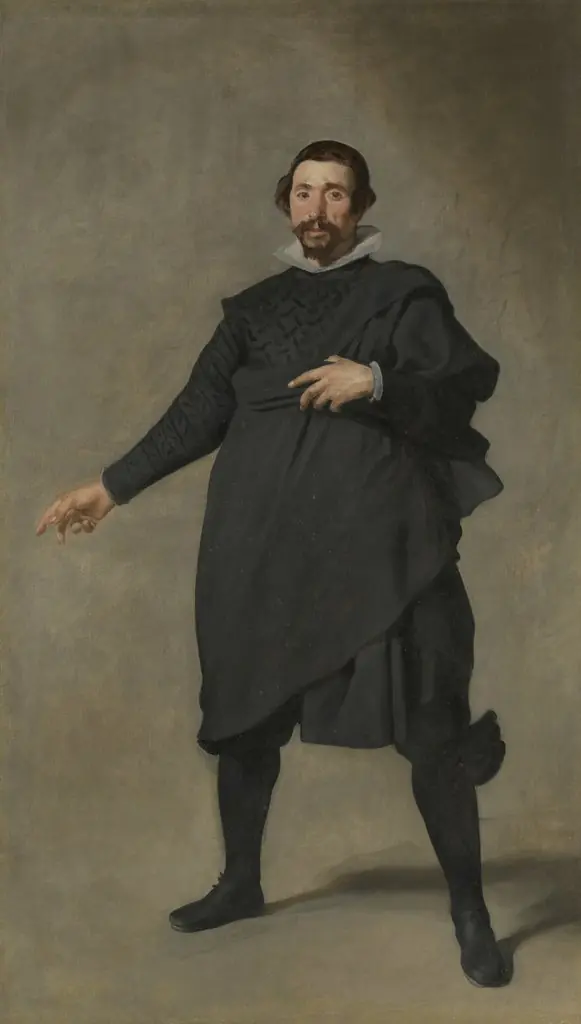 Portrait of Pablo de Valladolid
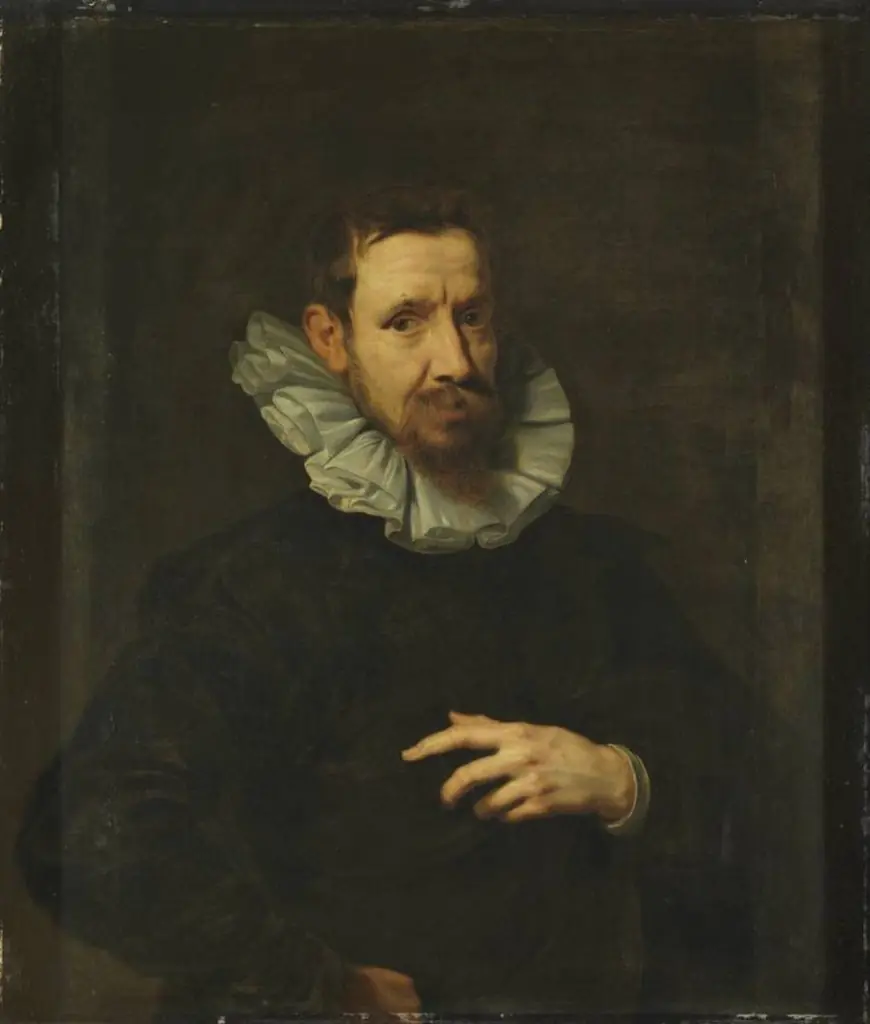 Portrait of the painter Jan Brueghel
 Portrait of an Architect