Artwork
Portrait of Pablo de Valladolid
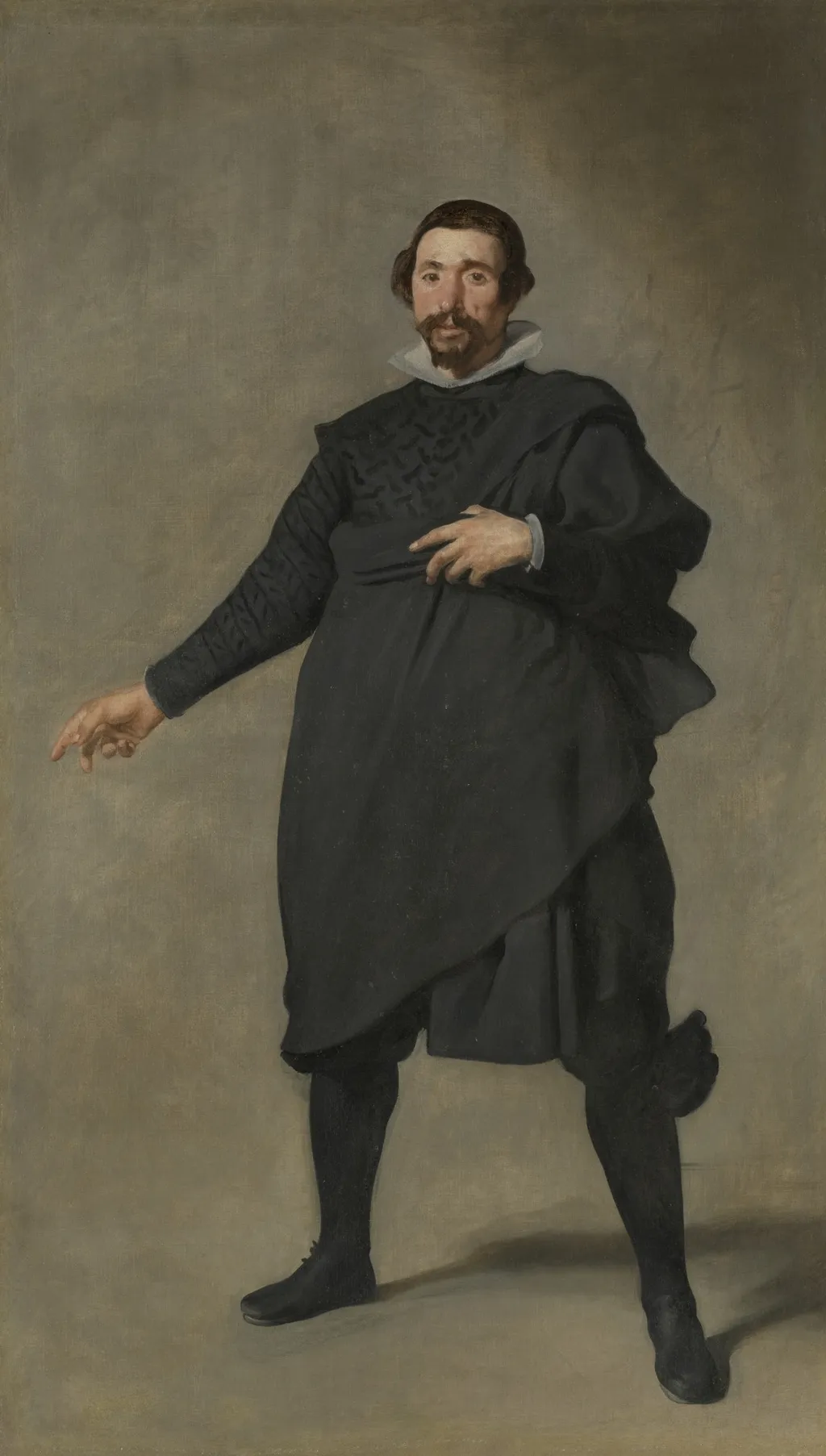
Portrait of Pablo de Valladolid is an oil painting by the Early Baroque Italian artist Diego Velázquez. It dates from 1632 and is held in the collection of the Museo del Prado.
About this work
This painting is a portrait of Pablo de Valladolid.
The subject of the painting, Pablo de Valladolid, was a jester and actor at Philip IV's court. He worked at the court from 1632 until his death in 1648, which gives us a sense of the time period and context.
You can learn more about the artist who painted this portrait at the Museo del Prado.
Overview
Diego Velázquez painted a portrait of Pablo de Valladolid, a court jester and actor, around 1635. The work is executed in oil on canvas and is part of the collection of the Museo del Prado, where it has been housed since its transfer in 1827.
Subject & Meaning
Pablo de Valladolid, also known as "Pablillos," served Philip IV’s court from 1632 until his death in 1648. As a professional entertainer, his presence in a formal portrait reflects the royal household’s recognition of court jesters as notable figures within the cultural life of the Spanish monarchy.
Technique & Style
Velázquez employs his characteristic restrained palette and subtle modeling to render the sitter’s features with a quiet dignity. The brushwork suggests a focus on the texture of fabric and flesh, while the composition places the figure centrally, allowing the viewer to engage directly with the subject’s expression.
History & Provenance
After its creation in the mid‑1630s, the portrait entered the Spanish royal collection. In 1827 it was transferred to the Museo del Prado, where it remains on display as part of the museum’s holdings of Velázquez’s court paintings.
Artist & collection
Artist
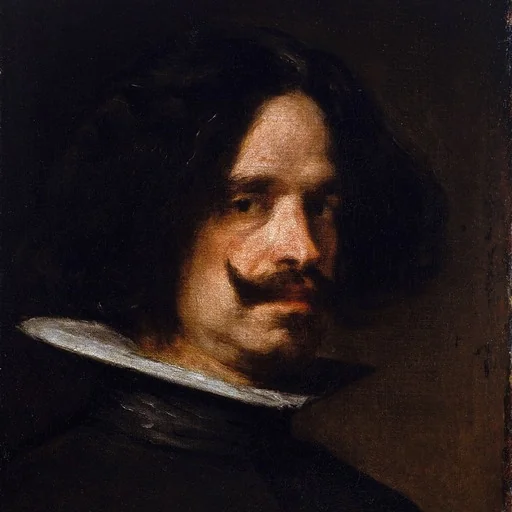
Diego Rodríguez de Silva y Velázquez was a Spanish Baroque painter, the leading artist in the court of King Philip IV of Spain and Portugal, and of the Spanish Golden Age.

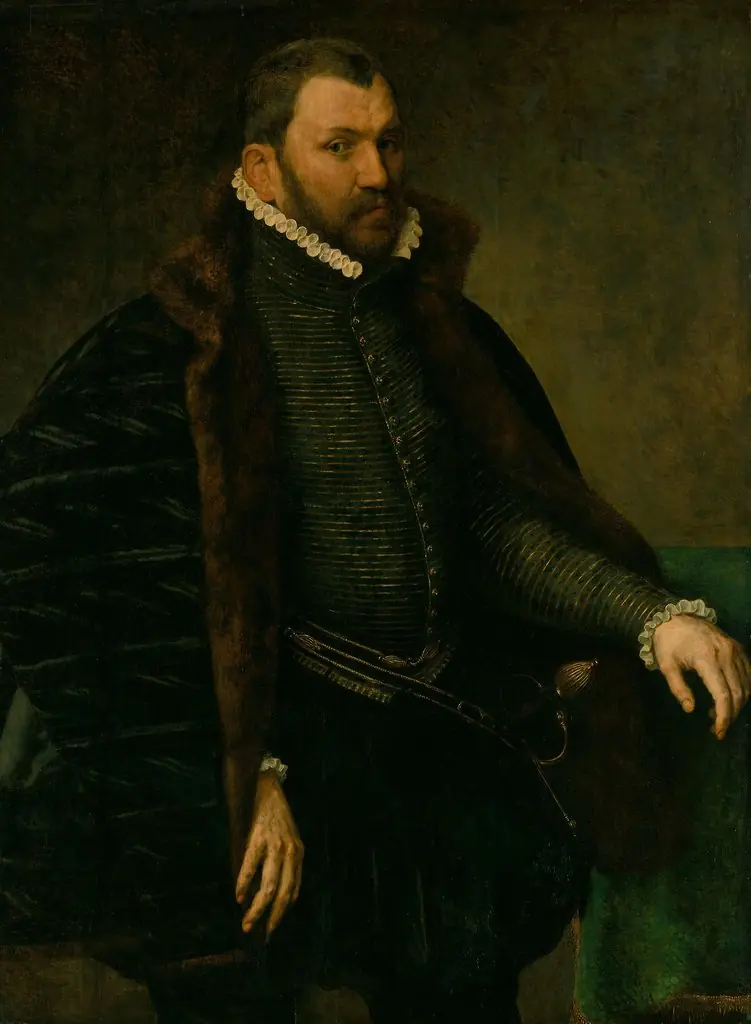 Portrait of a Man
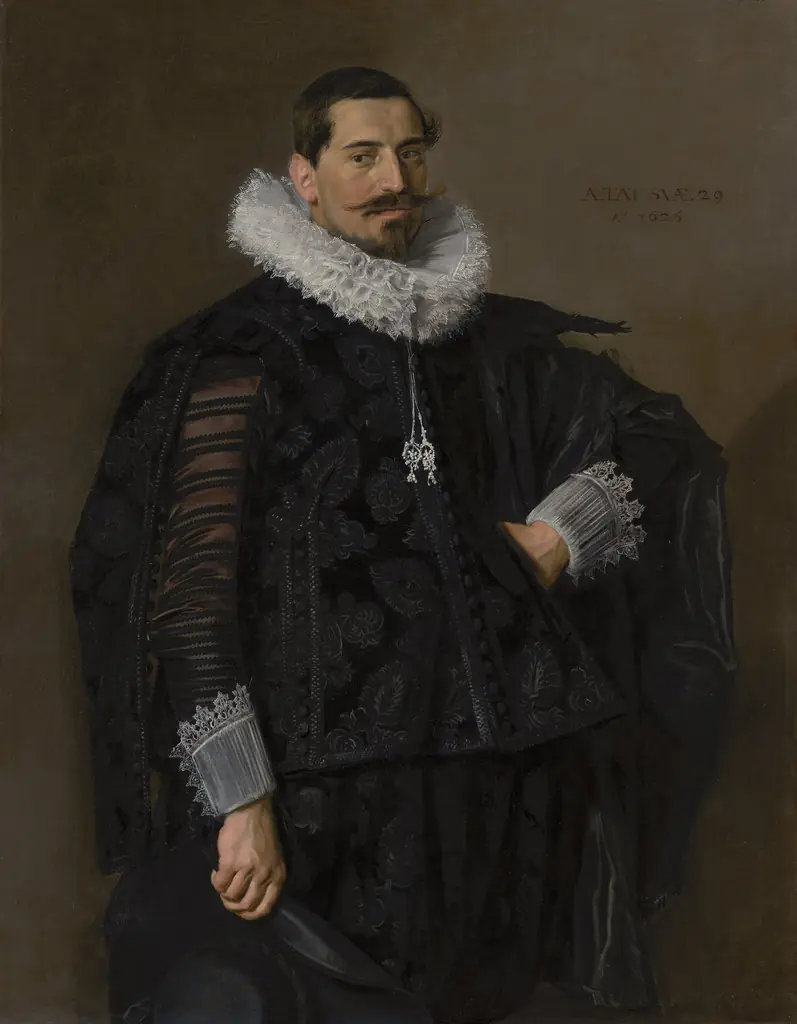 Portrait of Jacob Pietersz Olycan (1596-1638)
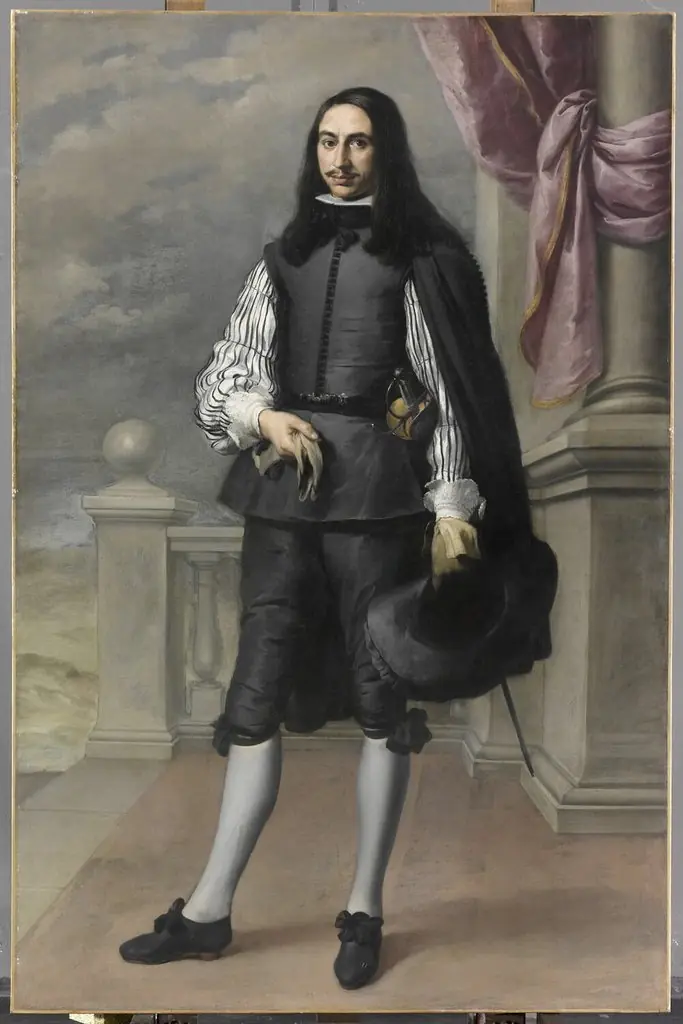 Portrait of Íñigo Fernández de Velasco
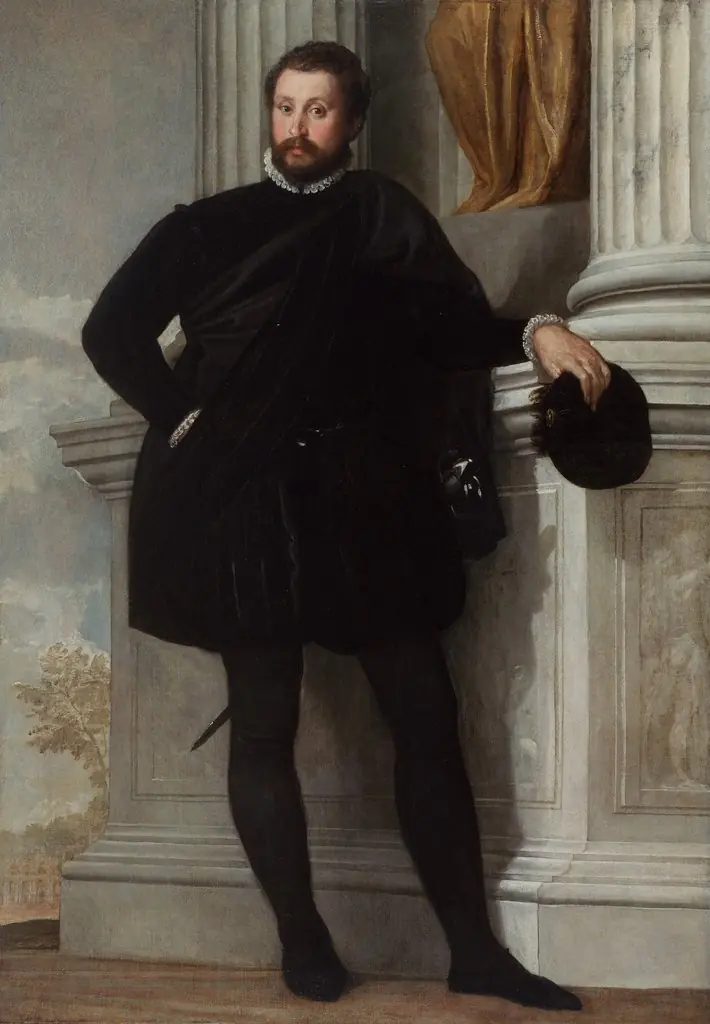 Portrait of a Man
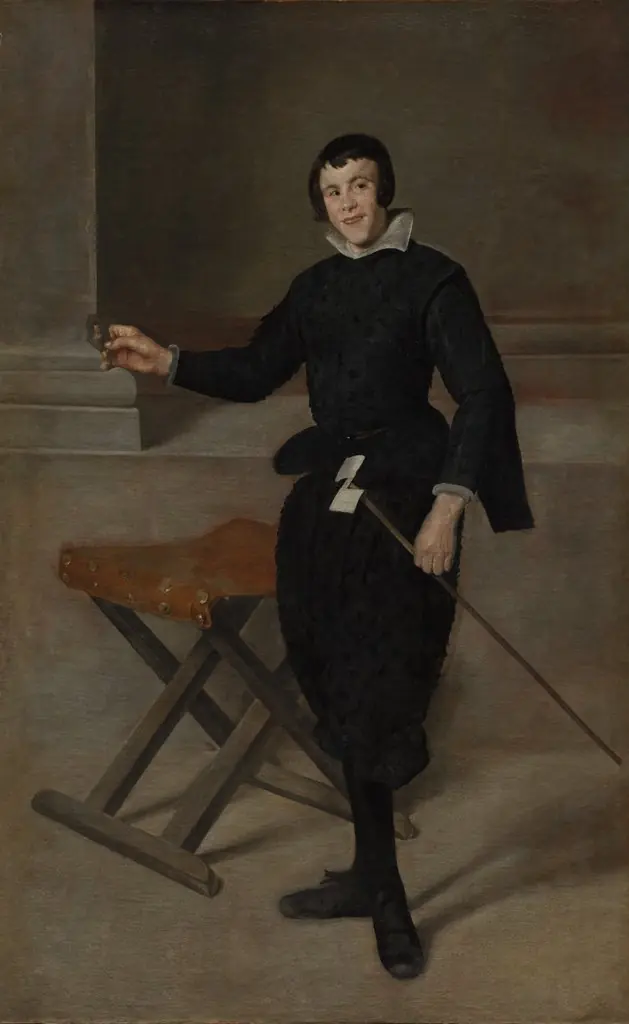 Portrait of the Jester Calabazas
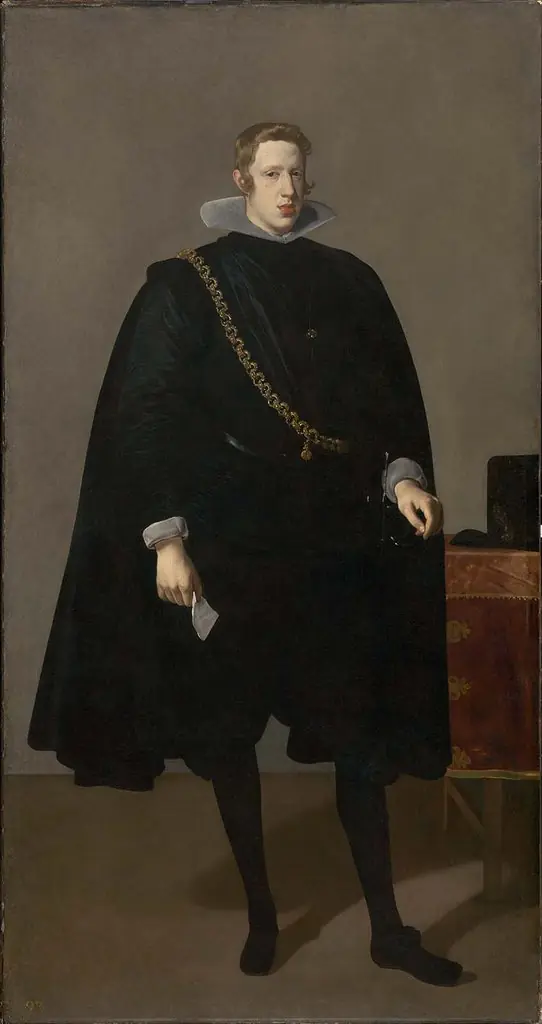 Philip IV, King of Spain
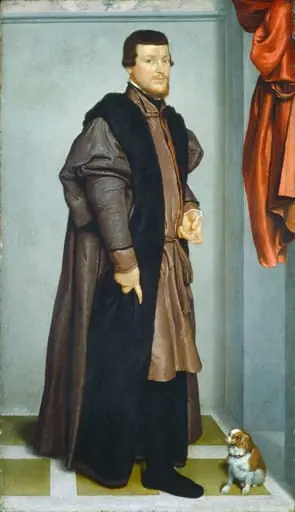 Gian Federico Madruzzo
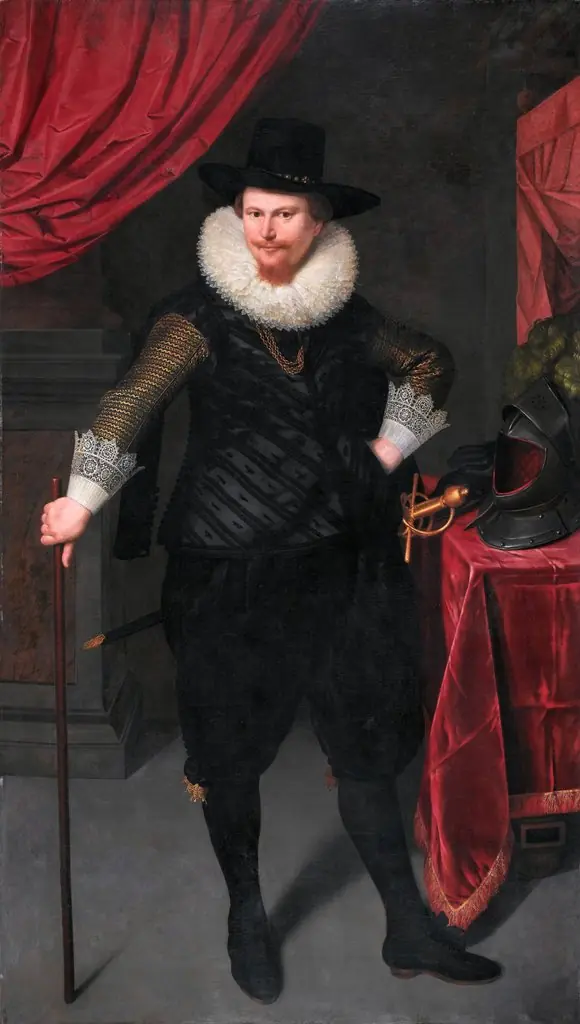 Portrait of Laurens Reael
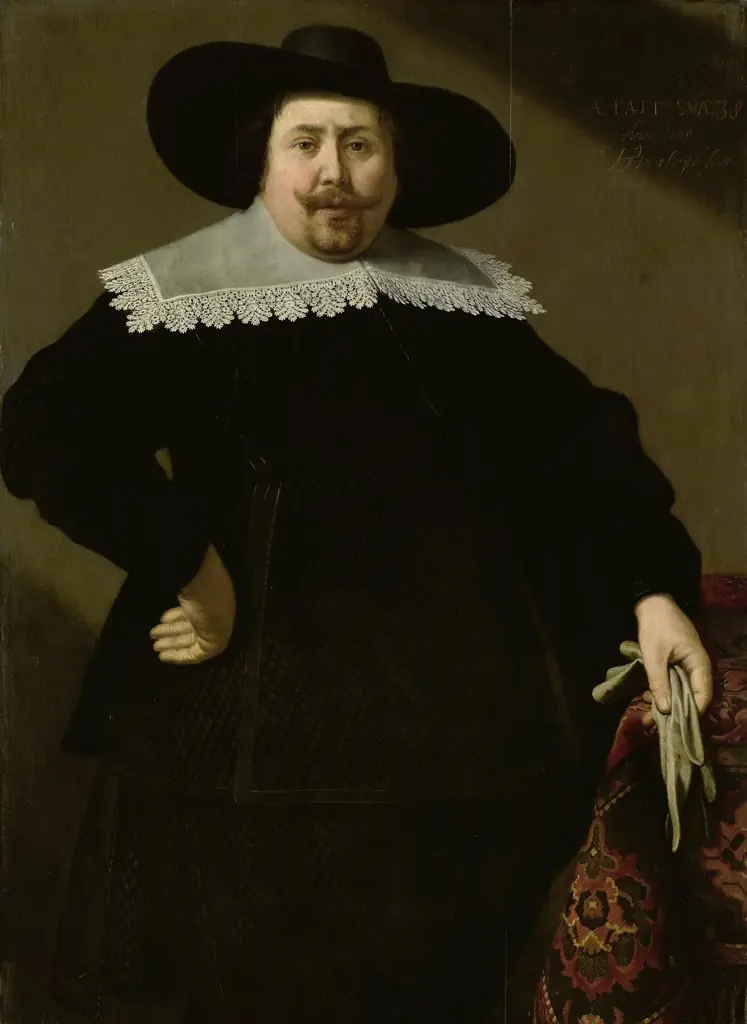 Portrait of Philips Denijs (1604-66)
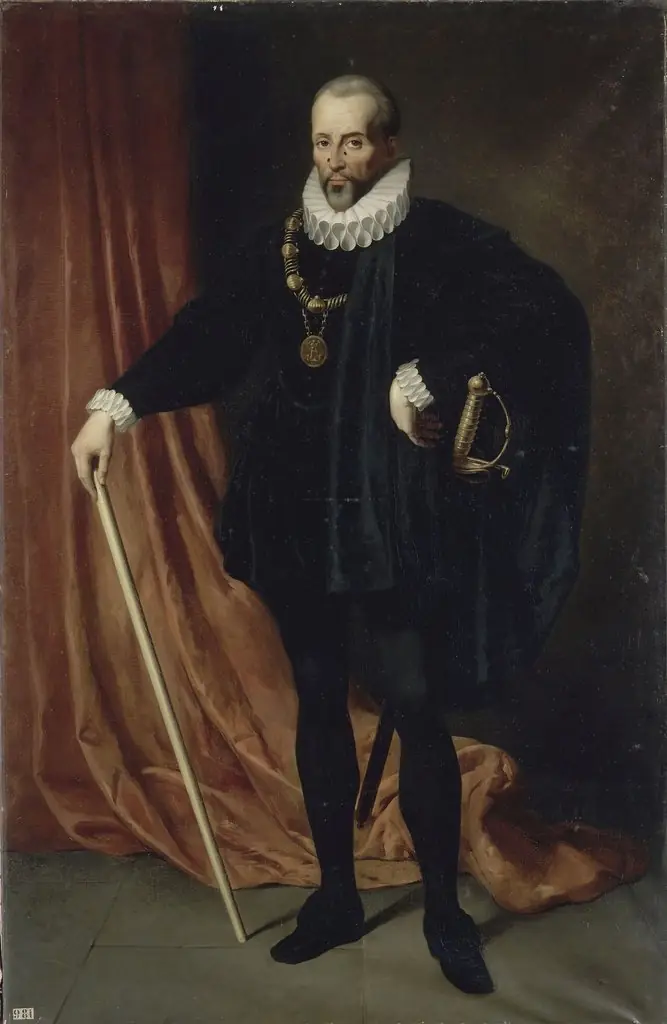 Blaise de Montesquiou, seigneur de Montluc, maréchal de France
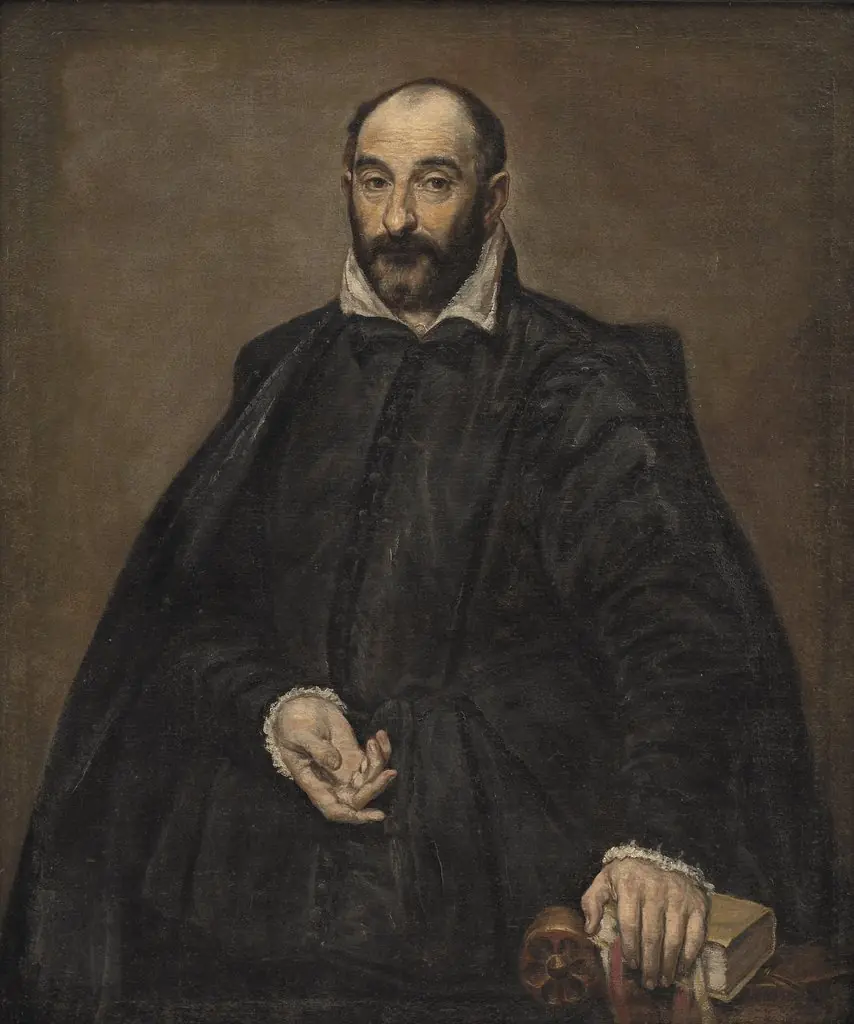 Portrait of a Man
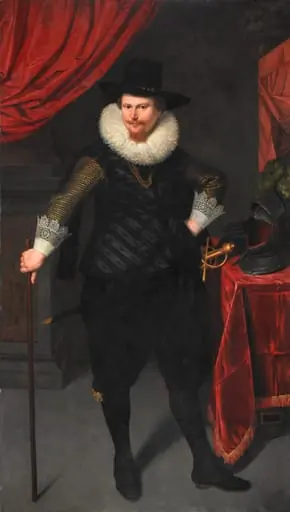 Portrait of Laurens Reael